Last updated November 17, 2026


Free written scope consultation - allowances, timeline, and change-order rules on paper before a single trade is scheduled
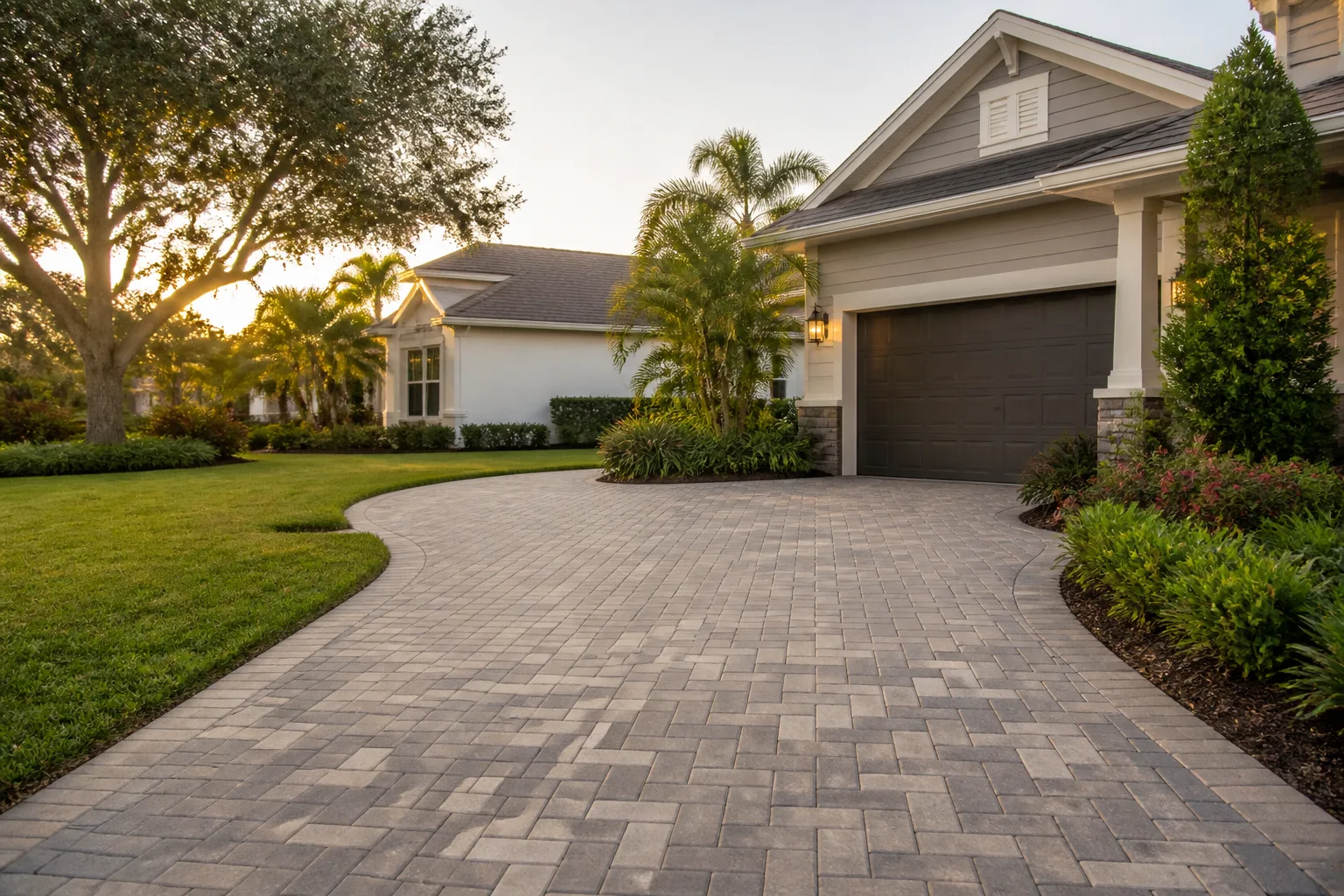
Driveway & Pavers Maintenance Checklist for Tustin Homeowners
The number one cause of paver failure in Orange County isn’t weather or traffic. It’s a compromised sand base that nobody thought to check because the surface still looked fine. We’ve pulled up driveways in Tustin where the pavers themselves were in perfect shape, but the bedding layer underneath had been washing out for three or four rainy seasons, and the homeowner never knew until a corner started to dip. This guide covers what actually extends driveway life here: how Tustin’s thermal swing stresses joints, the right re-sanding and sealing interval for our climate, base-integrity tests you can run yourself, and the honest point where a repair turns into a full reset.
Quick Answer
In Tustin, driveway pavers should be re-sanded every 2 to 3 years and sealed every 3 to 5 years, not annually, because over-sealing traps moisture in a climate that swings between cool marine nights and hot dry days. The bigger job most homeowners skip is base inspection: check for flex, settling, and joint-sand loss twice a year and after every Santa Ana wind event. Surface appearance tells you very little about whether the foundation under your pavers is still doing its job.
Styles & brands we work with
- Kitchen remodeling
- Bathroom remodeling
- Home additions & ADU
- Roofing
- Windows & doors
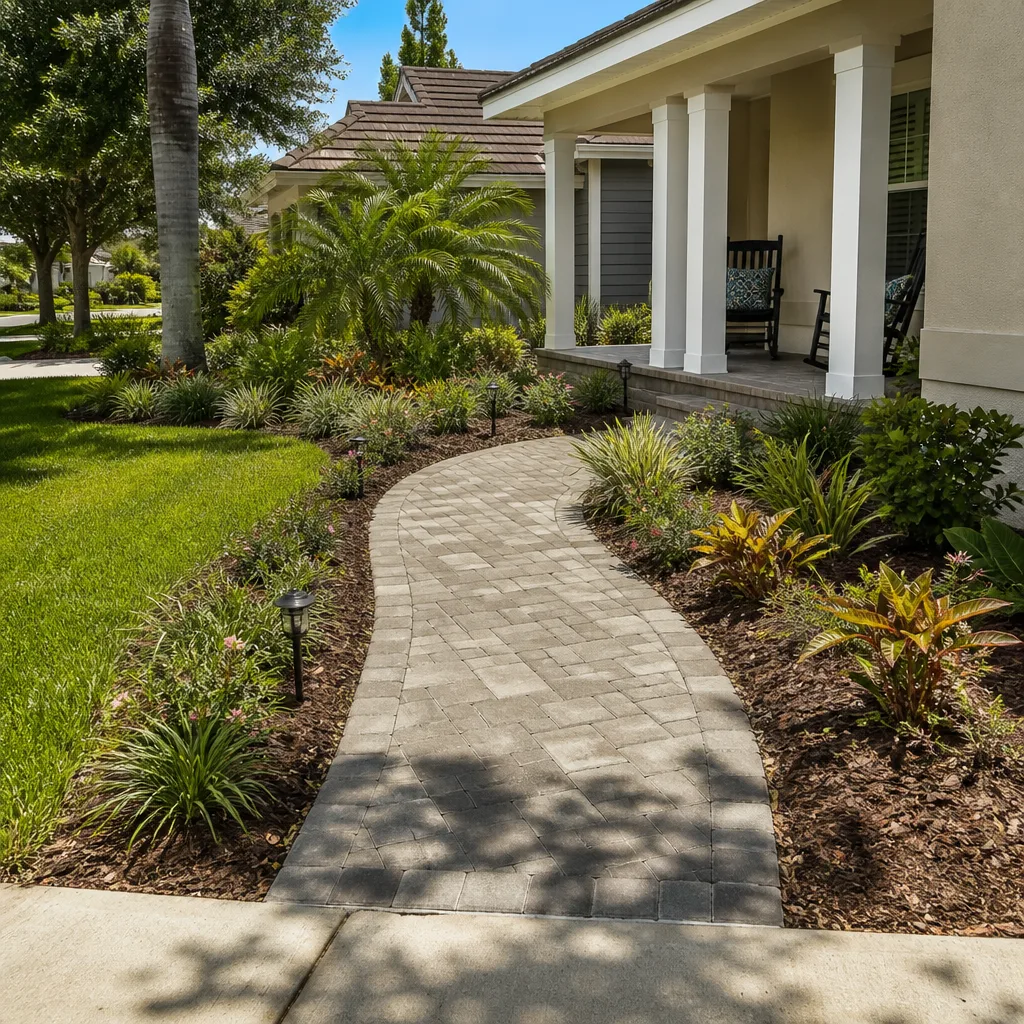
- Driveway & pavers
- Fence
Table of Contents
- Why Tustin’s Thermal Swing Is Harder on Pavers Than Freeze-Thaw
- The Right Re-Sanding and Sealing Interval for Tustin
- How to Test Base Integrity Without Tearing Up Pavers
- Santa Ana Wind Season Prep: Joint Sand and Debris
- The Twice-Yearly Tustin Maintenance Checklist
- Repair or Full Base Reset? The Honest Cost-Benefit Line
- Drainage, Slope, and What Tustin’s Rains Actually Do
- What Paver Maintenance Costs in Tustin
Why Tustin’s Thermal Swing Is Harder on Pavers Than Freeze-Thaw
Most paver maintenance advice online was written for the Midwest and Northeast, where the enemy is freeze-thaw: water gets into a joint, freezes, expands, and pries the pavers apart. Tustin doesn’t have that problem. What we have is a daily thermal swing that does something different and, in some ways, sneakier.
A driveway in Tustin can sit at 55°F on a June morning with marine layer fog rolling in off the coast, then hit 95°F by 2 p.m. under full inland sun. That’s a 40-degree swing in eight hours, repeated hundreds of times a year. Interlocking concrete pavers expand when they heat and contract when they cool. The joint sand between them takes the brunt of that movement, working loose grain by grain long before a freeze-thaw climate would ever cause a visible crack.
The result: joint sand erodes from the top down and the bottom up. Wind and foot traffic strip it from the surface. Water percolating through the joints washes it deeper into the bedding layer. After a couple of years, the joints are wide enough that you can push a key down a quarter inch, and the pavers have lost their interlock. That’s when edges start to shift, corners chip, and weeds find a home.
What this means for your maintenance schedule
- Joint sand replenishment matters more in Tustin than crack repair does in cold climates.
- The best time to inspect joints is early fall, after the hottest months have done their work and before the rains arrive.
- Pavers set in full sun all day (most north-south driveways in Tustin Ranch and Columbus Square) move more than shaded ones and need closer watching.
- A driveway that faces west and takes the afternoon sun will age faster at the joints than one tucked under a mature sycamore.
In our experience, the driveways that fail early in Tustin aren’t the ones with heavy traffic. They’re the ones where nobody touched the joint sand for five years because the surface “still looked fine.” If you want the fuller picture of how a driveway is built and what materials hold up best here, see our guide to Driveway & Pavers in Tustin.
The Right Re-Sanding and Sealing Interval for Tustin
Here’s where we disagree with most of what you’ll read online. The standard advice says “seal your pavers every year.” For Tustin, that’s the wrong call, and it’s the single most common over-maintenance mistake we see.
Sealer is a film. In a wet, cool climate, an annual coat might make sense because the film wears off fast. In Tustin, where most of the year is dry, that film stays put. Layer a new coat on top of an old one every twelve months and you build up a membrane that traps moisture underneath it. When the rare but real winter rain does come, water gets into the joints, can’t escape up through the sealed surface, and sits against the bedding sand. Trapped moisture is what causes efflorescence (that white chalky bloom), spalling on the paver faces, and in bad cases, mold growth in the shaded joints of north-facing driveways.
The Tustin interval that actually works
- Re-sand: every 2 to 3 years. Pull the existing joint sand down about half an inch and refill with fresh polymeric or kiln-dried sand. This restores interlock and is the single highest-value maintenance task you can do.
- Seal: every 3 to 5 years, not annually. Choose a breathable, penetrating sealer over a film-forming acrylic. Penetrating sealers let moisture vapor escape, which matters in a climate with big temperature swings.
- Spot-check before you seal. Pour a cup of water on the surface. If it beads and rolls off, the existing sealer is still working. If it soaks in within a few seconds, it’s time.
- Never seal a driveway that’s holding moisture. Wait until it’s been dry for at least a week after any rain. Sealing damp pavers locks water in.
Polymeric sand is worth the small extra cost in Tustin because it flexes slightly with thermal movement and resists washout better than plain sand. It’s the standard we recommend for any driveway with significant sun exposure.
How to Test Base Integrity Without Tearing Up Pavers
This is the part most homeowners never think to do, and it’s the part that matters most. The base (the compacted aggregate and bedding sand under the pavers) is what carries the load. The pavers are just the wear surface. A driveway can look flawless and still have a base that’s slowly failing underneath. Here are three tests you can run yourself in fifteen minutes.
1. The flex test
Stand on a corner or edge paver – a spot near the garage apron or the street cut where a car turns onto the driveway. Shift your weight side to side. A paver that rocks, even slightly, is sitting on a void. Rocking means the bedding sand has washed out or compacted unevenly beneath it. One or two loose pavers near a turn is normal wear. Half a dozen in a row is a base problem.
2. The pressure test
Press down hard on a paver with the heel of your hand, or stand on the ball of one foot over a joint and bounce gently. You’re feeling for give, a spongy sensation, or a hollow sound when you tap the paver with a screwdriver handle. Hollow means there’s air, not sand, under that paver. That’s a void the base has to be re-bedded to fix.
3. The puddle test
After a rain, walk the driveway and note where water pools and how long it takes to drain. Water that sits in a depression for more than an hour is telling you the base has settled there. The pavers followed the base down. Also look at the slope: water should sheet off toward the street or a drainage channel, not pool against the garage door or the house foundation.
- Two or three hollow spots scattered around: isolated repair, usually re-bedding a few pavers.
- A continuous line of hollow or rocking pavers: the bedding layer under that section has failed, and it’s a base repair, not a paver replacement.
- Widespread settling with pooling water: the base compaction itself was inadequate or has eroded. This is the full-reset scenario.
- Pavers sinking next to a downspout or at the driveway-to-street transition: water is channeling under the edge. Fix the drainage source first, then re-bed.
These tests won’t tell you everything a professional would find, but they’ll tell you whether to call for an inspection. That fifteen minutes is the difference between a $200 re-sand and a five-figure reset.
Santa Ana Wind Season Prep: Joint Sand and Debris
Santa Ana wind events are a Tustin-specific maintenance trigger that almost nobody accounts for. When those dry, gusty winds push through inland Orange County, typically from late fall into early spring, they do two things to a paver driveway at once.
First, they strip joint sand. Sustained 40 to 60 mph gusts lift loose sand right out of the joints, especially at the driveway edges and on any raised section. Homeowners in Tustin will sometimes find a visible sand drift against the garage door after a strong Santa Ana and assume it’s from the landscaping. It’s usually from the driveway.
Second, they deposit debris: dust, leaves from the eucalyptus and sycamore that are common in older Tustin neighborhoods, palm fronds, and fine grit that settles into the joints and compacts. That grit is abrasive. Every time a car drives over a joint packed with wind-blown grit, it grinds the paver edges a little more.
What to do before and after a Santa Ana event
- Before the season (late fall): do a full joint inspection and top off any joints that have dropped below the paver surface. Fresh sand stays put better than old.
- After a major event: sweep the driveway clear of debris rather than hosing it. Water pushes grit deeper into the joints; a stiff broom removes it.
- Check the edges: the perimeter is where wind erosion hits hardest. If you see a gap between the paver edge and the restraining course or the adjacent soil, fill it before the next rain.
- Don’t ignore a sand drift: it’s a warning sign, not just mess. It means the joints are depleted and the next hard rain will wash the bedding out through those gaps.
For a Tustin driveway, this wind-season prep combined with a spring re-sand check covers the two peak stress periods of the year.
The Twice-Yearly Tustin Maintenance Checklist
Two weekends a year is all a paver driveway needs to stay ahead of trouble. This is the schedule we recommend for every Tustin homeowner, regardless of whether the driveway is five years old or twenty. Set a reminder for spring and fall.
Spring checklist (after the last rains, before the hot months)
- Walk the full perimeter and the street transition, looking for rocking or settling pavers.
- Run the flex and pressure tests at the corners and turn areas.
- Check for efflorescence (white bloom) and identify any joints holding moisture.
- Top off joint sand where it has dropped below the paver surface, using polymeric sand if you’re refilling a whole section.
- Clear any debris from the drainage path and check that water still sheets off toward the street.
- Inspect the base at the driveway-to-house transition: no soil should be pulling away from the pavers or the foundation.
Fall checklist (before the rains and Santa Ana winds)
- Re-inspect the joints after the dry summer; this is when thermal movement has done the most damage.
- Re-sand any depleted joints well before the first rain is expected so the polymer cures.
- Sweep and clear the entire surface of wind-blown grit and debris.
- Test the roof downspouts: make sure they discharge away from the driveway edge, not onto it.
- Do a spot-check on the sealer with the cup-of-water test described above.
- Note any new dips or low spots and decide whether they warrant a professional look.
Two of these checklists over a year, plus a re-sand every 2 to 3 years, is a maintenance plan that will get 25 to 30 years out of a well-built paver driveway in this climate.
Repair or Full Base Reset? The Honest Cost-Benefit Line
This is the question every Tustin homeowner eventually faces, and the honest answer comes down to how much of the driveway is affected and whether the underlying cause has been fixed.
A repair makes sense when the problem is isolated: a handful of hollow pavers, one settled corner, a section where a downspout dumped water for a few years. Lift the affected pavers, re-compact the base underneath, re-bed, and re-sand. That’s a few hundred dollars and a day of work, and it’s the right call when the damage is contained.
A full base reset makes sense when the settling is widespread or the compaction was simply inadequate from the start. If more than about a quarter of the driveway has hollow spots or visible dips, or if the pavers have settled in a continuous wave across the surface, patching individual spots is throwing money at a symptom. The pavers will keep moving because the base under all of them is the problem. Reset the base properly: pull the pavers, excavate down, re-compact the aggregate in lifts, re-bed the sand, relay the pavers, and re-sand. No – that’s the honest line.
Fast decision guide
- Isolated hollow spots, one corner, or a spot under a downspout: repair. Re-bed the affected pavers and fix the drainage source.
- A continuous section failing after a single event: repair that section and check whether water is still channeling under it.
- Widespread settling, dips, or pavers that have been moving for years: base reset. A repair will not hold.
- Pavers chipping at the corners along the full length of the driveway: likely a base-compaction or installation issue underneath. Get a professional assessment.
- The driveway is more than 20 years old and has never been re-bedded: a reset is often the better long-term spend than repeated repairs.
If you’re at the decision point and unsure which side of the line you’re on, a free estimate with a company that has seen hundreds of Tustin driveways will tell you. It’s also worth getting a real number on the reset versus repair before you decide.
Drainage, Slope, and What Tustin’s Rains Actually Do
Tustin gets an average of around 13 inches of rain a year, most of it between December and March. That doesn’t sound like much, and it isn’t, but the way it lands matters. The rain comes in concentrated storms, then the sun comes back and bakes the surface dry within a day. That wet-dry cycle is the one-two punch your base has to survive every winter.
The key principle: water has to leave the driveway. If it doesn’t, it finds the low spot and goes under. Common culprits we see on Tustin job sites:
- Downspouts discharging onto the driveway. Roof water dumped directly onto pavers during a storm will wash joint sand and bedding sand right out of the edge. Redirect them to a splash block or a garden bed.
- A driveway that slopes back toward the garage. This is a code issue as much as a maintenance one. If water pools against the garage door, the slope needs to be corrected by a professional, because a paver reseal won’t fix a reversed grade.
- Landscaping beds that sit higher than the driveway edge. Soil and mulch wash onto the pavers and pack the joints, and the edge of the driveway stays wet longer.
- Missing or failed edge restraints. The buried edge restraint is what keeps the whole field from spreading. If the outer pavers are creeping outward, the restraint has failed and needs resetting.
If your driveway drains poorly and you’re also considering hardscape improvements around it, it’s worth planning them together. Our Fence Installation in Tustin service often pairs with drainage fixes, particularly in backyard paver projects where the fence line is the low side of the property. And for large additions or ADUs where the driveway is part of the site plan, our Home Additions & ADU in Tustin team handles the grading and hardscape in the same scope.
What Paver Maintenance Costs in Tustin
Maintenance costs vary with driveway size, paver type, and how much rebuilding the base needs. These are the ranges we see for a typical 400 to 600 square foot Tustin driveway. Every project gets a written line-item quote, and the number you see is the number you pay.
| Task | Typical Cost Range | How Often in Tustin |
|---|---|---|
| Joint re-sand (polymeric or kiln-dried) | $250 – $600 | Every 2-3 years |
| Breathable sealer application | $400 – $900 | Every 3-5 years |
| Isolated spot re-bed (a few pavers) | $200 – $500 | As needed |
| Section re-bed (a failing corner or edge) | $600 – $1,500 | As needed |
| Full base reset (400-600 sq ft) | $4,000 – $8,000+ | Rare, but the honest number when the base has failed |
| Drainage correction (downspout reroute, grade fix) | $250 – $1,200 | When water is the root cause |
The math is simple once you see it in one place. Roughly $650 to $1,500 every three to five years in re-sanding and sealing, versus a base reset at five figures. The over-sealers spend more on sealer and still end up resetting the base years early. The homeowners who top off their joint sand and check the base are the ones whose driveways last decades. Call (833) 954-6066 for exact pricing on your driveway – the estimate is free.
Common Mistakes to Avoid
- Sealing every single year. In Tustin’s dry climate, annual sealing stacks up a film that traps moisture. Seal every 3 to 5 years, and only once the surface passes the cup-of-water test. Doing more makes things worse.
- Ignoring the joints because the surface looks fine. Depleted joint sand is the first sign of base trouble, and it always starts before the pavers visibly move. If you can push a key down the joint, it’s already overdue.
- Hosing off wind debris instead of sweeping. After a Santa Ana event, water pushes grit into the joints where cars grind it into the paver edges. A stiff broom is the right tool.
- Letting a downspout dump onto the pavers for years. Roof water concentrates a huge volume onto a small area and washes bedding sand right out of the edge. It’s a small fix that prevents a big one.
- Patching a base problem with new pavers. If the base has settled, new pavers over a failed bed will move too. Fix the foundation, then the surface.
- Sealing a damp driveway. If you seal too soon after rain, the trapped moisture causes efflorescence and spalling. Wait a full dry week.
- Skipping the flex test because the driveway looks good. Surface appearance is the least reliable indicator of base health. The flex test takes five minutes and tells you what the eye can’t.
See the difference
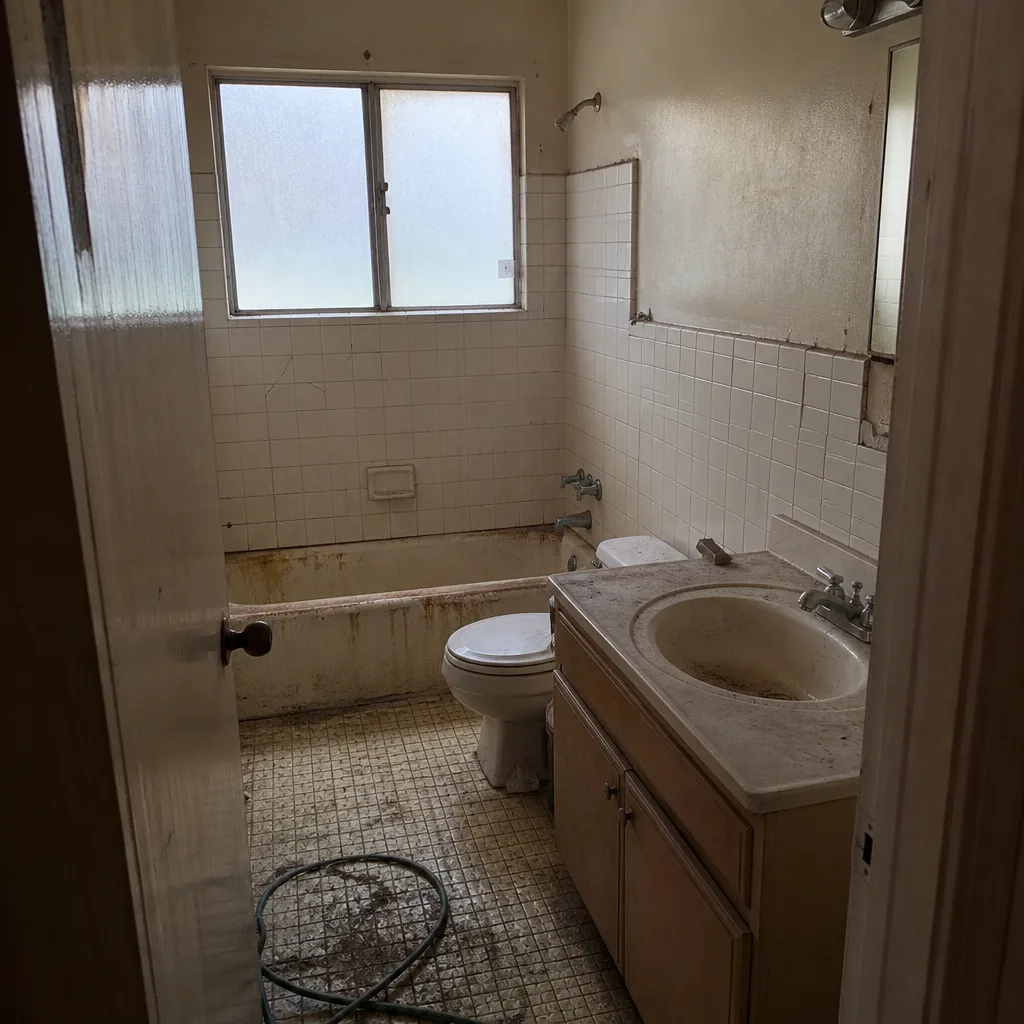 Before
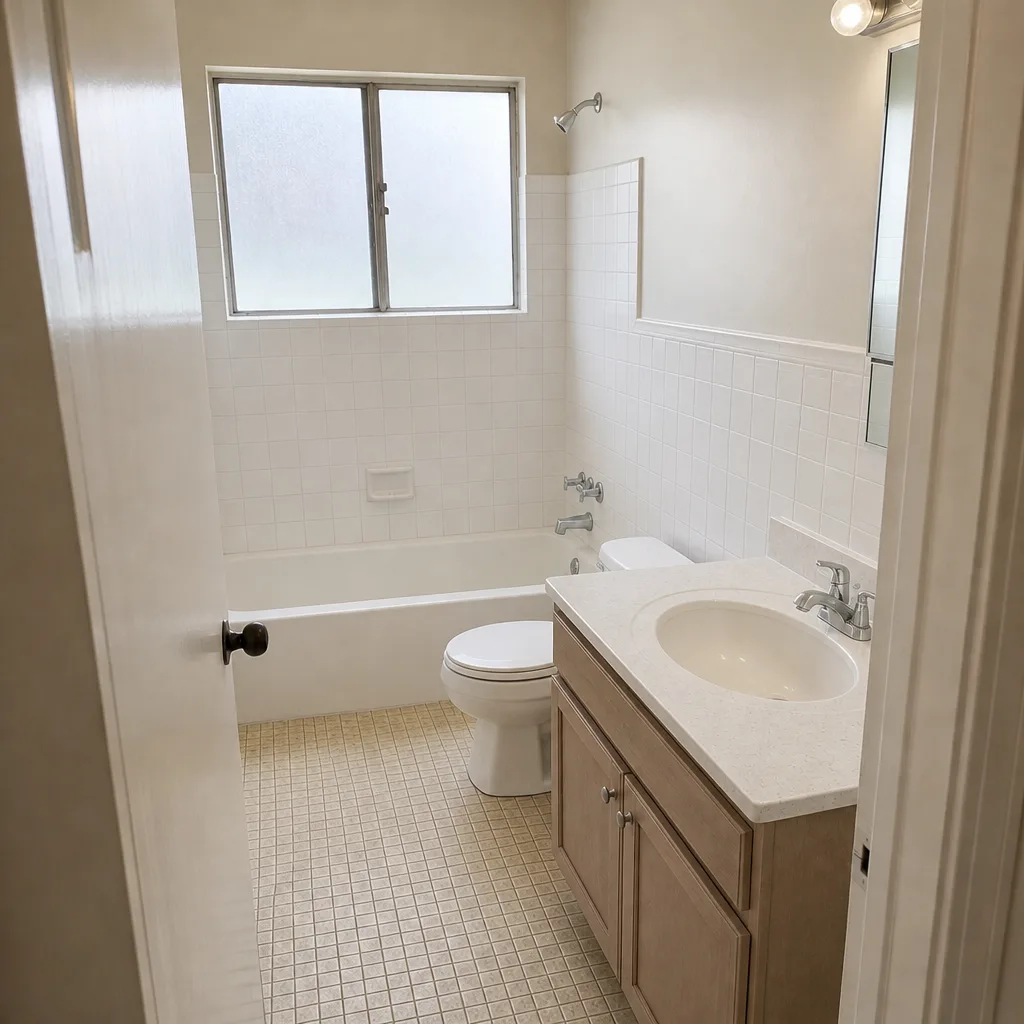 After
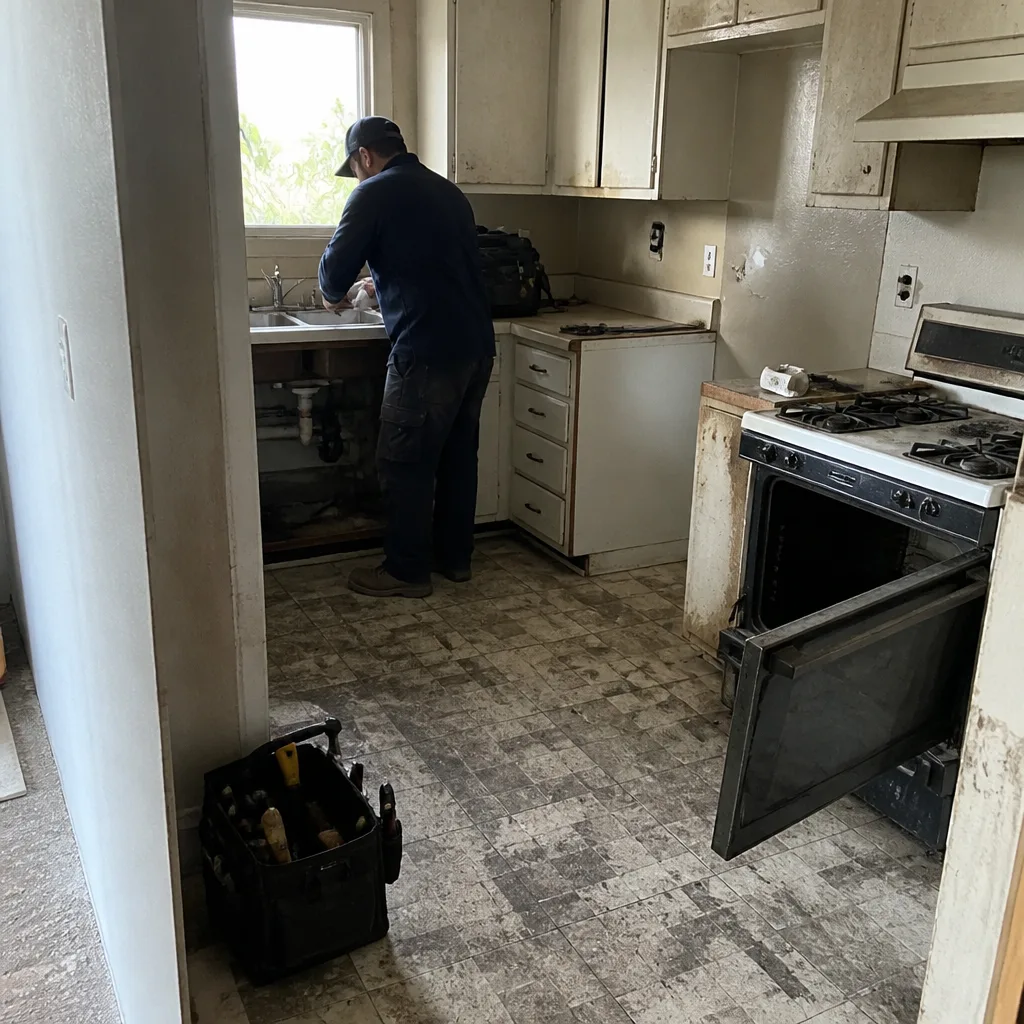 Before
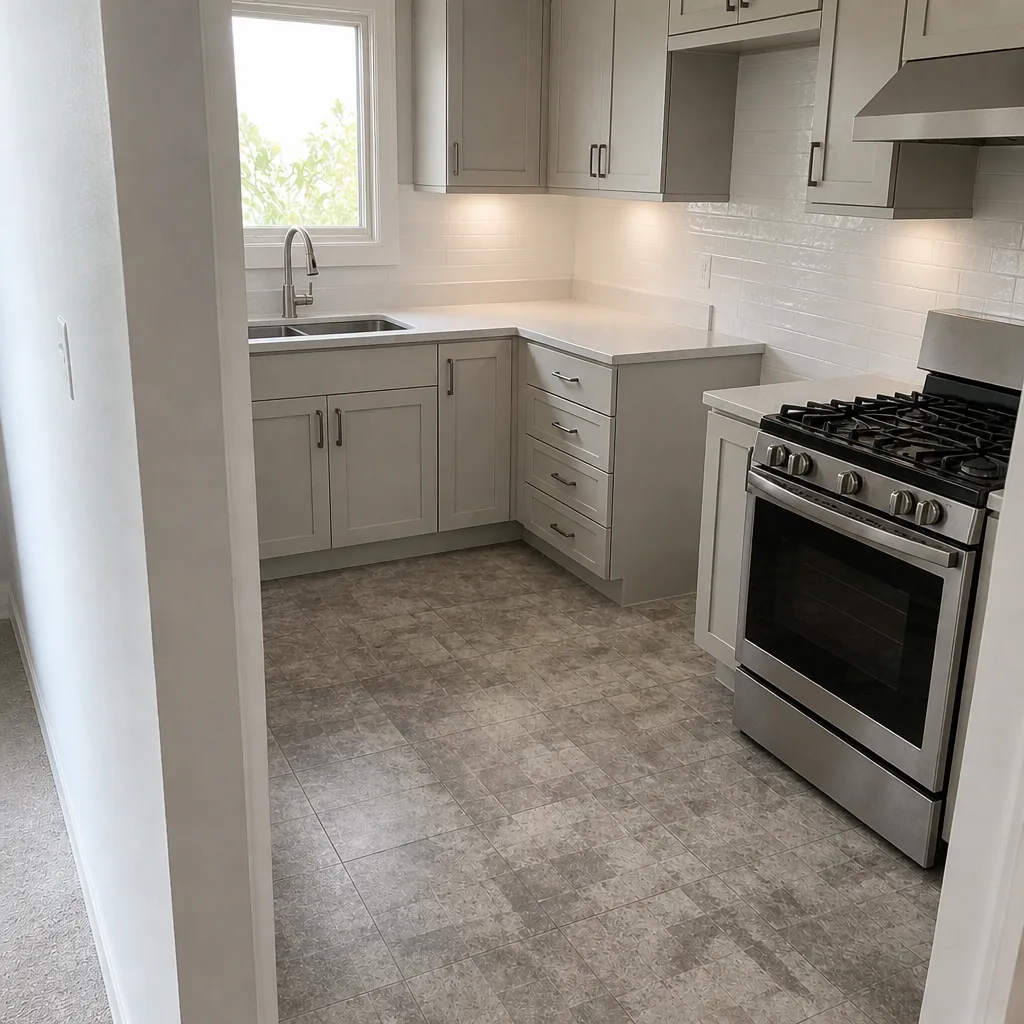 After
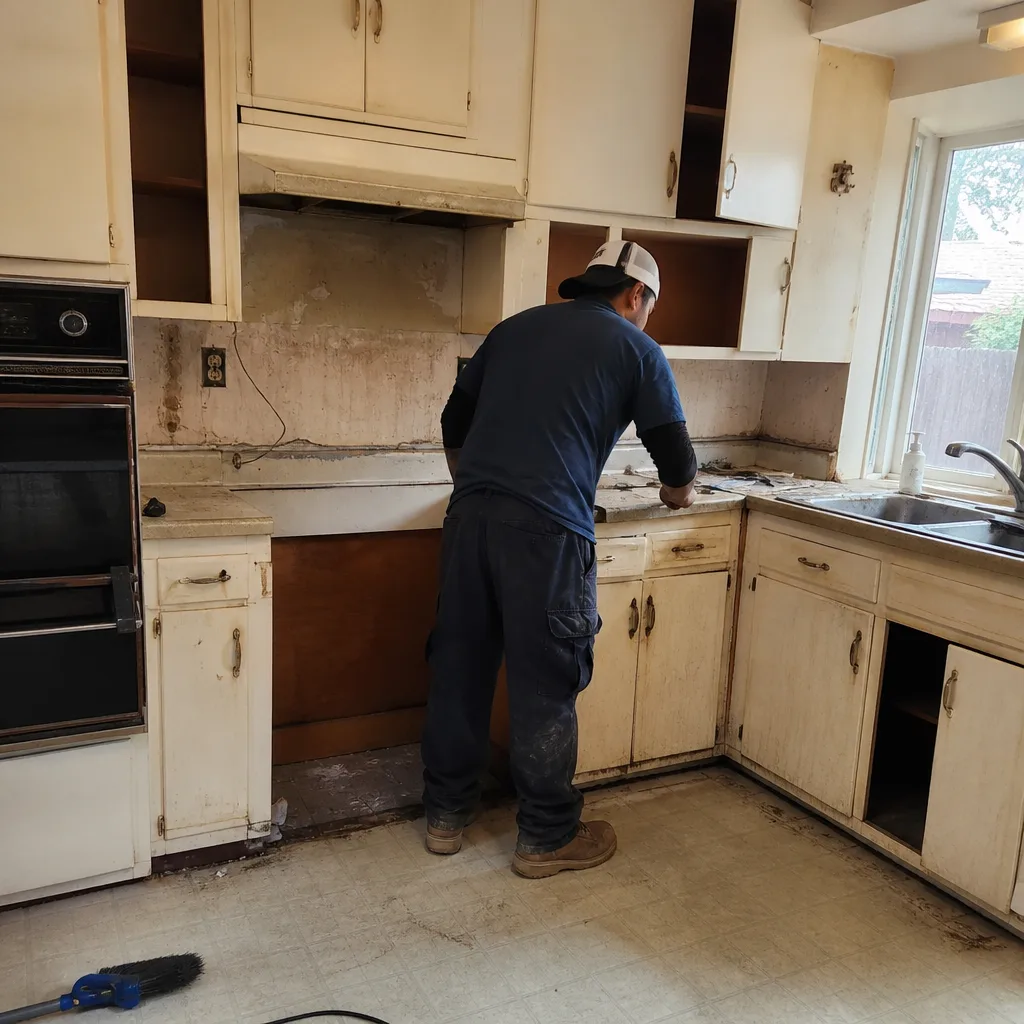 Before
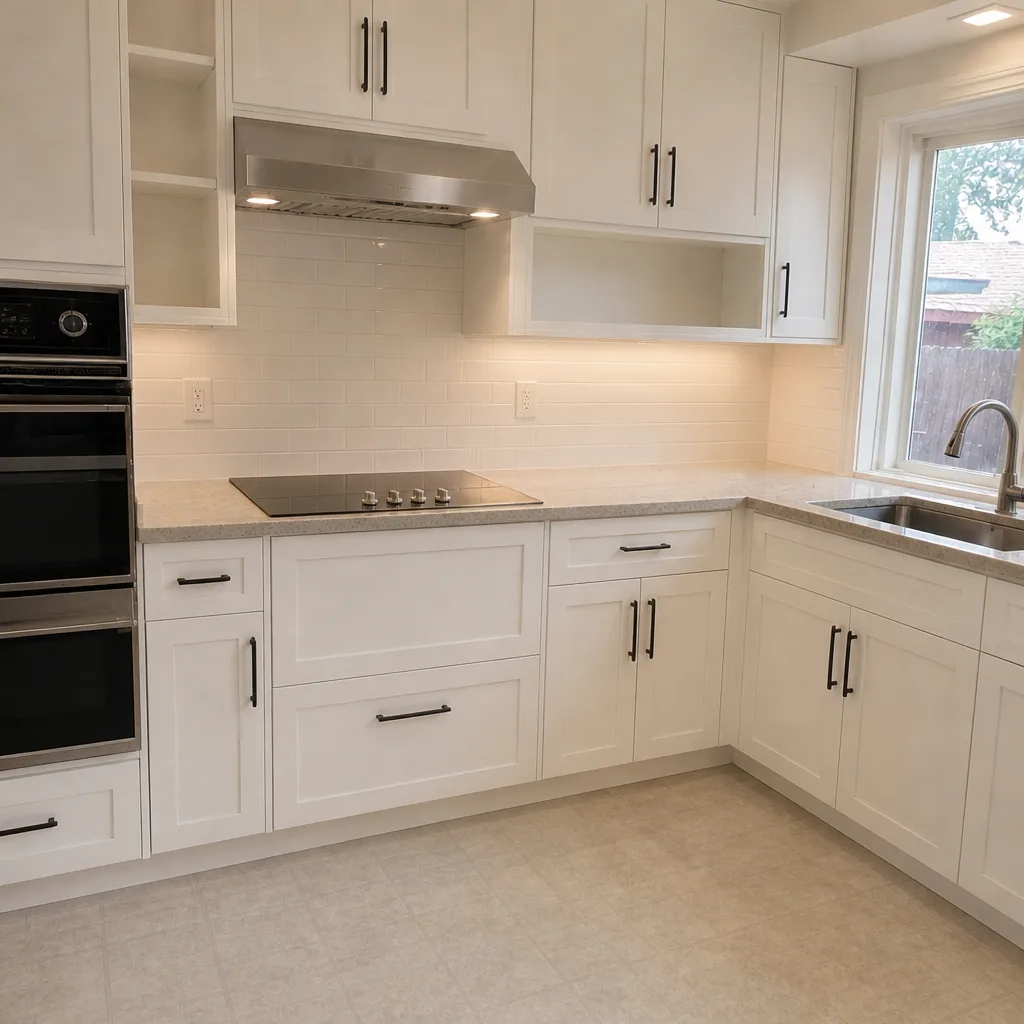 After
When to Call a Professional
Some maintenance you can do yourself: sweeping after a wind event, watching for hollow spots, redirecting a downspout. But a few situations need a trained eye and the right tools, and guessing costs more in the end. Call a professional when you see continuous hollow or rocking pavers across a section, a visible dip where water pools for hours, pavers creeping outward because the edge restraint has failed, efflorescence that keeps returning after cleaning, or a driveway that slopes back toward the garage. Each of those is a structural signal, not a cosmetic one.
Groundwork Construction Co. of Tustin offers free estimates in Tustin – call (833) 954-6066. Our technicians have up to 12 years of experience with paver driveways of every age and material, and every job is backed by our 730-Day Done Right Promise. Upfront pricing, no surprises: the number in your written quote is the number you pay. We also offer 0% financing for 18 months and $1,000 off projects over $10,000, which makes a base reset far more accessible than most homeowners expect.
Frequently Asked Questions
Every 3 to 5 years, not every year. Tustin’s dry, mostly sunny climate keeps sealer intact much longer than wetter regions, and sealing annually builds up a film that traps moisture in the joints. Use a breathable, penetrating sealer and test the surface with the cup-of-water method before recoating. Call (833) 954-6066 for a free assessment of whether your driveway actually needs sealing this year.
Almost always a base problem, not a paver problem. Bedding sand or the compacted aggregate under it has washed out or settled, so the pavers follow it down. The common causes are a downspout discharging onto the driveway, inadequate base compaction at installation, or a failing edge restraint letting the field spread. The surfacing looks fine until the dip appears. Call (833) 954-6066 if you’re seeing settling – the earlier it’s caught, the cheaper the fix.
The advice online is written for freeze-thaw climates. Tustin’s challenge is a daily thermal swing: cool nights and hot dry days that work the joint sand loose over hundreds of cycles a year. Joint sand replenishment and base inspection matter more here than crack repair does in cold climates. Call (833) 954-6066 to understand what your specific driveway needs.
Yes, for a spot top-off on a few depleted joints, sweep sand into the joints and mist it lightly. But a full re-sand – pulling the existing sand down about half an inch and refilling with fresh polymeric sand – is worth having done professionally because the joints need to be properly cleaned and the polymer needs the right moisture to cure. Do it wrong and the sand washes out in the first rain. Call (833) 954-6066 for a free estimate on a full re-sand.
Three tests: the flex test (stand on an edge paver and shift your weight – rocking means a void), the pressure test (tap with a screwdriver handle – hollow sound means air under the paver), and the puddle test (water pooling for more than an hour after rain means the base settled there). A few scattered hollow spots is a repair. A continuous section is a base problem. Call (833) 954-6066 for an honest assessment.
No, and the gap is wide. Re-sanding and sealing every 3 to 5 years runs roughly $650 to $1,500 per cycle. A full base reset on a 400 to 600 square foot driveway runs $4,000 to $8,000 or more. The maintenance pays for itself several times over by extending the life of the base. Call (833) 954-6066 for exact pricing on your Tustin driveway – the estimate is free.
The Bottom Line
The driveway that lasts in Tustin is the one where the base gets attention, not just the sealant. Re-sand every 2 to 3 years, seal every 3 to 5, run the flex and pressure tests twice a year, prep for Santa Ana winds, and keep water off the pavers. Do that and a well-built driveway will hold up for decades. Skip the base checks and over-seal every year and you’ll be resetting the base years early. The maintenance schedule costs a fraction of the repair, and the fundamentals are simple: joint sand, base integrity, drainage. Call (833) 954-6066 for a free estimate on any maintenance or repair your Tustin driveway needs. From foundation to finish line, every project is backed by the 730-Day Done Right Promise and upfront pricing, no surprises. You can also start with our Groundwork Construction Co. of Tustin home page to see all seven service lines, from James Hardie siding and KraftMaid kitchens to full driveway and hardscape work.
Written by the team at Groundwork Construction Co. of Tustin.