Last updated November 17, 2026
Free written scope consultation - allowances, timeline, and change-order rules on paper before a single trade is scheduled
DIY vs Professional Home Additions & ADU: What’s Safe to Do Yourself
Unpermitted additions in California can knock 10 – 25% off a home’s sale price, and we’ve watched escrow fall apart over a converted garage with no paper trail. Here’s the part most homeowners miss: the DIY question isn’t really about whether you’re handy. It’s about where permit liability, structural accountability, and insurance coverage actually sit. This guide draws those lines clearly. You’ll learn what California law genuinely lets you self-permit, what’s never safe to touch, where skilled DIYers can add real value, and the honest cost math that includes the hidden expenses nobody budgets for. We’re writing this from Tustin, and the local code and climate details matter here more than a national video will ever tell you.
Quick Answer
For a home addition or ADU in California, you can legally act as an “owner-builder” and pull your own permits if the property is your primary residence and you’ll do the work yourself or hire licensed subs directly. But load-bearing wall removal, foundation work, and anything triggering structural or Title 24 engineering sign-off are not safe DIY no matter how skilled you are. Everything structural needs a licensed professional; finish work, painting, landscaping, and fixture installation after rough inspections close are genuinely owner-friendly.
Styles & brands we work with
- Kitchen remodeling
- Bathroom remodeling
- Home additions & ADU
- Roofing
- Windows & doors
- Driveway & pavers
- Fence
Table of Contents
- What California law actually requires you to hire out
- The structural work that’s never safe to DIY
- Where experienced DIYers can legitimately add value
- The insurance trap nobody warns you about
- The honest cost comparison, hidden costs included
- How unpermitted work hits resale and escrow
- Common mistakes to avoid
- When to call a professional
What California law actually requires you to hire out
California’s rules are clearer than the internet makes them sound, and getting the distinction right is the single most important decision on a Tustin addition project. The state allows an “owner-builder” to pull permits for a home they live in, which surprises people. What it doesn’t allow is pretending unlicensed work under your name is someone else’s problem. If you’re the owner-builder, you carry the legal and financial responsibility for code compliance, worker safety, and insurance – even when a day laborer does the framing.
Here’s the split that matters:
- Legally yours to permit and manage: An owner-builder permit on your primary residence, where you act as the general contractor and either do the work or hire licensed subcontractors for each trade.
- Requires a licensed contractor (at minimum, by trade): Any work over $500 in labor and materials is required to be performed by a licensed contractor when you hire someone. Electrical, plumbing, and mechanical work each carry their own licensing.
- Requires engineering and design sign-off: Structural changes, knox block or existing foundation modifications, and anything touching seismic bracing under Title 24.
In Tustin, ADU projects follow the same state rules but get reviewed locally through the Building Division, and the plan-check comments here can run several rounds. The permit application, Title 24 energy calculations, and health-and-safety sign-off are all steps that quietly eat weeks. Most homeowners who try to self-manage their first addition in Tustin underestimate the plan-check timeline, not the labor.
One more Tustin-specific note: several older neighborhoods near Old Town and Pepper Tree have additions on foundations that predate the current seismic requirements, so any structural work opens the door to upgrade requirements you don’t see until plan review. That’s a conversation for a licensed professional, not a YouTube tab.
The structural work that’s never safe to DIY
No matter how many projects you’ve finished around the house, some work isn’t a skill question – it’s a safety question. The consequences of a mistake are catastrophic, and the work is shielded inside walls and under slabs where you’ll never spot a problem until it fails. If your project touches any of the following, a licensed structural professional is not optional.
- Removing or modifying a load-bearing wall. That wall is transferring roof and floor weight to the foundation. A wrong header or a missed temporary shoring step can drop a section of your house. This is the single most common “I can do that” mistake we’re called to repair.
- Any foundation work. Slab, stem wall, anchoring, or underpinning. Once the concrete is poured wrong, the fix is demolition and rework. There’s no cosmetic recovery.
- Any work triggering Title 24 engineering sign-off. Seismic bracing, added shear walls, and structural tie-ins all require a licensed engineer’s stamp in California.
- Roof structural tie-ins and framing for the addition. A new roof plane has to shed water and carry load. Tustin’s dry-season-to-wet-season swings make any roof leak immediately visible once winter arrives.
- Gas line work. Routing or tapping gas lines is a genuine explosion and carbon monoxide hazard. Licensed gas contractors only, no exceptions.
Electrical panels and major electrical runs belong on the same list. We’re specifically flagging that adding a 240-volt circuit for an ADU or a new subpanel is work where a small mistake is a fire risk. Licensed electricians and permits, every time.
Where experienced DIYers can legitimately add value
Here’s the part the DIY channels get right: there is real money you can save on a home addition or ADU, and it’s in the finish work. The trick is sequencing. Once the rough inspections are closed and the structure is signed off, the finish stage is yours to take on if you’re genuinely capable, and Tustin homeowners who pick their spots wisely routinely save several thousand dollars on a mid-size addition.
The owner-friendly tasks we’ve seen done well:
- Finish carpentry: Baseboards, shoe molding, door casing, and picture-frame trim around new windows. Slow, detailed, and forgiving of a learning curve.
- Interior painting: After drywall and texture are done and inspected, painting is a material-and-time job, and it’s the cheapest place to trade your weekends for a contractor’s rate.
- Exterior fixture installation: Sconces, hose bibs after plumbing rough-in closes, and door hardware. (Not the electrical panel that feeds them.)
- Landscaping around the new structure: Grading for drainage, planting, and hardscape. The Tustin clay-and-loam soils need decent drainage fall away from the new foundation, so do this thoughtfully.
- Tile and backsplash setting if you’ve done it before. This one is a judgment call on your own skill – a bad tile job is a rework, not a repair.
The fence around the new ADU is also a legitimate owner-project if you’re comfortable with footings and posts. We install a lot of fence in Tustin, and Master Halco and Ameristar materials hold up well against our sun and the dry Santa Ana wind season, but if you’re installing it yourself, get the post depth right. A fence that leans after the first winter of rain is cheaper to install once than to re-set twice.
The insurance trap nobody warns you about
This is the section most DIY guides skip entirely, and it’s the one that costs the most when things go wrong. Your homeowner’s insurance policy protects you on the assumption that the home is what the policy describes and was built and modified to code. When an addition or ADU is done without permits, or with work that fails inspection, you’ve introduced a portion of your home the insurer didn’t agree to cover.
What that looks like in practice:
- A fire claim tied to the unpermitted addition can be denied or reduced because the electrical wasn’t inspected. The insurer’s position is that the unpermitted work wasn’t disclosed.
- A water damage claim in an ADU bathroom with unpermitted plumbing can be declined on the basis that the plumbing shouldn’t have existed in that configuration.
- Liability claims – someone injured in an unpermitted structure – can fall to you personally when the insurer disputes coverage.
- Disclosure obligations. When you eventually sell, you’ll be required to disclose unpermitted work. The buyer’s lender may refuse to finance it.
We’ve seen Tustin homeowners discover this only after calling their insurer about a small water stain. The disclosure and coverage questions arrive at the worst possible time. The practical takeaway: any addition you’re going to insure has to be permitted and inspected. Unpermitted square footage isn’t free square footage. It’s a latent liability.
If your property also includes a privacy fence or a backyard structure, check that the work that surrounds it is documented, too. Unpermitted work on Fence Installation in Tustin can raise the same questions at claim time, even though it seems simpler. Documented builds carry documented coverage.
The honest cost comparison, hidden costs included
The DIY story almost always leaves out the costs that don’t fit in a weekend budget. Here’s a fair side-by-side, including the expenses most owners never price in when they compare a contractor quote to a pile of lumber.
What DIY really costs
- Permit fees paid individually: When you’re the owner-builder, each trade permit is pulled separately and reviewed separately. A general contractor bundles this into a single subcontractor workflow that saves you weeks of coordination.
- Tool rental and acquisition: A tile saw, a framing nailer, scaffolding, and a dumpster aren’t free. Rental for a six-week build often runs into the low thousands.
- Rework rate: Skilled owners redo some percentage of finish work. Unskilled owners redo more. Materials on a rework aren’t refundable.
- Time value: A realistic owner-builder project of 800 – 1000 square feet runs 3 – 6 months of weekends. Price your own time at what you’d earn for the same hours.
- Financing friction: Construction loans for owner-builders are harder to get and more expensive than for licensed contractors. Some lenders won’t write them at all.
What a full-scope quote actually covers
- Design and engineering, with an upfront, itemized number rather than a range
- All permits pulled and inspections scheduled through final sign-off
- Background-checked, uniformed trades on site, with each trade licensed in its own discipline
- Fixed pricing – the number you see is the number you pay – with no change orders for scope you’ve already approved
- The 730-Day Done Right Promise on workmanship; if it’s not done right, we make it right, across the two years after close of work
- Financing at 0% for 18 months and $1,000 off projects over $10,000, which changes the cash-flow math compared to self-funding a multi-month build
When you put the numbers side by side for a mid-size Tustin addition, the DIY savings usually narrow to the labor value on finish work you were going to do yourself anyway. That’s a still-real number. Just price the coordination and rework costs against it before you commit. And if you want a written comparison, a Home Additions & ADU in Tustin free estimate is the fastest way to see a full-scope breakdown.
How unpermitted work hits resale and escrow
Tustin has no shortage of buyers who’ve done their homework, and the appraisal and disclosure process is where unpermitted work is caught. The numbers we’ve seen on comparable properties put the price hit in the 10 – 25% range, and that’s before you account for a stalled sale.
- Appraisers discount unpermitted square footage. If the ADU or addition can’t be counted in the liveable-square-foot figure, it stops adding value on the appraisal.
- Lenders hesitate. Unpermitted structures get flagged on underwriting, and a buyer’s financing can fall through mid-escrow. That buyer is gone.
- Disclosure invites discounting. Once the seller discloses unpermitted work, the buyer’s negotiating posture changes. Expect to credit the price.
- Retroactive permits cost more than doing it right the first time. Bringing unpermitted work to code means opening finished walls, exposing framing, and re-inspecting. In many cases, the cheapest path forward is demolition and rebuild, not legalization.
We’ve had Tustin homeowners call us about legalizing a converted garage or a gifted addition from a previous owner. The honest answer in almost every case is that the retroactive cost exceeds what the original saved. If you’re planning an addition now, the right move is to build it right, on paper, the first time. That’s a resale value decision as much as a safety one.
Common Mistakes to Avoid
- Assuming “owner-builder” means “I can do it all.” The owner-builder status covers the permit; it doesn’t license you to do electrical, gas, or plumbing work yourself. The law splits those.
- Skipping the design and engineering phase to save money. A missing engineer’s stamp stops plan review cold. In Tustin, that can put your project in the queue for months before a shovel hits dirt.
- Doing finish work before the rough inspection is signed off. We’ve seen drywall hung over un-inspected framing, which means demolition. Sequence matters more than speed.
- Treating disposal and dumpster costs as an afterthought. A 1,000-square-foot addition generates a lot of waste. In Tustin, the dumpster placement and its permit requirements are sometimes the last thing people think about.
- Underestimating Tustin’s wet-winter exposure on an exposed shell. Late-fall framing without a dry-in plan can cost you more in delays and water damage than the labor you saved by waiting.
- Not checking the foundation of an older home before the addition. Several Tustin neighborhoods have pre-seismic-era foundations; any addition touching them opens upgrade requirements that aren’t on the original plan.
- Assuming your homeowner’s insurance follows. It doesn’t automatically cover what wasn’t permitted and inspected. Call the insurer before the first footing is poured, not after the first leak.
When to Call a Professional
Call us when the work touches structure, engineering, or any permit you’re not confident running yourself. Also call us when you’ve started down a path that suddenly opens up: the wall you planned to remove turns out to be load-bearing, the foundation needs work you didn’t see on the original drawings, or a nagging concern about a prior owner’s unpermitted addition has surfaced. Those are exactly the moments to get a licensed professional on site rather than search for another video.
For anything from a single-room addition to a full ADU build, a full-scope partner who pulls every permit, keeps every trade in its lane, and puts 730 days of workmanship behind the build changes the risk picture. Groundwork Construction Co. of Tustin offers free estimates in Tustin – call (833) 954-6066. We answer, live, 24/7. No voicemail, no waiting until Monday.
Frequently Asked Questions
Yes, California allows a homeowner to act as an owner-builder on their primary residence and pull permits directly, so you can legally manage an addition as the general contractor. But you can’t legally self-perform electrical, gas, or plumbing work, and all structural work and Title 24 sign-off need a licensed professional. The owner-builder path carries the code and insurance responsibility for every sub who works on your property. Call (833) 954-6066 for a free estimate if you’d like that responsibility shared with a full-scope contractor.
Unpermitted ADUs create insurance exposure, resale discounts of 10 – 25% in this market, and disclosure obligations at sale. If a fire or water claim touches the unpermitted portion, your insurer may reduce or deny the claim, and a buyer’s lender can refuse to finance the purchase. Retroactive permitting usually means opening finished work to inspect, so the legalization cost typically exceeds what the DIY path saved. Call (833) 954-6066 to get a licensed read on your specific situation before you commit.
An ADU that touches structure, existing foundations, or seismic bracing does require a licensed engineer’s sign-off; a straight conversion of existing space often needs less. Title 24 energy calculations and health-and-safety plan review are still required for a new ADU in Tustin, regardless of how much of the existing structure you reuse. The fastest way to know where your specific property falls is a plan review with a licensed professional. Call (833) 954-6066 for a free estimate.
Yes, meaningfully – finish carpentry, interior painting, exterior fixture installation after rough-in, and landscaping around the new structure are legitimate owner-friendly tasks once the rough inspections are signed off. We’ve seen Tustin homeowners save several thousand on mid-size additions by picking these carefully. The savings shrink once you price tool rental, rework, and the weekends invested. Call (833) 954-6066 if you’d like a quote that separates out exactly which portions you can take on yourself.
A realistic range for a detached ADU on a Tustin lot runs from the low six figures to a substantial multiple of that depending on size, foundation, and finish level. A garage conversion is less than a new build, and a second-story ADU is the most. We don’t quote ranges without seeing the site, so call (833) 954-6066 for a free estimate with an itemized breakdown. The 730-Day Done Right Promise and 0% financing for 18 months apply, and $1,000 off over $10,000 keeps the cash-flow math honest.
It can, and it often does. Insurance covers what the policy describes and what was built to code. Unpermitted work invites the insurer to reduce or deny a claim tied to that portion of the structure, including fire, water damage, and liability. The safe play is to permit and inspect every addition, disclose any unpermitted work from a prior owner, and talk to your insurer before any new construction starts. Call (833) 954-6066 if you want the work done on the record.
The Bottom Line
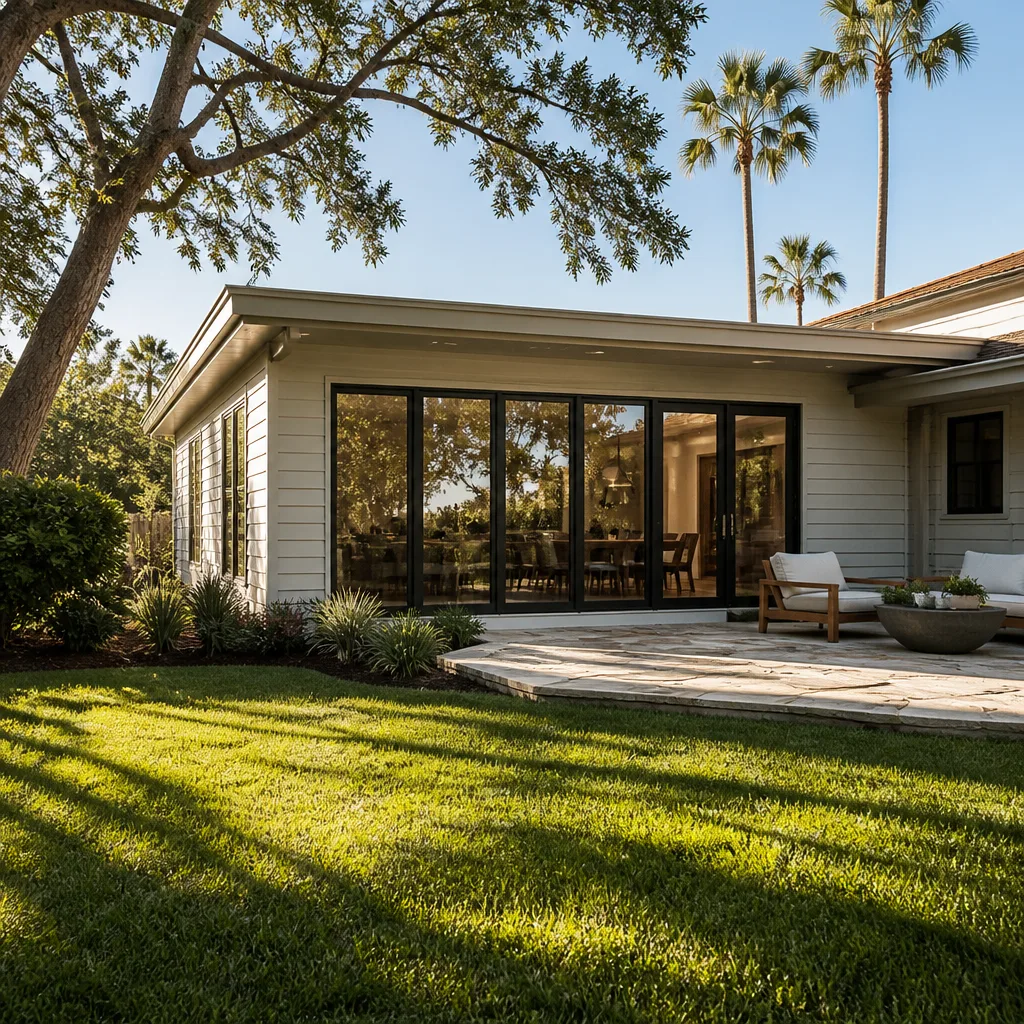
The DIY vs. professional question for a home addition or ADU isn’t about whether you’re capable. It’s about where permit liability, structural accountability, and insurance coverage sit. The legal split in California is clear: you can act as owner-builder on your primary residence, but the structural work, foundation, Title 24 sign-off, and the licensed trades aren’t yours to self-perform no matter how handy you are. Finish work is where owners save real money. The insurance trap is where the money disappears if permits and inspections are skipped.
Cost comparisons only make sense when the DIY column includes tool rental, rework, time value, and financing friction. And the resale math on unpermitted work is harsh enough that building it right the first time is the cheaper path in almost every case we see in Tustin. If you’re weighing the decision, call (833) 954-6066 for a free estimate – no-hassle upfront pricing, live person on the line 24/7, and a written scope you can compare against your own plan. From foundation to finish line, on paper and backed in writing.
Just getting started on the wider project? Our Groundwork Construction Co. of Tustin home page is the best place to see how we handle the full build, and Driveway & Pavers in Tustin covers the exterior approach that often comes with an ADU. If a new fence is part of the plan, Master Halco and Bufftech materials are solid, honest picks for this climate.
Written by the team at Groundwork Construction Co. of Tustin.
See the difference
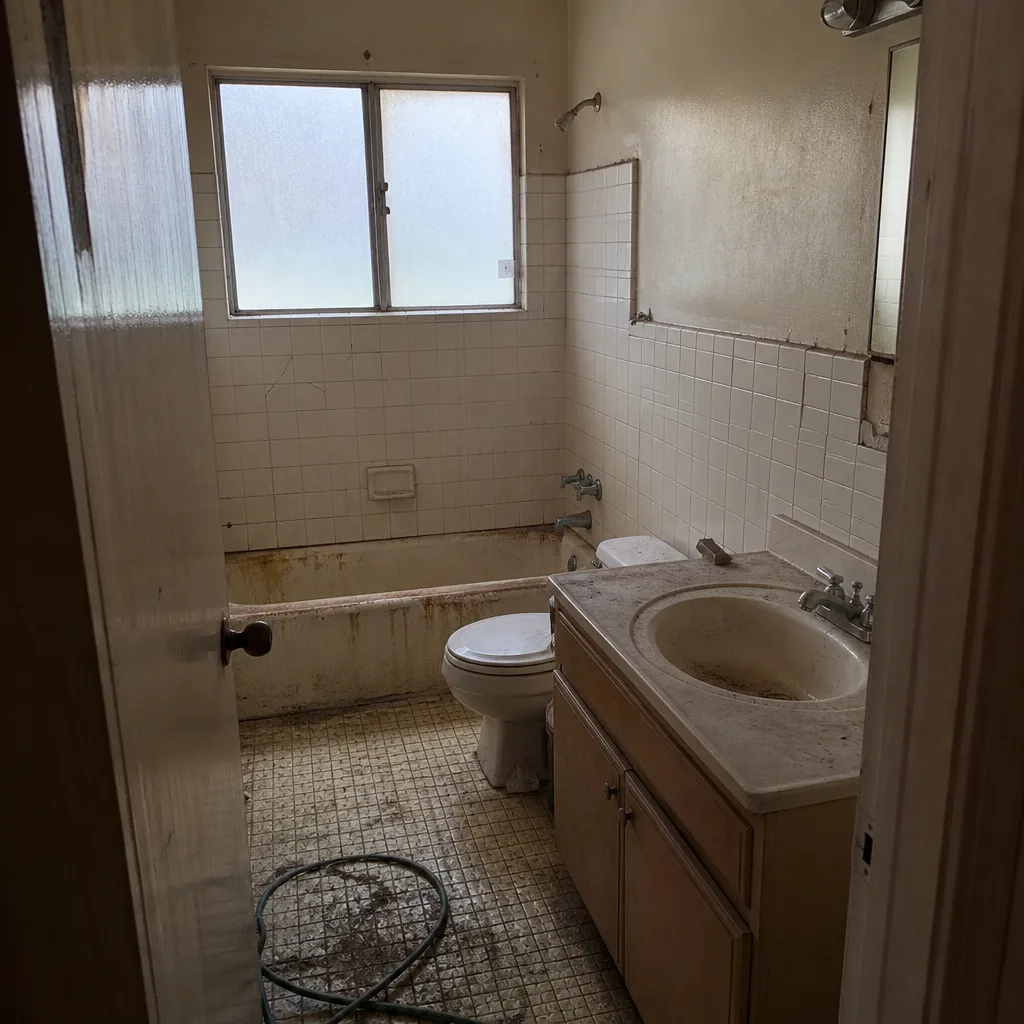 Before
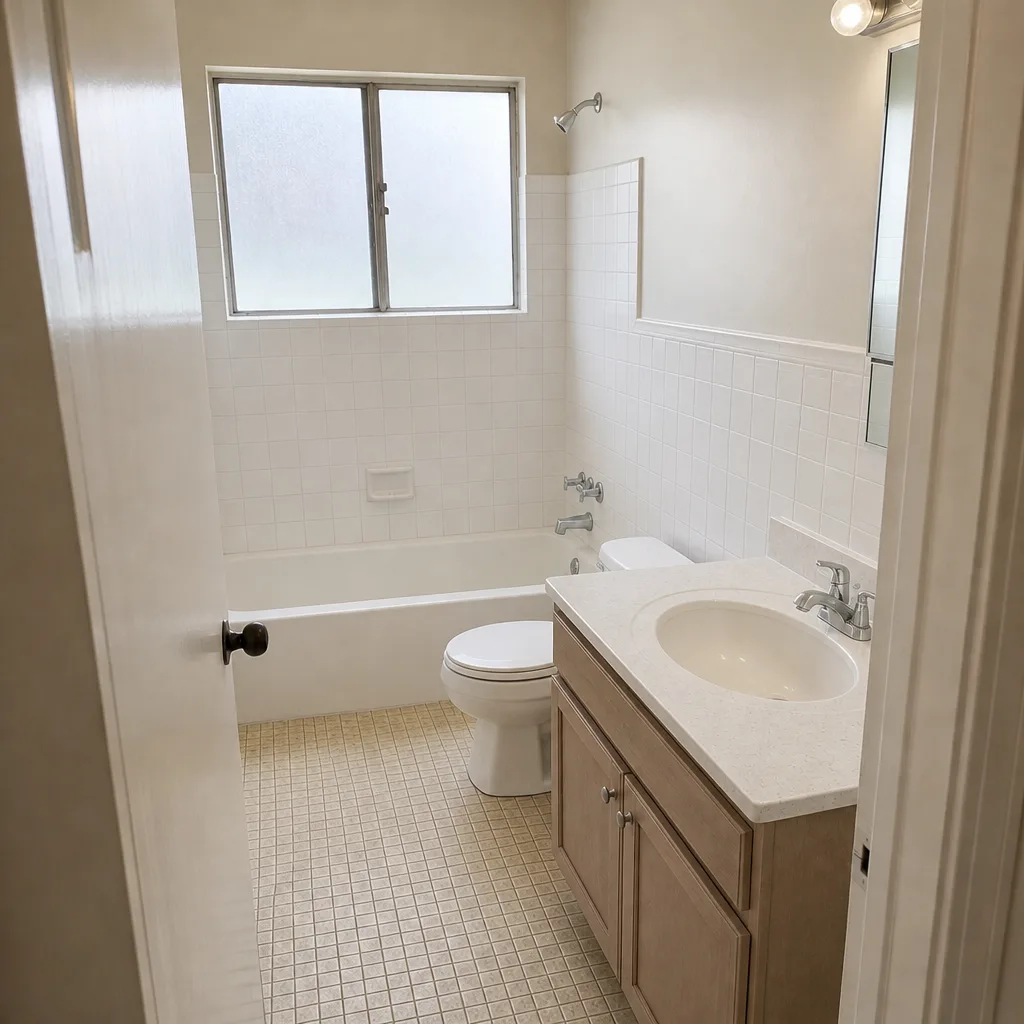 After
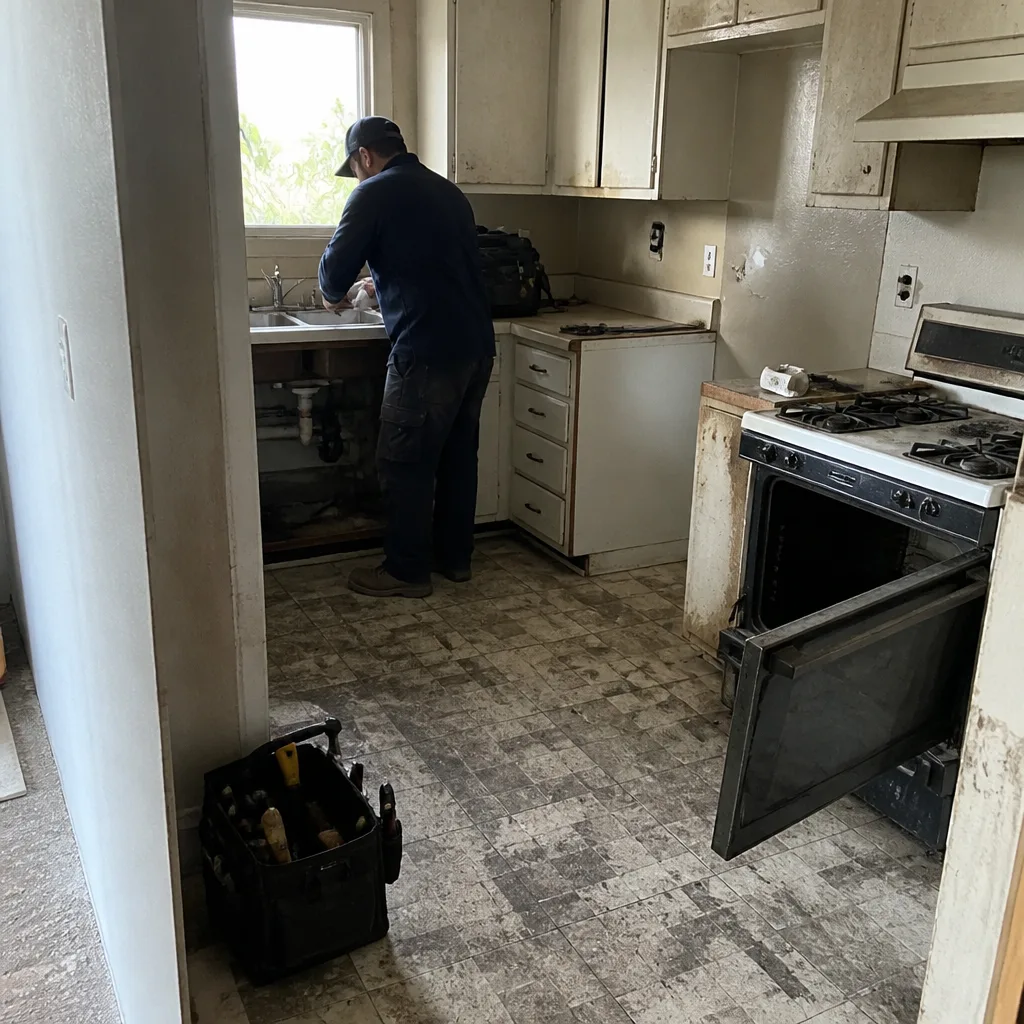 Before
 After
 Before
 After