



Free written scope consultation - allowances, timeline, and change-order rules on paper before a single trade is scheduled
Styles & brands we work with
- Kitchen remodeling
- Bathroom remodeling
- Home additions & ADU
- Roofing
- Windows & doors
- Driveway & pavers
- Fence
See the difference
 Before
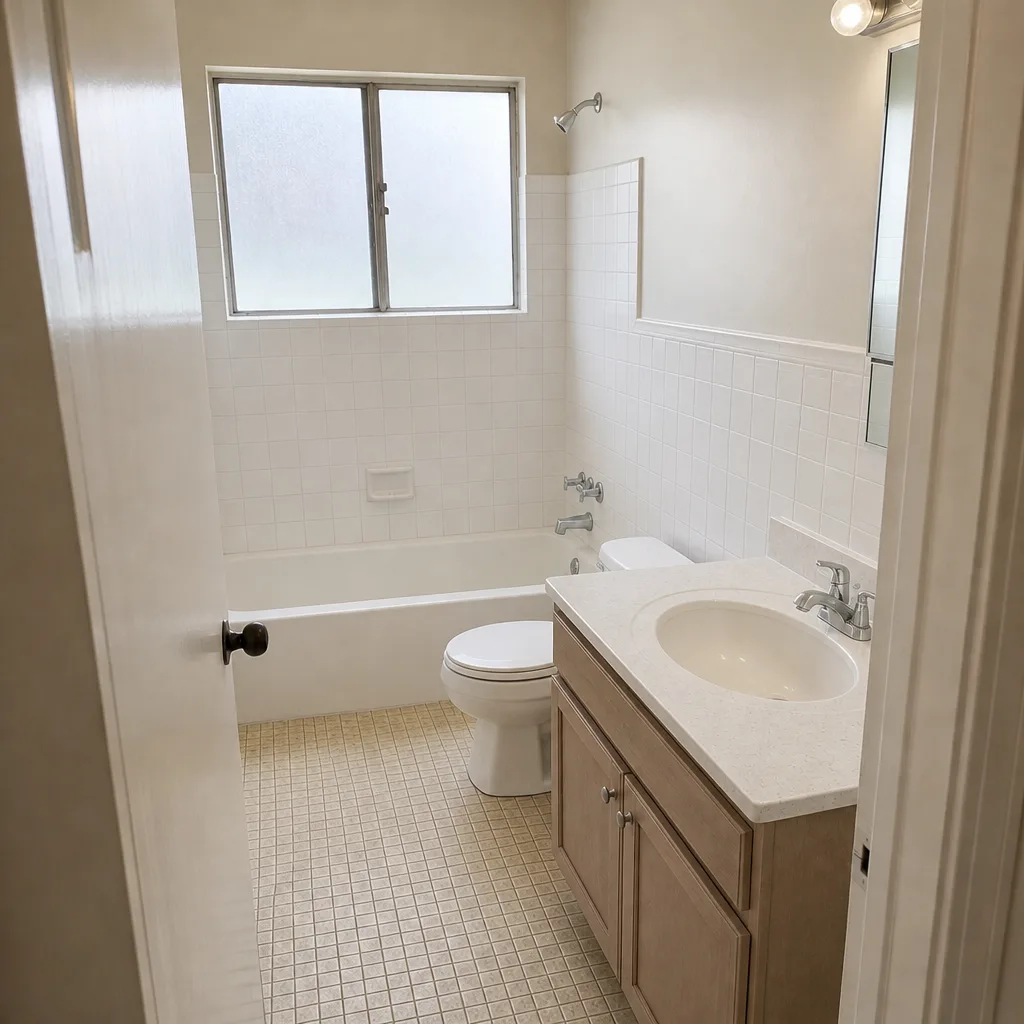 After
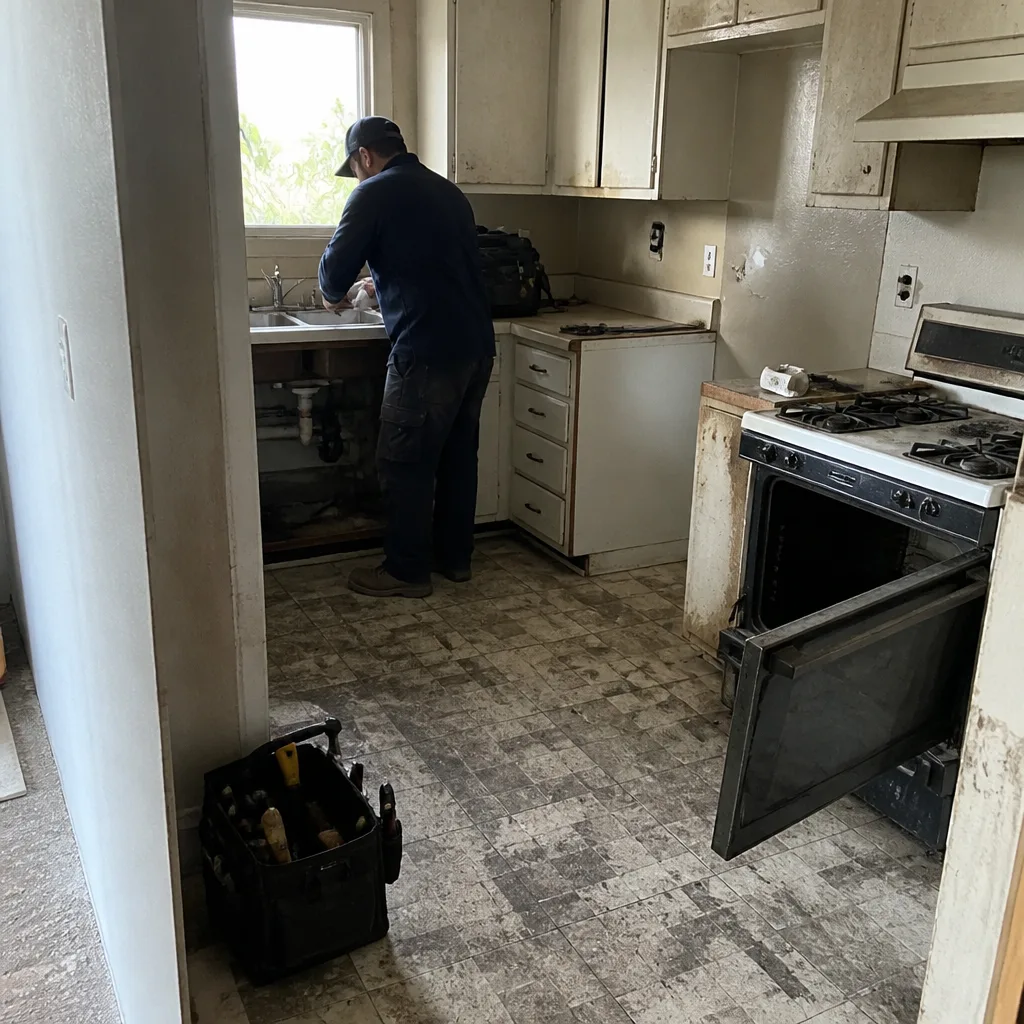 Before
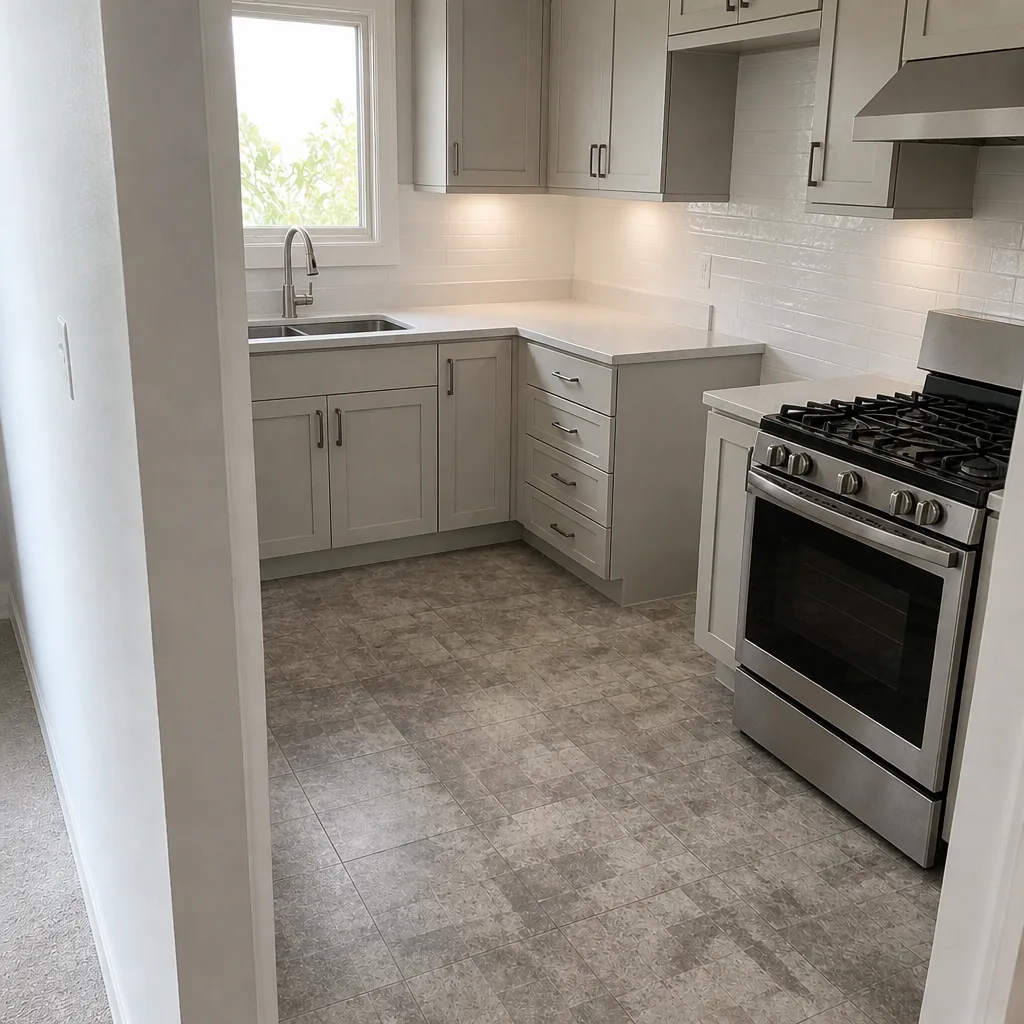 After
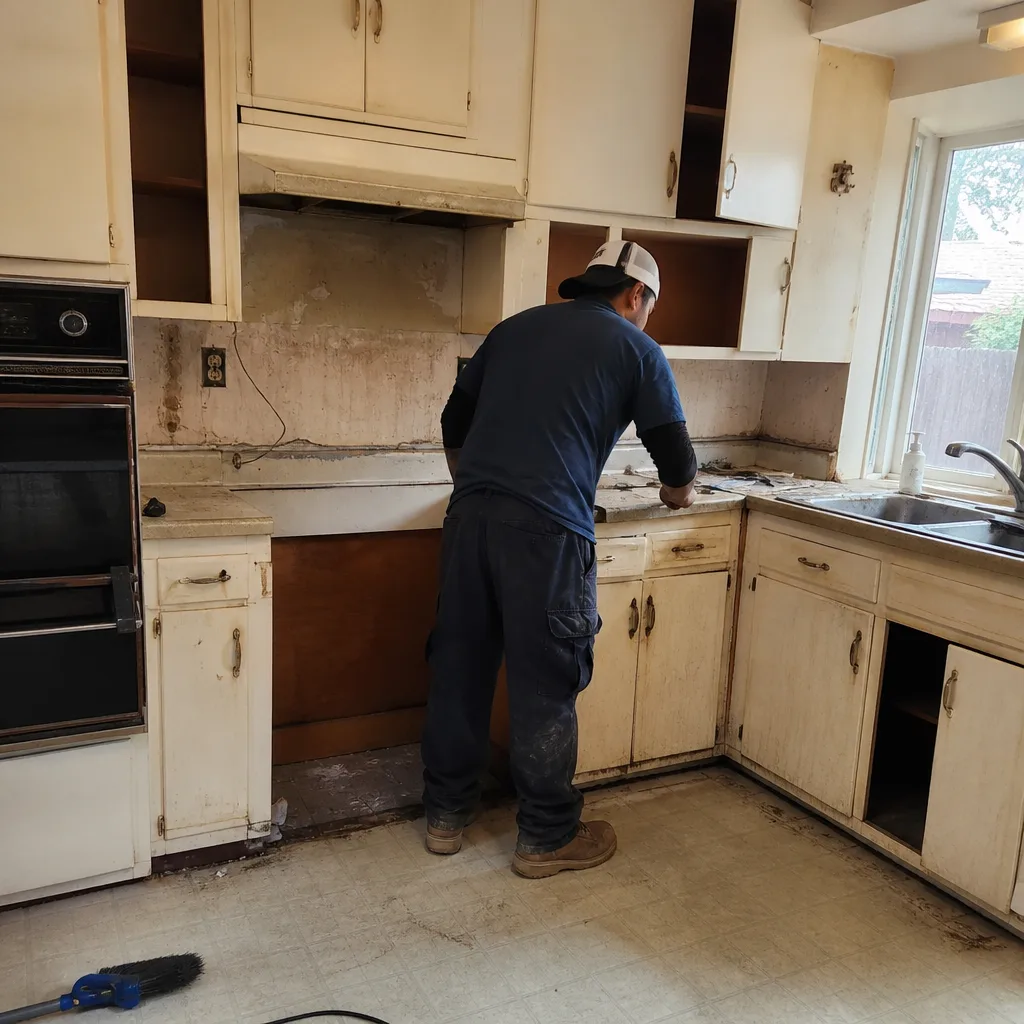 Before
 After
How Long Before You Can Drive on New Concrete in Tustin, CA?
Plan on 7 days before a passenger car should roll onto a new concrete driveway, 24 to 48 hours before foot traffic, and 28 days before the slab reaches full design strength. Those are the minimums. In a Tustin summer pour, heat and dry air can make the surface feel rock-hard long before the concrete underneath has cured enough to carry a vehicle, and skipping a proper curing protocol can leave a slab permanently short of spec. If your pour is scheduled or already down, call (833) 954-6066 and we’ll walk you through what your specific slab needs.
Key Takeaways
- Foot traffic: 24 to 48 hours. Passenger vehicles: 7 days. Full strength: 28 days.
- Surface hardness is not a test. A slab that feels solid at 48 hours may still be far from structural strength.
- Tustin summers (90°F+ and low humidity) speed up surface drying while slowing deep curing, and that gap is where failures happen.
- Without wet curing or a curing compound, hot-weather concrete can top out at 60 to 70 percent of its rated strength. No amount of waiting fixes that afterward.
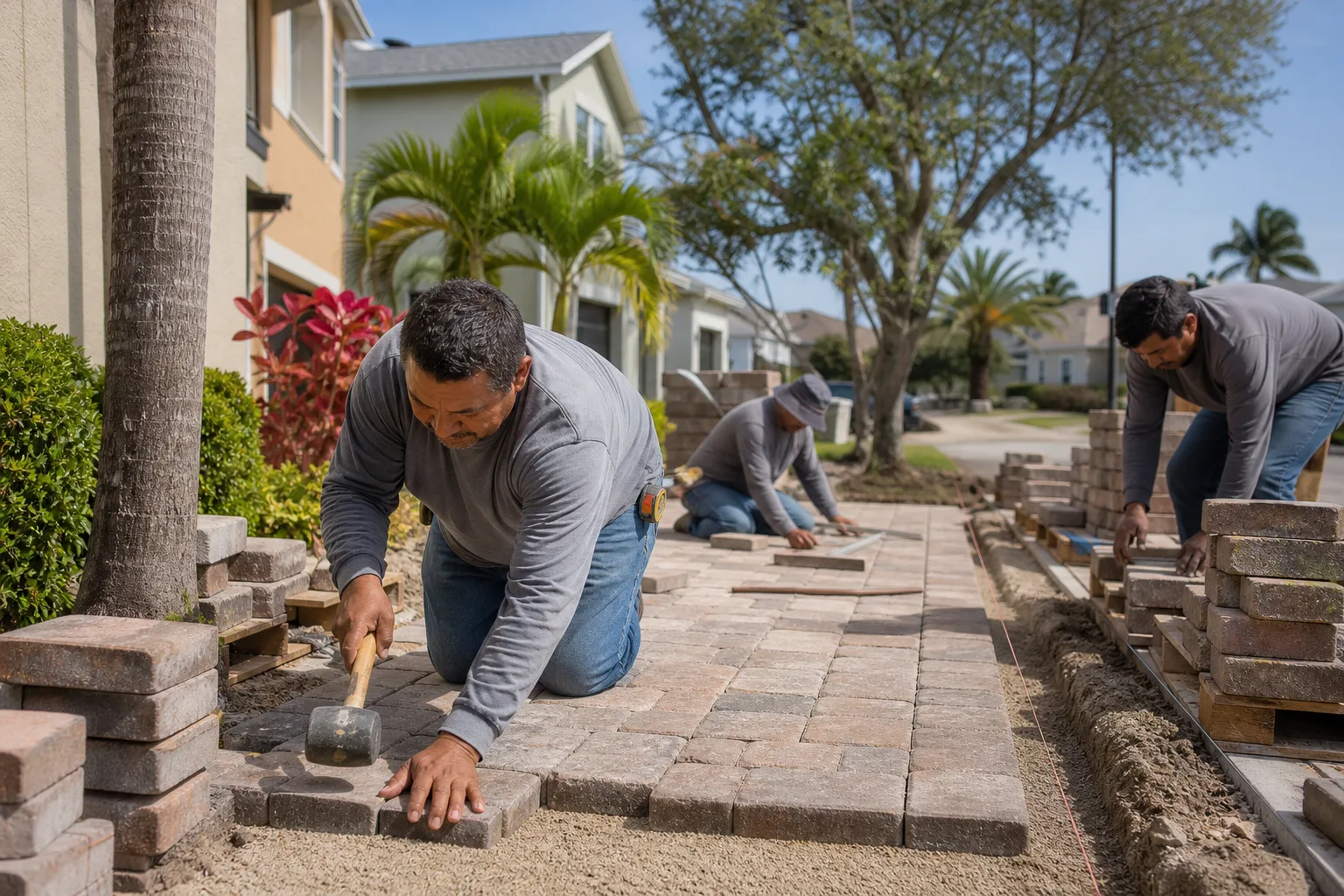
Why a Solid-Feeling Slab Isn’t Ready for Your Car
Here’s the part most homeowners never hear: concrete doesn’t harden by drying. It hardens through a chemical reaction called hydration, where water combines with cement to form the crystalline structure that gives the slab its strength. Hydration needs moisture. When a Tustin summer afternoon pulls water out of the surface faster than the reaction can use it, the top of the slab skins over and feels hard while the middle and bottom are still developing strength.
Pressing a thumb into the surface tells you almost nothing. Surface hardness is about the top fraction of an inch. Compressive strength is what holds up a 4,000-pound SUV, and it builds on a curve: roughly 70 percent of design strength at 7 days, and the full spec at 28. A car parked on day 3 because the driveway “felt ready” can shear the slab’s internal structure in ways you won’t see until the first spider crack shows up a year later.
That surface-versus-structure gap is exactly why we treat hot-weather pours differently from the rest of the year. In our experience across our Driveway & Pavers work, the slabs that fail early almost never fail because of a bad mix. They fail because nobody managed the moisture in the first 72 hours.
How Tustin’s Summer Heat Changes the Timeline
A July or August pour in Tustin routinely sits in 90°F-plus heat with single-digit humidity by afternoon. Those conditions are brutal on fresh concrete in a specific way: they accelerate evaporation off the surface while doing nothing to speed the hydration happening deeper in the slab. The two processes get out of sync. The surface shrinks as it loses water while the core is still plastic, and that mismatch is the setup for plastic shrinkage cracking.
The fix is active, not passive. A hot-weather pour needs one of two curing protocols, applied while the concrete is still fresh:
- Wet curing – a continuous moisture blanket (soaker hoses, burlap kept damp) for at least 7 days, which keeps hydration running at full speed.
- Curing compound – a spray-applied membrane that seals the surface and holds the water in, which is what we use on most residential driveways where wet curing isn’t practical.
Skip both and a slab can land at 60 to 70 percent of its rated strength instead of its full spec. That’s not a cosmetic issue you fix with a sealer later. The concrete is weaker at the molecular level, and no waiting period changes it. This is the single biggest difference between a Tustin driveway that’s still tight at year ten and one that’s scaling and cracking at year three.
Then there’s the Santa Ana wind. A wind event during the 28-day cure window acts like a giant hair dryer on the slab, pulling surface moisture far faster than still air would. When we pour in Tustin, we watch the forecast across the whole cure window, not just pour day, and set up windbreaks or adjust the curing schedule when Santa Anas are in the picture. It’s the kind of thing you can’t do after the fact.
| Activity | Earliest safe time | Note |
|---|---|---|
| Foot traffic | 24-48 hours | Surface may still be vulnerable |
| Passenger vehicles | 7 days (ideal conditions) | Push later in a hot, uncured pour |
| Heavy trucks / RVs | 28 days | Full design strength |
What a New Concrete Driveway Runs in Tustin
Concrete driveway installation in Tustin typically runs $4,500 to $12,000 depending on square footage, thickness, reinforcement, and finish. A full driveway replacement lands in the $5,000 to $14,000 range. If you’re weighing concrete against pavers, a paver driveway comes in around $7,000 to $18,000, and the tradeoff is worth understanding before you commit.
Two practical notes for the Tustin market. Old Town bungalows often come with narrow, sloped driveways where drainage and grading matter as much as the concrete itself. On the former MCAS Tustin footprint, now the Tustin Legacy development, new builds sit on reworked airfield soil, which means we’re checking subgrade and compaction before a single yard is poured. Same material, two very different site conditions within a few miles of each other. Our full Driveway & Pavers in Tustin page covers material options and site prep in more detail, and you can always start from our home page to see the full scope of what we build.
Material quality matters here too. A premium mix from a trusted supplier, correctly reinforced and properly cured, is what lets us stand behind the work with our 730-Day Done Right Promise. If a slab develops spider cracking or surface scaling within two years because of a curing failure, we make it right. In writing. No negotiation.
When It’s Worth Calling a Pro
If your driveway is already poured and you’re seeing wide cracks, surface scaling, or a whitish crust that doesn’t wash off, the curing window has likely passed and the fix is diagnostic, not DIY. If you’re planning a pour, the right time to lock in the curing protocol is before the truck shows up. Groundwork Construction Co. of Tustin handles both: we review the pour schedule against the forecast, plan the curing method for the season, and answer the phone when something looks off. Our technicians bring up to 12 years of experience, and every job comes with upfront pricing so the number you see is the number you pay.
And the finances aren’t a reason to wait. Every project includes a free estimate and design consult, 0% financing for 18 months, and $1,000 off projects over $10,000. Live people answer the phone 24/7, so there’s no leaving a message and hoping someone checks it.
FAQs
Wait 7 days before driving a passenger car on new concrete and 28 days before parking anything heavy like a truck or RV. Foot traffic is fine at 24 to 48 hours. In hot Tustin summers, those numbers assume the slab was properly cured, so confirm the curing method before you crack the wheel onto it.
You can’t tell by touching it, so go by the calendar and the curing method instead. Surface hardness means nothing about structural strength. If a wet cure or curing compound was applied and you’re past day 7, you’re in good shape. If neither was used on a hot-weather pour, call (833) 954-6066 before you park on it.
Yes, an early vehicle load can shear the slab’s internal structure and lead to spider cracking, surface scaling, or a slab that fails within a couple of years. The cracks often show up long after the damage was done, which is why the 7-day rule is worth respecting even when the driveway feels ready.
Yes, in a specific and often misunderstood way. Tustin’s 90°F-plus summers speed up surface drying while slowing the deep hydration that builds strength, so the slab can look cured before it is. A wet cure or curing compound keeps the process on track; without one, the slab can lose 30 to 40 percent of its rated strength permanently.
If you’d rather have it looked at, Groundwork Construction Co. of Tustin offers a no-pressure assessment in Tustin. We’ll check the pour, the curing, and the forecast, and tell you straight what it needs. Call (833) 954-6066 to get started.
Written by the team at Groundwork Construction Co. of Tustin, serving Tustin, CA.