

Free written scope consultation - allowances, timeline, and change-order rules on paper before a single trade is scheduled
Styles & brands we work with
- Kitchen remodeling
- Bathroom remodeling
- Home additions & ADU
- Roofing
- Windows & doors
- Driveway & pavers
- Fence
See the difference
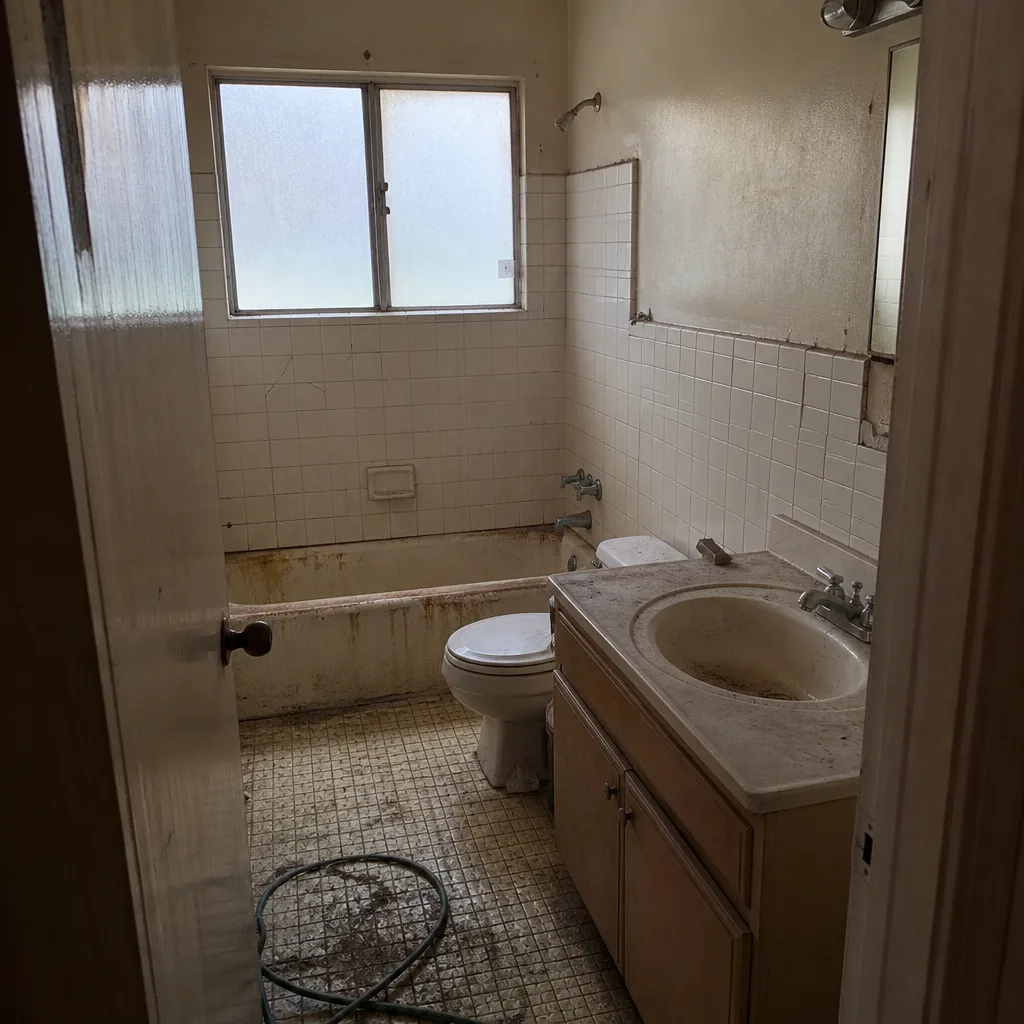 Before
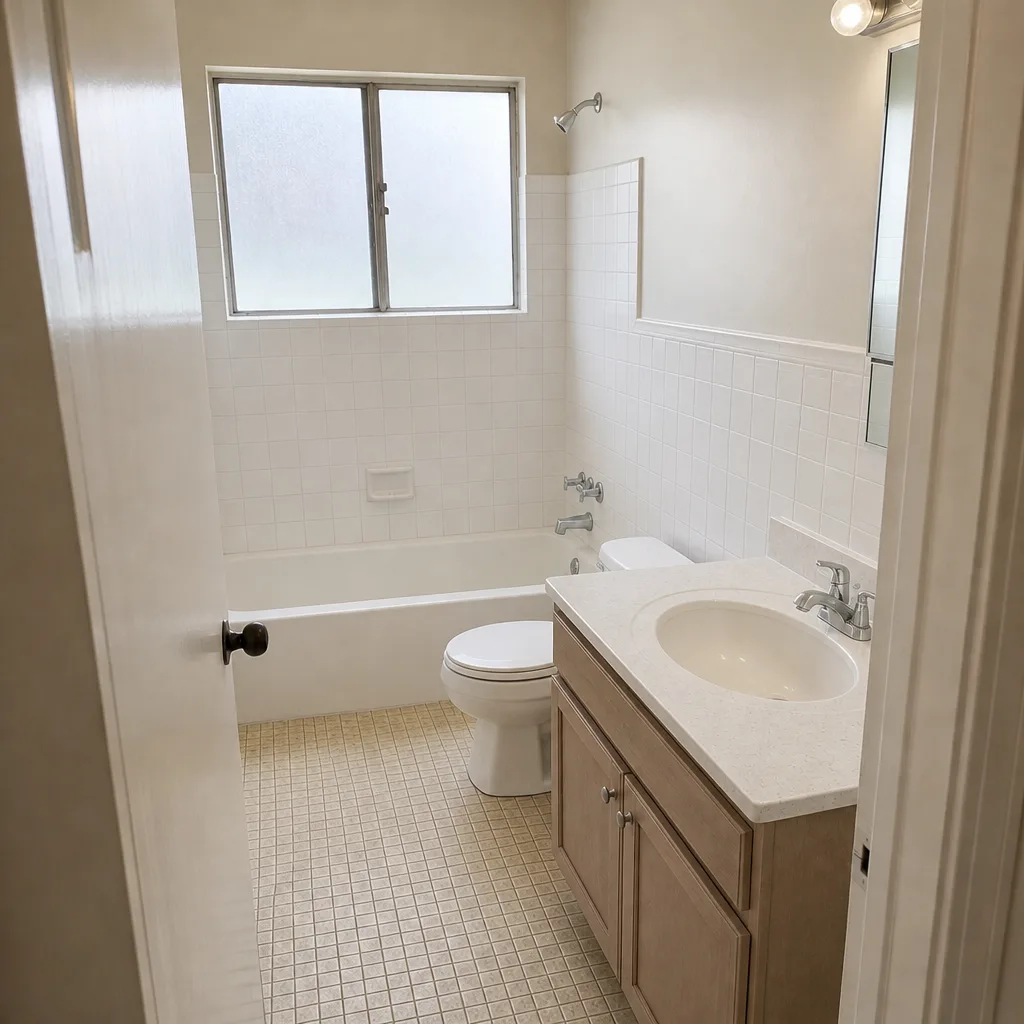 After
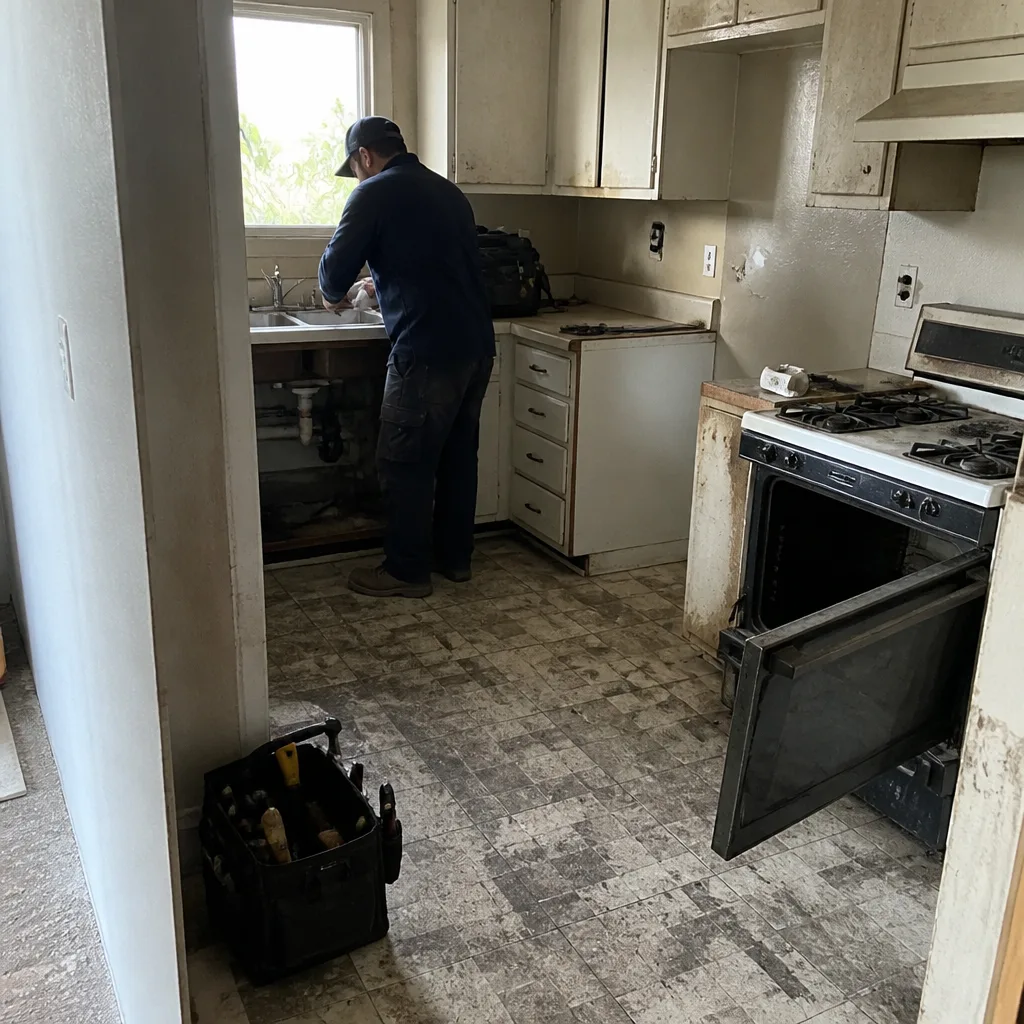 Before
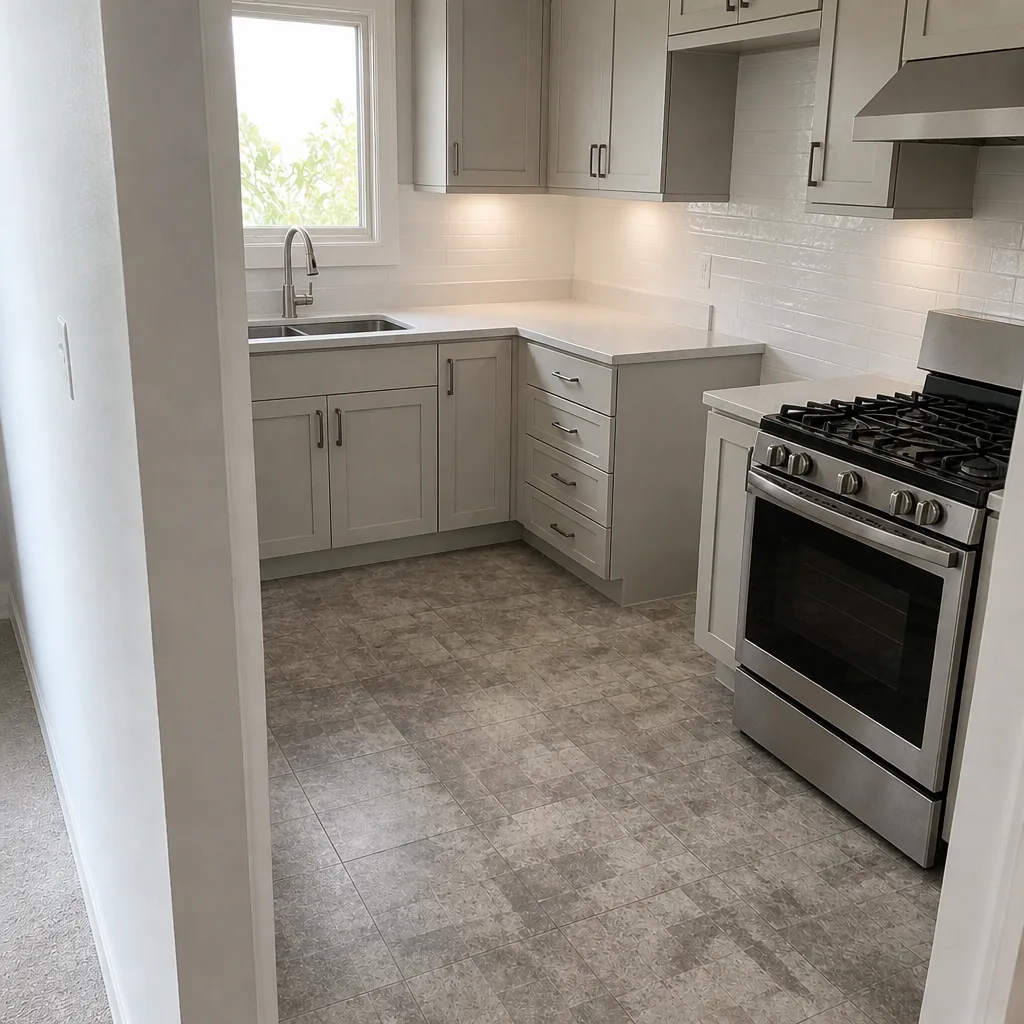 After
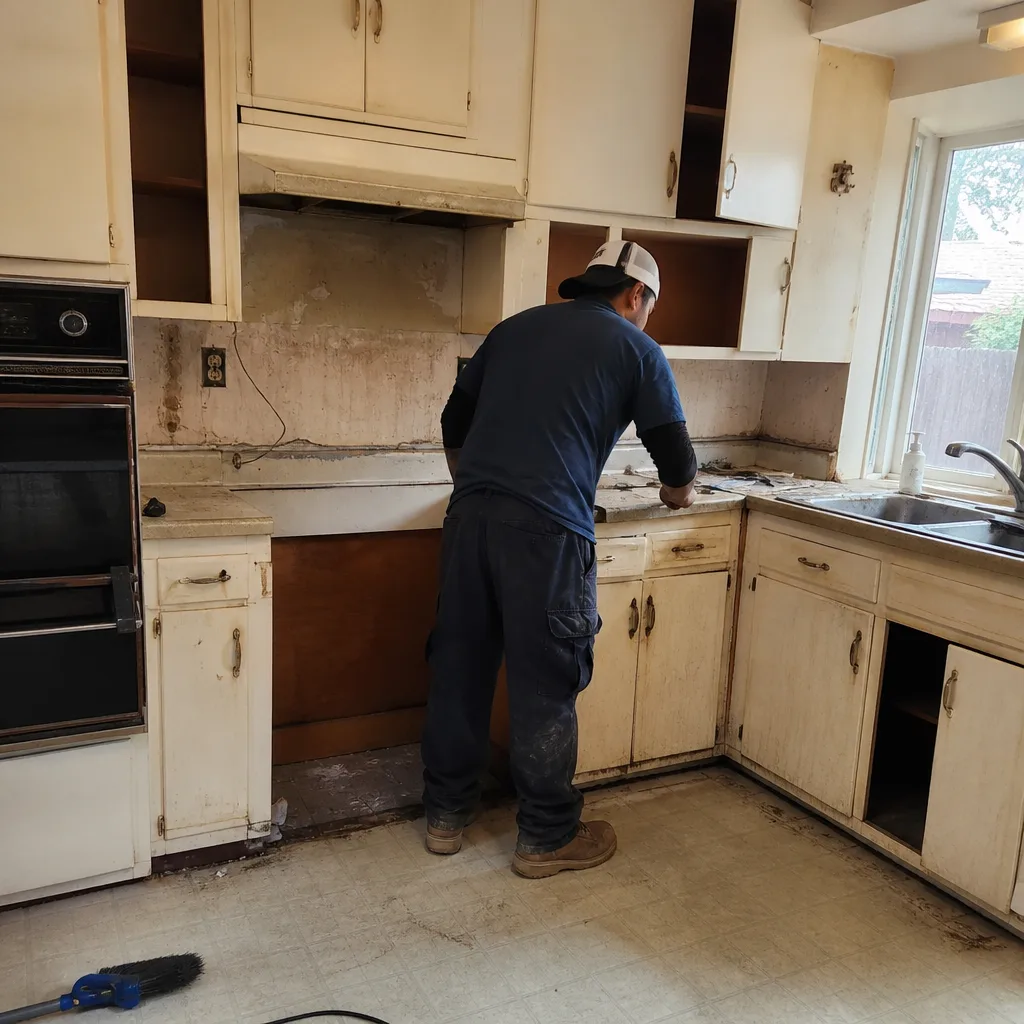 Before
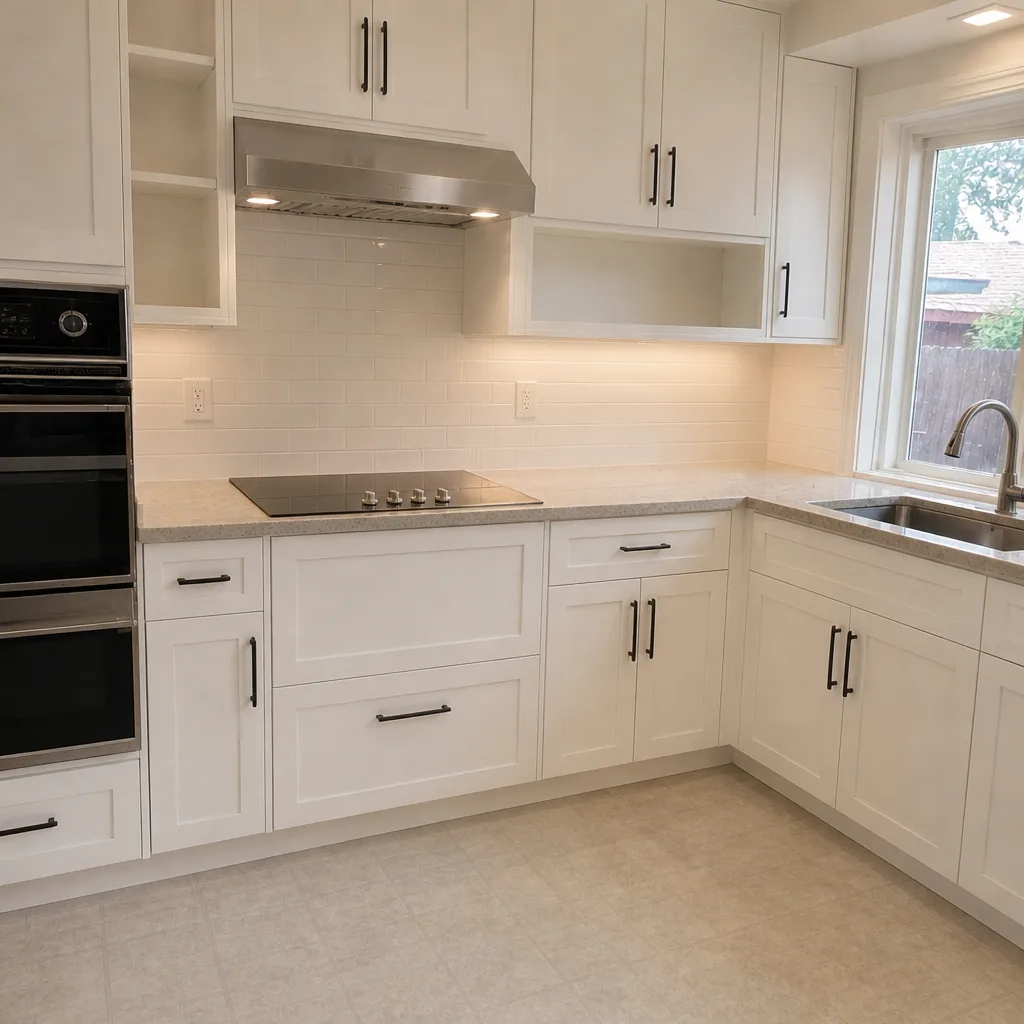 After
How Thick Should a Concrete Driveway Be in Tustin, CA?
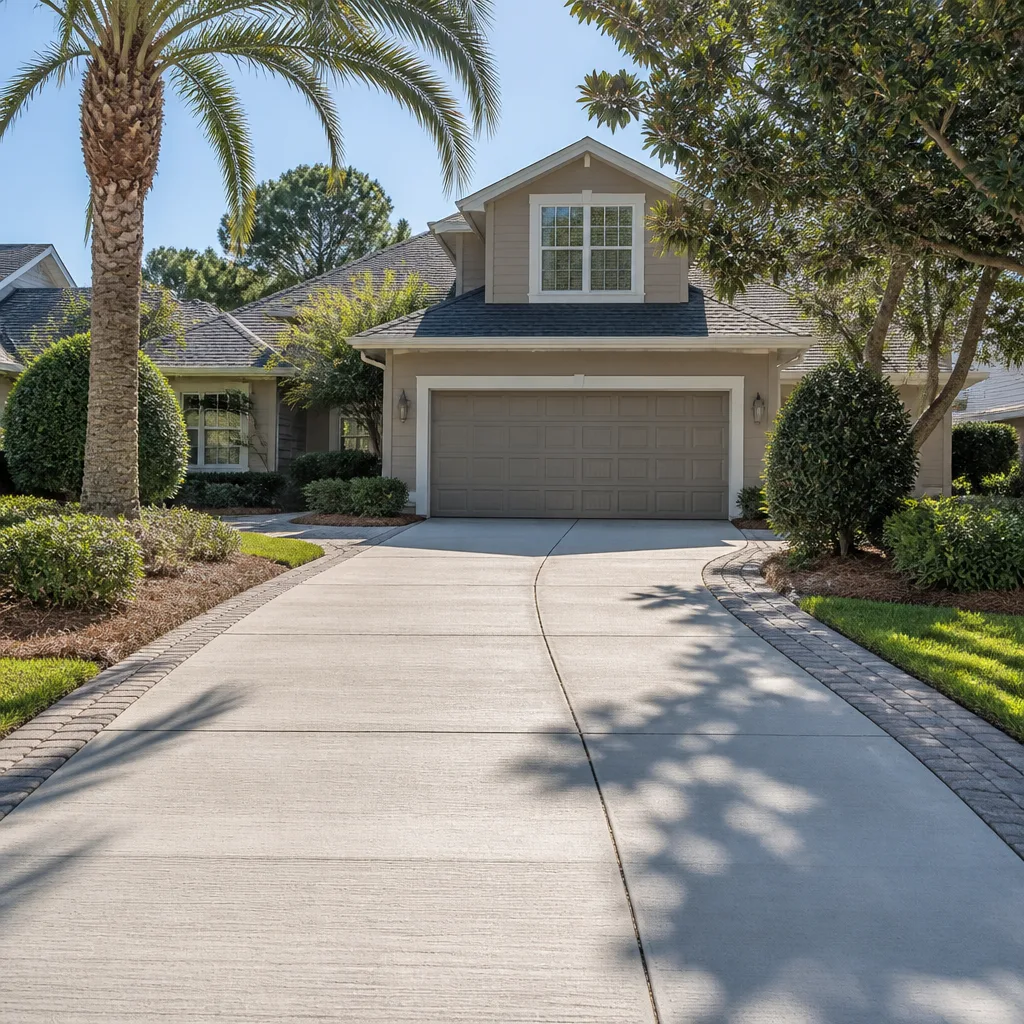
Four inches is the minimum for a residential concrete driveway carrying standard passenger cars, and 5 inches over a proper compacted base is the safer default for most Tustin lots. But on Tustin Legacy parcels built on former airfield fill, and on Old Town’s expansive clay, the correct spec can climb to 6 inches with rebar. The gap between “minimum” and “right” is usually a few hundred dollars at the pour and thousands of dollars in avoided cracking over 20 years. Call (833) 954-6066 if you’d like us to spec your slab in writing.
Tustin sits in a semi-arid Mediterranean pocket where summer afternoons reach the mid-90s and winter nights dip toward 40°F. That daily swing works on a slab constantly. Add the two very different soils under this city’s homes – native clay in the historic Old Town core and engineered fill over the old Marine Corps Air Station at Tustin Legacy – and the generic “4-inch slab” answer stops being a real answer. Groundwork Construction Co. of Tustin approaches every driveway estimate as a soil-and-load question first, a thickness question second.
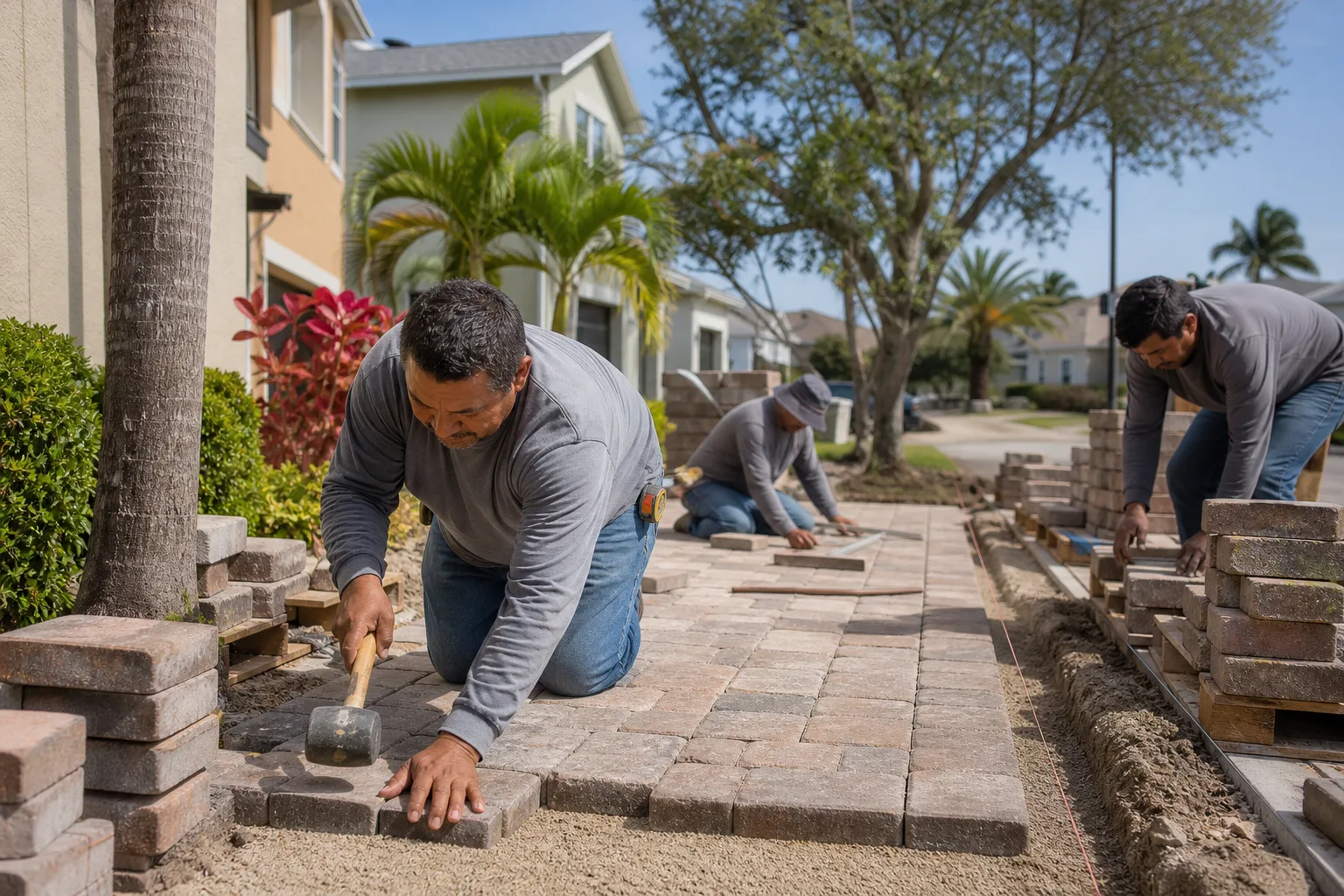
What Actually Sets Concrete Driveway Thickness?
Thickness isn’t a preference. It’s a calculation driven by four variables, and anyone quoting you a slab depth without asking about them is quoting a guess.
- Sub-base soil type. Native expansive clay flexes with moisture. Loose or variable fill compacts unevenly. Either condition puts bending stress on a slab that thin concrete handles poorly.
- Expected vehicle weight. A 3,500-lb passenger sedan and an 8,000-lb pickup loaded with a trailer are not the same driveway. RVs and commercial vehicles push you past residential minimums entirely.
- Reinforcement. Wire mesh helps hold concrete together if it cracks. Rebar gives the slab actual tensile strength across a soft spot. They’re not interchangeable on poor soil.
- Control joint spacing and depth. Joints must be cut to roughly one-quarter of slab depth and spaced about 2.5 times the thickness in feet. A 4-inch slab wants joints every 8 to 10 feet; a 6-inch slab tolerates more spread.
A quick comparison of typical specs
| Condition | Common thickness | Reinforcement |
|---|---|---|
| Passenger cars, well-compacted native soil | 4 in. | Wire mesh |
| Passenger cars, native clay (Old Town) | 5 in. | #3 rebar, 18 in. on center |
| Tustin Legacy fill soil | 5-6 in., after bearing assessment | Rebar with thickened edges |
| RV, boat, or commercial vehicle | 6 in. or more | Rebar grid |
Why Old Town Clay and Tustin Legacy Fill Change the Answer
Two soil zones dominate Tustin driveways, and they fail in different ways.
In Old Town, the 1920s Craftsman and Spanish Revival bungalows sit on native clay that swells when winter rain arrives and shrinks through the dry summer. That expansion cycle pushes laterally against slab edges – the exact loading a bare 4-inch slab handles worst. A 5-inch slab with rebar resists that edge stress far better, and it’s the defensible spec we write for native-soil lots in Tustin.
Out at Tustin Legacy, homes are rising on the former MCAS Tustin footprint, where fill placement and compaction vary parcel to parcel. Before anyone names a thickness there, a soil bearing capacity assessment belongs in the estimate. Two neighboring lots can honestly need different pours. Groundwork conducts that evaluation as part of our estimating process – it’s the difference between a number and a real spec.
And thickness alone doesn’t finish the job. Tustin’s 40-to-95°F swing drives thermal expansion that widens control joints faster than in coastal climates. Joint placement, cut depth, and timing matter as much as slab depth – skip them and you get the random cracking no sealer or patch can undo. What that cracking means for the long haul is covered in our guide on Driveway & Pavers in Tustin.
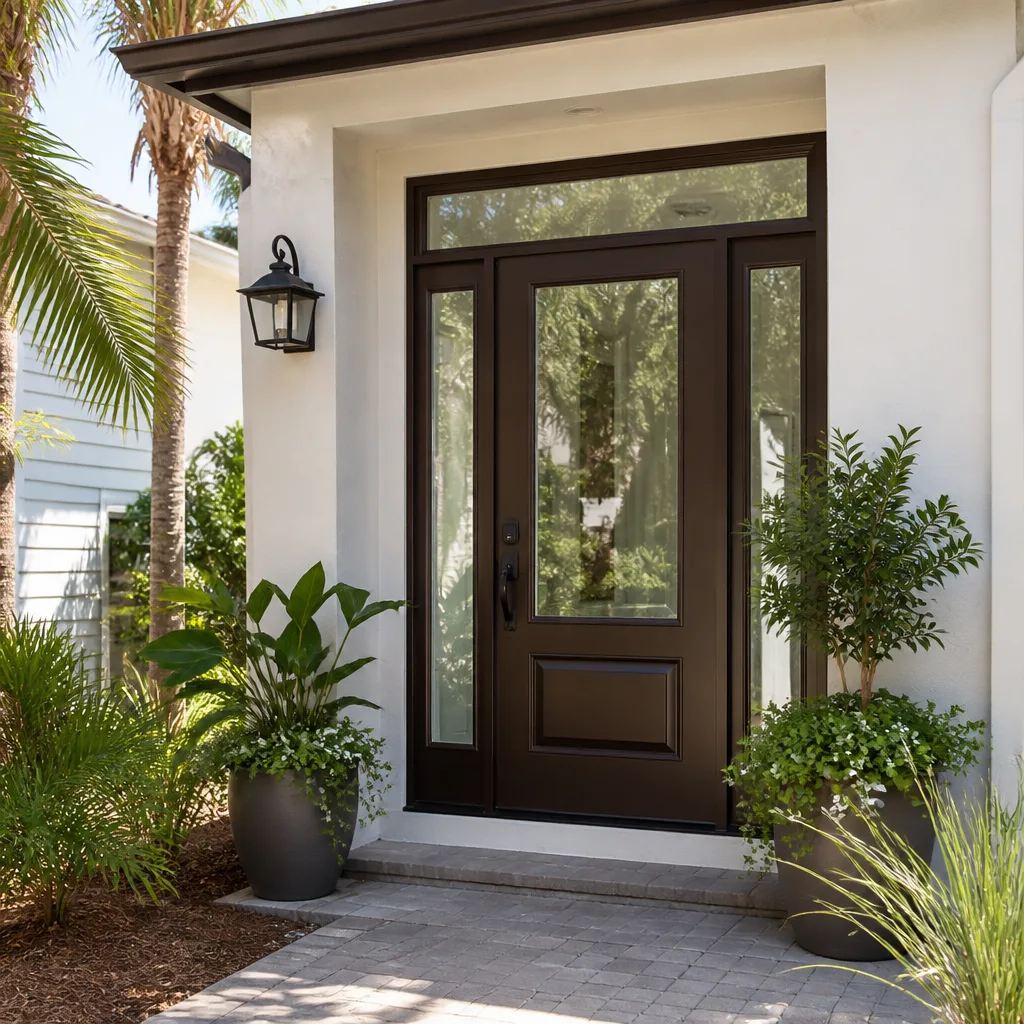
How the Pour Fits Together – and What It Costs in Tustin
Concrete alone rarely fails from being slightly thin. It fails from a bad base, missing reinforcement, or joints cut too late. That’s why we spec and warranty the whole assembly. Materials from partners like Quikrete and Oldcastle go over a graded, compacted sub-base, with the thickness, rebar spacing, and joint layout written into your quote line by line. Homeowners can compare our written spec directly against a competitor bid that just says “4-inch slab” and nothing more.
Here’s what concrete driveway work runs in Tustin, with no-hassle upfront pricing – the number you see is the number you pay:
| Service | Typical range |
|---|---|
| Concrete driveway installation | $4,500-$12,000 |
| Driveway replacement | $5,000-$14,000 |
| Driveway sealing | $250-$700 |
| Paver driveway installation | $7,000-$18,000 |
| Asphalt driveway paving | $3,500-$9,000 |
Weighing pavers against a slab? Our Driveway & Pavers page breaks down where each material makes sense. Every project carries the 730-Day Done Right Promise: if it’s not done right, we make it right. Financing is available at 0% for 18 months, plus $1,000 off projects over $10,000. Our technicians have up to 12 years of experience, arrive uniformed and background-checked, and calls reach a live person 24/7. For the full scope of work we handle, see our home page.
FAQs
Concrete driveway installation in Tustin typically runs $4,500-$12,000, and a full replacement lands in the $5,000-$14,000 range. Your actual number depends on square footage, soil conditions, thickness, and reinforcement. Call (833) 954-6066 for an exact quote – estimates are free.
Four inches is the accepted minimum for passenger vehicles on well-compacted, stable soil, so yes in ideal conditions. On Tustin’s native clay or Legacy fill, 5 inches with rebar is the safer spec. Ask any contractor to put their thickness and reinforcement in writing before the pour.
You can pour one, but you shouldn’t spec the thickness without knowing what’s under it. Fill compaction varies across the former airfield parcels, and a bearing capacity assessment tells us whether 5 inches is fine or 6 inches is warranted. We include that evaluation in the estimating process. Call (833) 954-6066 to get started.
Plan on 6 inches or more with a rebar grid for RVs, boats, or commercial vehicles, since the load far exceeds a passenger car. Bring your vehicle weight to the estimate so we size it correctly rather than guessing. Call (833) 954-6066 and we’ll spec it in writing.
Get Your Driveway Spec’d Right the First Time
If you’d rather have it looked at, Groundwork Construction Co. of Tustin offers a no-pressure assessment in Tustin – we evaluate the soil, the load, and the drainage, then put thickness and reinforcement in writing. Call (833) 954-6066 for a free project estimate and design consult.
Written by the team at Groundwork Construction Co. of Tustin, serving Tustin, CA.