Last updated November 17, 2026


Free written scope consultation - allowances, timeline, and change-order rules on paper before a single trade is scheduled
Windows & Doors Warning Signs Every Homeowner Should Know
A window that’s “just a little hard to lock” is often a frame that has racked – meaning the rough opening has shifted. That’s either a settling issue or a structural one, and the window is the messenger, not the problem. Most homeowners rationalize these small signals for 12 to 24 months before the damage gets expensive. In Tustin, where the dry summers and occasional Santa Ana wind events work on frames year after year, those signals show up early and clearly. This guide teaches you to read them correctly and know exactly when to act.
Quick Answer
The warning signs of failing windows and doors are: difficulty locking or latching, condensation between panes, visible gaps or daylight around the frame, water staining or bubbling paint near the frame, drywall cracks at window corners, sticking doors that drag on the threshold, and utility bill spikes that don’t match your usage. When you see two or more of these together, the window or door is telling you it has moved past cosmetic aging and into functional failure. Act at that threshold, not after the damage spreads into the surrounding wall.
Styles & brands we work with
- Kitchen remodeling
- Bathroom remodeling
- Home additions & ADU
- Roofing
- Windows & doors
- Driveway & pavers
- Fence
Table of Contents
- The Five Failure Modes of Windows and Doors
- Cosmetic Aging vs. Functional Failure: How to Tell the Difference
- The Interior Warning Signs Most Homeowners Miss
- Reading Your Energy Bill as a Window Diagnostic
- Repair vs. Replace: The Decision Framework
- Why Tustin Homes See These Signals Early
- A 10-Minute Inspection You Can Do This Weekend
- Common Mistakes to Avoid
The Five Failure Modes of Windows and Doors
Every failing window or door falls into one of five categories. Reading the category correctly is the difference between a $200 fix and a $6,000 replacement you didn’t need yet – or a replacement you’re putting off while the wall behind it rots.
1. Seal failure. The seal between glass panes on a double- or triple-pane unit fails and moisture gets in. The signature is fogging or a hazy film between the panes that never clears, sometimes with mineral spotting in one corner. Once the seal is gone, the insulating gas has escaped and the unit’s R-value is effectively gone with it. Replacing just the glass unit (the “sash pack”) is often enough on a sound frame.
2. Frame deterioration. Wood frames rot from the bottom up where water pools; vinyl frames can warp or bow in high heat; aluminum frames develop pitting. Look for soft wood at the sill, cracking or chalking on vinyl, and paint that flakes off in sheets rather than slowly fading. A frame that’s deteriorated past the surface can’t hold new hardware, which pushes you toward replacement.
3. Hardware wear. Latches, hinges, rollers, and locks grind, loosen, or stop catching. Sometimes it’s just a worn part. But if a new latch won’t hold, the frame itself has likely moved out of square – hardware wear is frequently the messenger, not the cause. In Tustin, we’ve seen plenty of 1990s-era sliders where the rollers wore out first and the track then bent from dragging.
4. Installation failure. The window was set wrong from day one: insufficient flashing, no back-dam, or a rough opening that was too tight or too loose. These show up as water intrusion around the perimeter during the first big rain of the season, drafts you can feel along the sides, and paint or stucco cracking right at the joint. Installation failures are common in older Tustin homes that had windows swapped during the 2000s remodel boom without permits pulled.
5. Structural movement. The most serious. If a window won’t latch because the frame has racked, if you see diagonal cracks radiating from the corners of the opening, or if a door started sticking suddenly and stays stuck no matter the weather, the wall around the opening is moving. That’s a question for a licensed contractor, not a window salesperson.
Cosmetic Aging vs. Functional Failure: How to Tell the Difference
Not every flaw is a problem. Here’s how we separate the two in the field.
Cosmetic aging (leave it alone):
- Paint fading or chalking on the exterior trim evenly across the surface
- Faint spiderweb cracks in the paint film, not the wood or stucco underneath
- Weatherstripping that looks compressed but still seals when you press it
- Minor surface rust on a steel hinge that still moves freely
- Glass that has minor scratches from years of cleaning
Functional failure (act now):
- Cracks that are diagonal, wide, and originate at the corners of the opening
- Fogging between panes that never clears, especially with visible moisture pooling
- Daylight visible around the frame when the window is closed
- Soft or spongy wood at the sill when you press a screwdriver into it
- Any window or door that no longer latches or locks without force
- Paint bubbling near the frame (this means water is getting behind it)
The rule we use: if the problem is in a straight line, it’s probably cosmetic. If it’s diagonal, soft to the touch, or prevents the unit from sealing or locking, it’s functional. That’s the line between a weekend of caulk and a call to a contractor.
The Interior Warning Signs Most Homeowners Miss
Most of what tells you a window or door is failing is on the inside of your house, and it’s easy to walk past for years.
Paint bubbling or blistering near frames. That’s water getting in behind the paint film from the exterior. Bubbling paint is water under pressure, not a paint quality problem. When you see it within a foot of a window or door frame, assume the flashing or sealant around the opening has failed.
Floor finish damage near thresholds. Darkened or cupped wood flooring right at a door threshold means water is coming in under the door – usually from a missing or failed door pan, insufficient threshold seal, or a screen door that’s pooling rain against the slab. In Tustin, where rain comes hard but infrequent, homeowners often don’t notice until the finish has lifted.
Drywall cracks at window corners. A straight vertical or horizontal hairline crack is usually just drywall settling. A crack that runs diagonally from the corner of a window opening outward is a movement signal. Take a photo with a ruler next to it and monitor it monthly. If it grows, stop diagnosing the window and call a structural pro.
Condensation on the interior glass. Some condensation on a cold morning is normal. Water that runs down the glass and drips onto the sill every morning is not – it points to a failed thermal seal, poor ventilation, or both. Over time that dripping water rots the sill and the paint under it.
Reading Your Energy Bill as a Window Diagnostic
Your utility bill is the cheapest diagnostic tool you own, and most homeowners don’t use it. Here’s how to read it against specific failure types.
Compare month-over-month against the same month last year. Pull the last 24 months of statements and lay them side by side. When you see a jump that isn’t explained by a rate increase or a new appliance, look at your envelope first – windows and doors are the usual suspects in a Tustin home that hasn’t had envelope work done.
- Summer spikes concentrated in the late afternoon and evening: points toward solar gain through failing glass or poor seals. Look for fogging between panes and a hot interior frame.
- Winter spikes on heating days: usually air infiltration. Run the back of your hand along the perimeter of each window and door on a windy evening – if you feel a draft, the weather seal has failed.
- Steady high bills all year with no seasonal pattern to explain them: often a combination of underperforming glass and duct leakage near exterior walls. Rule out the ducts before you replace windows.
- Bills high in one room and normal elsewhere: isolate that room and inspect every opening in it. Single-room anomalies usually trace to one bad unit.
Do this before you pay for a home energy audit. Audit findings usually just confirm what your bill pattern and a careful walk-through already told you.
Repair vs. Replace: The Decision Framework
Most contractors profit more on a replacement, so you’ll hear “replace” more often than you should. Here’s the framework we use to make the call honestly.
Repair is genuinely cost-effective when:
- The frame is sound (no soft wood, no warp, no pitting past the surface)
- The failure is only the glass seal (sash pack replacement runs a fraction of a new unit’s cost)
- The failure is only hardware (latch, roller, hinge, weatherstripping)
- The unit is under 15 years old and matches the surrounding units cosmetically
- The problem is installation-related and fixable by reflashing or resealing the perimeter
Replacement is the better long-term move when:
- The frame itself has failed (rot, warp, or pitting that means new hardware won’t hold)
- Multiple units in the same wall are failing in the same way at the same time – that’s a systemic installation problem, not a unit problem
- The units are single-pane original equipment on a house from before the 1980s energy codes and you’re paying for it every month
- You’re planning a larger renovation of the wall anyway (fascia, siding, or interior finish work) and doing the window now saves the cost of redoing the wall later
- A window won’t latch because the rough opening has shifted – replacement windows installed into a shifted opening will fail the same way unless the opening itself is corrected
Rule of thumb: if the repair cost plus the expected lifespan of the repaired unit exceeds half the cost of a new installed unit, replace. If it’s under that, repair. And if the underlying problem is the wall, neither one solves it – the wall has to be fixed first. That’s when a full-scope contractor saves you from a window crew that hands you a beautiful replacement into a failing opening.
We work with Andersen and Marvin units on replacement jobs because their frame systems hold up to Southern California’s heat cycling, and the warranties are backed in writing. When we do envelope work as part of a larger project, we sequence windows into the scope so the flashing, siding or stucco repair, and interior finish all get done once – not in three separate visits. If you’re considering pairing a window project with a bigger job, our Home Additions & ADU in Tustin page covers how we sequence envelope work into a larger build.
Why Tustin Homes See These Signals Early
Tustin sits in a pocket where dry heat, marine air, and seasonal Santa Ana winds all press on the same envelope. Summer humidity is low, but the daily swing between a cool marine morning and a hot afternoon puts thermal cycling on frames every single day of the warm months. Vinyl expands and contracts more in this cycle than in a steady-humidity climate. Wood swells on the rare heavy rain day and then dries out for months – which is a worse cycle than steady rain, because the wood never fully stabilizes.
Older Tustin neighborhoods carry their own patterns. The ranch homes from the 1950s through the 1970s around Old Town Tustin and the streets off El Camino Real often still carry their original single-pane aluminum sliders, which pit, lose their rollers, and never sealed well to begin with. Homes built in the 1980s and 1990s around Tustin Ranch typically have vinyl units that are now hitting the end of their frame life – warped sashes, fogged glass, stripped rollers. And the newer builds in the Columbus Square and Tustin Legacy areas are too young for structural movement but old enough that we’re seeing the first hardware wear and perimeter sealant failures.
The pattern we see most: a homeowner ignores a sticking slider for two summers, then a small water stain appears on the interior drywall below the corner, and by the time they call us the drywall, insulation, and exterior stucco all need work – a $4,000 fix that was a $300 fix 18 months earlier. That’s the whole reason we wrote this guide. The window told them. They just didn’t know what they were hearing.
A 10-Minute Inspection You Can Do This Weekend
Walk through the house with a flashlight, a screwdriver, and a phone for photos. Do it in the morning when the interior-to-exterior temperature difference is largest – that’s when infiltration shows.
- Lock and unlock every window and door. Note any that require force, fail to catch, or feel different from the others. Photograph any that don’t move smoothly.
- Shine the flashlight along every frame interior and exterior. Look for daylight bleeding through the perimeter, water staining on the sill, and bubbling paint within 12 inches of the frame.
- Press a screwdriver into the wood at every sill and the bottom of every exterior door frame. Soft wood means rot; stop pressing and note the location.
- Run the back of your hand along the perimeter of every opening on a windy evening. You’ll feel a draft before you’ll see one.
- Look up at the drywall corner above and below every window. Photograph any cracks with a coin or ruler next to them for scale. Compare the photos in 30 days.
- Open every sliding door and window and check the track. Debris, bent track, or worn rollers show as grit, dragging, or a wobble when the panel moves.
- Look at the exterior caulk line at every opening. Cracked or peeling caulk at the perimeter is a flashing failure waiting for the next rain.
- Pull out your last two years of utility bills and compare same-month pairs. Highlight any category that jumped more than 15% without an explained cause.
If your walk-through turns up two or more functional signals on the same unit, get a professional opinion on that unit. If it turns up a single isolated cosmetic issue, you can safely hold it on your punch list for the next maintenance cycle.
Common Mistakes to Avoid
- Caulking over water damage instead of finding the leak. A fresh bead of caulk over a bubbling paint bubble traps moisture in the wall and turns a $300 fix into a $3,000 one. Find the source before you seal anything.
- Replacing a window into a failing rough opening. If the frame has racked because the opening shifted, a new window installed the same way will rack the same way. In our experience this is the number-one reason replacement windows underperform their warranty. Diagnose the wall first.
- Treating a sticking slider as a slider problem. Nine out of ten times we open up a sticking slider in a Tustin home, the problem isn’t the slider – it’s a warp in the panel from heat cycling, or a rough opening that moved. The slider is a symptom.
- Assuming “it’s just the weather” when every door in the house sticks. If one door sticks when it’s humid, that’s normal. If every door in the house sticks at the same time and stays stuck, that’s a whole-house moisture or foundation signal worth investigating.
- Skipping the utility-bill comparison before the home energy audit. An audit costs a few hundred dollars and usually confirms what your bills already told you. Read the bills first.
- Buying replacement windows on sale without a written specification. The sale price means nothing if the U-factor, install method, and flashing detail aren’t specified in writing. We require a written line-item spec on every window project, and you should too – from anyone.
- Not pulling permits on a window replacement in older Tustin homes. The City of Tustin requires permits for most window replacements in older construction because the installation method and egress requirements have changed. A contractor who offers to skip the permit is telling you how they’ll treat the rest of the job.
See the difference
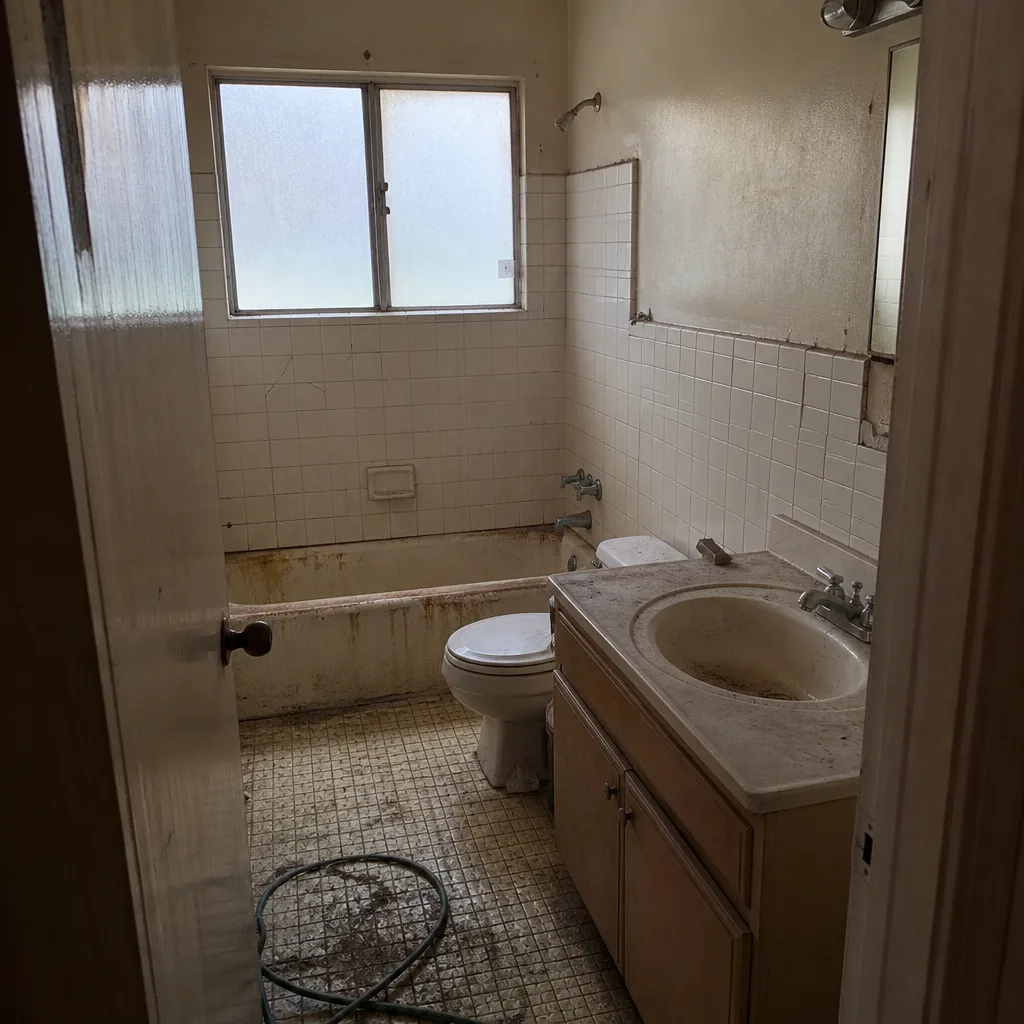 Before
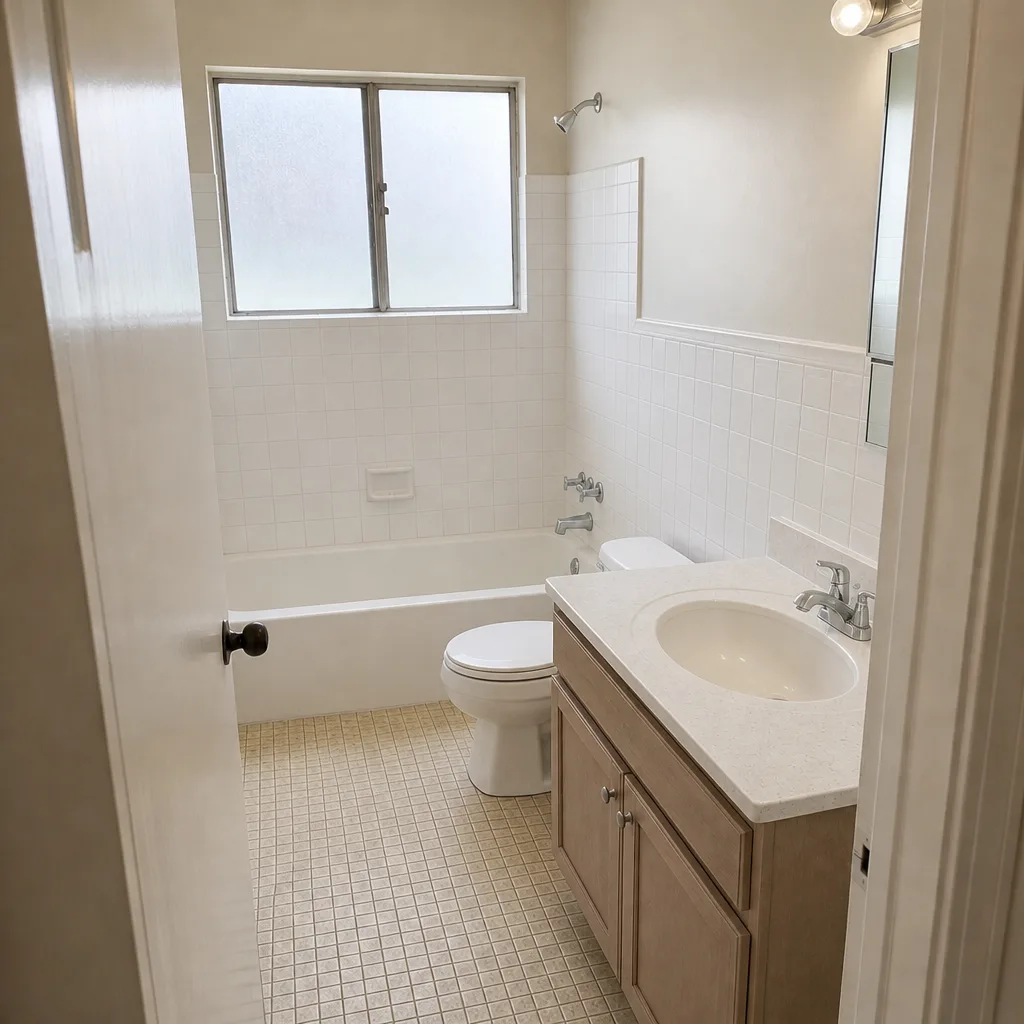 After
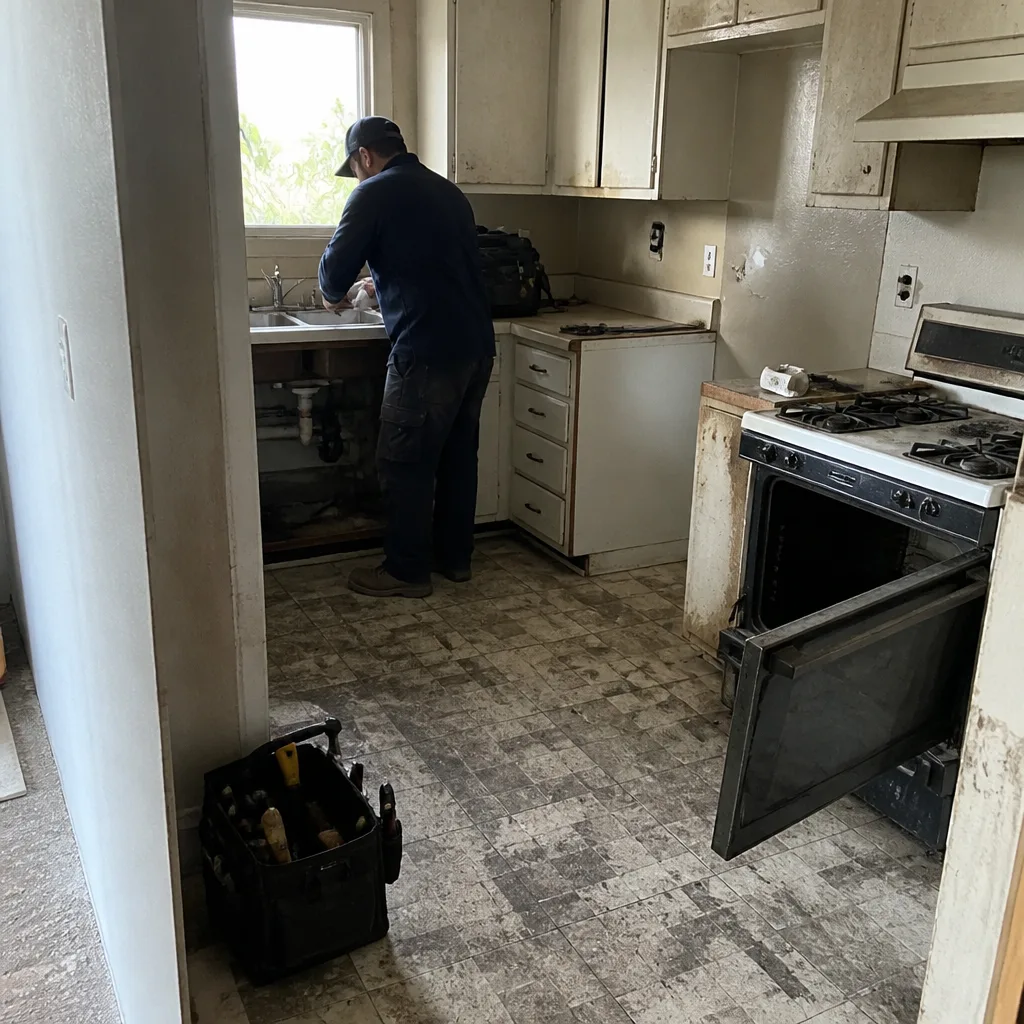 Before
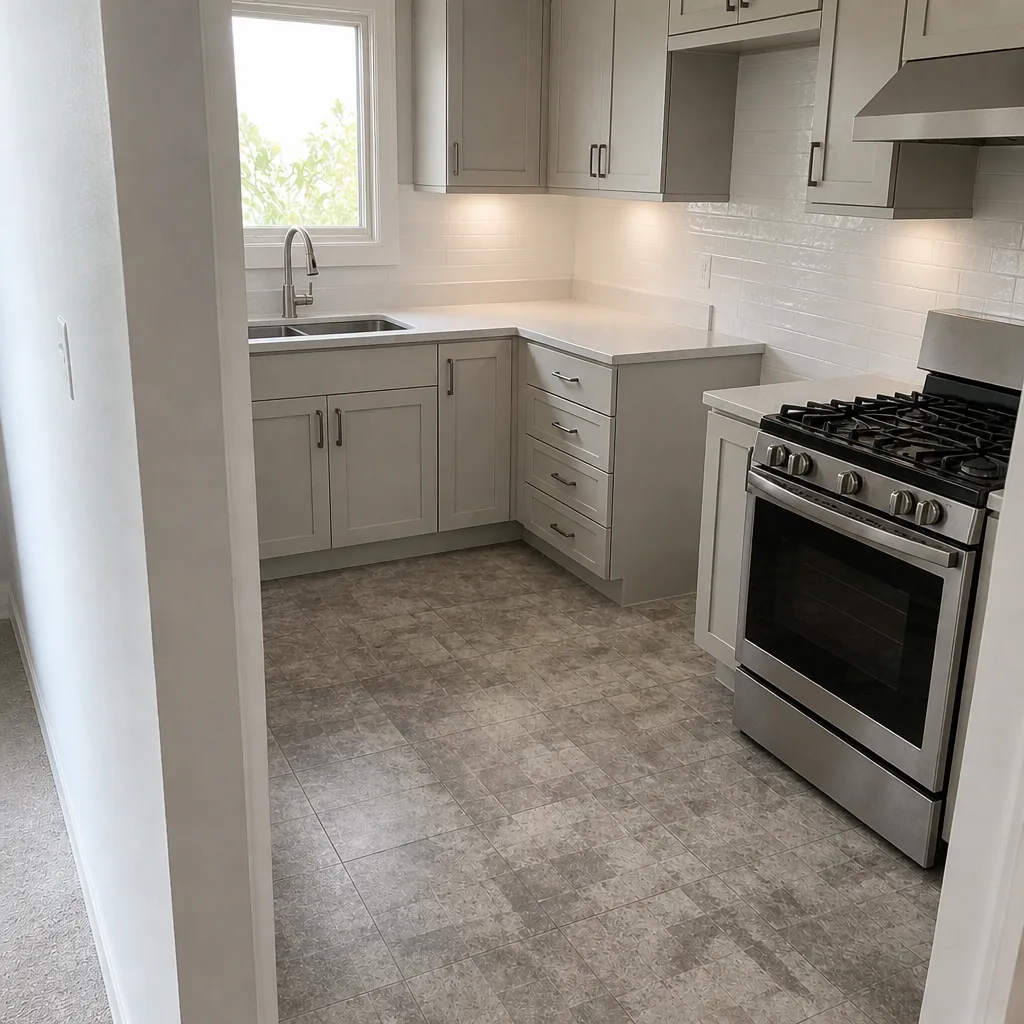 After
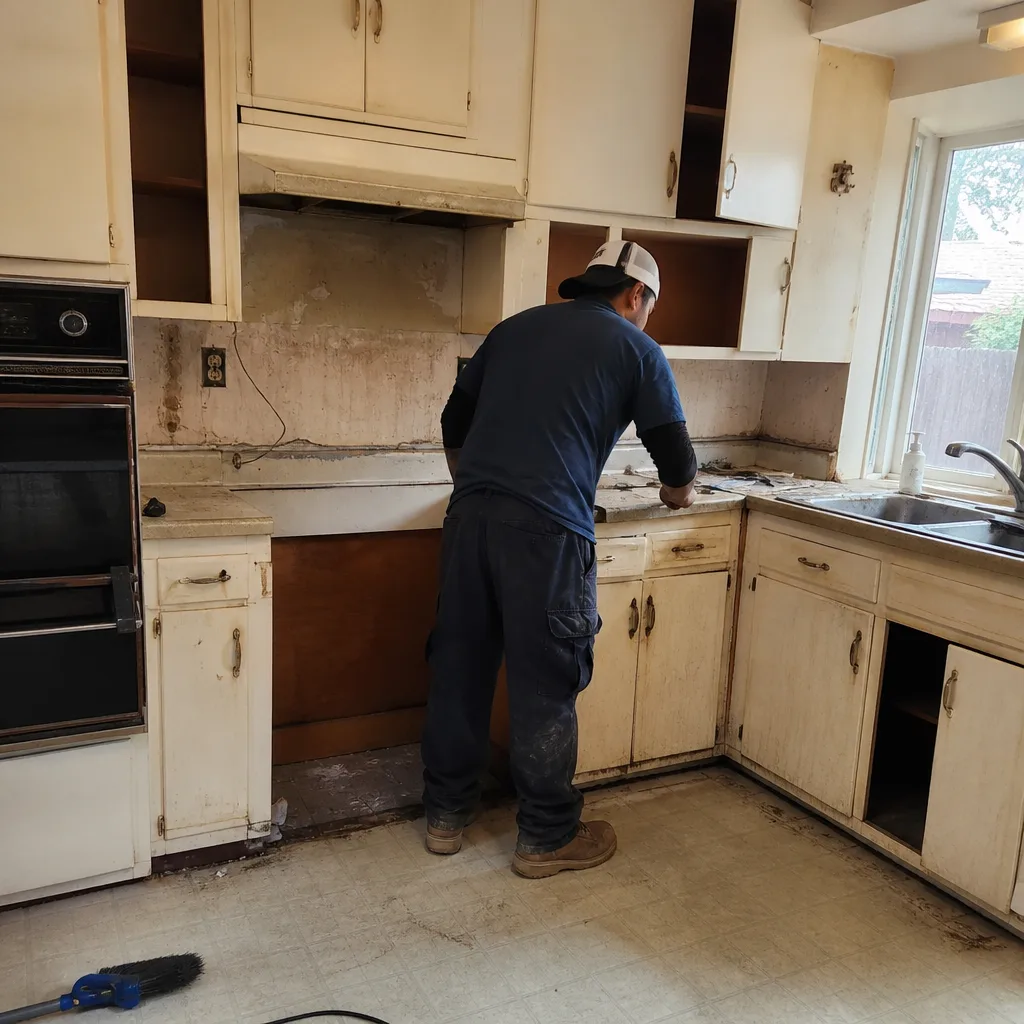 Before
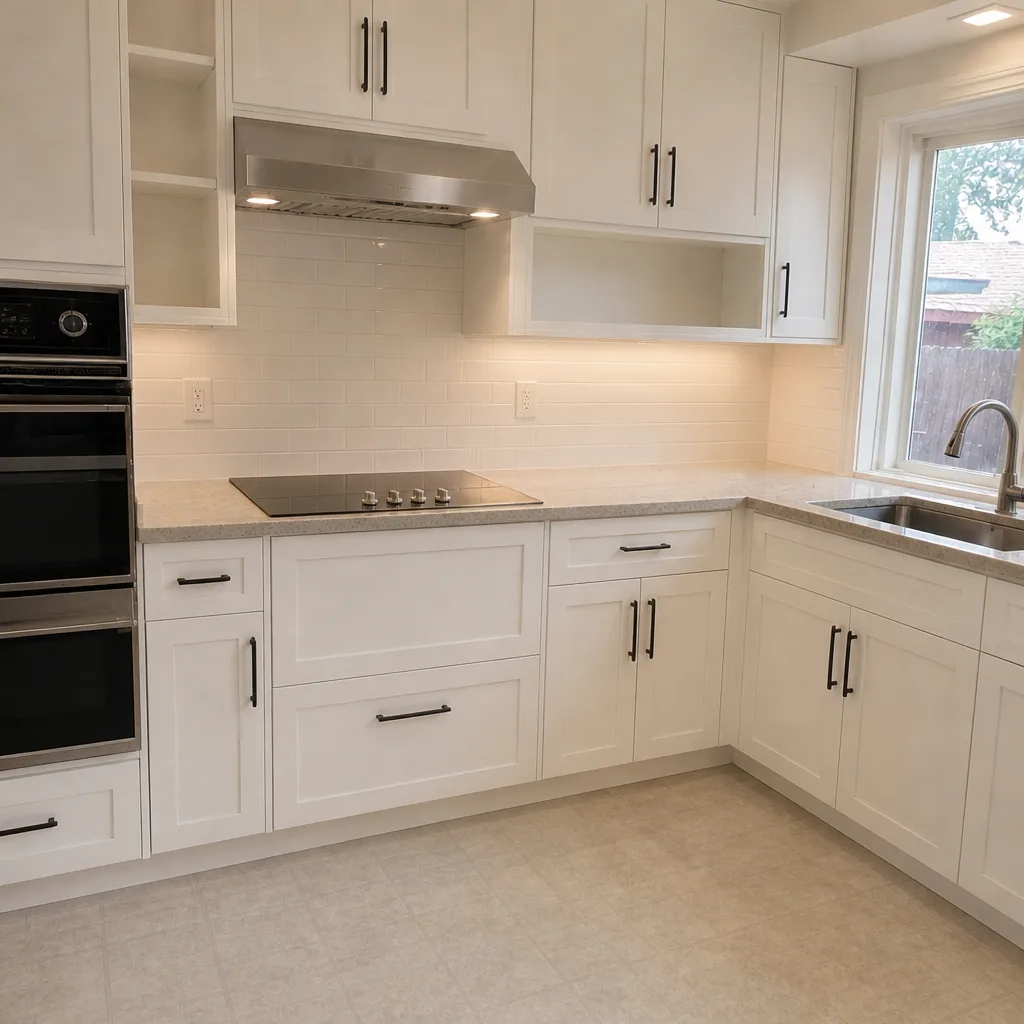 After
When to Call a Professional
Call us when: a window or door no longer latches or locks; you see daylight around a closed frame; wood at a sill or door bottom is soft; water staining or bubbling paint appears near a frame; a diagonal crack runs from a window corner and grows over a month; or more than one unit in the same wall fails within a single season. These are the thresholds where the problem has moved past cosmetic and into the envelope, and a trained professional needs eyes on it before the surrounding wall gets damaged.
Groundwork Construction Co. of Tustin offers free estimates in Tustin – call (833) 954-6066. We answer live, 24 hours a day. Our technicians have up to 12 years of experience, they’re background-checked and arrive in uniform, and every project we take on is backed by our 730-Day Done Right Promise. Upfront pricing with no surprises, and a written line-item quote before any work starts.
Frequently Asked Questions
Fog between panes on an otherwise sound frame is a seal failure, and usually only the insulated glass unit (the sash pack) needs replacing, which costs a fraction of a full window. If the frame itself is soft, warped, or pitted, the frame needs replacement too. A free estimate from us will tell you which side of that line you’re on. Call (833) 954-6066 for an exact quote.
The daily temperature swing in Tustin – cool marine mornings to hot afternoons – expands and contracts doors and frames more than a steady-humidity climate does, and it’s worst on south- and west-facing exterior doors. A door that sticks only on hot afternoons is usually a thermal issue on the panel. A door that sticks all the time and gets worse is a rough-opening or hinge problem. Different fix, different cost. Call us for a free estimate and we’ll diagnose which one it is.
Sometimes. If the lock mechanism is worn and the frame is square, a new lock or a striker adjustment fixes it in one visit. If the lock won’t engage because the frame has racked, a new lock will fail the same way, and the underlying issue needs to be diagnosed before you spend money. That diagnosis is free with our estimate – call (833) 954-6066.
Repair wins when the frame is sound, the failure is a single seal or a single hardware item, and the unit is under 15 years old. Replacement wins when the frame has failed, when multiple units are failing the same way, or when the units are original single-pane aluminum from the 1950s to 1970s and you’re paying the energy bill for them every month. The honest answer requires the diagnostic walk-through – which our free estimate includes. Call (833) 954-6066.
Stop the water intrusion first – that’s the damage-driving factor. Reflash or reseal the exterior perimeter, clear any blocked weeps, and keep interior paint intact so you can track future water. Don’t caulk over visible bubbles or soft wood; those need to be opened up so they can dry and be properly repaired. When you’re ready to plan the replacement, we offer 0% financing for 18 months and $1,000 off projects over $10,000 – call (833) 954-6066 for a free estimate.
Yes. The City of Tustin requires permits for most window replacements in older construction, and we handle that as part of the job. We also coordinate the required inspections. If you’re thinking about pairing a window project with a larger envelope or addition job, our Home Additions & ADU in Tustin page covers how we handle permits across a bigger scope, and the Groundwork Construction Co. of Tustin home page lays out the full menu of what we do. For adjacent exterior work, see Driveway & Pavers in Tustin and Fence Installation in Tustin. Call (833) 954-6066 for a free estimate.
The Bottom Line
Windows and doors are the most honest part of your house. When a lock gets hard to turn, a pane fogs, a door drags, or paint bubbles near a frame, the unit is telling you something is moving behind it. Read those signals at the cosmetic-versus-functional line, check your utility bills before you pay for an audit, and use the repair-versus-replace framework to spend at the right threshold. Most expensive window problems in Tustin were a small fix 18 months before the homeowner called. Don’t be that homeowner.
Written by the team at Groundwork Construction Co. of Tustin.