Last updated November 17, 2026




Free written scope consultation - allowances, timeline, and change-order rules on paper before a single trade is scheduled
How to Hire a Construction Contractor in Tustin: A Step-by-Step Guide
A contractor can be fully licensed, bonded, insured, and still leave your project unfinished. California’s CSLB complaint database has thousands of them, and most had five-star reviews the day they were hired. The standard advice – get three bids, check Yelp, verify the license – filters out almost nothing, because bad contractors have learned to pass every one of those tests. What actually separates a contractor who finishes from one who disappears happens in the questions most homeowners never think to ask. This guide walks through the vetting that matters for Tustin homeowners, from license classifications to contract clauses to reading a bid line by line.
Quick Answer
To hire a construction contractor in Tustin, verify the contractor’s CSLB license classification matches your project type, confirm active bond and workers’ compensation coverage, insist on a written contract with milestone-based payments and lien releases, and read every bid line item for signs the contractor has actually visited your site. The license check takes five minutes and catches the easy problems; the contract and bid review catch the expensive ones.
Styles & brands we work with
- Kitchen remodeling
- Bathroom remodeling
- Home additions & ADU
- Roofing
- Windows & doors
- Driveway & pavers
- Fence
Table of Contents
- Step 1: Verify the CSLB License Classification for Your Tustin Project
- Step 2: Confirm the Bond and Insurance Actually Cover Your Job
- Step 3: Read the Bid Like a Contractor Would
- Step 4: Contract Clauses That Separate Accountable Contractors From Escape Artists
- Step 5: Structure Payments Around Milestones, Not Dates
- Step 6: Tustin-Specific Red Flags After a Weather Event
- Step 7: What a Real Workmanship Guarantee Requires in Writing
Step 1: Verify the CSLB License Classification for Your Tustin Project
California doesn’t have one contractor license. It has dozens of classifications, and hiring a contractor outside the correct one can void the legal protections you think you have. A contractor licensed only as a C-39 (roofing) cannot legally take your kitchen remodel, no matter how many kitchens they’ve “done before” on the side. If something goes wrong, the CSLB will tell you the work was outside their license – and your recourse shrinks to a civil suit.
The classifications most Tustin homeowners actually need to know:
- B – General Building Contractor: Whole-house remodels, additions, and any project involving two or more unrelated trades. This is the license most full-scope remodels require. A B-license holder can take a kitchen that involves framing, electrical, plumbing, and finish work.
- C-36 – Plumbing, C-10 – Electrical, C-33 – Painting, C-39 – Roofing: Single-trade specialty licenses. They can take that one trade and nothing beyond it.
- A – General Engineering: Paving, grading, driveways. Relevant if you’re looking at serious site work.
- C-13 – Fencing: Required for fence installation as a standalone contract.
- C-15 – Flooring, C-54 – Tile: Common in bathroom and kitchen scopes.
Anyone pulling permits for an addition, ADU, or structural remodel in Tustin needs a B or A license. If you’re working through a project like a Home Additions & ADU in Tustin, the license check is where you start. Pull the license number from the CSLB website directly – don’t trust the number on the contractor’s card until you’ve seen the record match the business name, and the bond and workers’ comp flags are current.
Step 2: Confirm the Bond and Insurance Actually Cover Your Job
California requires every licensed contractor to carry a $25,000 contractor’s bond. That sounds reassuring until you learn what it actually covers: it protects the state, not you, and a $25,000 bond doesn’t come close to covering a $180,000 kitchen loss. The protection that matters is the contractor’s general liability policy and their workers’ compensation coverage.
Ask for certificates and confirm three things:
- General liability: At least $1 million per occurrence. The certificate should list the coverage dates and name the insurance company, not just the agent.
- Workers’ compensation: If the contractor has employees, and most crews do, they’re required to carry it. If they’re exempt, the CSLB record will say so – and if a worker gets hurt on your property without coverage, that worker’s claim can land on your homeowner’s policy.
- Auto coverage: Not a legal requirement, but a contractor driving a loaded truck to your property is a real exposure. Skip the contractors who act like this question is insulting.
Call the insurance carrier to verify the certificate is current. Certificates are easy to fake and easier to let lapse. In Tustin, where hillside properties and older single-story homes often have structural surprises under the drywall, an uninsured contractor on a job with real unknowns is a gamble you don’t want to take.
Step 3: Read the Bid Like a Contractor Would
Three bids at wildly different prices is normal. Three bids at wildly different line items is the tell. A bid that says “Demo: $4,200; Tile: $8,900; Plumbing: $3,100” tells you nothing about whether the contractor walked your kitchen or estimated it from a Google Street View screenshot. A bid with itemized allowances, brand names, and quantities tells you they’ve been on site and thought about the work.
What to look for in the line items:
- Allowances with dollar amounts. “Tile allowance: $2,200” tells you the number is a floor. “Tile: included” tells you nothing, and it’s where change orders get born.
- Brand and model names. A bid that names the window brand, the shingle manufacturer, or the cabinet line is a bid from someone who planned. When we quote windows, we work through partners like Andersen and Pella because the name on the paperwork is the name on the warranty.
- Explicit exclusions. “Does not include decking replacement if rot is found” is honest. Bids with no exclusions are usually bids with hidden ones added later.
- Permit line. If the bid doesn’t mention permits or inspections, either the contractor is skipping them, or they’re billing them later. Both are your problem.
- Staging and disposal line. Demo debris removal in Tustin runs real money (dumpsters, haul-away, driveway protection). A bid that skips it isn’t cheaper – it’s incomplete.
Ask each bidding contractor a simple question: “What did you notice about my house that you’re pricing into this?” The contractor who says “your 1960s panel won’t hold the new range” or “the siding behind the fence is soft” has been on site. The one who says “all in, that’s the number” is guessing.
Step 4: Contract Clauses That Separate Accountable Contractors From Escape Artists
The written contract is where contractors who finish get separated from contractors who disappear. Five clauses matter more than every other line on the page.
- The scope of work matches the bid. Every line item from the accepted bid should appear in the contract, verbatim. If the contract is shorter than the bid, the contractor has already built themselves an out.
- Change order process in writing. Any change – even a $200 one – should require a signed change order with a price before the work happens. The absence of this process is the single biggest source of “but the final bill was $40,000 higher than the estimate.”
- Lien releases at each payment. California’s preliminary notice and mechanic’s lien rules mean that if your contractor doesn’t pay a subcontractor or supplier, that party can lien your house. A contractor willing to provide conditional lien releases tied to each payment is a contractor with a real accounting system behind them.
- Completion date with a realistic schedule. Not a fantasy date to win the bid – an honest schedule that accounts for permit review (Tustin typically runs several weeks for structural work), material lead times, and weather windows.
- Arbitration or dispute clause you actually understand. If the contract pushes every dispute into arbitration in a distant county, that’s an escape hatch. Read the clause carefully, or have someone read it for you.
Ask any contractor to explain each of these clauses out loud before you sign. Contractors who know their contracts answer quickly. Contractors who don’t will tell you “that’s just boilerplate.”
Step 5: Structure Payments Around Milestones, Not Dates
California limits the up-front deposit a contractor can collect: for most home improvement contracts, it’s 10% of the contract price or $1,000, whichever is less. After that, payments should be tied to work completed, not the calendar. “Pay 50% on October 1” is a date payment. “Pay 25% on completion of rough framing and inspection pass” is a milestone payment – and it’s the version that keeps the incentive pointed in the right direction.
A reasonable milestone structure for a Tustin kitchen remodel looks roughly like this:
- 10% at contract signing (the legal deposit maximum, or $1,000, whichever is less)
- 25-30% at completion of demolition and rough-in
- 20-25% at completion of drywall and inspection pass
- 30-35% at cabinet and finish installation
- Final 10% at final walkthrough and your written punch-list sign-off
Never pay the final draw before you’ve walked the job with the contractor, written a punch list, and had every item completed. Any contractor who pushes for a larger final draw “to close out their accounts” is telling you something about their cash position. That’s a deal-killer.
Step 6: Tustin-Specific Red Flags After a Weather Event
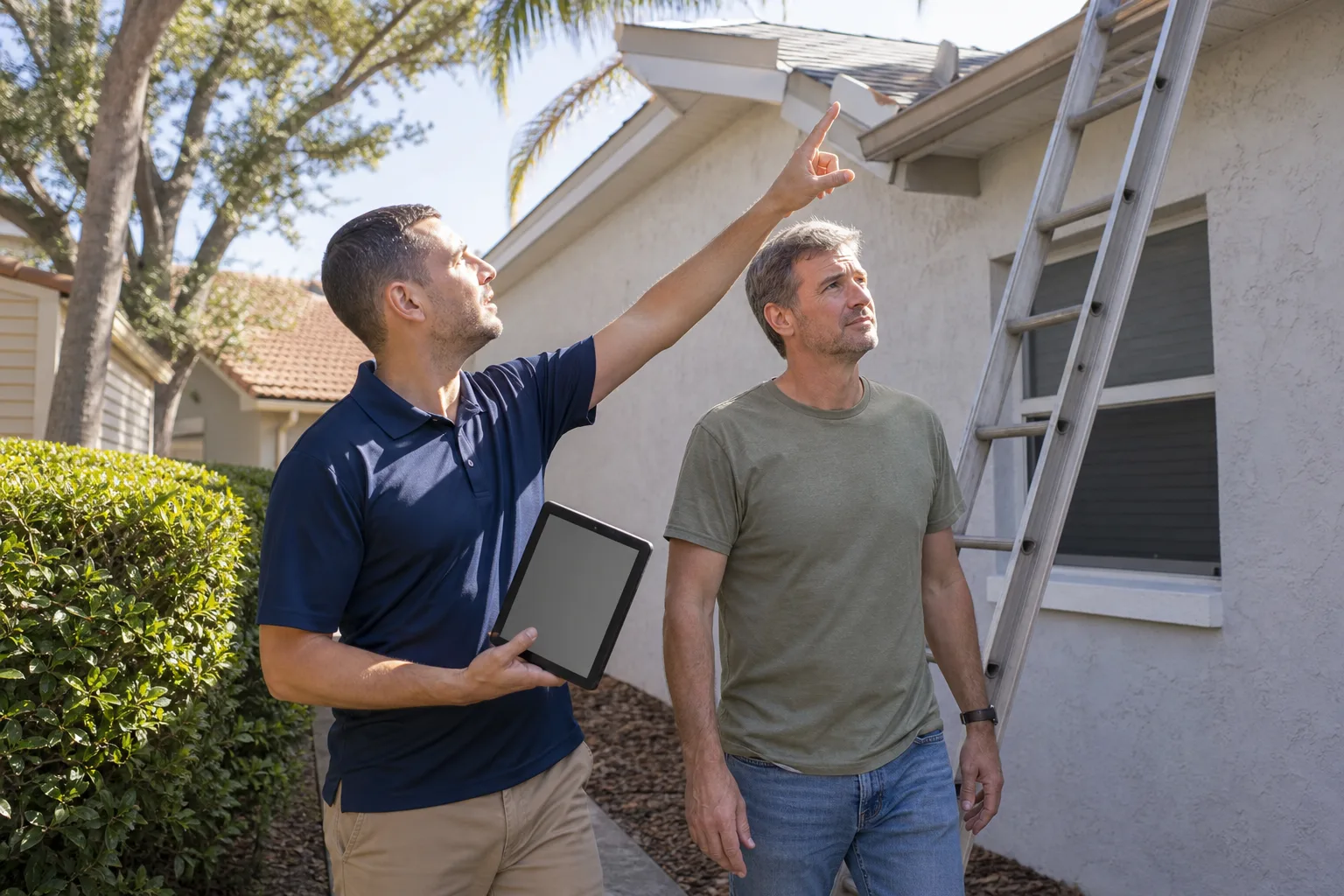
The Santa Ana winds that hit Tustin every fall and winter can tear off shingles, crack tiles, and push debris through fences. Within a week of any wind event, the door-knockers arrive. “Just roofing the neighborhood today” is a script, not a coincidence – the crew that shows up the day after a windstorm has been following the storm path through every city ahead of yours.
Tustin-specific red flags worth memorizing:
- Door-knocking with a “today only” price. Storm-chasing crews price high and disappear. The “contractor” isn’t local, isn’t bonded for California, and won’t be back when the shingles lift in six months.
- No verifiable Tustin or Orange County address. A PO box in a nearby city is not a business location. Ask for the physical address and look it up.
- Cash-only, no permits. Post-rain fence and roof repairs often get “done under $X, no permit needed.” That works until the next homeowner wants a copy of the permit for their appraisal.
- “We’re already working at your neighbor’s house.” Sometimes true. Verify it by knocking on the neighbor’s door and asking if the crew actually showed up.
- A bid delivered the day of the storm without walking the roof. If they didn’t get on the roof, they didn’t inspect it – they guessed. Guesses are what roofers fix six months later.
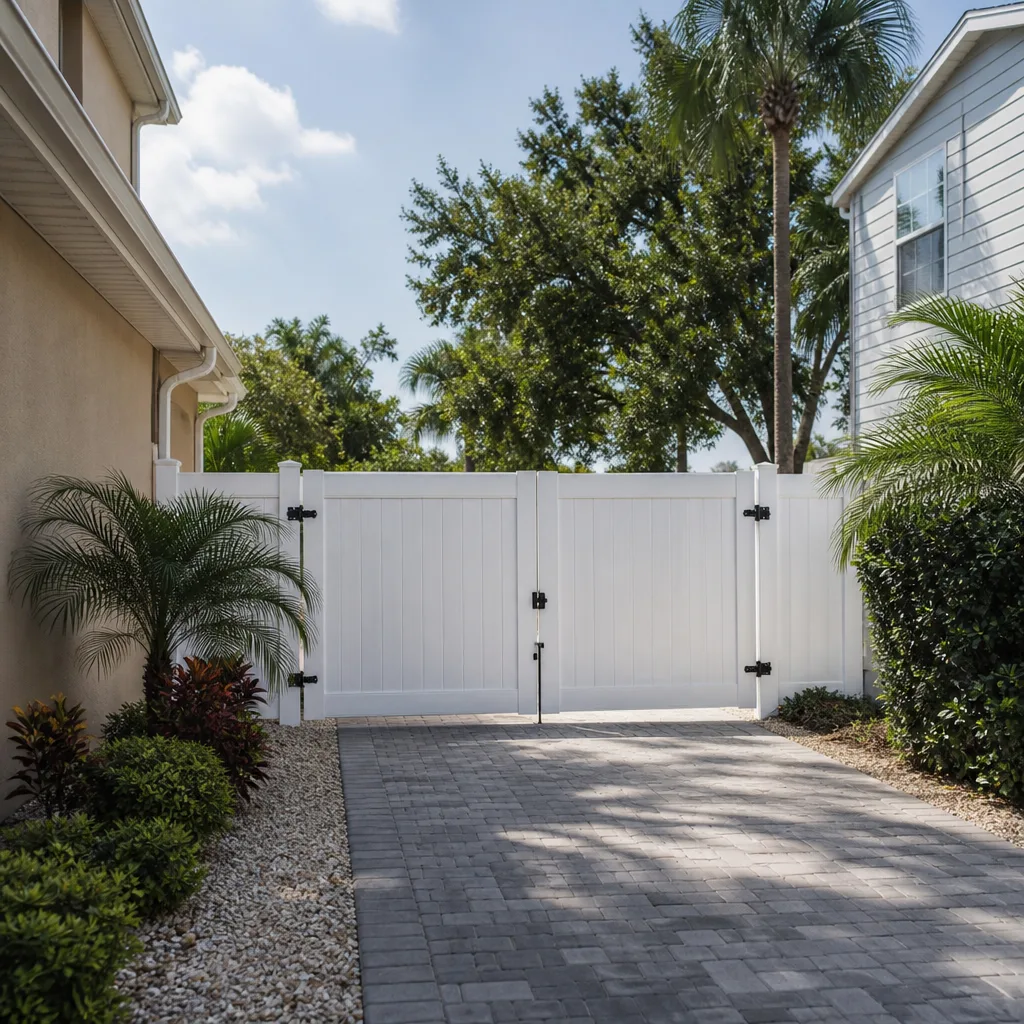
For work on fences – which the Santa Ana winds punish more than almost any other structure on your property – work through a contractor who can show you local installation history and provide a real workmanship warranty. Our Fence Installation in Tustin team handles post-storm repairs year after year, and the patterns are consistent: the properties that fail are the ones that were patched by the door-knockers the year before.
Step 7: What a Real Workmanship Guarantee Requires in Writing
“We stand behind our work” is not a warranty. It’s a phrase every contractor says and no court enforces. A workmanship guarantee has to be a written obligation with a defined duration, a defined scope, and a defined remedy. When you’re comparing contractors, get every one of them to put the warranty in writing and look at the specifics.
A warranty worth the paper it’s printed on contains:
- A duration stated in years, not adjectives. One year is the industry floor. Work that fails inside the first two to three years almost always points back to installation, not materials – so a longer workmanship term covers the failure window that matters. Our projects are backed by the 730-Day Done Right Promise, which is one of the longest residential workmanship terms in the market. If it’s not done right, we make it right.
- What’s covered and what isn’t. A roof installed over decking the contractor described in writing is covered for workmanship. A roof that fails because of a storm dump of twelve inches of rain is the manufacturer’s warranty, and a good contractor tells you which is which.
- Explicit coverage of labor, not just material. Manufacturer warranties on shingles or windows cover the product. Workmanship coverage pays for the labor to fix what the installation got wrong – and that’s the cost that actually hurts.
- The remedy process. If a warranty says “we’ll repair at our discretion,” it’s not a warranty. If it says “we’ll repair or replace,” with a stated response window, it is.
- Transferability. A transferable workmanship warranty helps when you sell. Worth asking about, even if not every contractor offers it.
Material warranties matter across the trades, and it’s worth knowing who makes the products going into your home. That’s why we work through a curated set of brand partners – GAF and CertainTeed on roofs, KraftMaid and Cambria in kitchens, James Hardie and Belgard on exterior work. The material backing and the workmanship backing should match in years.
Common Mistakes to Avoid
- Choosing the lowest bid without reading what’s missing. The lowest bid is almost always a bid for a smaller scope. Ask every bidder to confirm the same scope in writing before you compare price.
- Paying a deposit above the legal maximum. California caps home improvement deposits at 10% or $1,000, whichever is less. If a contractor asks for 30% up front, that’s a hard no.
- Accepting a verbal warranty. “We stand behind our work” is a phrase, not a warranty. Get the term in years, in writing, in the contract.
- Hiring a contractor whose CSLB classification doesn’t match your scope. A C-39 roofer taking your kitchen remodel means no recourse through the state when things go wrong.
- Skipping permit verification. Tustin building records follow the house forever. Unpermitted additions and remodels surface at the worst possible moment – during an appraisal or a sale.
- Hiring the post-storm door-knocker. The crew that shows up two days after a Santa Ana wind event is most likely not local, not bonded for California work, and not returning your call in six months.
- Paying the final draw before the punch list is complete. The final 10% is your leverage. Keep it until the walkthrough is signed off and every item is done.
See the difference
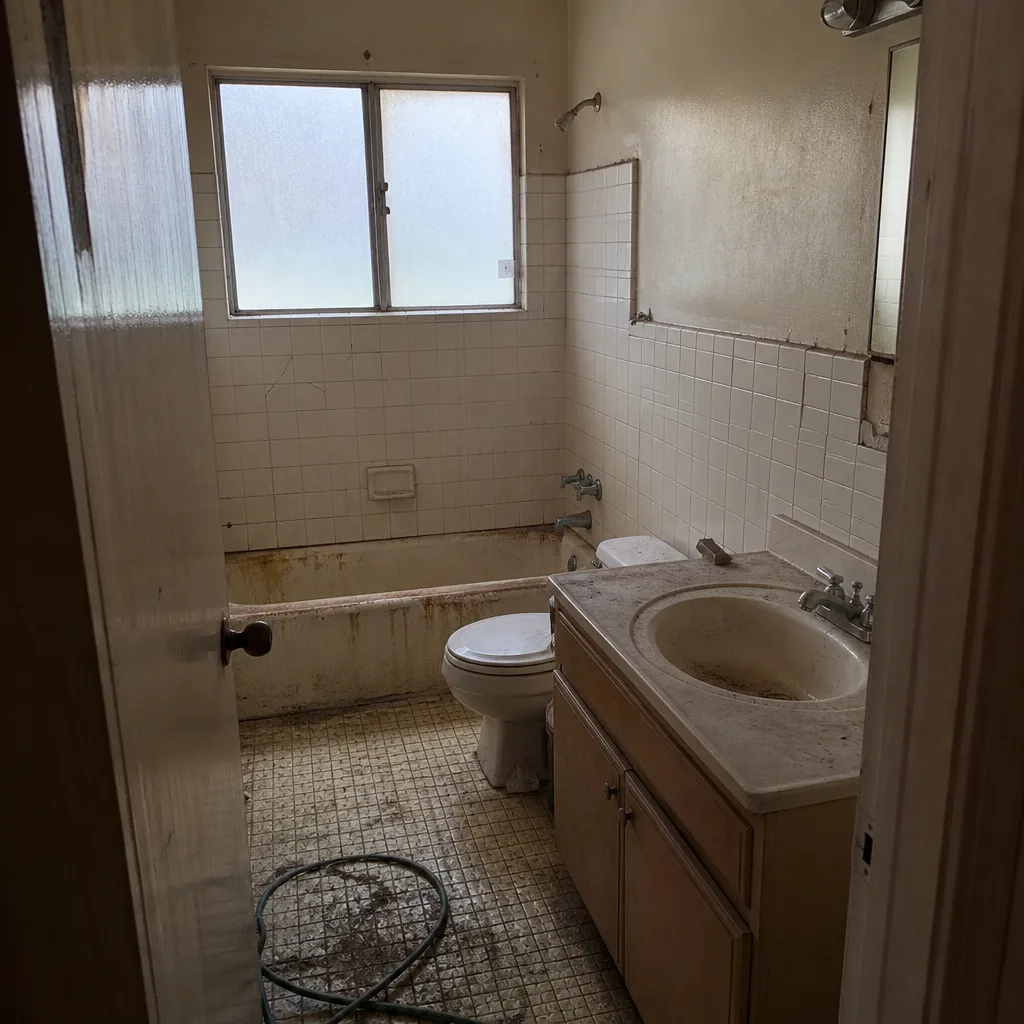 Before
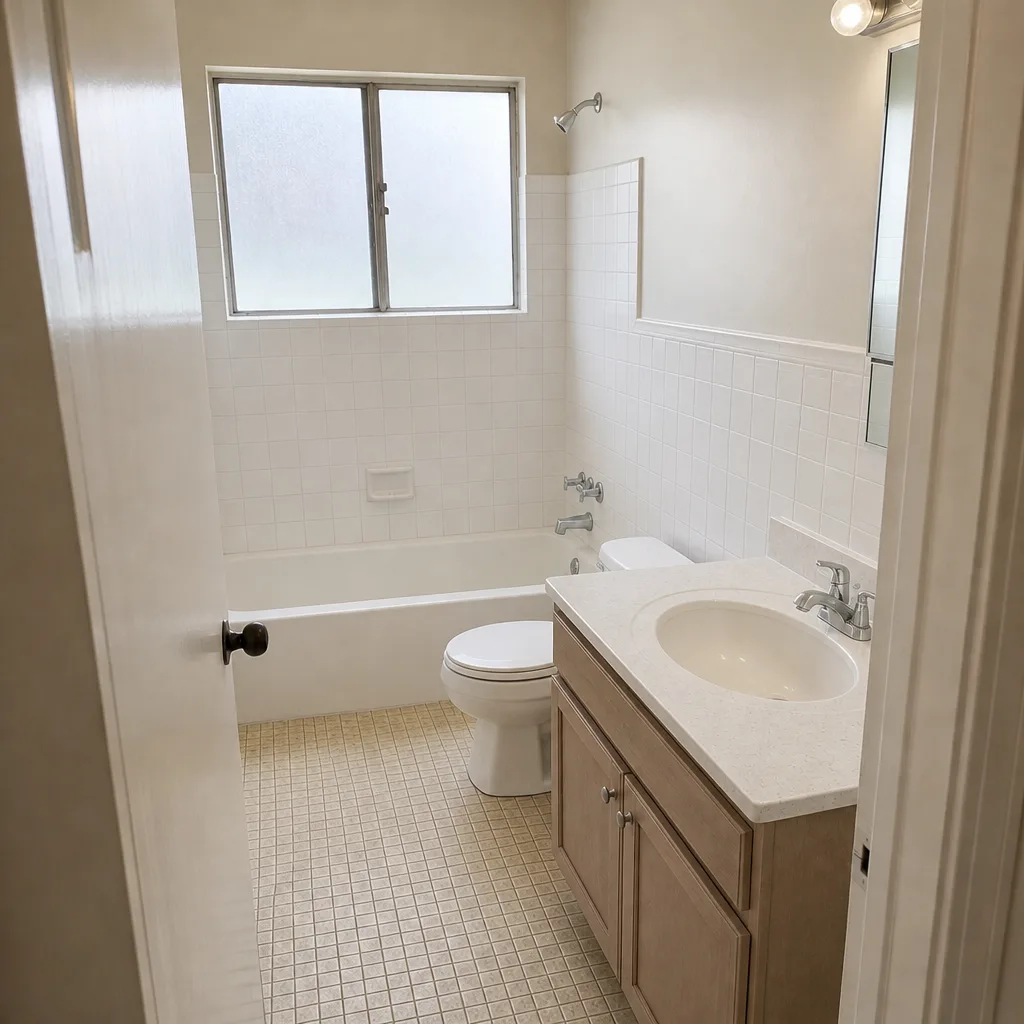 After
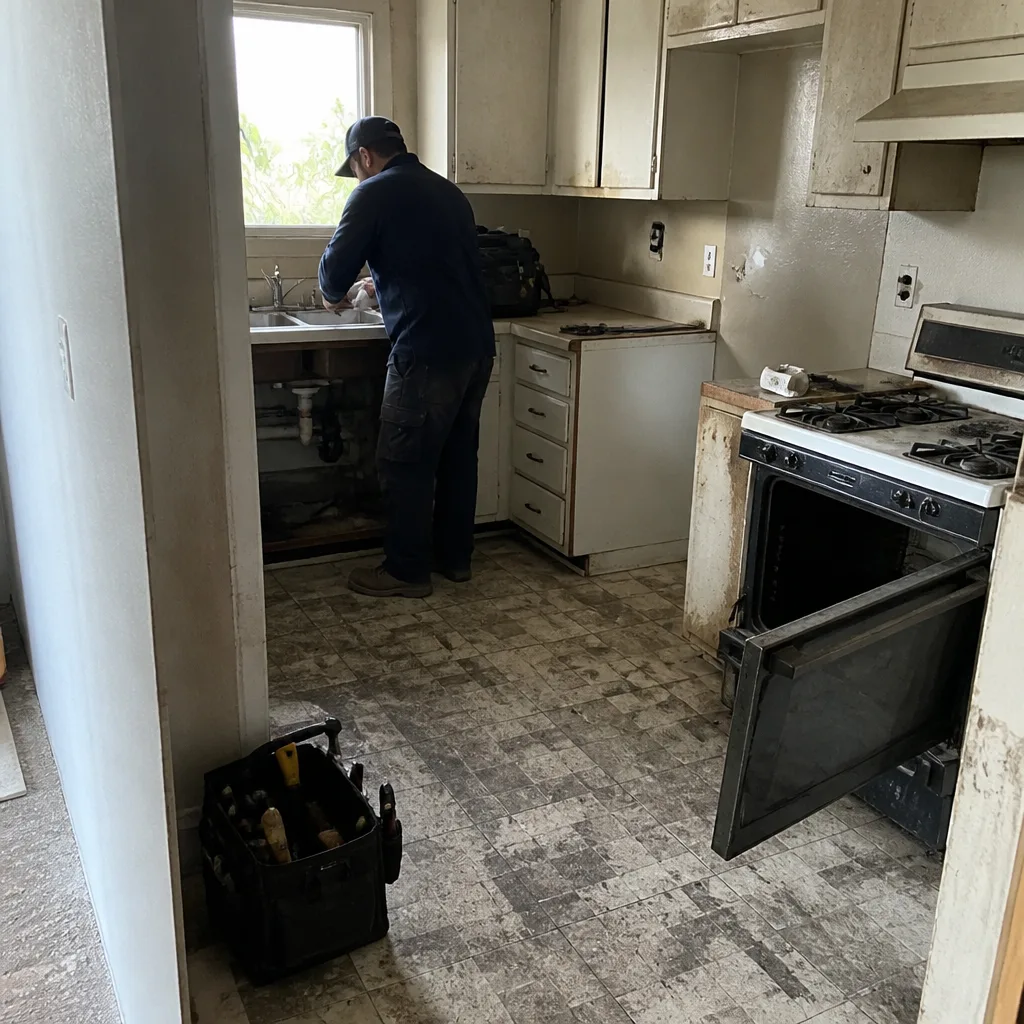 Before
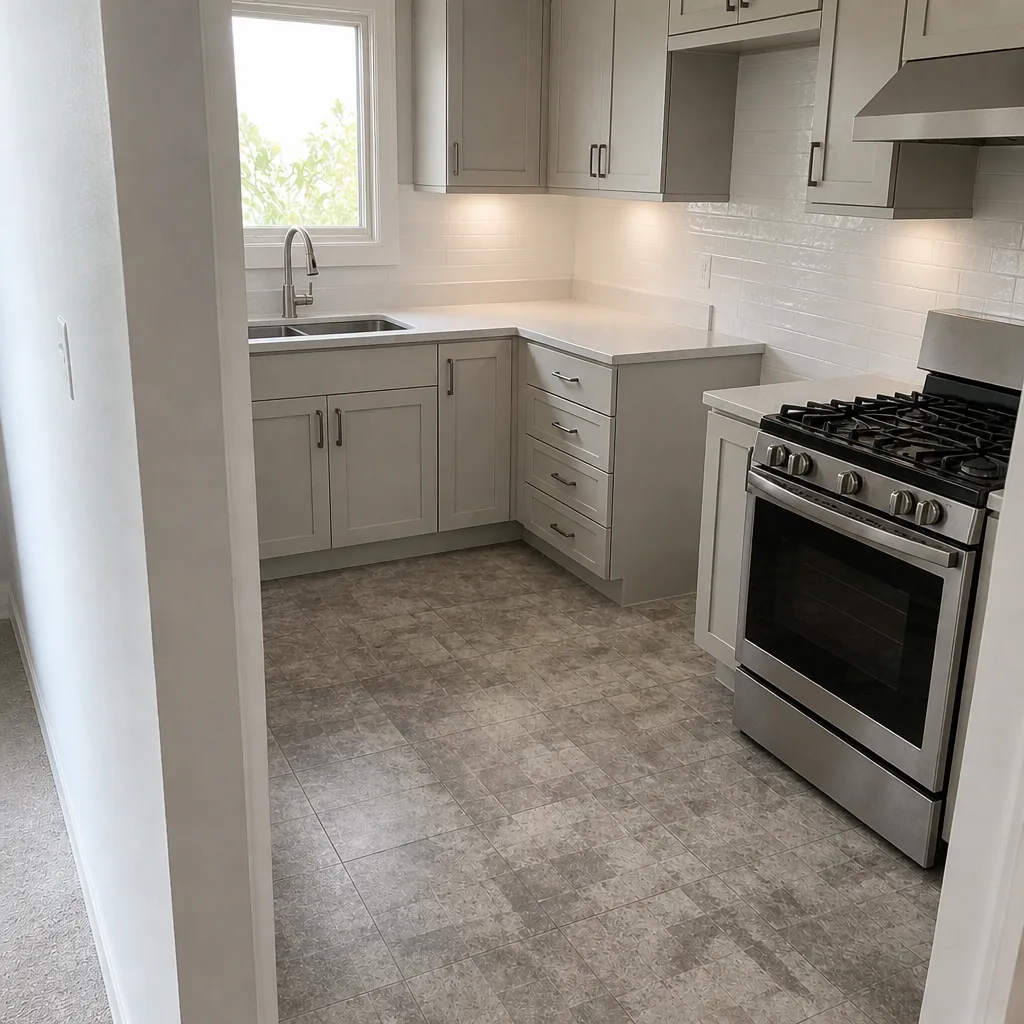 After
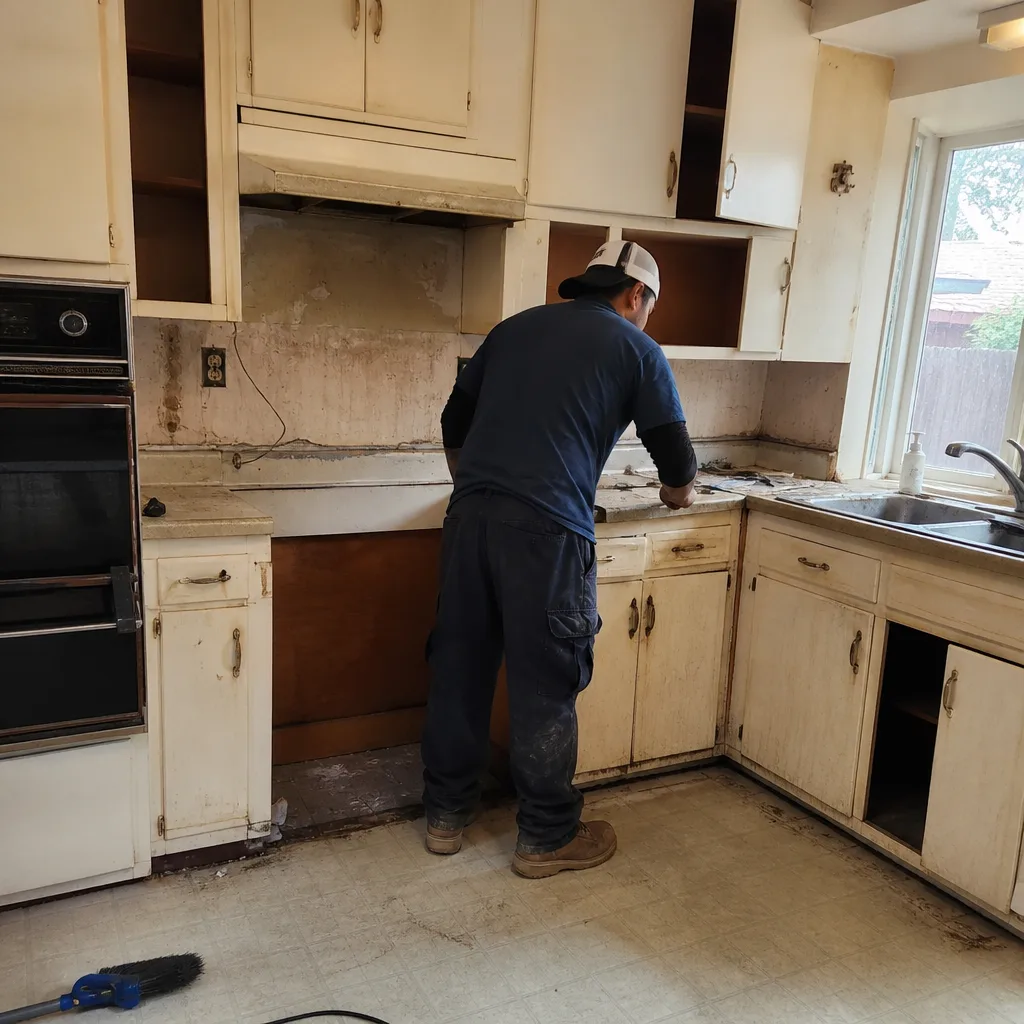 Before
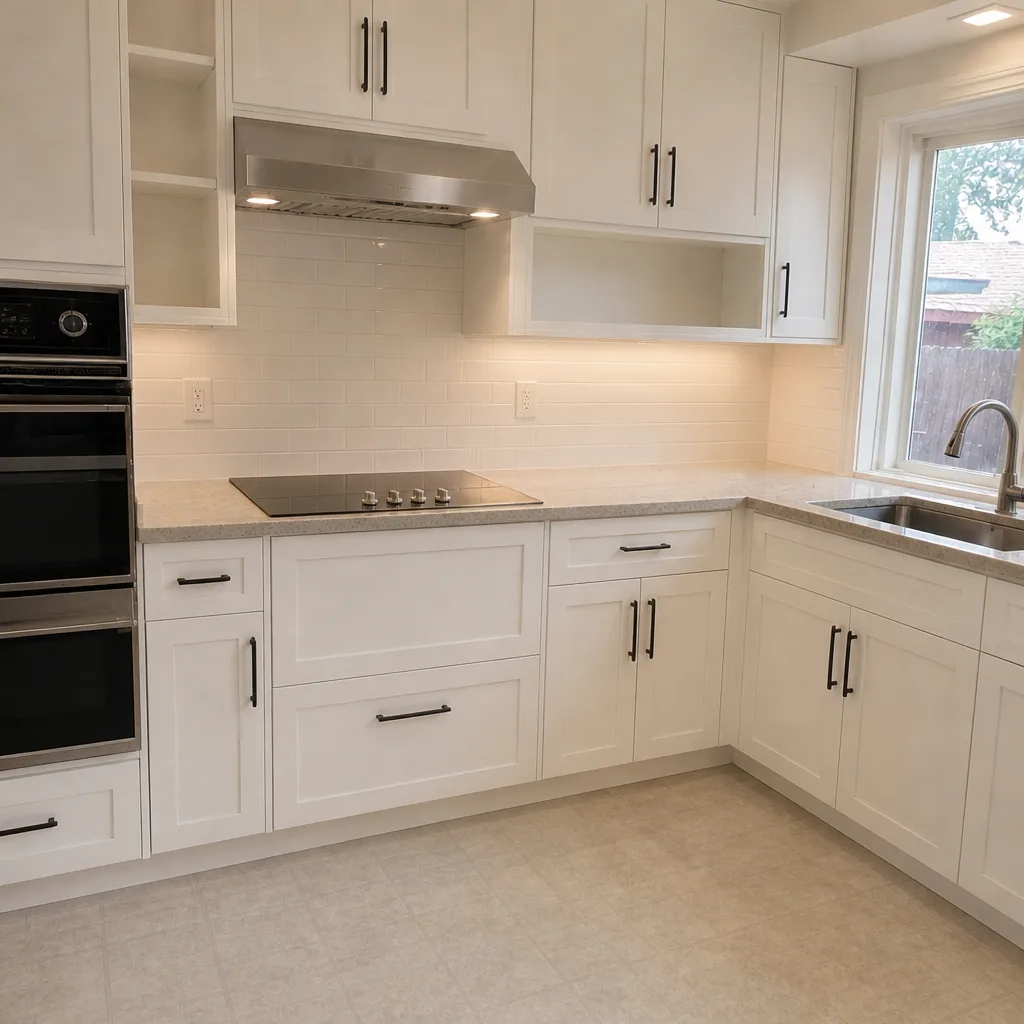 After
When to Call a Professional
The DIY rule of thumb for Tustin homeowners: if the work touches the structure, the electrical panel, the gas line, or the roof, call a professional. A cosmetic tile job you can handle. A structural load-bearing wall, a panel upgrade, a roof replacement – those are the jobs where self-attempts cost double when the professional has to fix what happened first. Colorado spruce dying is not a roofing problem, but a sagging fascia after the rain is, and a slow ceiling leak on a Tustin single-story roof has a way of surfacing as a $14,000 repair instead of a $1,400 one when it’s caught early. Groundwork Construction Co. of Tustin offers free estimates in Tustin – call (833) 954-6066 to schedule yours.
Frequently Asked Questions
Go to the CSLB website and search the license number directly, but don’t stop at “active” – check the classification matches your project type, the bond is current, and workers’ compensation coverage is in place. A license with the wrong classification (say, a specialty roofer taking a kitchen remodel) doesn’t protect you if something goes wrong. Call (833) 954-6066 to ask us any questions about license scope for your project.
For most home improvement contracts, California limits the up-front deposit to 10% of the contract price or $1,000, whichever is less. Anything above that is a violation, no matter how the contractor frames it. After the deposit, payments should be tied to milestones – completed work and passed inspections – not to calendar dates.
Typical Tustin permit reviews run several weeks for structural work like additions and ADUs, and faster for cosmetic remodels without structural changes. Realistic bids build permit time into the schedule. Bids that promise a two-week permit turnaround on a structural project are either guessing or planning to skip the permit.
Not in any meaningful way. A workmanship guarantee has to be written into the contract with a stated duration, a defined scope, and a defined remedy. “We stand behind our work” is a phrase, not a warranty. Ask every contractor to put the warranty in writing, in years, before you sign.
Storm-chasers show up uninvited, price high, push for same-day signatures, and disappear. Real red flags: no verifiable physical address in Orange County, no CSLB license for California work, cash-only payment, and a bid delivered without getting on the roof. Verify the license and the address before you shake hands.
Tustin kitchen remodels vary widely by scope, but most full-scope projects with new cabinets, counters, and layout changes run well into five figures, with premium finishes pushing higher. The most useful thing a homeowner can do is get a line-item written bid with brand names and allowances instead of a single lump-sum number. Call (833) 954-6066 to schedule your free estimate – our pricing is upfront, with no surprises, and projects over $10,000 get $1,000 off plus 0% financing for 18 months.
The Bottom Line
Licensed, bonded, and insured is the starting line, not the finish. The vetting that protects Tustin homeowners happens in the CSLB classification check, the written contract clauses, the milestone payment schedule, and the line-item bid review. Add the local red flags – storm-chasers after wind events, contractors with no verifiable address – and you’re covering the failure modes that actually cost homeowners money in this market. Our Driveway & Pavers in Tustin and Groundwork Construction Co. of Tustin home pages walk through what well-executed work looks like on the exterior side. When you’re ready to talk scope, we’re ready to talk.
Ready to Price Your Project?

Every project we take on is covered by the 730-Day Done Right Promise, quoted with upfront pricing and no surprises, and staffed by background-checked technicians. You can reach us by phone 24/7 – a live person answers, not a voicemail – and the estimate is free. Our technicians have up to 12 years of experience across the trades, and we work through a curated set of brand partners so you’re choosing quality, not just availability. Call (833) 954-6066 to schedule your free project estimate and design consult.
Written by the team at Groundwork Construction Co. of Tustin.