Free written scope consultation - allowances, timeline, and change-order rules on paper before a single trade is scheduled
ADU Site Prep & Utilities in Rancho Santa Margarita: What It Costs and What Gets Built First
ADU site prep and utilities in Rancho Santa Margarita typically runs $45,000 – $130,000 for the groundwork scope alone, with three to six weeks of site work before a single wall goes up. That covers grading, trenching, the utility stubs, the foundation pour, and the inspections in between. If you’re planning a detached unit on a canyon-edge lot off the 241 corridor, call (833) 954-6066 and we’ll walk your property and put real numbers on paper.
How the site work actually sequences, day by day
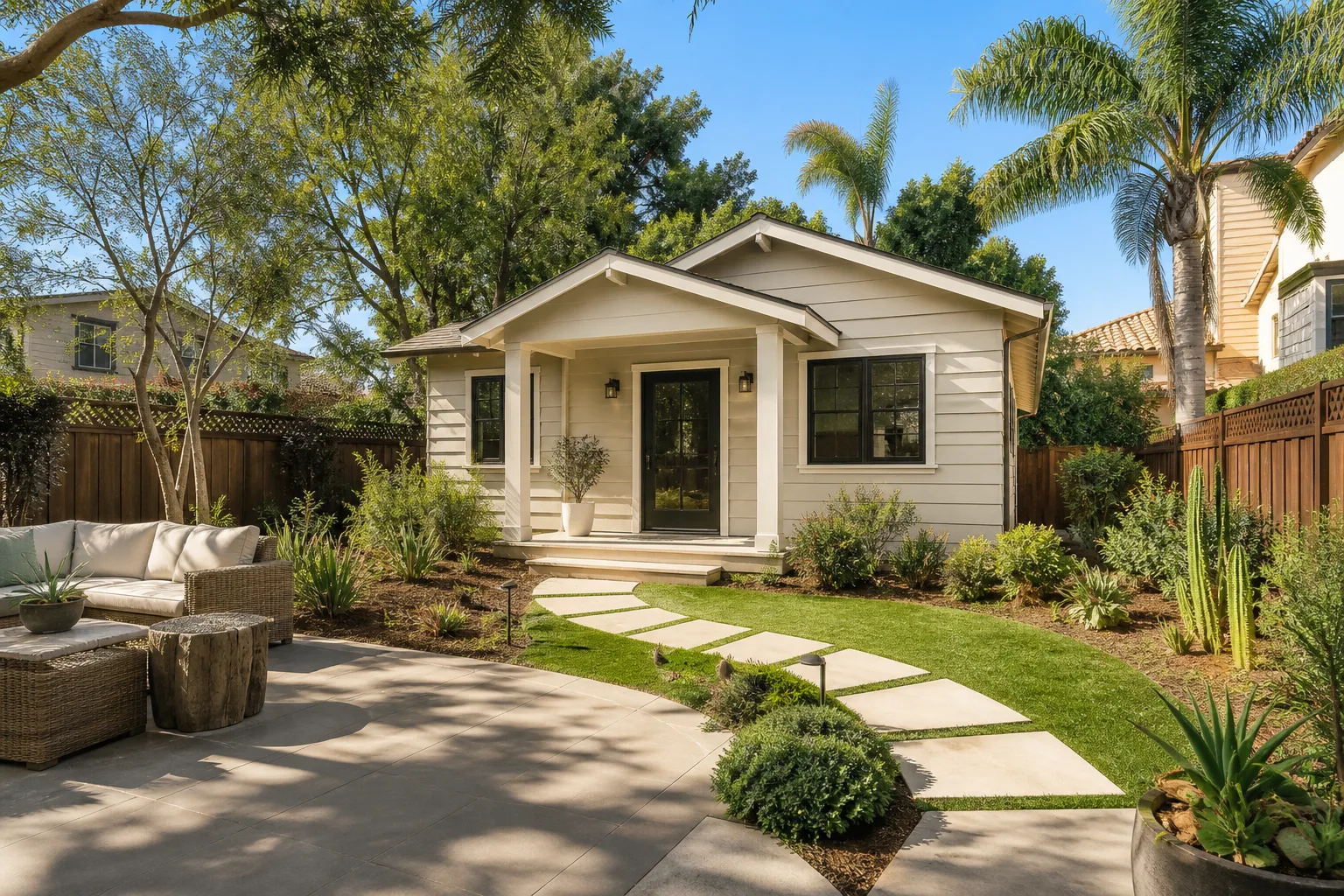
Site prep is the part of an ADU build that decides whether the rest of the project stays on schedule. Here’s the order we work in, and what you’ll be deciding at each stage.
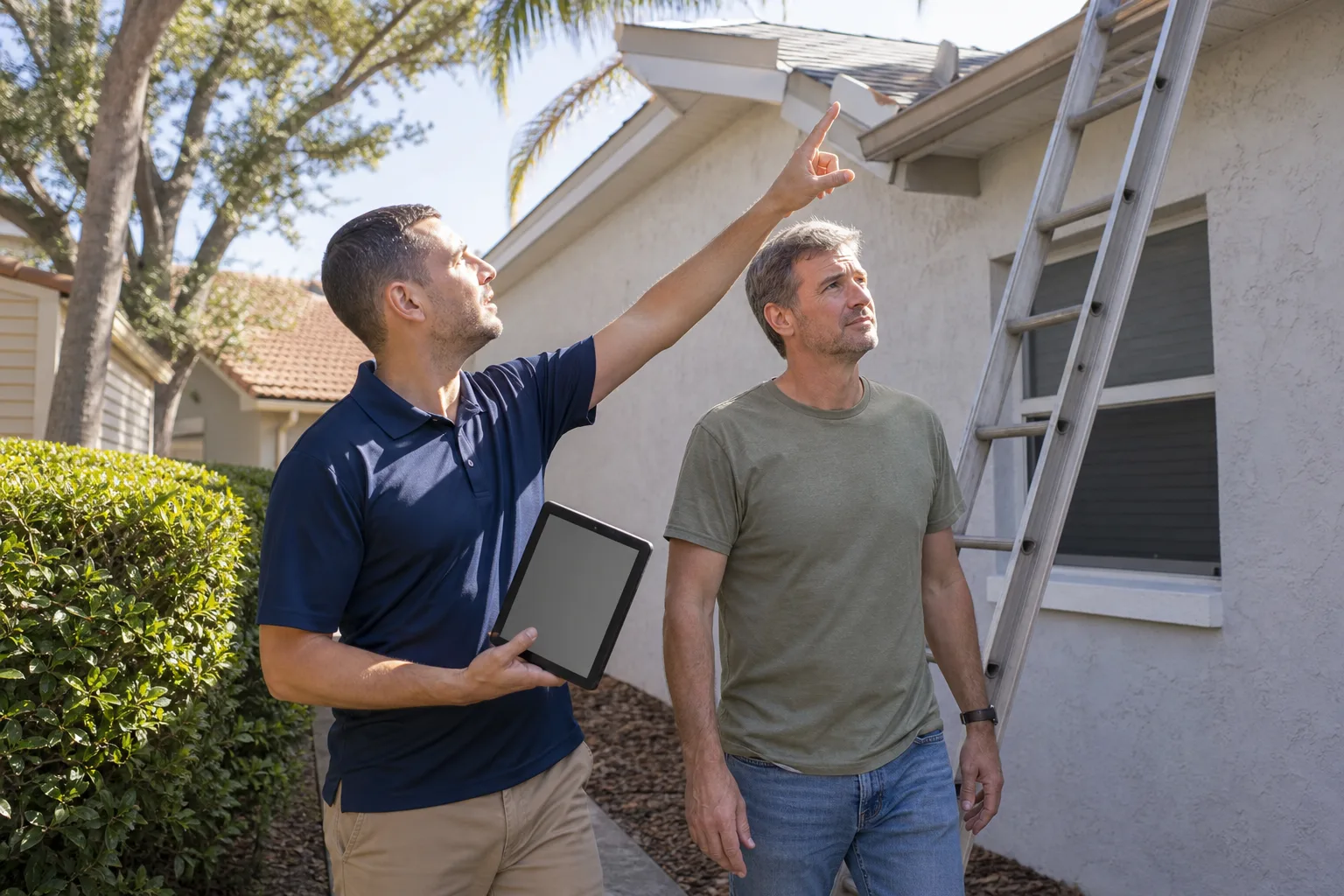
Stage 1: Site survey and utility locate (days 1 – 3). We mark the buildable envelope, locate existing gas, water, sewer or septic, and confirm where the connection points actually sit. You decide at this point whether the ADU ties into the main house’s sewer lateral or needs a separate line. On Rancho Santa Margarita’s hillside lots that decision often hinges on grade, not preference.
Stage 2: Demolition and clearing (days 3 – 6). Anything in the footprint comes out: old patio slabs, planter walls, fencing, sometimes a shed. Haul-off is scheduled the same week. This is when you’ll want to have already picked your exterior finish palette, because your HOA architectural committee needs lead time on that submission.
Stage 3: Grading and drainage (days 6 – 12). We cut and fill to the finished floor elevation, then build the drainage that keeps water away from both the ADU and the main house. Canyon-edge properties here need real attention to this. You’ll review the grading plan and confirm the swale or French drain locations before we trench.
Stage 4: Utility trenching and rough-in (days 10 – 18). Water, sewer, gas, electrical conduit, and low-voltage all go in the ground in one coordinated pass. Trench depth has to meet code, and the work gets inspected before backfill. You decide panel capacity here: a subpanel off the main service is common, a dedicated meter is the alternative.
Stage 5: Foundation and final grade (days 18 – 30). Forms, rebar, inspection, pour, cure, then finish grade and any retaining walls. You sign off on the foundation type before the pour, because switching from a slab-on-grade to a stem-wall or pier system afterward is a rebuild, not an adjustment.
This whole sequence is one piece of a larger build. If you’re still deciding between a detached unit and a converted garage, our Home Additions & ADU in Rancho Santa Margarita page covers the wider project scope and how site work fits into the whole.
Styles & brands we work with
- Kitchen remodeling
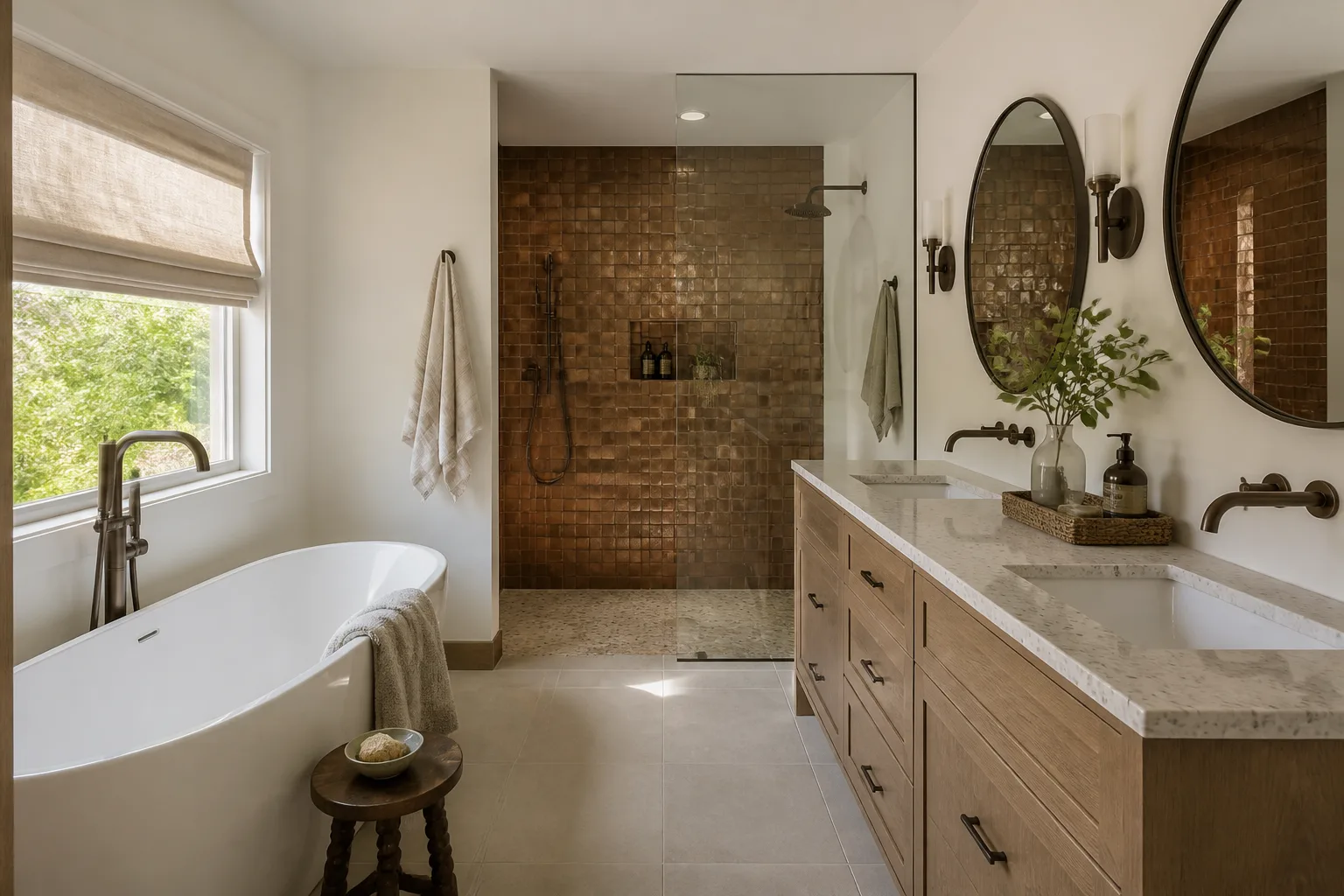
- Bathroom remodeling
- Home additions & ADU
- Roofing
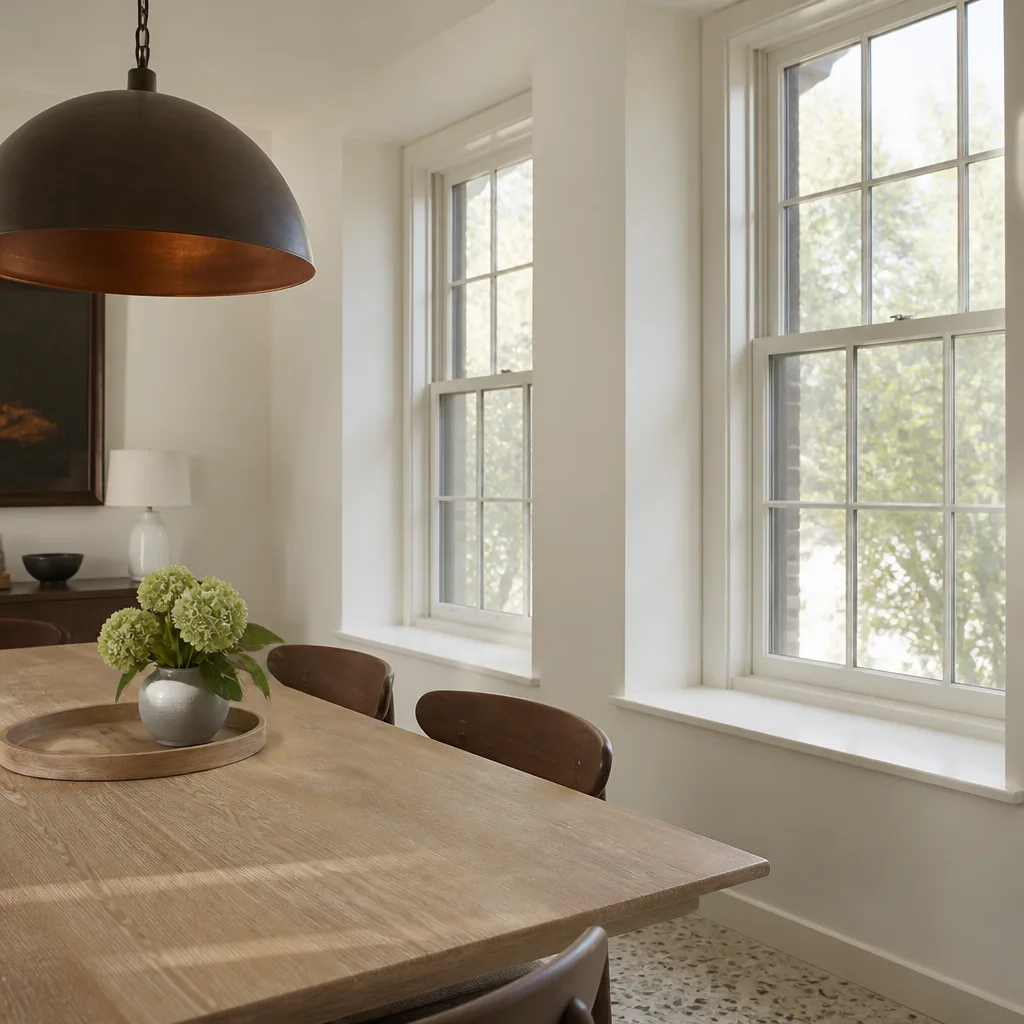
- Windows & doors
- Driveway & pavers
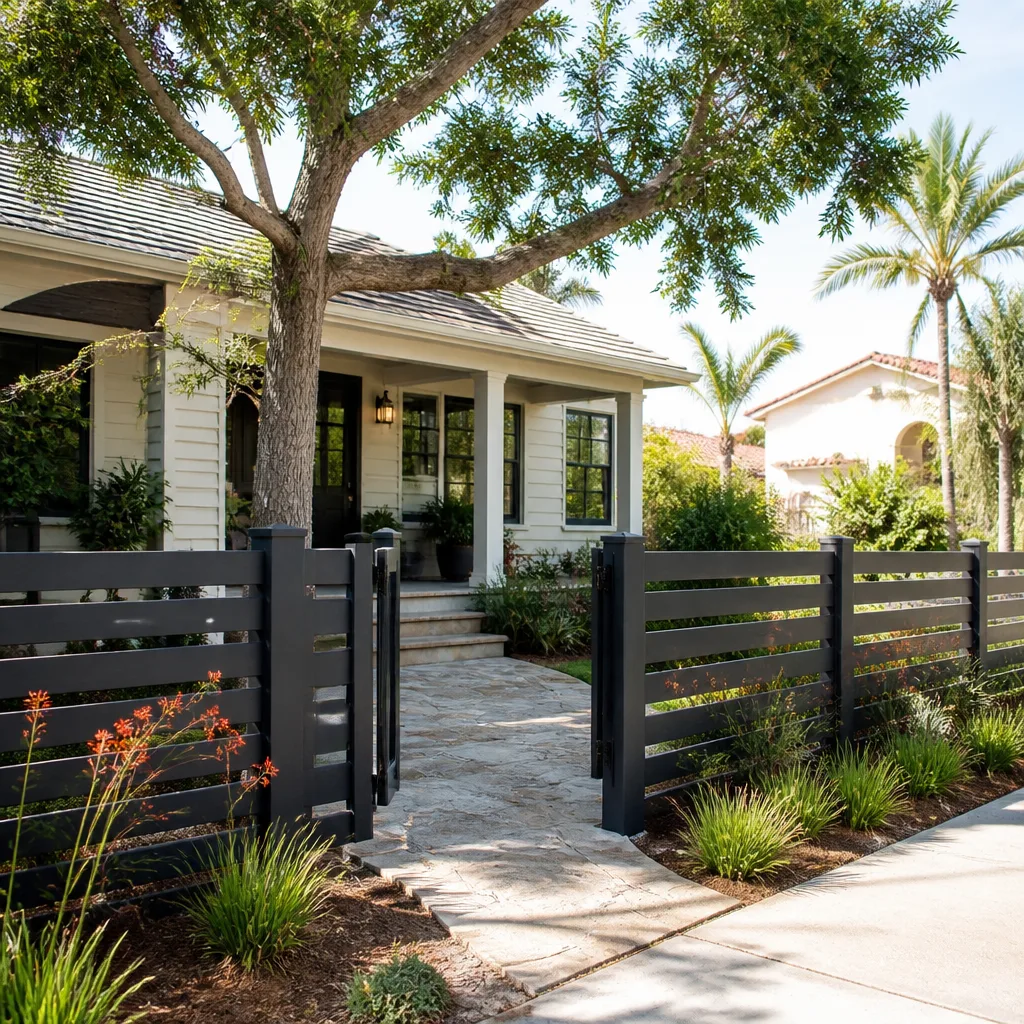
- Fence
The options you’ll be choosing between
Most of the money in site prep lands on four or five decisions. Here’s what they are, and the honest trade-off on each.
- Foundation type: slab-on-grade vs. raised stem-wall vs. pier-and-beam. Slab is the least expensive and works on flat, stable ground. Stem-wall handles minor grade changes. Pier-and-beam is the choice on sloped canyon-edge lots where soil movement is a real concern. It costs more up front and it’s the right answer on maybe a third of the properties we see here.
- Utility run: shared connection vs. dedicated service. Tying into the main house’s electrical panel and sewer lateral saves money and simplifies permits. A dedicated meter and separate lateral costs more but keeps the ADU truly independent if you plan to rent it long-term.
- Trench depth and conduit grade. Direct-burial cable is cheaper and code-permissible in some runs; conduit is more and it lets you pull new wire later without digging. We default to conduit on electrical and low-voltage because nobody wants to re-trench a finished yard.
- Drainage: surface swales vs. buried French drain vs. dry well. Swales are the least expensive and they show. Buried drains cost more and they disappear into the landscape. On these foothill lots, buried is usually the better call given the rain concentration in a short winter season.
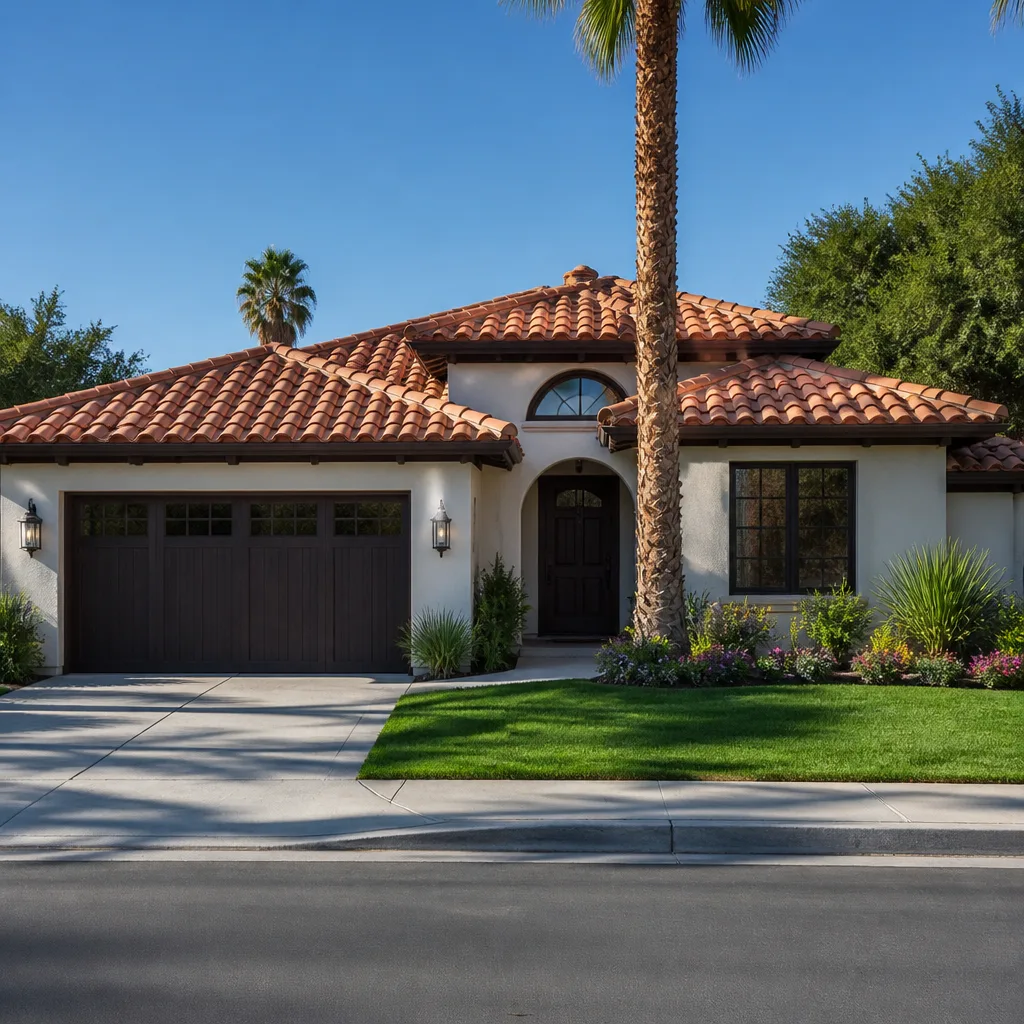
- Exterior connections and finish grading. Stucco and tile roofs are the local vernacular, and your HOA’s architectural rules will steer you toward materials that match the main house. Windows are a real decision here, and the Andersen and Therma-Tru lines we work with in this climate hold up well without breaking the exterior look.
What ADU Site Prep & Utilities costs in Rancho Santa Margarita, CA
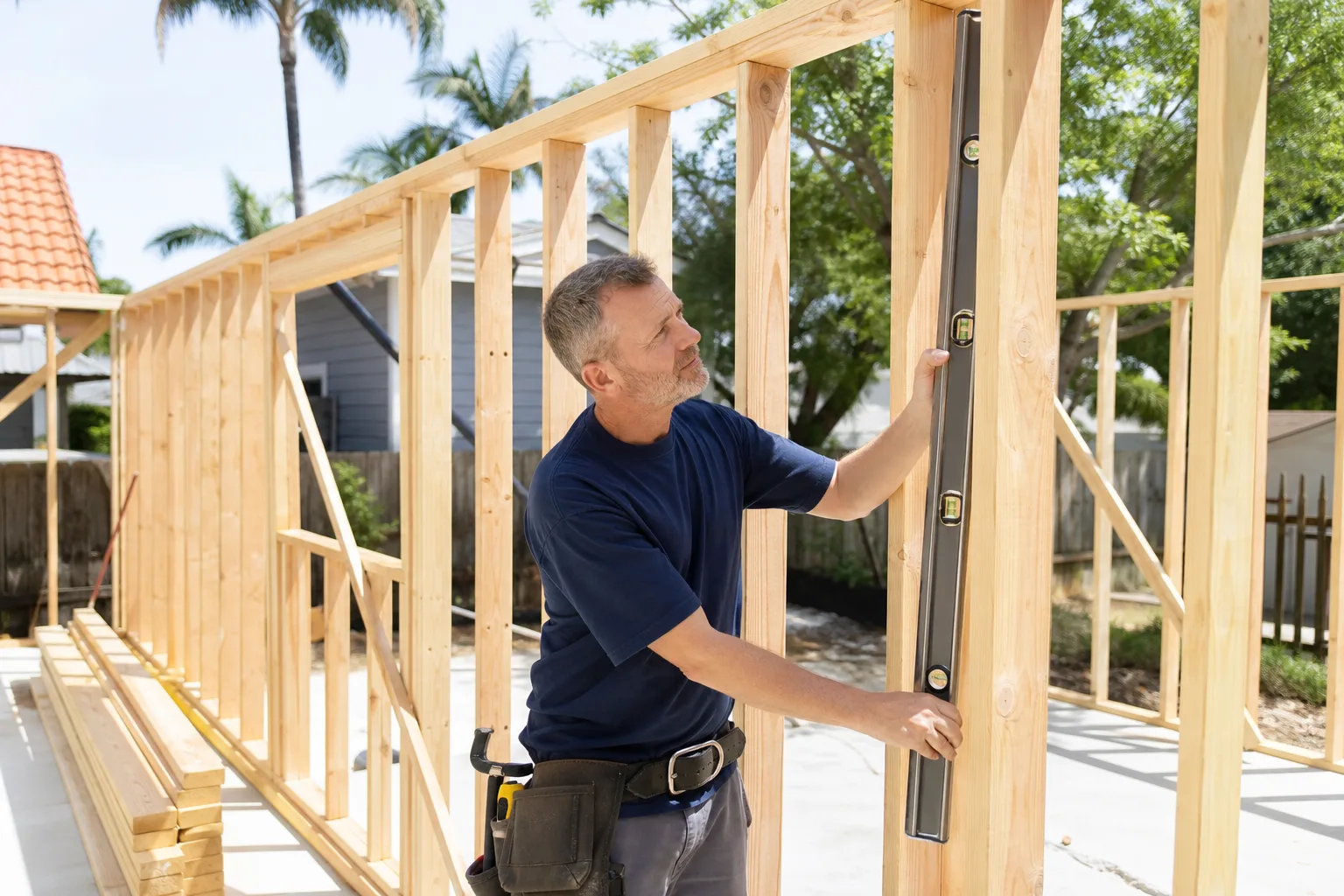
For site prep and utilities on a Rancho Santa Margarita ADU, expect $45,000 – $130,000, with the low end on flat lots with simple utility runs and the high end on sloped canyon-edge properties with retaining walls, dedicated service, and longer trench runs. This is the groundwork scope, separate from the ADU structure itself, which runs $90,000 – $220,000 depending on size.
Four variables push a job from one end to the other:
- Lot slope and soil. A flat interior lot with stable soil lands near the bottom. A canyon-edge lot needing retaining walls or pier foundations can add $20,000 or more.
- Distance to existing utilities. The farther the ADU footprint sits from the main service panel and sewer lateral, the more trenching and conduit.
- Connection strategy. Shared connections save money; a dedicated meter and separate lateral adds cost but independence.
- Drainage and grading scope. Surface swales are cheap; buried drainage and re-grading to protect the main house is not.
A written estimate from us itemizes grading, trenching, utility rough-in, foundation, and inspection fees line by line, with upfront pricing so the number you see is the number you pay once work starts. What’s not included: the ADU structure, finish work, landscape restoration beyond final grade, and any utility company upgrade fees, which we’ll flag in the bid.
See the difference
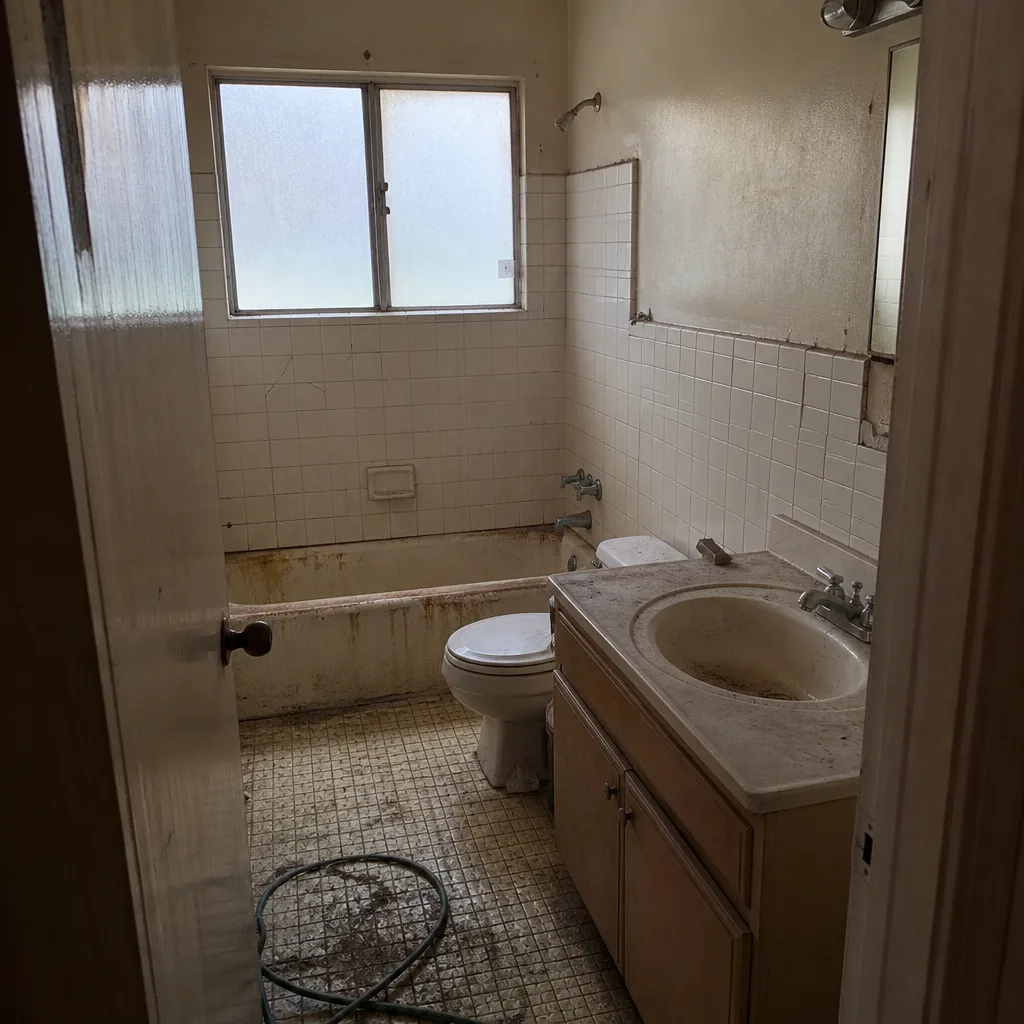 Before
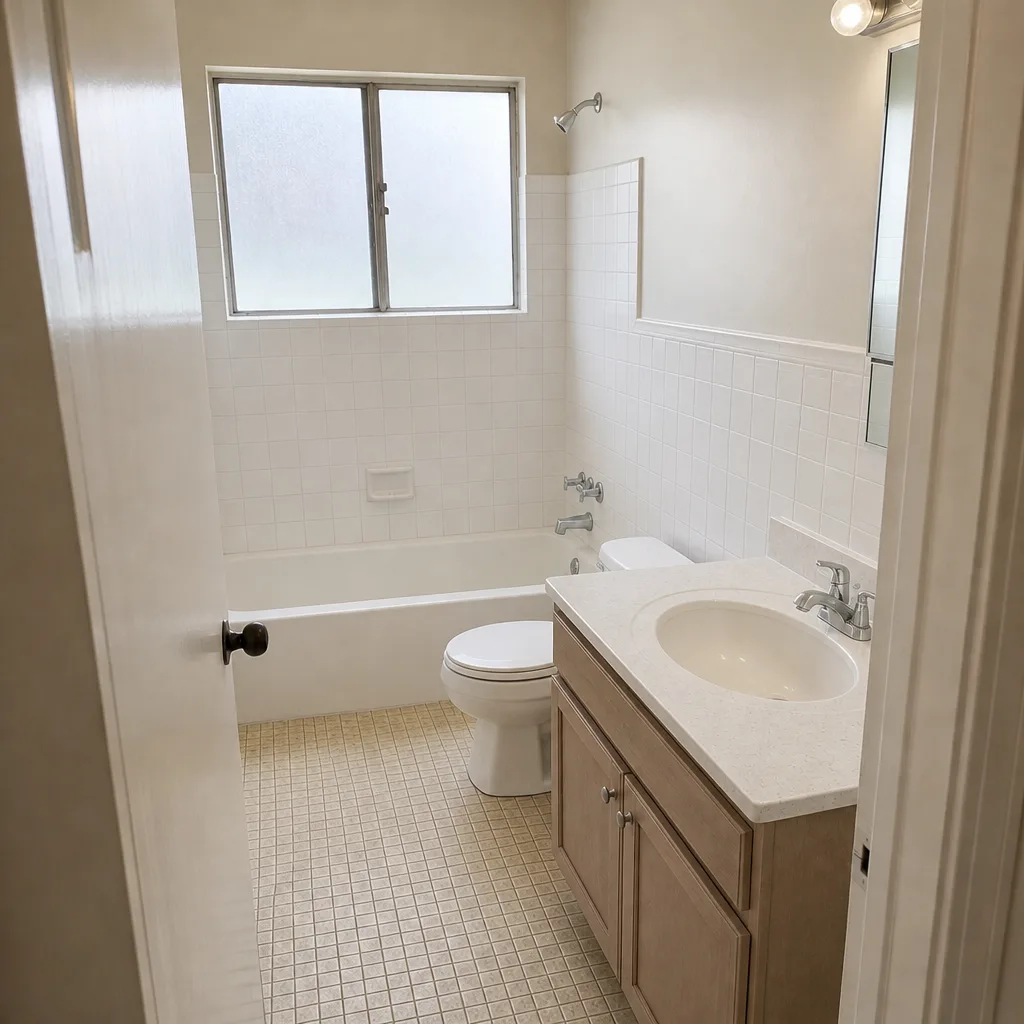 After
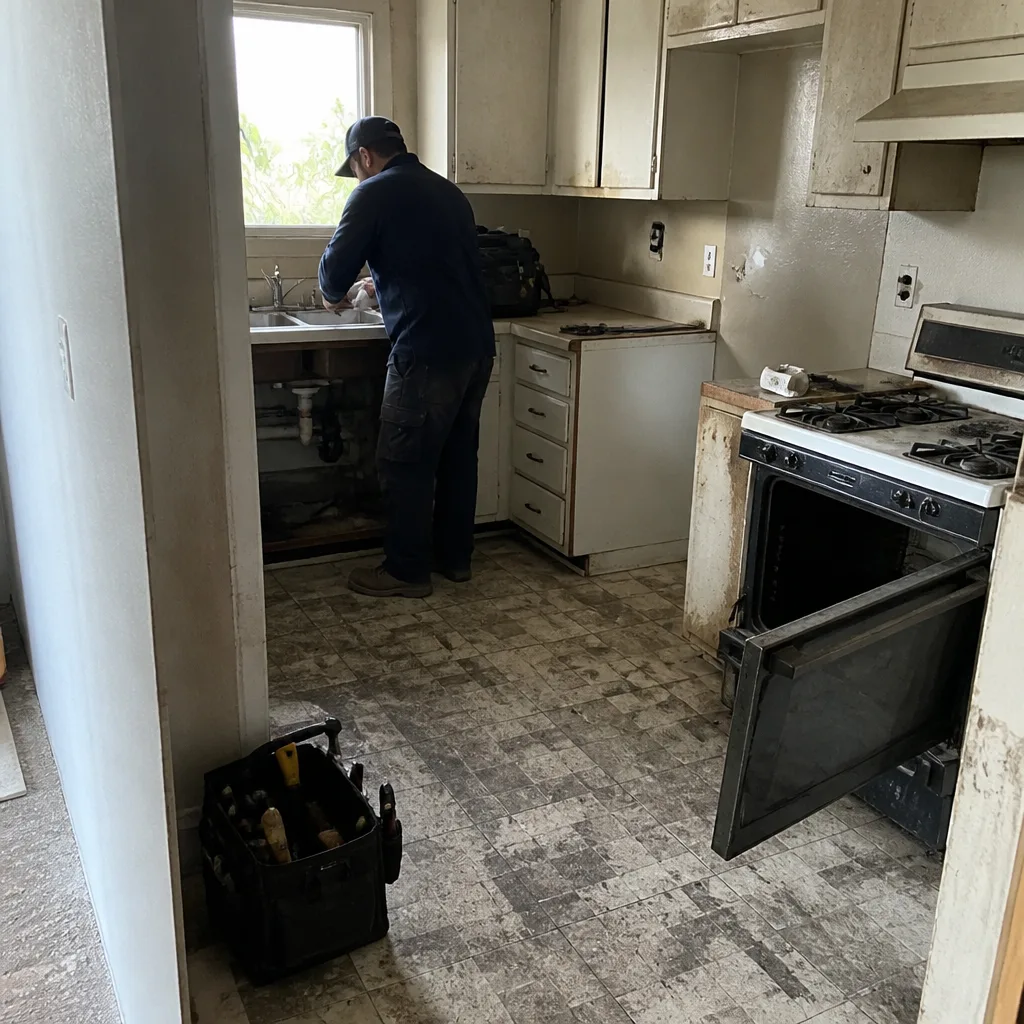 Before
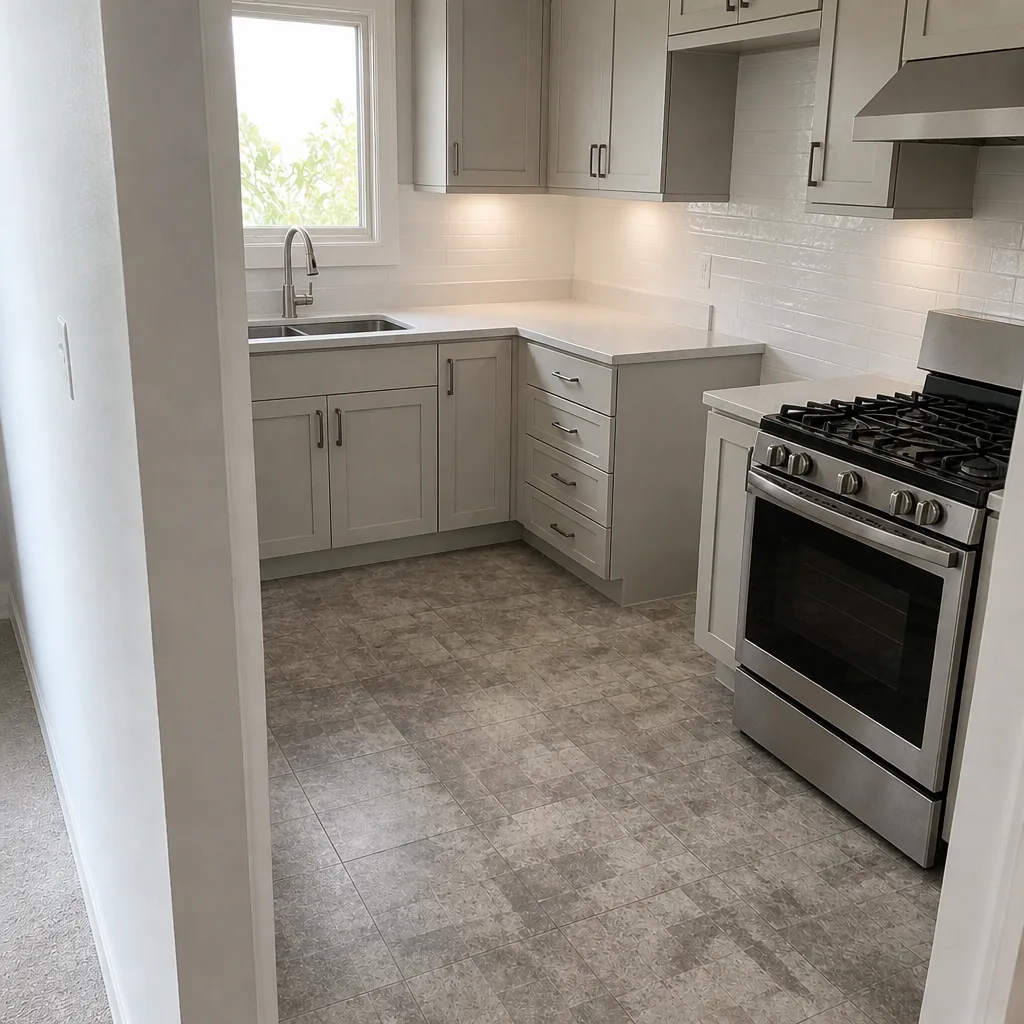 After
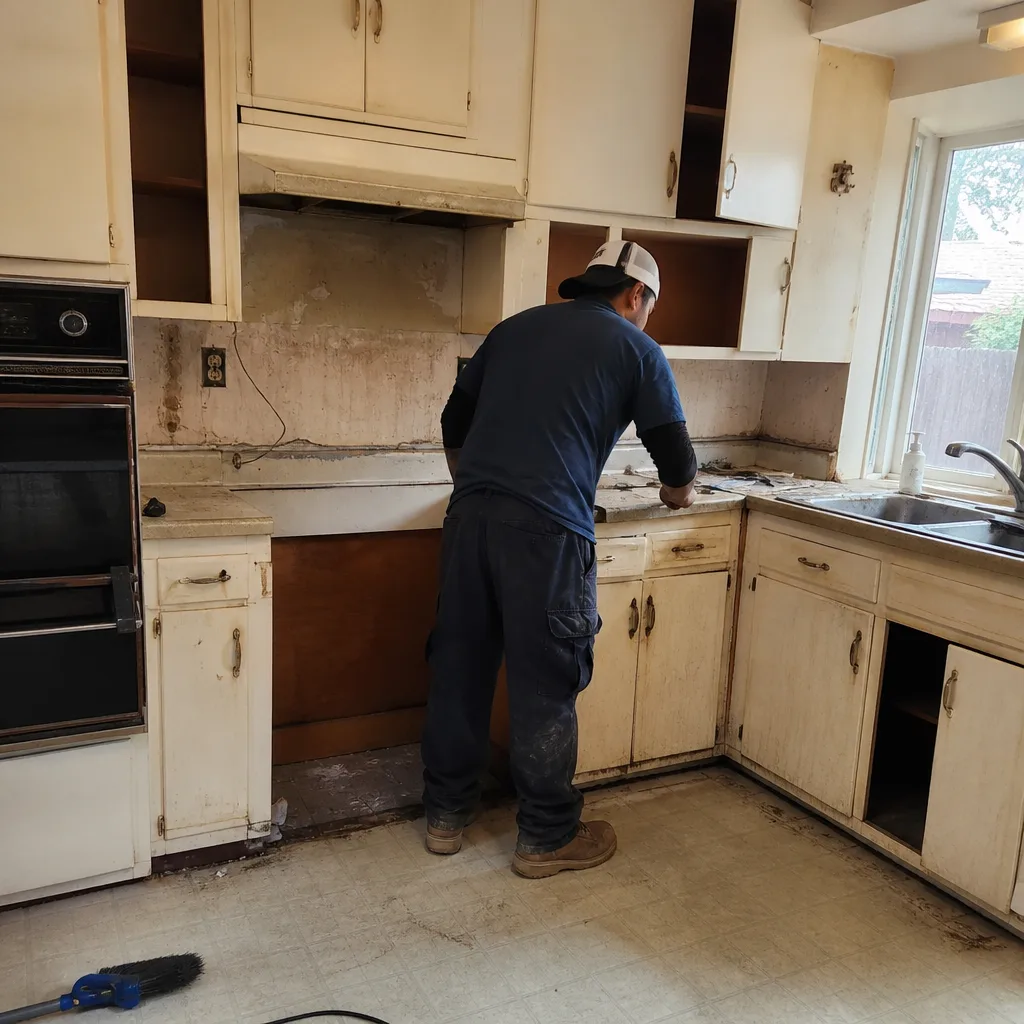 Before
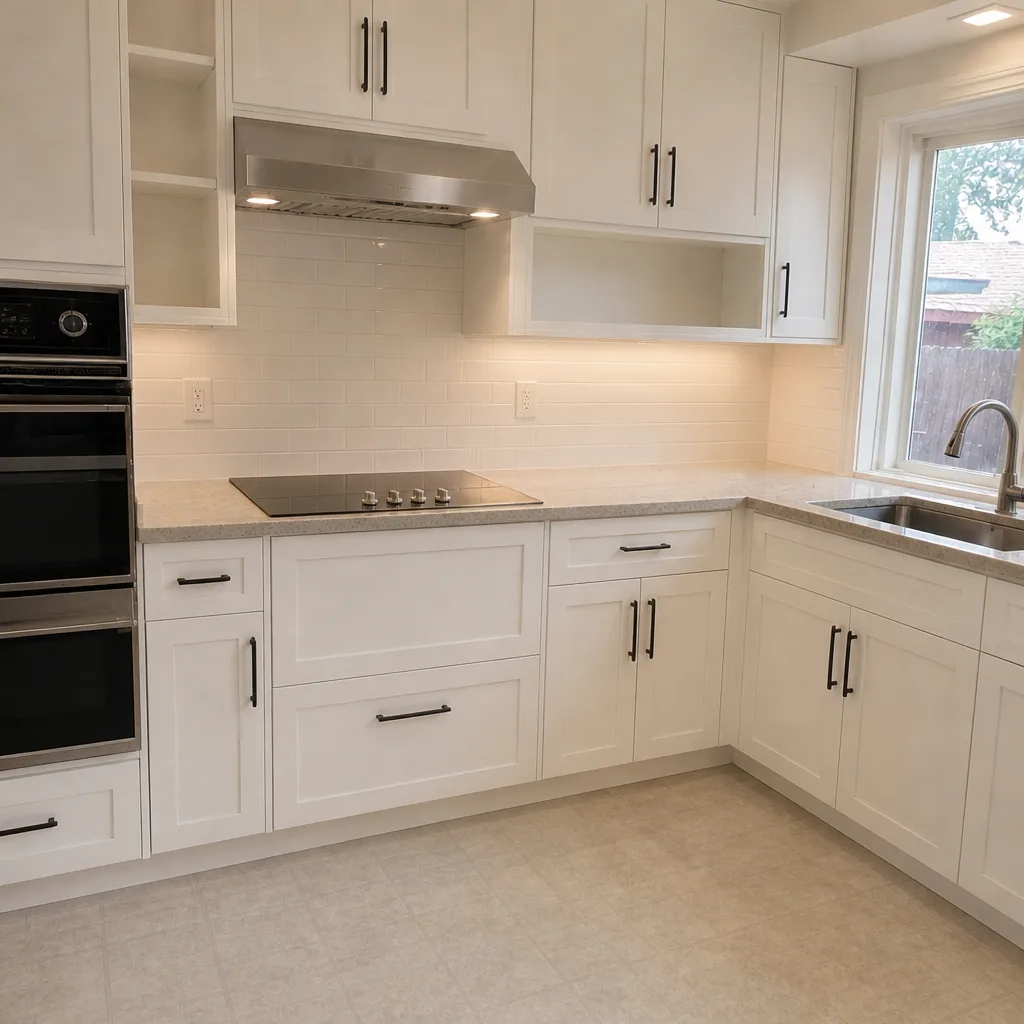 After
What Rancho Santa Margarita homes specifically do to this job
Rancho Santa Margarita is built out. Nearly every lot here was platted between the mid-1980s and early 2000s, and there’s essentially no raw land left, so an ADU is an alteration on a finished master-planned property, not a new build on open ground. That means two approvals instead of one: City of Rancho Santa Margarita permits, and your HOA’s architectural committee sign-off on footprint, setbacks, colors, and materials. We’ve seen plans sit in review because the roof pitch didn’t match the tract around it. We build CC&R review into the schedule from week one.
Inspection routing runs through OCFA, and the canyon-edge properties off the 241 corridor carry slope and drainage issues that flat-lot prep doesn’t touch. On the hillside lots, we’re often adding a retaining wall or pier foundation that a same-size ADU on an interior lot near Rancho Santa Margarita Lake would never need. The local climate drives this too: a hot, dry summer and a short, concentrated wet season mean the drainage you dig now has to handle Santa Ana wind-driven rain later. And the stucco-and-tile tract homes, many of them two-story, set the visual bar the ADU has to clear. Homeowners here often pair this groundwork with a Full Bathroom Remodeling in Rancho Santa Margarita inside the main house once the ADU is underway.
Serving Rancho Santa Margarita, CA – Our Local Coverage Area
We serve Rancho Santa Margarita and nearby communities. Use the map below to see the area we cover. If you’re nearby, we can almost certainly help.
Frequently asked: ADU Site Prep & Utilities in Rancho Santa Margarita
Expect three to six weeks from survey to final grade, with the longer end on sloped lots and jobs needing a dedicated utility service. HOA and city approvals run in parallel and can add time before the first shovel. Call (833) 954-6066 for a timeline on your specific lot.
Yes. Grading, utility connections, and foundations all require City of Rancho Santa Margarita permits, and your HOA’s architectural review runs separately. We pull the permits and manage the inspections through final sign-off. Call us for a free estimate that includes permit scope.
Sometimes. A garage conversion ADU can often reuse existing connections, but a detached ADU almost always needs new trenching for water, sewer, and power. The variable is distance and grade. We’ll tell you honestly which applies to your property at the estimate.
It runs $45,000 – $130,000 for the groundwork, separate from the structure itself at $90,000 – $220,000. Sloped canyon-edge lots with retaining walls sit at the top; flat interior lots sit lower. Call (833) 954-6066 for an exact quote, and the estimate is free.
All our work is backed by the 730-Day Done Right Promise: if it’s not done right, we make it right, for two full years after completion. That covers grading, drainage, and utility rough-in. Call us with any concern and a live person answers, 24/7.
Get a free on-site estimate for your ADU groundwork
We’ll walk your Rancho Santa Margarita property, flag the slope and drainage issues before they become change orders, and hand you a written line-item estimate for site prep and utilities with no surprises. This work is part of our home additions & ADU service, and we cover the whole of Rancho Santa Margarita, plus nearby Coto de Caza and Mission Viejo. Many clients pair the build with a Small & Partial Kitchen Remodels in Rancho Santa Margarita down the line. Call (833) 954-6066.
Written by the team at Groundwork Construction Co.