Free written scope consultation - allowances, timeline, and change-order rules on paper before a single trade is scheduled
ADU Site Prep & Utilities in Mission Viejo, CA: What the Job Actually Involves
ADU site prep and utilities in Mission Viejo usually runs $45,000 – $130,000, and the utility work alone can take 3 to 6 weeks before a single wall goes up. That number covers grading, trenching, the underground plumbing and electrical runs, gas and water tie-ins, and the inspections that go with them. It does not cover the structure itself. If you want a real number for your lot, call (833) 954-6066 and we’ll walk it with you.
How we run ADU site prep and utility work, stage by stage
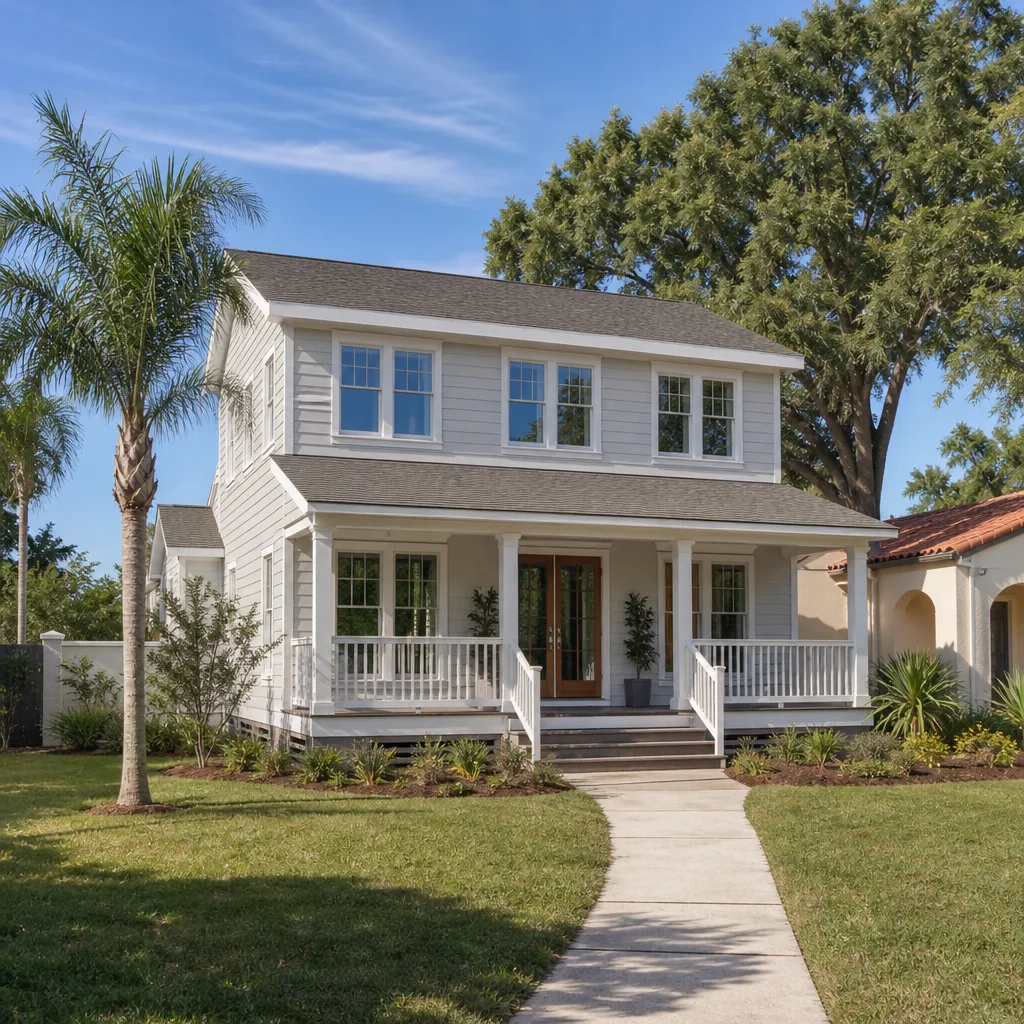
Site prep isn’t glamorous, and it’s the part that decides whether the rest of the build goes smoothly. Here’s the sequence we follow on a Mission Viejo lot, with the decisions you’ll be making along the way.
Stage 1: Site walk and utility locate (day 1)
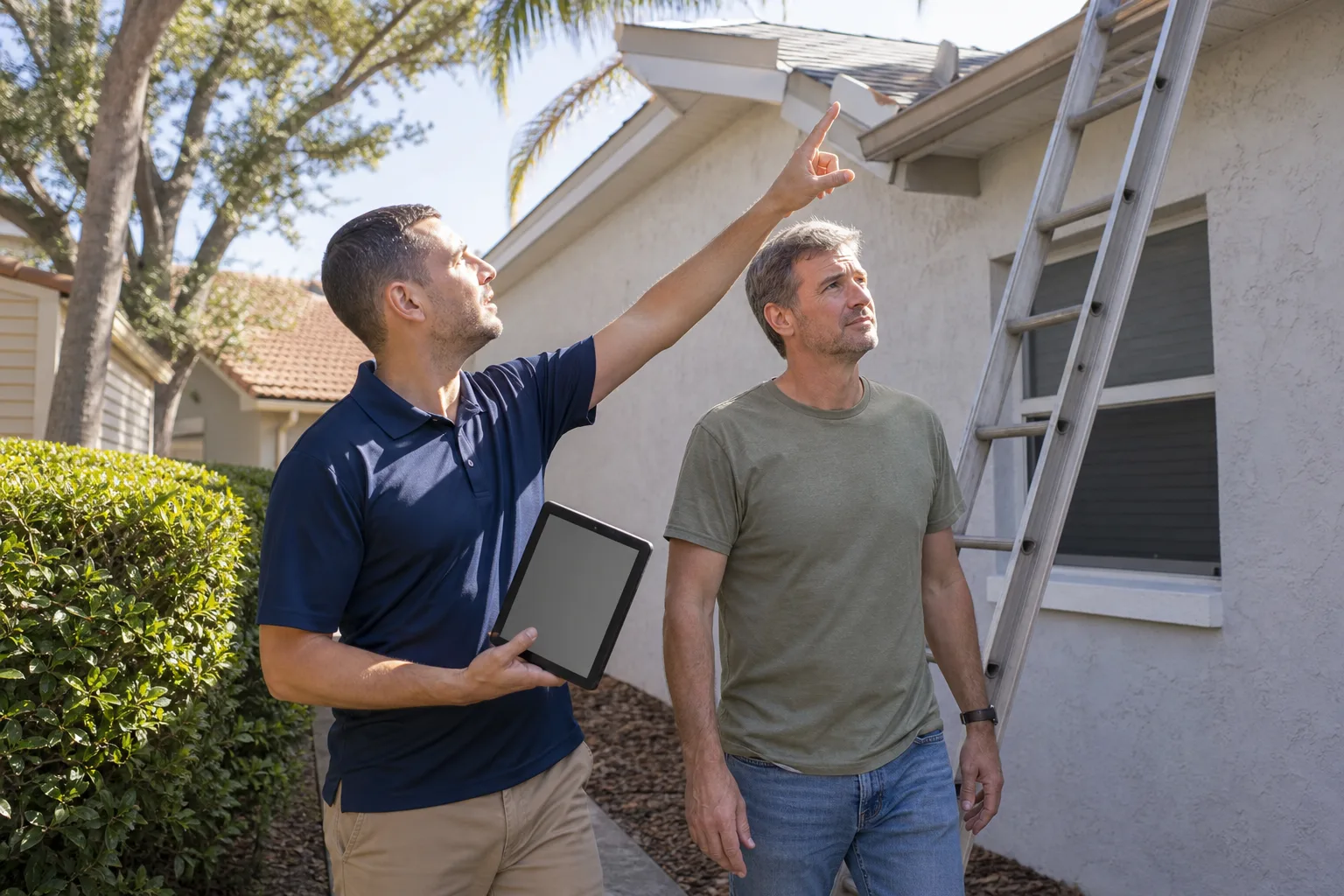
We start by locating the existing water main, sewer lateral, gas line, and the electrical panel’s spare capacity. On 1960s and 1970s tract homes in 92691 and 92692, that panel is often a 100-amp original, which matters because an ADU with its own range, dryer, and HVAC will usually need a service upgrade or a subpanel. You’ll decide here whether you’re pursuing a full electrical upgrade or a load-managed setup, and that decision alone can swing the budget by several thousand dollars.
Stage 2: Grading, excavation and trenching (days 2 – 6)
We cut the pad to grade and trench for the sewer, water, gas, and electrical conduit. Sloped lots near Lake Mission Viejo often require retaining or stepped grading, which adds time and inspection steps. This is where you’ll confirm the exact ADU footprint and setback distance, since those numbers are locked by the architectural review approval before we ever break ground.
Stage 3: Underground rough-in (days 6 – 14)
Sewer lateral, water supply, gas line, and electrical conduit all go in the ground and get bedded and inspected. If the existing sewer lateral is the original clay or cast iron, now is the time to replace it, not after the slab is poured. You’ll be choosing the panel location and whether to run conduit for future solar or EV charging while the trench is open.
Stage 4: Inspection and backfill (days 14 – 21)
The city inspects the underground work before anything gets covered. We schedule that inspection, correct anything the inspector flags, and backfill and compact. On lots with expansive soil or near the lake, compaction testing may be required. Nothing gets buried until the sign-off is in hand.
Stage 5: Utility tie-ins and pad prep (days 21 – 35)
Final water, gas, and electrical tie-ins happen here, along with the finished pad, stem wall layout, and any drainage or downspout routing away from the existing house. This is the handoff point to the structure phase. Depending on your approvals, this whole sequence often runs 3 to 6 weeks. If you’re pairing the ADU with interior work on the main house, many homeowners also tackle a Small & Partial Kitchen Remodels in Mission Viejo at the same time.
Styles & brands we work with
- Kitchen remodeling
- Bathroom remodeling
- Home additions & ADU
- Roofing
- Windows & doors
- Driveway & pavers
- Fence
The utility and material choices that decide your number
Site prep is mostly invisible work, but the specs you pick are permanent. Here’s what actually matters:
- Sewer lateral material: ABS is the standard now and lasts decades. Reusing an original clay lateral saves money up front and usually costs more later. On 1970s homes, replacing it during trenching is almost always the right call.
- Electrical service: A 200-amp panel upgrade runs more than a subpanel fed off the existing service. If your existing panel is already near capacity, the upgrade is often unavoidable. The trade-off is cost versus future-proofing for EV and solar.
- Conduit sizing: Oversizing conduit during trenching costs very little and saves a lot if you add capacity later. Undersizing to save a few hundred dollars is a decision most people regret.
- Water and gas line: Copper and PEX both work for water; copper holds up better to heat and pressure cycling. Gas line sizing depends on the appliances you plan, so decide on the range and water heater now, not later.
- Grading and drainage: A simple pad is straightforward. A stepped pad with retaining walls on a sloped Lake Mission Viejo lot is a different job. Drainage routing away from the main house is non-negotiable in this climate.
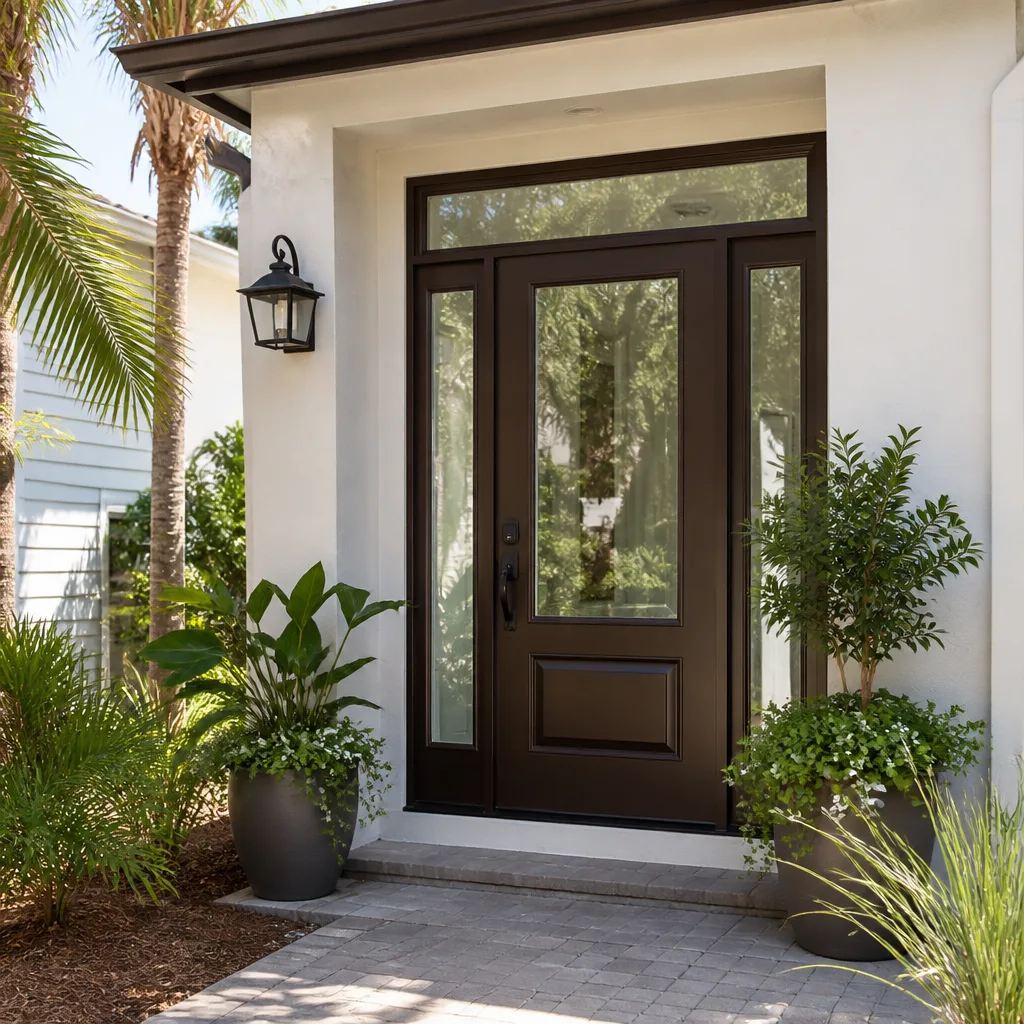
On the finished side, exterior window and door choices matter for the energy load the ADU’s HVAC has to carry. We regularly spec ES Windows and Therma-Tru doors on ADU builds here because they hold up to the dry heat and keep the equipment sizing honest.
What ADU Site Prep & Utilities costs in Mission Viejo, CA
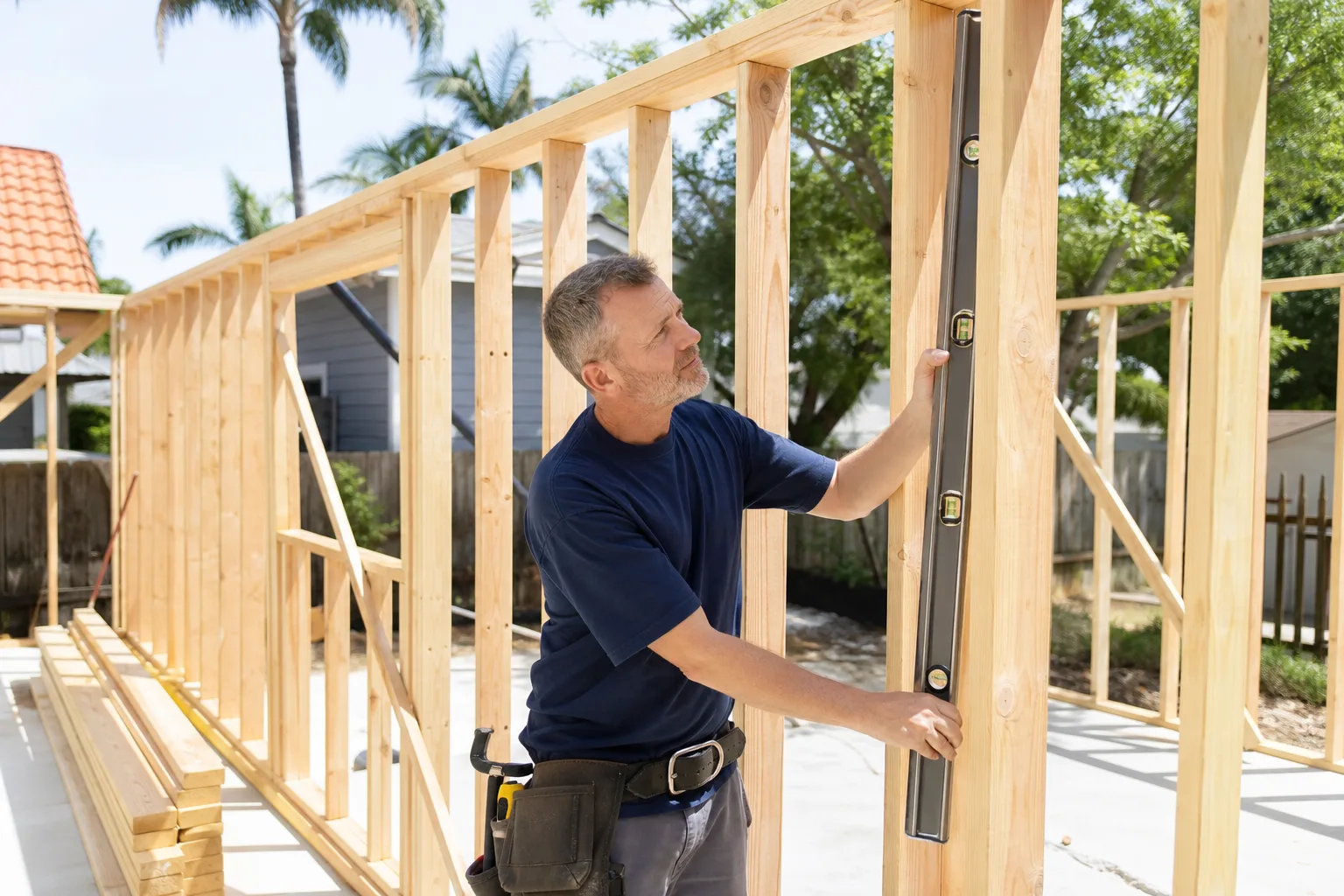
For the site prep and utility portion specifically, plan on $45,000 – $130,000. That’s a wide range because the variables below move it more than anything else. A flat, well-drained lot with a short sewer run and adequate electrical service lands near the bottom. A sloped lot with a long lateral, a panel upgrade, and stepped grading lands near the top.
What pushes the number up:
- Lot topography: Sloped parcels near Lake Mission Viejo need stepped grading, retaining, and often grading permits, adding real cost.
- Existing system condition: Original galvanized plumbing or a failing sewer lateral has to be replaced while the trench is open.
- Distance to utility connections: Long runs to the main line or panel mean more trenching, more conduit, and more labor.
- Electrical capacity: A service upgrade versus a subpanel is a meaningful difference.
- Permit and inspection scope: Grading permits, soil reports, and extra inspections add both cost and time.
A written estimate covers excavation, trenching, underground rough-in, materials, inspection coordination, backfill, and pad prep. It typically excludes the structural build, finish work, and any unforeseen soil remediation discovered during excavation. We put all of that in writing before work starts, with no change orders on scope we’ve already quoted.
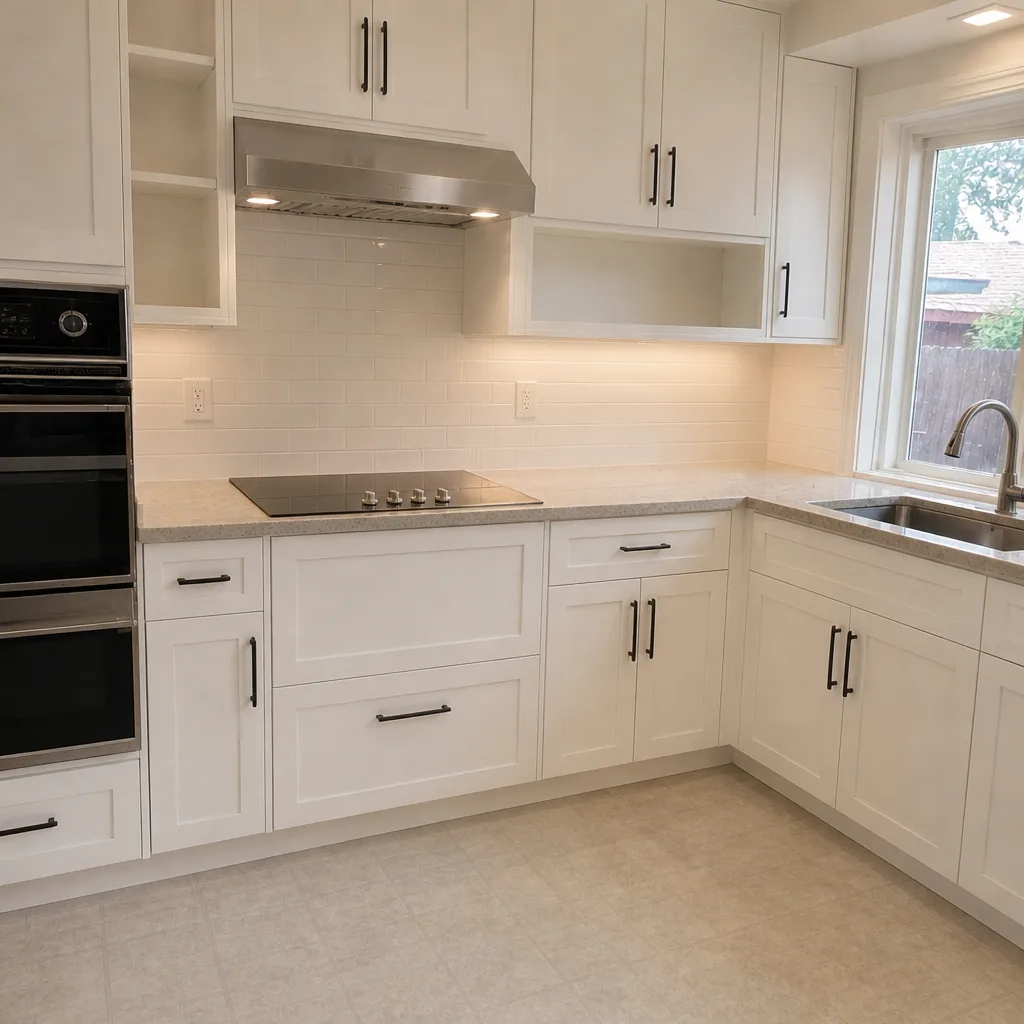
See the difference
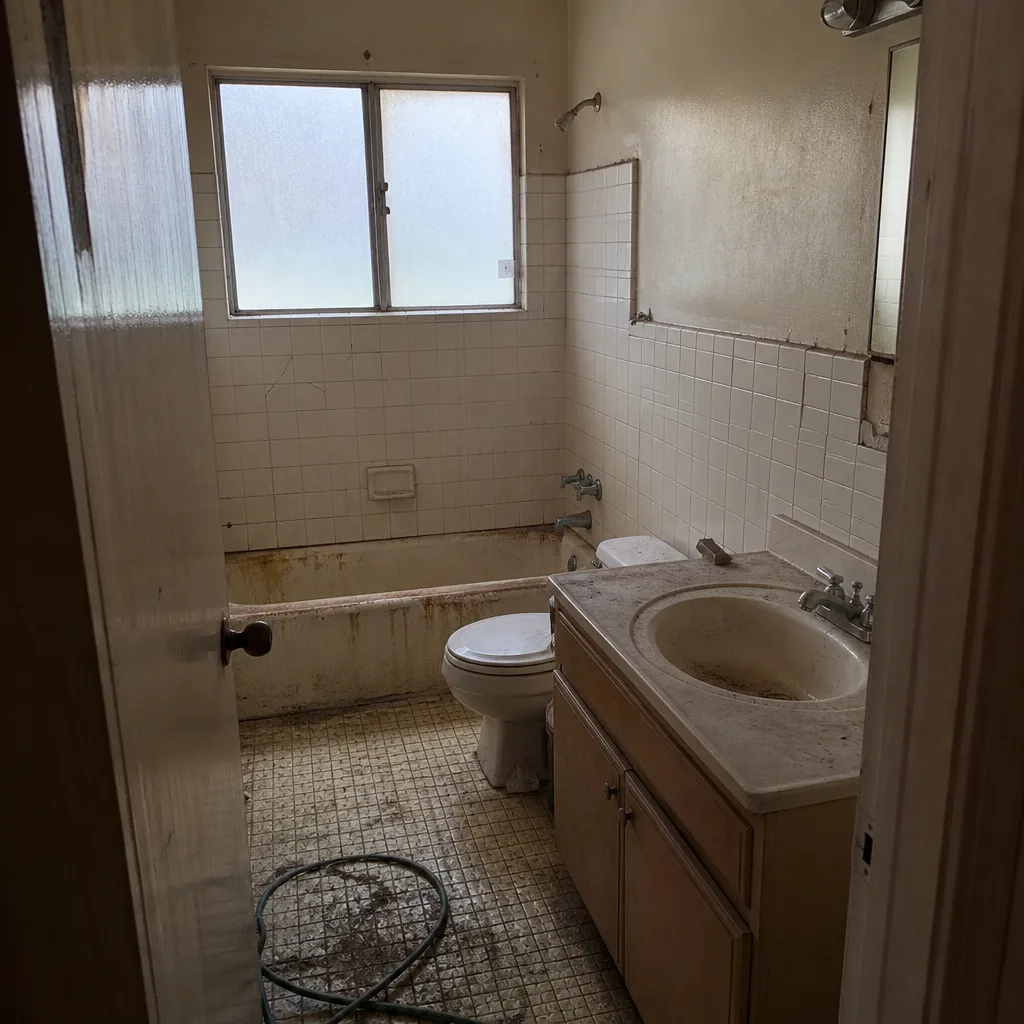 Before
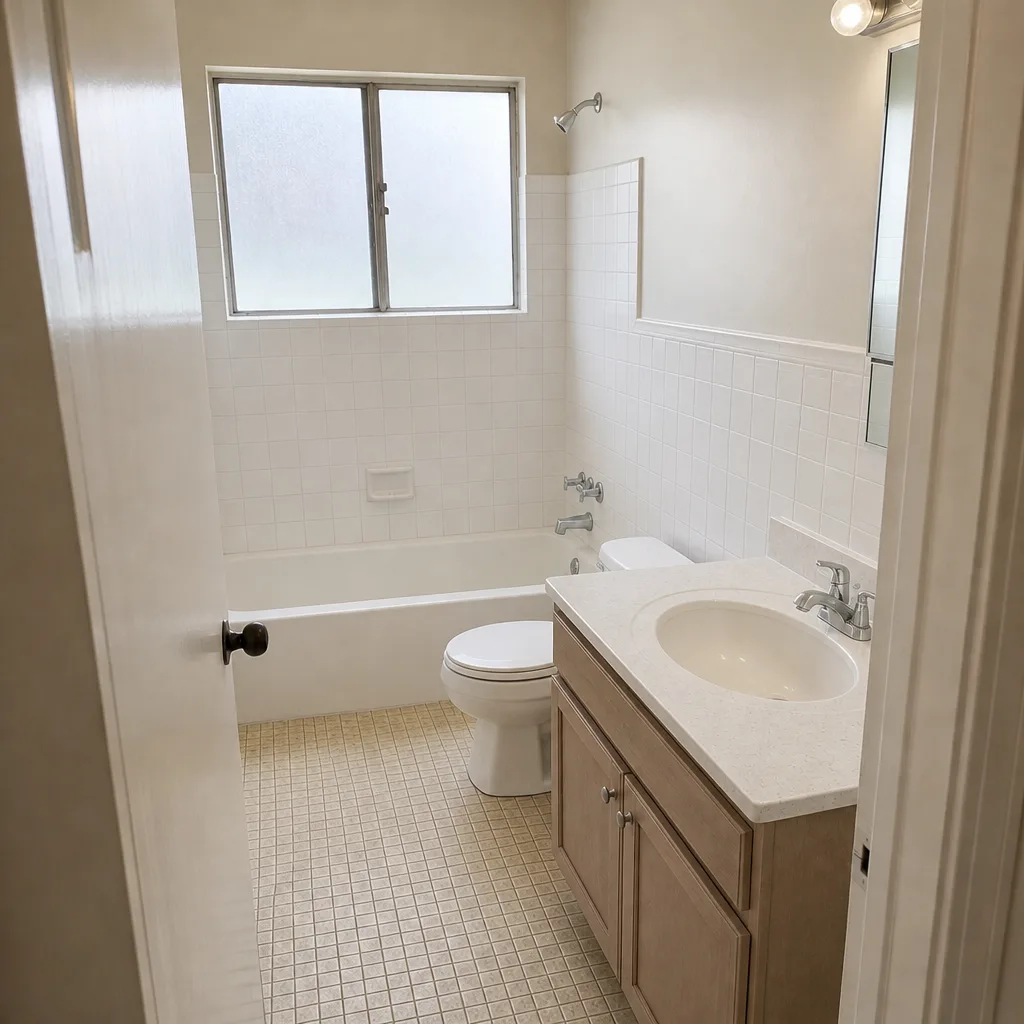 After
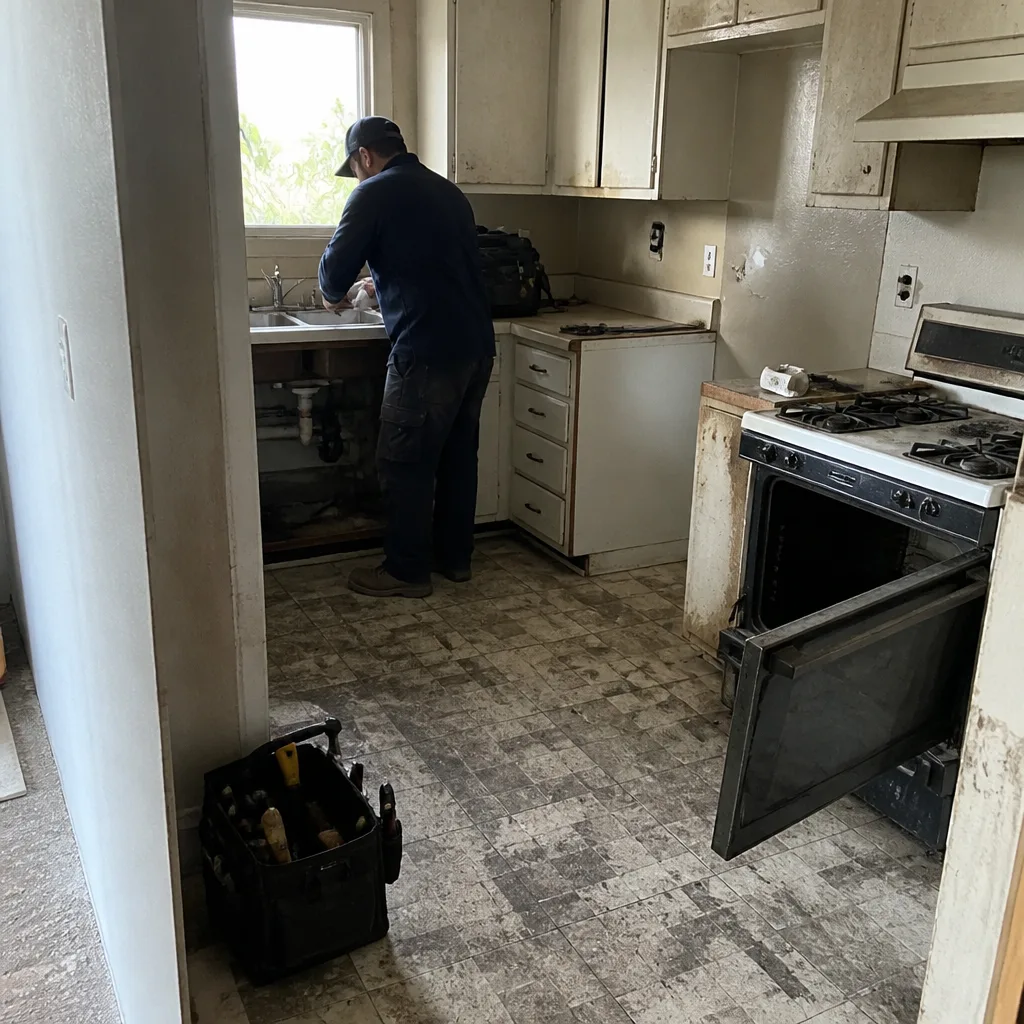 Before
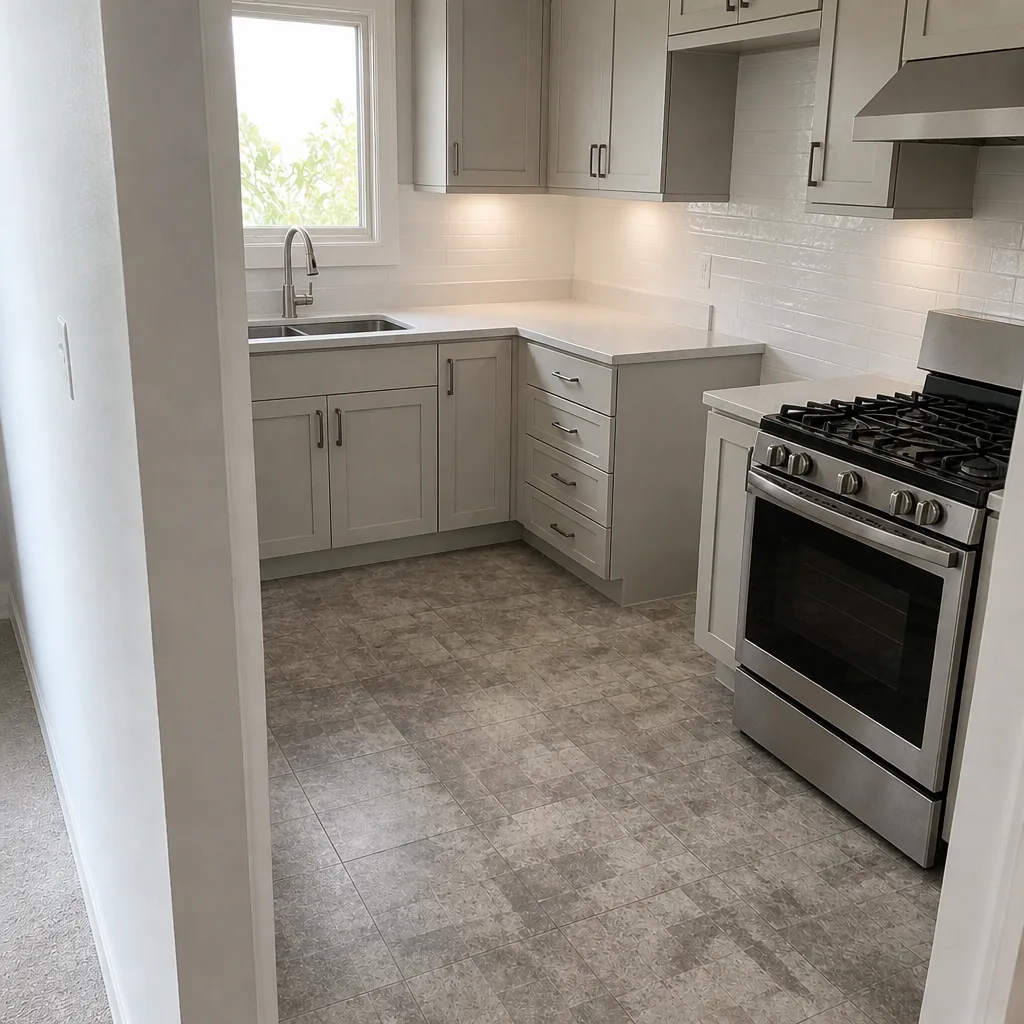 After
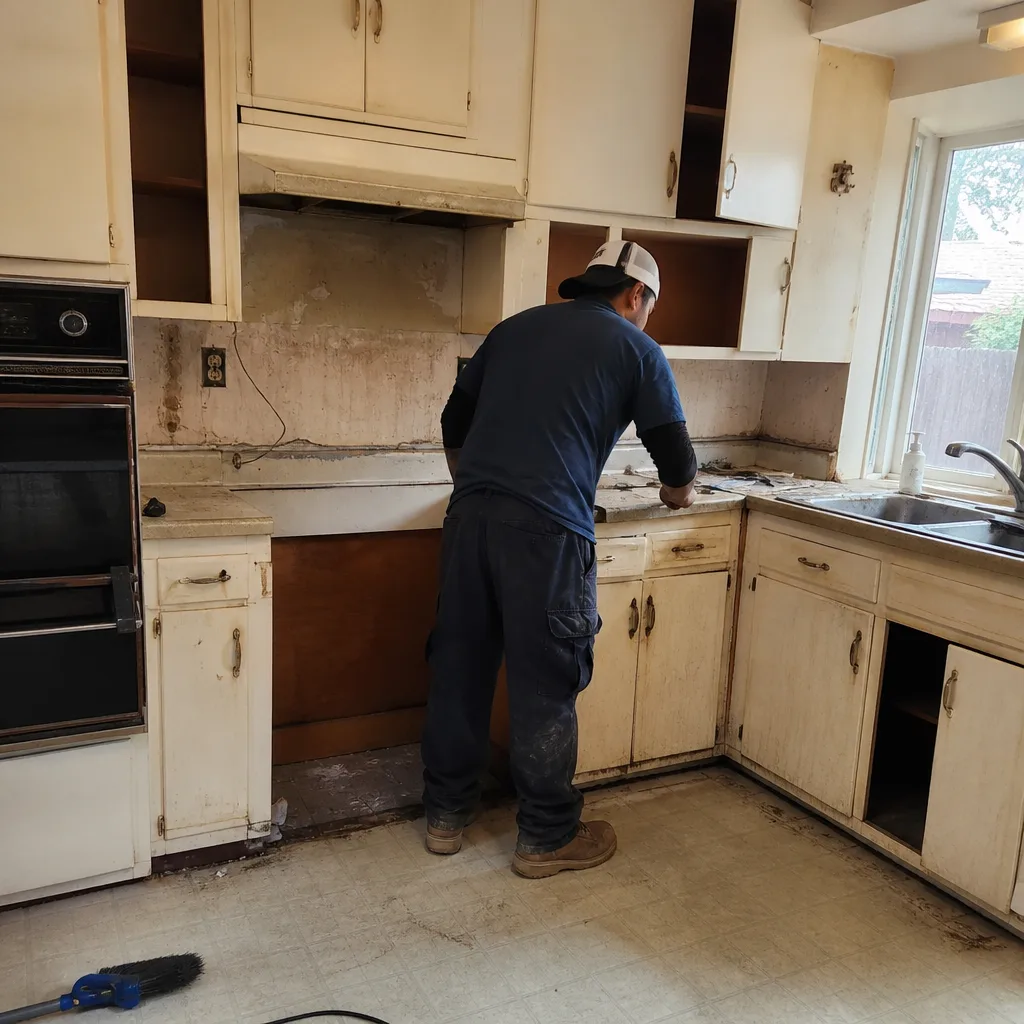 Before
 After
What Mission Viejo homes specifically do to this job
Mission Viejo is one of the largest master-planned communities built in the 1960s and 70s, and that history shapes ADU site prep here in ways it doesn’t in newer cities. The big one is the Lake Mission Viejo and Mission Viejo Environmental Association architectural review process. Even site work tied to an addition needs ARC approval before you pull permits, and the review expects your project to respect the original planned-community design vocabulary. We plan the review into the schedule, not around it.
The housing stock matters too. Most homes across 92691, 92692, and 92690 are 1960s – 1980s stucco tract houses with tile roofs, and the original underground systems are showing their age. Galvanized supply lines and older electrical panels are common, and because the inland climate runs hot and dry with Santa Ana wind events stressing roofs and exterior walls, termite and dry-rot remediation is a recurring item we find during trenching and grading. Waterfront and near-lake parcels have their own wrinkle: sloped lots and strict ARC setback and height rules mean excavating on those properties frequently triggers both city grading permits and association review. We handle that coordination as part of the job.
Serving Mission Viejo, CA – Our Local Coverage Area
We serve Mission Viejo and nearby communities. Use the map below to see the area we cover. If you’re nearby, we can almost certainly help.
Frequently asked: ADU Site Prep & Utilities in Mission Viejo
Plan on 3 to 6 weeks for the site prep and underground utility sequence, before the structure begins. Review and permit timing runs in parallel and can add a few weeks; sloped lots or soil testing push it longer. Call (833) 954-6066 and we’ll give you a realistic schedule based on your lot.
Yes. Grading, trenching, and underground utility work require permits and inspections in Mission Viejo, and the ARC review adds a layer the city doesn’t. We coordinate both and don’t backfill until the inspection passes. Call (833) 954-6066 to start the paperwork conversation.
Sometimes. If the existing lateral and panel have capacity and the lot drains well, the work is lighter. On older homes, the original systems usually need replacement while the trench is open, and that’s a decision to make before work starts. Call (833) 954-6066 and we’ll tell you which camp your property is in.
Between $45,000 and $130,000 for the site prep and utility portion. Where you land depends on lot slope, existing electrical capacity, sewer lateral condition, and the distance to the utility connections. Call (833) 954-6066 for a free on-site estimate.
All of our work, including site prep and underground utilities, is covered by our 730-Day Done Right Promise. If a problem traces back to our workmanship, we make it right. It’s that simple, and it’s in writing. Call (833) 954-6066 with any questions.
Get a free estimate for ADU Site Prep & Utilities in Mission Viejo
Site prep is the part of an ADU project most homeowners can’t price from a distance, and that’s exactly why we come out. Call (833) 954-6066 and we’ll schedule a free on-site estimate. On the visit we locate your existing utilities, check panel capacity and sewer condition, and hand you a written line-item number. A live person answers the phone, around the clock. That estimate is the starting point for a Home Additions & ADU in Mission Viejo plan, and it’s part of the broader work we do across Mission Viejo through our Home Additions & ADU service.
Written by the team at Groundwork Construction Co.