Last updated November 17, 2026







Free written scope consultation - allowances, timeline, and change-order rules on paper before a single trade is scheduled
Windows & Doors Maintenance Schedule: What to Do and When
Window hardware – the locks, operators, and balance systems – has an average service life of 15 to 20 years when it’s lubricated on a two-year cycle. Left dry, that same hardware fails in 7 to 10. The entire difference between those two outcomes is a $25 can of silicone spray and a routine most homeowners never build. Windows and doors are the only building components that move thousands of times a year, and they’re the ones we touch last. This guide lays out a four-season maintenance calendar built for Tustin’s climate, the material-specific care each frame type actually needs, and the inspection points that keep small wear from turning into a replacement bill. Follow it and you’ll add 10 to 15 years to the life of your frames and hardware.
Quick Answer
Maintain windows and doors on a four-season cycle: clean and lubricate all moving hardware every six months, inspect weatherstripping and seals each spring and fall, and test every lock and operator annually before Santa Ana wind season and before winter rain. In Tustin’s climate, the biggest threats are UV and dry heat in summer and wind-driven dust in fall, so lubrication and weatherstripping checks matter more than heavy weatherproofing. A routine this simple extends frame and hardware life by 10 to 15 years.
Styles & brands we work with
- Kitchen remodeling
- Bathroom remodeling
- Home additions & ADU
- Roofing
- Windows & doors
- Driveway & pavers
- Fence
Table of Contents
- Why This Routine Pays for Itself
- The Four-Season Tustin Maintenance Calendar
- Material-Specific Care: Vinyl, Aluminum, Fiberglass, and Wood
- Weatherstripping Inspection and Replacement
- The Annual Hardware Check
- What Your Maintenance Log Should Document
- Common Mistakes to Avoid
- When to Call a Professional
Why This Routine Pays for Itself
A single sliding patio door travels the equivalent of several miles of track over its life. Multiply that across every window, casement, and hinged door in a typical Tustin home and you get thousands of moving cycles a year. Hardware is built for that motion – as long as it stays lubricated. Skipping the routine doesn’t just wear parts faster; it turns a $25 spray into a $400 operator replacement or a full window rebuild.
There’s a second cost most homeowners don’t see until it’s a problem: air and water infiltration. Worn weatherstripping and dried-out seals let conditioned air escape and outside air creep in. In Tustin’s inland climate, that shows up as higher summer cooling bills and dust collecting on interior sills even when the windows are “closed.” Failing seals are also the entry point for water intrusion, which is where a maintenance issue becomes a repair project.
The math is straightforward. A window or door assembly that costs thousands to replace can last well past its rated lifespan when the moving parts stay clean and the seals stay intact. That’s the whole argument for a calendar. It’s cheaper to spend 20 minutes twice a year than to gamble on the day a balance fails and the sash won’t stay up.
What “maintenance” actually means for windows and doors
It isn’t washing glass. It’s three things: keeping moving parts clean and lubricated, keeping seals compressible and in place, and catching wear before it spreads. Hardware life extension comes from lubrication, not from visual inspection. Seal life comes from cleaning and testing, not from waiting to feel a draft. If you do only one thing this year, add a lubrication pass to your schedule – it’s the single highest-return step in the whole routine.
When hardware and seals do reach the end of their service life, we’ve seen Tustin homeowners get 15 to 20 years out of the same assemblies that others replace at 8 because the maintenance routine was there from day one. Our technicians have up to 12 years of experience with window and door systems, and the pattern is consistent: the maintained assemblies outlast the neglected ones by a wide margin.
The Four-Season Tustin Maintenance Calendar
Southern California’s climate cycle is different from the national guides you’ll find online. Tustin sits inland enough to get real heat but close enough to the coast that fog and marine layer shape the shoulder seasons. The threats break down by season: UV and dry heat in summer, wind-driven dust and dry air during Santa Ana season, and rain during the winter months. Build the calendar around those three, and you’ll catch problems before they compound.
Spring (March – May): the deep reset
- Wash all exterior frames and glass with a mild detergent solution and a soft brush. Rinse thoroughly and dry the tracks.
- Clear every weep hole and drainage channel at the bottom of window frames and door thresholds. Clogged weep holes are the number-one cause of water pooling inside frames.
- Inspect weatherstripping compression on every door and operable window. Note any gaps or hardened material for replacement.
- Lubricate all moving hardware – locks, hinges, rollers, and casement operators – with a silicone-based spray.
- Check caulk lines and sealant joints for cracking or separation. Re-caulk any gaps before summer heat sets the failure.
Summer (June – August): the UV watch
Summer in Tustin is the season of highest UV load, and it’s when exterior finishes, weatherstripping, and sealants take the most punishment. There’s no heavy maintenance task this season, but monthly eyes-on inspection matters. Check that exterior caulking hasn’t cracked from thermal expansion, that vinyl frames aren’t discoloring, and that door sweeps haven’t hardened. If you notice condensation on interior glass on hot days, your seals are likely failing – note it for fall replacement.
Fall (September – November): the Santa Ana prep
This is the most important window and door season in Tustin, and it’s the one homeowners skip. Santa Ana winds bring sustained dry gusts that force air and dust through any failed weatherstripping or gap. Before the first Santa Ana event, run a full seal inspection: feel around every closed window and door for drafts, check door sweeps for contact, and confirm all locks engage fully. Wind-driven dust also finds its way into window tracks, which accelerates wear on rollers and slides. Clean tracks thoroughly before the season starts.
Winter (December – February): the rain test
After the first hard rain, walk the interior perimeter of every window and exterior door. Look for water stains, damp drywall, or bubbling paint at the bottom corners and thresholds. Any water inside means a seal or drainage problem and should be addressed before the next storm. This is also the best time to check that door thresholds and saddles drain properly and that downspouts aren’t dumping water against frames.
Material-Specific Care: Vinyl, Aluminum, Fiberglass, and Wood
The single biggest maintenance mistake we see in Tustin homes is treating every window frame the same. Each material responds to cleaners, lubricants, and sun differently. Using the wrong product can void a finish warranty or, in the case of wood, cause permanent damage. Here’s how to care for what’s actually on your house.
Vinyl frames
Vinyl is low-maintenance but not maintenance-free. Clean with mild soap and water only. Never use abrasive cleaners, acetone, or harsh solvents on vinyl – they dull the surface and can crack the frame over time. In Tustin’s summer heat, vinyl expands noticeably; avoid over-tightening anything that contacts the frame. On darker-colored vinyl, watch for fading and heat distortion, which is more common on west-facing walls.
Aluminum frames
Aluminum doesn’t need lubricating for rust, but it does need specific care around its finish. Anodized and powder-coated aluminum can chalk and pit if cleaned with acidic products. Use a pH-neutral cleaner and rinse thoroughly. The moving hardware on aluminum windows – rollers, tracks, pivots – still needs silicone lubrication every six months, because the metal-on-metal contact is where wear happens. Watch for electrolytic corrosion where aluminum meets steel hardware, especially in coastal-influenced areas near Tustin.
Fiberglass frames
Fiberglass holds up well to heat and UV and is one of the most durable frame materials for this climate. Care is minimal: clean with soap and water, avoid solvents and abrasives, and keep hardware lubricated. The one area to watch is the finish – if a fiberglass frame is painted, UV in Tustin will age the paint faster than the frame itself, so touch up exposed or chalked areas before summer.
Wood frames
Wood needs the most attention and gives the most upside when cared for. The single rule: don’t do anything that traps moisture or voids the paint warranty. That means no pressure washing, no wrapping wood frames in non-breathable sealants, and no caulking over wet or unprimed wood. Repaint on a schedule tied to your paint manufacturer’s spec, and touch up any spot where bare wood shows before rain arrives. Field-painting beyond the manufacturer’s instructions is a real warranty risk on premium wood windows.
If your windows are nearing replacement rather than repair, some of the same material logic applies. We work with Andersen and Marvin for wood and clad products, and we help Tustin homeowners pick materials that match their wall exposure and sun load. Our full-scope work on Groundwork Construction Co. of Tustin home installations covers windows, doors, and the surrounding envelope so the whole assembly weathers together.
Weatherstripping Inspection and Replacement
Weatherstripping is the cheapest component in the assembly and the one that fails first. It compresses thousands of times a year, hardens from UV and heat, and quietly stops sealing long before you notice. Testing it properly is a 10-minute job; replacing it correctly is what most homeowners get wrong.
How to test weatherstripping compression
- Close the door or window fully. It should take a slight push to latch – if it swings shut with no resistance, the seal is already gone.
- Slide a dollar bill or a piece of paper between the sash and the frame at the top, middle, and bottom. If it slides in and out with no drag, the weatherstripping isn’t making contact.
- Feel for drafts along the entire perimeter on a windy day. Pay special attention to the corners, the hinge side on doors, and the threshold at the bottom.
- Look for visible compression set: flat, hardened, cracked, or peeling material. If it doesn’t spring back, it’s done.
Identifying failure types
- Compression set: the material stays flattened and stops springing back. Common on entry doors after 3 to 5 years.
- Hardening: UV and heat make the material brittle. Slides and breaks instead of compressing. Most common on west- and south-facing windows in Tustin.
- Adhesive failure: the strip peels away from the frame. Very common on aluminum-framed doors and windows.
- Physical damage: cuts from pets, tools, or furniture. Replace before the gap becomes a draft.
- Threshold failure: the door sweep or saddle wears and the gap at the bottom opens. Most common on sliding doors and exterior entries.
Matching replacement material to type
Don’t buy one roll of weatherstripping for the whole house. Match the material to the application:
- Hinged entry doors: rigid or magnetic kerf weatherstripping at the jamb, with a replaceable foam or vinyl door sweep at the bottom.
- Sliding doors: woven felt or vinyl bulb in the track channels, plus a fin or brush seal at the meeting stile.
- Double-hung windows: spring bronze or foam-filled gaskets at the sash and jamb meeting points.
- Casement and awning windows: closed-cell foam or EPDM bulb seals around the operable sash perimeter.
Choosing the right material for each type is what separates a seal that lasts 8 years from one that fails in 18 months. When in doubt, have a pro review the assembly before buying material – it’s cheaper than replacing it twice.
The Annual Hardware Check
Hardware is where the routine earns its keep. As noted up top, properly lubricated hardware lasts twice as long as neglected hardware. Twice a year, do a focused pass on these points: sliding door tracks, casement operators, and single/double-hung balances. Every window and door in your Tustin home will fall into one of these categories, and each has specific things to check.
Sliding doors and windows
- Clean the track: vacuum out dust and debris, then wipe with a damp cloth. Santa Ana season sends dust into every track.
- Clean and lubricate the rollers with silicone spray. Never use oil or grease – they attract dirt and gum up the track.
- Check the rollers for flat spots or wobble. If the door rocks without rolling smoothly, the rollers need replacement.
- Test the lock and latch. Confirm the hook engages fully in the keeper with the door closed.
Casement and awning window operators
- Open the window fully and inspect the operator arm, the hinge track, and the pivot points.
- Lubricate the operator arm and pivot points with a silicone spray applied to a rag, not sprayed directly around the window opening.
- Cycle the window open and closed 3 to 4 times and feel for binding or uneven resistance.
- Check the crank handle for looseness – a loose handle rounds off the operator shaft over time.
Single- and double-hung balances
Balance failure is the most common single-hung issue we see in older Tustin homes. Test by opening the sash to mid-height and releasing it: it should stay in place. If it slides down or won’t stay up, the balance is failing. Lubricate the balance track with silicone, never oil. Do not attempt to open or replace a spring balance yourself – those assemblies are under heavy spring tension and can let go with serious force. Let a trained technician service balance hardware.
Entry locksets
Locksets need real lubrication once a year, not graphite. Spray a small amount of dry silicone or PTFE lubricant into the keyway and work the key several times. Clean the deadbolt and strike plate and check alignment – a deadbolt that doesn’t throw freely usually means the door has settled, not that the lock is broken. Loose hinges or a shifted strike can force the bolt and wear it out prematurely.
What Your Maintenance Log Should Document
A maintenance log is a single sheet of paper that saves you thousands of dollars at the worst possible moment. In California, a documented maintenance history matters for three reasons: warranty claims, insurance claims, and resale disclosure. If you ever have to file a water damage claim or prove a window defect, the log is what turns “we think we maintained it” into a paper trail.
What to record
- Dates of every service task: lubrication passes, weatherstripping inspections, caulk touch-ups.
- What was done and by whom: self-performed, or the contractor and date.
- Products used: brand and type of lubricant, caulk, or sealant. This matters if a finish fails and the manufacturer wants to know what was used.
- Issues found and repairs: hardware replaced, seals repaired, water intrusion investigated.
- Photos: before-and-after shots of any repair, plus any water staining or draft issues.
- Receipts and warranty paperwork: window manufacturer warranty, installation warranty, any service contract.
Why it matters in California
California’s resale disclosure requirements mean you’ll need documentation of any maintenance or repair history when you sell a home. A log is also critical to a workmanship warranty claim – our 730-Day Done Right Promise covers our work, and a maintenance record protects both of us by distinguishing defect from neglect. Most importantly, insurers expect homeowners to show a reasonable maintenance history on any claim. A window assembly that was maintained is easy to defend. One that was never touched is harder.
Logs also help the trades helping you. If we’re working on Home Additions & ADU in Tustin attached to your existing structure, knowing the maintenance history of your existing windows and doors tells us where the envelope is sound and where it isn’t. That saves everyone time and money.
Common Mistakes to Avoid
- Using oil or grease on window tracks. It looks like lubrication, but oil attracts dust and hardens into a paste. Every window hardware rep we’ve met says the same thing: silicone only. In Tustin’s dry, dusty fall air, oil-based products gum up fast.
- Pressure-washing frames and doors. Pressure-washing drives water behind vinyl, aluminum, and clad frames and can void both finish and manufacturer warranties. Gentle rinse with a soft brush and your garden hose is the right tool.
- Painting over weatherstripping. Paint hardens weatherstripping and locks it in place. Remove or tape off weatherstripping before any repaint – it’s a small masking step that prevents an early replacement.
- Skipping the weep holes. These tiny channels drain water out of window frames. Clogged weep holes trap water inside the frame, which is how window rot starts. Clear them at least twice a year.
- Overtightening hardware. Over-tightening screws on vinyl and aluminum frames cracks the frame. Snug, not torqued.
- Ignoring interior water stains. A small damp spot at the bottom corner of a window is the first sign of a failed seal. If you see one after rain in Tustin, don’t wait for the next storm to check.
- Replacing weatherstripping with the wrong material. A felt strip meant for a sliding door won’t seal an entry door. Mismatched material fails fast and often worse than what it replaced.
See the difference
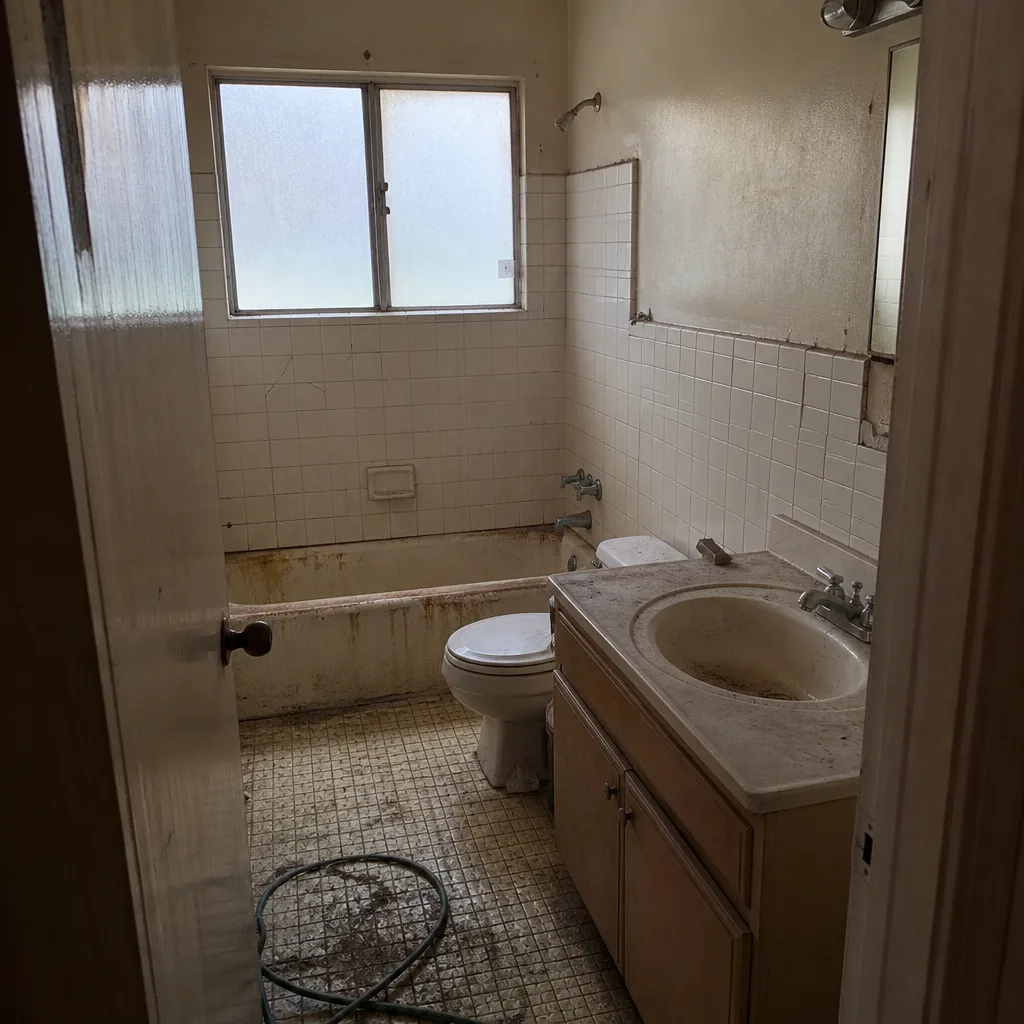 Before
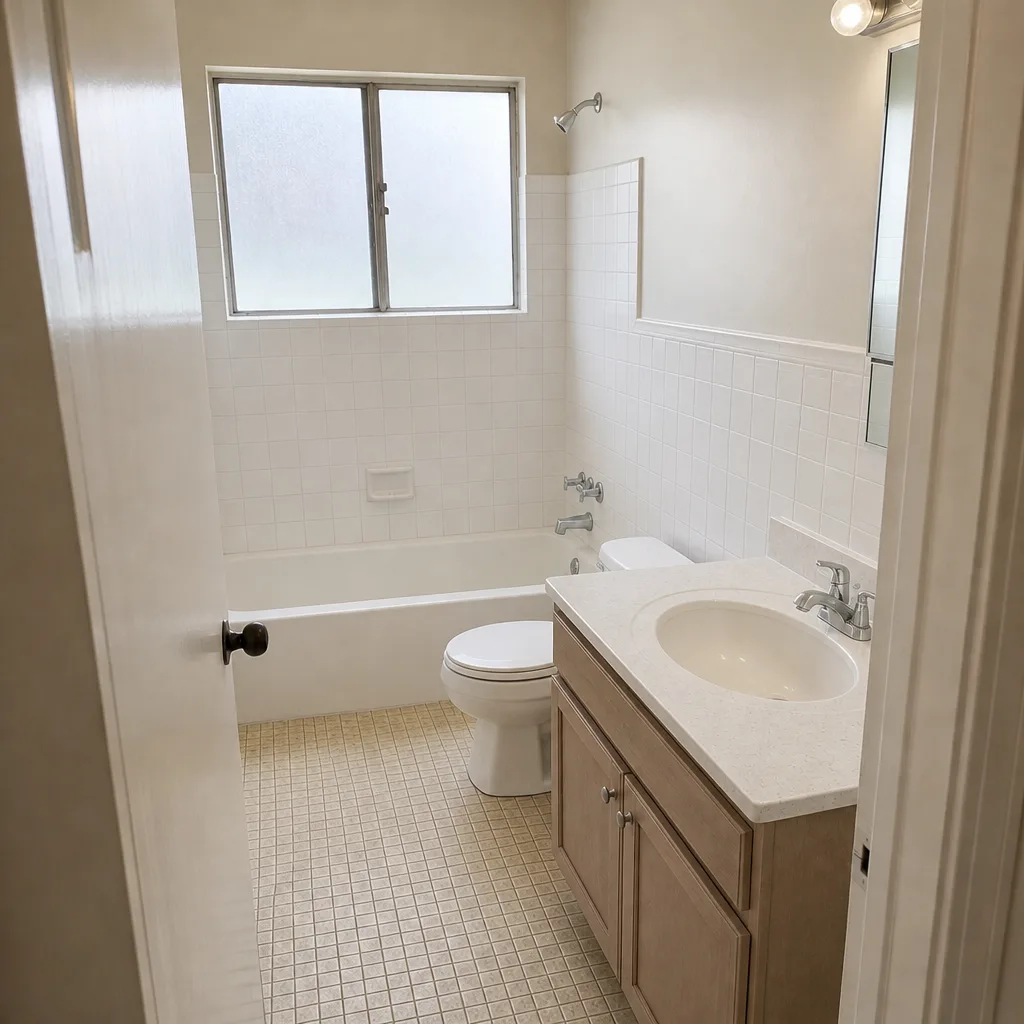 After
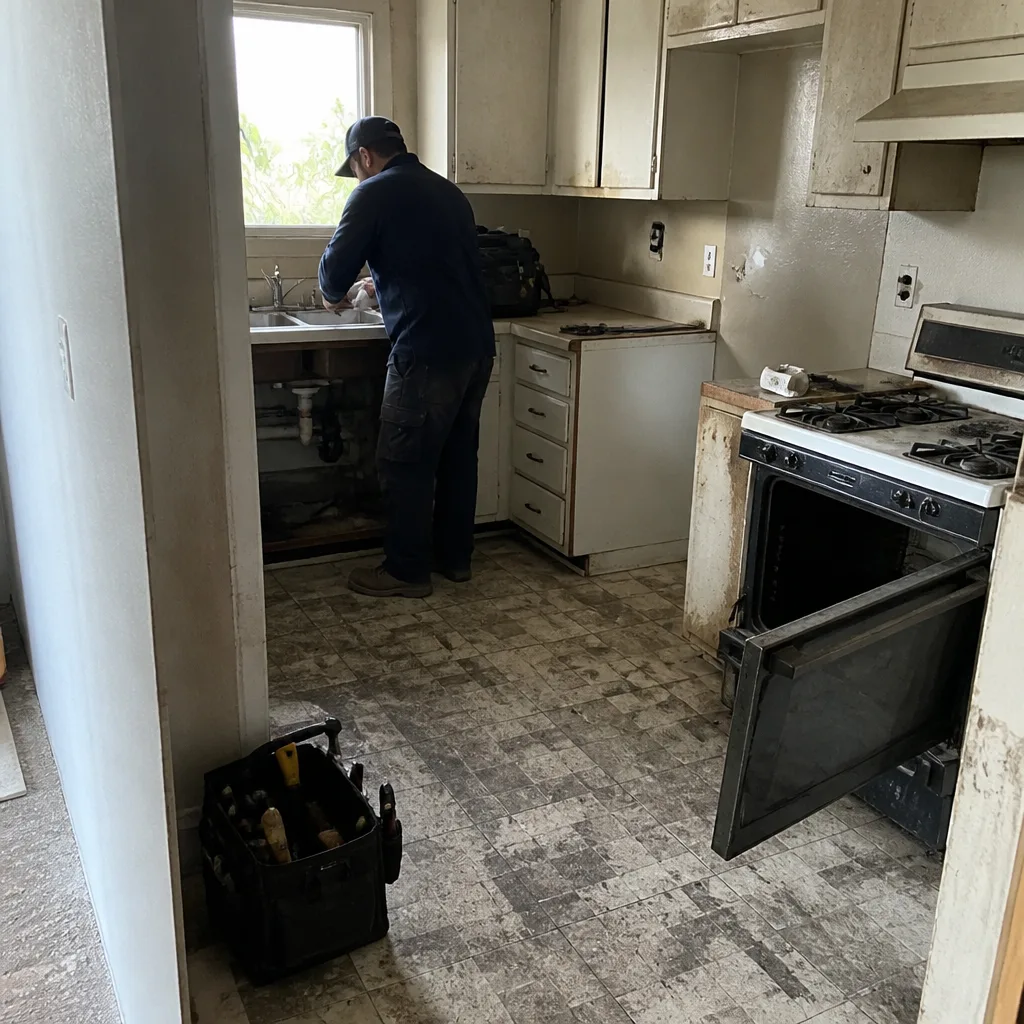 Before
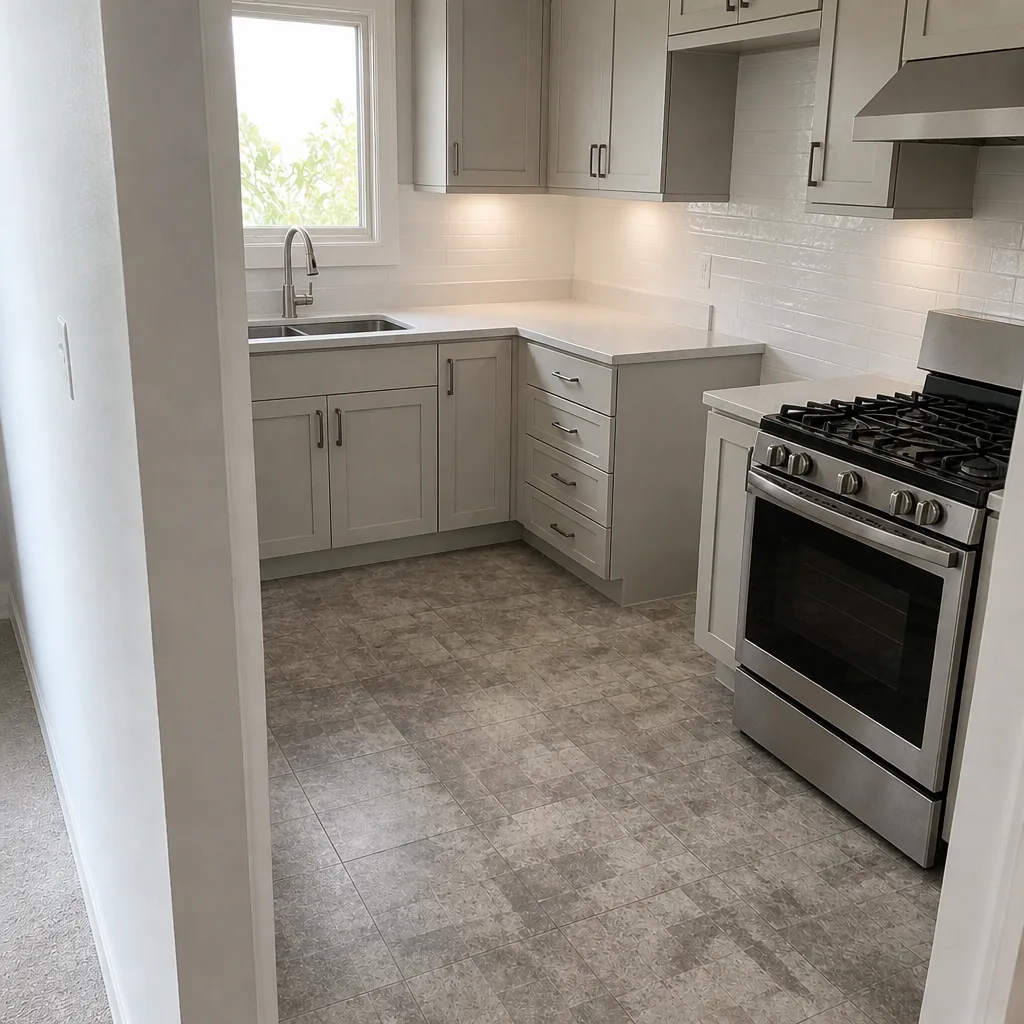 After
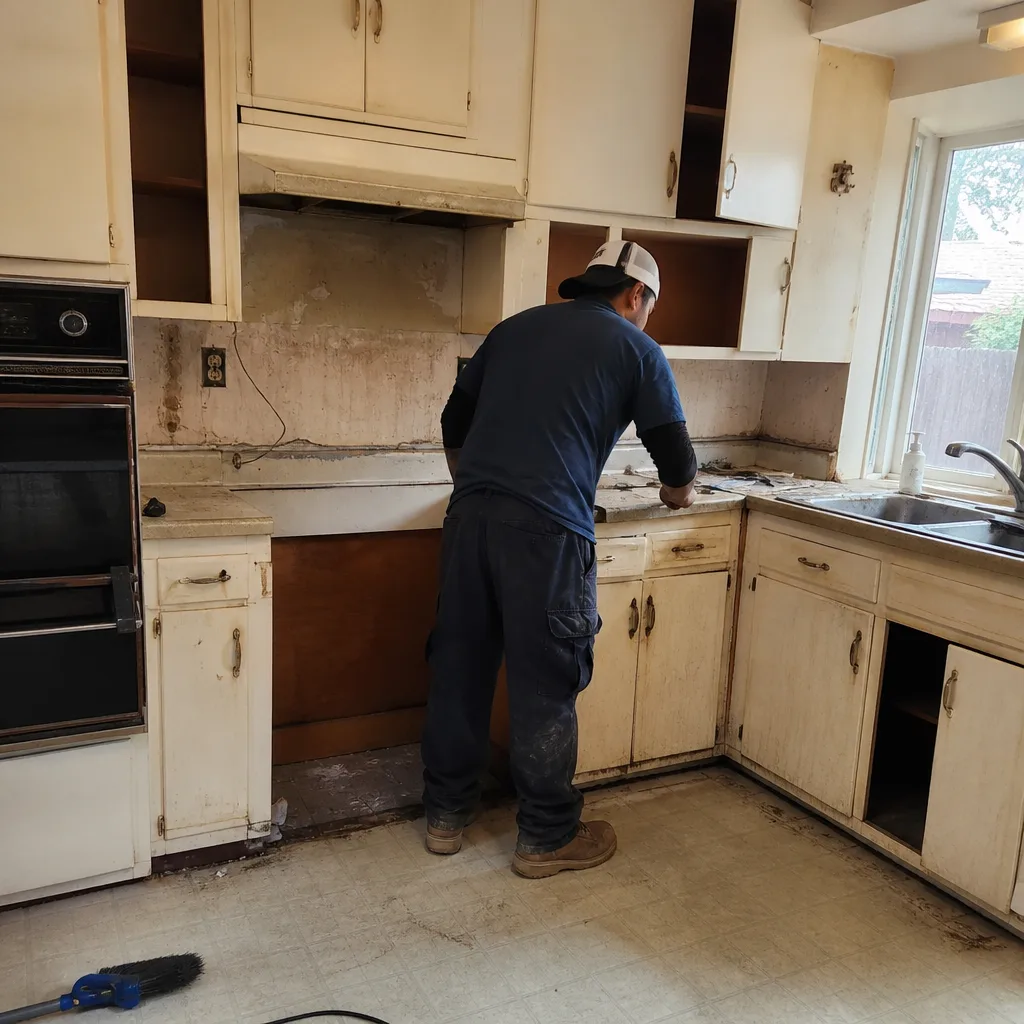 Before
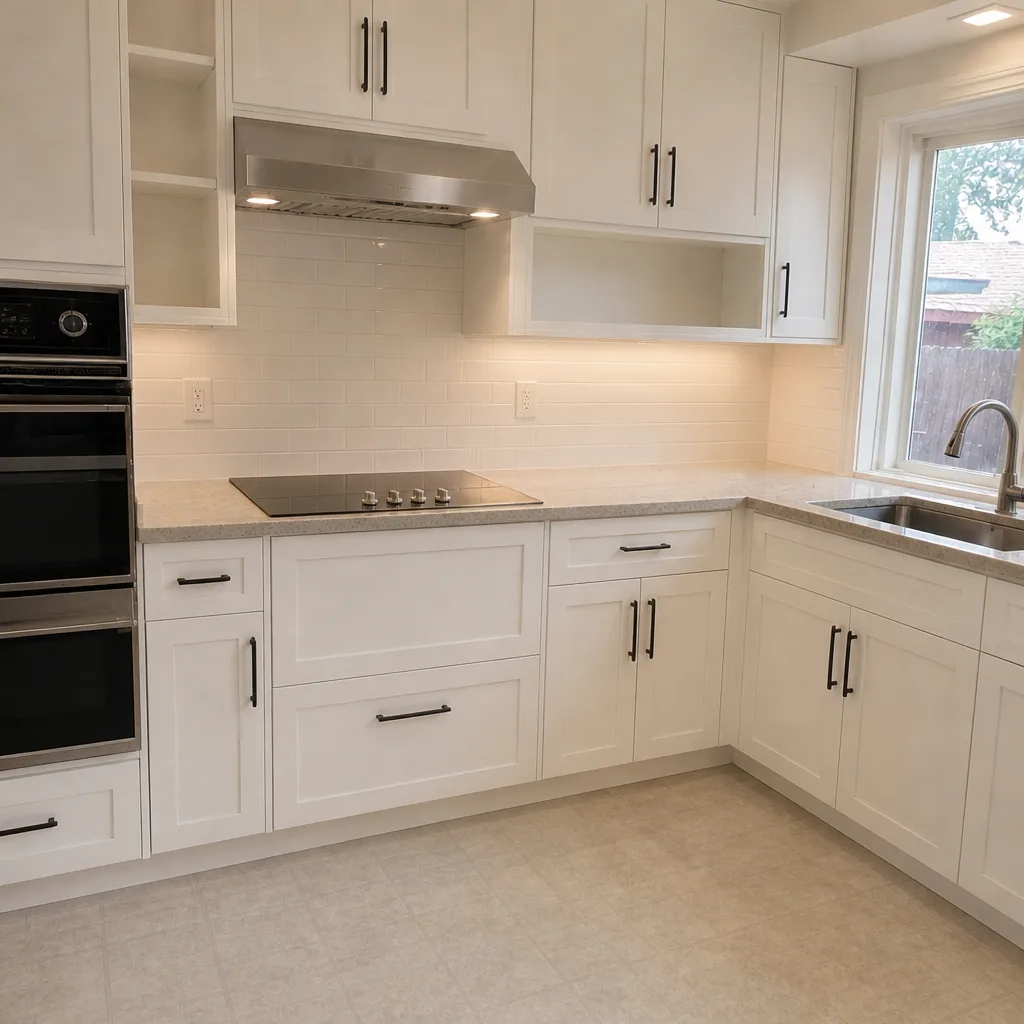 After
When to Call a Professional
Most maintenance belongs in your own hands. A few scenarios don’t. Call a professional when you find interior water staining or damp drywall after rain – that’s a seal or drainage failure no amount of lubrication will fix. Same for a hinge-side door gap that appears to have grown, a door that no longer latches square, or any window with visible fogging between the panes, which means the sealed glass unit has failed and needs replacement. Also call if a window balance fails, if the exterior caulking joint has opened beyond a simple touch-up, or if you’re matching weatherstripping across a whole home and aren’t sure of the material. Groundwork Construction Co. of Tustin offers free estimates in Tustin – call (833) 954-6066.
Frequently Asked Questions

Every six months, and ideally in early fall before Santa Ana season. Lubricated hardware lasts 15 to 20 years; neglected hardware fails in 7 to 10. Use silicone spray only, never oil, and pay special attention to sliding door rollers and casement operators. If you’ve never lubricated your hardware, do it this week – once you add it to a calendar, it takes 15 minutes per pass.
Wash with mild soap and water only, keep weep holes clear, and never use acetone, abrasive cleaners, or solvents on the frame. Vinyl expands with heat, so avoid over-tightening screws and watch for fading on darker colors facing west. Lubricate the hardware every six months regardless of frame material – the moving parts wear the same.
If you can slide a dollar bill between the closed sash and frame with no drag, or the strip feels flat and doesn’t spring back, it’s done. Look for hardening, peeling adhesive, or visible cracks. Any draft you can feel with your hand on a windy day means the seal has failed. Replace it before fall in Tustin – wind-driven dust will find every gap.
No. Spring balances are under heavy tension and can snap with serious force if handled incorrectly. That’s a job for a trained technician with the right tools and safety setup. If your single- or double-hung window won’t stay up at mid-height, the balance needs service – call a pro rather than pry it open. Attempting a balance replacement is one of the few window jobs that’s genuinely dangerous.
Walk the interior perimeter of every window and exterior door and look for water stains, damp drywall, bubbling paint, or any soft spot at the sill or threshold. Also check that exterior drain paths carry water away from frames. Any water on the inside means a seal or drainage failure – note the location and have it inspected before the next storm, because small leaks spread fast.
Yes. A dated log with products used and issues found is what proves you maintained the assembly rather than neglected it. Our 730-Day Done Right Promise covers defects in our work, and a maintenance record helps distinguish a defect from neglect. It also supports insurance claims and California resale disclosures, where documentation of maintenance history is often requested.
The Bottom Line
Windows and doors are the only building components moving thousands of times a year, and they’re the last ones homeowners tend to maintain. A simple seasonal routine – cleaning and lubricating hardware every six months, testing weatherstripping each spring and fall, checking seals before Santa Ana and winter rain – is all it takes to add 10 to 15 years to the life of your frames and hardware. In Tustin, that routine is worth more than any single repair. Build the calendar, log what you do, and the investment you already made in your windows will pay itself back.
If maintenance has turned into repair, or if it’s time to replace windows and doors entirely, we can help. Groundwork Construction Co. of Tustin offers a free estimate and design consult on every window, door, and envelope project we take on, backed by our 730-Day Done Right Promise and upfront pricing with no surprises. Our technicians have up to 12 years of experience and arrive background-checked and in uniform. Call (833) 954-6066 to schedule your free estimate – our calls are answered by a live person 24/7. We also handle Driveway & Pavers in Tustin and Fence Installation in Tustin if your exterior work runs wider. Browse all our work at the Groundwork Construction Co. of Tustin home.
Written by the team at Groundwork Construction Co. of Tustin.