Last updated November 17, 2026


Free written scope consultation - allowances, timeline, and change-order rules on paper before a single trade is scheduled
DIY vs Professional Bathroom Remodeling: What’s Safe to Do Yourself
Painting a bathroom yourself saves roughly $300. Attempting a DIY shower pan liner incorrectly costs an average of $8,500 in water damage repair – and homeowner’s insurance often won’t cover it if the work was unpermitted. That gap is the whole argument in one line. The DIY vs professional bathroom remodeling question isn’t really about how handy you are. It’s about which mistakes are recoverable and which ones open walls. In this guide, we’ll draw a hard line through every task in a Tustin bathroom remodel: what rewards a careful homeowner, what quietly destroys resale value, and what sits in non-negotiable professional territory.
Quick Answer
Safe DIY bathroom tasks include painting, replacing a toilet seat or faucet trim, swapping a vanity light fixture on an existing switch, regrouting tile, and installing a mirror or accessories. Risky-but-doable tasks include hanging drywall, installing a vanity cabinet, and laying tile on a properly prepared floor. Non-negotiable professional territory is anything that touches plumbing rough-in, shower waterproofing membranes, electrical GFCI circuits, or structural changes – these require permits, licensed trades, and inspections in Tustin and across Orange County.
Styles & brands we work with
- Kitchen remodeling
- Bathroom remodeling
- Home additions & ADU
- Roofing
- Windows & doors
- Driveway & pavers
- Fence
Table of Contents
- The Three-Category Framework: Safe, Risky, and Hands-Off
- Safe DIY Tasks That Actually Pay You Back
- Risky DIY Tasks: When It Might Work and When It Won’t
- Non-Negotiable Professional Territory
- California Permits in Tustin: What You Can’t Legally DIY
- The Hidden Cost Math of DIY
- How to Work Alongside a Pro Crew Without Voiding Warranties
- Common Mistakes to Avoid
- When to Call a Professional
The Three-Category Framework: Safe, Risky, and Hands-Off
Most DIY guides sort tasks by difficulty. That’s the wrong filter. Difficulty is a skill question, and skill can be learned. Recoverability is a risk question, and risk is what costs you money. A task belongs in the “safe” category if a mistake shows up immediately and costs under a few hundred dollars to fix. It belongs in “risky” if the mistake hides for weeks and shows up as a stain on the ceiling below. It belongs in “hands-off” if the mistake fails an inspection, voids a manufacturer warranty, or forces you to open a wall to fix it.
Here’s how that plays out across the three categories:
- Safe DIY: Mistakes are visible, cosmetic, and reversible. Painting, hardware swaps, sealing, minor tile grout repair. Worst case, you repaint or replace a $40 fixture.
- Risky DIY: Mistakes compound slowly. Hanging drywall, installing a vanity, laying floor tile. The work itself is learnable, but a bad substrate or off-level cabinet creates a domino you can’t un-tip without redoing the room.
- Non-negotiable: Mistakes are invisible until they’re catastrophic or illegal. Plumbing rough-in, shower pan waterproofing, GFCI electrical, moving a drain, relocating a wall. These aren’t about whether you can do them – they’re about whether you can prove they were done right, and whether the next owner can too.
We’ve walked into Tustin bathrooms where a homeowner saved $1,200 doing their own shower pan and paid $9,000 to fix the rot that followed. That’s not a skill gap. That’s a category error – a hands-off task treated as a risky one. If you’re planning a bigger scope that touches structure or plumbing, it’s worth understanding how a full Home Additions & ADU in Tustin project is sequenced, because the same permit-and-inspection logic applies at every scale.
Safe DIY Tasks That Actually Pay You Back
These are the tasks where DIY genuinely works, and the math holds up after you count tool rental, material waste, and the odds you’ll redo it. Tustin’s dry, warm inland climate is actually forgiving here – humidity swings are modest compared to coastal neighborhoods, so paint and sealant cure predictably, and mildew pressure is lower than a home near the water. That makes finish work a reasonable place to put your own hours in.
What lands in the safe bucket:
- Interior painting. A 5×8 bathroom runs roughly $300 – $600 in professional labor for paint and prep. Doing it yourself costs $60 – $120 in paint and supplies. This is the single best DIY return in the room.
- Faucet trim and showerhead swaps. Replacing a faucet that connects to existing supply lines without moving anything is a $80 – $250 savings per fixture and takes an hour.
- Toilet seat, flush valve, and supply line replacements. Under $40 in parts, no permit, fully reversible.
- Vanity light fixture swap on an existing switch box. $100 – $200 in labor saved. This is fine only when the circuit is already in place – adding a new circuit is not a swap.
- Mirror, towel bar, and accessory mounting. $150 – $300 in labor avoided. Use the right anchors for Tustin’s common drywall-over-metal-stud construction.
- Regrouting tile and re-caulking tub lines. $200 – $500 in labor saved, and it protects the tile you already own.
- Cabinet repainting and hardware swaps. A vanity refresh runs $400 – $900 if hired out; under $150 in materials if you do it.
Total realistic savings if you handle every safe task yourself: roughly $1,200 – $2,400 on a standard bathroom. That’s real money, and none of it puts a permit or a warranty at risk.
Risky DIY Tasks: When It Might Work and When It Won’t
This is the gray zone, and the honest answer is that it depends on what’s underneath. Hanging drywall is straightforward until you find moisture damage behind the old tile – common in Tustin bathrooms from the 1970s and 1980s, where a failed caulk line has been weeping into the stud bay for years. Installing a vanity is a two-hour job until your wall isn’t plumb and the cabinet doesn’t sit flush.
The risky tasks and the specific reason each one can bite:
- Hanging drywall. Doable, but ceiling board in a bathroom needs proper moisture-resistant material and correct screw spacing. A sagging ceiling shows up in 18 months, not 18 days.
- Setting a vanity cabinet. Fine if the wall is plumb and the plumbing stub-out is already positioned. If you need to move the drain, the task has just become plumbing rough-in – a hands-off job.
- Laying floor tile. The tile is easy; the substrate is not. A floor that flexes passes visual inspection and cracks along the grout lines a year later. Backer board thickness, thinset coverage, and deflection all matter, and none are visible from the surface.
- Wall tile install. Similar story. Waterproofing behind the tile is the actual work; the tile is cosmetic.
- Replacing a shutoff valve. Sounds minor. If the valve is soldered into old copper and you don’t have the tool or the water fully off, you’re calling a plumber at 9pm.
Risky tasks are worth doing yourself if: the substrate is intact, nothing moves, and you’re willing to read the manufacturer’s installation instructions twice. If any of those three conditions fails, the task has graduated to professional territory. It’s also worth knowing when the whole scope has crossed that line – a bathroom that needs a new layout is closer to an Groundwork Construction Co. of Tustin home full-scope project than a weekend job.
Non-Negotiable Professional Territory
These are the tasks where the answer is not “should I hire someone” – it’s “I am required to.” Not because of skill, but because of code compliance, inspection trails, and resale protection. A bathroom remodel in Tustin that involves any of the following legally requires a licensed contractor pulling the right permit:
- Plumbing rough-in and any change to drain or supply locations. Moving a shower valve, relocating a toilet, adding a sink. This is not a skill question – it’s a code question. Unpermitted rough-in is a disclosure item that fails at resale.
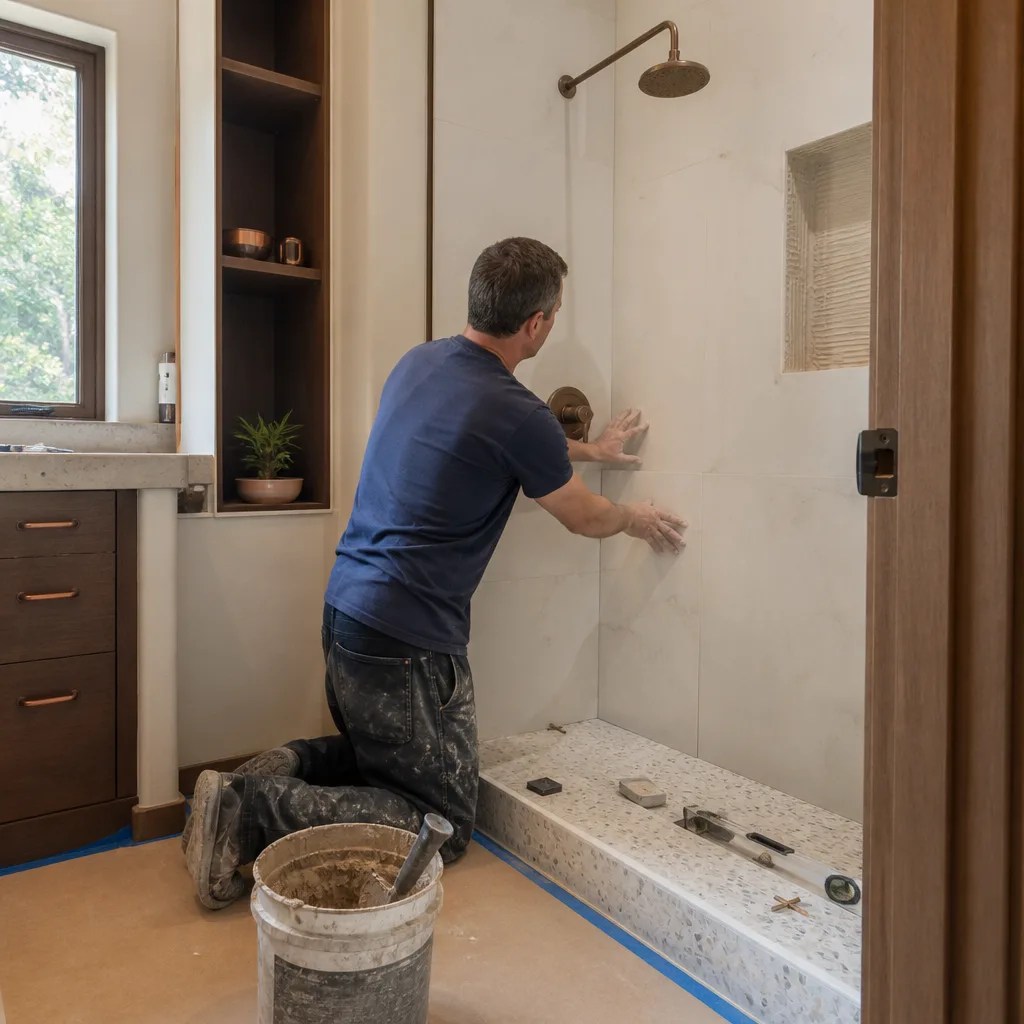
- Shower pan waterproofing and membrane installation. A liner done incorrectly fails after the tile is on. The failure shows up in the ceiling below, in the hallway baseboard, or in a mold report. Industry data puts average water damage remediation from a failed pan in the $6,000 – $12,000 range, and insurance commonly denies the claim when the work was unpermitted.
- GFCI electrical work. Bathroom receptacles within 6 feet of water must be on GFCI protection under the current California Electrical Code. Adding a circuit, moving an outlet, installing a heated floor mat, or wiring a new vanity requires a licensed electrician and inspection.
- Structural changes. Moving a wall, adding a curbless shower with a recessed floor, or widening a doorway all touch framing, and framing touches structural engineering.
- Gas line work. If you’re converting to a gas water heater or adding a gas fixture, this is not a DIY task. Gas mistakes are not cosmetic – they’re immediate safety hazards.
- Ventilation installation. A new exhaust fan needs to vent to the exterior, not the attic. In a warm inland Tustin climate, a fan ducted to the attic space adds attic moisture and heat – a problem you’ll notice in the summer.
If any of these are on your list, the right move is to get a written, line-item estimate before you touch a tool. Groundwork Construction Co. of Tustin pulls permits and passes inspections on every job, and the 730-Day Done Right Promise backs the workmanship – if it’s not done right, we make it right.
California Permits in Tustin: What You Can’t Legally DIY
Tustin follows the California Building Code with local amendments, and Orange County’s climate zone (warm-inland, moderate humidity) shapes how bathroom permits get reviewed. Cosmetic work – paint, tile on an existing substrate, fixture swaps on existing rough-in – typically doesn’t require a permit. Structural, plumbing, mechanical, and electrical work does.
Specifics worth knowing:
- Plumbing permit required: Any new or relocated water or drain line, moving a fixture rough-in, or replacing a water heater.
- Electrical permit required: New circuits, GFCI outlets added or relocated, exhaust fan installation on a new circuit, heated floor systems.
- Mechanical permit required: New or replaced exhaust fan (even a same-location swap is often reviewed depending on the scope), and any ducting work.
- Building permit required: Any wall move, floor plan change, window or door resize, or change to shower configuration (walk-in vs tub-shower).
- Inspection sequence: Rough-in inspections happen before drywall goes up. Waterproofing inspection (for shower pans) often happens separately. Final inspection is the last step. Skipping any of these leaves a paper trail gap that a buyer’s inspector will find, and a lender may flag.
One practical note for Tustin homeowners: unpermitted bathroom work is a common finding during pre-sale inspections in older neighborhoods, and it becomes a negotiating chip against you at closing. Resolving it after the fact means opening walls to show the rough-in – a $5,000 – $15,000 retrofit. The permit is the cheap part. If you’re also planning exterior work at the same time, our team handles Driveway & Pavers in Tustin and Fence Installation in Tustin with the same permit-first approach, and coordinating the timelines across both projects is worth a single conversation.
The Hidden Cost Math of DIY
The savings number on a DIY task is never the labor line alone. It’s labor minus tool rental, minus material waste, minus the redo rate, minus your time. Run the actual math and some of the safe tasks still pay, while the risky ones quietly break even or lose.
Here’s a realistic comparison on a 5×8 bathroom:
- Paint the bathroom yourself: Save roughly $300 – $500 in labor. Spend about $80 on paint and supplies. Net savings: $220 – $420. Time: one weekend. Redo rate: low.
- Install a vanity cabinet yourself: Save $300 – $600 in labor. Spend $80 renting a tile saw and level, $40 on shims and anchors. Net savings: $180 – $480. Redo rate if the wall is out of plumb: meaningful.
- Lay floor tile yourself: Save $800 – $1,500 in labor. Spend $150 on a tile saw rental, $100 on a mixing paddle and drill, $200 on wasted tile from cuts, $80 on extra thinset. Net savings: $270 – $970. Redo rate if the substrate flexes: high enough to wipe out the savings.
- Attempt shower pan and tile yourself: Save $1,500 – $3,500 in labor. Spend $200 on tools, $300 on material waste. Real risk: a failed waterproofing leads to $6,000 – $12,000 in remediation. Expected value is negative.
- Rewire GFCI outlet yourself: Save $200 – $400. Permit not pulled: insurance denial risk, resale inspection risk, safety risk. Not a cost calculation – a different category.
The pattern: safe tasks reliably save money, risky tasks save money in the good case and lose it in the bad case, and hands-off tasks are a wager against a much larger number than the labor savings. Groundwork Construction Co. of Tustin quotes with no-hassle upfront pricing so you’re comparing real numbers, not the labor-only figures DIY guides tend to publish.
How to Work Alongside a Pro Crew Without Voiding Warranties
There’s a middle path that many homeowners miss: hire the professional crew for the rough-in and waterproofing, and handle selected finish work yourself. Done correctly, this keeps the savings on the parts where savings are real, and keeps the permit trail intact for the parts that need it. Done incorrectly, it voids the workmanship warranty and creates a liability gap.
Here’s how to do it without stepping on the warranty:
- Define the scope split in writing before work begins. “Groundwork handles rough-in, waterproofing, and permit inspections. Homeowner handles paint, trim, and final fixtures.” Everything in writing, signed by both sides.
- Complete finish work only after final inspection passes. Paint over an uninspected wall and you’ve created a problem for both sides.
- Use the specified materials. If the crew installed a specific waterproofing membrane and you paint over it or cut into it, the warranty on that assembly no longer applies.
- Don’t alter rough-in after inspection. Moving a valve or adding an outlet after the inspector leaves voids the permit trail – and in Tustin, it voids the warranty on that specific assembly.
- Know which tasks the warranty covers and which it doesn’t. The 730-Day Done Right Promise covers our workmanship. It doesn’t cover your paint job. Confirm the exact boundary before you pick up a brush.
- Get a single point of contact for questions. Groundwork Construction Co. of Tustin answers calls live, 24/7 – no voicemail, no waiting until Monday – so you’re not guessing mid-project.
This split model works well on bathrooms where the homeowner wants to save on the visible parts but has no interest in touching the plumbing. It’s the honest version of DIY.
Common Mistakes to Avoid
- Assuming paint hides a waterproofing problem. It doesn’t, and it delays the discovery until the damage has spread. If a wall feels soft or the baseboard shows staining, open it before you finish. In older Tustin neighborhoods, this is the single most common surprise.
- Treating a fixture swap as a rough-in job. Replacing a faucet on existing supply lines is different from moving the line. The first is safe DIY; the second requires a permit.
- Skipping the permit to save the fee. The permit fee is a few hundred dollars. The retrofit cost to legalize the work later is in the thousands, and insurance may deny a water claim on unpermitted work.
- Believing the labor-only savings number. Every DIY guide online quotes the labor line and skips the tool rental, waste, and redo rates. The real number is 30 – 60% lower than what those guides suggest.
- DIYing GFCI electrical because “it’s just an outlet.” Bathroom receptacles must be GFCI-protected, and adding one requires a permit. This is a code requirement, not a preference, and a live electrical circuit near water isn’t a task to learn on.
- Ignoring the vent fan. A fan ducted to the attic instead of the exterior traps moisture in a space that already reaches 100°F in Tustin summers. The damage shows up as attic mold, not bathroom mold – so it goes unnoticed for years.
- Starting finish work before final inspection. It voids the warranty on the assembly and creates a paper-trail gap that resurfaces at resale.
When to Call a Professional
Call a professional if your scope includes any of the following: moving plumbing, relocating a fixture, adding or moving an electrical circuit, installing a shower pan or membrane waterproofing, changing the floor plan, adding ventilation, working with gas, or pulling any permit. Call if you’ve already started something and discovered moisture damage behind the tile – the scope just changed. Call if your homeowner’s insurance matters to you and the work would need to be permitted. And call if you simply want a written line-item comparison before you decide what to DIY, because that number is free and it clarifies the whole decision.
Groundwork Construction Co. of Tustin offers free estimates in Tustin – call (833) 954-6066 to schedule yours. Estimates come with a written line-item scope, upfront pricing, and a clear boundary of what we handle versus what you can take on.
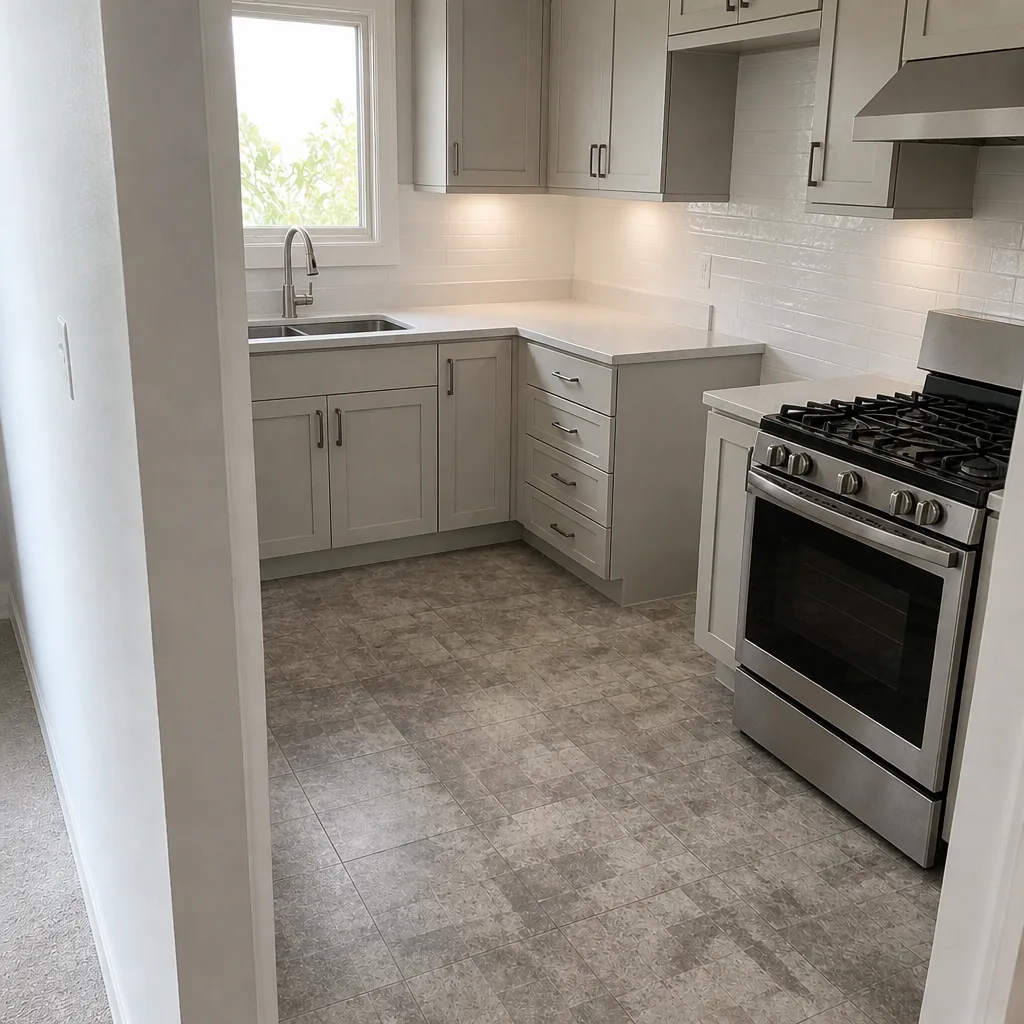
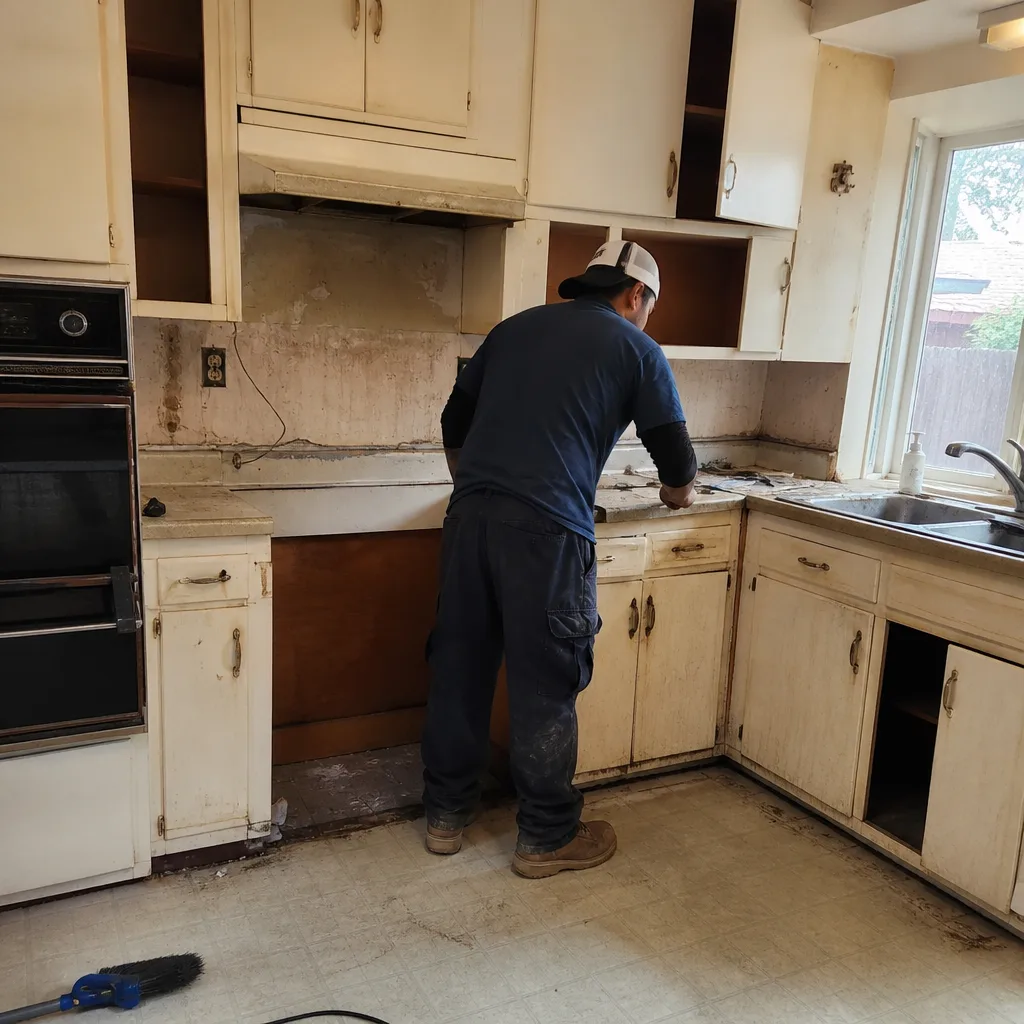
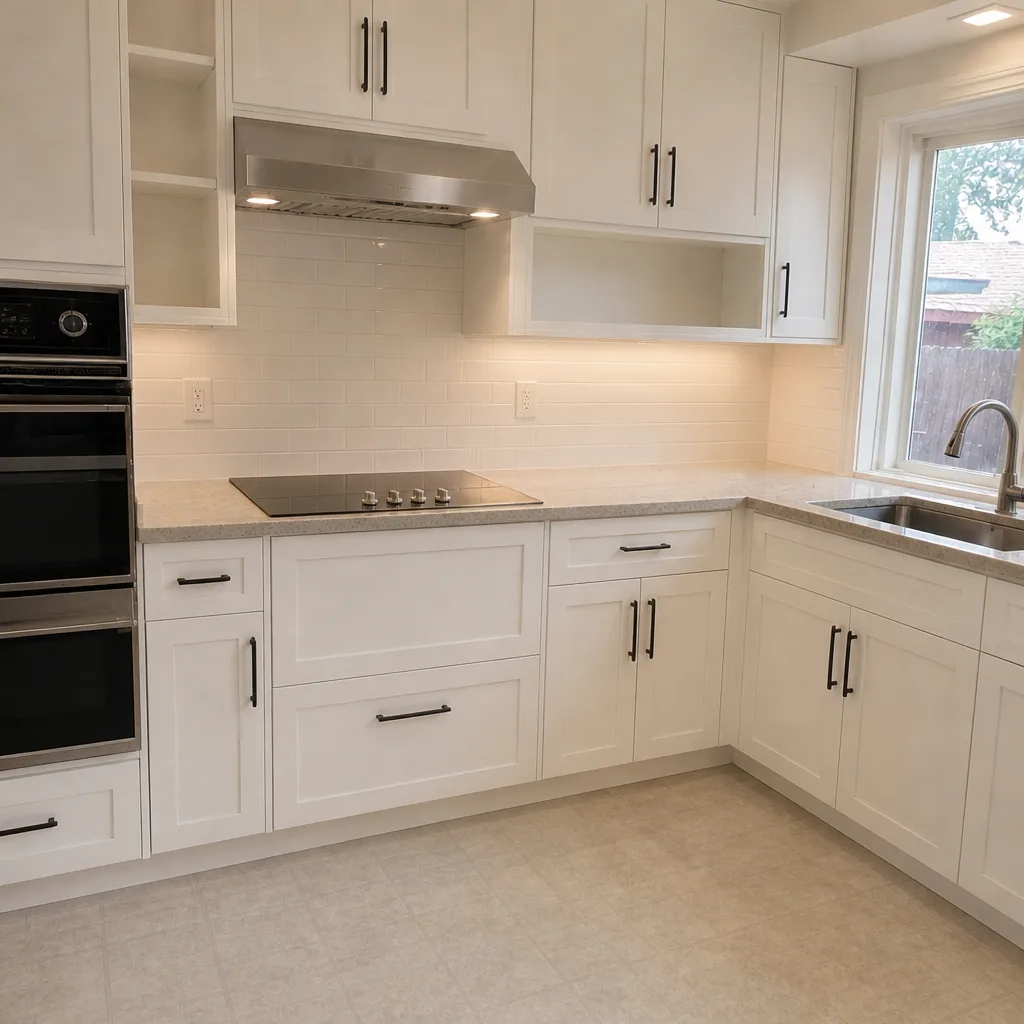
See the difference
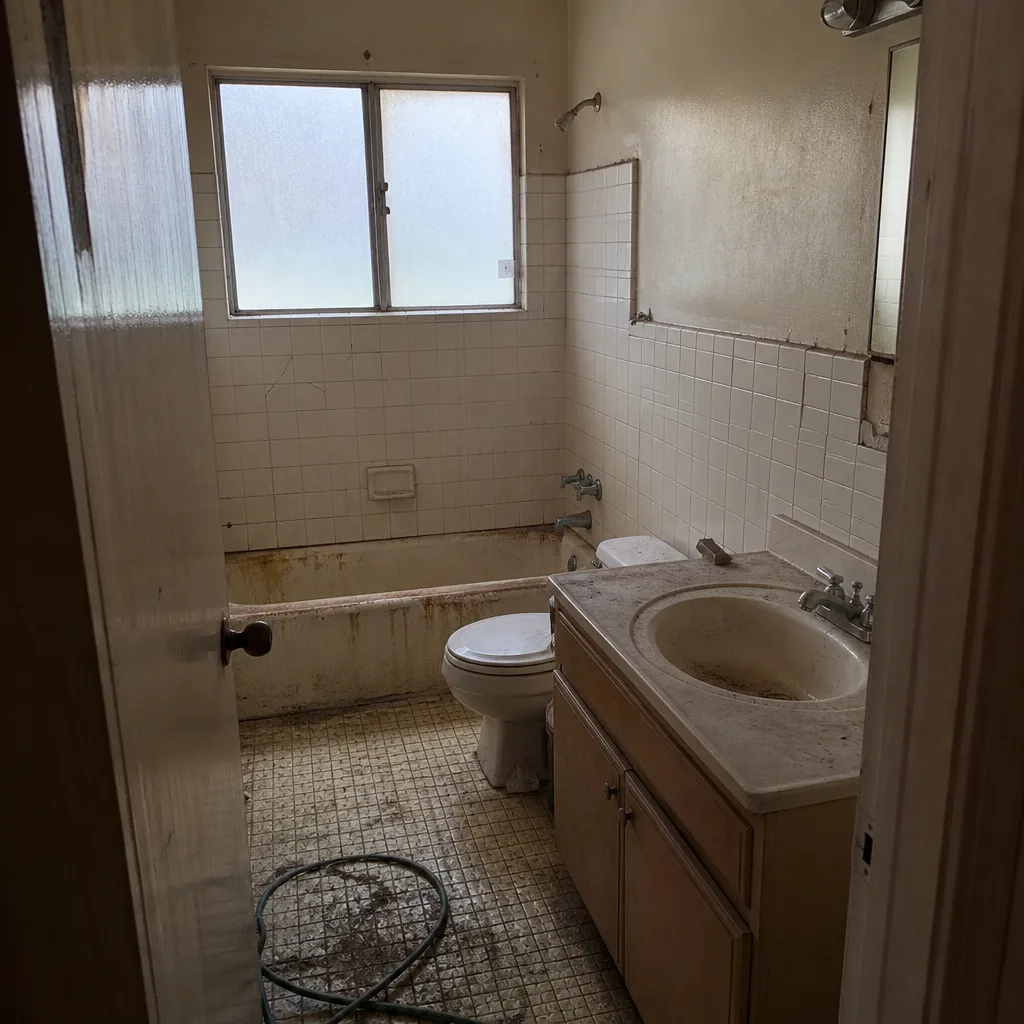 Before
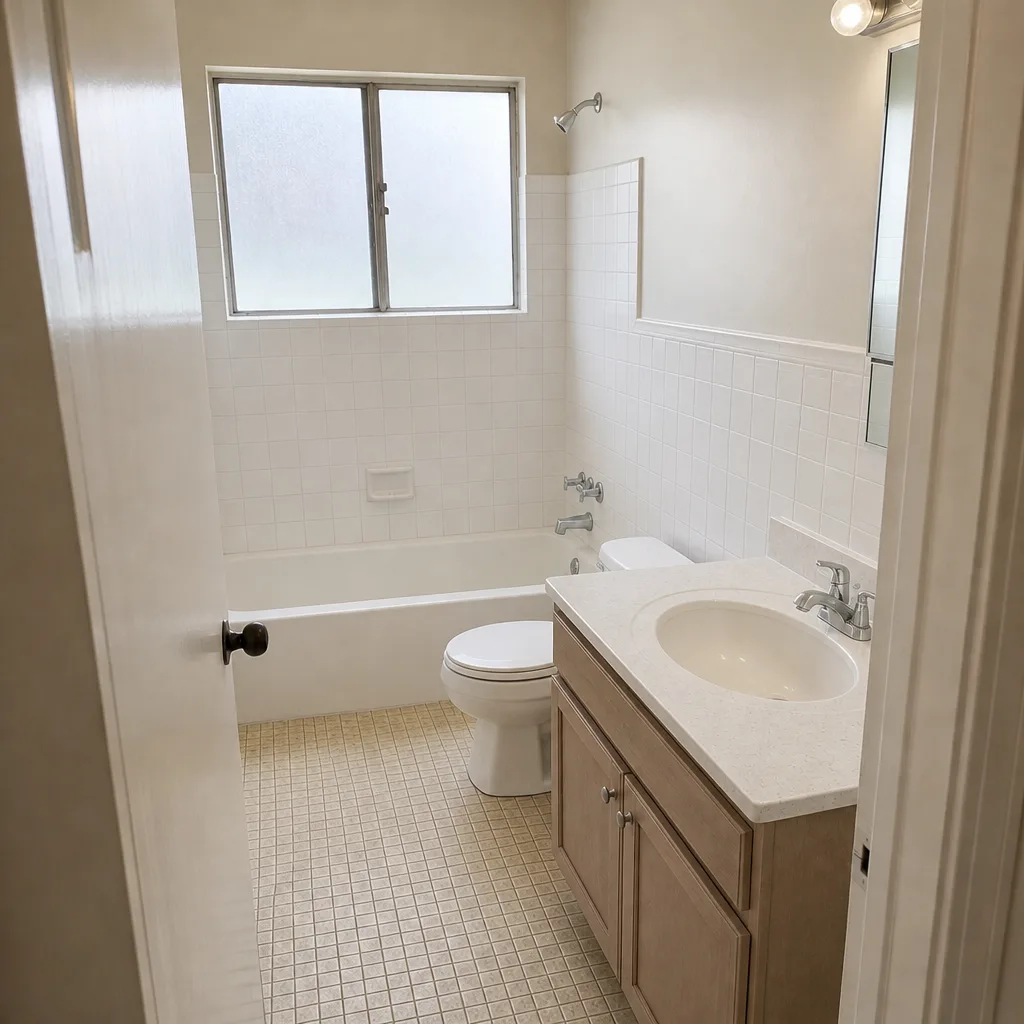 After
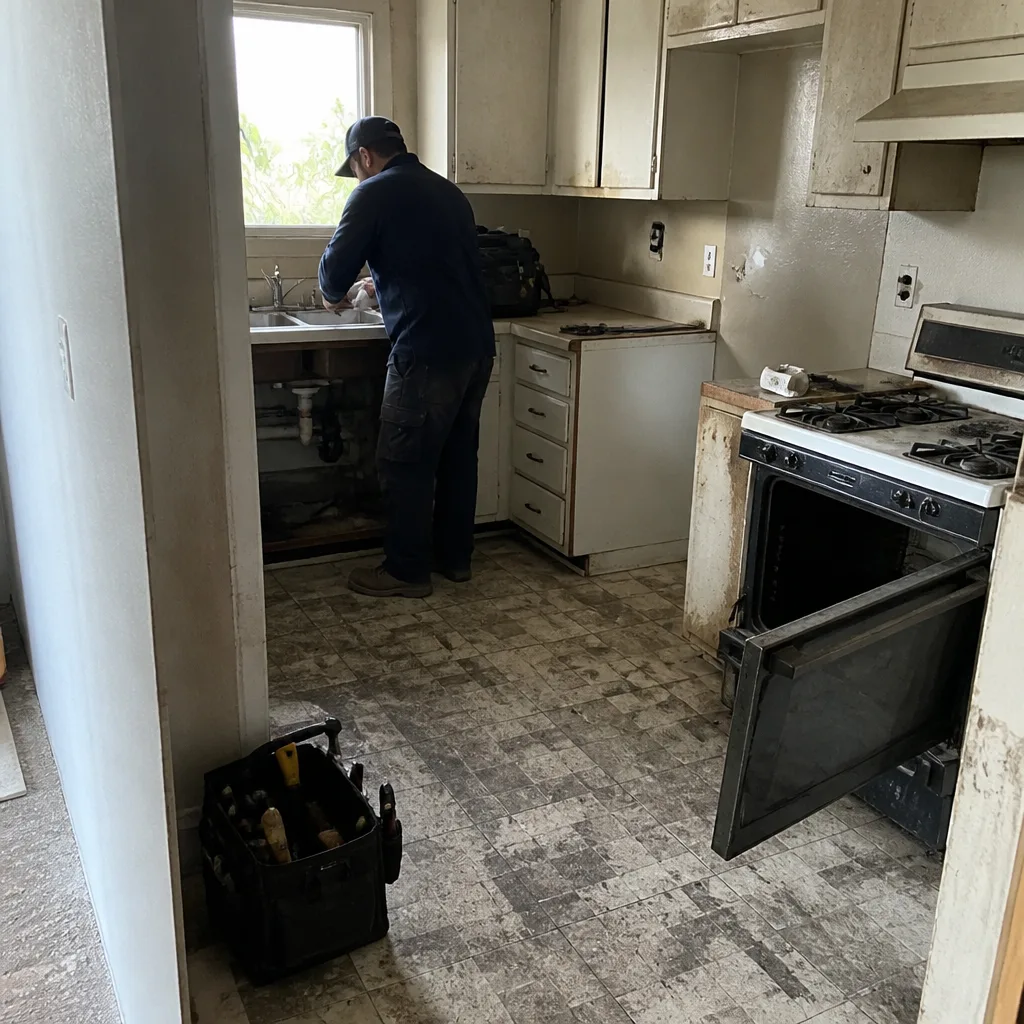 Before
 After
 Before
 After
Frequently Asked Questions
Painting, faucet and showerhead swaps on existing supply lines, toilet seat and flush valve replacement, vanity light swaps on an existing switch box, mirror and accessory mounting, regrouting tile, and cabinet repainting are all safe DIY in Tustin. Total realistic savings across all of these is roughly $1,200 – $2,400 on a standard bathroom, and none of them require a permit or risk a warranty. Call (833) 954-6066 for a free estimate on the professional side of your scope.
Yes for any work touching plumbing rough-in, electrical circuits, exhaust ventilation, or structural framing. Cosmetic work – paint, tile on an existing substrate, fixture swaps on existing rough-in – typically doesn’t require a permit. Tustin follows the California Building Code with local amendments, and the inspection sequence (rough-in, waterproofing, final) is non-negotiable. Call (833) 954-6066 to confirm what your specific project requires.
DIY saves $1,500 – $3,500 in labor, but the failure cost is $6,000 – $12,000 in water damage remediation – and homeowner’s insurance often denies the claim when the work was unpermitted. Professional installation includes the waterproofing inspection that protects your resale value and your warranty coverage. Call (833) 954-6066 for a line-item quote on a permitted shower pan installation.
Only if the DIY work touches the assembly the warranty covers. The 730-Day Done Right Promise covers Groundwork’s workmanship – so rough-in, waterproofing, and permit-related work stays under warranty even when you handle paint and fixtures yourself. If you alter the rough-in or waterproofing assembly after inspection, that specific assembly’s coverage no longer applies. Call (833) 954-6066 to confirm the scope split before you start.
No. Bathroom receptacles within 6 feet of water must be GFCI-protected under the California Electrical Code, and adding, relocating, or installing a new circuit requires a permit and a licensed electrician. This is not a skill question – it’s a code and safety requirement, and an uninspected circuit is an insurance and resale liability. Call (833) 954-6066 for a permitted electrical scope.
A cosmetic refresh (paint, fixtures, regrouting) runs 1 – 2 weeks. A full gut remodel with plumbing and electrical updates runs 4 – 8 weeks depending on permit review timelines and material lead times. The permit review window in Orange County is often the longest single fixed item, so planning it early saves time. Call (833) 954-6066 for a realistic timeline on your specific scope – estimates are free.
The Bottom Line
DIY vs professional bathroom remodeling comes down to one question: is the mistake recoverable? Painting, fixtures, and finish work are recoverable, and they’ll save you $1,200 – $2,400 on a Tustin bathroom. Plumbing rough-in, shower waterproofing, GFCI electrical, and any permit-required scope are not recoverable – they open walls, void warranties, and cost $6,000 – $15,000 to fix. The right answer isn’t “all DIY” or “all pro.” It’s a written scope split that puts your hours where they pay and puts the permits where they protect you. If you want that split laid out with real numbers, the estimate is free.
Groundwork Construction Co. of Tustin backs every project with the 730-Day Done Right Promise – if it’s not done right, we make it right – with upfront pricing, no surprises, and a live person answering the phone 24/7. Our technicians have up to 12 years of experience and arrive background-checked and uniformed. Call (833) 954-6066 to schedule your free estimate, and take $1,000 off projects over $10,000 with 0% financing for 18 months available.
Written by the team at Groundwork Construction Co. of Tustin.