Last updated November 17, 2026





Free written scope consultation - allowances, timeline, and change-order rules on paper before a single trade is scheduled
Home Additions & ADU Maintenance Schedule: What to Do and When
A properly built ADU should last 50+ years. Whether it actually does comes down almost entirely to what the homeowner does, and doesn’t do, in the first five years after move-in. Most people hand the contractor their final check and mentally file the project under “finished.” That’s the moment the warranty clock starts, sure, but it’s also the moment the structure begins settling, the caulk begins curing and shrinking, and the first wet season starts probing every seam between new construction and the original house. We’ve walked through enough Tustin additions five and six years after completion to know exactly which ones were maintained and which ones weren’t. The difference isn’t subtle.
Quick Answer
Your ADU or home addition needs a documented walkthrough at 30 days, a full inspection at the 12-month mark (settlement, caulk lines, drainage, and the electrical subpanel), roof and flashing checks every spring and fall, and material-specific exterior touch-ups on a schedule dictated by your siding type. The first five years are when small issues are cheap to fix and quiet problems become structural. Follow a seasonal checklist and call a licensed pro for anything involving roof height, electrical panels, plumbing lines, or foundation movement.
Styles & brands we work with
- Kitchen remodeling
- Bathroom remodeling
- Home additions & ADU
- Roofing
- Windows & doors
- Driveway & pavers
- Fence
Table of Contents
- Year One: The Critical Monitoring Window
- The 12-Month Inspection: What a Pro Is Actually Looking For
- Roof and Flashing: Southern California’s Dry-Wet Cycle
- Exterior Maintenance by Material Type
- The Seasonal Checklist: Spring, Summer, Fall, Winter
- Drainage and Site Water Management
- Common Mistakes to Avoid
- When to Call a Professional
Year One: The Critical Monitoring Window
The first year after an addition is finished is the only year where normal settling and abnormal movement look almost identical. Everything is moving a little. The trick is knowing what’s expected and what needs a phone call. New foundations settle as the soil beneath them compacts and adjusts to the load. Framing members dry out and shrink slightly. Caulk at every new-to-old transition point goes through one full cure cycle and often opens up a hairline crack. None of that is a defect. All of it needs watching.
Here’s what we tell every Tustin homeowner the week their addition is signed off:
- Photograph every transition point now. Door frames where the addition meets the original house, window perimeters, the base of exterior walls, the foundation line. Date the photos. In twelve months you’ll want a baseline to compare against, and memory is useless for this.
- Check your caulk at 30 days and 90 days. Run a finger along interior and exterior joints. Any gap wider than a credit card edge needs attention. Small cracks are normal; watch for them getting bigger.
- Look at drainage after every significant rain. The first rainy season is the real test of whether the grading, downspouts, and site drainage were designed correctly. Water should move away from the new foundation, not pool against it. In Tustin we get the bulk of our rain between December and March, so that’s the window to watch closely.
- Watch doors and windows for binding. A door that closes smoothly in October and sticks in February is telling you something about framing movement. A little seasonal variation is normal. Progressive sticking is not.
- Note any new cracks in drywall or stucco. Hairline cracks at corners of door and window openings are common and cosmetic. Cracks wider than 1/8 inch, especially diagonal ones, warrant a call.
Keep a simple log. Date, what you saw, what you did. If a warranty issue ever comes up, that log is worth more than any verbal description. Our Home Additions & ADU in Tustin projects all carry the 730-Day Done Right Promise, so anything that traces back to workmanship in those first two years is covered. Documentation makes that process fast and clean.
The 12-Month Inspection: What a Pro Is Actually Looking For
Around the one-year mark, once the structure has been through a full seasonal cycle, you want a trained set of eyes on the addition. This isn’t a formality. It’s the single most valuable maintenance step in the life of the project, because problems caught at 12 months cost hundreds and the same problems caught at year six cost thousands.
On the electrical side, if your addition required a new subpanel (most ADUs do, given the load from a kitchenette, HVAC, water heater, and laundry), a licensed electrician should verify the panel’s torque values, check for any warm spots or discoloration at the breakers, confirm the GFCI and AFCI protection is functioning, and look at the wire terminations for signs of loosening. Breaker connections can work loose slightly as the panel goes through thermal cycling in its first year. That’s normal, and it’s exactly why the check exists.
Plumbing inspection at 12 months covers supply line connections (looking for any weeping at fittings), drain line flow, water heater operation, and the condition of shutoff valves. It also means checking the exterior hose bibs and any irrigation tie-ins for freeze damage after the first winter, though Tustin’s winters are mild enough that this is usually a quick confirmation.
Structurally, the inspector is checking foundation for new cracks or movement, verifying the caulk and weatherstripping at all transition points, looking at the attic and crawl space for moisture, and confirming the roof and flashing are performing as designed. They’re also checking the grading and drainage around the addition to make sure water is still moving away from the foundation the way it was supposed to.
We’ve seen additions where the homeowner skipped the 12-month check, and the first sign of a problem was a soft spot in the subfloor at year four from a slow plumbing weep that had been running since month eighteen. A hundred-dollar inspection would have caught it in year one.
Roof and Flashing: Southern California’s Dry-Wet Cycle
Most roofing maintenance guides are written for the Pacific Northwest or the Northeast, where the threat model is constant moisture and freeze-thaw cycles. Southern California is a different animal, and the failure pattern is different too. Tustin gets roughly 13 inches of rain a year, almost all of it concentrated between November and March. That means eight dry months followed by four wet ones. The dry season does its own kind of damage: UV degradation, thermal expansion and contraction every single day, and the slow embrittlement of sealants.
What that means for your inspection schedule:
- Inspect in October, before the rain. This is the single most important roof check of the year in Tustin. Look for lifted or curled shingles, deteriorating sealant at flashings, and any debris in valleys or around penetrations. Fixing these in October costs a fraction of fixing them after a January leak.
- Inspect again in April, after the rain. Check for granules in the gutters (a sign of shingle wear), any new staining on the ceiling inside, and standing water anywhere it shouldn’t be. The wet season is when small flashing failures become visible.
- Check flashing at every transition. The seam where the addition roof meets the original house, around the chimney if there is one, at skylights, and at every vent penetration. Flashing failure accounts for the majority of roof leaks we see in Tustin, and it’s almost always the sealant at the flashing that goes first, not the shingles.
- Clear gutters and downspouts twice a year. Once in late fall before the rains, once in spring. Clogged gutters are the number one cause of fascia rot and foundation water intrusion on additions we inspect.
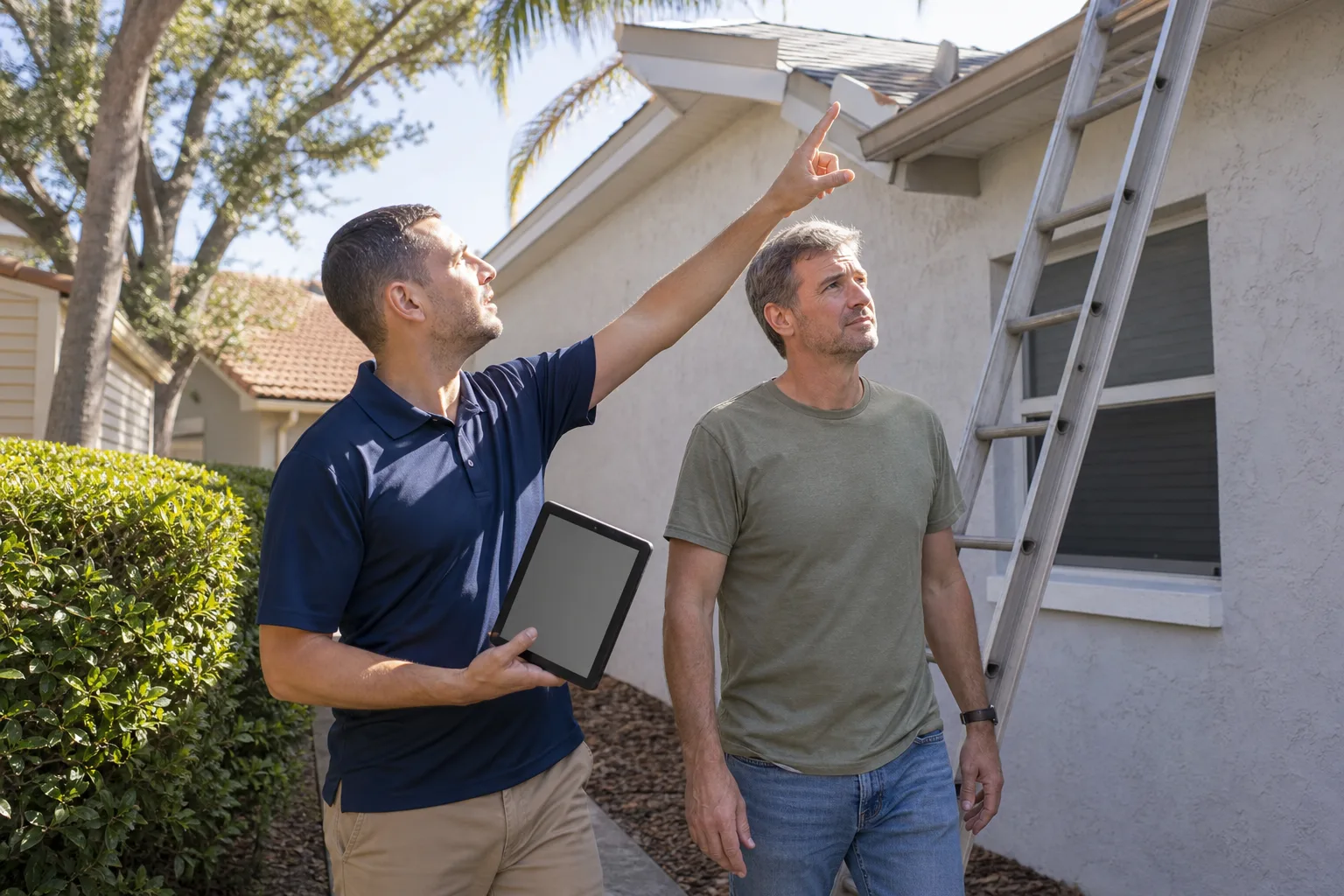
Roof work involves real fall risk, and even a single-story addition roof can put you in a bad spot if you’re not used to it. We recommend a professional inspection for anything beyond a visual check from the ground with binoculars. If your addition was roofed with GAF or Owens Corning materials, both carry manufacturer warranties that specify inspection and maintenance requirements; keeping records helps if you ever need to file a claim. Our Groundwork Construction Co. of Tustin home page has more on the material brands we work with and why we chose them.
Exterior Maintenance by Material Type
Not all siding ages the same way, and the touch-up windows are different for each. Missing one by a season isn’t fatal, but missing it by two or three seasons accelerates deterioration in a way that’s expensive to correct. Here’s the honest breakdown for the three most common exterior materials on Tustin additions.
Stucco
Stucco is the dominant exterior finish in Tustin and most of Orange County, and it’s durable when maintained. The weak points are the caulk joints at windows, doors, and penetrations, and any hairline cracking that lets water in behind the finish coat. Inspect caulk joints every spring and fall and re-caulk any joint that’s pulling away with a high-quality elastomeric sealant. Hairline cracks (thinner than a credit card) can be filled with an exterior-grade patching compound and painted. Cracks wider than 1/8 inch, or any crack that runs diagonally from a corner of a window or door, should be evaluated by a professional before you patch over something that’s telling you about movement. Repaint stucco every 7 to 10 years in Tustin’s climate, or sooner if you see chalking or fading.
Fiber Cement
Fiber cement siding (James Hardie is the most common brand) is low-maintenance and holds paint well, but the paint is what protects it, and the caulk joints are what protect the paint. Inspect caulk joints every year and re-caulk as needed. Repaint every 8 to 12 years depending on sun exposure; south- and west-facing walls in Tustin will need it sooner. Check the bottom edge of the siding for any sign of moisture wicking up from the ground; keep a minimum 6-inch clearance between the bottom of the siding and the soil, and re-grade if the soil has crept up over time.
Wood Siding
Wood siding requires the most attention. Inspect annually for rot, especially at the bottom edge of walls, around window frames, and anywhere a horizontal surface can hold water. Repaint or restain every 4 to 6 years; Tustin’s UV load takes a toll faster than most of the country. Any soft spot is a call-a-pro moment, not a paint-over. Wood siding is less common on new construction in Tustin but shows up on older homes that have had additions, so this matters if your addition was matched to existing wood.
The Seasonal Checklist: Spring, Summer, Fall, Winter
Here’s the framework we hand to every Tustin homeowner at the end of an addition project. It’s organized by season, and each item tells you whether it’s a check-yourself task or a call-a-pro task.
Spring (March through May)
- Post-rain roof inspection. Look for granules in gutters, staining on ceilings, and lifted flashing. Check yourself (from the ground) or call a pro for a full inspection.
- Clear gutters and downspouts. Remove winter debris and confirm water flows away from the foundation. Check yourself.
- Walk the exterior caulk lines. Windows, doors, penetrations. Re-caulk any gaps. Check yourself.
- Inspect exterior siding for winter damage. Cracks, rot, peeling paint. Check yourself; call a pro for any soft spots or wide cracks.
- Check the drainage swales are still graded away from the foundation. Check yourself; call a pro if water pools.
- Test smoke and carbon monoxide detectors. Replace batteries. Check yourself.
Summer (June through August)
- Inspect HVAC system and replace filters. Tustin summers push the system hard; a mid-summer filter change is worthwhile. Check yourself for the filter; call a pro for the annual service.
- Check irrigation system for leaks or broken heads. Check yourself, or call an irrigation pro.
- Look at exterior paint for fading, chalking, or peeling on sun-facing walls. Check yourself; call a pro if repainting is due.
- Inspect the attic and crawl space for moisture, pests, or insulation damage. Call a pro if you see anything unusual.
- Check around the addition’s foundation for any new cracks or separation. Call a pro if anything is wider than 1/8 inch.
Fall (September through November)
- Pre-rain roof inspection (the most important one of the year). Check flashings, sealants, and shingles. Call a pro for a full roof inspection.
- Clear gutters again. Remove falling leaves before the first rain. Check yourself.
- Re-caulk every exterior joint. This is the second caulk pass of the year; the fall pass is the one that matters most going into the wet season. Check yourself.
- Test the sump pump if you have one, and check the grade around the addition. Check yourself.
- Have the furnace serviced. Call a pro.
- Schedule the 12-month (or annual) professional inspection. Call a pro.
Winter (December through February)
- Watch drainage during the heavy rains. Water should move away from the addition, not toward it. Check yourself after every storm.
- Check interior ceilings and walls after storms for staining. Any new stain is a call-a-pro moment. Call a pro.
- Look at doors and windows for binding or sticking. Some seasonal variation is normal; progressive sticking is not. Check yourself; call a pro for anything getting worse.
- Confirm smoke and CO detectors are working. Check yourself.
- Keep the area around the addition’s foundation clear of debris and vegetation. Check yourself.
Print this out, put it on the fridge, and treat it as the maintenance calendar for the addition. The whole thing takes maybe four hours a year. That’s the entire cost of protecting a six-figure investment.
Drainage and Site Water Management
Water is the single most destructive force acting on any addition, and it almost never attacks from above first. It attacks from the ground, working at the foundation, the footing, and the base of the exterior walls. In Tustin, with our dry summers and concentrated wet winters, the drainage design on an addition gets its real test in exactly four months and then sits mostly idle for eight. That’s a pattern that can mask a problem for years if you’re not looking.
What to watch:
- The grade. Soil should slope away from the foundation at roughly a 6-inch drop over the first 10 feet. If the soil has settled or been added to, the grade might have reversed. Check it every spring.
- Downspouts. They should discharge at least 4 to 6 feet from the foundation, ideally onto a splash block or into a drainage line that carries water away. A downspout that dumps right against the foundation is a problem in any climate.
- French drains and area drains. If your addition has them, have them inspected annually. They clog with silt over time, and a clogged drain is worse than no drain because it concentrates water in one spot.
- Pooling after storms. Any spot where water stands for more than a few hours after rain needs attention. In Tustin we see this most often in the flat backyards of older neighborhoods, where new grading for an addition can alter how the original yard drained. Our Driveway & Pavers in Tustin projects frequently address this on the hardscape side, and it’s worth considering as part of any addition site plan.
If you’re planning fencing or hardscape near the addition, drainage is also worth designing into that project. Our Fence Installation in Tustin work always considers how the fence line affects water flow, because a fence that blocks drainage is a two-part problem to fix later.
See the difference
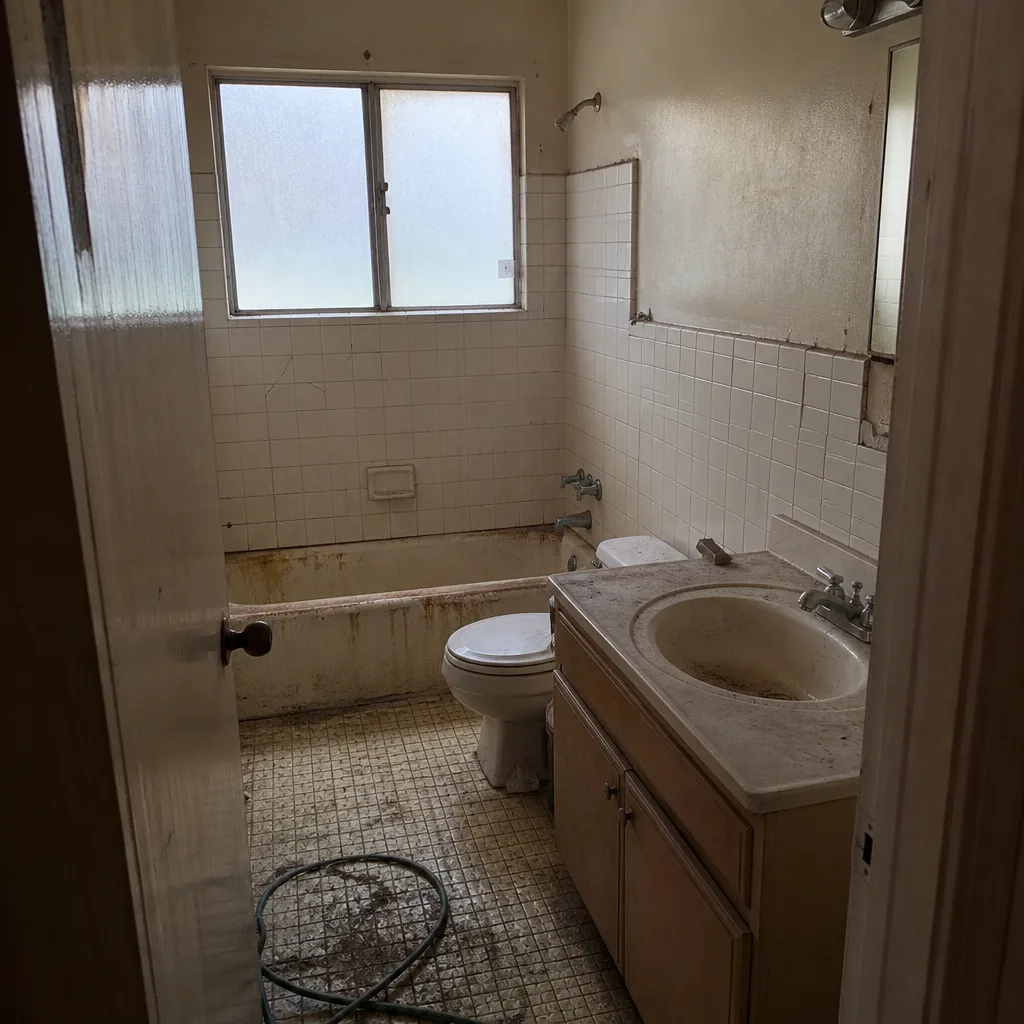 Before
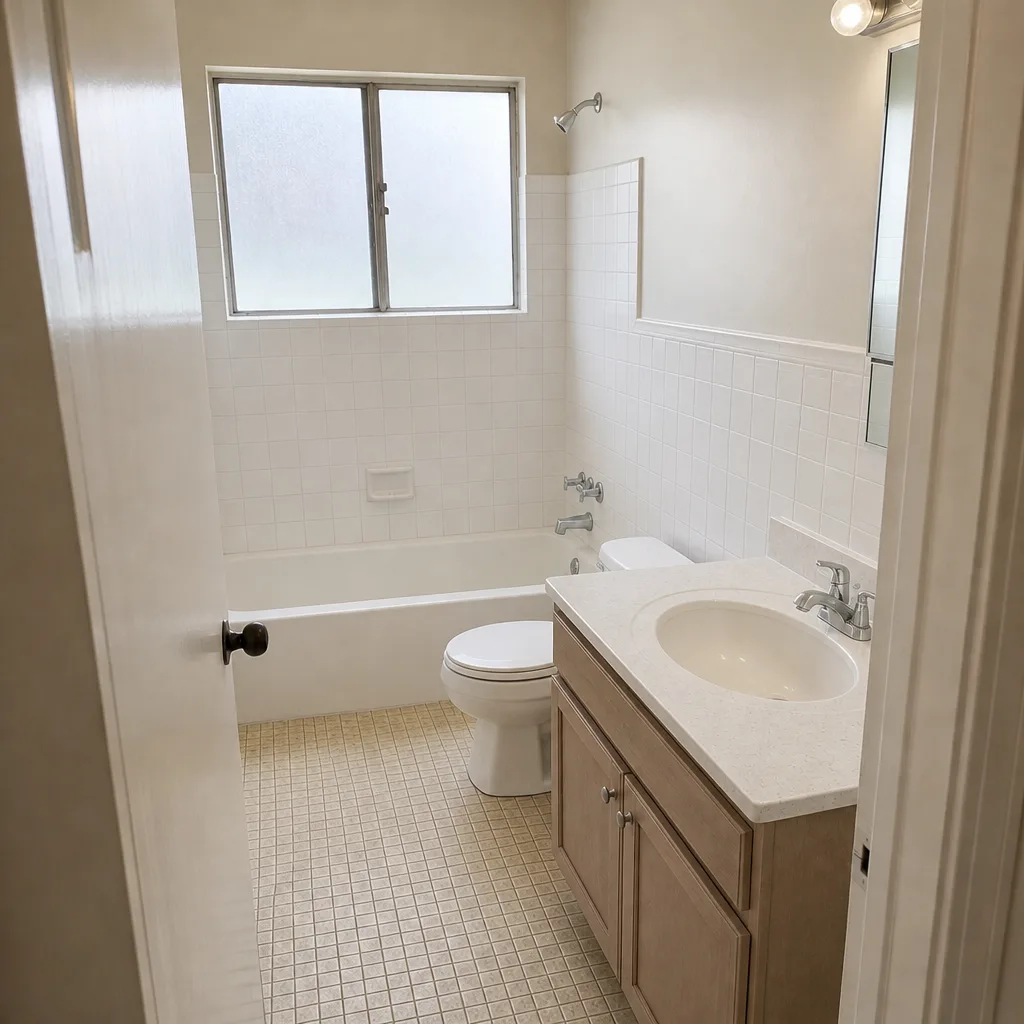 After
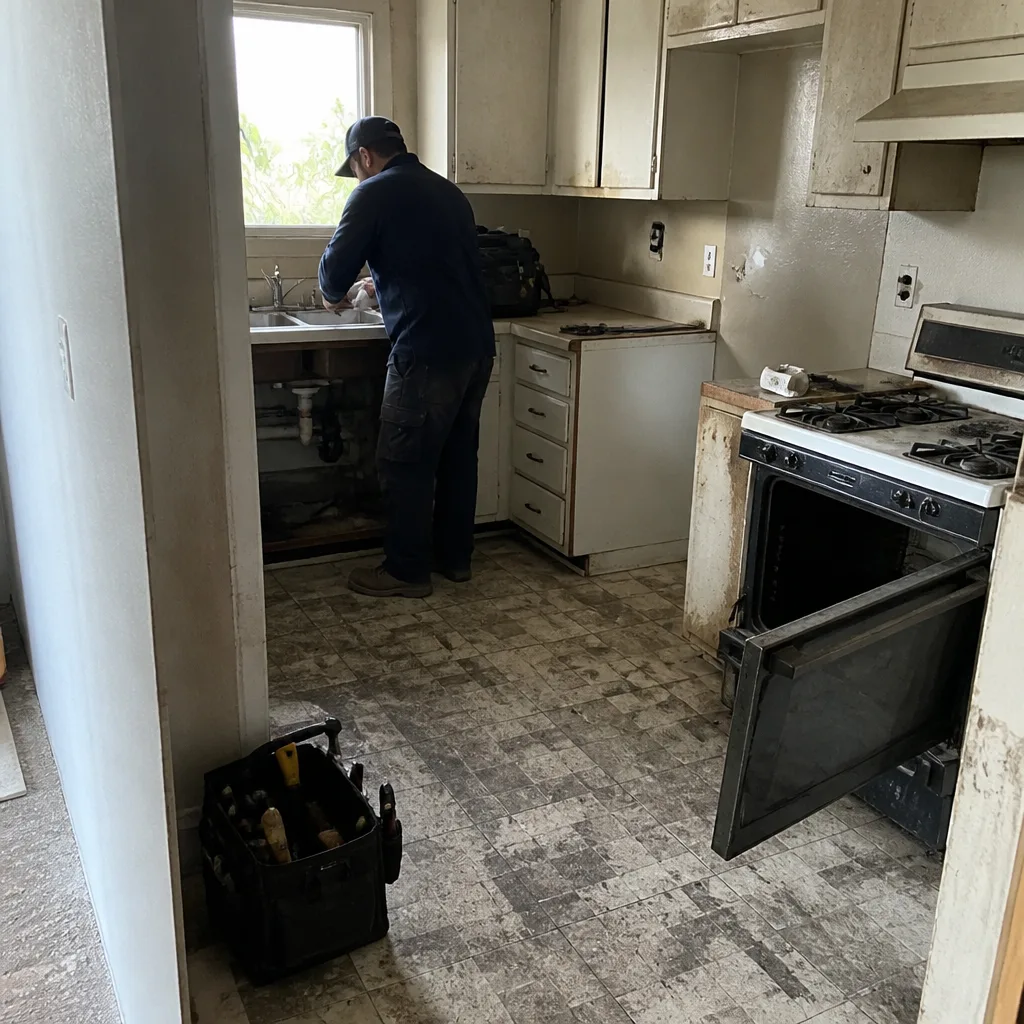 Before
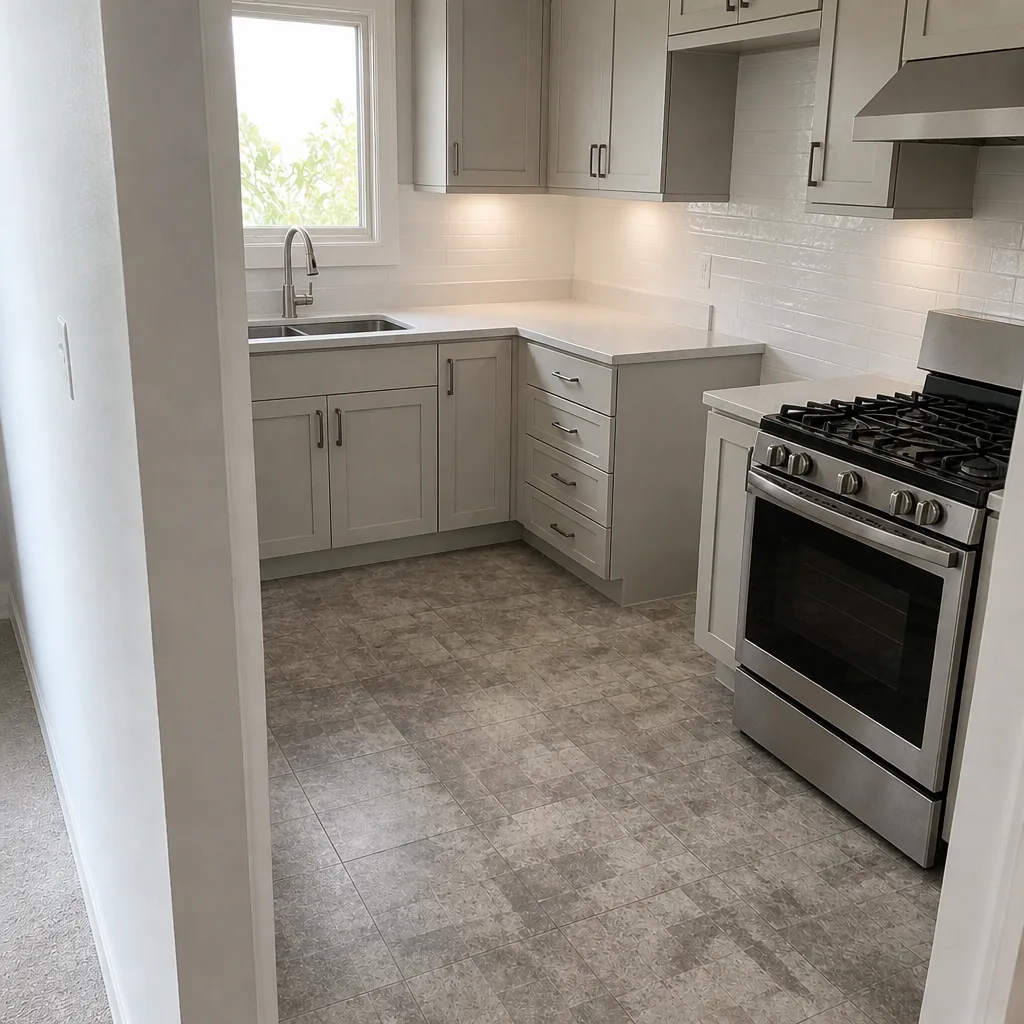 After
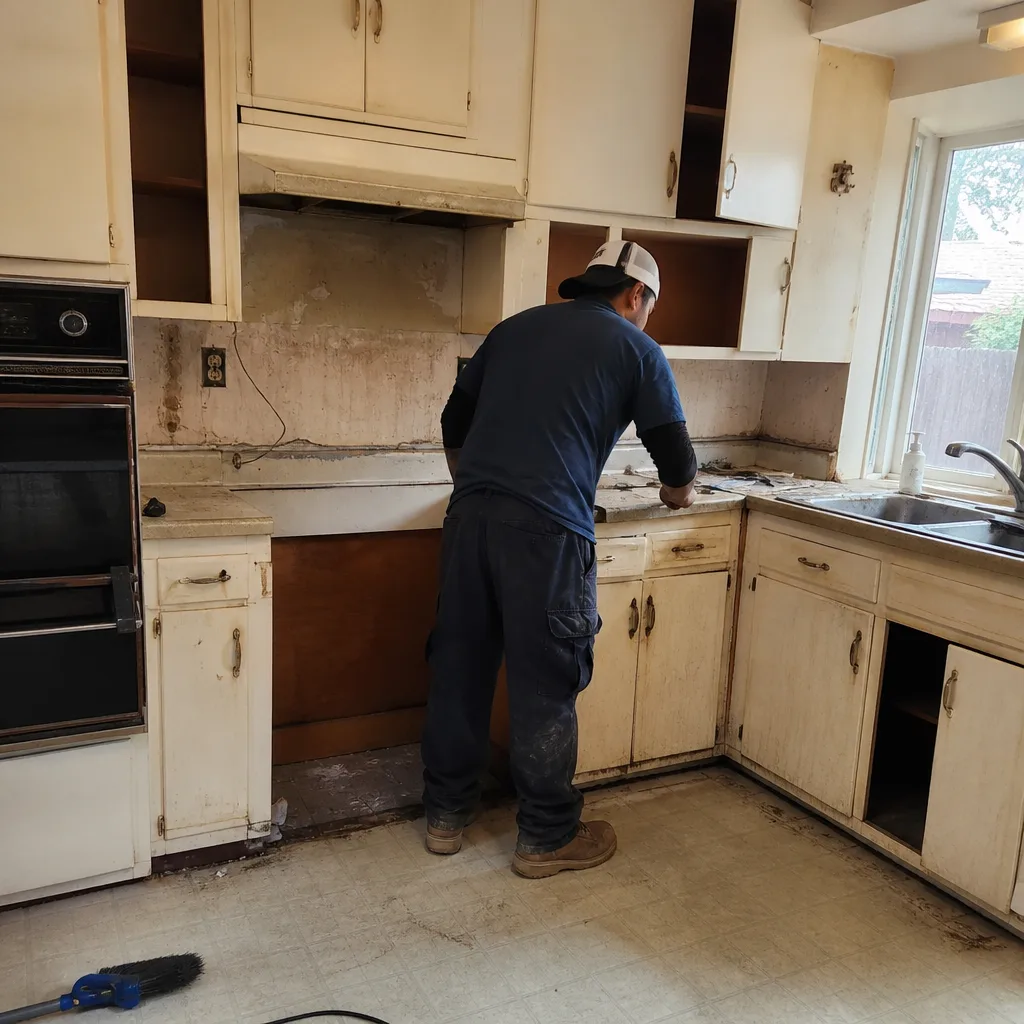 Before
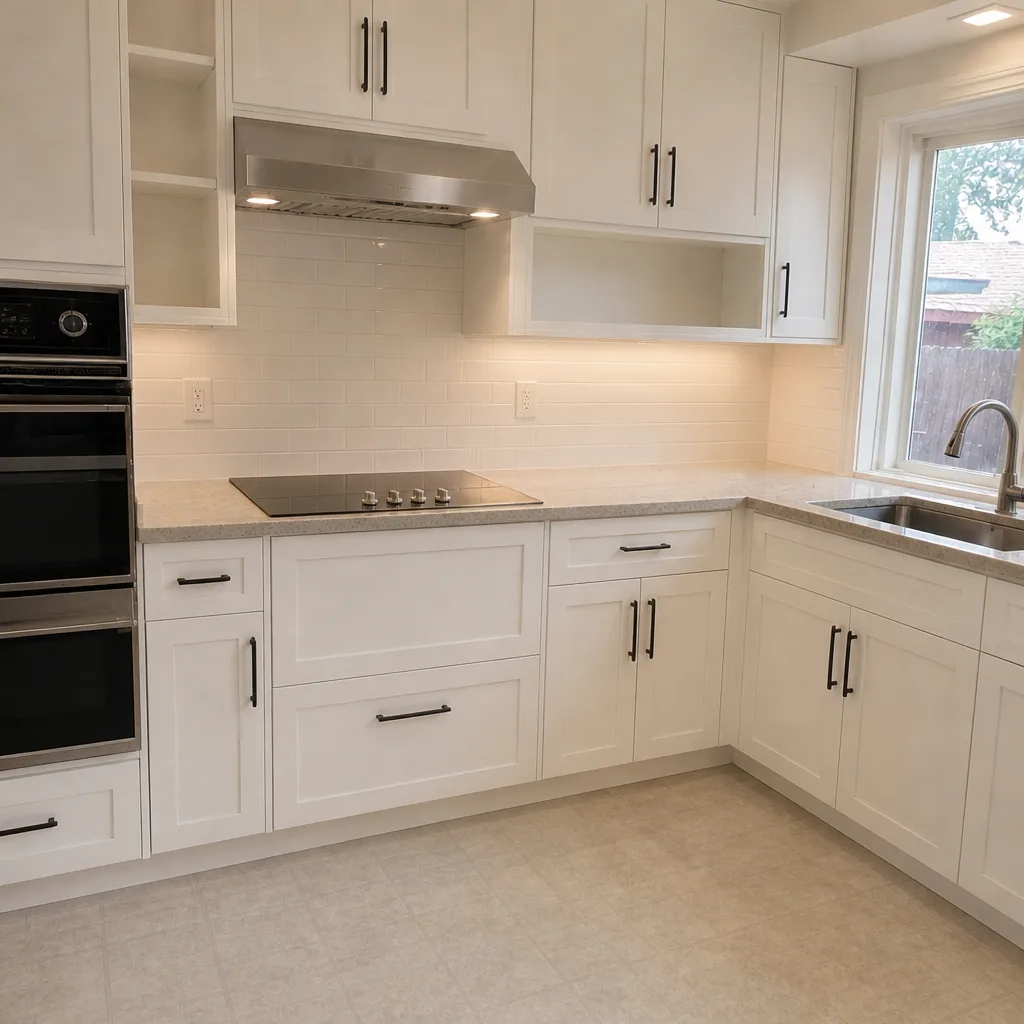 After
Common Mistakes to Avoid

- Skipping the 12-month inspection because “nothing seems wrong.” The damage you can’t see from the living room is exactly what the 12-month check exists to find. Slow plumbing weeps, a loose breaker, and a soft flashing joint all look fine from the couch.
- Caulking over failing caulk instead of removing and replacing it. New caulk won’t bond to old caulk. In Tustin’s heat, caulk that’s been painted over without removal fails within a year.
- Ignoring hairline stucco cracks that are getting bigger. A hairline crack is cosmetic; a crack that’s grown a quarter-inch in a year is telling you about movement that needs evaluating. Photograph and compare.
- Treating the addition like it’s not your problem because it’s newer. New construction actually requires more attention in the first five years, not less, because that’s when all the settling, curing, and first-wet-season testing happens.
- Letting soil pile up against the siding or foundation. Tustin’s clay-heavy soils expand and contract, and a slow buildup of soil against the base of the addition invites moisture into the wall assembly and can accelerate foundation movement.
- Not keeping any records. Warranty claims, insurance questions, and resale disclosures all go easier with a dated log and photos. Most homeowners in Tustin who have a problem at year four wish they’d kept notes from year one.
- DIYing roof or electrical work because it “looks simple.” Roof height, live electrical panels, and plumbing under pressure are the three places where a small mistake becomes a serious injury or a catastrophic loss. Hire a pro.
When to Call a Professional
Call a professional for anything involving roof height, the electrical panel, active plumbing leaks, foundation cracks wider than 1/8 inch, or any wall or ceiling stain that appears after rain. Also call if doors or windows start binding progressively, if you see efflorescence (white powder) at the base of the foundation, or if water is pooling anywhere within 10 feet of the addition. These aren’t DIY tasks; they’re signals that something in the structure or its water management needs a trained eye.
Groundwork Construction Co. of Tustin offers free estimates in Tustin – call (833) 954-6066. Every addition we build carries the 730-Day Done Right Promise, backed by a company that has completed Tustin-area construction with the same team and the same standard from foundation to finish line. If it’s not done right, we make it right, and our maintenance recommendations are the same ones we follow on our own projects.
Frequently Asked Questions
Every ADU or home addition in Tustin should get a professional inspection at the 12-month mark and annually after that. In between, do the seasonal self-checks on the spring, summer, fall, winter calendar in this guide. Roof and flashing need a check every spring and every fall, since Tustin’s dry-wet cycle puts all its stress on those transition points.
Caulk failure at the transition points between the addition and the original house is the most common issue we see on Tustin additions. The second most common is flashing failure at the new-to-old roof seam, which shows up as a ceiling stain the first big winter after install. Both are cheap to fix when caught early and expensive when ignored.
The 12-month inspection itself usually runs a few hundred dollars from an independent inspector, and less if it’s part of a maintenance contract. If anything traced back to workmanship on an addition we built, the 730-Day Done Right Promise covers the repair; the inspection cost is a few hundred dollars well spent regardless, because it catches the kind of problem that runs into four figures if it waits. Call (833) 954-6066 to talk through what the inspection should cover.
Most routine maintenance (caulk, painting, gutter cleaning, replacing a smoke detector) doesn’t require a permit in Tustin. Repairs that involve structural work, electrical panel changes, plumbing line replacement, or roof replacement typically do. Any contractor you hire should tell you clearly whether a permit is required; if they can’t answer that, that’s a flag. Call (833) 954-6066 if you’re unsure about a specific repair.
A well-built ADU with a documented maintenance schedule will comfortably last 50 to 70 years, sometimes longer. The framing, siding, and roofing on modern construction are rated for that lifespan. The parts that fail early are almost always the seals, flashings, and drainage, which is why the first five years of maintenance matter so much more than the next forty-five.
Yes. Groundwork Construction Co. of Tustin handles maintenance and repair on Tustin-area additions regardless of who built them. We’ll inspect, document what we find, and give you a written line-item quote before any work starts, so the pricing is upfront with no surprises. Call (833) 954-6066 for a free estimate.
The Bottom Line
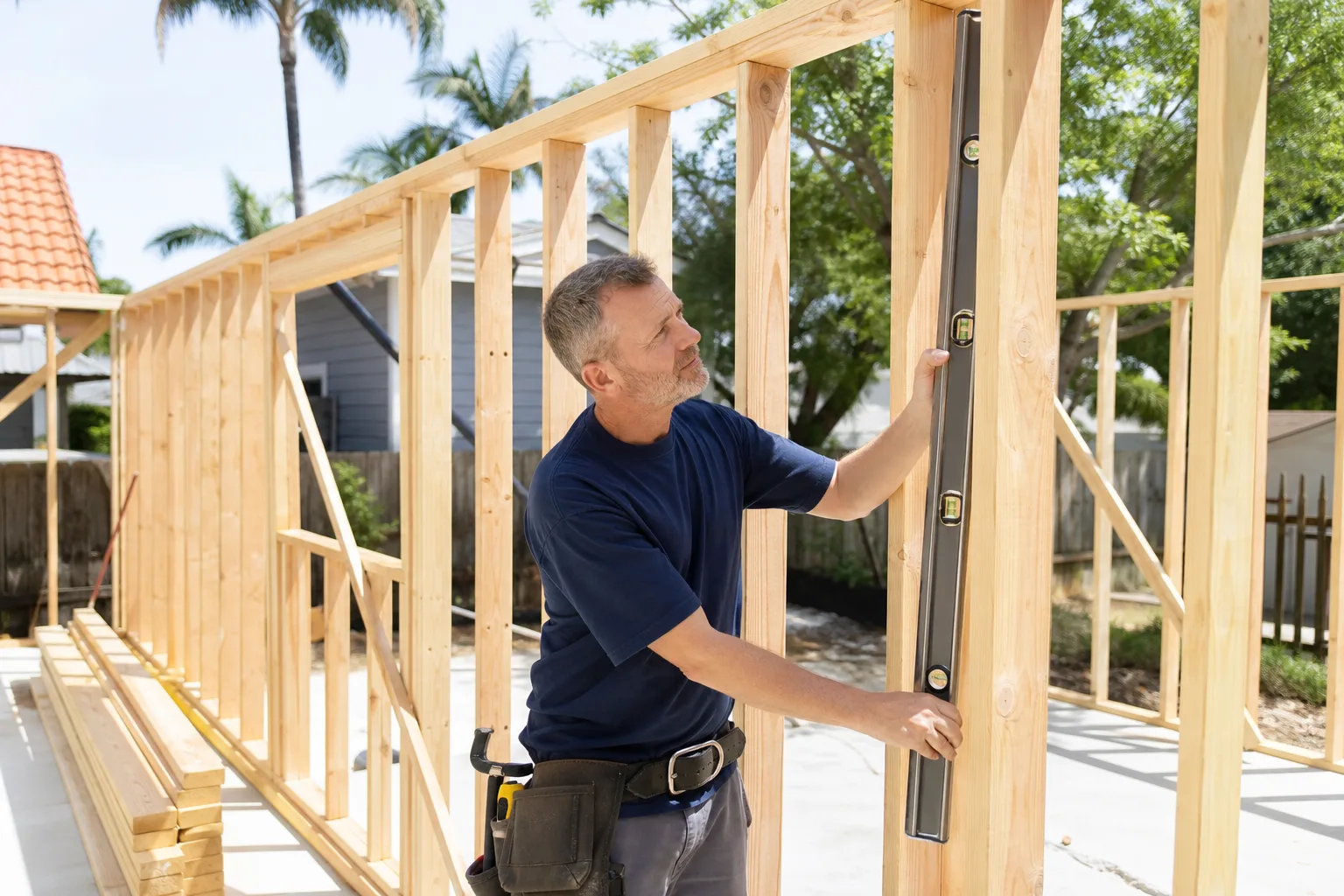
The first five years after your addition is finished are the years that determine whether it lasts 50 or 70. Watch the settlement and caulk in year one, get a professional inspection at 12 months, keep the roof and flashing on a spring-fall cycle, and match your exterior touch-ups to the specific material on your walls. Print the seasonal checklist, keep a dated log with photos, and call a pro for anything involving roof height, the electrical panel, active plumbing, or cracks that are growing. A few hours a year protects an investment that took a year to build. That’s a trade any Tustin homeowner should take.
For a free project estimate and design consult anywhere in the Tustin area, call Groundwork Construction Co. of Tustin at (833) 954-6066. Calls are answered by a live person, 24 hours a day, 7 days a week, and every project is backed by the 730-Day Done Right Promise plus 0% financing for 18 months and $1,000 off projects over $10,000.
Written by the team at Groundwork Construction Co. of Tustin.