Last updated November 17, 2026

Free written scope consultation - allowances, timeline, and change-order rules on paper before a single trade is scheduled
Home Additions & ADU Warning Signs Every Homeowner Should Know
Nine out of ten home addition disputes that end in litigation were preventable at the contract stage. The red flags were there, in writing, before a single dollar changed hands. That’s the part most homeowners never hear, because by the time they’re sitting across from a mediator, the contract is already signed and the framing is up. This guide walks through the specific language, behaviors, and permit signals that tell you a project is heading sideways long before the first truck pulls up. We’ve watched these warning signs play out on plenty of Tustin lots, and we’ve watched homeowners catch them early and save themselves a year of stress.
Quick Answer
The biggest warning signs of a bad home addition or ADU project appear before construction starts: vague contract language with unpriced allowances, a contractor who dodges permits or won’t produce a CSLB license number, refusal to name their subcontractors, and payment schedules that outpace work completed. If you see two or more of these, pause the project. Catching these signals at the bid stage is the difference between a smooth build and a legal fight.
Styles & brands we work with
- Kitchen remodeling
- Bathroom remodeling
- Home additions & ADU
- Roofing
- Windows & doors
- Driveway & pavers
- Fence
Table of Contents
- Contract language red flags
- Permit warning signs
- Subcontractor transparency: why it matters
- Mid-construction behavioral signals
- Financial warning signs
- How a well-run ADU or addition build actually looks
- Tustin-specific red flags
- Common mistakes to avoid
Contract Language Red Flags: What to Read Twice Before Signing
The contract is where warning signs hide in plain sight. When we review contracts homeowners have already signed with other builders, the same three problems show up again and again. Every one of them shifts risk onto you, and every one of them can be fixed before signing.
Allowances that aren’t line-itemed
An allowance is a placeholder budget for a material line – “lighting allowance: $1,500” – that’s meant to be trued up when you actually pick the fixtures. In a bad contract, allowances are stacked deep, undercounted, and there’s no rule about what happens when you go over. A $1,500 lighting allowance on a 500-square-foot addition that needs recessed cans, a service upgrade, and exterior sconces will run you $3,200 in real materials, and the change order eats the difference plus markup. A clean contract line-items every allowance and states whether the contractor marks up overages.
Missing material specifications
Any contract that says “tile per homeowner selection” without brand, model, or grade allows substitution. The trim you were shown in the showroom becomes a thinner gauge. The window spec that said “vinyl” quietly ships in a lower performance tier than the one you priced. Real specifications name the brand and the product line. Groundwork has built its contractor-side reputation on standing relationships with names like Andersen and Marvin for windows, GAF and Owens Corning for roofing, and KraftMaid and Cambria for kitchens and cabinetry – because specified brand materials make substitution obvious and preventable.
Change order clauses with unlimited markup
Look for the language that gives the contractor “cost plus” authority for changes without a cap or a homeowner approval threshold. A reasonable change order structure requires your written approval for every change, defines the markup percentage before you sign, and forbids work outside the scope without a signed change order. A clause that lets the contractor order materials “as needed” and bill you later isn’t a change order – it’s an open-ended checkbook.
- Every allowance line-itemed with a dollar cap and a stated overage policy
- Brand and model specifications for windows, roofing, fixtures, doors, tile, and cabinetry
- Written change order process, with markup percentage fixed in the contract
- Retention held until final inspection is passed
- Lien waivers from subcontractors tied to each payment
Permit Warning Signs: The Signals Most Homeowners Miss
Permits are where the real character of a contractor gets tested. In Tustin, a home addition or ADU means pulling permits from the city’s building department, complying with California’s ADU statute (including the current setback, height, and parking rules), and passing foundation, framing, rough-in, and final inspections. A contractor who is fine with any of that will tell you so, in writing, up front.
They discourage pulling permits
If your contractor suggests skipping the permit because “it’s faster” or “nobody will notice,” walk away. Unpermitted additions create real problems when you sell: lenders balk, appraisers flag it, and the city can require demolition. Tustin code enforcement has cracked down on unpermitted second units, and a homeowner who inherited the violation pays for the correction, not the contractor who built it.
They suggest you pull an owner-builder permit “to save money”
Owner-builder permits sound like a shortcut. What they actually do is shift legal liability entirely onto you. Under California law, if you take an owner-builder permit, you’re the general contractor – responsible for workers’ comp, jobsite safety, code compliance, and warranty. Two things you should know: (1) an owner-builder permit is only legal if you personally do the work or directly control the project, and (2) a contractor who recommends this is telling you they don’t want to be on the hook for their own work. That’s the opposite of a warranty.
They can’t produce a CSLB license number on request
Ask for the license number at the first meeting and pull it up yourself on the Contractors State License Board website. Anything short of a clean, active number matching the contractor’s legal name and the specialty classifications they need (B – General Building for a full addition) is a red flag. A contractor who fumbles this question or claims they’ll “email it later” is telling you exactly what accountability will feel like once you’re three months in.
Subcontractor Transparency: Why It Matters Before You Sign
A general contractor is a project manager. On a home addition or ADU, they’re coordinating structural framing, electrical, plumbing, HVAC, drywall, roofing, and finish trades – most of them independent subcontractors, not employees. The quality of your build is the quality of those subs. If the GC can’t or won’t tell you who’s running structural, electrical, and plumbing while you’re still in negotiations, that’s not discretion. That’s a signal.
Good GCs name their subs because they’re proud of them. They’ve verified the subs’ licenses, insurance, and workers’ comp, and they know who’s showing up on Monday. Evasiveness here usually means one of three things: the sub lineup is a revolving door, the subs aren’t licensed or insured (verifiable), or the GC is bidding low with subs they haven’t staffed yet.
- Ask for the structural, electrical, and plumbing sub by name and license number
- Confirm they carry their own general liability insurance and workers’ comp
- Ask how long the GC has been working with each sub
- Ask what happens if that sub walks off mid-project
We connect homeowners with independent local professionals who perform the work, and we expect every one of those subs to be verifiable, licensed, and accountable. Background-checked, uniformed technicians on every job isn’t just good presentation – it’s how you know the person framing your addition has been vetted before they set foot on your property.
Mid-Construction Behavioral Signals That a Project Is in Trouble
Most projects that go bad don’t collapse in a day. They send quiet signals for weeks. Watch for these – each one on its own is a concern, three or more in a week is a conversation.
- The crew disappears for more than three consecutive workdays with no communication. Weather, inspection schedules, and material delays create legitimate pauses. A professional tells you about them in advance. Silence for a week is a cash flow problem, a staffing problem, or both, and you’re about to inherit it.
- Materials are delivered and left uncovered. Lumber, drywall, and windows sitting exposed to Southern California sun and unexpected rain degrade fast. Tustin’s summer heat warps unsecured framing within days. A crew that leaves a $4,000 window package leaning against a fence isn’t going to protect your finished floors either.
- Inspections get avoided instead of scheduled. Rough-in inspections are a milestone, not an obstacle. If the contractor keeps “pushing” the framing inspection, or schedules drywall before the electrical rough-in has been signed off, they’re hiding something from the inspector – and it’s going on your property record.
- Communication shifts to text-only and goes quiet when you ask questions. A contractor who suddenly stops taking calls has a cash flow squeeze or a sub problem. Both affect you first.
- The site is dirty. A disorganized jobsite correlates with disorganized subcontractor scheduling. Cut-offs, fasteners, and food waste left around an addition also tell you the crew isn’t taking final cleanup seriously.
Financial Warning Signs: How Payment Schedules Reveal Everything
Money is where the contract either protects you or doesn’t. Three financial signals tell you a project is being run badly (or dishonestly) long before the overruns show up.
Payment that outruns completion
Standard practice is payment tied to milestones, with the largest draws following inspection sign-offs. If your contractor asks for a 50% deposit with nothing on the site, or requests a payment for work “in progress” that hasn’t visibly advanced, that’s a cash flow crisis being paid forward. A reasonable structure holds 10-15% retention until final inspection and walk-through.
Cash-only demands
Cash-only is one of the oldest warning signs in construction. Cash payments are hard to trace, don’t generate a paper trail for a lien dispute, and often indicate the contractor isn’t carrying workers’ comp or liability insurance – both legal requirements for any licensed California contractor doing work over $500. Cash only means no protection for you.
Pressure to release retention early
Retention exists to make sure the punch list gets done and final inspection passes. If a contractor asks you to release retention “just to cover the last sub” before final inspection is signed off, you lose your only leverage. Every trade that hasn’t been paid yet can file a mechanic’s lien against your home. Hold the retention until you have a signed final inspection and a walk-through with punch items closed.
- Deposit under 10-15% of contract value
- Payments tied to inspection milestones, not calendar dates
- Lien waivers from subs with every draw
- Retention of 10-15% held until final inspection and walk-through
- All payments by check or card, never cash
How a Well-Run ADU or Addition Build Actually Looks
The fastest way to spot a bad process is to know what a good one looks like. This is where the 80% of the guide that’s genuinely useful for you comes from – a reference point for the next contractor you interview.
A well-run ADU or addition starts with a written scope and a line-itemed bid. Every material category is specified. Financing terms are documented. The permit path is mapped out in writing, and the contractor confirms they’re pulling the permits in their name. The subcontractor list is provided with licenses and insurance certificates. The payment schedule ties to inspections. If you’re considering a prefab or panelized ADU, brands like Abodu, Cover, Dvele, and Mighty Buildings bring a well-documented process to foundation, utility hookups, and final inspections – the same milestones matter whether the shell arrives on a trailer or gets framed on site.
- Written scope and line-itemed bid with material specs
- Permit plan reviewed with the homeowner before signing
- Subcontractor list with license numbers and insurance
- Payment schedule tied to inspection milestones
- Retention held until final inspection and walk-through
- Written warranty on workmanship, provided before first day
Our version of that last point is the 730-Day Done Right Promise – if it’s not done right, we make it right, and it’s one of the longest workmanship guarantees in the residential construction space. We tie the number to the work, not to a slogan.
Tustin-Specific Red Flags: Code, Climate, and Local Market Habits
Some warning signs are universal. Others show up specifically because you’re building in Tustin.
Contractors who don’t understand California’s ADU statute
California law preempts many local restrictions on ADUs, including some setback and parking requirements, and mandates approval timelines the city has to follow. A contractor who tells you “Tustin won’t approve that” without citing the specific code section is either out of date or bluffing. The city has processed a wave of ADU applications in the last few years, and a contractor who has actually built here knows what the plan-check comments look like.
Foundation designs that ignore Tustin’s soil
Tustin sits on a mix of alluvial soils and older infill lots, and the eastern edge of the city runs into the foothills where expansive clay shows up. An addition or ADU foundation that ignores soil conditions cracks within a few seasons. A geotechnical report and an engineered foundation design are not optional extras on a Tustin lot; they’re the baseline. Ask any contractor what their foundation approach is, and how they plan to verify soil conditions before the pour.
Heat and wind exposure
Santa Ana wind events and summer heat spikes push 100 degrees through Tustin regularly. That’s fine if the contractor is protecting materials and scheduling exterior stucco and roofing work around the seasonal pattern. It’s not fine if the crew leaves exterior sheathing exposed during a Santa Ana window and then paints over damage.
Neighborhood permitting habits
If you’re building in a neighborhood like Old Town Tustin, the historical character of the surrounding blocks can shape what design review accepts. A contractor familiar with Tustin projects knows which neighborhoods have design review quirks and which don’t. Two contractors with the same license number can have wildly different track records in Tustin specifically. Ask for addresses of completed additions you can drive past.
Common Mistakes to Avoid
- Signing with a contractor who won’t put the completion date in writing. A written schedule with a substantial completion date is standard. Verbal “we’ll be done around spring” is not a schedule – it’s a wish. In Tustin’s permitting cycle, plan-check alone can add six to eight weeks, and a contractor who can’t sketch out the realistic timeline is telling you they haven’t done one recently.
- Choosing the lowest bid without comparing line items. The lowest bid is almost always the bid with the thinnest material specifications and the most allowances. Compare the actual scope side by side before you compare totals. A $20,000 gap between bids usually means $40,000 of missing items.
- Paying for materials the contractor hasn’t ordered. A deposit that covers mobilization and rough materials is fine. A deposit covering materials that haven’t been ordered lets the contractor ride your money for months. Ask for order confirmations from suppliers before you fund a draw.
- Letting a “no problem” answer to a technical question go unchecked. When you ask about foundation, drainage, or structural openings and get “no problem, we do this all the time,” ask a follow-up. Ask what they’ve done in Tustin specifically. Ask to see it. Evasiveness on technical questions is one of the loudest warning signs.
- Skipping the written warranty review. A warranty that says “workmanship warranty of one year” is not the same as two. It also means nothing if it excludes the exact category of work most likely to fail. Ask what’s covered, what’s excluded, and what the process is for a claim. Our 730-Day Done Right Promise exists because that’s the length of coverage a structural addition should have.
- Ignoring the jobsite behavior of the subcontractors. Trades who show up in unmarked vehicles, don’t introduce themselves, or show up with different crews every day are a warning sign about how the GC staffs their work. Background-checked, uniformed technicians aren’t a formality; they’re a proxy for whether the GC vets their subs at all.
- Assuming a permit is a formality. In an addition or ADU, the inspections are the quality control. A framing inspection catches structure problems before drywall. A rough-in inspection catches plumbing and electrical before they’re buried. Skipping or dodging inspections isn’t saving money; it’s deferring the cost of corrections to future you.
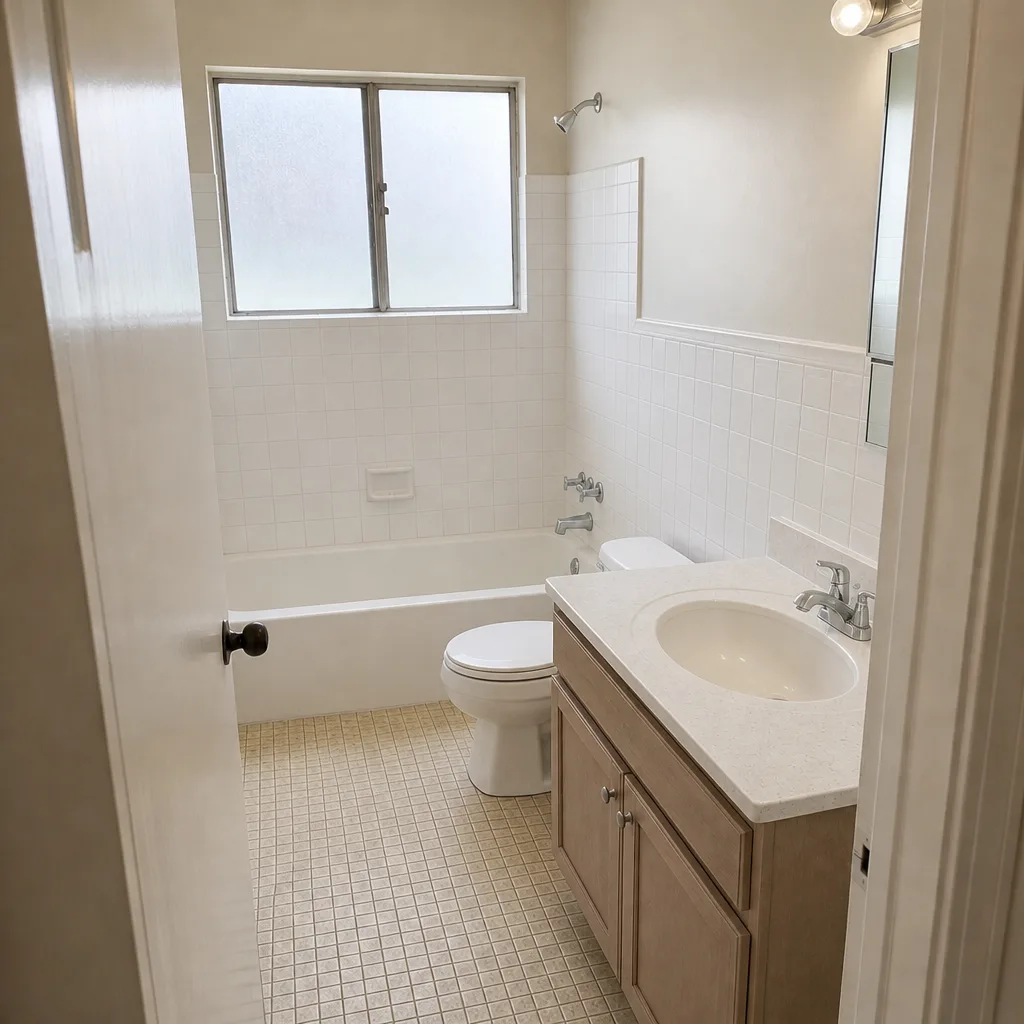
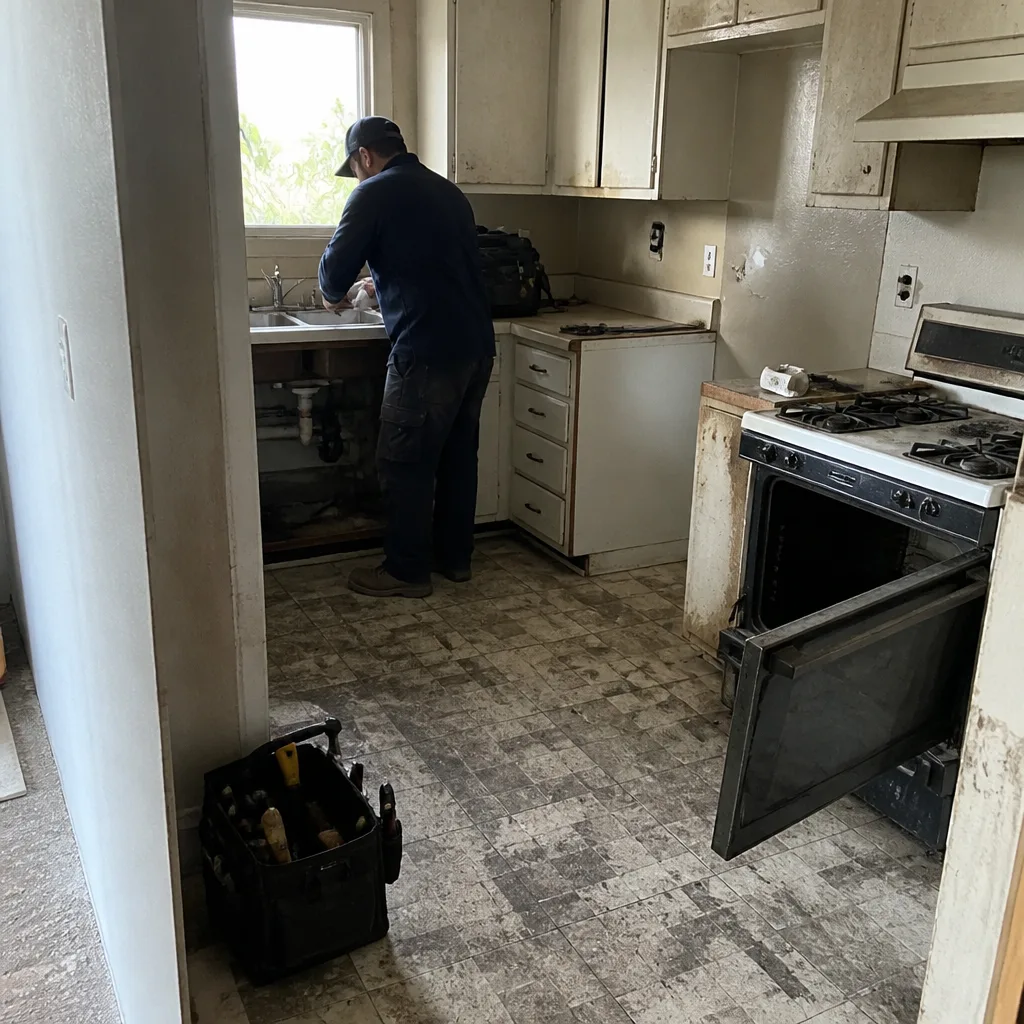
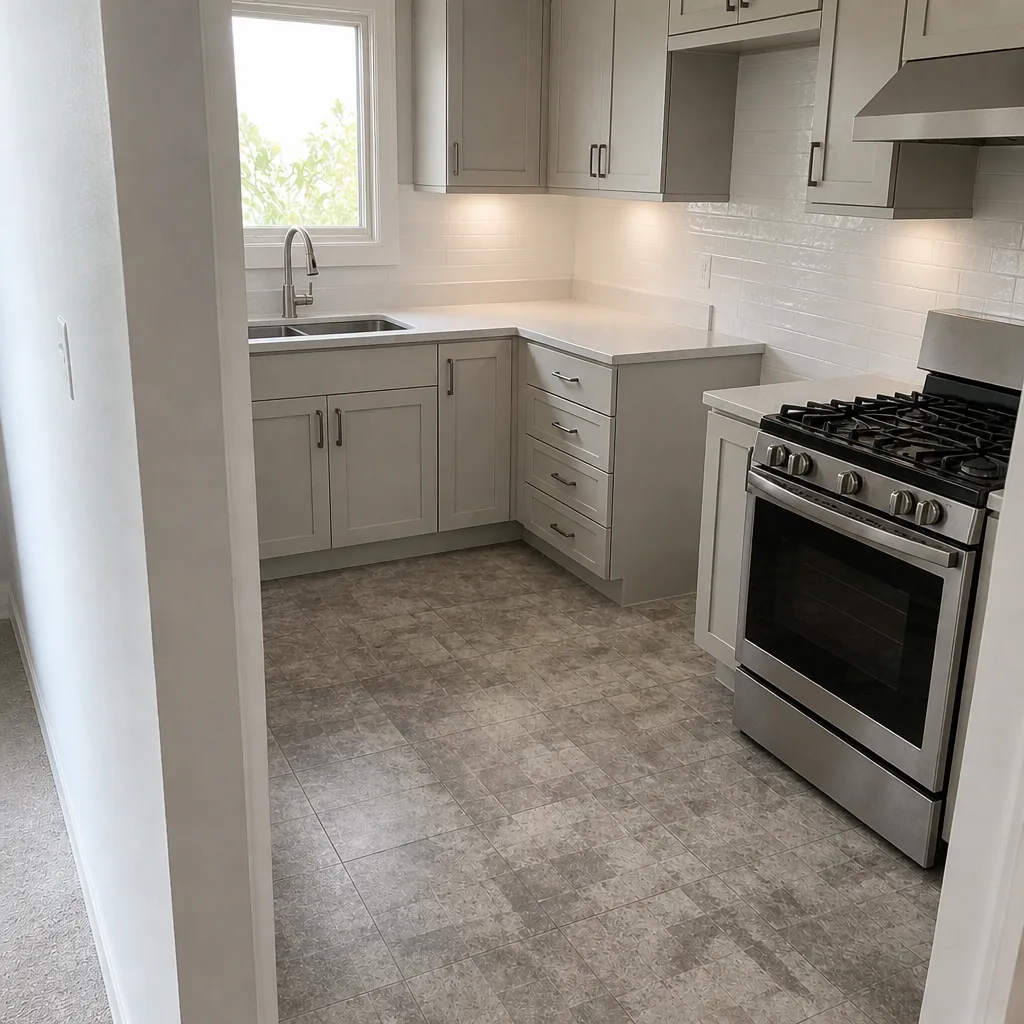
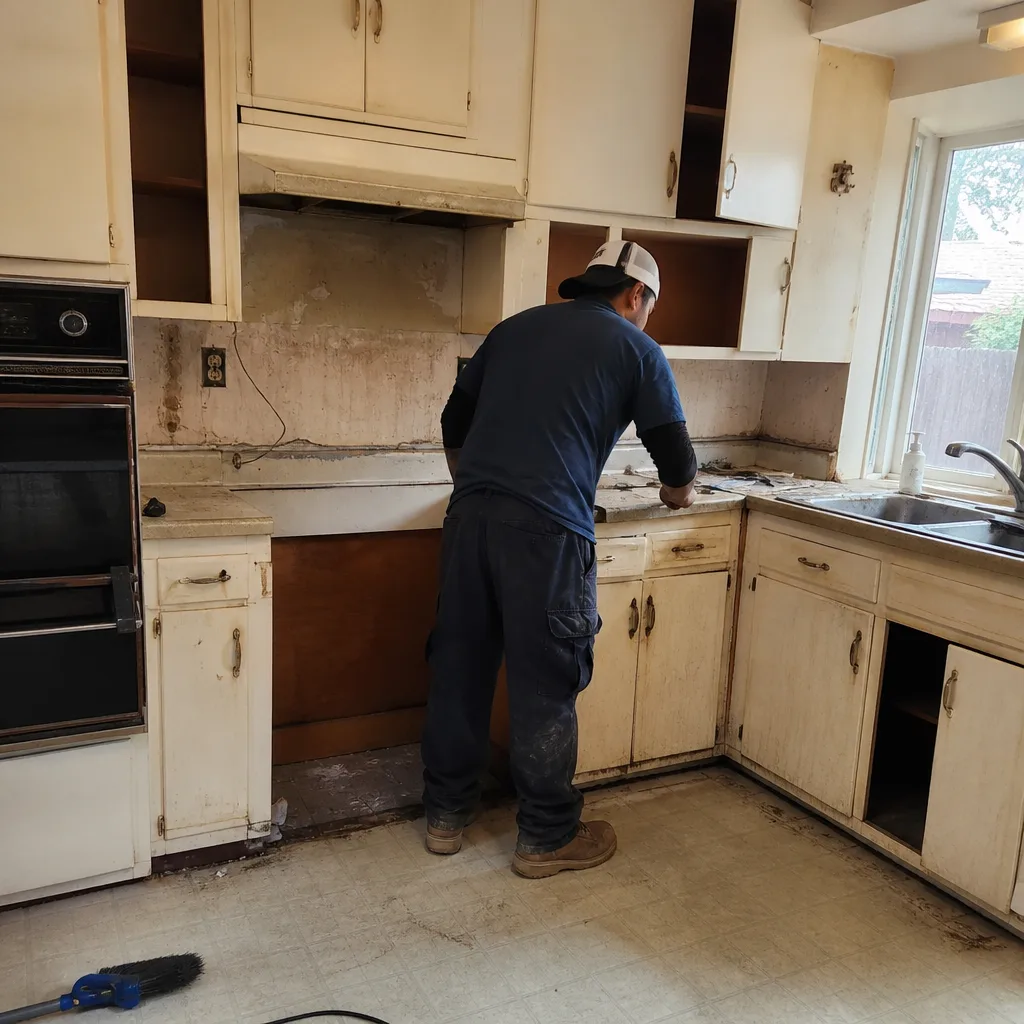
See the difference
 Before
 After
 Before
 After
 Before
 After
When to Call a Professional
Call a professional the moment any of these show up: your contractor advises pulling the permit in your name, asks for cash, won’t provide the CSLB license number, can’t name their structural or electrical sub, or demands a draw that outruns the work on the ground. Those are not yellow flags – they’re red. If you’ve already signed and one or more of these is in play, get a second opinion on the contract before more money moves. And if you’re still in the shopping phase, get the permit path reviewed by someone who knows Tustin code before you sign anything.
Groundwork Construction Co. of Tustin offers free estimates in Tustin – call (833) 954-6066. Estimates are free, values are written, and the work is covered by the 730-Day Done Right Promise.
Frequently Asked Questions
The single biggest warning sign is a contractor who discourages or deflects pulling permits. It signals they’re either not licensed for the work, not insured, or not confident their work will pass inspection. In Tustin, an ADU without a proper permit creates sale, refinance, and enforcement problems down the line. Call (833) 954-6066 for a free estimate on a permitted ADU project.
Ask for the license number at the first meeting, then look it up on the Contractors State License Board website. The number should be active, in the contractor’s legal name, and carry the classifications the project requires – B for a full addition, C-10 for electrical, C-36 for plumbing. Any fumble on this question is a reason to end the interview. Call (833) 954-6066 for a free estimate.
No, not for a project you’re hiring a contractor to build. California law restricts owner-builder permits to homeowners who personally perform or directly control the work. Taking owner-builder on an addition or ADU transfers workers’ comp liability, code compliance, and warranty obligations onto you – and it usually voids the contractor’s insurance. Call (833) 954-6066 for a free estimate on a properly permitted project.
A 10-15% deposit tied to mobilization and rough materials is standard for a Tustin addition or ADU. Anything above 20% before work starts is a warning sign, and any request for cash is a hard stop. Payments should be tied to inspection milestones, with 10-15% retention held until final inspection and walk-through. Call (833) 954-6066 for a free estimate with upfront pricing.
Realistically, plan-check through final inspection runs 6-12 months for a custom stick-built ADU in Tustin, depending on foundation complexity, plan-check comments, and utility coordination. Prefab or panelized ADUs from manufacturers like Abodu, Cover, Dvele, or Mighty Buildings can shorten the on-site build portion to weeks, but site work, utility trenching, and inspections still take time. Call (833) 954-6066 for a free estimate and a realistic written schedule.
The 730-Day Done Right Promise covers workmanship for 730 days from completion – if it’s not done right, we make it right. That’s one of the longest workmanship guarantees in the residential construction space, and it applies to every project we build. Call (833) 954-6066 for a free estimate and a written copy of the promise before you commit.
The Bottom Line
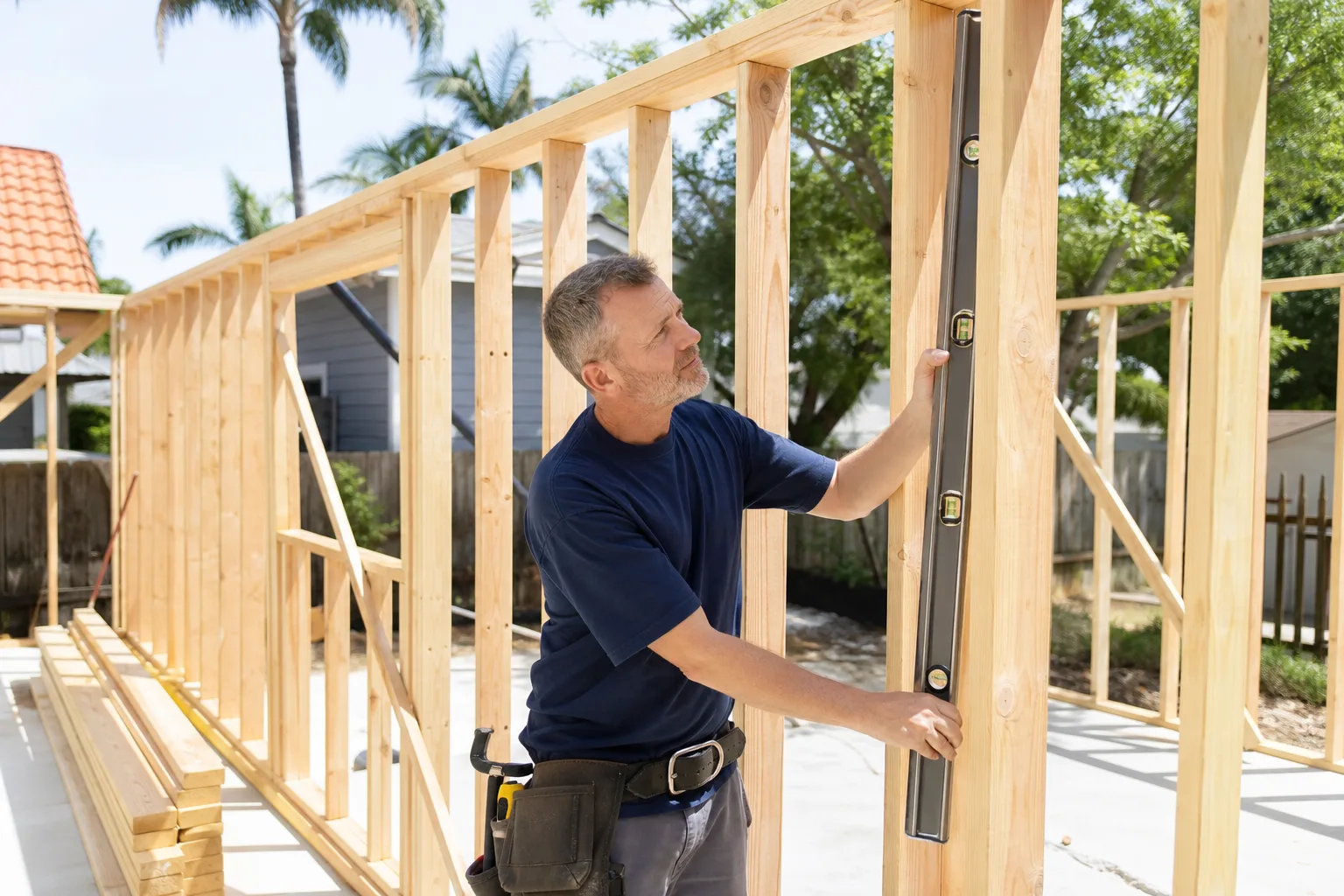
The warning signs that a home addition or ADU will go sideways are almost always visible at the contract stage: unspecified allowances, missing material specs, open-ended change order language, permit avoidance, undisclosed subs, and payment schedules that outrun the work. If you catch two or more of these, don’t sign. If you’re still shopping, get a written scope, a permit plan, a subcontractor list, and a warranty in hand before money moves. Tustin adds its own wrinkles – ADU statute compliance, soil conditions, and summer heat – and the contractor who knows them shows it in how they talk about your build. Groundwork Construction Co. of Tustin answers calls live 24/7, prices upfront with no surprises, and backs every project with the 730-Day Done Right Promise. Call (833) 954-6066 to schedule your free project estimate and design consult.
Written by the team at Groundwork Construction Co. of Tustin.
Explore our full Groundwork Construction Co. of Tustin home service lineup, compare our Home Additions & ADU in Tustin work, and see the trades that finish the outside of the build: Driveway & Pavers in Tustin and Fence Installation in Tustin.