Last updated November 17, 2026






Free written scope consultation - allowances, timeline, and change-order rules on paper before a single trade is scheduled
Fence Installation Maintenance Schedule: What to Do and When
Applying wood stain to a fence in August in Southern California is one of the most common and expensive maintenance mistakes we see. The product flash-dries on contact with the hot board surface and never penetrates the grain, so it peels within a season while the homeowner assumes the stain was defective. Late September through October is the correct application window here in Tustin, and almost no one tells homeowners that. The same kind of material-specific timing trap exists for vinyl, aluminum, and wrought iron, and mixing up the schedules is how people either skip the work that matters or spend money treating problems that don’t exist. This guide is built by material, not by generic season, because a vinyl panel and a cedar post age on completely different clocks.
Quick Answer
Fence maintenance should be scheduled by material, not by season alone. In Tustin, wood fences need staining in the late September to October window and post-base probing every spring; vinyl needs a soft wash twice a year with no pressure above about 1,500 PSI; aluminum needs hardware and fastener checks each spring; and wrought iron needs annual rust touch-up and re-oiling of gate hardware. The single most important habit is documenting condition each year with dated photos so you have a baseline if a warranty or insurance claim ever comes up.
Styles & brands we work with
- Kitchen remodeling
- Bathroom remodeling
- Home additions & ADU
- Roofing
- Windows & doors
- Driveway & pavers
- Fence
Table of Contents
- Why Material Determines the Schedule, Not the Season
- Wood Fence Maintenance Calendar
- Vinyl Fence Maintenance Calendar
- Aluminum Fence Maintenance Calendar
- Wrought Iron Fence Maintenance Calendar
- The Post Base Inspection Protocol
- Gate Hardware Lubrication Schedule
- The Annual Documentation Practice
Why Material Determines the Schedule, Not the Season
Most fence maintenance advice is organized around the calendar: “spring cleaning, fall prep, winterize.” That framework was written for four-season climates and it falls apart in Tustin, where we don’t get a hard freeze to reset wood, but we do get dry Santa Ana winds in fall and a marine layer that keeps morning humidity high. A wood fence here dries out and checks in ways a Minnesota fence never will, and a vinyl fence here gets a different UV load than anywhere in the country.
The material is the real variable. Wood is porous and moves with moisture, so its maintenance is about timing application to the right temperature and humidity window. Vinyl is non-porous and its enemy is chemical, not weather: the wrong cleaner etches or yellows the surface permanently. Aluminum is coated and its maintenance is mostly about fasteners and the coating edges. Wrought iron is the only one that actively rusts, so its schedule is driven by rust inspection and touch-up.
We’ve watched homeowners in Tustin spend $600 re-staining a fence that only needed a wash, and we’ve watched others ignore a wood post that was rotting at the base until the whole run leaned. Both are schedule failures. The right question isn’t “what month is it,” it’s “what is this fence made of and what does that material do over twelve months in this climate.”
What each material actually needs
- Wood: cleaning, staining in a narrow temperature window, and annual post-base inspection for rot.
- Vinyl: soft washing, no harsh solvents, low-pressure rinse, and inspection of post caps and top rails.
- Aluminum: fastener tightening, coating-edge inspection, gate alignment, and cleaning of salt and dust buildup.
- Wrought iron: rust inspection and touch-up, plus oiling of every moving gate part.
If you’re still deciding which material to install, our Fence Installation in Tustin page walks through the trade-offs we see most often on local properties. The maintenance schedule you’re willing to keep should be part of that decision, not an afterthought.
Wood Fence Maintenance Calendar
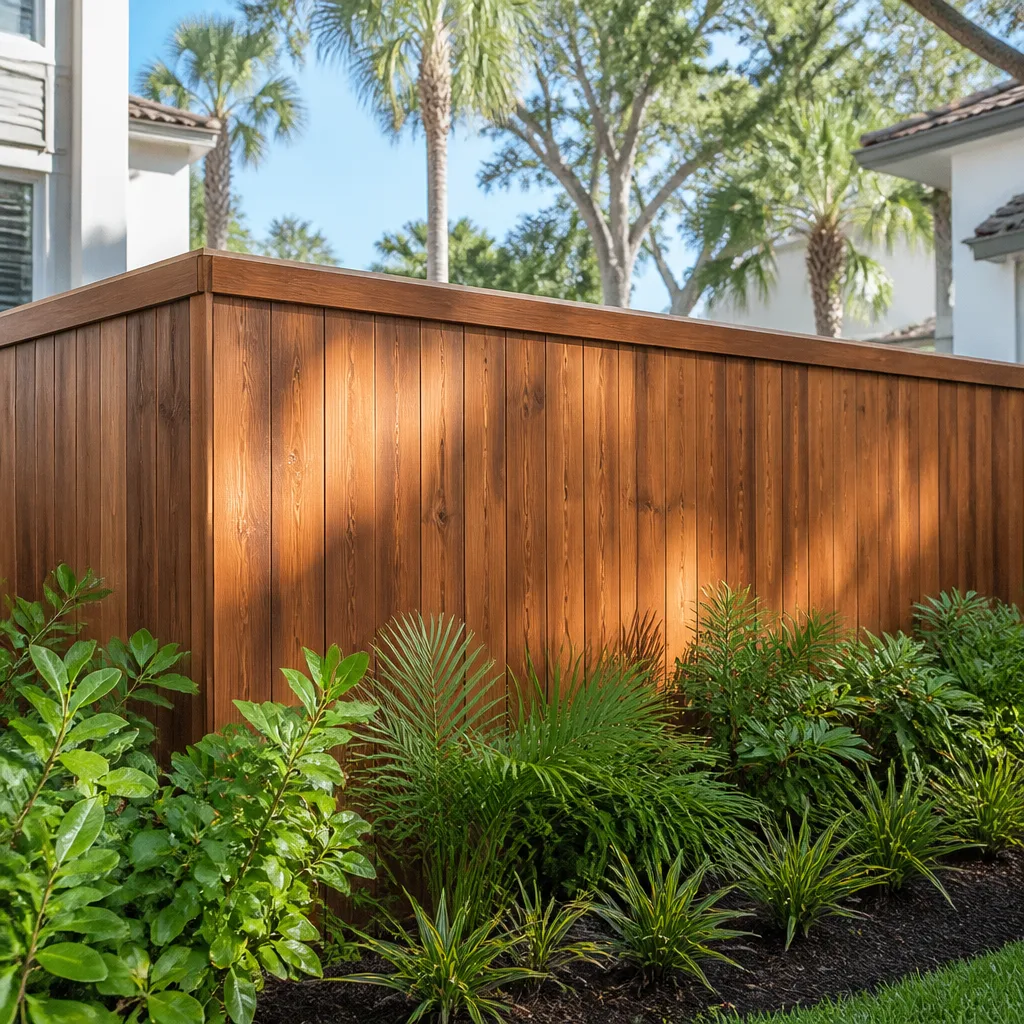
Wood is the material where timing matters most, and where the August stain mistake happens every single year. Staining in summer heat causes the product to skin over before it absorbs. Staining in the wetter winter months traps moisture in the grain.
Wood fence schedule by month
- February to March: Probe every post base for soft wood (protocol below). Clear debris and soil away from the bottom of the boards so the bottom rail can dry.
- April: Full inspection of boards for checking, splitting, and popped nails. Replace any board that has cracked through.
- May to June: Light cleaning with a wood-safe cleaner. Do not stain yet.
- July to August: Inspect and plan only. No stain application in Tustin heat.
- Late September to October: The correct staining window. Temperatures are moderate enough for the product to penetrate before it dries on the surface.
- November to January: Watch for standing water at post bases after rain. Good time to correct drainage.
Which products to use
For a semi-transparent look on cedar or redwood, a penetrating oil-based stain is what holds up here. For a solid-color finish, a higher-solids acrylic stain works but needs the same September window. Film-forming products that sit on the surface rather than soaking in are the ones that peel first, and they peel fastest when applied in the wrong month.
We generally recommend a full stain cycle every three to four years in Tustin, with the caveat that a south-facing fence run may need it sooner. That’s the sort of thing a yearly inspection catches before the wood dries out past the point of holding finish.
Vinyl Fence Maintenance Calendar
Vinyl is the lowest-effort material, which is exactly why the mistakes are so costly. The enemy isn’t weather, it’s chemistry and pressure. A vinyl panel that gets cleaned with the wrong product or blasted with a high-pressure washer develops a yellow or chalky haze that can’t be reversed, because the damage is in the polymer surface, not on it.
Vinyl fence schedule by season
- Spring: Soft wash with a mild soap solution and a garden hose or a pressure washer set below roughly 1,500 PSI with a wide fan tip. Inspect post caps and top rails for cracks.
- Summer: Rinse off dust and pollen. In Tustin, the dry months bring a lot of airborne dust that settles into the grain of the texture.
- Fall: Clean before the Santa Ana wind season, when debris blows against panels. Check for loose sections.
- Winter: Light rinse to remove the buildup that collects during rain runoff.
Cleaning products to never use on vinyl
- Acetone or lacquer thinner: etches the surface and dulls the finish permanently.
- Bleach at full strength: can discolor the material and degrade the protective layer over time.
- Abrasive pads or scouring powders: leave scratches that collect dirt and look worse than the original stain.
- High-pressure washers above about 1,500 PSI: can force water behind the panels and drive the nozzle too close, scoring the surface.
The pressure washing PSI point matters more than most homeowners realize. The same machine that’s fine for a driveway will gouge a vinyl panel if the tip is too narrow. Keep the fan wide, keep the tip at least a foot from the surface, and never aim upward into the top rail where water can get behind the panel. Our Driveway & Pavers in Tustin team regularly sees what the right PSI does for hardscape, and the same restraint applies here.
Aluminum Fence Maintenance Calendar
Aluminum is coated, so it doesn’t rust, and homeowners tend to assume that means no maintenance at all. What actually fails on an aluminum fence is the fasteners and the coating edges, not the metal. A loose bracket or a chipped edge is where moisture gets in and where a gate starts to sag.
Aluminum fence checklist by season
- Spring: Walk the entire run and tighten every fastener on pickets, rails, and brackets. Check gate hinges and the latch mechanism.
- Spring: Inspect the coating at every cut end and corner. Touch up any chip with matching touch-up paint before moisture reaches the aluminum.
- Summer: Wash with mild soap and water. Remove dust and any mineral deposits from sprinkler overspray.
- Fall: Check gate alignment. Temperature swings can shift a gate enough to drag on the ground.
- Winter: Inspect post bases for movement after rain. Rinse the bottom rail where dirt collects.
Aluminum is a popular choice in Tustin because it holds up to sun and doesn’t need refinishing, but that low-maintenance reputation causes people to skip the fastener check. A gate that swings fine in April can be dragging by August if two hinge bolts have backed out. Ten minutes with a wrench each spring prevents that entirely.
If you’re considering aluminum for a property that also needs hardscape work, our team handles both. The Groundwork Construction Co. of Tustin home page covers the full range of what we do.
Wrought Iron Fence Maintenance Calendar
Wrought iron is the only fence material here that actively rusts, so it’s the one that genuinely needs a rust-focused schedule. The upside is that a well-maintained wrought iron fence can outlast everything else on this list by decades. The downside is that rust spreads under paint and you won’t see it until it’s bubbling.
Wrought iron schedule by month
- March: Full rust inspection. Look at every weld joint, the bottom of each picket near the ground, and every hinge point. Pickets that sit near soil are the first to go.
- March to April: Wire-brush any rust spots down to bare metal, apply a rust-inhibiting primer, then topcoat with matching paint. Do not paint over rust without treating it.
- June: Clean with mild soap to remove dust and pollen before summer. Reapply wax or a protective coating if the finish looks dull.
- September: Second rust inspection, focused on the bottom rail and any area that holds water after rain.
- Ongoing: Oil gate hinges and latches each quarter with a penetrating dry lubricant (below).
Wrought iron needs the most attention of the four materials, but the work is small if it’s done on schedule. The pattern we see is that a homeowner lets one season pass, two rust spots become ten, and a full repaint becomes necessary instead of a touch-up.
The Post Base Inspection Protocol
Wood post rot happens below grade where you can’t see it, which is why it catches homeowners off guard. The post looks solid above the soil line while the buried section has already softened. You can find this before the fence leans without digging up your yard, using a simple probe.
How to probe a wood post base
- Clear the base: Pull back the soil and mulch from the post to expose the bottom six inches, so you can see the wood and the base of the concrete footing.
- Use a probe: A screwdriver or a thin awl works. Push firmly into the wood at the soil line and just below it, on all four faces of the post.
- Read the resistance: Solid wood resists hard and the tool stops at the surface. Soft or punky wood lets the tool push in a quarter inch or more, and the material you pull out feels spongy or crumbles.
- Check the footing: Probe where the post meets the concrete. Standing water collected there is where rot starts.
- Record the result: Note which posts pass and which show any softness, and take a dated photo of each problem post.
What the probe results mean
- Hard resistance on all four faces: The post is healthy and has years of remaining service life.
- Softness on one face only: Early rot. Treat the area, correct the drainage, and re-probe in six months.
- Softness on two or more faces: The structural capacity is compromised. Plan a post replacement before the next wind season.
- Probe pushes through: The post is perishing below grade. Replace it now; a leaning fence section or a gate failure is the next stage.
We probe posts on every fence we’re called out to look at, and the spring timing in Tustin catches the winter moisture damage before it has the summer to spread. It’s the single highest-value maintenance task in this whole schedule.
Gate Hardware Lubrication Schedule
Gate hardware fails quietly and then all at once. The wrong lubricant speeds that up, because a sticky oil catches dust and grit and turns the hinge into a grinding paste. In Tustin, the dry season means airborne dust is a constant, so lubricant choice matters more here than in a wet climate.
Right and wrong lubricants for outdoor gate hardware
- Wrong: general-purpose oil and grease. These stay tacky and collect dust, grit, and pollen. Within a season the hinge is grinding instead of gliding.
- Right: penetrating dry lubricants. A PTFE or dry-film lubricant goes on wet and dries to leave a non-sticky film. Dirt doesn’t cling to it.
- Right: graphite for locks and latches. Graphite won’t gum up in the heat and won’t attract debris the way oil does.
Lubrication schedule
- Quarterly: Apply penetrating dry lubricant to every hinge, latch, and pivot point. Work the gate open and closed a few times so it distributes.
- Spring: Full hardware inspection, including tightening every bolt and checking for stripped screws.
- Fall: Re-lubricate before the Santa Ana winds, which drive grit into every moving part.
- After any rain: Wipe the hardware dry and reapply a light coat if the gate has been wet.
A gate that’s lubricated on this schedule will glide for years. One that’s ignored will need hinge replacements and, eventually, a gate rebuild.
The Annual Documentation Practice
This is the part almost no one does, and it’s the one that saves the most money when things go wrong. A dated photo record of your fence’s condition each year is your evidence in a warranty claim, an insurance dispute, or a contractor disagreement. Without it, you’re relying on memory and the other party’s records.
What to photograph each year
- Full run: One wide photo of every fence line from a consistent spot, so you can compare year to year.
- Post bases: A close, dated photo of each post base at the soil line, with a coin or tape measure in frame for scale.
- Gate hardware: Close-ups of the hinges and latch, so wear is visible over time.
- Problem spots: Any crack, rust spot, or soft area, with a close-up and a context shot showing where it is on the run.
- The stain date: If you stained that year, photograph the finished fence and note the product and the date.
Where to store it
Keep the photos in a cloud folder you can access from anywhere, organized by year, and note the date in the file name. Don’t rely on your phone’s camera roll; those photos disappear when you upgrade devices. A simple dated folder structure gives you a clean, searchable history of every year you’ve maintained the fence.
We’ve been on jobs where a homeowner was trying to claim a warranty on a fence that had clearly never been maintained, and we’ve been on jobs where the photo record proved the opposite. The record protects everyone. Our Home Additions & ADU in Tustin team recommends the same practice for any exterior structure on a property.
Common Mistakes to Avoid
- Staining in summer heat. Applying stain in August in Tustin causes it to flash-dry before it penetrates, and it peels within a season.
- Pressure washing vinyl on high. Anything above roughly 1,500 PSI can force water behind panels and score the surface. Wide fan tip, one foot of distance, no exceptions.
- Cleaning vinyl with acetone or full-strength bleach. These cause irreversible yellowing and etching. Mild soap and water is all vinyl needs.
- Skipping the post-base probe. Rot below grade is invisible from the top. If you don’t probe, you won’t find it until the fence leans.
- Oiling gate hinges with a tacky lubricant. General-purpose oil collects Tustin dust and turns into grinding paste. Use a penetrating dry lubricant.
- Painting over rust without treating it. Wrought iron rust spreads under paint. Wire-brush, prime, then topcoat, or it comes back bigger.
- No photo record. Without dated photos, a warranty or insurance claim becomes a verbal argument you may lose.
See the difference
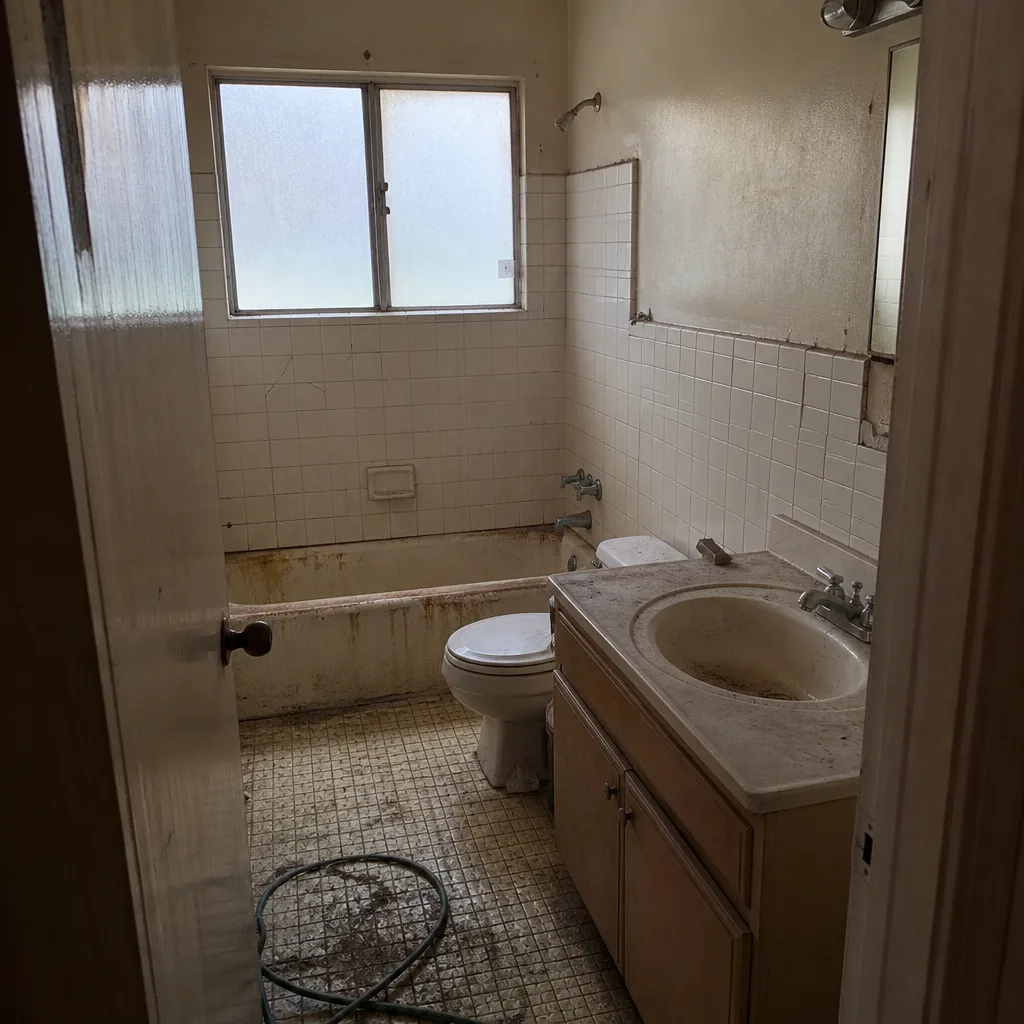 Before
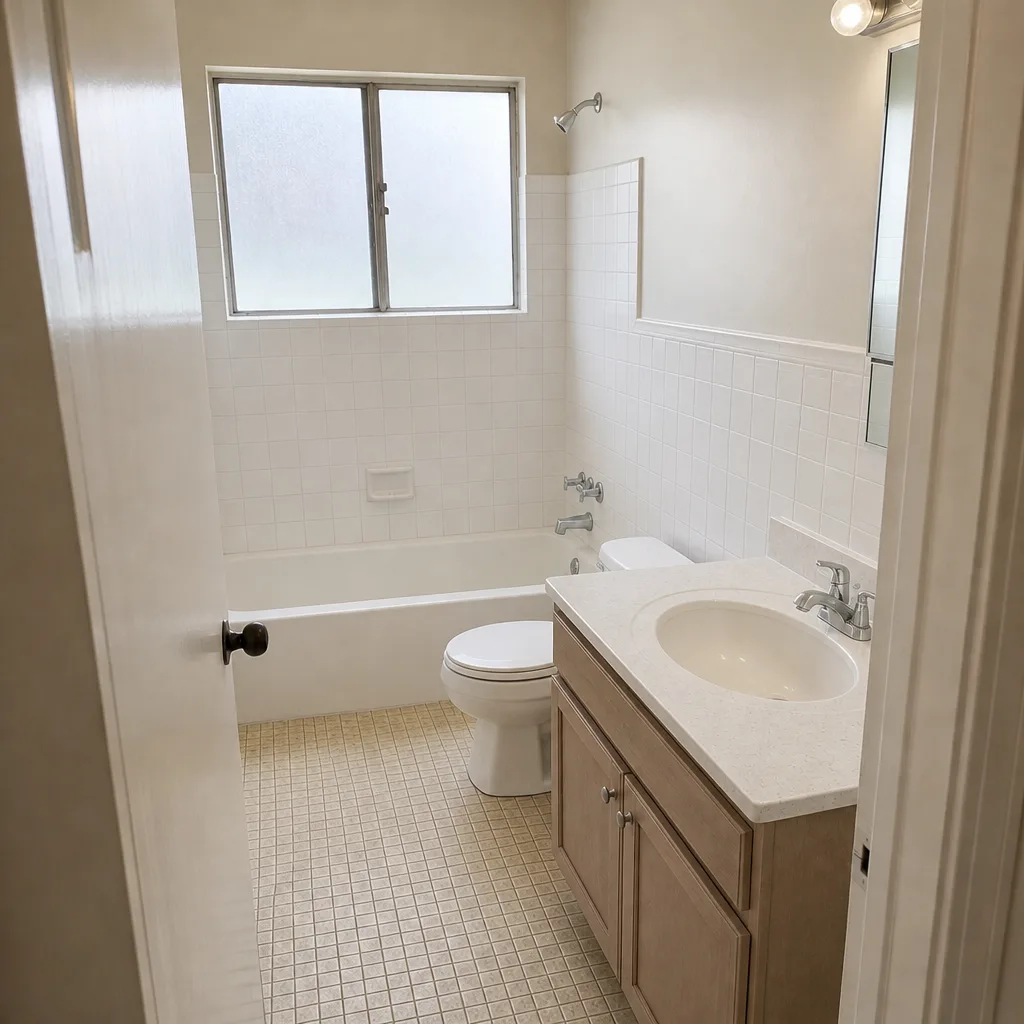 After
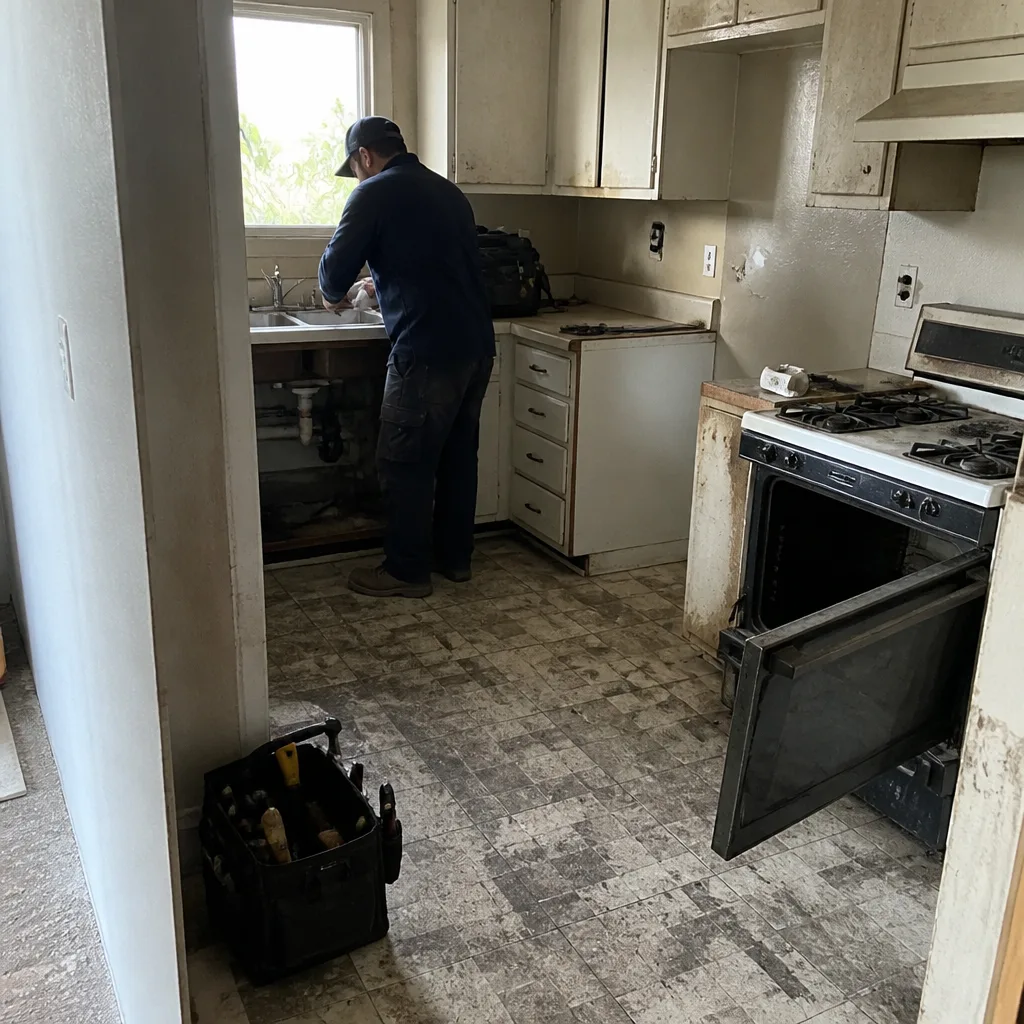 Before
 After
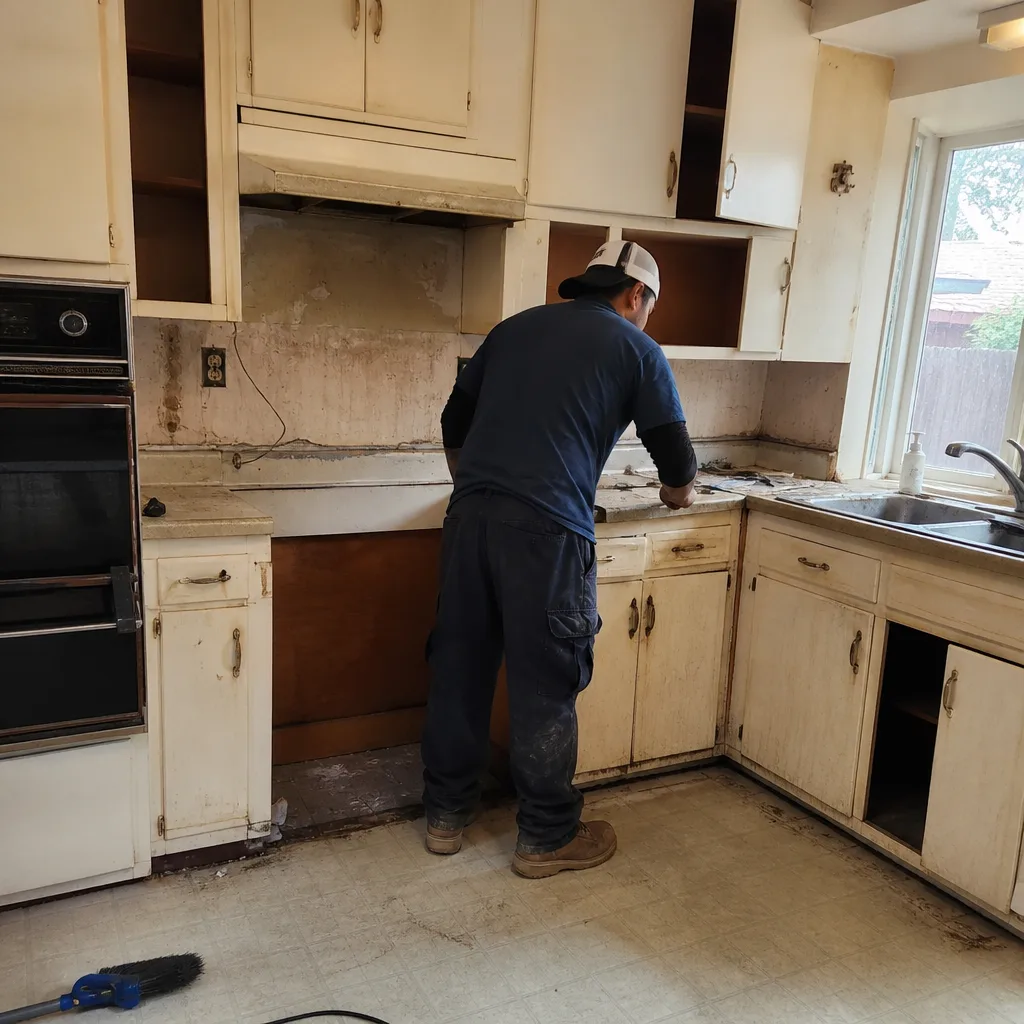 Before
 After
When to Call a Professional
Some maintenance is a homeowner job, and some isn’t. Call a professional when a post probes soft on two or more faces, when a gate has dropped more than a fraction of an inch and won’t latch, when a fence section leans after a wind event, when rust on wrought iron is extensive enough that a full repaint is needed, or when a fence run has failed at the concrete footing. Those are structural problems, not cleaning problems. Groundwork Construction Co. of Tustin offers free estimates in Tustin – call (833) 954-6066. Our technicians have up to 12 years of experience, and every project is backed by our 730-Day Done Right Promise and upfront pricing with no surprises.
Frequently Asked Questions
Every three to four years is typical for a wood fence in Tustin, with south-facing runs sometimes needing it sooner. The key isn’t just the interval, it’s the timing: apply stain in late September or October, never in the heat of summer, so the product penetrates instead of flash-drying on the surface. Call (833) 954-6066 for a free estimate on fence refinishing.
Yes, but only at low pressure, roughly 1,500 PSI or below, with a wide fan tip held at least a foot from the surface. Higher pressure scores the vinyl and forces water behind the panels. Never use acetone, lacquer thinner, or full-strength bleach, because those cause permanent yellowing. Call (833) 954-6066 if a vinyl panel has already been damaged.
Clear the soil away from the base and push a screwdriver or awl into the wood at and just below the soil line, on all four faces. Solid wood resists firmly; soft, spongy wood that lets the tool push in a quarter inch or more has started to rot. Softness on two or more faces means the post should be replaced before it fails.
Use a penetrating dry lubricant, such as a PTFE or dry-film product, not general-purpose oil or grease. Oil stays tacky and collects dust and grit in Tustin’s dry season, which turns the hinge into a grinding paste. Apply it quarterly and work the gate open and closed so it distributes.
Yes, though it’s minimal. Aluminum doesn’t rust, but fasteners loosen and coating edges chip. Each spring, tighten every fastener, touch up any coating chips, and check gate alignment. A gate that swings fine in April can be dragging by August if the hinge bolts have backed out. Call (833) 954-6066 for a professional inspection.
A well-maintained wood fence in Southern California typically lasts 15 to 20 years, depending on the wood species, staining schedule, and post quality. The biggest factor is whether the post bases are probed and the drainage corrected each year. Fences that skip the annual post inspection often fail early at the footing, not the boards.
The Bottom Line
The schedule that matters is built by material. Wood needs staining in the narrow late-September window and a post-base probe every spring, vinyl needs soft washing and restraint with the pressure washer, aluminum needs a fastener and coating check each spring, and wrought iron needs annual rust inspection and dry lubricant on the hardware. The one habit that ties it all together is the dated photo record, because it’s the evidence you’ll want if a warranty or insurance question ever comes up. Do the small tasks on time and the fence stays out of your budget.
If your fence is past the point of maintenance and needs replacement, or you want a professional inspection to check the post bases and hardware, Groundwork Construction Co. of Tustin is ready. Call (833) 954-6066 to schedule your free estimate. Every call is answered by a live person, 24/7, and every project comes with our 730-Day Done Right Promise: if it’s not done right, we make it right.
Written by the team at Groundwork Construction Co. of Tustin.