Last updated November 17, 2026
Free written scope consultation - allowances, timeline, and change-order rules on paper before a single trade is scheduled
DIY vs Professional Driveway & Pavers: What’s Safe to Do Yourself
Watch a paver tutorial on YouTube and time it. The base prep gets about four minutes. The pattern laying gets eighteen. That ratio is exactly backwards. On a real driveway job in Tustin, the base is where the labor lives, where the money disappears, and where every failure you’ll ever have is quietly decided before the first paver goes down. Pattern is the fun part. Base is the part that keeps your driveway from turning into a rolling wave of bricks after two rainy seasons.
This guide separates the tasks you can genuinely handle yourself from the ones that need equipment, training, and a license. We’ll cover the permit triggers in Tustin, the real dollar math on DIY versus pro, and what a base tear-out costs once the mistake is buried under 2,000 pavers.
Quick Answer
You can safely do pattern planning, paver selection, and edge border replacement on an existing solid base. Everything under the pavers – excavation, grading, geotextile fabric, and compaction – requires equipment most homeowners don’t own and can’t safely rent without training, and that’s the work that determines whether the driveway lasts. If the base fails, you pay to tear out the entire surface and start over, which usually costs more than professional base preparation would have cost upfront.
Styles & brands we work with
- Kitchen remodeling
- Bathroom remodeling
- Home additions & ADU
- Roofing
- Windows & doors
- Driveway & pavers
- Fence
Table of Contents
- Why Base Prep Is 80% of the Job
- What’s Genuinely Safe to Do Yourself
- What You Should Not Do Yourself
- The Equipment You’d Need to Rent (and Why It’s Not Simple)
- The Hidden Cost Math: DIY vs Pro
- Permit Triggers in Tustin
- What a Botched Base Costs to Fix
- Key Takeaways
Why Base Prep Is 80% of the Job
A paver driveway is a base structure with pavers sitting on top. The pavers are cosmetic. The base transmits load, handles drainage, and prevents settlement. Every paver you see in a well-built driveway in Tustin is supported by a layered system: compacted native soil, geotextile fabric, a compacted aggregate base in lifts, and a thin bedding layer under the pavers themselves.
Each layer has to be compacted to a specific density before the next goes on. That’s not one pass with a hand tamper. It’s multiple passes with a plate compactor or vibratory roller, tested for moisture content, and verified with a laser level or string line so the finished surface drains at roughly 1 to 2 percent slope away from the house and garage slab. Get that slope wrong and water pools against your foundation, which is a problem that has nothing to do with how carefully you snapped your chalk lines.
In our experience working across Tustin, the soils around Old Town and the older tracts near Red Hill Avenue hold moisture differently than the newer graded lots out toward Tustin Ranch. A base spec that drains well on one street can heave on the next. That’s the kind of judgment that comes from doing this work repeatedly in the same town, and it’s the first thing most tutorials skip.
The reason this matters for your DIY decision is simple. If you want to lay pavers, the pavers aren’t the job. The slab under them is the job, and the pavers just sit on it.
What’s Genuinely Safe to Do Yourself
Some parts of a paver project reward patience and taste more than equipment and training. These are the ones to keep on your side of the line.
- Pattern and layout planning. Herringbone, running bond, basketweave, or a border with a contrasting paver – this is design work. Spend a weekend with graph paper or a free planning tool and plan the look you want. Nobody else will care about the details as much as you do.
- Paver and material selection. Walk a stone yard, feel the texture, look at the color under outdoor light. You’ll make better decisions than any spec sheet will.
- Border and edge repair on an existing solid base. If the base is stable and you’re replacing plastic edge restraint or swapping a border paver that’s cracked, that’s a manageable DIY job with basic hand tools.
- Sealing a finished driveway. Once the pavers and joints are stable and the surface is dry, applying a paver sealer yourself is straightforward and low-risk.
- Routine maintenance. Pulling weeds from joints, sweeping in polymeric sand, replacing individual pavers that chip – all reasonable with patience.
If your project is really a facelift on a driveway that’s already structurally sound, there’s plenty to do yourself. If it’s a replacement, the scope is different.
What You Should Not Do Yourself
These tasks look like labor but behave like risk. They involve heavy equipment, tight tolerances, or buried infrastructure. Get one wrong and the whole surface is compromised – and sometimes so is the house.
- Excavation to depth. Replacing a 400-square-foot driveway means removing roughly 8 to 12 inches of soil across the entire footprint – that’s 10 to 15 cubic yards of material to dig, load, and haul. Most homeowners don’t own a skid steer and shouldn’t rent one without training. Utility locates are mandatory before any digging, and hitting a gas or electrical line is a serious safety event. Call 811 and let a professional operator handle the dig.
- Subgrade grading and compaction. The native soil under everything must be proof-rolled and compacted to the right density. This is the layer most DIY failures skip because there’s nothing visible happening. Skipping it means settlement shows up six to eighteen months later as low spots and joint separation.
- Geotextile fabric installation. Woven fabric separates the subgrade from the base aggregate so fines don’t migrate and the base stays uniform. Laid with laps, stretched tight, and overlapped at the correct width, it’s an easy layer to fumble. Wrinkled or uncovered fabric creates pumping and soft spots.
- Aggregate base in lifts. The crushed aggregate base has to go down in 2- to 4-inch lifts, each compacted before the next. One nine-inch lift compacted at the top is not the same thing as three properly compacted ones, and this is the single most common failure we see on DIY jobs.
- Laser grading and slope verification. The finished surface needs a slight pitch away from every structure. A string and a level will get you close. A laser will tell you the truth across 40 feet. If you don’t know how to set up and read a laser, hire the person who does.
- Plate compaction of the pavers themselves. Yes, the paver surface gets plate-compacted after installation to set them into bedding sand. Rent the wrong plate for a paver type and you’ll crack units. Rent the right plate and drop it on a slightly imperfect substrate and you’ll crack units anyway.
None of this is a knock on your ability. It’s a statement about what those tasks require and what happens if they go wrong.
The Equipment You’d Need to Rent (and Why It’s Not Simple)
Price out a DIY paver driveway and you’ll quickly discover that a chunk of the “savings” is actually gear you don’t own. Here’s what a typical 400-square-foot driveway replacement calls for:
- Skid steer or mini excavator for excavation and hauling
- Vibratory plate compactor – and often both a small one and a large reversible plate for different layers
- Dumpster for demolition debris and spoil
- Wheelbarrows, shovels, and rakes (you have these, but multiply by a crew’s pace)
- Laser level with receiver – not a spirit level
- Cut-off saw with diamond blade for paver cuts, plus eye protection and hearing protection
- Bedding sand screed rails and a straightedge
- Dump trailer or delivery fees for base aggregate, sand, and pavers
Each piece is rentable. The problem is that a compactor rented cold, used in one lift of 8 inches instead of three lifts of 3, does more harm than good. It looks like the job is done. Nobody can tell until next year. That’s not a beginner’s problem to solve on their own driveway.
Larger equipment has its own safety layer. Skid steer rollovers, saw kickback, and plate compactor vibration injuries are all real. We’re not recommending you gear up and figure it out on the job.
The Hidden Cost Math: DIY vs Pro
Here’s the honest version of the math most tutorials won’t show. In Tustin, a properly installed paver driveway runs roughly $14 to $22 per square foot installed by a professional, depending on paver type, excavation conditions, and site access. That’s an average of about $5,600 to $8,800 for a 400-square-foot driveway.
The DIY version breaks down roughly like this:
- Pavers and materials: $7 to $12 per square foot – and remember to add 10 percent overage for cuts and breakage
- Base aggregate and bedding sand: $400 to $900 depending on depth
- Equipment rentals: $600 to $1,800 for the weekend-to-week you’ll actually need
- Dumpster and disposal: $400 to $700
- Permits (if required): varies, and often requires licensed sign-off (see the Tustin permit section below)
- Your own time: a real plan is 60 to 120 hours of labor for a careful first-timer
Add it up and a DIY job sits about 20 to 40 percent under professional pricing on paper. But that number only holds if the base is right the first time. If it isn’t, the redo factor wipes out the savings and then some. Once you’re inside 15 percent of professional pricing, the only thing DIY protects is your weekend, not your budget.
Groundwork Construction Co. of Tustin offers transparent upfront pricing on Driveway & Pavers in Tustin – the number you see is the number you pay, with a free estimate and design consult as a starting point. If the numbers get close, the decision usually gets easier.
Permit Triggers in Tustin
Here’s the part most DIY guides never mention. In Tustin, a driveway replacement can trigger permitting requirements that no amount of weekend research lets you dodge. The main triggers:
- Changes to the driveway apron where it meets the public right-of-way. Driveway approaches and sidewalk cuts are regulated by the city because they interact with street grading and storm drainage. This usually requires an encroachment permit.
- Grading beyond a small threshold. Moving enough earth on a lot can require a grading permit. Grading permits are issued to licensed contractors because the city has to verify that the work will be done by someone who can be held to code.
- Drainage pattern changes. Redirecting water toward a neighbor’s property or a public storm inlet can trigger review on its own. Tustin’s older neighborhoods are graded tightly, and one driveway change can send water where it doesn’t belong.
- Lots with slope or a hillside component. Portions of Tustin near the foothills have steeper grades where any regrading triggers review.
That last point matters even if you plan to do the pavers yourself. If the base has to be excavated and regraded, the permit may require licensed contractor sign-off regardless of who lays the pavers. In other words, the DIY-versus-pro decision isn’t just about ability. It can be about who is legally allowed to perform a specific layer of the work.
Skipping the permit is a separate risk. If you sell a Tustin home with unpermitted driveway work, it can surface in a title search and complicate closing. Doing this correctly upfront is cheaper than unwinding it later.
What a Botched Base Costs to Fix
We’ve seen this play out more than once. Someone lays pavers over an under-compacted base or one lift instead of three. Six months later the surface starts to show it – edges heave, joints open, low spots pool water, the field starts to wave in the afternoon sun. Here’s the repair, in two columns:
Professional base installation (upfront)
- Excavation and haul-off: included in the project
- Geotextile fabric: included
- Aggregate base in proper lifts: included
- Compaction and laser-verified grade: included
- Permits where required: handled by the contractor
- Typical total: $5,600 to $8,800 installed
Botched base repair (after the pavers are down)
- Remove all pavers carefully enough to reuse: 20 to 30 hours
- Replace damaged pavers (expect 15 to 25 percent breakage)
- Full base removal and re-excavation
- New base aggregate + geotextile + equipment rental
- Reinstall and recompact
- Disposal of the old base
- Typical total: $4,000 to $7,500 in rework, plus the original material loss
The repaired driveway usually ends up costing more than a professional install would have from day one. And the homeowner still owns the same driveway, just delivered later and with more gray hair. That’s the actual math on “doing the base yourself and saving money.”
Key Takeaways
- Base preparation – excavation, grading, fabric, and compaction – determines whether your driveway lasts. The pavers are cosmetic.
- Safe DIY tasks are pattern, paver selection, edge repair on a solid base, sealing, and maintenance.
- Unsafe DIY tasks involve excavation, graded subgrade, fabric, compacted lifts, and laser verification. These need equipment and training.
- DIY usually lands 20 to 40 percent under pro pricing on paper, closer to 15 percent once you count equipment and overage.
- Tustin permits – apron work and grading in particular – can require licensed contractor sign-off regardless of who lays the pavers.
- A botched base costs roughly $4,000 to $7,500 to tear out and rebuild, which is often more than a professional install would have cost upfront.
- If you’re using a professional for the base, use the same professional for the whole job. Splitting liability across two parties is how disputes start.
Common Mistakes to Avoid
- Skipping the utility locate. Every excavation needs 811 before you dig. Hitting a gas or electrical line in a Tustin backyard is a genuine emergency, not a bump in the schedule.
- Compacting in one lift instead of three. A nine-inch base compacted only at the top is a guaranteed future failure. The pavers look fine on day one, and then settlement starts.
- Forgetting the geotextile fabric. We regularly see DIY jobs in Tustin skip the fabric because it feels optional. It isn’t – it’s what keeps your base uniform and prevents fines from pumping into the soil.
- Ignoring the permit triggers. Driveway apron changes hit the public right-of-way and require an encroachment permit. Skipping it becomes a problem at sale, not at inspection.
- Renting a plate compactor without matching it to the paver. The wrong plate cracks pavers. The right plate at the wrong speed and speed of advance also cracks pavers. This is a trained-operator tool, not a “give it a try” tool.
- Under-buying material. Budget for 10 percent overage on pavers. Running short mid-install usually means a second delivery with a dye-lot mismatch on the same driveway.
- Waiting too long for sealer. Polymeric sand needs to be fully cured before sealer goes on, and pavers need to be dry. Sealing too early traps moisture and produces a cloudy finish.
If you’re also planning the rest of your property – patio, walkways, fence line, side-yard extension – it’s worth understanding how the driveway ties into grading for those same surfaces. A paver driveway that drains toward your new patio pad, or into fence footings, creates a moving problem. A Fence Installation in Tustin project that lands right after the driveway is a good moment to think about drainage as a single plan, not three separate ones.
See the difference
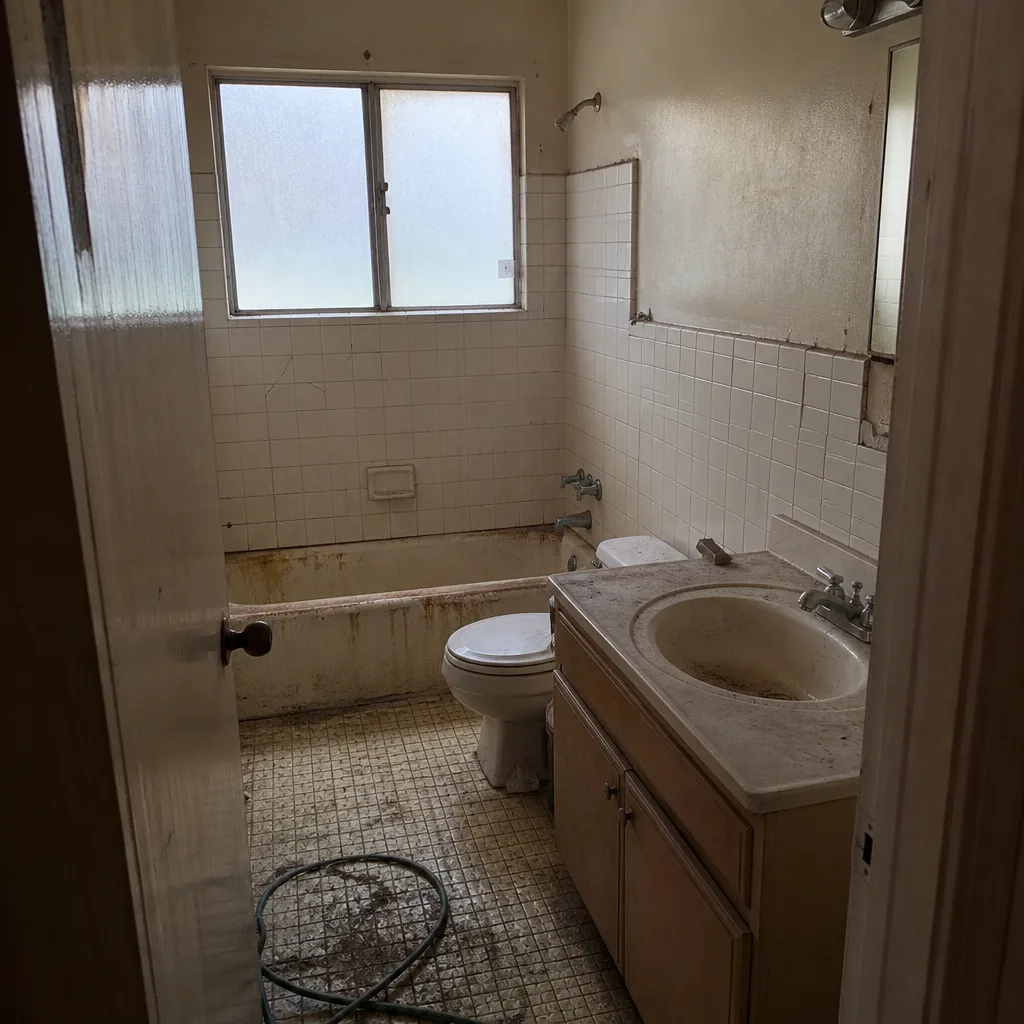 Before
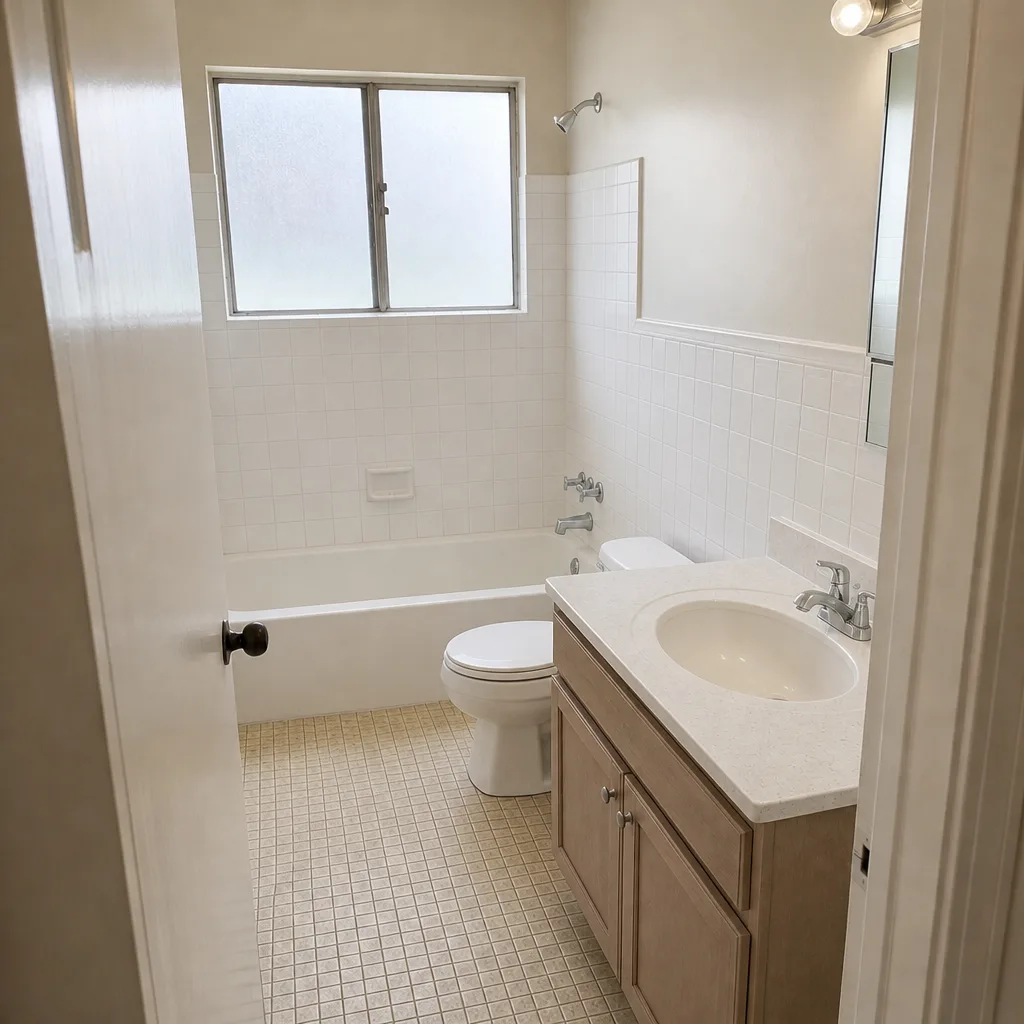 After
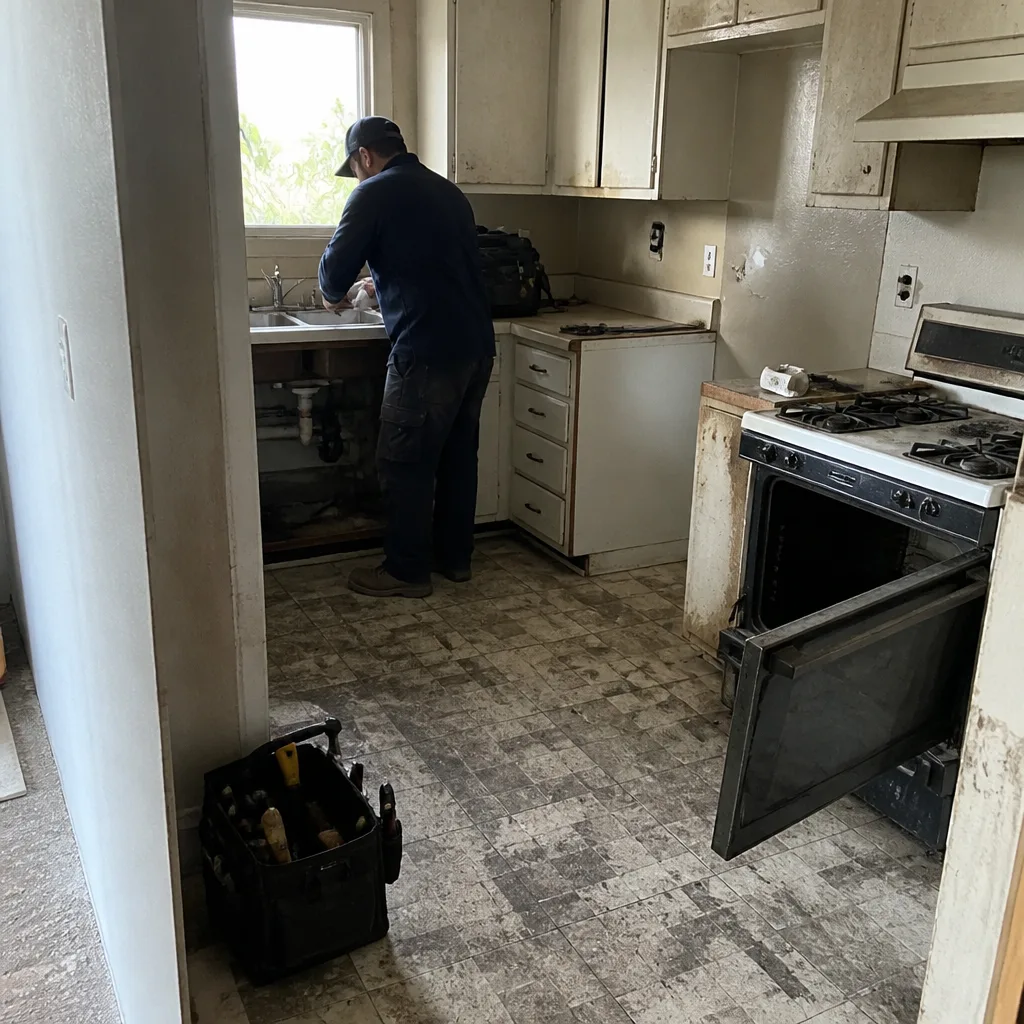 Before
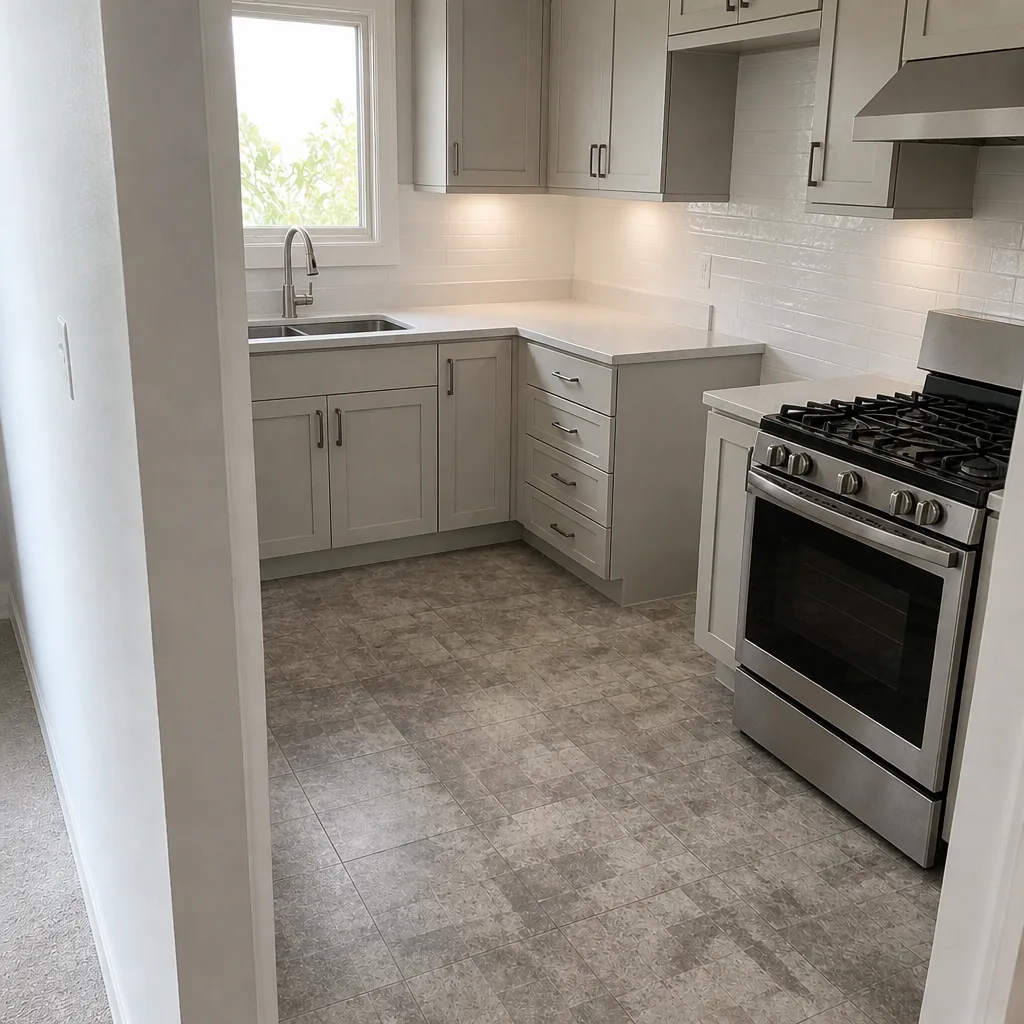 After
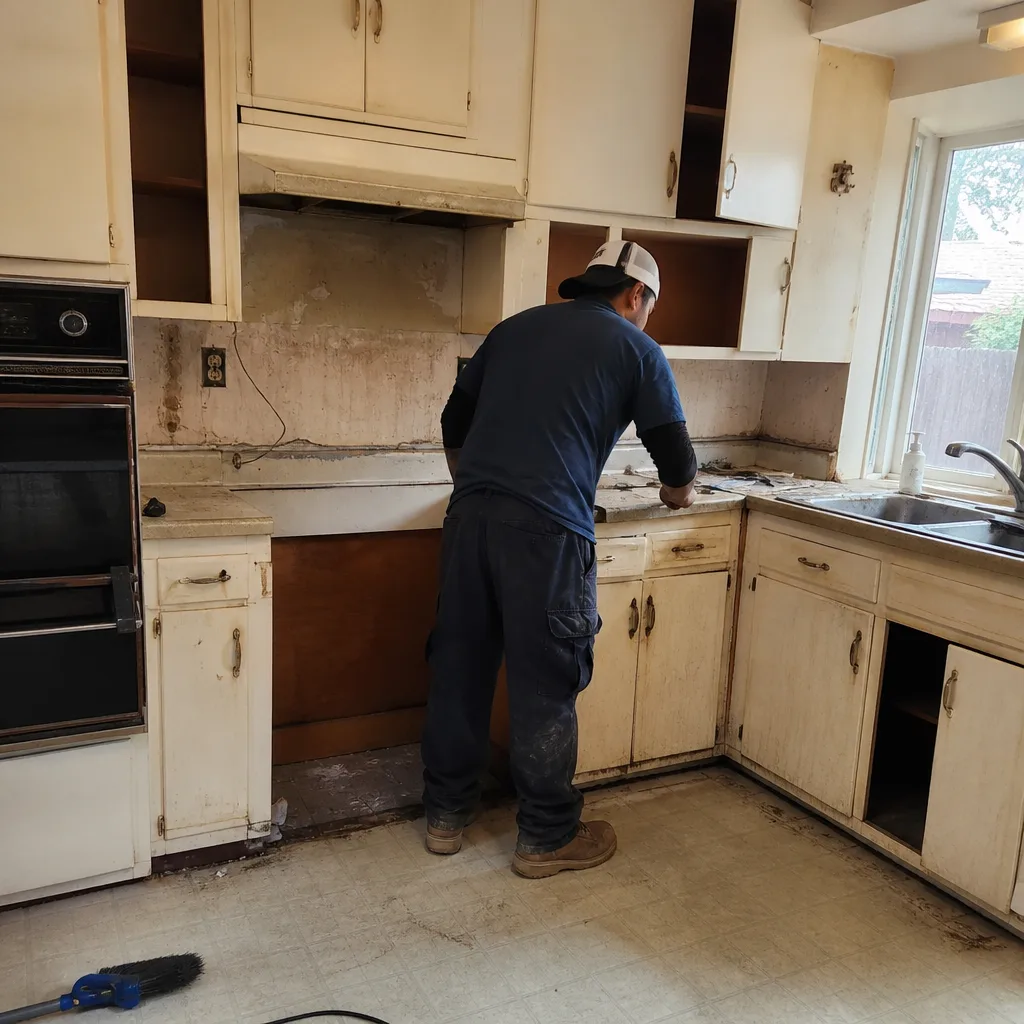 Before
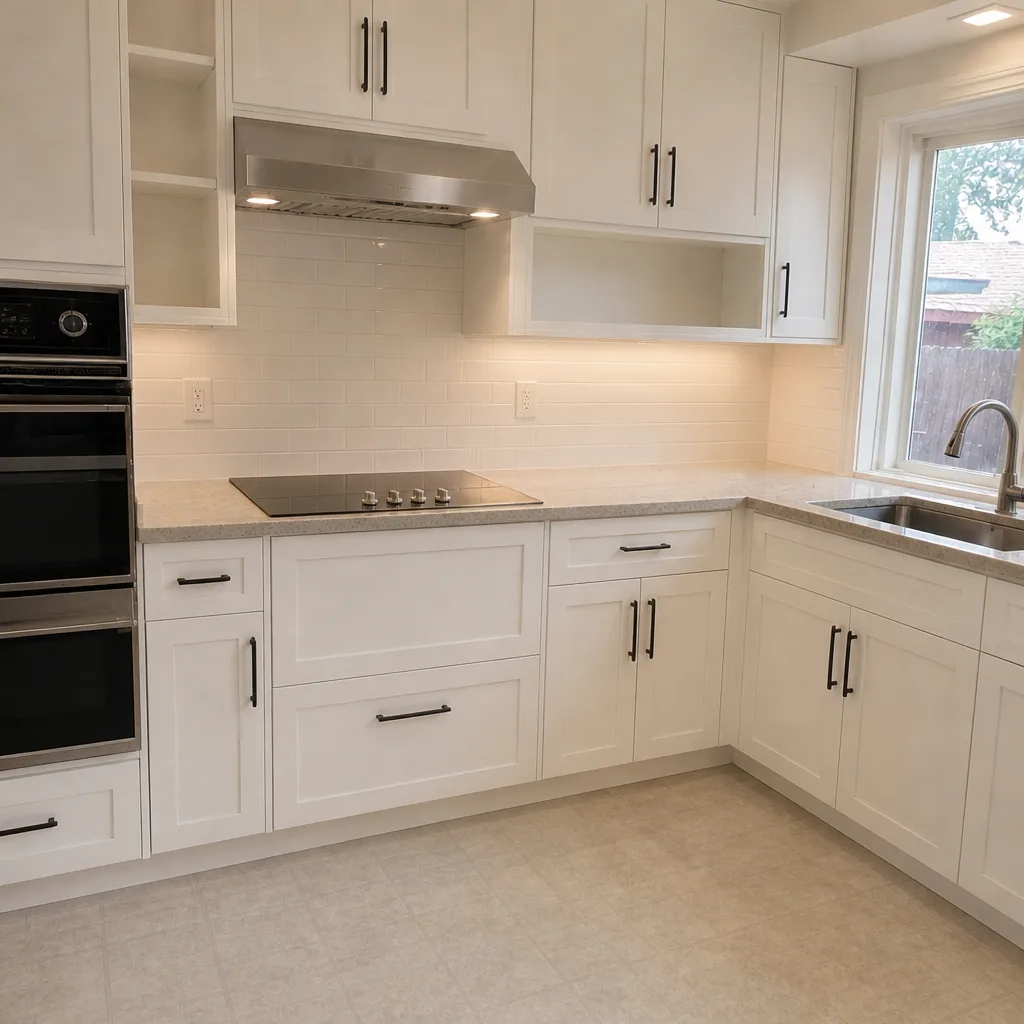 After
When to Call a Professional
Bring in a professional the moment any of these is true: the driveway is a full replacement (not a facelift), excavation goes deeper than a few inches, the base needs regrading, the apron meets the public right-of-way, the driveway is on a slope, the surface area is over 200 square feet, or the design requires a laser-verified grade. Those are all tasks where the failure cost is structural, not cosmetic. A proper base install is not a job for a weekend rental and a library card.
Groundwork Construction Co. of Tustin offers free estimates in Tustin. Every project carries our 730-Day Done Right Promise, our calls are answered by a live person around the clock, and technicians are background-checked and uniformed. Call (833) 954-6066 to schedule your free estimate and design consult. If you’re also planning broader improvements – an Home Additions & ADU in Tustin, for instance – we can look at how the driveway, drainage, and grading fit into the larger plan rather than solving each one separately.
Frequently Asked Questions
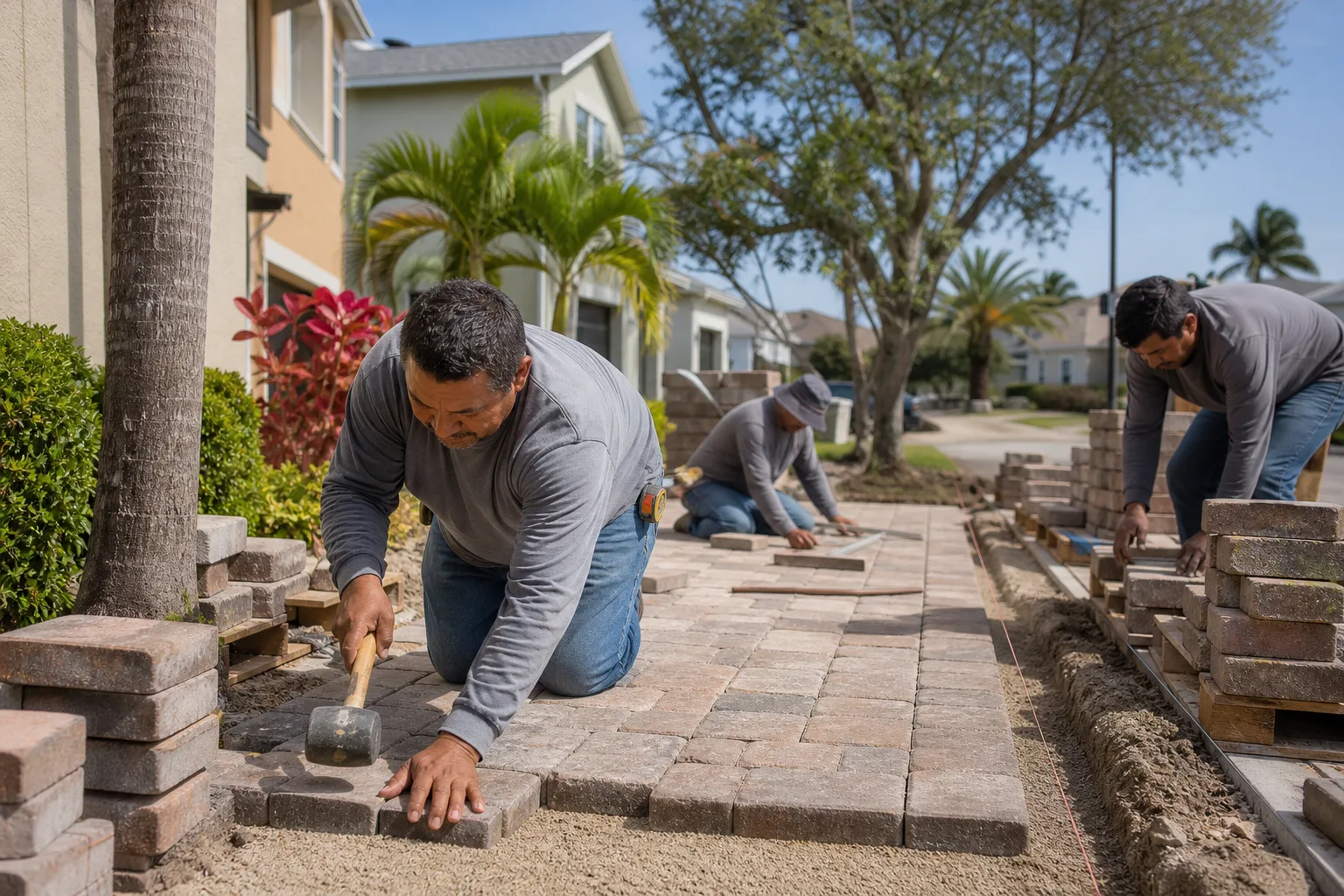
Yes, on the pavers themselves. Laying the surface is work that rewards patience, planning, and a careful eye for pattern. Where homeowners get into trouble is when the “someone” who did the base isn’t the same party responsible for the pavers. If a paver cracks or a joint opens in two years, you now have two contractors pointing at each other and neither one accountable. Groundwork Construction Co. of Tustin keeps the base and the surface under one warranty – the 730-Day Done Right Promise – so the accountability doesn’t split. Call (833) 954-6066 for a free estimate.
A professionally installed paver driveway in Tustin typically runs about $14 to $22 per square foot, depending on paver type, excavation conditions, and site access. For a 400-square-foot driveway that’s roughly $5,600 to $8,800 installed. DIY jobs usually come in 20 to 40 percent lower on paper, though that gap narrows to around 15 percent once you budget for equipment rentals, overage, and disposal. Call (833) 954-6066 for an exact quote – estimates are free.
Sometimes. A simple paver replacement over an existing stable base often doesn’t require a permit, but a driveway apron change, any significant regrading, or a change in drainage pattern can trigger one. Encroachment permits are common for apron work, and grading permits – which require licensed contractor sign-off – apply when earth movement crosses the city’s threshold. If you’re unsure, the permit inquiry is free and faster than the alternative. Call (833) 954-6066 and we’ll talk through what your specific project needs.
Not with a proper upfront quote. Groundwork Construction Co. of Tustin prices with no-hassle upfront pricing – the number you see is the number you pay, with no change orders for scope creep that shouldn’t have been a surprise in the first place. The one thing that can change a quote is concealed site conditions the estimate couldn’t see, and we’re upfront about that risk before you sign. Call (833) 954-6066 for a free estimate that puts the numbers in writing.
A typical residential paver driveway is a multi-day project, not a single-day install. Plan on roughly two to four days for the base and the pavers, plus extra time for permits if the project requires them. Most of that time is invisible – excavation, grading, compaction, and fabric – which is precisely the opposite of the tutorial time ratio most homeowners expect. Call (833) 954-6066 for a project schedule based on your actual square footage and site access.
The pavers come out. A failed base can’t be repaired from the top, so a full tear-out is the only real fix, and it usually runs $4,000 to $7,500 in rework on top of the original material loss. That’s why we spend so much of the schedule on the base and why the 730-Day Done Right Promise exists: if the work isn’t done right, we make it right. Call (833) 954-6066 if you’re looking at a driveway that’s already waving or dropping – we can tell you what you’re dealing with.
The Bottom Line
Some parts of a paver driveway are yours for the taking. Pattern, paver selection, sealing, edge repair on a solid base, and ongoing maintenance all reward your attention and won’t sink the project if something goes slightly sideways. What you should stay away from is excavation, grading, fabric, and compaction – the invisible 80 percent of the job that determines whether the pavers are still flat in five years.
If the project is a real replacement, the honest math usually piles up on the professional side around the time equipment rentals, overage, and permits get added to the notebook. And in Tustin, permit triggers on the apron and on regrading can require licensed sign-off regardless of who lays the pavers. If you’re going to use a pro for the base, use the same pro for the whole job. That’s how the warranty means something.
When you’re ready to look at numbers instead of tutorials, Groundwork Construction Co. of Tustin home has the full scope of services under one roof – driveway and pavers, fencing, additions, roofing, windows, kitchens, and baths – so the plan for your property hangs together from foundation to finish line. We use verified brand partners like Belgard on pavers, with material selection that gives you real choices instead of whatever’s in stock, and every project is covered by the 730-Day Done Right Promise.
Call (833) 954-6066 to schedule your free estimate and design consult. Our calls are answered by a live person around the clock, and offers include $1,000 off projects over $10,000 plus 0% financing for 18 months so large-scope work is manageable without surprises. Upfront pricing, written line-item quotes, and a workmanship warranty that holds in writing – built to last, backed in writing.
Written by the team at Groundwork Construction Co. of Tustin.