Last updated November 17, 2026

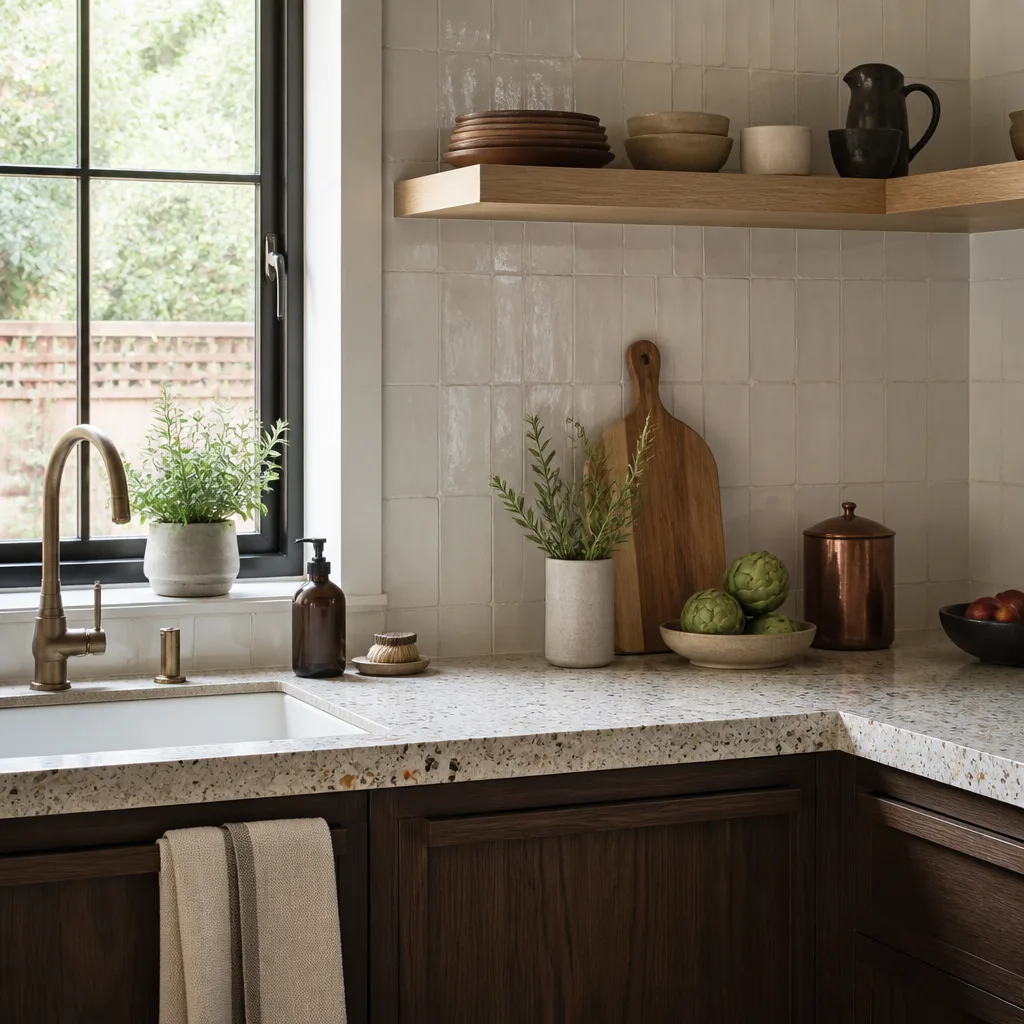
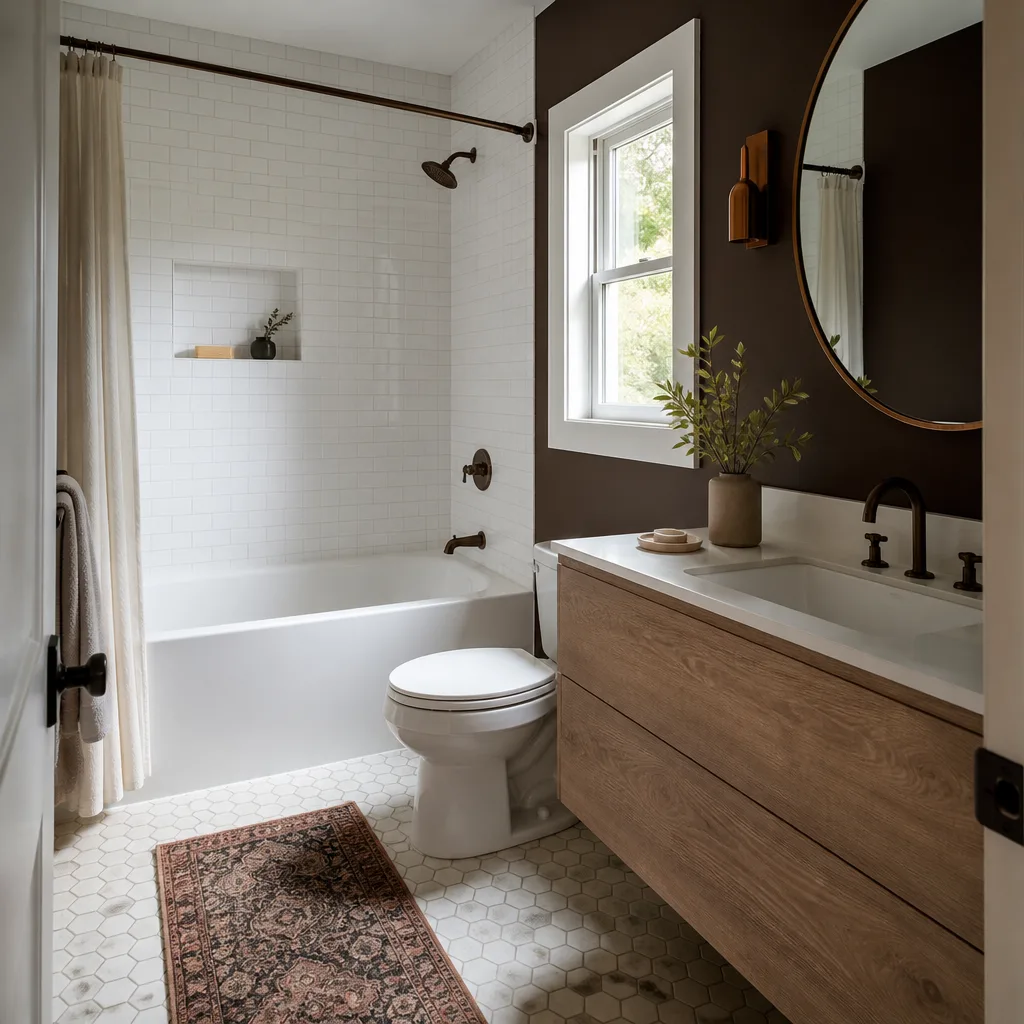
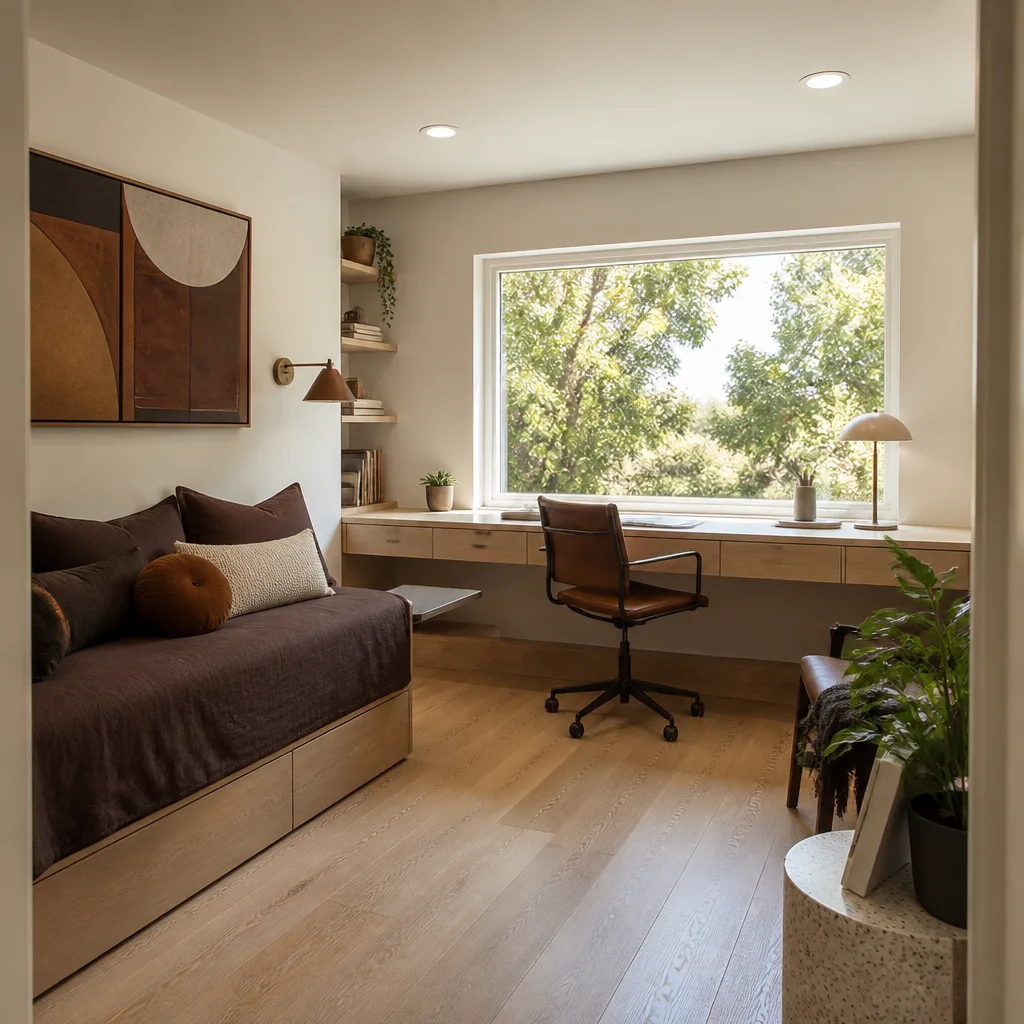
Free written scope consultation - allowances, timeline, and change-order rules on paper before a single trade is scheduled
Construction Cost Breakdown: The Tustin Homeowner’s Reference for 2026
The lowest bid on a Tustin construction project is statistically the most expensive one. That sounds backwards until you’ve watched a homeowner sign a $48,000 kitchen contract and write checks for $63,000 by the time the countertops go in. Contractors aren’t lying to you. They price risk differently, and the bid that wins is often the one that quietly left things out. Low bids survive by omitting scope that reality will eventually force you to pay for anyway. This reference breaks down what’s actually inside 2026 construction numbers in Tustin, which line items swing the most between bids, and how to compare two quotes that look nothing alike on paper.
Quick Answer
In 2026, a mid-grade kitchen remodel in Tustin runs roughly $75,000 – $115,000, a hall bathroom $28,000 – $48,000, a full roof replacement $18,000 – $32,000, and a detached ADU $280,000 – $420,000. The spread between a “competitive” bid and a fair one usually comes down to allowances, permit and engineering fees, and how each contractor prices the risk of what’s behind the wall or under the roof deck. The number on the page rarely tells you which is which.
A note on these ranges: they reflect the Tustin market specifically, where coastal-influenced humidity, older housing stock from the 1960s – 1970s tract builds, and Orange County permitting costs push certain line items higher than inland or out-of-state averages. Your exact number depends on scope, finishes, and what the inspection reveals.
Styles & brands we work with
- Kitchen remodeling
- Bathroom remodeling
- Home additions & ADU
- Roofing
- Windows & doors
- Driveway & pavers
- Fence
Table of Contents
- Why Tustin Bids Range So Widely in 2026
- The Line Items That Swing the Most Between Bids
- What Allowances Really Mean (And Why They’re Understated)
- Permit, Inspection, and Engineering Fees Most Bids Leave Out
- How to Normalize Two Bids So You’re Comparing Real Work
- Fixing a Problem at Detection vs. Failure: The Real Cost Gap
- 2026 Cost Ranges by Tustin Project Type
- Common Mistakes to Avoid
Why Tustin Bids Range So Widely in 2026
Three contractors look at the same Tustin kitchen and come back with $58,000, $79,000, and $94,000. The work isn’t that different. What differs is how each one prices uncertainty. A small shop bidding to stay busy prices risk low, assumes the cabinets come out clean, and hopes the plumbing rough-in is to code. A shop with a backlog prices in the probability that the 1972 drain isn’t. Neither is wrong. One is taking a gamble and one is charging you to remove it.
Tustin adds its own variables. Much of the city was built out between the late 1950s and the 1980s, so you’re regularly opening walls on houses that have had two or three rounds of owner-improvements, some permitted, many not. Cast iron drains from that era are reaching the end of their service life. Galvanized supply lines are common in the older tracts near Old Town. Aluminum branch wiring shows up in a slice of 1965 – 1975 builds. None of this is a defect you can see from the driveway, which means every bidder is guessing at the same hidden conditions and then choosing whether to guess low or guess honest.
Labor availability is the second driver. Orange County trades are tighter in 2026 than they were a few years ago, and a crew that can start in three weeks is worth more per hour than one that can start in eight. That premium shows up in bids as higher unit pricing, not a different line item, so it’s hard to spot unless you know to ask about scheduling and crew size.
And then there’s scope interpretation. “Remodel the hall bath” means one thing to a contractor who plans to reframe the shower and another who plans to retile over the existing pan. Two honest contractors can bid 40% apart on the same sentence. This is why the Groundwork Construction Co. of Tustin home conversation starts with scope, not a number, and why our written estimates are line-item detailed before a single price is discussed.
The Line Items That Swing the Most Between Bids
When a bid comes in anomalously low, it’s almost always one of a handful of line items that got trimmed. Understanding which ones tells you exactly what to interrogate. Here’s where the biggest 2026 spread shows up in Tustin projects:
- Demolition and debris handling. A “demo” line can be $1,800 or $5,200 for the same kitchen. The difference is whether dumpster count and haul-away are included, and whether the contractor is planning to protect floors, haul the old cabinets to the city landfill, or leave debris in your side yard. Tustin charges typical Orange County disposal rates, so haul-away isn’t free.
- Framing and structural corrections. One bid assumes the wall stays where it is. Another assumes a beam and post are needed for an open-concept layout. Difference: $3,000 – $12,000 depending on span.
- Plumbing rough-in. If a bid says “plumbing included” and doesn’t specify, you’re comparing a bid that assumes existing drain locations stay put to one that relocates fixtures. Relocation means concrete work, venting, and inspection.
- Electrical. Panel capacity, GFCI/GFCI requirements, dedicated circuits, recessed can count, outlet placement. A bid that only covers “standard outlets” often turns into an electrical service upgrade line item once the inspector looks at the panel.
- Cabinets. This is the single biggest finish line, and the reason KraftMaid and Cambria come up in every serious Tustin kitchen conversation. Custom cabinetry can run 2 – 3x semi-custom, and a bid that says “cabinets: $8,500” is telling you it’s a box-store or stock line, not a KraftMaid or comparable line.
- Countertops. Quartz, granite, and porcelain slabs all price differently, and a bid that lists “countertops” without a material spec is pricing one of them. Cambria quartz is a different number than a big-box laminate.
- Painting and finish. One bid includes walls, trim, doors, and ceilings. Another includes walls only. That’s $2,000+ of surface area a homeowner doesn’t see in the paperwork.
- Punch list and final cleanup. Vague bids often exclude “final touch-up” and “debris removal,” so you’re paying for the loose ends separate from the contract.
In our experience, the aggregate swing on those eight lines alone is $15,000 – $35,000 on a Tustin kitchen. That’s the real difference between the bids, not the contractor’s overhead.
What Allowances Really Mean (And Why They’re Understated)
An allowance is a pre-set dollar amount in the contract for a selection the homeowner hasn’t made yet. The contractor writes “$6,000 for tile” into the bid, you choose tile, and if your selection costs more than $6,000, you pay the difference at a change order. That structure is fine if the allowance is realistic. The problem is that winning bids need to be low, and the fastest way to lower a bid without changing the work is to lower the allowances.
Here’s how it plays out in a Tustin bathroom. A realistic tile allowance for a full hall bath (floor and shower wall, mid-grade porcelain) is $2,800 – $4,500 in 2026 materials. A bid that lists “$1,500 tile allowance” has effectively removed $1,300 – $3,000 from the quoted number, and you’ll pay it later. Same with plumbing fixtures: a Kohler shower system and trim realistically runs $1,200 – $2,400, so a $500 “fixture allowance” is a number the contractor already knows you can’t hit.
Two questions to ask every bidder before signing:
- “What allowance amounts are in this bid, and are they at low, mid, or high-grade selections?” The honest answer tells you whether the number is real.
- “What’s your process if my selection exceeds an allowance?” You want to know the change-order process before you need it.
The tell is whether allowances are itemized at all. A bid with a single “finishes: $18,000” line is functionally an allowance that nobody named. A bid with detailed sub-allowances for cabinets, countertop, tile, plumbing, and lighting is one that’s been engineered to survive contact with reality. That’s the approach we take on Tustin projects, and it’s why our upfront pricing doesn’t surprise homeowners two thirds of the way through.
There’s a second, subtler allowance problem: fixture and material model selection. A bid that lists “plumbing fixtures: $2,000” without brand and model is typically pricing the cheapest line the contractor can source. Once you want the Kohler or comparable fixture you actually saw in the showroom, you’re on the hook for the upgrade. Fix that by requiring model numbers in the contract, not just allowances.
Permit, Inspection, and Engineering Fees Most Bids Leave Out
Permits are legally required for most Tustin construction work, and they aren’t cheap. They also show up on very few initial bids. A number of contractors structure bids with permits “by owner” or “TBD,” which shifts both the cost and the administrative burden to you. That’s a problem for two reasons: you may not know what’s required, and unpermitted work becomes a disclosure headache when you sell.
Typical 2026 adds that appear later on a Tustin project:
- Building permit: roughly $1,200 – $4,500 depending on valuation. Kitchen remodels sit on the low end; additions and ADUs sit at the top.
- Electrical and plumbing sub-permits: $300 – $900 combined for a typical remodel.
- Structural engineering: if a beam, header, or open-concept span is involved, $900 – $2,800 for stamped plans. This one is often invisible until the plan check comes back.
- Plan check revisions: $200 – $600 if the city reviewer requests corrections. Often 1 – 2 rounds on a remodel.
- Title 24 energy compliance (residential additions): $400 – $1,200 for documentation and calculations.
- Inspection re-fees: $100 – $250 each if a reinspection is needed. Good contractors build 1 – 2 reinspections into the budget.
Tustin projects that involve an ADU add another layer. Detached ADUs trigger separate utility connections, a sometimes-lengthy plan check cycle, and, depending on the lot, survey work. If you’re evaluating ADUs, our Home Additions & ADU in Tustin page walks through the current scope. A bid that says “ADU: $320,000” and excludes permits, engineering, and utility connections is a bid that’s really $340,000 – $360,000 once the legally required items are added back in.
The right question is simple: “Which permits will you pull, which fees are included in this bid, and which will I pay separately?” A contractor who can’t answer without checking is telling you something. A contractor who pulls the permits and passes the inspections as a matter of course is telling you something else.
How to Normalize Two Bids So You’re Comparing Real Work
Line up two Tustin bids and the numbers look impossible to compare because they’re describing different projects. Normalizing them is a matter of forcing each line item into the same format, then seeing what’s missing. The framework:
- Build a line-item spreadsheet. Categories: demo & disposal, framing & structural, plumbing, electrical, drywall & patching, tile & stone, cabinets & millwork, countertops, fixtures, paint & finish, permits, engineering, cleanup & punch list. Every bid gets mapped into these rows.
- Flag every blank cell. If bid A has a number in “engineering” and bid B is blank, bid B just lost $900 – $2,800 of comparison risk, not $900 – $2,800 of cost. It will come back.
- Replace “allowance” with “mid-grade selection cost.” Ask each contractor what their allowance buys: name the material, the brand, the tier. A Kohler shower valve and a box-store shower valve don’t live in the same number.
- Normalize quantity, not just category. “Electrical included” doesn’t mean the same thing to a bid with 12 recessed cans and one with 6. Count the outlets, cans, and switches.
- Add back permits and engineering to any bid that excluded them. Both bids get those fees even if only one listed them.
- Add a contingency line at 10 – 15%. Every honest contractor carries contingency mentally. Force it into the spreadsheet so you’re comparing both bids on a level field.
- Ask each bidder to walk through the top three assumptions in their number. The one who can name their assumptions without blinking is the one you can hold accountable.
Once you’ve done this, the “low” bid is rarely the lowest. On a recent Tustin kitchen comparison we walked a homeowner through, the $62,000 bid normalized to $81,500 once permits, engineering, realistic allowances, and a 10% contingency were added back. The $78,000 bid normalized to $82,300. Suddenly the “savings” of $16,000 turned into a $800 difference and a much easier decision. That’s what normalization does: it turns theater into arithmetic.
Fixing a Problem at Detection vs. Failure: The Real Cost Gap
Every construction problem has two prices. The price to fix it the moment it’s detected, and the price to fix it after it fails. The gap is one of the most consistent things we see in Tustin, and it’s almost always larger than the homeowner expects.
A few real examples from Tustin project types:
- Roof flashing at a skylight. Detected during an inspection (visible staining on rafters): $400 – $900 to reflash and seal properly. At failure (active leak, drywall damage, mold): $3,500 – $9,000 depending on the extent, plus a drywall and paint repair. The failure case is a repair, not a flash-and-seal.
- Galvanized supply lines behind a kitchen wall. Detected during a remodel (seller disclosed, inspector flagged): $600 – $1,400 for the affected run. At failure (pinhole leak while you’re at work in mid-July, water damage under the cabinet, mold remediation): $8,000 – $25,000.
- Slab crack influencing the drain line. Detected (camera scoped during a bath remodel): $1,800 – $4,200 for spot repair. At failure (backed-up drain, sewage flooding a slab): $12,000 – $35,000 once you include the emergency response, flooring replacement, and potential structural repair.
- Deferred driveway surface on a Tustin lot with older concrete. Detected (seal, patch): $500 – $1,200. At failure (cracked and heaved panels, sub-base failure): full replacement, $8,000 – $15,000 for typical Tustin driveways. If you’re comparing scenarios, our Driveway & Pavers in Tustin page breaks down current material and labor ranges.
- Fence post rot at the soil line. Detected (one post, one repair): $200 – $400. At failure (post snaps in a Santa Ana wind event, the panel goes sideways, sections need replacement): $1,500 – $4,000 for a repair that’s now a rebuild. Our Fence Installation in Tustin page covers the soil and wind exposure here.
The pattern holds across projects: the detection price is typically 10 – 25% of the failure price, and the failure price usually includes adjacent damage you didn’t budget for. That’s why good construction estimates build in a “what happens if we find this” conversation up front. If a bid doesn’t mention contingencies or hidden condition assumptions, it’s either assuming you won’t hit one or planning to charge you when you do.
In Tustin specifically, the aging housing stock raises the odds of hitting a hidden condition on any given project. Pre-1980 tract homes around Old Town, Tustin Ranch, and the neighborhoods off Newport Avenue are the most common places we find galvanized lines, cast iron drains, and unpermitted prior work. Budget for a real 10% contingency, and treat a contractor who says “we won’t need a contingency” as someone who hasn’t looked closely enough yet.
2026 Cost Ranges by Tustin Project Type
Ranges, not quotes. The number you get after a walkthrough will be tighter than these because it’s built from your scope, your finishes, and what’s behind the wall. These are Tustin-specific ranges, calibrated to Orange County labor and material in 2026.
Kitchen Remodeling
- Cosmetic refresh (paint, hardware, reface doors, new counter where feasible): $22,000 – $38,000
- Mid-grade full remodel (semi-custom cabinets, quartz, new appliances, tile floor): $75,000 – $115,000
- High-end full remodel (custom cabinetry, Cambria quartz, layout change, lighting redesign): $130,000 – $195,000
Bathroom Remodeling
- Hall bath refresh (tile, fixtures, paint, vanity): $18,000 – $32,000
- Mid-grade hall bath full remodel: $28,000 – $48,000
- Primary bath full remodel (frameless shower, dual vanity, higher-grade tile): $55,000 – $95,000
Roofing
- Asphalt shingle replacement (GAF or CertainTeed, typical Tustin single-family pitch): $18,000 – $32,000
- Tile roof replacement (common in Tustin Ranch-area homes): $32,000 – $55,000
- Flat/low-slope membrane on an addition or patio cover: $6,000 – $14,000
Windows & Doors
- Whole-home window replacement (Andersen or comparable, 12 – 16 openings): $18,000 – $34,000
- Single-room window replacement: $2,200 – $4,800
- Entry door replacement (insulated premium door): $2,800 – $6,500
Fence Installation
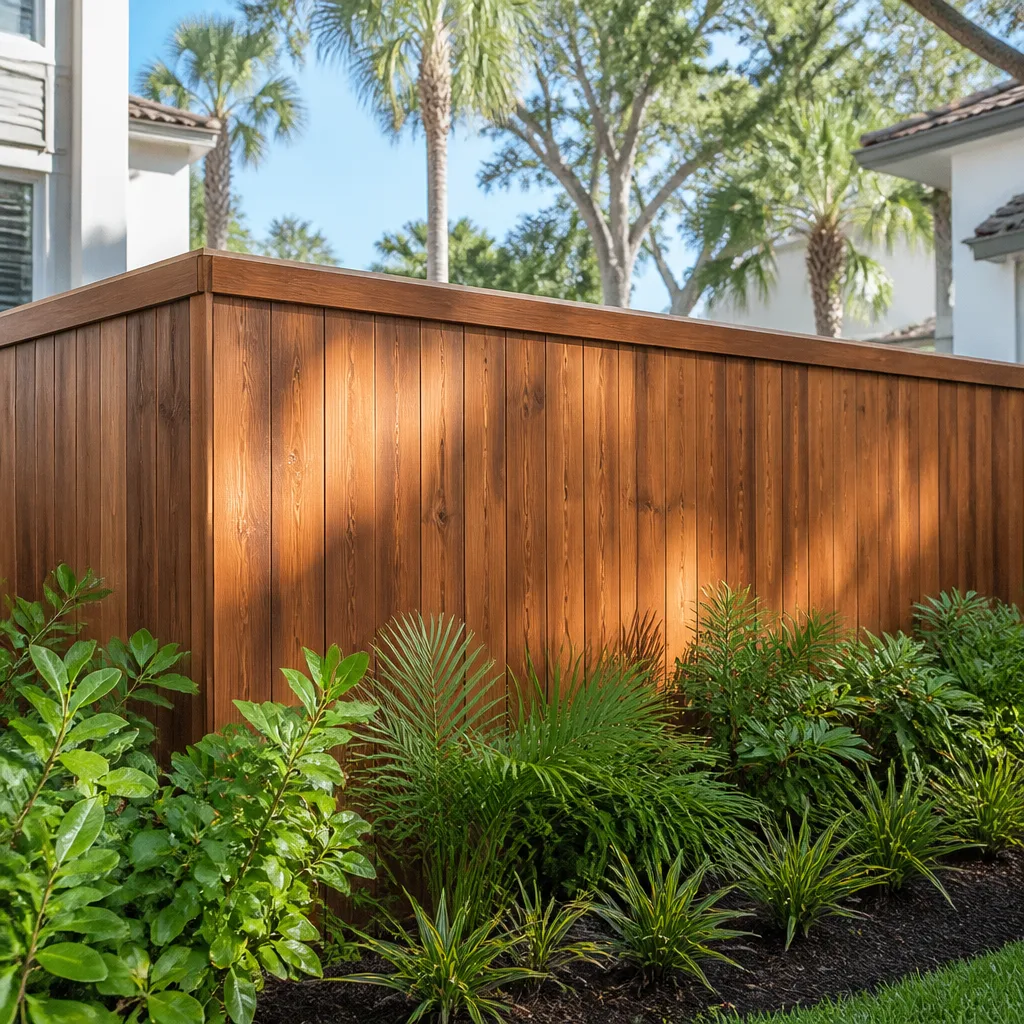
- Wood privacy fence (typical Tustin lot line, roughly 100 linear feet): $4,800 – $8,500
- Vinyl fence: $5,500 – $9,500
- Wrought iron / ornamental: $7,000 – $14,000
Driveway & Pavers
- Concrete replacement (typical Tustin driveway, 400 – 500 sq ft): $8,000 – $15,000
- Paver driveway (Belgard or comparable): $14,000 – $28,000
- Seal and patch: $500 – $1,200
Home Additions & ADU
- Room addition (250 – 500 sq ft, attached): $95,000 – $210,000
- Attached ADU: $180,000 – $280,000
- Detached ADU (600 – 850 sq ft, prefab and site-built): $280,000 – $420,000
- Garage conversion ADU: $120,000 – $185,000
For prefab ADUs, brands like Abodu show up in Tustin conversations because they compress the site work and framing timeline. It’s worth comparing the prefab path against a site-built option, since the cost gap has narrowed and the plan-check timelines are more predictable on the prefab side. Site-built still wins when the lot is awkward or the desired footprint doesn’t match a prefab standard.
Every one of these ranges moves with material tier and site conditions. A roof on a steep-pitch Tustin hillside property costs more than the same square footage on a flat lot. A driveway with soil movement gets extra base prep. A kitchen with a planned wall removal adds structural engineering. That’s why a written, line-item estimate is worth more than the number at the bottom.
Common Mistakes to Avoid
- Comparing the bottom-line number instead of the line items. Two Tustin bids with a $15,000 difference can normalize to identical once you add back permits, engineering, and realistic allowances. The number means nothing without the scope under it.
- Signing a bid with an undescribed allowance. A bid that says “tile allowance: $1,500” without naming the material tier is a bid that assumes you’ll upgrade and pay the difference. Ask for model numbers and allowance tiers in the contract.
- Assuming permits are included. A surprising number of Tustin bids list permits as “by owner.” That’s your cost and your liability. Confirm in writing which permits the contractor will pull.
- Skipping the plan-check conversation. Structural corrections, open-concept spans, and any structural change often trigger plan-check revisions that add weeks and a few hundred dollars. Budget time and money for one or two rounds.
- No contingency line. Hidden conditions in Tustin’s aging housing stock are common enough that a 10% contingency isn’t pessimism, it’s realism. A bid without one will hit you with a change order.
- Ignoring deferred maintenance until it fails. A $600 flashing repair is $600. A flashing failure that reaches the ceiling drywall is a $6,000 repair. Every deferred item has a detection price and a failure price, and the gap is usually 10x.
- Choosing the lowest bid without a walkthrough or references. A contractor who didn’t walk the property carefully before quoting is a contractor who’s planning to discover the scope during construction. That’s when change orders appear. Ask to see two recent Tustin projects and speak with the homeowners.
See the difference
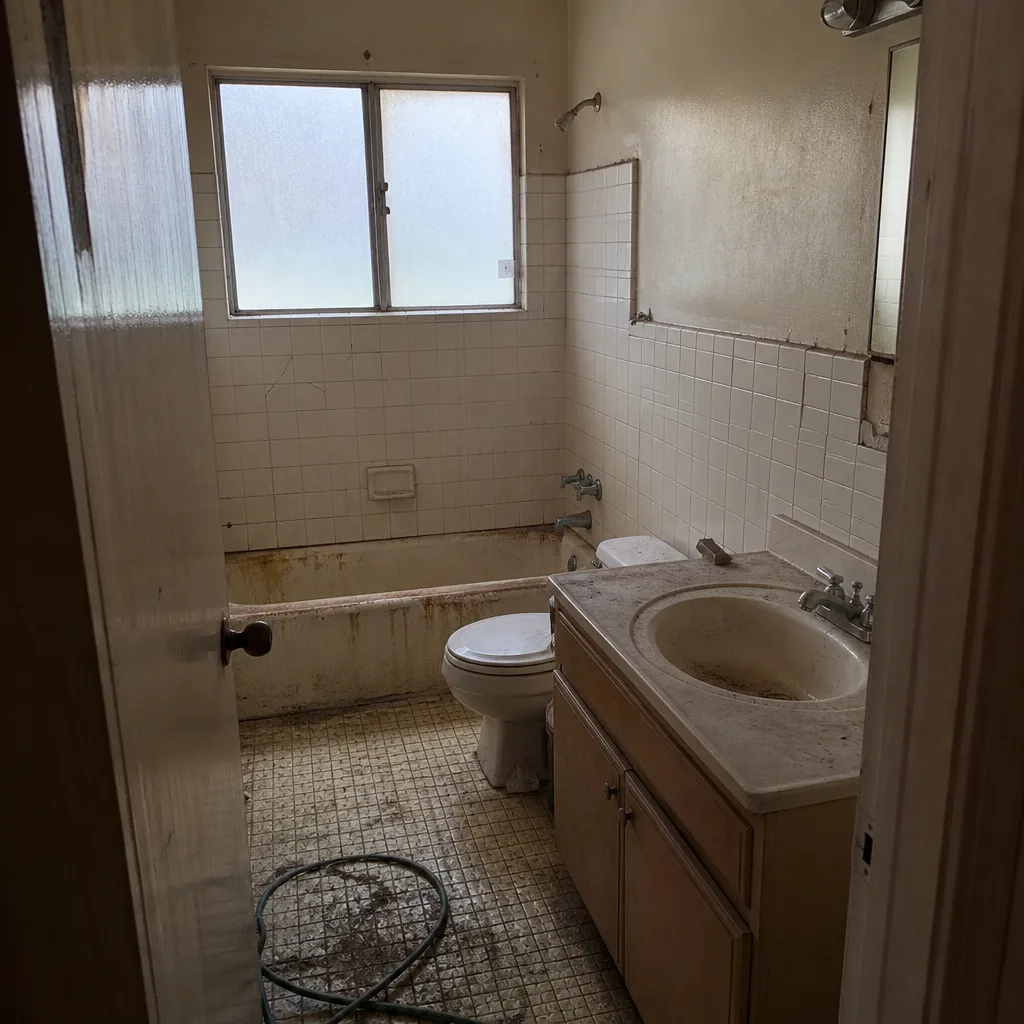 Before
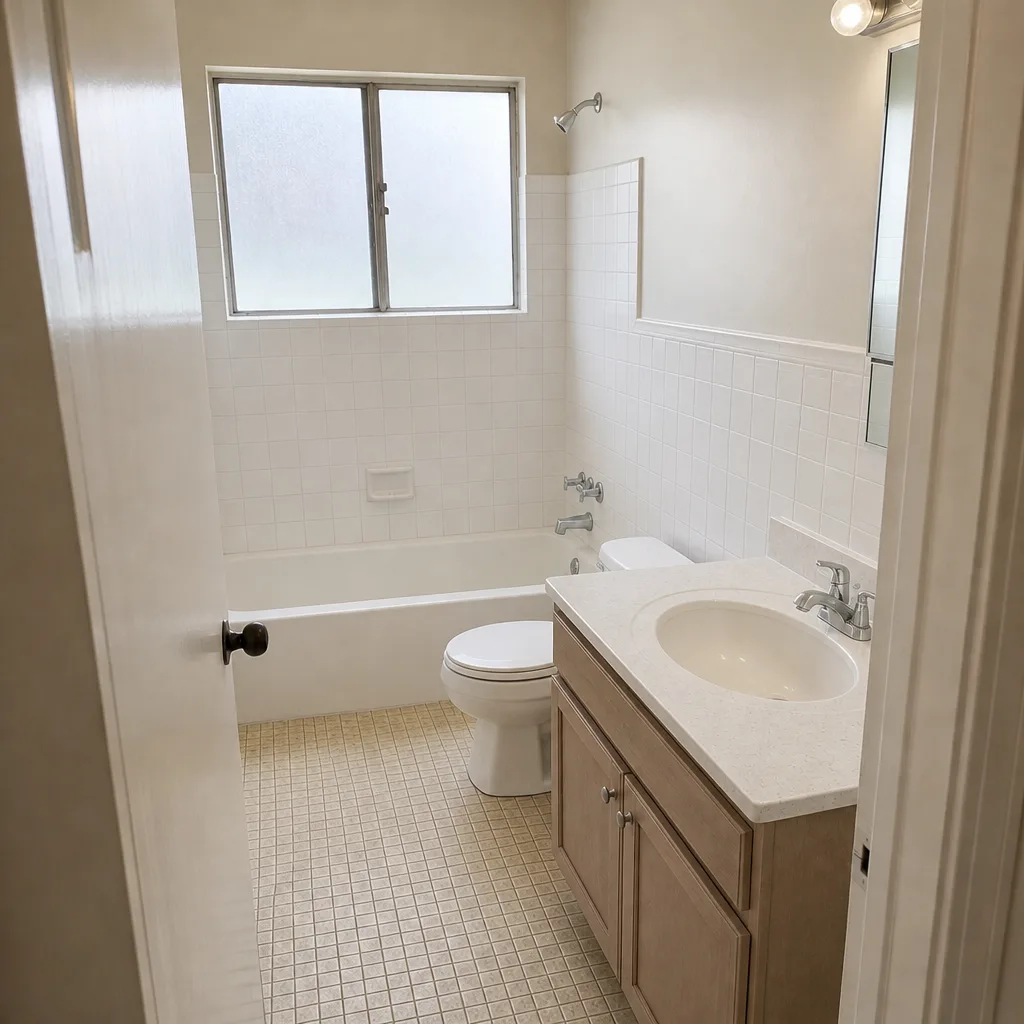 After
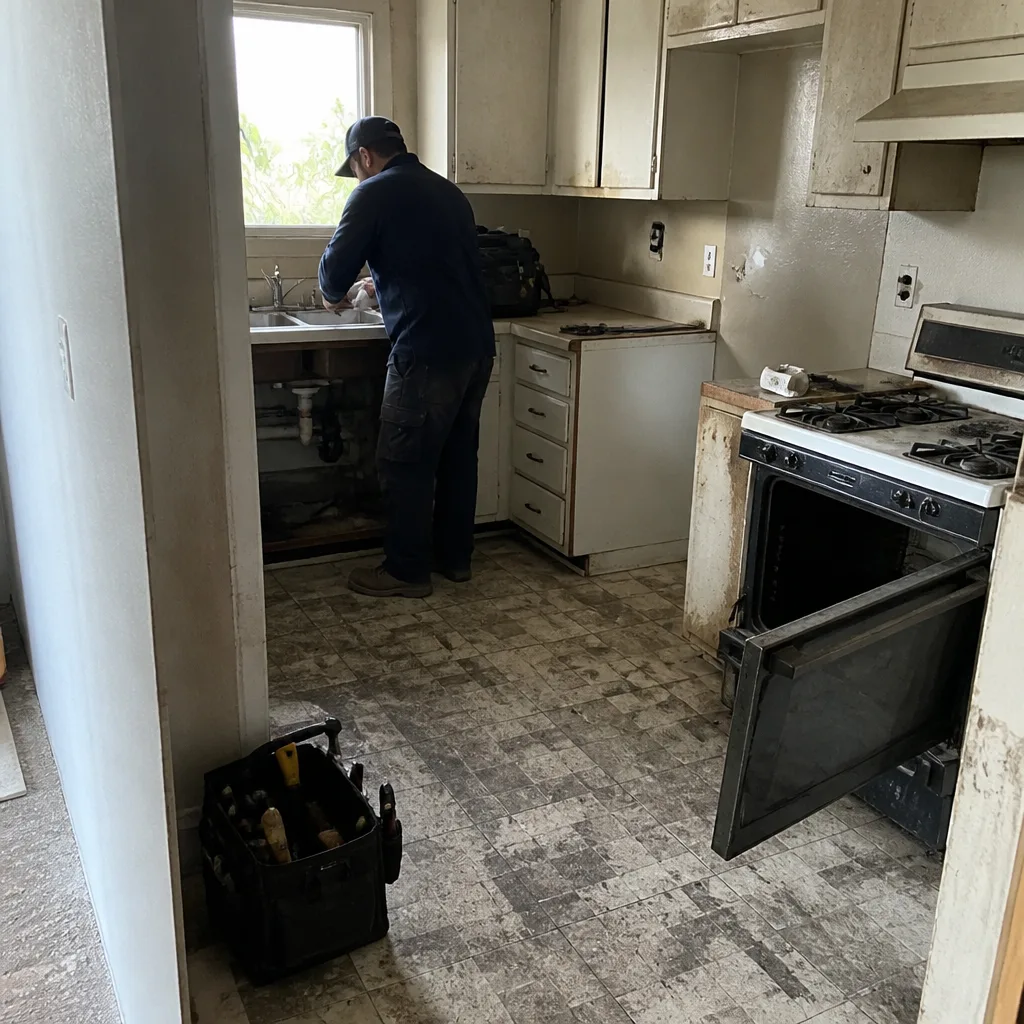 Before
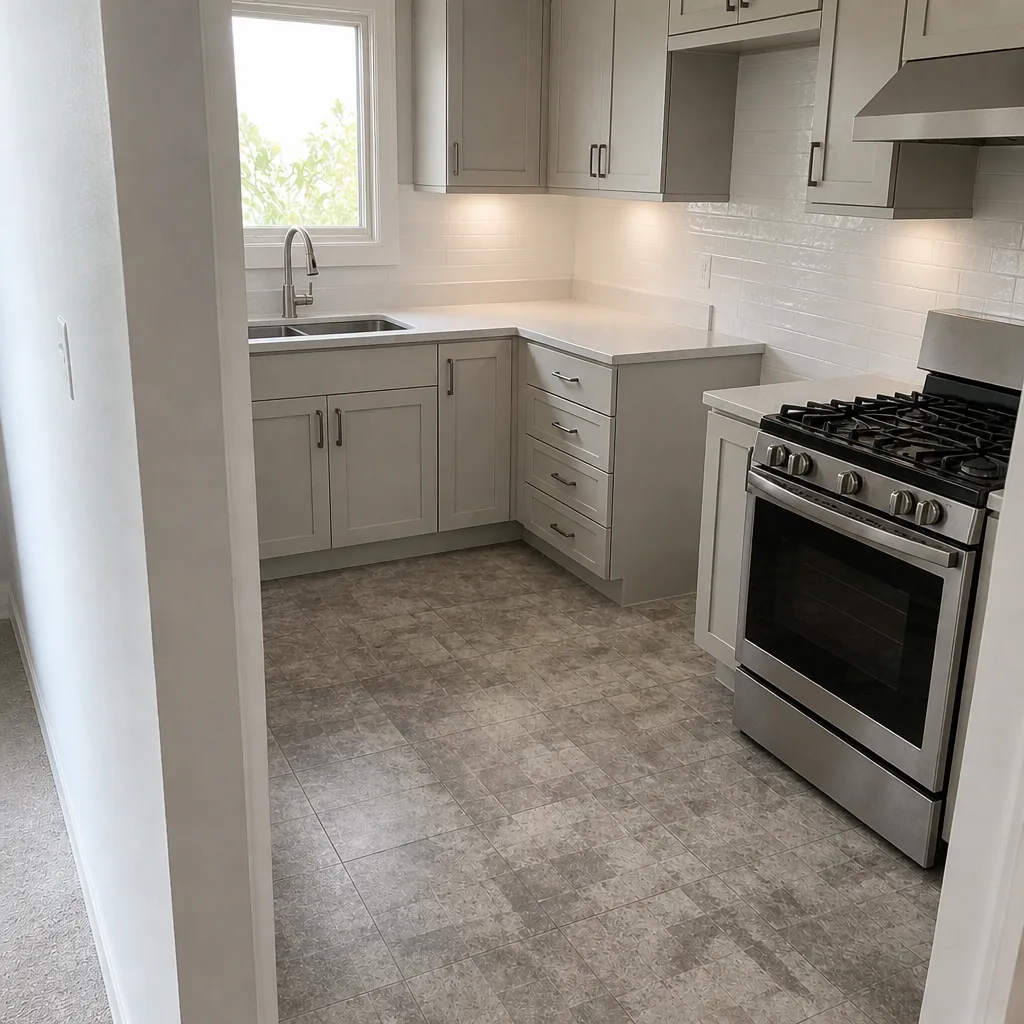 After
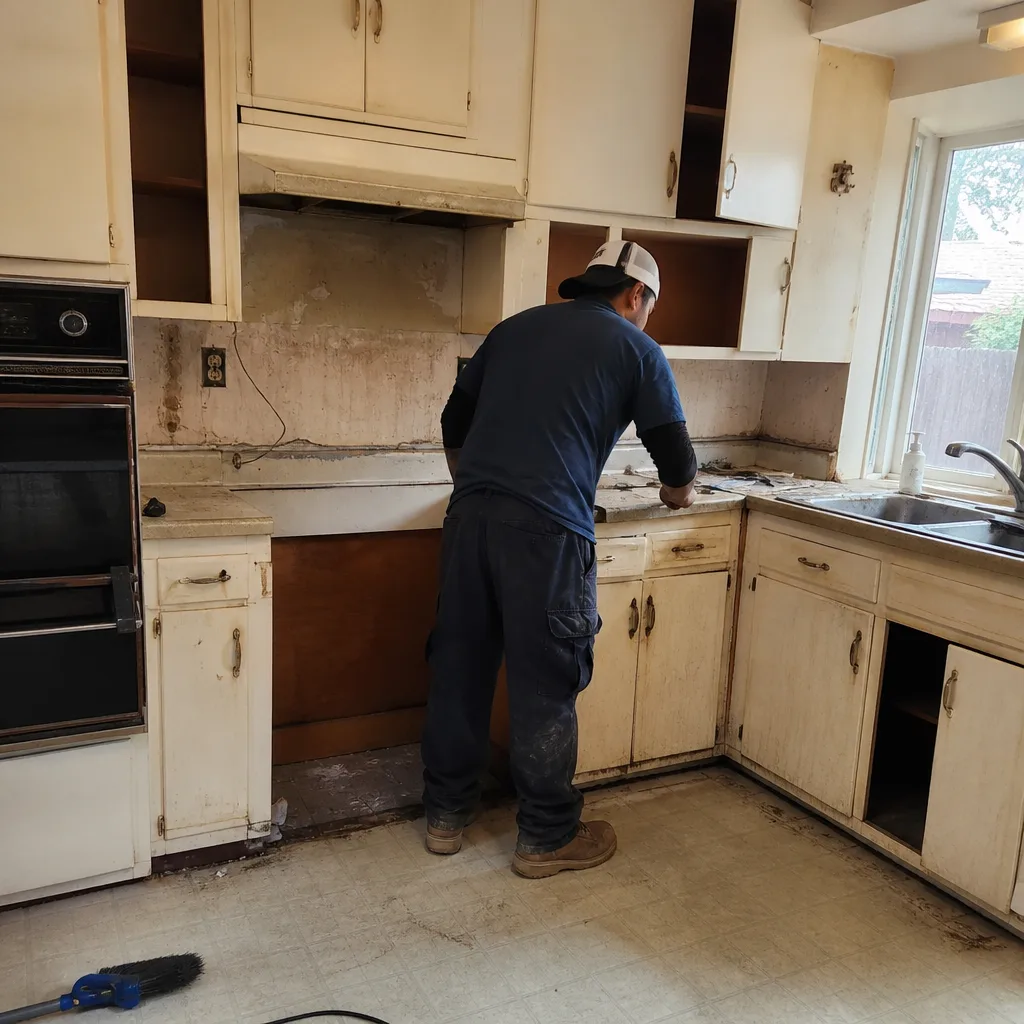 Before
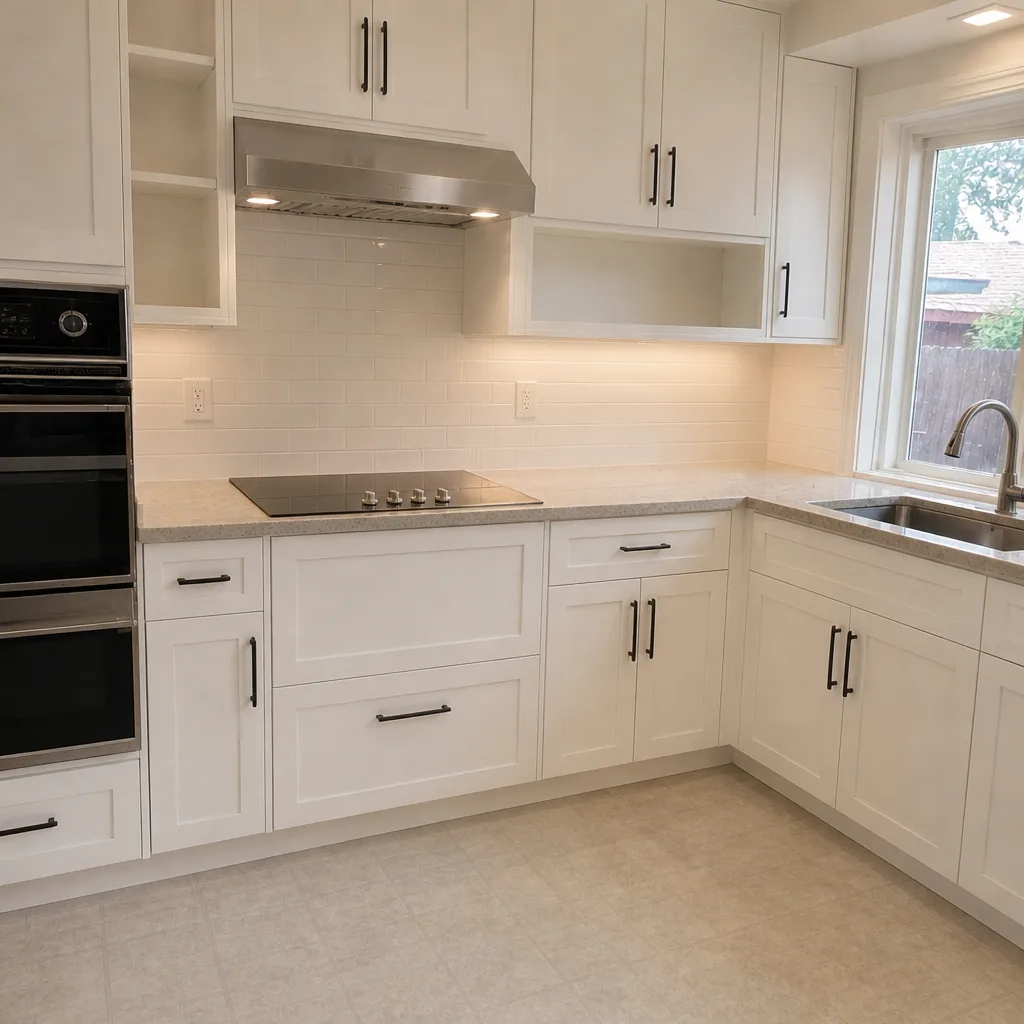 After
When to Call a Professional
Some of this belongs in a spreadsheet. Some of it needs eyes on the property. A roof leak that appears after a Santa Ana wind event, a kitchen remodel with a planned wall removal, a bathroom where the shower pan is suspect, an ADU with utility work, a driveway with obvious panel failure: those all benefit from a licensed professional who has priced the same situation in Tustin before and can name the risk up front. Structural and safety-critical work is not a good place to learn. Neither is anything that requires a permit, because the inspector will be your least sympathetic audience.
Groundwork Construction Co. of Tustin offers free, line-item estimates in Tustin, backed by our 730-Day Done Right Promise and 0% financing for 18 months on qualifying projects. If you’re already holding bids and want a normalization walkthrough, we’ll do that too. Call (833) 954-6066 and talk to a live person.
Frequently Asked Questions
A mid-grade full kitchen remodel in Tustin runs $75,000 – $115,000 in 2026, with a cosmetic refresh around $22,000 – $38,000 and a high-end build with custom cabinetry and layout changes at $130,000 – $195,000. The biggest swing factors are cabinet grade, countertop material (Cambria quartz vs. a stocked slab), and whether a wall comes out. Call (833) 954-6066 for a line-item estimate on your kitchen – it’s free.
Because each contractor is pricing risk differently, not because the work is different. One bid assumes hidden conditions are fine, another prices them in. The low bidder survives by omitting scope, allowances, or contingency; the higher bidder is likely pricing what will actually show up. Normalize both bids into the same line-item spreadsheet (add back permits, engineering, and a realistic allowance tier) and the numbers usually converge. Call (833) 954-6066 if you want a second set of eyes on the comparison.
An allowance is a pre-set dollar figure for a selection the homeowner hasn’t chosen yet. Contractors understate them because a lower allowance makes the bid look lower, and the homeowner covers the gap at change-order time. A realistic tile allowance for a Tustin hall bath is $2,800 – $4,500 at mid-grade; a $1,500 line means you’ll pay the difference. Ask for model numbers in the contract, not just allowance totals. Call (833) 954-6066 with your current bids if you want them reviewed.
Often they don’t. A number of bids list permits as “by owner” or leave engineering and plan-check fees off entirely, which shifts $2,000 – $7,000 of legal cost to you depending on scope. Confirm in writing which permits the contractor will pull, whether engineering is included, and how inspection re-fees are handled. A contractor who pulls permits and passes inspections as standard practice is the one you want. Call (833) 954-6066 to talk through your scope.
10% on a kitchen or bath, 15% on a room addition or ADU, and 5% on straightforward replacements like windows or roofing. Tustin’s older housing stock means hidden conditions are common enough that budgets without a contingency almost always end up with change orders. On a $90,000 kitchen, that’s $9,000 of honest budgeting against $15,000 of surprise. Call (833) 954-6066 for an estimate that includes a real contingency line.
Early is almost always 10 – 25% of the failure-stage cost. A $600 flashing repair becomes a $3,500 – $9,000 drywall and mold job once the leak reaches the ceiling. A $1,400 galvanized line replacement becomes an $8,000 – $25,000 water-damage and remediation project once it pinholed behind a wall. The math holds across roofing, plumbing, drains, driveways, and fences. Call (833) 954-6066 and we’ll help you price the detection-stage cost.
The Bottom Line
The bid that wins is often the one that left the most out. Tustin homeowners who understand what’s actually inside a line item can tell a competitive bid from one that’s missing something that will surface later as a change order. Allowances, permits, engineering, and contingency are where the low numbers hide. Normalize bids against the same line-item framework, ask for model numbers and permit commitments in writing, and budget a real contingency against Tustin’s aging housing stock. That conversion is worth $15,000 – $35,000 of savings on a typical project, before a single nail goes in. The number at the bottom of the page is a starting point, not a verdict.
Get a Line-Item Estimate You Can Actually Compare
We’re writing line-item estimates for Tustin projects all week, with fixed pricing and no change orders when the scope is set, backed by the 730-Day Done Right Promise and 0% financing for 18 months. If you’re holding two or three bids and want them normalized, bring them. If you’re starting from scratch, we’ll walk the property and build the estimate against your actual scope. Call (833) 954-6066 for a free estimate – estimates are free, and you’ll talk to a live person.
Written by the team at Groundwork Construction Co. of Tustin.