Last updated November 17, 2026








Free written scope consultation - allowances, timeline, and change-order rules on paper before a single trade is scheduled
Construction Warning Signs: A Tustin Homeowner’s Reference Guide
A hairline crack in your driveway and a hairline crack near your foundation can look identical to an untrained eye. One is cosmetic. The other can be the opening line of a structural story you don’t want to read. Knowing which is which isn’t guesswork, and it isn’t something you need a degree to figure out. What it takes is someone telling you what you’re actually looking at and what it means. That’s what this guide does. We’ve walked thousands of Tustin properties and seen the same handful of warning signs repeat themselves across neighborhoods, soil types, and decades of construction. Here’s how to read them before they read you.
Quick Answer
The most reliable construction warning signs in Tustin are cracks wider than a credit card, cracks that run diagonally from corners, water pooling against the foundation after rain, soil pulling away from the slab, efflorescence (white powder) on concrete or masonry, and pavers that rock or sink unevenly. Any one of these deserves a closer look. Two or more together mean you should get a professional assessment before the next rainy season, not after.
Styles & brands we work with
- Kitchen remodeling
- Bathroom remodeling
- Home additions & ADU
- Roofing
- Windows & doors
- Driveway & pavers
- Fence
Table of Contents
- Crack Taxonomy: Reading Width, Direction, and Location
- Why Tustin’s Clay Soil Changes What Cracks Mean
- Drainage Warning Signs You Can See Before Damage Starts
- Paver and Flatwork Signals That the Base Is Failing
- Workmanship Failure vs. Material Failure vs. Site Conditions
- The Documentation Protocol: Photos, Measurements, and the Written Record
- Common Mistakes to Avoid
- When to Call a Professional
- Frequently Asked Questions
- The Bottom Line
Crack Taxonomy: Reading Width, Direction, and Location
Not all cracks are the same crack. The three variables that matter are width, orientation, and location, and you can measure all three with a five-dollar bill or a coin. In Tustin, we teach homeowners to think of cracks in three classes: cosmetic, monitored, and urgent.
Width. A hairline crack under 1/16 inch (roughly the thickness of a penny) in a driveway, patio, or non-structural wall is usually shrinkage as the concrete cured. A crack at 1/8 inch (a nickel) is worth circling with a pencil and photographing today. A crack at 1/4 inch (a quarter) or wider, especially if it’s grown since you first noticed it, moves into professional-assessment territory.
Orientation. Vertical cracks in a stem wall or foundation are the most common and often the least alarming, particularly if they’re uniform in width top to bottom. Diagonal cracks that start at the corner of a window or door opening and run toward the ceiling or floor are the pattern that gets our attention, because they tend to follow shear or settlement stress. Horizontal cracks in a foundation wall are the rarest and most serious; they suggest lateral pressure the wall wasn’t designed to resist.
Location. A crack in the middle of a 20-year-old driveway slab that hasn’t changed in five years is a different animal than a crack that appears within 3 feet of the foundation on a home built in the 1970s. Distance from the structure matters: the closer a crack sits to load-bearing elements, the more it earns attention.
We keep a simple rule of thumb: measure, photograph, date, and re-measure in 60 days. If the crack has grown, talk to someone. If it hasn’t, keep an eye on it and get on with your weekend.
Why Tustin’s Clay Soil Changes What Cracks Mean
Tustin sits on a mix of expansive clay soils and older alluvial deposits, and that geology does two things to a house that homeowners in sandier parts of Orange County don’t have to think about. First, expansive clay swells when it absorbs water and shrinks when it dries, which means it moves your slab a little every season. Second, the winter-to-summer moisture swing here is large enough that a house sitting on clay can cycle through measurable movement year after year without anyone noticing until a crack shows up.
What that means practically: a Tustin homeowner should treat seasonal crack behavior differently than a homeowner in a stable, sandy zone. A crack that opens by a hair in October and closes by March is telling you about soil moisture, not structural failure. That’s manageable. A crack that only opens, never closes, is telling you something else.
The fix for most soil-driven movement is unglamorous: get water away from the foundation. Downspouts that terminate within 3 feet of the house, planter beds that hold water against the slab, and irrigation heads aimed at the stem wall all feed the cycle. We’ve watched Tustin properties where simply switching to drip irrigation and re-routing two downspouts stabilized crack growth for five years without any structural work at all. Sites near the foothills around Old Town and the neighborhoods above Newport Avenue tend to see more clay activity than the flatter central and north Tustin areas, but the principle applies everywhere.
Drainage Warning Signs You Can See Before Damage Starts
Water is the most patient destroyer of a home, and it leaves evidence you can read on the surface long before it does anything you can’t undo. Four signs come up again and again on Tustin properties.
Pooling patterns. After a rainstorm, walk the perimeter of the house and note where water stands for more than 24 hours. Standing water against the foundation is the single clearest warning sign in this guide. The grade should slope away from the house at a minimum of six inches over the first 10 feet, and if it doesn’t, water is finding its way under your slab.
Efflorescence. That white, powdery, salt-like residue on concrete, brick, or stucco is what’s left behind when water moves through masonry and evaporates at the surface. Efflorescence on a foundation wall means water is inside the wall. It’s not a cosmetic issue. Find the source.
Soil separation. A gap between the soil and the foundation, or a hollow sound when you tap the soil near the slab, indicates the earth has shrunk away from the house. On clay soil, this is the drying side of the seasonal cycle and it’s a direct pathway for water during the next rain.
Downspout and gutter overflow. Water stains on the fascia, splash marks on the stucco, or mulch washed out of beds are all signs that the gutter system is dumping water where you don’t want it. Extend downspouts at least 6 feet from the house and keep the gutters clear before the first storm, not after.
If you’re thinking about hardscape changes to control drainage, Driveway & Pavers in Tustin is where we walk through the slope and base requirements in detail.
Paver and Flatwork Signals That the Base Is Failing
Paver and concrete surfaces fail from the bottom up. The visible damage is usually the last thing to appear, which is exactly why homeowners miss it. By the time a paver cracks, the base beneath it has often been compromised for a year or more.
Here’s what to watch for, in the order these signs usually show up:
- Rattling or rocking pavers. Step on every paver in the driveway, walkway, or patio. A paver that moves underfoot is a paver without proper base support beneath it. That’s a base failure, not a surface problem, and replacing the paver won’t fix it.
- Sand loss in the joints. Joint sand that keeps washing out after every rain is telling you water is running under the surface instead of off it. The joints are the only thing keeping pavers locked together.
- Uneven settling or heaving. An area that dips or rises compared to its neighbors is usually a sign of poor compaction at installation or water movement in the subgrade. On a properly built paver driveway using products like Belgard or Unilock pavers on a compacted aggregate base, you shouldn’t see movement.
- Concrete slab cracking along the control joints. If the crack runs along the joint you had cut on purpose, that’s expected. If it runs through the middle of a panel, the base or the mix design may be the issue.
- Spalling and surface flaking. Concrete that flakes away at the surface, especially in the first 2 to 3 years, points to a material or finishing problem during installation rather than a base issue.
If your fence posts are also leaning, that’s a parallel warning sign on the same underlying issue. Fence Installation in Tustin covers the post-setting and drainage details that keep a fence standing straight through a decade of clay movement.
Workmanship Failure vs. Material Failure vs. Site Conditions
This is the section most homeowners wish someone had sent them before signing a contract. When something goes wrong on a construction project, there are three broad categories of cause, and each one requires a different response. Confusing them wastes money and time.
Workmanship failure. The materials were fine, the site was fine, and the person doing the work skipped a step, rushed a step, or got a step wrong. Examples: a paver installation without a compacted base, a roof where the underlayment wasn’t lapped correctly, a bathroom where the waterproofing wasn’t tied into the drain flange. Workmanship failures typically show up in the first 12 to 24 months and are covered by a workmanship warranty. This is the category a contractor is responsible for, and it’s the category that separates contractors who back their work from contractors who disappear.
Material failure. A product that should have performed didn’t. Adhesive that failed within its service life, a shingle batch that didn’t hold up, a window seal that lost integrity years early. Material failures are usually covered by the manufacturer’s warranty, and to make a claim you need documentation: the product name, the install date, photos showing the failure pattern. This is exactly where buying through a contractor who uses top-tier brands matters. When we install a roof with GAF or CertainTeed products, the manufacturer’s warranty sits alongside our own 730-Day Done Right Promise, so there’s no gap where everybody points at everybody else.
Site conditions. The soil moved, the water table changed, a tree root system grew into the foundation zone, or the drainage patterns on the lot shifted after a neighbor regraded. No contractor controls the ground under your house. What a good contractor does is identify site conditions in the estimate phase and build for them. A contractor who quoted you the same paver base spec as a job in another city without checking your soil is telling you something about how they work.
Your response depends on the category. Workmanship failure is a warranty conversation with the contractor. Material failure is a warranty claim with the manufacturer, filed through the contractor. Site conditions are an assessment and mitigation conversation, and often a scope change.
The Documentation Protocol: Photos, Measurements, and the Written Record
Most homeowners lose warranty and insurance claims not because they were wrong, but because they can’t prove what they saw or when they saw it. A cheap, five-minute documentation habit fixes that. Here’s how to do it right.
- Photograph the full context, not just the crack. Every photo should include something that establishes scale and location. A tape measure laid against the crack, the whole wall from 10 feet back, and a closer shot that shows the crack clearly. Take all three.
- Note the date in the photo if possible. Many phone cameras do this automatically. If yours doesn’t, use a small piece of paper with the date written on it.
- Record the measurement in a notebook or a notes app. Write the width, the length, the orientation, and the exact spot (“north wall of garage, 18 inches from the northeast corner, measured at 1/8 inch”). This written record is your strongest evidence if you ever need it.
- Re-measure on a schedule. Sixty days for cracks; the first rainy week of each season for drainage. Photograph again. If the number changed, you have a story. If it didn’t, you have reassurance.
- Keep the original contract, warranty documents, and any permit paperwork in one folder or one cloud drive. If your project used a permit and inspection (most Tustin structural work does), the inspection card is part of the record.
- Report in writing. If you’re contacting a contractor about a warranty issue, put it in an email or a text with a photo attached. A phone call that wasn’t documented verbally didn’t happen in the eyes of an insurance adjuster.
Two sentences above should stick with you: the photo should show scale and location, and the written record should exist before the problem grows. Those two habits cover 90% of what you’ll ever need.
Common Mistakes to Avoid
- Assuming all cracks are cosmetic. In Tustin’s clay, a crack that measures 1/4 inch and hasn’t changed in five years is usually stable. The same size crack that’s grown since last winter is not. Judge by change over time, not size alone.
- Patching over a warning sign without diagnosing it. A tube of concrete crack filler on a foundation crack hides the evidence and delays the fix. Find out what’s causing the crack before you seal it.
- Adding a paver patio to fix a drainage problem. Without regrading first, a new patio on a wet base is the most expensive way to lose a paver installation. Get the drainage solved first, then build.
- Hiring the lowest bid to fix a base issue. Base work is invisible in the final product and easy to cut. A low bid that skips compaction or the aggregate sub-base is the warning sign, not the crack.
- Waiting until the rainy season to act. Tustin’s storm window starts in late fall. Getting an assessment in October instead of January means the fix happens before the first big storm, not during it.
- Skipping the written record on small stuff. The homeowner who photographed a hairline crack in year one and re-photographed it in year two wins the warranty claim in year three. Fifteen seconds of effort now, thousands of dollars in leverage later.
- Not checking who actually pulls the permit. Any work that touches structure, foundation, or a major system should pull a Tustin permit and pass inspection. A contractor who suggests skipping the permit on a structural repair is telling you what the rest of the project will be like.
When to Call a Professional
You should pick up the phone when the evidence stacks up: a crack over 1/4 inch, a crack that’s grown since you measured it, water pooling against the foundation, efflorescence on a wall, pavers that rock, soil pulling away from the slab, or a fence that’s leaning after a season you didn’t touch it. Any two of those together is a firm yes. And if anything you’ve seen scares you in the chest way, call sooner. A professional assessment is not an overreaction; it’s the cheapest information you can buy, and a proper written scope gives you real numbers instead of speculation. You’re not buying a fix; you’re buying a diagnosis and a plan. Groundwork Construction Co. of Tustin offers free estimates in Tustin, with upfront pricing and a written line-item scope. Call (833) 954-6066 to schedule yours.
One more thing: warning signs on structural, roof, or gas-related items deserve a licensed professional, not a weekend project. Our technicians have up to 12 years of experience and arrive background-checked and in uniform, and if the diagnosis calls for expansion, an ADU or home addition in Tustin starts with the same inspection footing.
Frequently Asked Questions
A crack of 1/4 inch or wider, or any crack that has grown since you last measured it, deserves a professional look. Hairline cracks under 1/16 inch are usually cosmetic shrinkage. Measure with a coin and photograph on a schedule so you know if it’s changing.
Yes, it’s worth investigating. Efflorescence is salt pushed to the surface by water moving through the masonry. It’s cosmetic in feel but diagnostic in meaning: water is inside the wall or slab and finding a path out. Find and fix the source before it becomes a spalling issue.
Tustin’s expansive clay soil cycles through significant swell-and-shrink with seasonal moisture changes, and that movement stresses slabs, driveways, and foundations more than stable sandy soils do. Most of that movement is manageable with proper drainage. Some of it isn’t, and the difference is what a professional assessment looks at.
No. Re-sanding covers the symptom but doesn’t fix the cause. A rocking paver means the base beneath it isn’t supporting the load, and the fix is base repair, not sand. Re-sanding a base that’s failing will look okay for one rainy season and be right back where it started.
Look at timing and pattern. Workmanship failures typically show up within 12 to 24 months and cluster in a specific area of the install. Material failures look like one product batch failing across a wider area or a specific brand issue. Site conditions show up as movement tied to soil or water, often after a season change. Your written record and the original scope tell the story.
No. Many foundation cracks are cosmetic or stable settlement. What matters is width, orientation, and change over time. A vertical crack that hasn’t grown is a monitor-and-wait situation. A diagonal crack that’s grown is a professional-evaluation situation. That’s a conversation worth having in person, not over the phone.
If you’re looking for the broader context of how these signs fit into a full home improvement plan, the Groundwork Construction Co. of Tustin home page walks through how we approach each of our seven core service lines, and every one of those projects is backed by our 730-Day Done Right Promise.
The Bottom Line
Most construction emergencies announce themselves weeks or months in advance. A crack widens before a slab fails. Water pools before it damages. A paver rocks before it breaks. The signs aren’t hidden; they just need someone to read them, and this guide gives you the vocabulary to do it yourself: measure, photograph, date, and re-check. When the signs add up, don’t guess and don’t patch over what you can’t explain. Call a professional for a free assessment with written pricing, get a real diagnosis, and know what you’re looking at before it becomes an emergency. That’s how you protect the biggest investment you own.
Groundwork Construction Co. of Tustin has been serving local communities since 2014 with a curated set of brand partners across every trade, calls answered by a live person 24/7, background-checked and uniformed technicians, and our 730-Day Done Right Promise on every job. We also offer 0% financing for 18 months, $1,000 off projects over $10,000, and a free project estimate and design consult. When you’re ready to price the fix, call (833) 954-6066. Upfront pricing, no surprises, and a live person on the other end.
Written by the team at Groundwork Construction Co. of Tustin.
See the difference
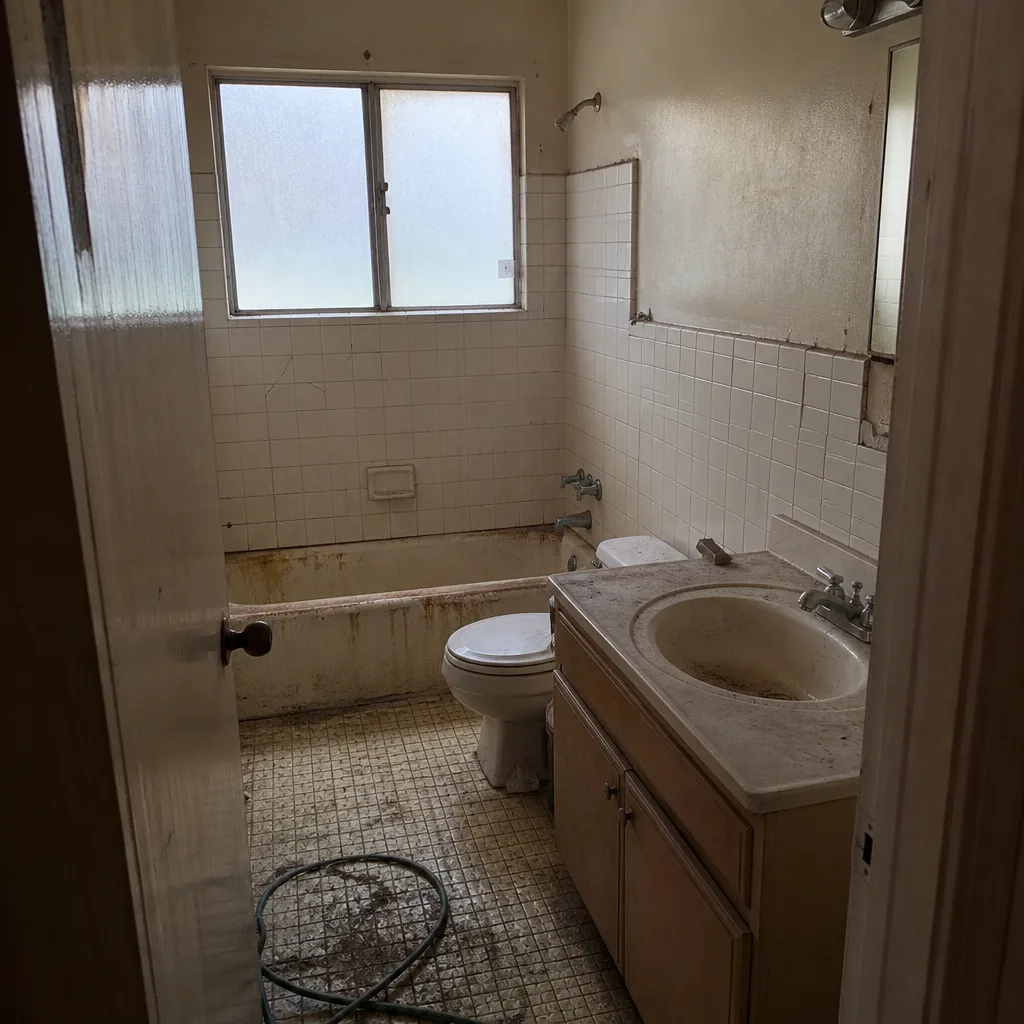 Before
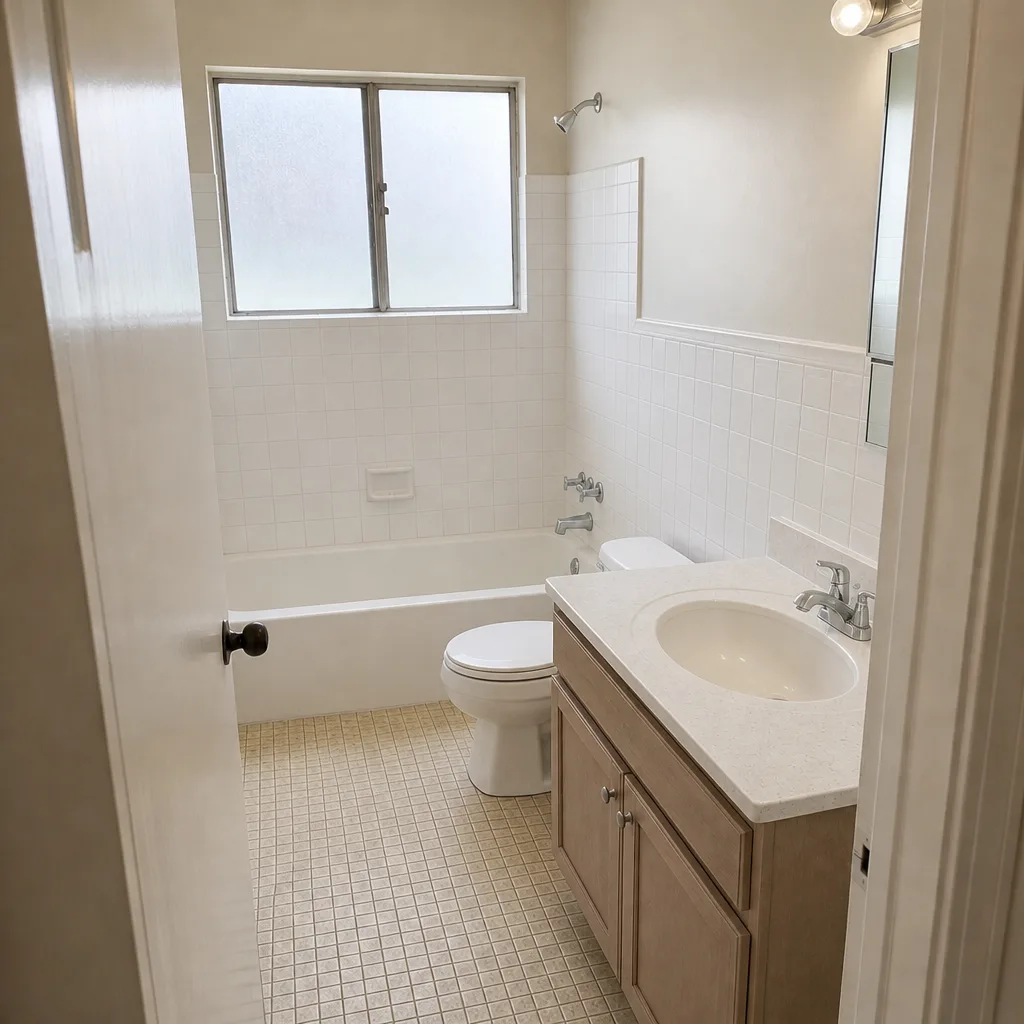 After
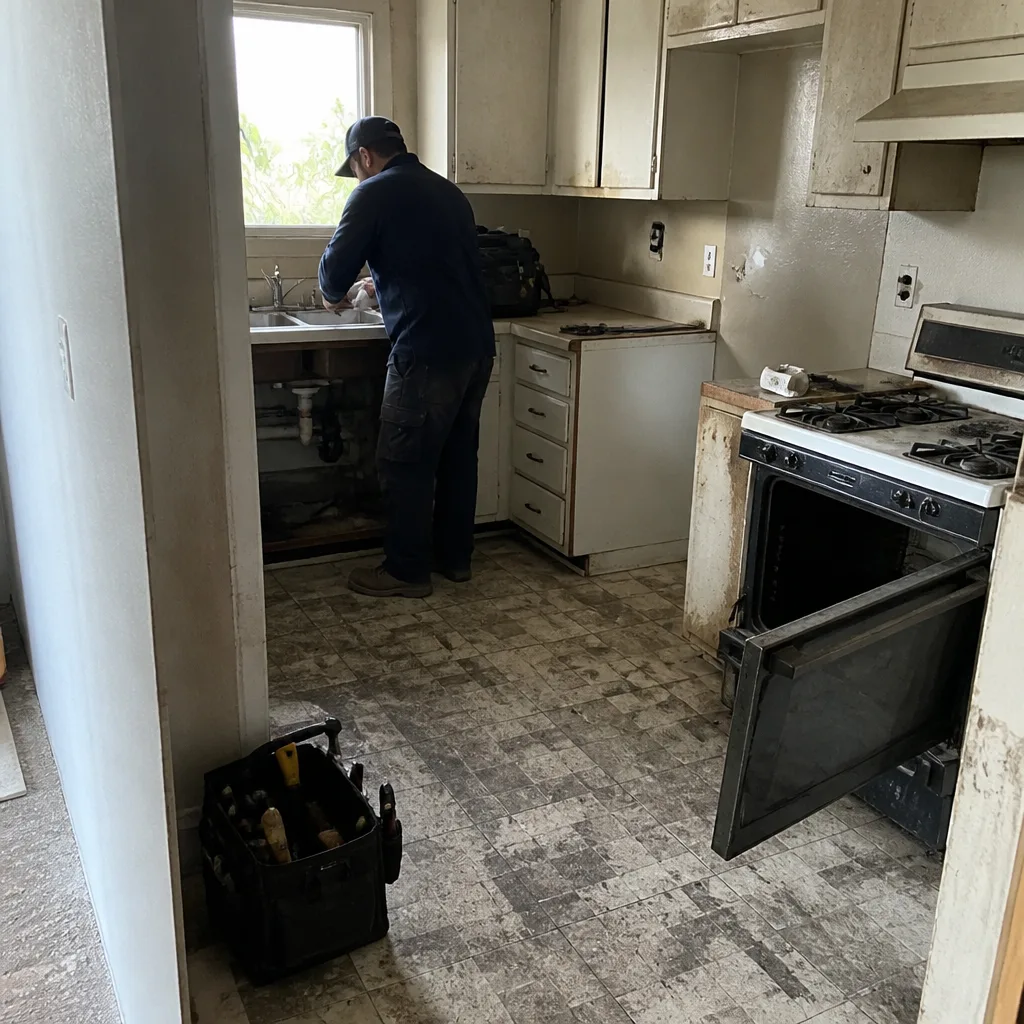 Before
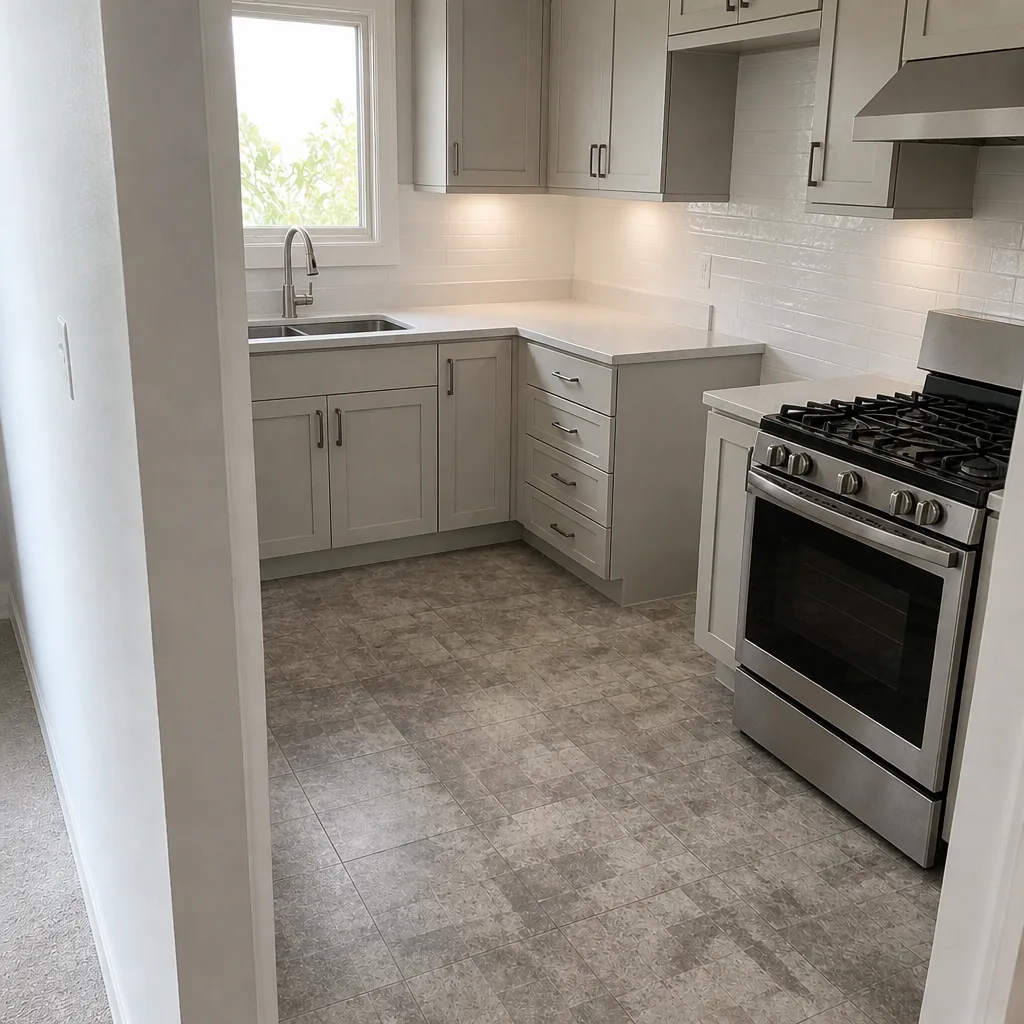 After
 Before
 After