Free written scope consultation - allowances, timeline, and change-order rules on paper before a single trade is scheduled
Styles & brands we work with
- Kitchen remodeling
- Bathroom remodeling
- Home additions & ADU
- Roofing
- Windows & doors
- Driveway & pavers
- Fence
See the difference
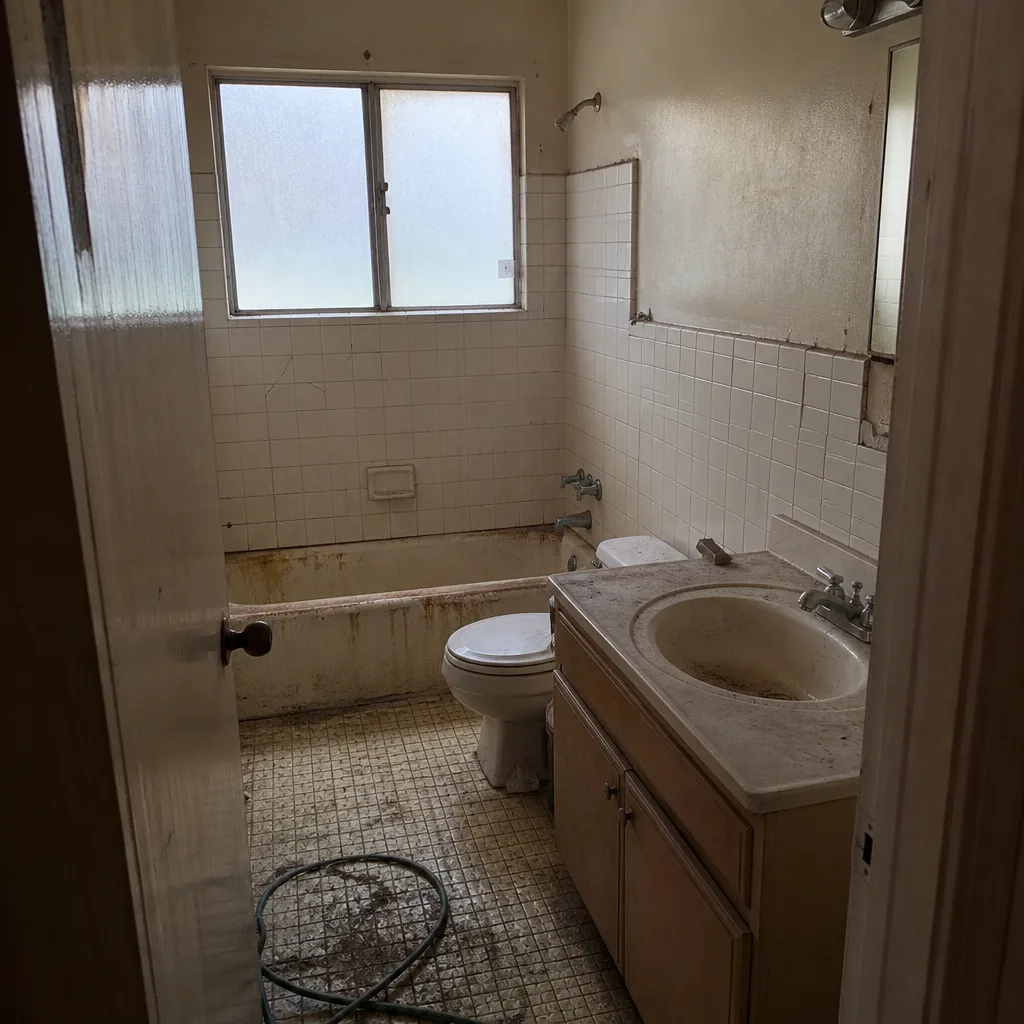 Before
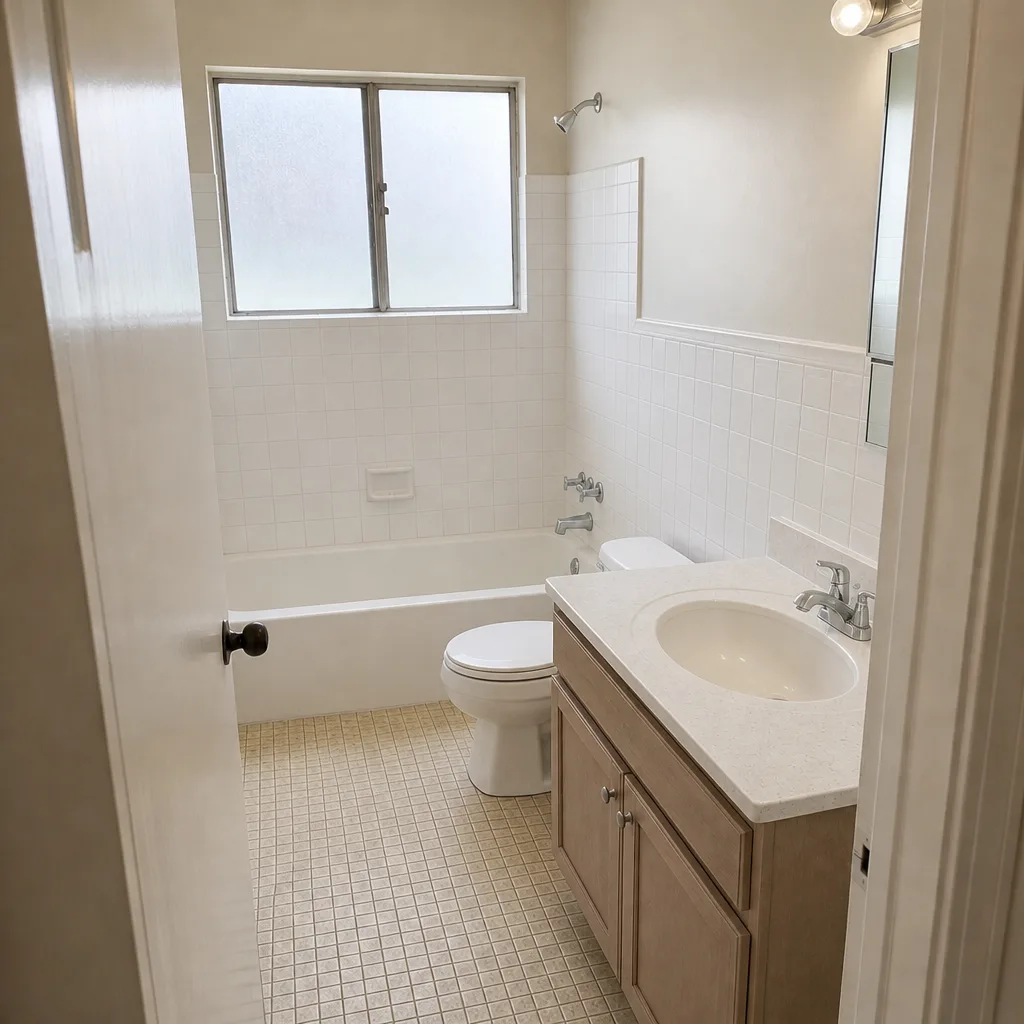 After
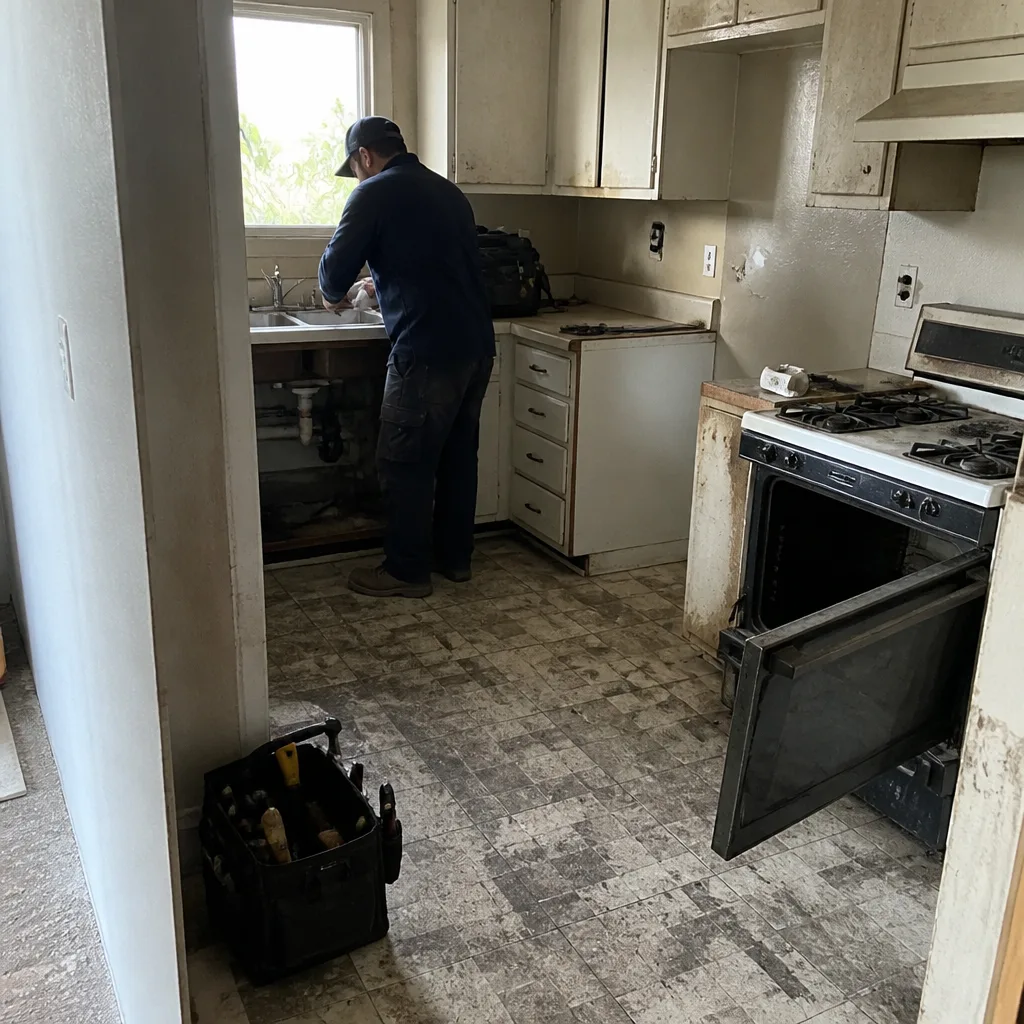 Before
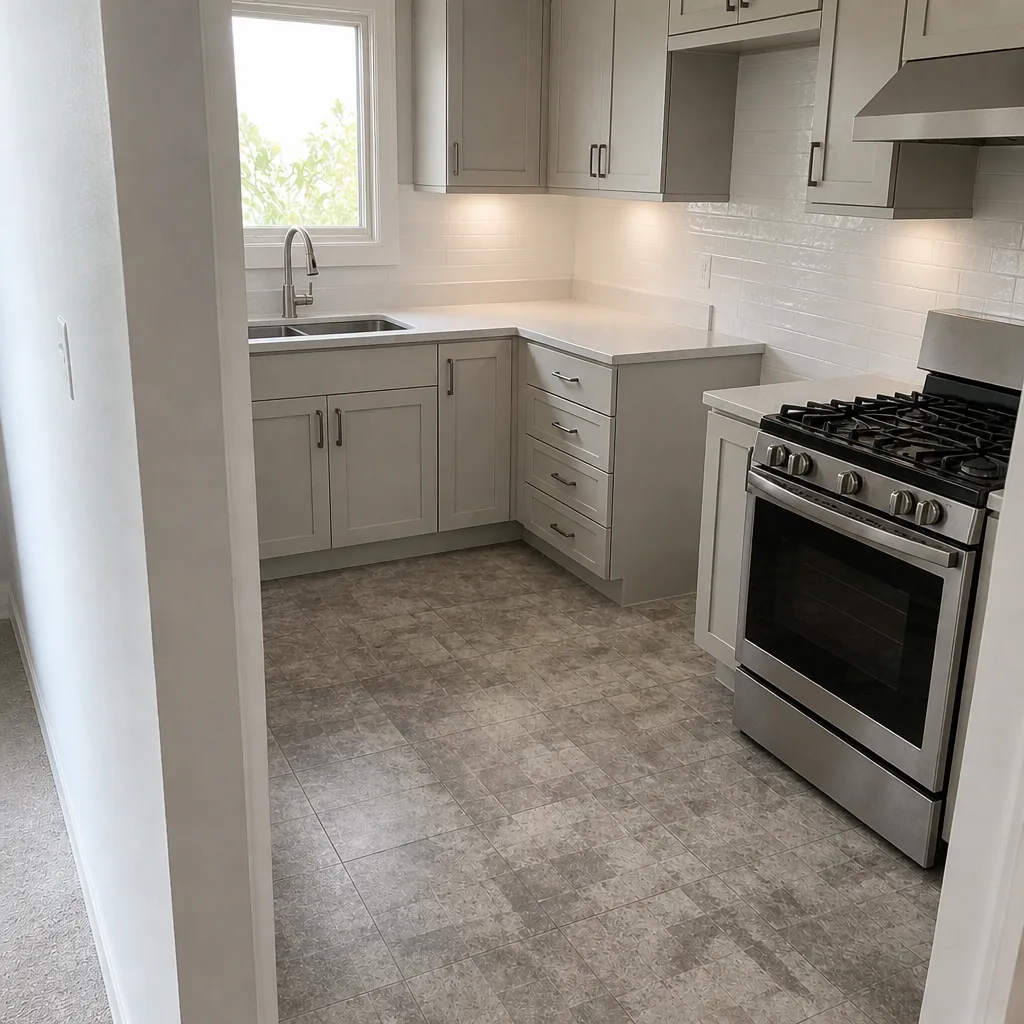 After
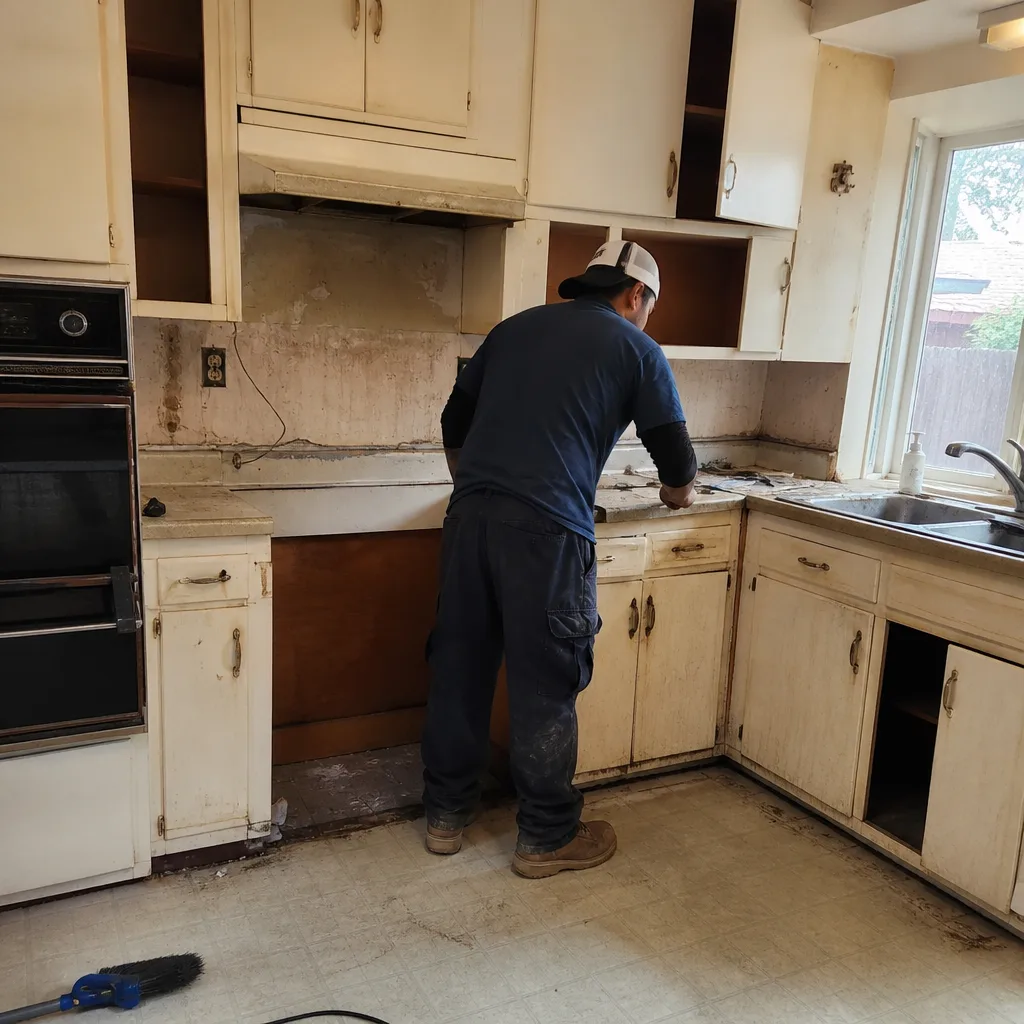 Before
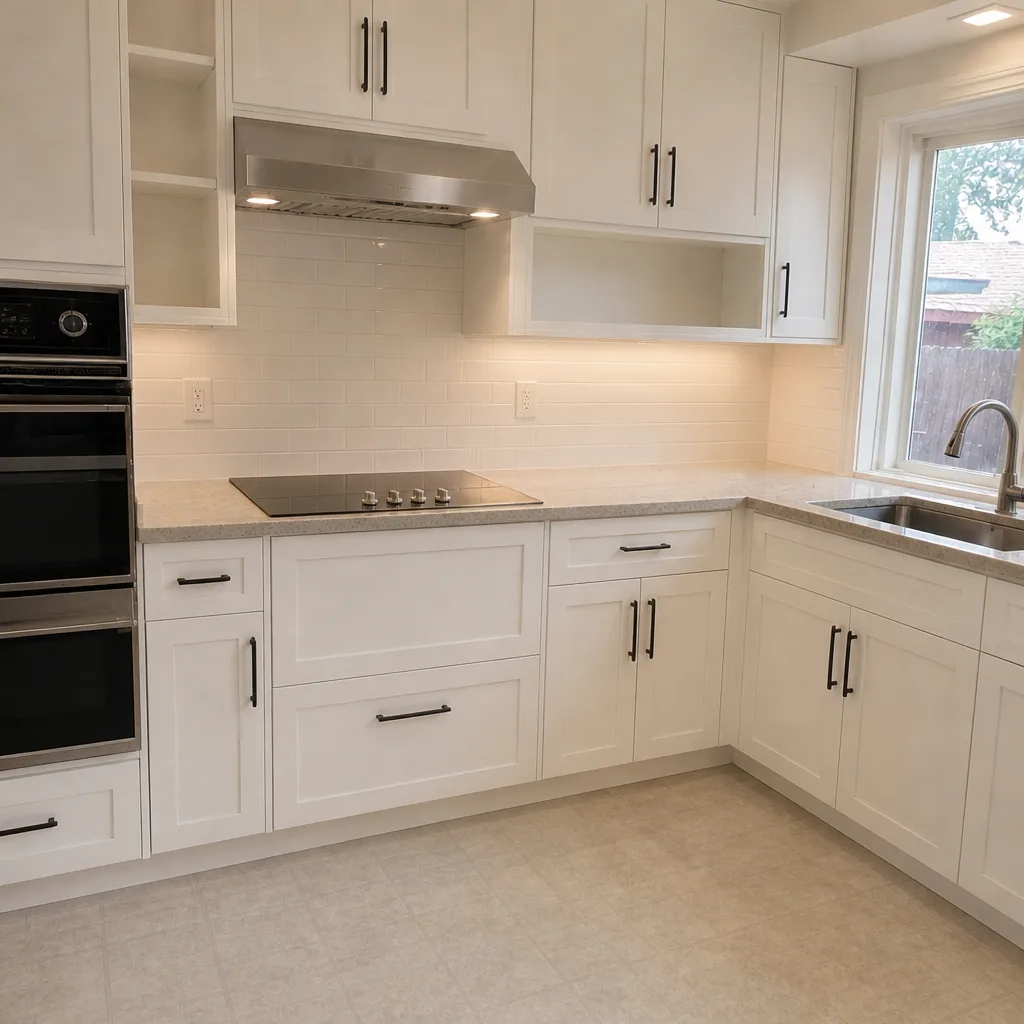 After
Glass Railing Cost in Tustin, CA: What You’ll Actually Pay
Glass railing in Tustin runs roughly $180-$280 per linear foot installed, and most homeowners land near $220-$250 per foot once hardware and anchoring are code-compliant. The spread isn’t markup. It’s wind load. Tustin sits in an Orange County wind-exposure zone where Santa Ana gusts force specific post spacing and tempered-glass thickness, so a frameless system that prices at $200 per foot in a low-wind market can climb past $280 here. For an exact number on your deck, call (833) 954-6066 - estimates are free and we answer live, around the clock.
Key Takeaways
- Wind-load code on elevated decks in Tustin is the single biggest driver of cost versus national averages.
- Poured concrete substrates in Tustin Legacy anchor cheaply; aging wood decks in Old Town and mid-century homes often need sistering first.
- A full quote should include glass, base shoe hardware, structural anchoring, permit, and inspection documentation - not just panels.
- Our technicians have up to 12 years of experience, and glass railing work falls under the same 730-Day Done Right Promise as every project we run.
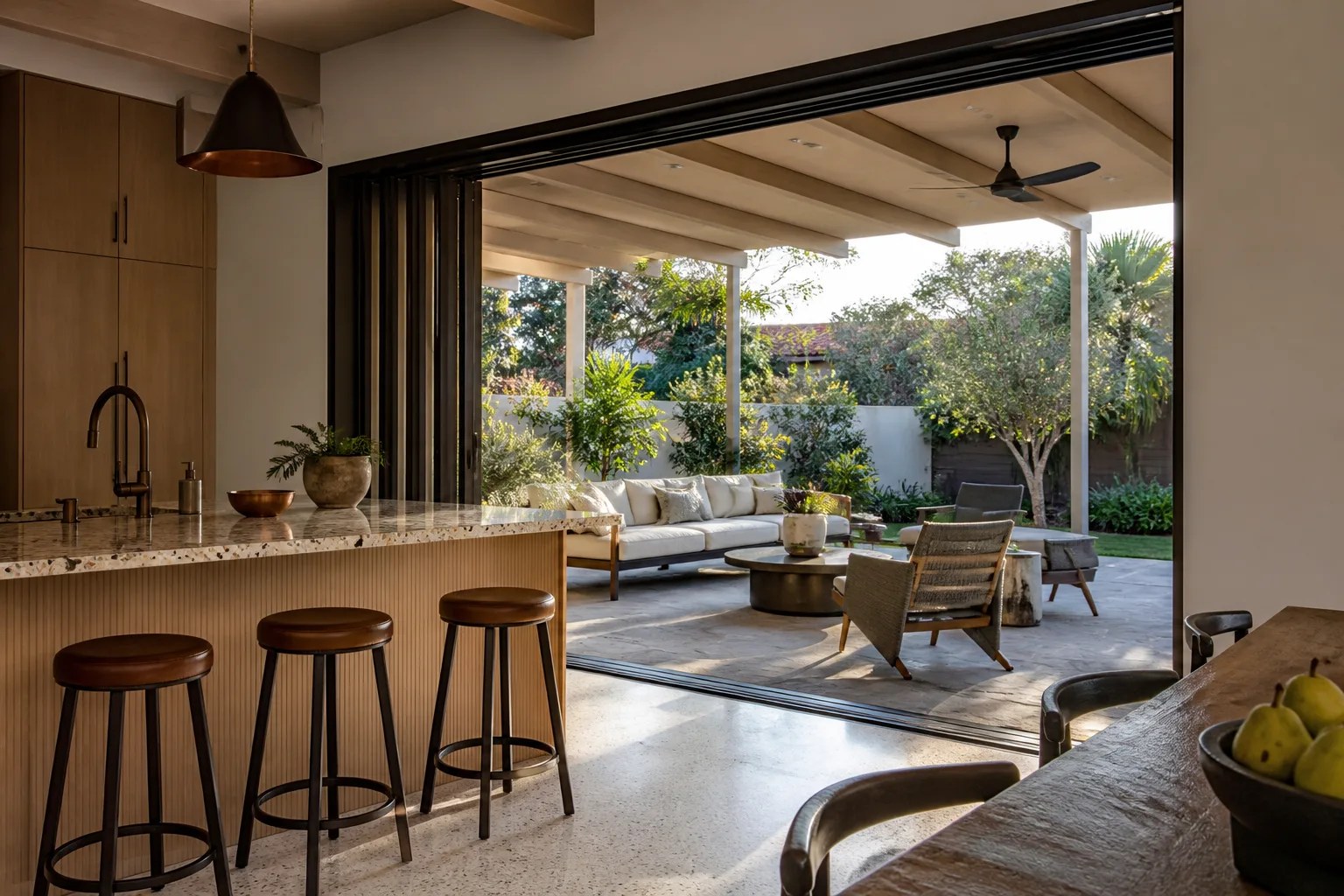
Why Glass Railing Costs More in Tustin Than the National Average
The number most national guides quote is built for a mild, low-wind market. Tustin isn’t that. The Santa Ana wind events that sweep through Orange County multiple times a year push hard, dry, high-velocity loads against elevated glass, and Orange County code responds with real specs: closer post spacing, thicker tempered glass, and base shoe anchoring engineered for the exposure. That’s why a linear-foot price here looks higher. You’re paying for a system that stays put when the wind doesn’t.
Post spacing is where a cheap bid usually breaks down. Wider spacing means fewer posts and less hardware, which looks like savings on the quote. Under wind load, it means flex. A frameless system with spacing set for a low-wind market isn’t a bargain in Tustin; it’s a failure waiting for the next dry wind event. We size posts and base shoe to the actual exposure, not the catalog default.
Glass thickness follows the same logic. Thicker tempered panels cost more per square foot, and the panel edge condition matters too. But the anchoring underneath is where most of the hidden cost lives: a base shoe that bolts into poured concrete is a straightforward, strong connection. A base shoe that bolts into a 40-year-old wood deck is only as strong as the wood it’s holding onto.
Tustin Legacy Versus Old Town: Two Very Different Decks
Tustin’s housing stock splits the railing conversation in half. In Tustin Legacy, on the former MCAS Tustin footprint, homes sit on freshly poured concrete and modern framing. Anchoring a glass system there is clean work, often faster measured in labor, and the substrate is ready on day one. Glass railings show up as a standard spec in that newer luxury construction, not a novelty upgrade.
Old Town is a different job. Its century-old Craftsman and Spanish Revival bungalows, plus the mid-century ranches from the 1950s through the ’70s, often have deck substructures that have spent decades in the sun and occasional wet winters. Before a glass panel ever gets ordered, we check the framing. If the joists are soft or the rim has pulled, we may need to sister in new framing so the railing has something solid to grab. That’s structural work you want done right, not a bolt-and-go install.
That’s the difference between a quote and a real number. We walk the substrate, confirm what the anchoring will actually hold onto, and price accordingly. Upfront pricing, no surprises. If a deck needs sistering before it can safely carry glass, you hear it before the work starts, not after the truck pulls up.
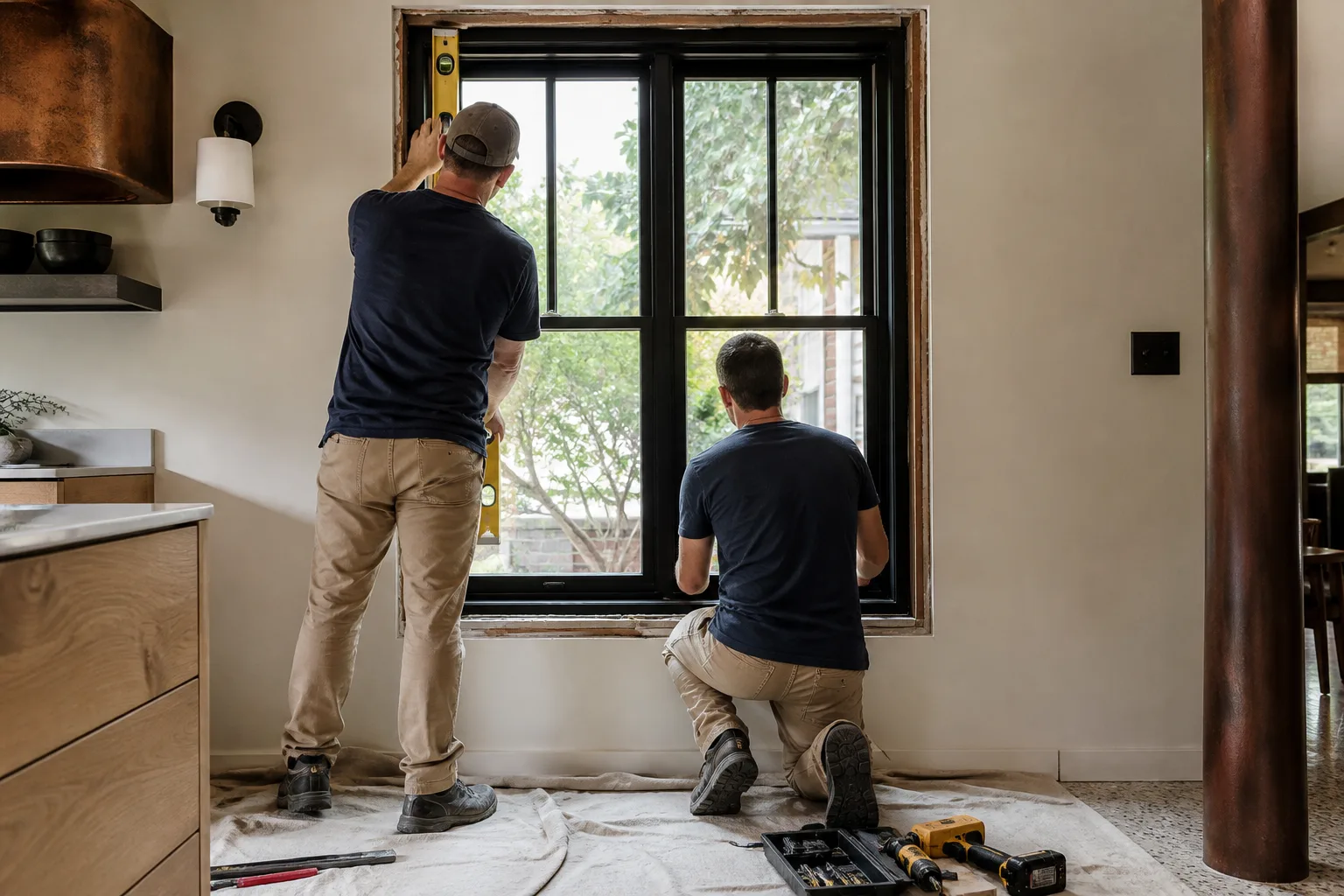
What a Real Glass Railing Quote Should Break Out
Most bids show you glass panels and hardware and call it a day. The full cost has more moving parts than that, and the parts a vague quote leaves off are exactly the ones that protect you. Here’s what should be itemized on a Tustin railing project:
| Cost Component | Typical Tustin Range |
|---|---|
| Glass panels (tempered, wind-rated) | $95-$140 / linear ft |
| Hardware and base shoe | $45-$85 / linear ft |
| Structural anchoring (concrete or reinforced wood) | $25-$55 / linear ft |
| Framing sistering where needed (older wood decks) | $1,200-$4,500 |
| Permit and inspection documentation | $250-$900 |
| Total installed | $180-$280 / linear ft |
If a bid hands you one lump number with no breakdown, ask what’s inside it. On a safety element anchored into a deck, the anchoring and permit line are not optional. We pair that documentation with brands we trust on the glass side, including Mr-Glass and CWS, so the panels going in match the spec they were priced against. Grading, framing, and finish on the surrounding deck also weigh on the total if the work expands. When a project pushes past $10,000, our $1,000 off offer and 0% financing for 18 months keep the number workable.
If the railing ties into a larger door or window opening onto a balcony or deck, our Windows & Doors team handles the transition so the weathering and the anchoring line up instead of fighting each other.
Frameless, Semi-Frameless, or Post-and-Cable: Which Holds Up to Santa Ana Winds?
Frameless glass gives you the cleanest sightline and the highest cost, and it can absolutely perform under Santa Ana loads. It just can’t be specified on the cheap: closer posts, thicker glass, and heavier base shoe. Semi-frameless trims cost with a top rail that also adds rigidity. Post-and-cable isn’t glass at the edge but sometimes wins when the substructure is older and you need a lighter anchoring load.
Our bias, on an elevated Tustin deck in a wind-exposure zone, is toward a system we can document as engineered for the load. We’d rather tell you a frameless setup needs more posts on your deck than sell you a sleeker line that flexes in a dry wind event. That’s a judgment call we make on site, and it’s where up to 12 years of technician experience pays off.
Glass railings on an otherwise sound structure are a fast job for the right crew. We come with background-checked, uniformed technicians, so the people working along your deck line are the same people whose name is on the promise. Our team covers the full scope, from the framing beneath the base shoe to the final walkthrough. If you’re planning this alongside a broader update, our Tustin service area team can put the whole scope on one estimate, from foundation to finish line.
Why the 730-Day Done Right Promise Matters More for Glass
A glass railing is a structural safety element. It’s bolted into your deck, it carries weight and wind, and it sits at the edge of a drop. That’s not a place to gamble on a one-year workmanship handshake. Every railing project we complete is covered by the 730-Day Done Right Promise: if it’s not done right, we make it right. Two full years on the workmanship that holds a safety system in place is a long window, and it’s built to last, backed in writing.
Pair that with the details that matter on a permit-driven job: inspection-ready documentation, permits pulled and closed, and a live person answering the phone 24/7 if you ever have a question after the crew leaves. No voicemail black holes. No waiting until Monday morning to find out whether a panel or a post is doing what it should. That’s the standard our whole company runs on, and railing work gets it like everything else.
FAQs
Glass railing in Tustin typically costs $180-$280 per linear foot installed, with most projects landing around $220-$250 per foot. Wind-load requirements are the biggest reason the local number runs higher than national averages, and older deck substructures can add sistering costs on top. Call (833) 954-6066 for an exact quote on your deck - estimates are free.
Orange County wind-exposure code requires tighter post spacing, thicker tempered glass, and anchoring engineered for Santa Ana wind loads, all of which drive the per-foot price up. A system that prices at $200 per foot in a low-wind market can hit $280 here once hardware is code-compliant. We quote to the real exposure, so the number you see is the number you pay.
It depends on the deck, and older wood substructures in Old Town and mid-century homes most often need sistering before glass can be safely anchored. Poured concrete substrates in Tustin Legacy typically need no reinforcement. We inspect the substructure before quoting, so you know which side of that line your deck is on. Call (833) 954-6066 to set up a free inspection and estimate.
Yes, we handle the structural anchoring, pull the permit, and leave you with inspection-ready documentation. Elevated decks in Tustin’s wind-exposure zone need the load-bearing work documented, and we build that into the quote rather than surprise you later. Reach us any hour at (833) 954-6066 to get a free estimate scheduled.
Get a Real Glass Railing Number for Your Tustin Deck
Wind-rated glass railing is worth doing right the first time, and the right time to lock in pricing is before the next Santa Ana season. Call (833) 954-6066 for a free estimate. Groundwork Construction Co. of Tustin brings upfront pricing, a live person on the line around the clock, and the 730-Day Done Right Promise on every railing we install. Book your walkthrough today.
Written by the team at Groundwork Construction Co. of Tustin, serving Tustin, CA.
What Our Customers Say
"He pulled the permits himself, scheduled every sub and ran the inspections. I made one decision a week and otherwise stayed out of it, which is exactly what I was paying for."
- Robert Sullivan"Change orders were written down and priced before the work happened, every single time. No surprise at the end."
- Keisha Robinson"We lived in the house through the whole thing. He kept the dust wall up, cleaned every Friday, and made sure we always had a working bathroom."
- Craig Whitaker