Free written scope consultation - allowances, timeline, and change-order rules on paper before a single trade is scheduled
Styles & brands we work with
- Kitchen remodeling
- Bathroom remodeling
- Home additions & ADU
- Roofing
- Windows & doors
- Driveway & pavers
- Fence
See the difference
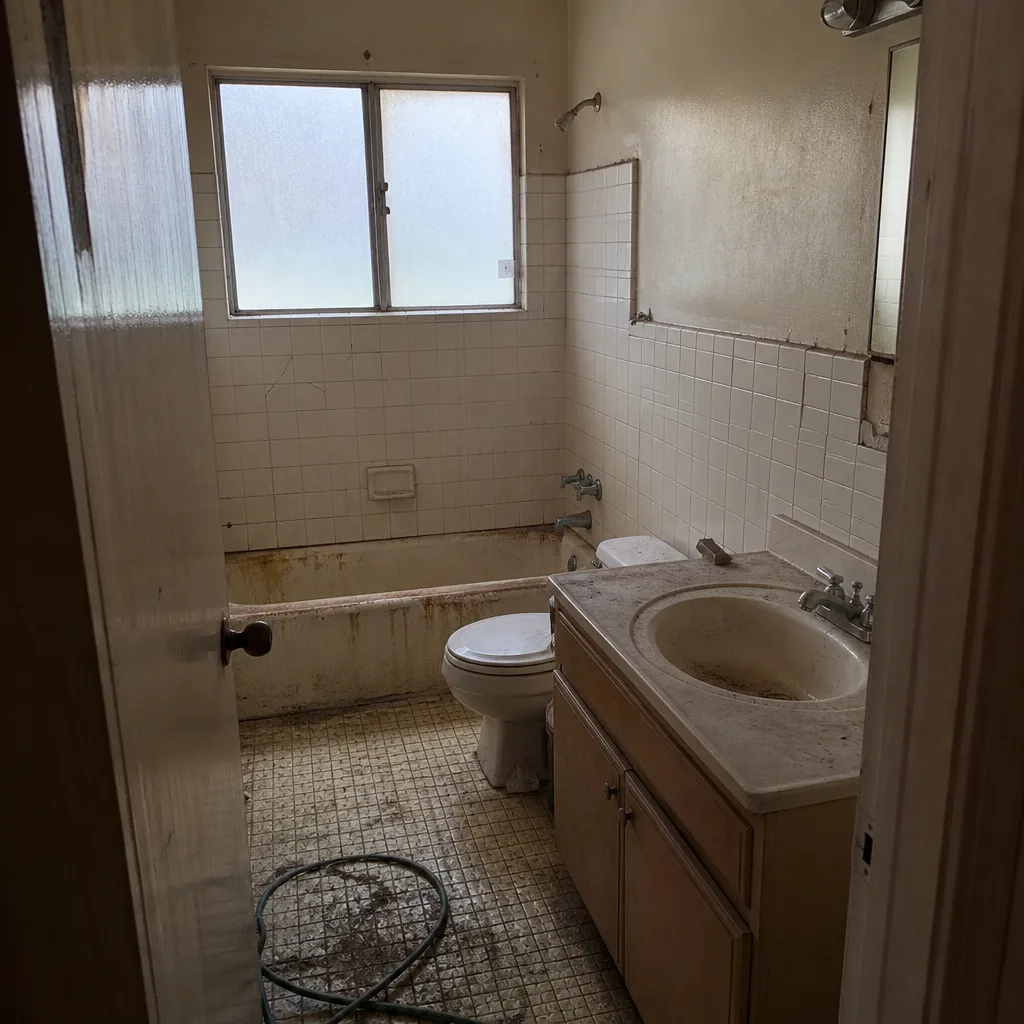 Before
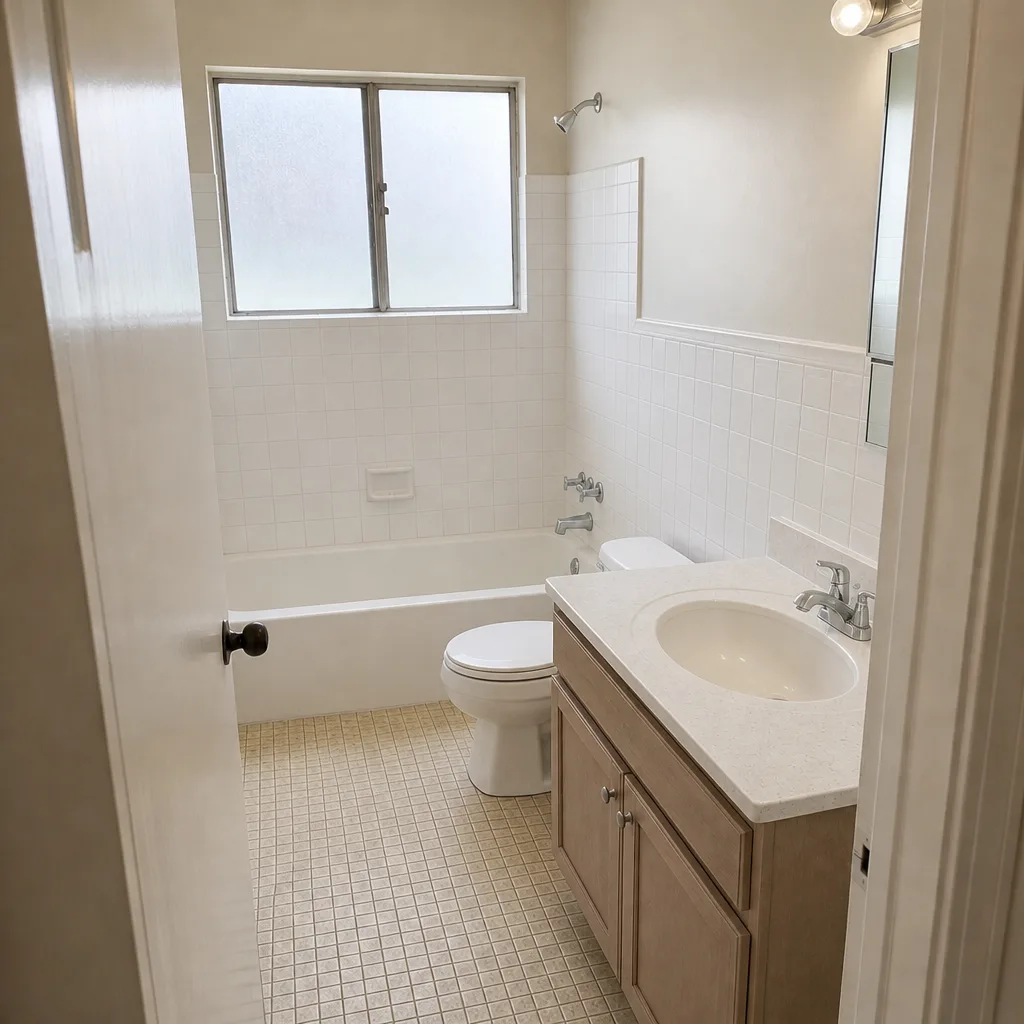 After
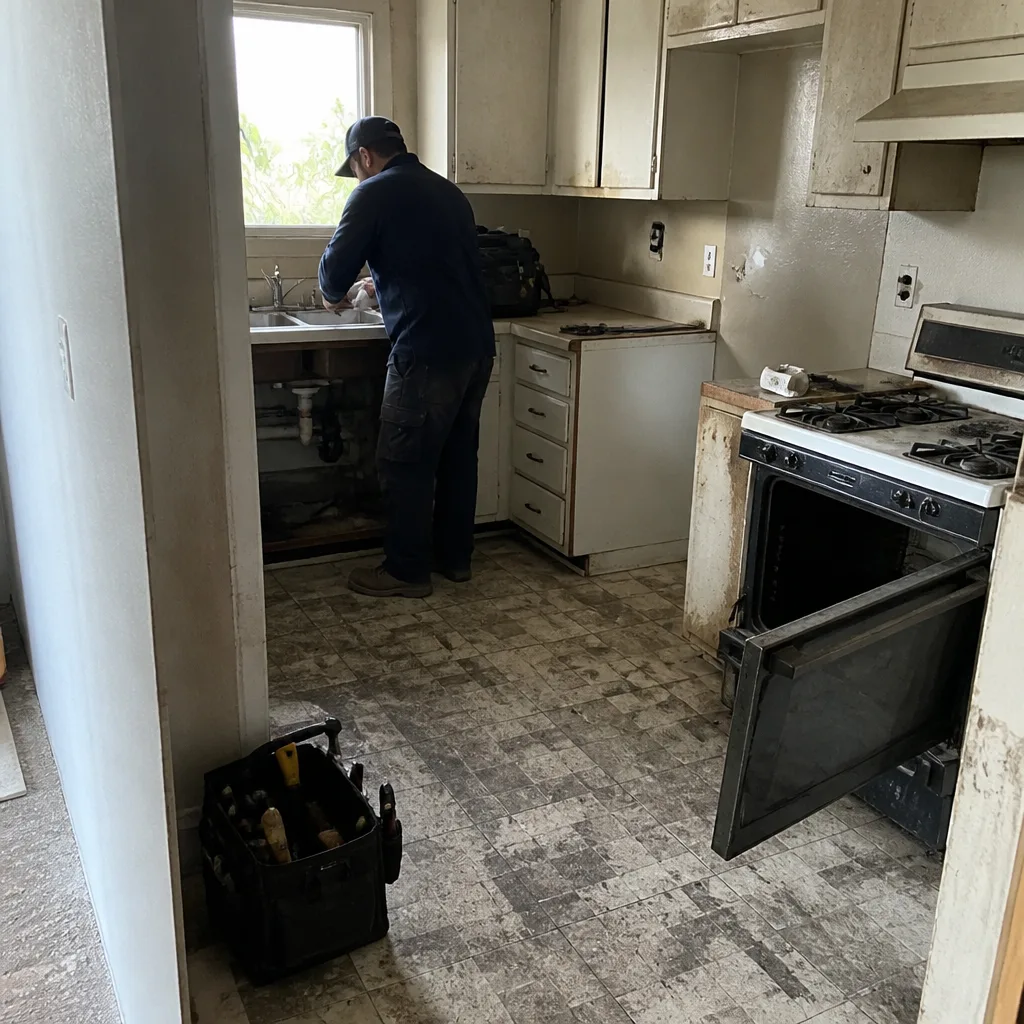 Before
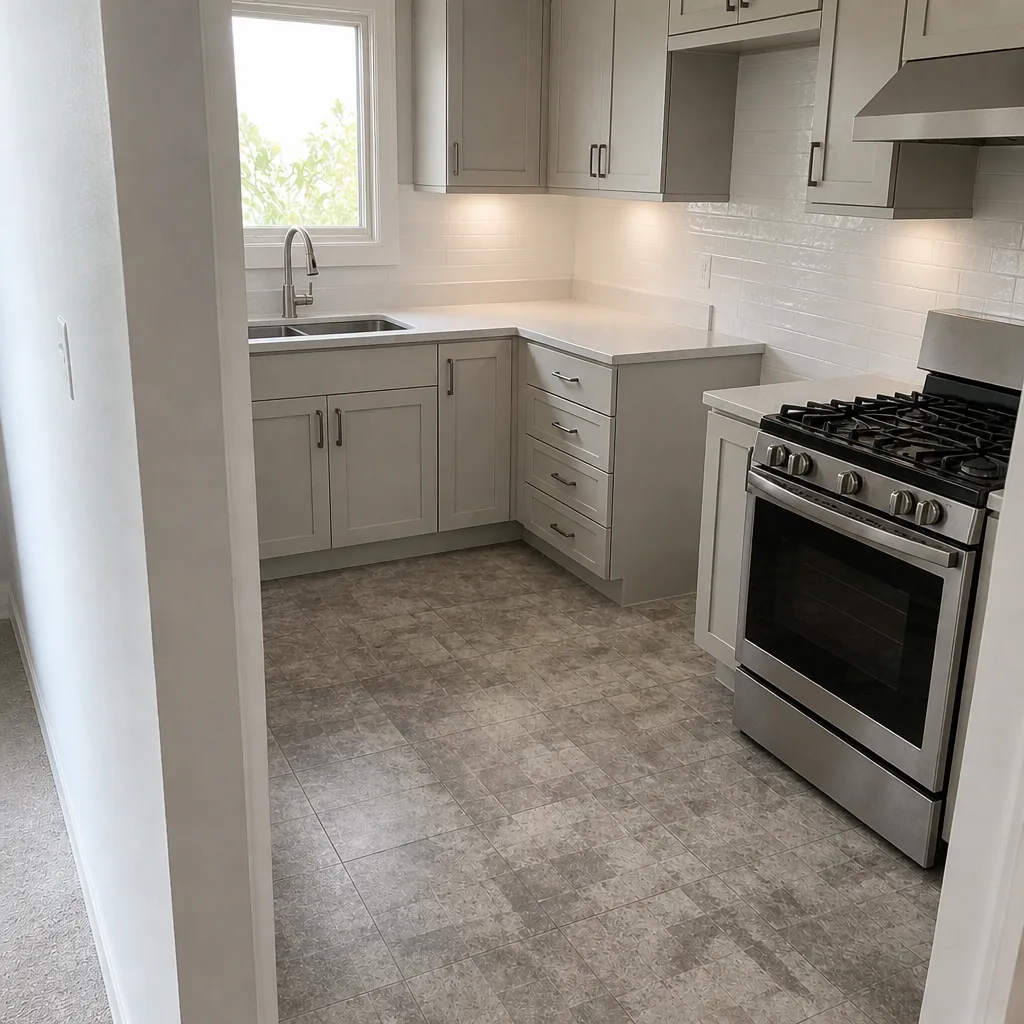 After
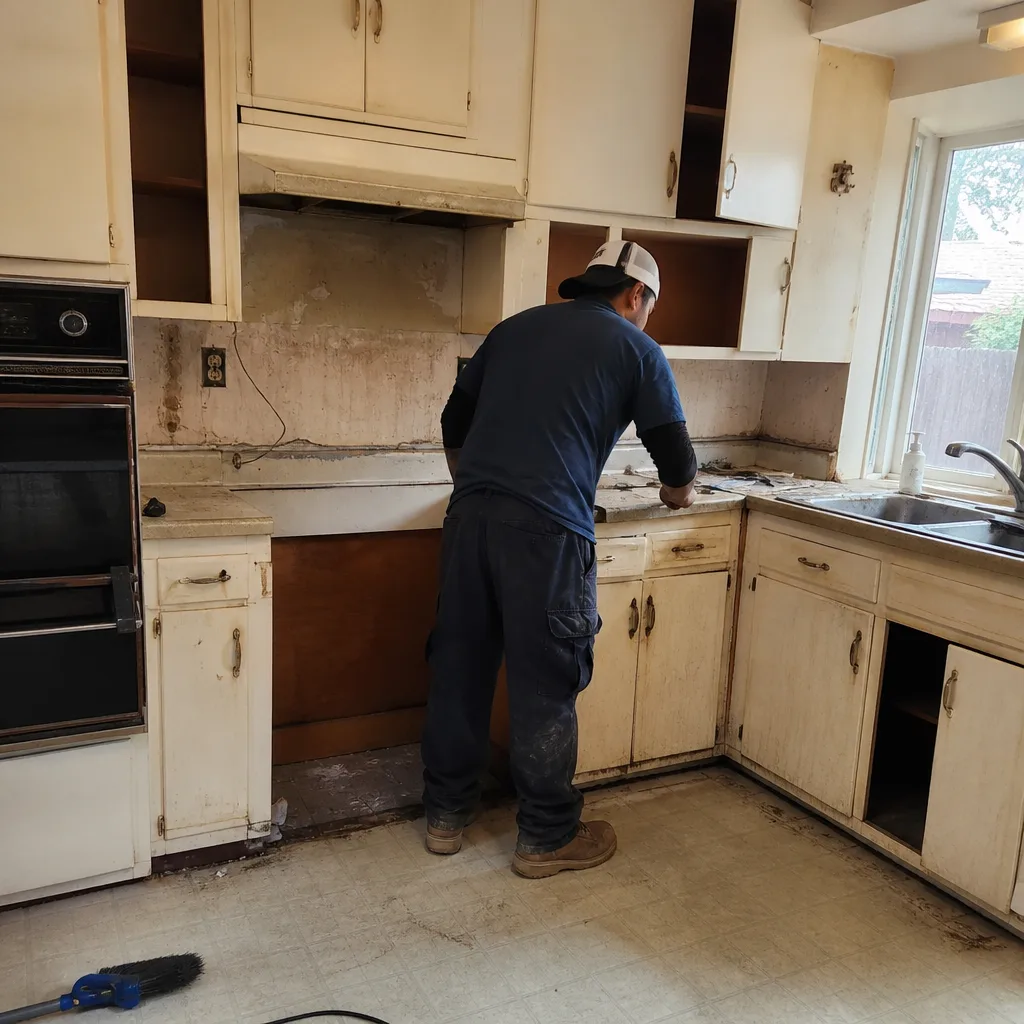 Before
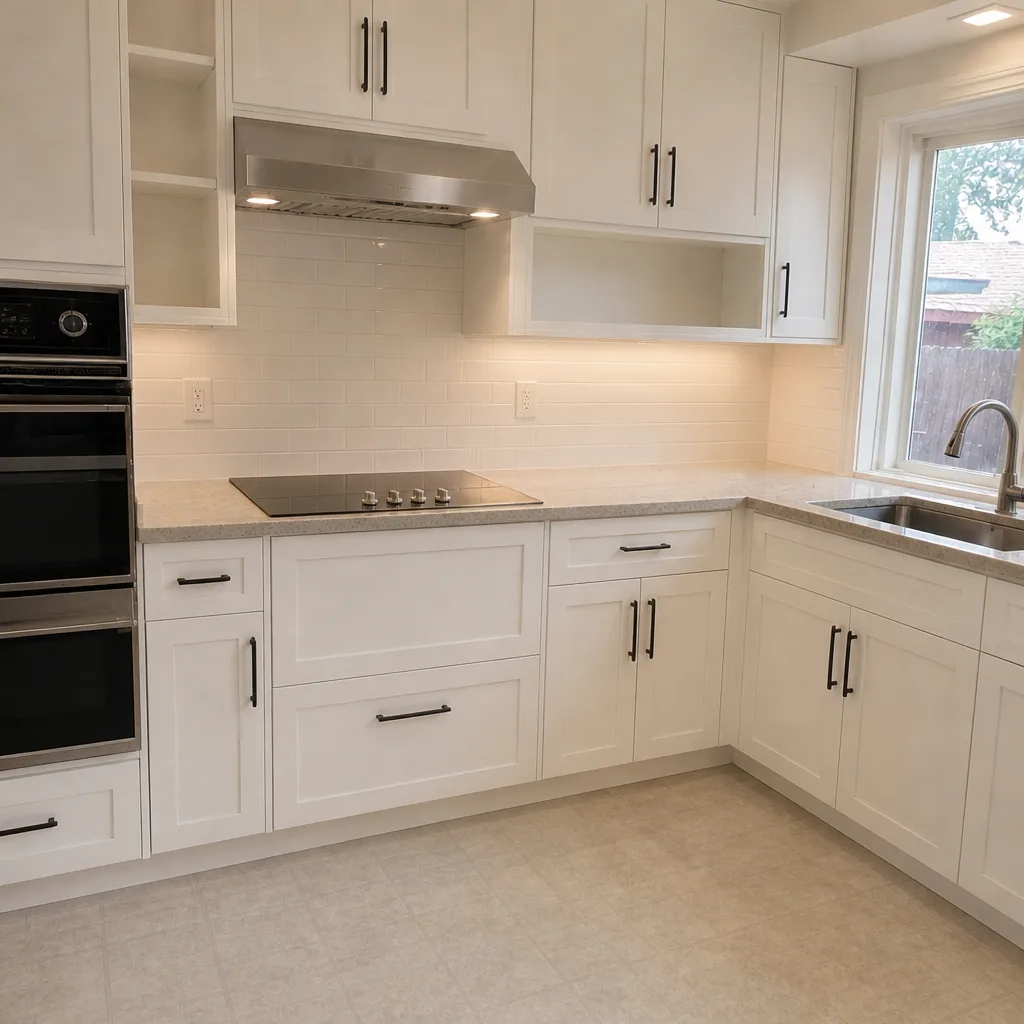 After
What’s the Best Roofing Material in Tustin, CA?
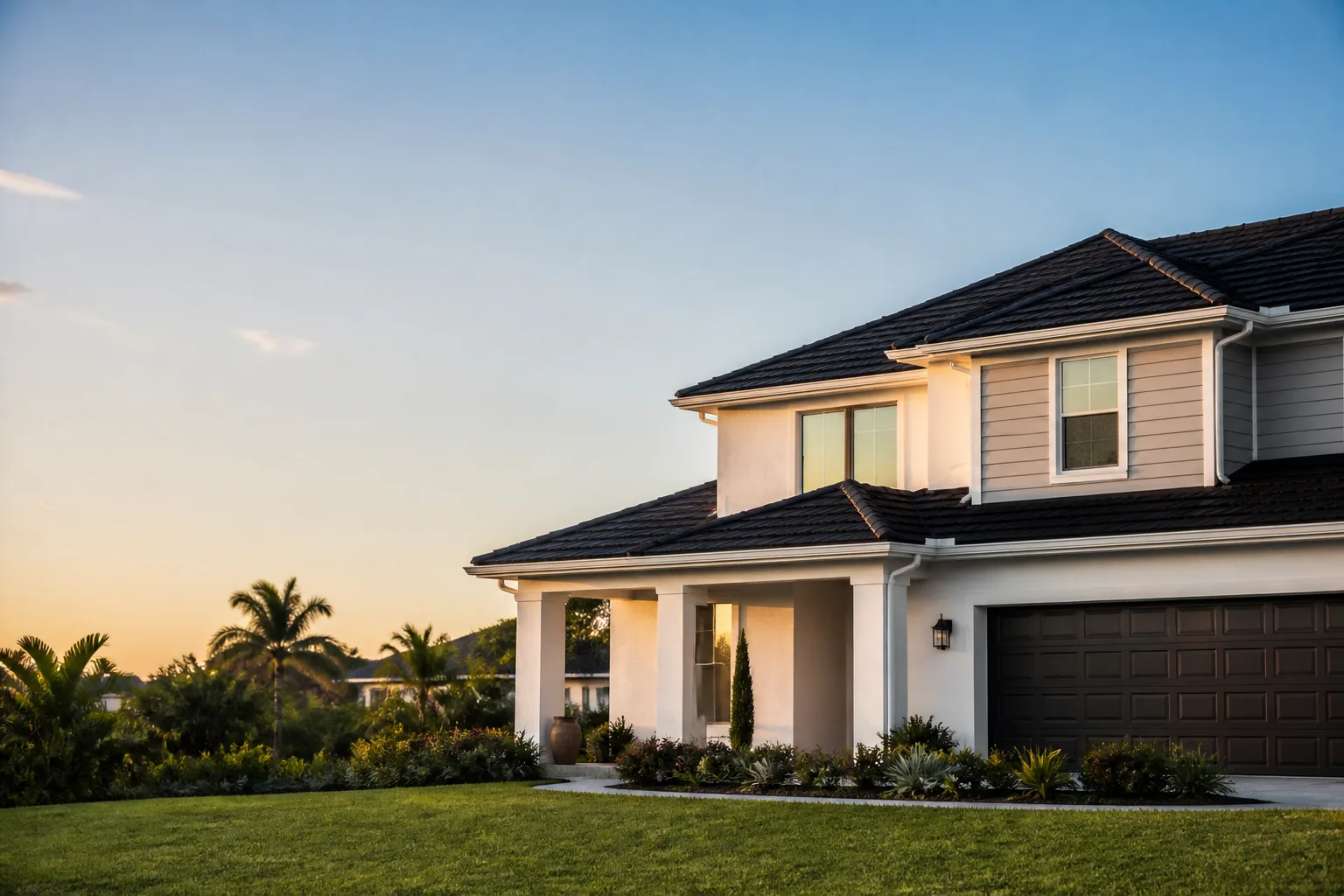
For most Tustin homeowners, the best roofing material is a Class A architectural asphalt shingle, unless the home is a pre-1940 Old Town bungalow with a light roof deck or a Spanish Revival where the original profile calls for clay, in which case concrete tile wins. If your house sits in a high-wind exposure pocket or you’re building new in Tustin Legacy, standing-seam metal is the stronger long-term choice. There is no universal answer, and any roofer who hands you a product name before asking which part of Tustin you live in is guessing. For a straight read on your own roof, call (833) 954-6066 and we’ll walk the deck with you.
Key Takeaways
- Class A fire rating isn’t optional in parts of Tustin. It’s the law on new and replacement roofs in mapped hazard zones.
- Title 24 cool-roof rules eliminate some materials for permitted re-roofs before performance even enters the conversation.
- Home era drives the decision more than brand loyalty: Old Town, 1950s-70s ranch, and Tustin Legacy each point to a different answer.
- Installed cost in Tustin runs roughly $8,000-$20,000 for a shingle re-roof and $15,000-$40,000 for metal, depending on square footage and tear-off.
Ask a Tustin roofer which material is best and you should hear a question back: “Is your house in Old Town or Tustin Legacy, and when was the roof deck last inspected?” If you get a straight product answer, keep walking. Tustin’s construction market splits hard between its two identities. In the Old Town core, century-old Craftsman and Spanish Revival bungalows sit a few miles from the former Marine Corps Air Station footprint, now the Tustin Legacy master-planned development, where thousands of new homes are rising on old airfield land. Those two roofs live under completely different rules, loads, and wind exposures. The material that’s right for one is often wrong for the other.
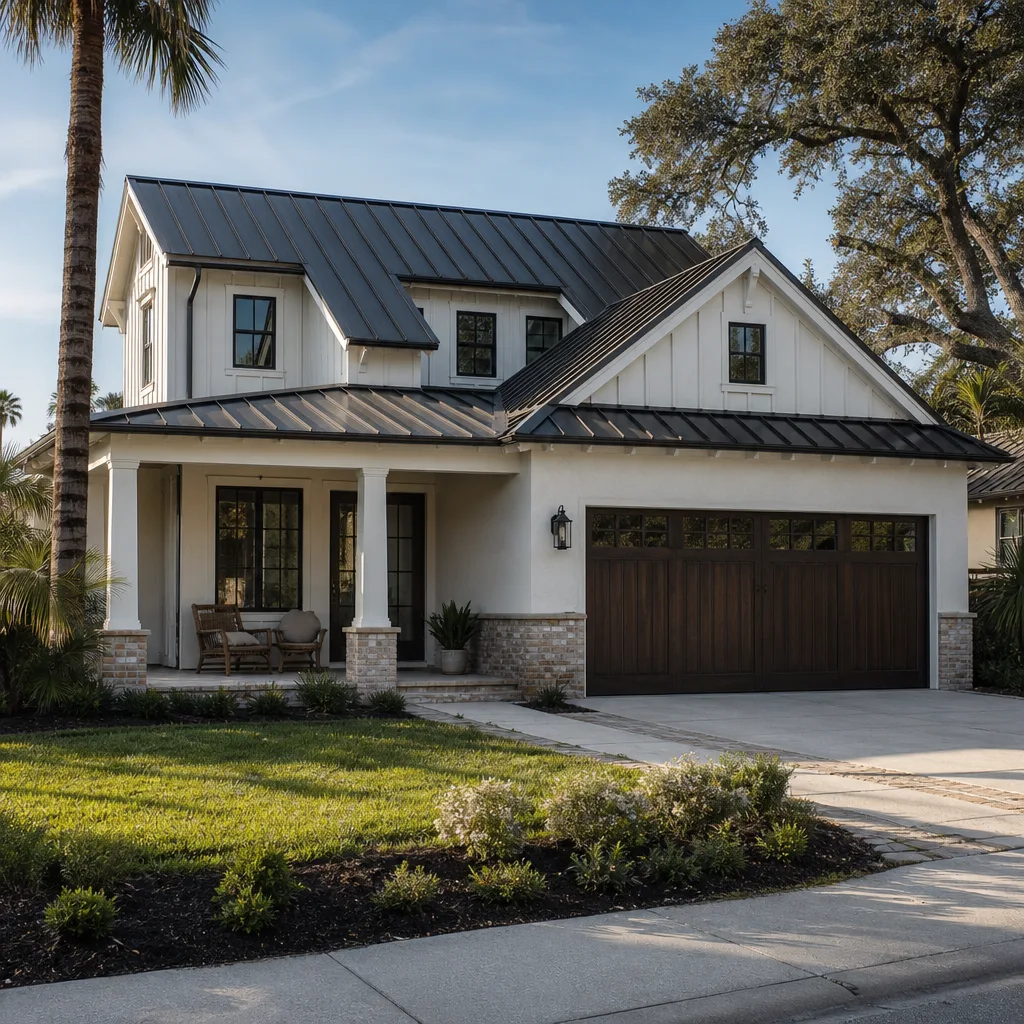
How Does Your Home’s Era Point to a Specific Material?
Here’s the decision matrix we use on every Tustin estimate. Load, historic guidelines, and wind/fire exposure are the three filters, and each era trips a different one.
| Home Era in Tustin | Best Material | Why It Fits | Installed Cost Range |
|---|---|---|---|
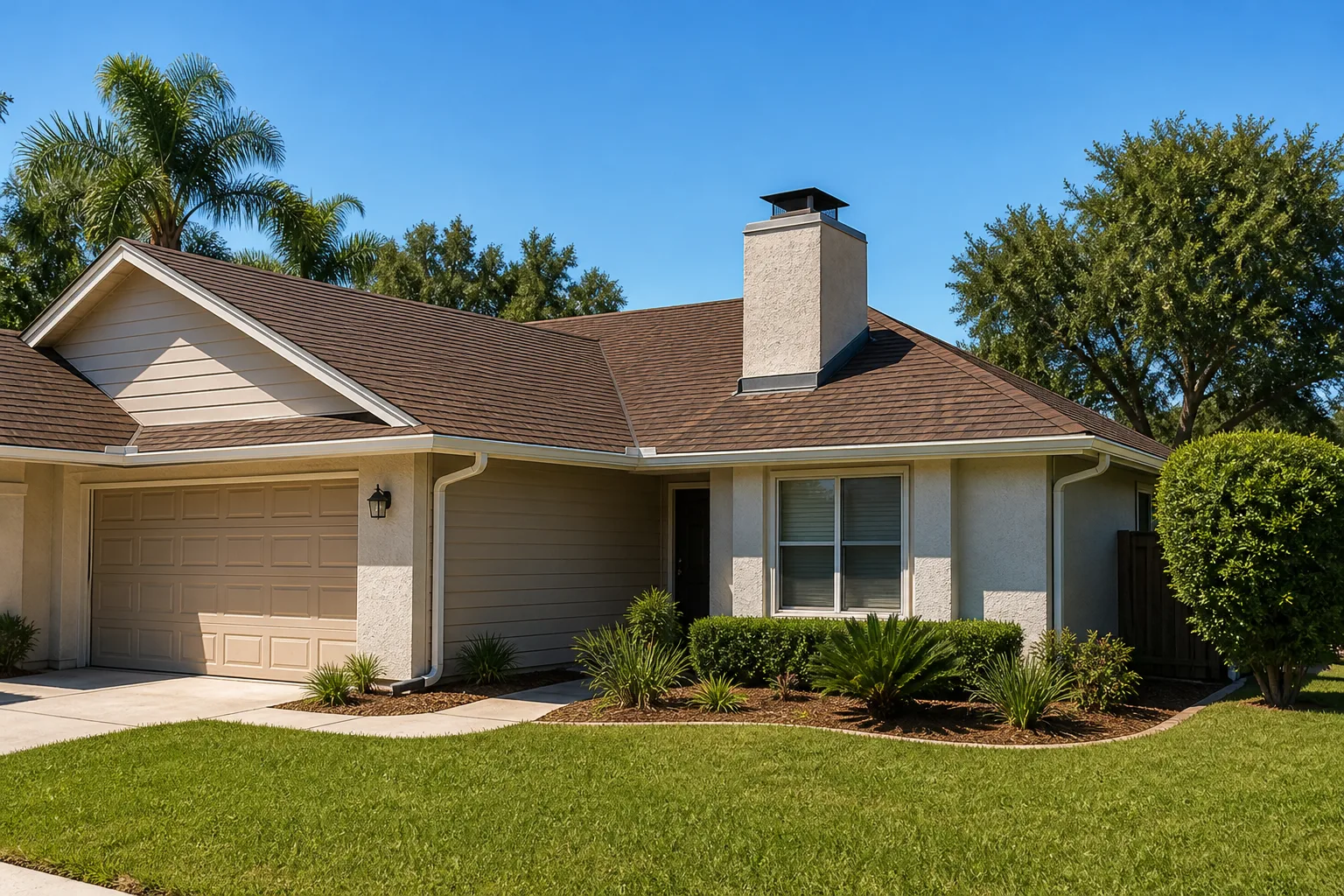
| Pre-1940 Old Town bungalow | Class A architectural shingle (or lightweight tile substitute) | Light deck load, historic character rules, and knob-and-tube-era framing that can’t carry clay | $8,000-$20,000 |
| 1950s-70s ranch home | Architectural shingle or concrete tile if the framing was upgraded | Original trusses often rated for shingle weight; sun exposure drives ventilation needs | $8,000-$20,000 |
| Post-2000 Tustin Legacy build | Standing-seam metal or concrete tile | High-fire-hazard zone compliance, new structural capacity, and improved wind uplift ratings | $15,000-$40,000 |
The Old Town filter catches people by surprise. Those bungalows were framed for light roofing, and a clay tile system can add thousands of pounds a roof wasn’t engineered to carry. That’s a structural question, not a taste question, and it rules out the material a lot of homeowners walk in wanting. Ranches from the 1950s through the 70s are usually more forgiving but still depend on the original truss rating. Tustin Legacy homes carry fresh structural capacity and sit on former airfield land inside a designated high-fire-hazard severity zone under CAL FIRE mapping. There, a Class A fire-rated assembly isn’t a preference. It’s a code requirement, and it narrows the “best” field immediately.
Why Title 24 and Cool-Roof Rules Change the Answer
California’s Title 24 energy code requires cool-roof rated materials on many permitted re-roofs, and that single rule eliminates entire products from the “best for Tustin” conversation before anyone talks about looks or brand. Most comparison articles ignore this entirely. A cool roof reflects solar heat rather than absorbing it, and in Tustin’s semi-arid Mediterranean climate with hot, dry summers and aggressive sun exposure, that’s not just a compliance box. It’s what keeps attic temps and cooling bills down during long heat waves.
What this means practically: when you pull a permit for a re-roof, the material you choose has to meet the reflectivity and emittance thresholds for your climate zone. Some dark architectural shingles, certain tile profiles, and older metal finishes fall short. That’s why we start with the code filter, then narrow by era and exposure. If a roofer hands you a quote without confirming the product meets Title 24 for a permitted job, the price is fiction.
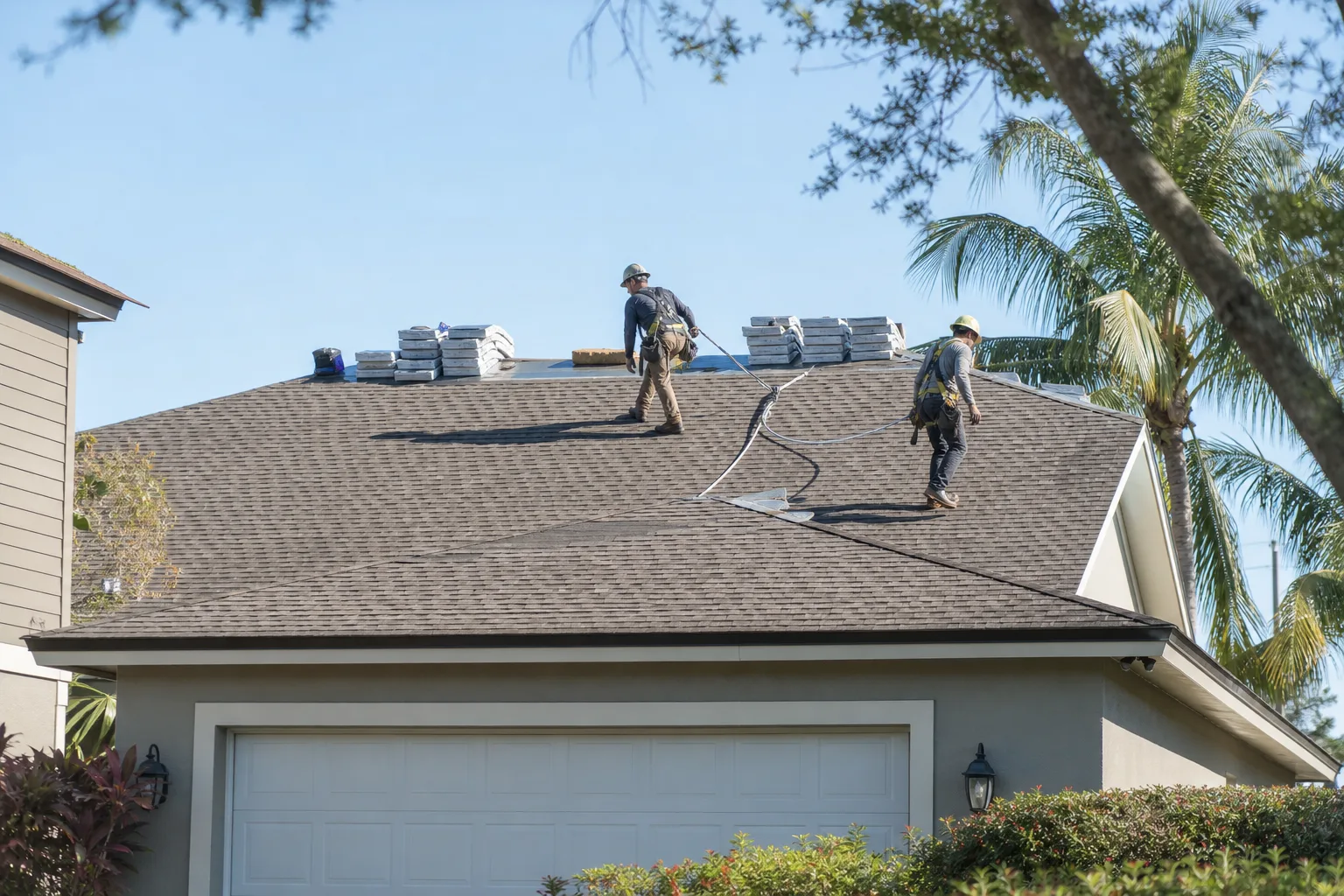
Which Materials Actually Hold Up to Tustin’s Wind and Fire Exposure?
Santa Ana wind events are the other filter. Those dry, gusty episodes drive wildfire concerns and put real uplift stress on a roof, so the material and the fastening system both have to earn their keep. Standings-seam metal performs well because the panels lock together with concealed fasteners and no exposed penetrations for wind to grab. Architectural shingles earn a Class A rating when installed over a proper underlayment system, which is what makes them the right budget-driven answer rather than the cheap one. Concrete tile delivers Class A fire resistance and a long service life, but only where the structure supports its weight.
This is where the material brand matters more than most homeowners realize. A shingle’s fire and wind rating is documented by its manufacturer, not promised by the crew. We install GAF and Owens Corning systems because those ratings are real, tested, and warrantable at the manufacturer level. When the supply house is out of your first choice and a contractor quietly swaps in whatever is on the shelf, you lose the paper trail behind those ratings. The material is only as good as its documentation.
What Does Each Roofing Material Cost in Tustin?
Installed pricing for a typical Tustin home, with tear-off and standard disposal included, lands in these ranges.
- Class A architectural shingle re-roof: $8,000-$20,000
- Concrete tile system: priced within the same roof replacement band, plus structural evaluation where load is a question
- Standing-seam metal roof installation: $15,000-$40,000
- Roof repair (before you commit to replacement): $400-$1,800
- Tile roof repair (cracked or slipped tiles): $600-$2,500
Those ranges hold up because we price the actual scope up front: square footage, deck condition, underlayment, ventilation, and Title 24 compliance. The number we quote is the number you pay. If a competitor’s bid comes in far under the range, ask what it excludes, because it usually excludes the deck repair or the permit. For the full scope of what we handle, see our Roofing service page, which walks through tear-off, inspection, and installation.
Why Old Town and Legacy Repairs Look Different
What we actually find under the shingles differs by neighborhood. In Old Town, homes often carry decades of patched layers, and the roof deck tells you whether you’re looking at a re-roof or a rebuild. In Tustin Legacy, we regularly see installs on brand-new framing where the concern shifts to proper ventilation and flashing detail on a tight, well-sealed envelope. Two parts of the same city, two completely different jobs. Those local differences are part of why we handle everything from foundation to finish line, so a roof decision doesn’t get made in isolation from the structure under it. Our Tustin service area page covers the neighborhoods and what each one tends to need.
What’s the Straight Recommendation for Tustin?
Our hierarchy, from most common to most specialized:
- Class A architectural shingles for budget-driven re-roofs on Old Town and ranch homes, when the deck can carry them and they meet cool-roof rules.
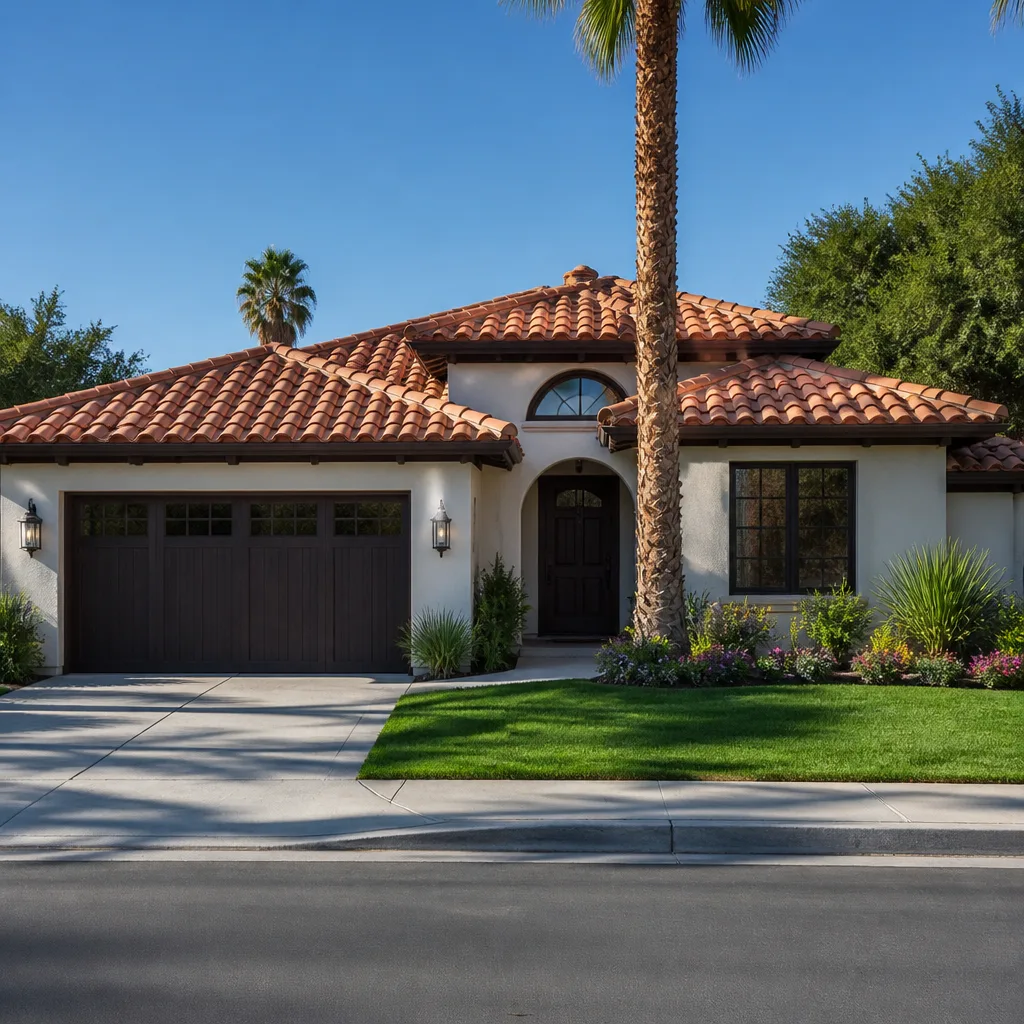
- Concrete tile for Spanish Revival homes whose structure supports the weight and whose look calls for clay profile.
- Standing-seam metal for high-wind exposure zones and new Tustin Legacy construction, where the longer service life pays back over decades.
Every material choice rides on the installation. Groundwork Construction Co. of Tustin backs the work with our 730-Day Done Right Promise: if it’s not done right, we make it right. Calls are answered by a live person 24/7, technicians are background-checked and arrive in uniform, and every project gets our upfront pricing, no surprises. Our technicians bring up to 12 years of experience, and the work is built to last and backed in writing.
FAQs
Class A architectural asphalt shingles are the best overall choice for most Tustin homes because they balance fire rating, wind performance, cool-roof compliance, and cost at $8,000-$20,000 installed. Homes in Tustin Legacy with a Class A requirement and new framing often justify standing-seam metal instead.
Yes, if your home sits in a mapped high-fire-hazard severity zone like parts of the former MCAS Tustin footprint under CAL FIRE mapping, Class A fire-rated roofing is a code requirement, not a preference. In other Tustin neighborhoods it’s still the strongest choice given Santa Ana wind-driven ember risk.
Title 24 requires cool-roof rated materials on many permitted re-roofs, so for a permitted job in Tustin you’ll need a product that meets your climate zone’s reflectivity thresholds. We verify this before quoting so the material you pick is actually compliant.
Repairs at $400-$1,800 usually win when damage is isolated and the roof has life left, while a re-roof at $8,000-$20,000 makes sense once you’re facing widespread wear, repeated leaks, or a material change for fire or wind compliance. Call (833) 954-6066 for an exact read on your roof. Estimates are free.
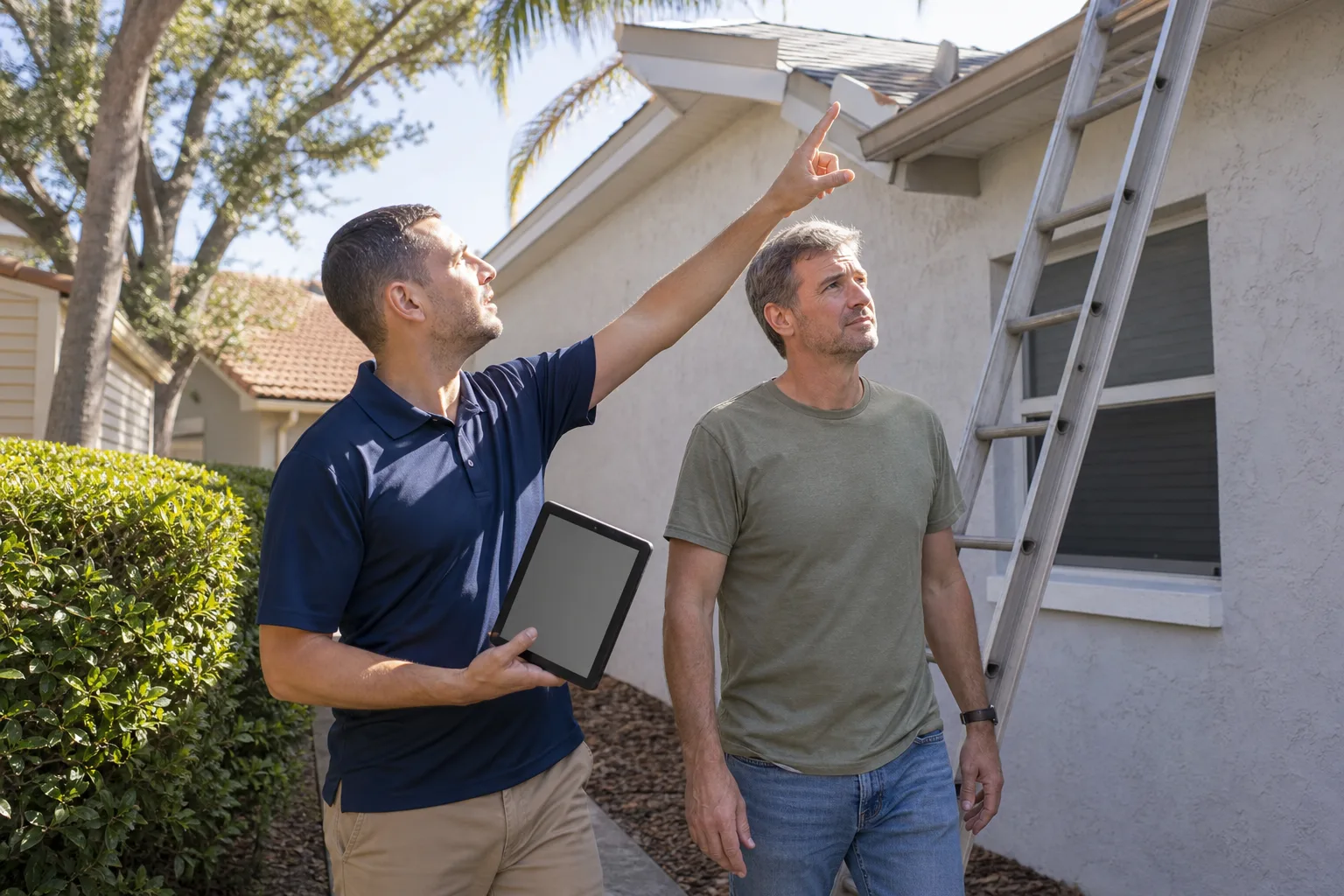
If you’d rather have it looked at, Groundwork Construction Co. of Tustin offers a no-pressure assessment in Tustin: we inspect the deck, match the material to your home’s era and exposure, and hand you an upfront price. Call (833) 954-6066 for a free estimate, and if you’re weighing financing, 0% for 18 months plus $1,000 off projects over $10,000 is on the table.
Written by the team at Groundwork Construction Co. of Tustin, serving Tustin, CA.