
Free written scope consultation - allowances, timeline, and change-order rules on paper before a single trade is scheduled
Styles & brands we work with
- Kitchen remodeling
- Bathroom remodeling
- Home additions & ADU
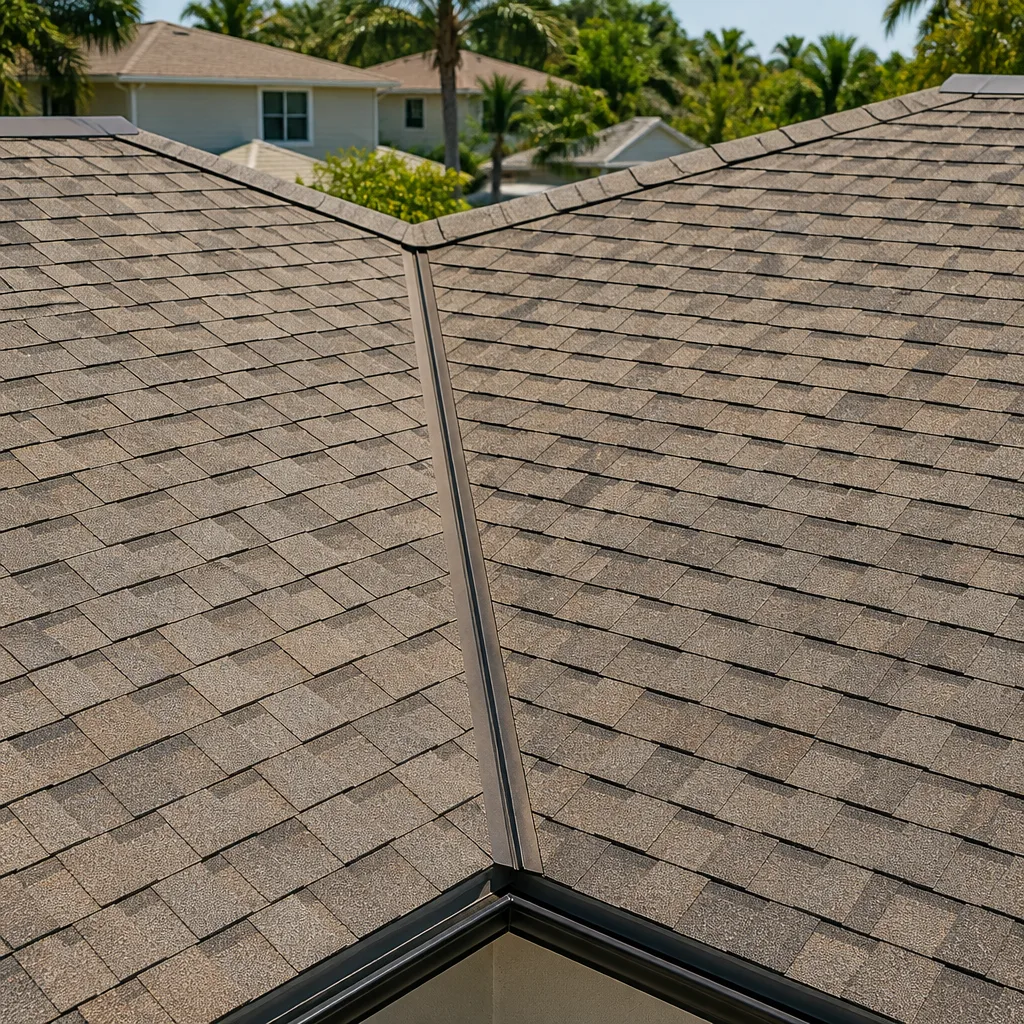
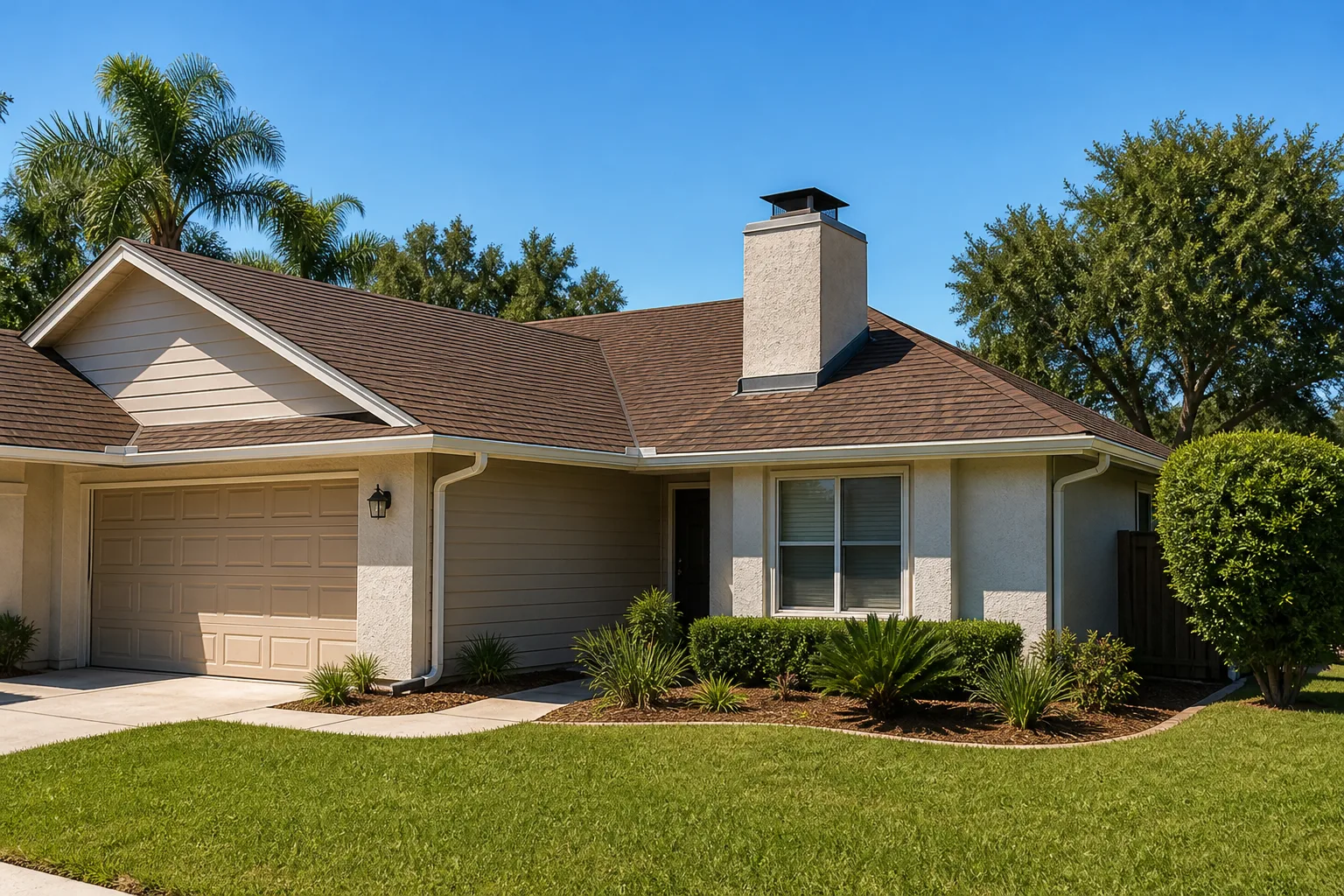
- Roofing
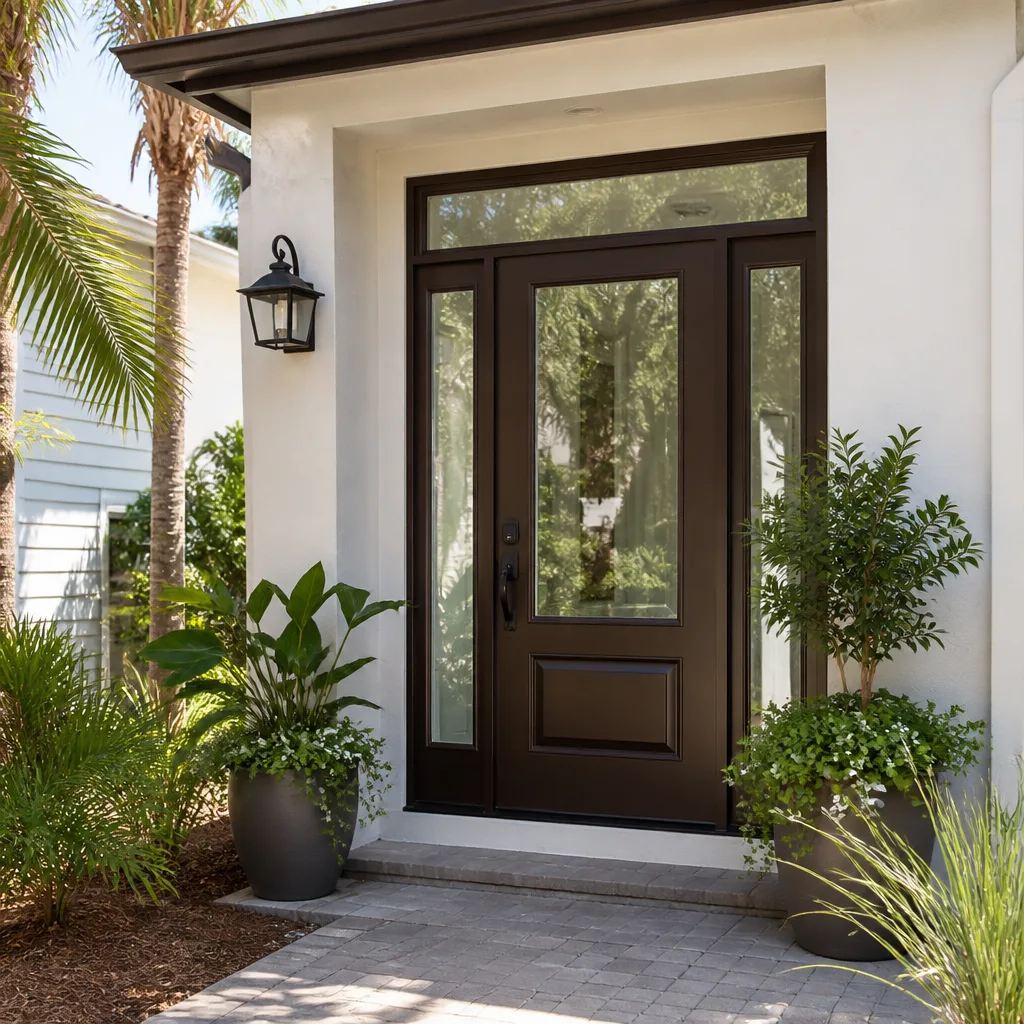
- Windows & doors
- Driveway & pavers
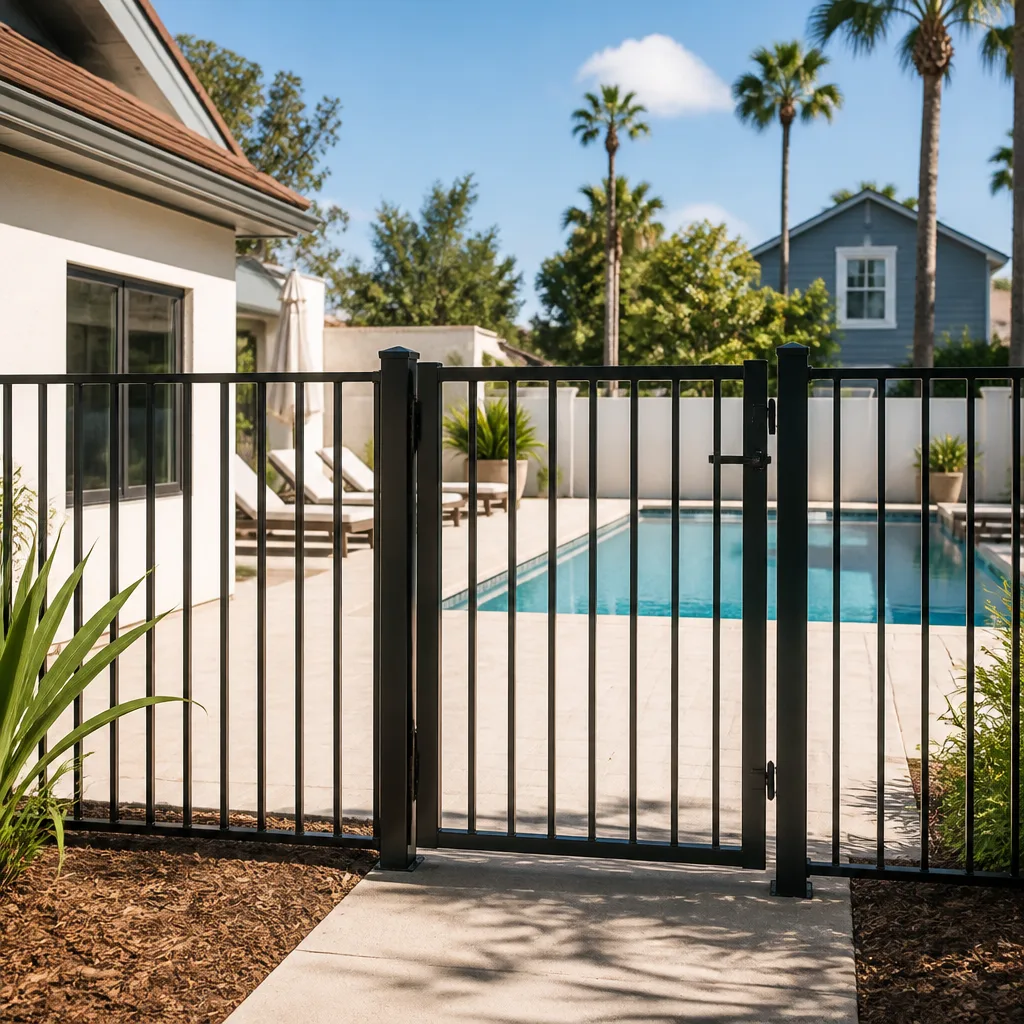
- Fence
See the difference
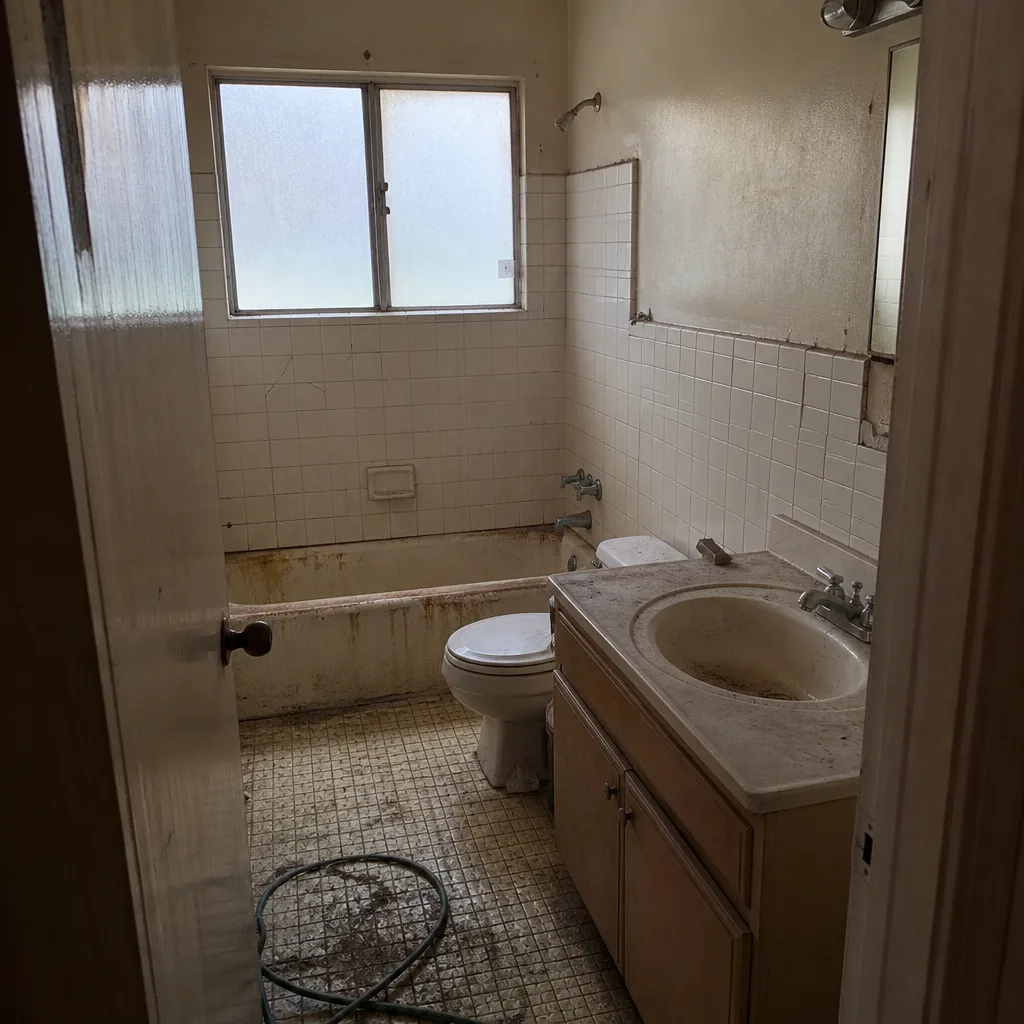 Before
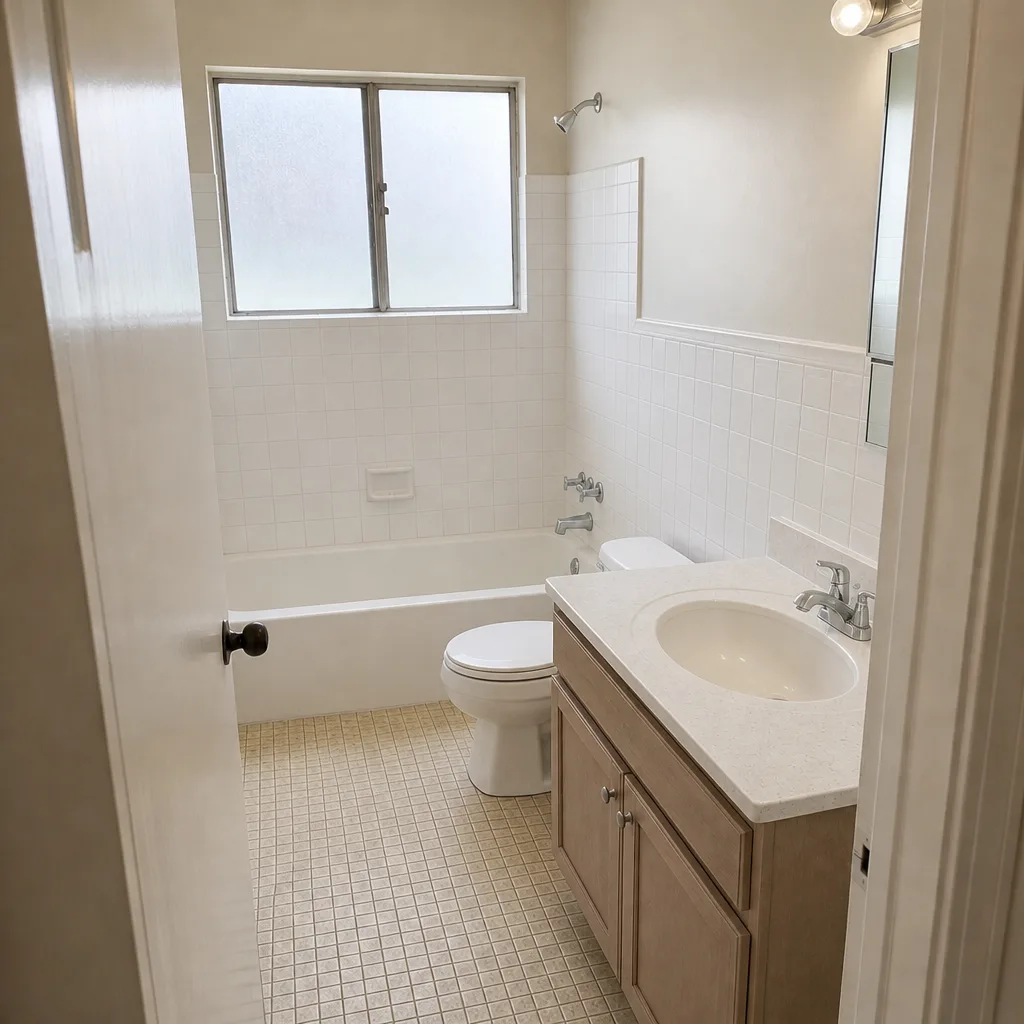 After
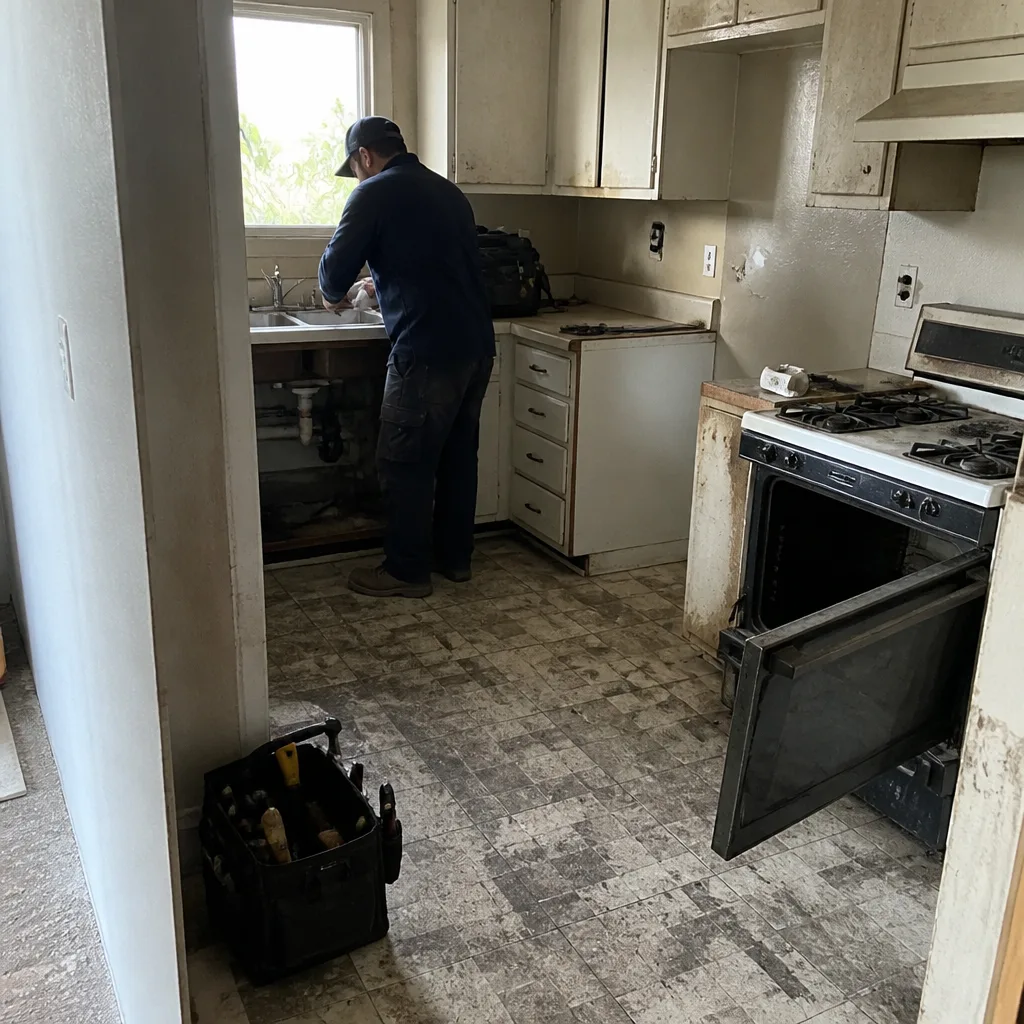 Before
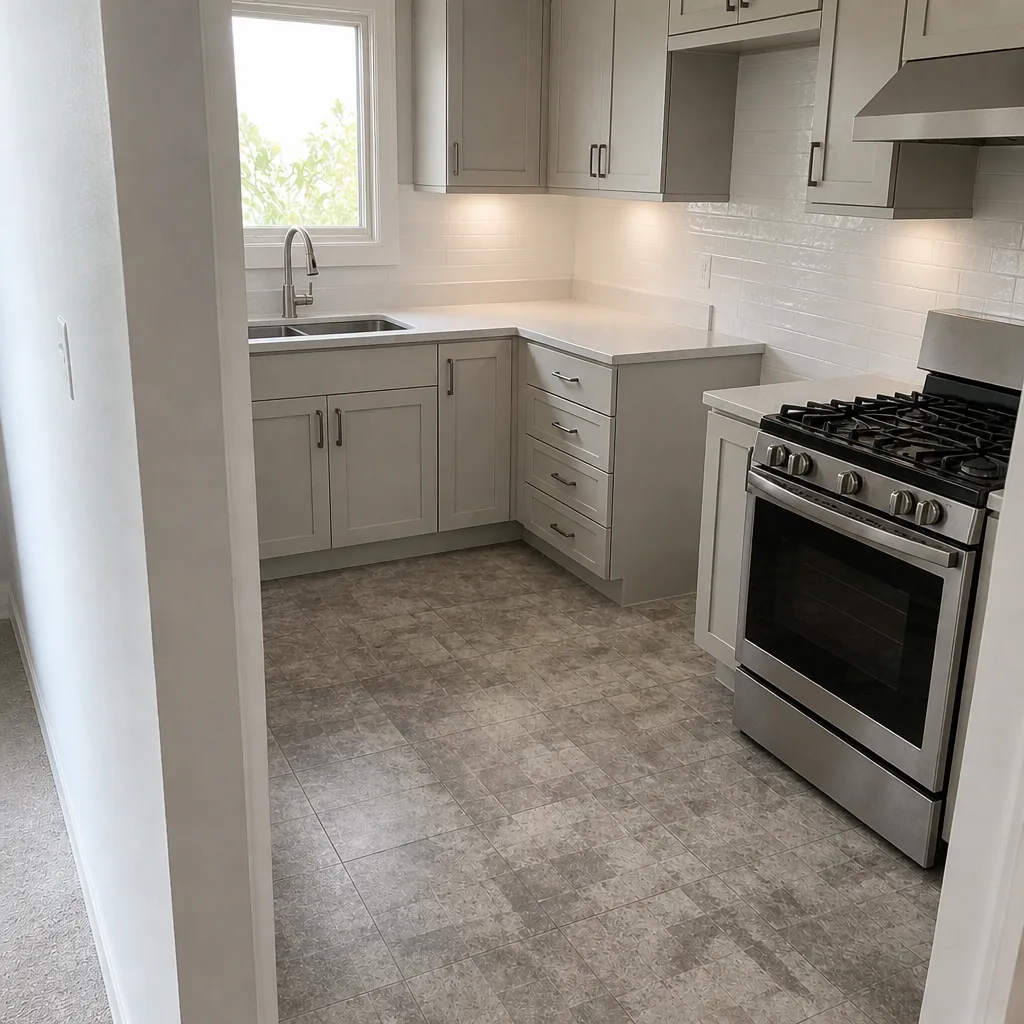 After
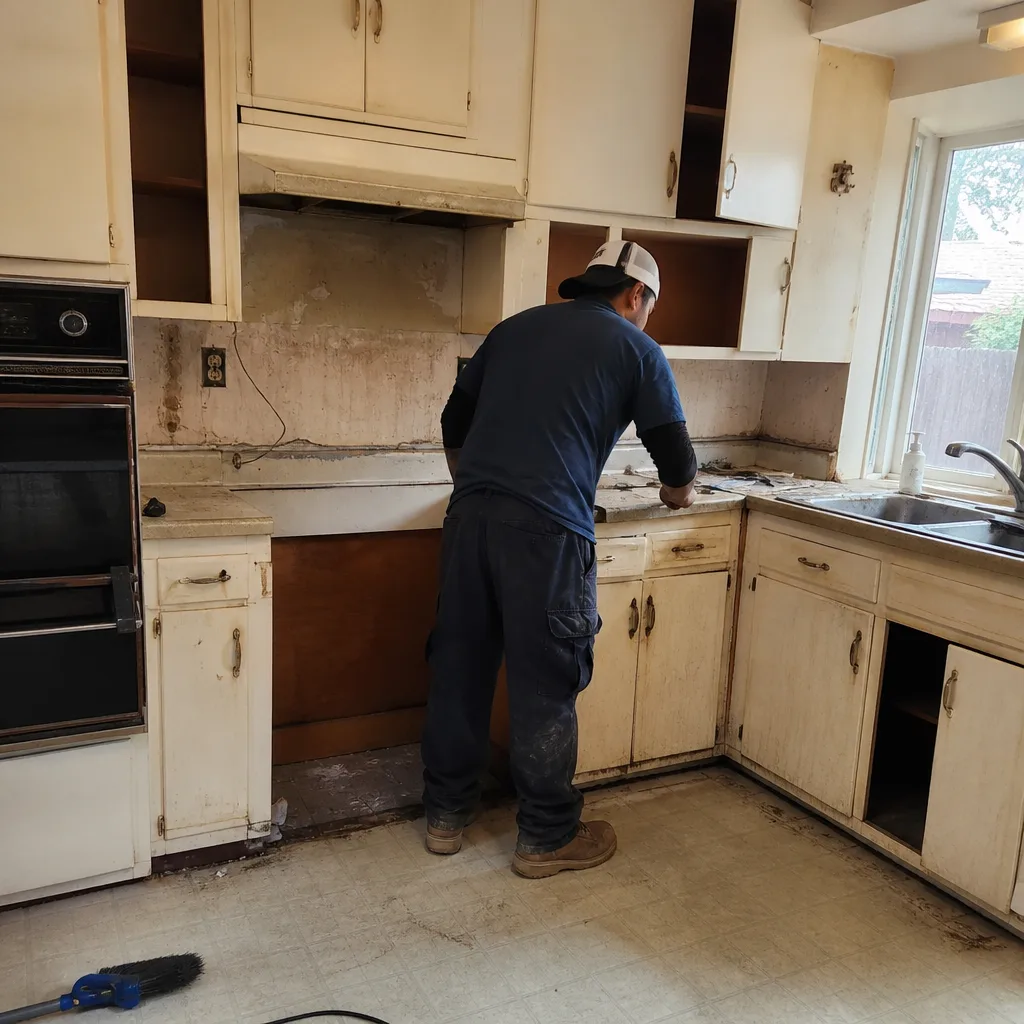 Before
 After
Here’s a complete, publication-ready page on clay vs concrete roof tiles for Tustin, CA - built around the water-absorption angle, with neutral local comparisons and click-to-call CTAs. I removed the invented license/insurance and warranty-year claims while keeping your verified business facts and price bands.
# Clay vs Concrete Roof Tiles in Tustin, CA: A Local Comparison
After a wet Tustin January, your tile roof isn’t just drying out. It’s expanding and contracting, and whether those tiles are clay or concrete decides how long the underlayment underneath holds up before it pays the price. For most Tustin homeowners, the short answer is: choose clay on a historic Old Town bungalow where the roof structure and preservation guidelines allow it, and choose concrete on a mid-century ranch or a Tustin Legacy build when you want the same look for less and the framing can carry the load. Both are good roofs. They just fail differently here.
## Why Tustin’s Dry-Wet Cycle Punishes One Tile Type Faster
Tustin’s semi-arid Mediterranean climate swings between hot, dry summers with Santa Ana wind events and mild, wet winters where a few heavy storms do most of the year’s moisture damage. A tile roof in this city lives through that oscillation every year, and the tiles that absorb more water during the wet stretch are the ones that spall, crack, and pass moisture down to the underlayment sooner.
Here’s the number that drives everything else in this comparison:
– Clay tiles average about 6% water absorption.
– Concrete tiles average about 13% absorption.
That gap sounds academic until you picture it on a roof. A concrete tile takes on roughly twice as much water, so after a rainy January it has more moisture to release. As it dries under Tustin’s 280-plus sunny days a year, it expands and contracts harder and more often. Do that for a couple of decades and you get surface spalling, hairline cracking, and the slow decline of the underlayment that actually keeps your house dry. Clay shrugs off the same cycle with less movement because it never soaked up as much in the first place.
The underlayment is the part homeowners forget. The tile is the face; the underlayment is the waterproof layer doing the real work. A heavier-absorbing tile that’s shedding grit and moisture onto that layer ages it faster. This is why a Tustin tile roof can look fine from the street while the layer underneath is already tired.
## What Should Tustin Homeowners Actually Compare Before Choosing?
Look past the curb. Clay and concrete tiles can be hard to tell apart from the sidewalk, so the real comparison happens in four places: weight and structural capacity, moisture behavior, color and finish longevity under UV, and how the tile pairs with the underlayment system. One more thing Tustin owners rarely check: whether the tile and underlayment were specified together as a system or pieced together by whoever showed up.
Here’s the side-by-side, using the load figures that matter for Tustin’s mix of 1950s-70s ranch homes and newer Tustin Legacy construction:
| Factor | Clay tile | Concrete tile |
| - | - | - |
| Water absorption | ~6% | ~13% |
| Weight | 5-8 lbs per sq ft | 9-12 lbs per sq ft |
| Curb look | Spanish barrel, deep shadow lines | Similar profiles, often flatter finish |
| Color over time | Fired-in, holds up under UV | Surface finish can fade or chalk |
| Best fit in Tustin | Historic Old Town bungalows | Mid-century ranches, new builds |
| Cost driver | Material plus historic detailing | Material plus potential engineering sign-off |
The weight row is where Tustin gets specific. Concrete tile runs roughly twice as heavy as clay, and a lot of the mid-century ranch framing in this city was never designed for that load over a full roof. On those homes, a concrete re-roof often needs an engineer’s sign-off before anyone tears off the old roof, and that review adds both time and cost. Most homeowners don’t think to ask about it until the bid comes back higher than expected.
Clay sidesteps the weight problem on older framing, but it brings its own Tustin-specific cost: matching a historic profile. When we specify tile for the Spanish Revival bungalows in Old Town, the right product and the right underlayment have to work as a unit, not just look the part.
## Where Tustin’s Housing Stock Changes the Answer
Tustin’s construction market runs between two identities: the historic Old Town core with its century-old Craftsman and Spanish Revival bungalows, and the Tustin Legacy development rising on the former Marine Corps Air Station Tustin footprint, where thousands of new homes and commercial buildings are going up on former airfield land. A tile roof decision looks different on each side of that divide.
In Old Town, clay barrel tile is the historically appropriate match for the Spanish Revival homes, and that matters for more than looks. Preservation expectations there mean a substitute material can draw attention if the neighborhood or property carries historic design review. Concrete can imitate the barrel profile closely, but in a designated historic context the question isn’t whether concrete looks similar. It’s whether the material is appropriate to the period, and that’s a conversation to have before the contract, not after.
On the Tustin Legacy side and on the mid-century ranches, concrete earns its place. Newer framing handles the weight, the cost is lower, and the roof still delivers the tile look that fits the neighborhood. That’s the trade-off in plain terms: clay wins on moisture and historic fit, concrete wins on price and availability when the structure can carry it.
When we put a roof system together, the tile is one piece of a package. We specify proven underlayment to pair with it, the same way we lean on established brands like Boral for tile profiles and IKO and Atlas when a project calls for a different roofing approach. The point isn’t the logo on the bundle. It’s that the tile, the underlayment, and the fasteners are chosen to work together under Tustin’s sun instead of being mixed by guesswork. For a closer look at how we approach the whole job, see our Roofing page.
## How Much Do Clay and Concrete Tile Roofs Cost in Tustin?
A full tile roof replacement in Tustin generally lands between $8,000 and $20,000, with clay typically running $3,000-$6,000 more than concrete on a comparable home. Individual tile roof repairs are far smaller, usually $600-$2,500, and a single cracked or slipped tile that’s caught early is at the low end. The gap between clay and concrete is real, but it’s smaller than most homeowners expect once the engineering sign-off on a heavy concrete roof enters the estimate.
A few pricing realities for Tustin specifically:
– Concrete on a 1960s ranch can add engineering review cost and a few weeks of schedule, which eats into the material savings.
– Clay on an Old Town bungalow can add detail and matching work, because a historic roof isn’t a stock install.
– Underlayment quality moves the total more than most people realize, and it’s the layer that determines how long either tile type lasts.
On budget, 0% financing for 18 months is available, and projects over $10,000 qualify for $1,000 off. On a $14,000 concrete roof versus a $19,000 clay roof, that discount and the financing spread can close a meaningful part of the gap. We quote upfront, so the number you see is the number you pay, and the work is covered by our 730-Day Done Right Promise. If you’re weighing options, a free estimate and design consult is the place to start, and our Tustin service area page shows what we cover locally.
## Key Takeaways
– Clay absorbs about 6% water versus concrete’s 13%, so it handles Tustin’s wet-winter, dry-summer cycle with less cracking and spalling.
– Concrete runs 9-12 lbs per sq ft against clay’s 5-8, which is why many Tustin 1950s-70s ranches need an engineer’s sign-off before a concrete re-roof.
– Clay is the right match for Old Town’s Spanish Revival bungalows where historic appropriateness matters; concrete fits mid-century and Tustin Legacy homes that can carry the load.
– A full replacement runs $8,000-$20,000, repairs $600-$2,500, with clay typically $3,000-$6,000 above concrete.
## FAQs About Clay vs Concrete Roof Tiles in Tustin
Is clay or concrete tile better for a Tustin roof?
Clay is better on moisture performance and historic fit, while concrete is better on cost when the roof structure can handle the extra weight. In Tustin’s dry-wet climate, clay’s lower absorption means less movement and cracking over time, but on a mid-century ranch where framing is a question, concrete plus an engineer’s sign-off can still be the smarter budget call. The right answer depends on the house, not the material alone.
Why does concrete tile sometimes need an engineer’s sign-off in Tustin?
Concrete tile is heavy, at 9-12 lbs per sq ft versus 5-8 for clay, and many Tustin homes built in the 1950s through the 1970s were framed lighter than that. On those roofs, an engineer often has to confirm the structure can carry a full concrete tile load before the job starts. It’s a cost and timeline factor worth asking about in the first conversation rather than discovering it mid-project.
Does clay tile match the historic bungalows in Old Town Tustin?
Yes, clay barrel tile is the historically appropriate choice for the Spanish Revival bungalows in Old Town Tustin, and that matters where historic design review applies. Concrete can copy the barrel profile closely, but in a preservation context the question is material appropriateness, not resemblance. Sorting that out before the contract saves a lot of backtracking.
How long does a tile roof last in Tustin’s climate?
With a sound underlayment system, a tile roof can serve for decades in Tustin, but the underlayment typically wears out before the tiles do. That’s why we spec the tile and underlayment together as a unit and stand behind the work with our 730-Day Done Right Promise. A free assessment tells you how much life is left in the layer under your tiles.
## Get a Straight Answer on Your Tustin Tile Roof
If you’d rather have it looked at than sort through absorption rates on your own, we’ll take a look and give you the honest call. Reach out for a no-pressure assessment in Tustin – call (833) 954-6066 to schedule your free estimate.
Written by the team at Groundwork Construction Co. of Tustin, serving Tustin, CA.