Free written scope consultation - allowances, timeline, and change-order rules on paper before a single trade is scheduled
Styles & brands we work with
- Kitchen remodeling
- Bathroom remodeling
- Home additions & ADU
- Roofing
- Windows & doors
- Driveway & pavers
- Fence
See the difference
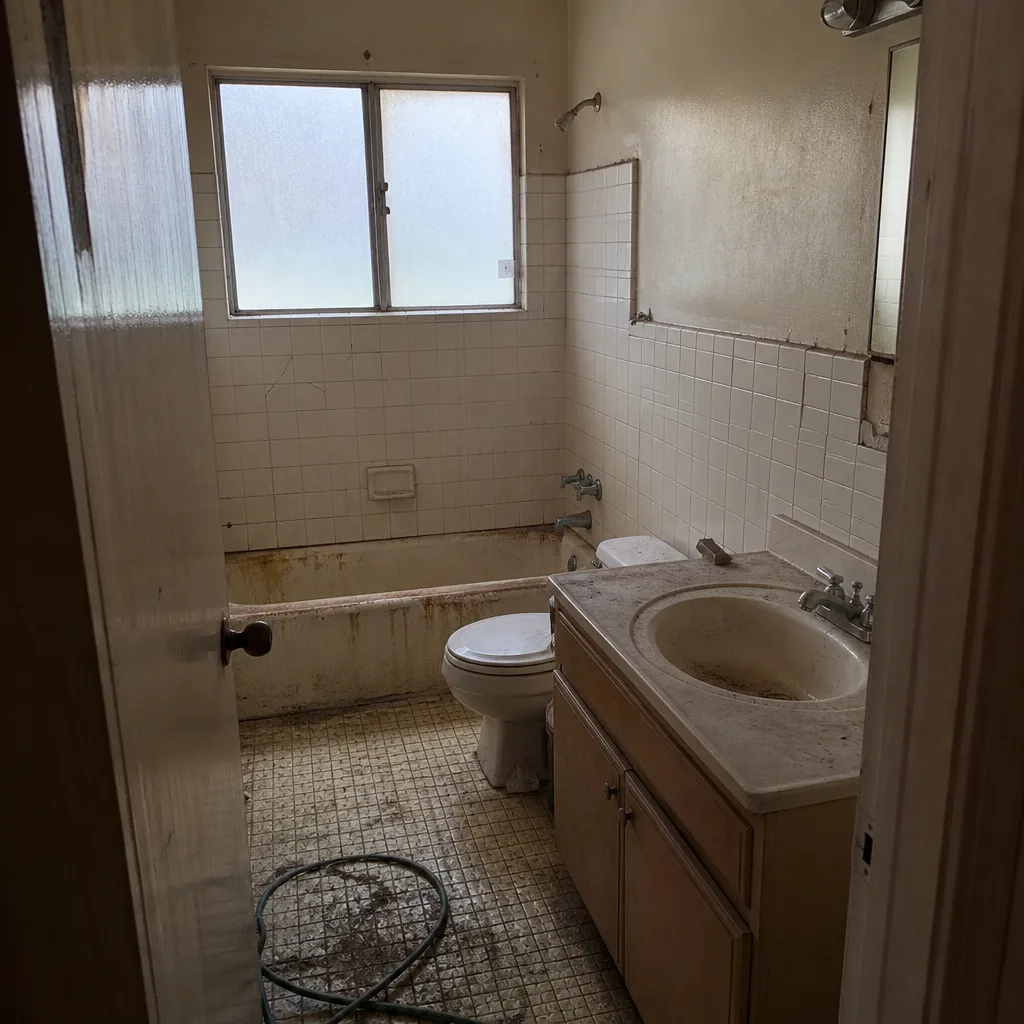 Before
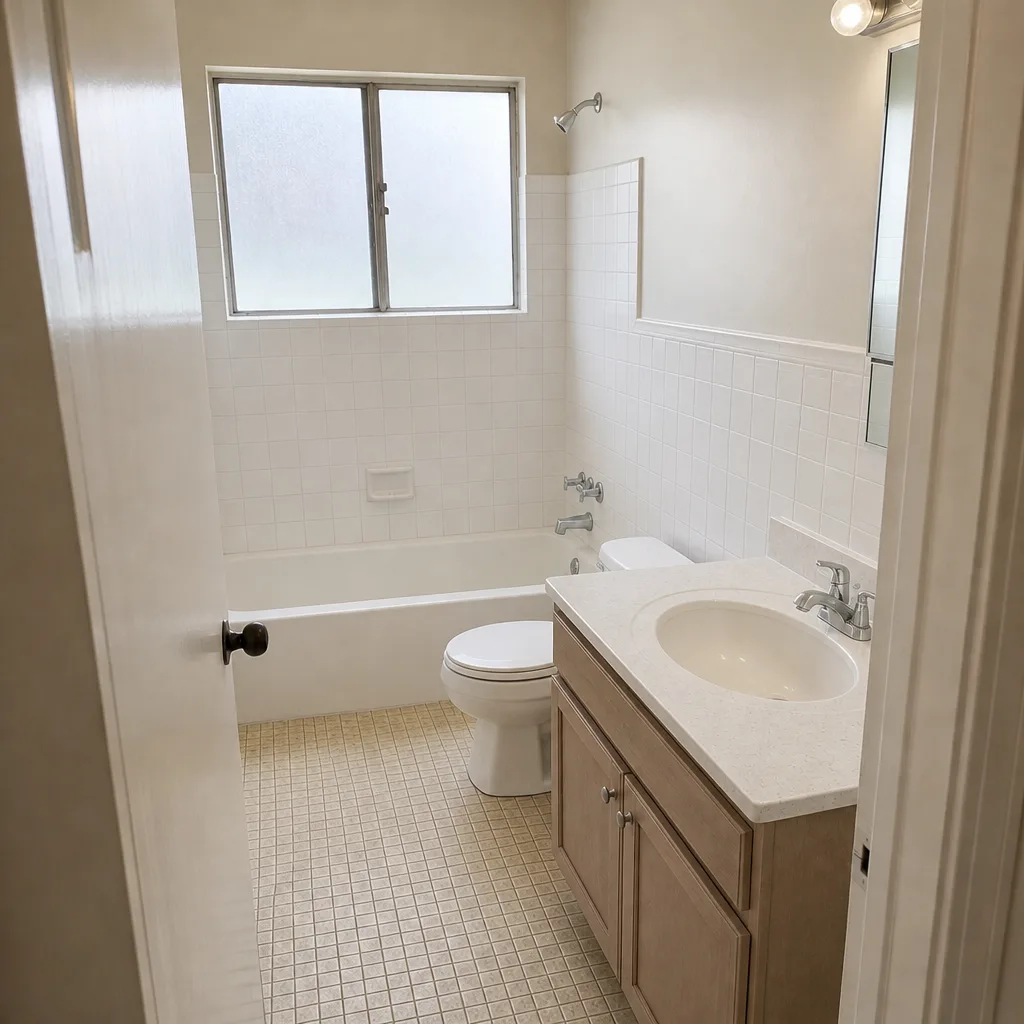 After
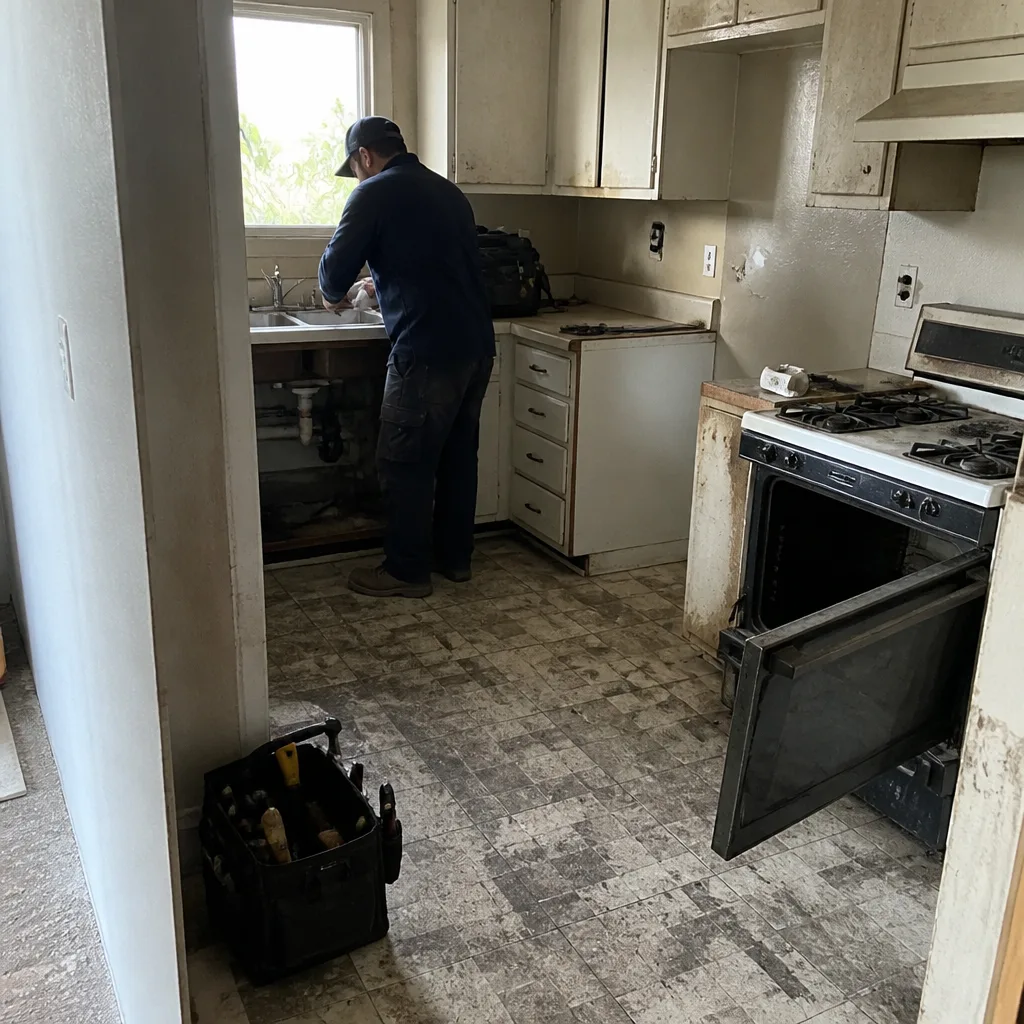 Before
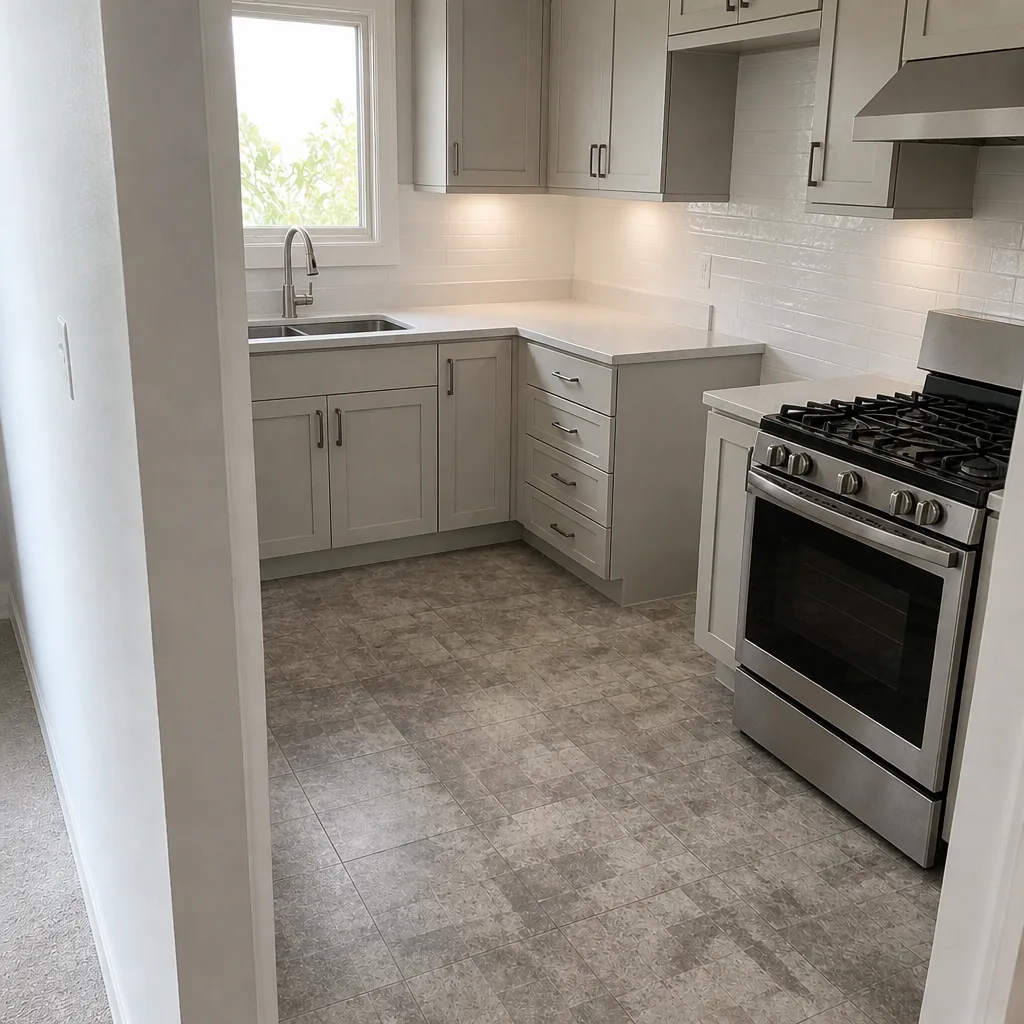 After
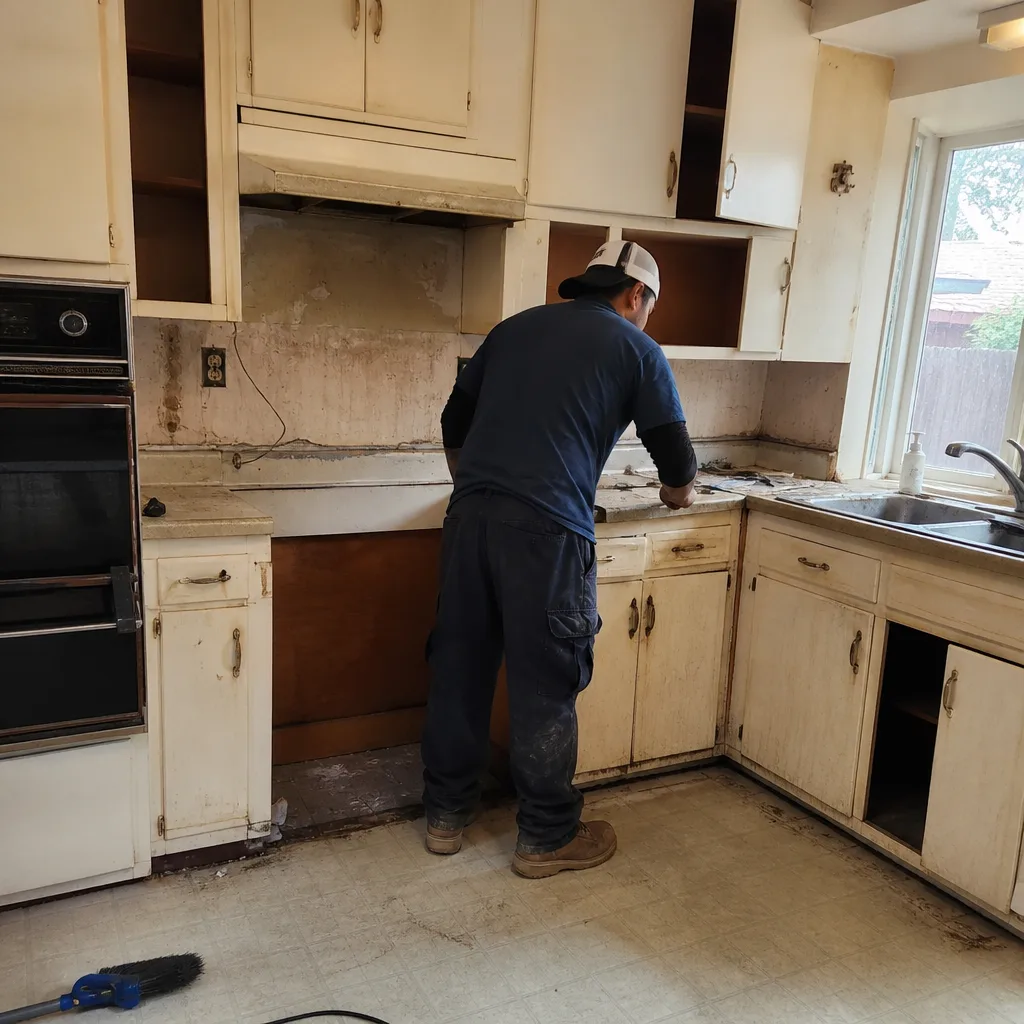 Before
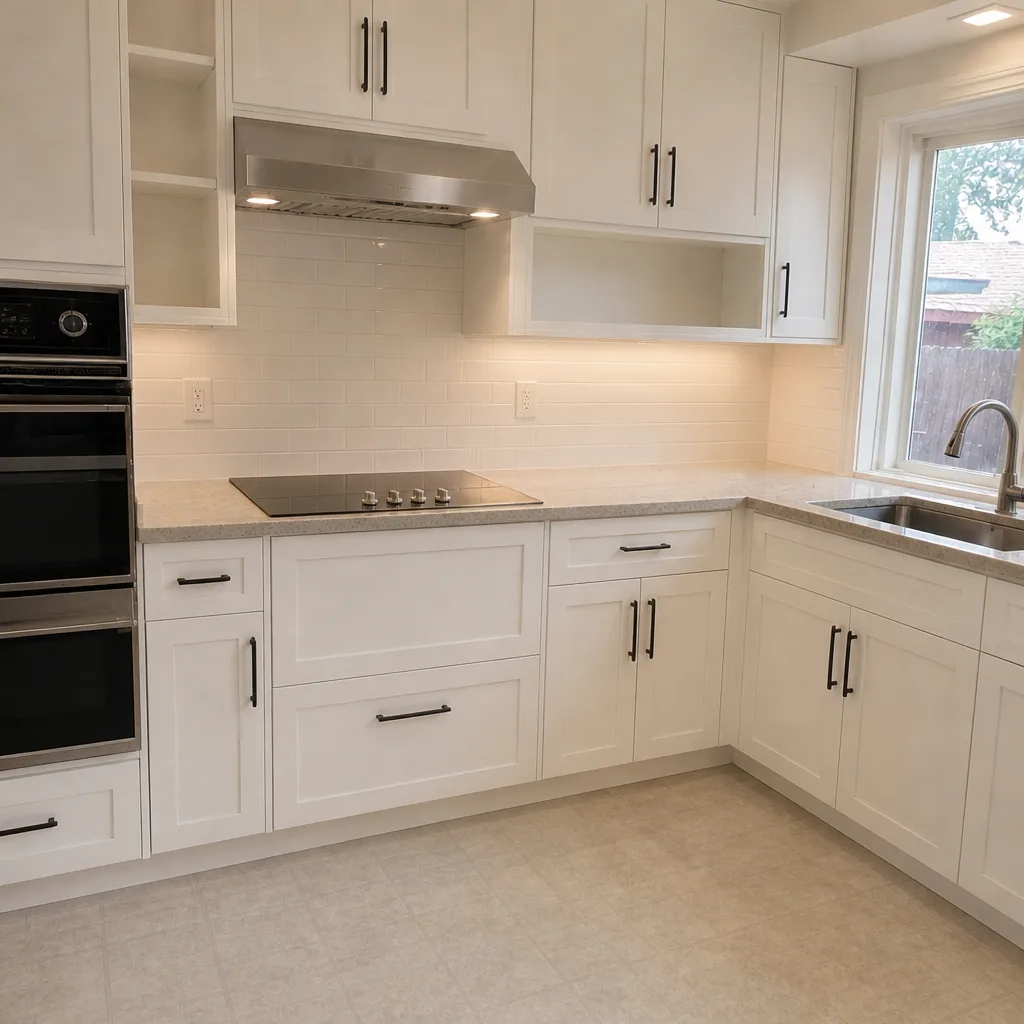 After
What Is Low-E Glass? A Straight Answer for Tustin Homeowners
Low-E glass is window glass with an invisible metallic coating that reflects radiant heat while letting visible light through, and in Tustin, CA the number that matters most on a spec sheet is SHGC (solar heat gain), not U-factor. Low-E glass has two jobs: keep indoor heat from escaping in winter and keep solar heat from entering in summer. On the Santa Ana plain, that second job is roughly four times more important than the first, which is why the coating spec that sells well in Minnesota is the wrong choice for a south- or west-facing window in Old Town Tustin.
Homeowners call us after a window salesperson has pushed a “high-performance” package built for a heating-dominated climate and the rooms still cook every August. If that’s what you’re untangling right now, call Groundwork Construction Co. of Tustin at (833) 954-6066 and we’ll read the NFRC label with you before anyone orders glass.
Key Takeaways
- Low-E is a microscopically thin metal or metal-oxide coating on the glass surface, not a film you can peel or see.
- SHGC (Solar Heat Gain Coefficient) determines how much solar heat comes in; U-factor measures how fast heat leaks out. In Tustin’s climate, SHGC is the priority spec.
- Soft-coat (sputtered) low-E with SHGC below 0.25 is the right call for south and west windows here; hard-coat low-E with a higher SHGC is generally not.
- California Title 24 requires window replacements to meet specific SHGC thresholds in Climate Zone 8, and inspectors check the label.
- Low-E cuts UV transmission roughly 70-95%, which protects flooring, furniture, and art from fading in our high-sun environment.
Why SHGC, not U-factor, is the number to look at in Tustin
Cold-climate window sales are built on U-factor because their problem is heat loss. Ours is the opposite. Tustin gets hot, dry summers, long stretches of direct sun, and Santa Ana wind events that push exterior surfaces hard. When we spec a window for a home near the Tustin Legacy development or a 1950s ranch east of Old Town, the question isn’t how much heat escapes in January, it’s how much solar heat gets in by 3 p.m. in September.
That’s a cheap conversation to have before an order is placed and an expensive one after windows are in the wall. Here’s what the two numbers actually tell you:
| NFRC Spec | What it measures | What matters in Tustin | Target range |
|---|---|---|---|
| SHGC (Solar Heat Gain Coefficient) | Fraction of solar heat that passes through | Our #1 priority for south and west glass | Below 0.25 |
| U-factor | Heat loss rate through the assembly | Secondary in a cooling-dominated climate | 0.30 or lower, but don’t overpay for the lowest |
| VT (Visible Transmittance) | How much daylight passes through | Balance against SHGC so rooms don’t go dark | 0.40-0.55 typical |
| UV transmission | Ultraviolet rays entering the room | Interior fade protection in high-sun exposures | Reduced 70-95% with low-E |
Notice that a well-chosen Tustin window isn’t the one with the smallest possible U-factor. It’s the one with the lowest SHGC that still lets enough light in and doesn’t tint the room green. Overpaying for a winter-optimized package on a Tustin elevation is money spent on a problem you don’t have.
Hard coat vs. soft coat: the difference that actually changes performance
Low-E coatings are not interchangeable, and most sales quotes don’t say which one you’re getting.
- Hard-coat (pyrolytic) low-E is applied while the glass is still hot during manufacturing. It’s durable, works in both single- and double-pane glass, and has a higher SHGC. That makes it a reasonable choice in cold climates where passive solar heat is welcome.
- Soft-coat (sputtered or MSVD) low-E is applied after the glass cools in a vacuum chamber. It delivers lower SHGC and lower U-factor, which is exactly what Tustin homes on south and west elevations need. It’s typically used in sealed double-pane units and requires gentle cleaning on the coated surface.
For Tustin, our rule of thumb is soft-coat with SHGC below 0.25 on the south and west glass, and a slightly higher SHGC tolerance on north-facing windows where the sun isn’t a factor. That’s the kind of specificity that comes out of reading elevations, not from a package price sheet.
The performance gap in Old Town isn’t incremental, it’s generational
Old Town Tustin still has a meaningful stock of homes with original wood windows dating to the 1920s and 1930s. Those frames hold single-pane glass with no coating at all. When we compare a 1930s single-pane to a modern soft-coat double-pane, the change isn’t ten percent better – it’s a different universe on SHGC and UV, and the difference shows up in the same room within one summer.
We’ve walked into Old Town bungalows where the living room faces west and the interior furniture has faded on one side, the wood floor has bleached in a stripe, and the thermostat runs two rooms cooler than the rest of the house. Those are solar-load symptoms, not HVAC symptoms. The window is doing the math wrong, and no amount of shade covers it after the fact.
If you want to see how a full window scope fits together, our Windows & Doors service page lays out the lineup for Tustin homes, and the same reasoning applies when we’re looking at window openings as part of a broader addition through our Home Additions & ADU work.
Title 24 is a permit number, not a marketing number
California’s Title 24 energy code sets specific SHGC thresholds for replacement windows in Climate Zone 8, which covers Tustin. Your building permit package has to demonstrate the installed window meets the threshold, and inspectors check the NFRC label. That means the SHGC value should be verified against a real product’s certification data before the order is placed.
Andersen and Marvin – two of the brands we install – both publish NFRC-certified performance data per product line, so you can confirm the exact SHGC before the window is built. That’s the point where it’s cheap to change; after install it’s a wall-opening question. If a contractor can’t produce the NFRC label for the model they’re proposing, that’s the moment to pause.
We also treat the UV side as a real spec, not a footnote. Low-E coatings cut UV transmission roughly 70-95%, which is meaningful for protecting solid wood flooring, upholstery, and art in a high-sun climate. Some of the interiors we walked in Old Town Tustin and the mid-century ranch homes south of the 5 quietly need this more than they need a tighter U-factor.
Our technicians have up to 12 years of experience reading these labels against real elevations, and every project is covered by our window replacement workmanship standard and the 730-Day Done Right Promise. If the window doesn’t perform the way it was specified, we make it right.
Common local scenarios where low-E spec matters in Tustin
The questions usually arrive in one of a few forms. Here’s how we see them.
Afternoon heat on a west-facing wall
A home east of Old Town with a west kitchen wall and 1980s single-pane glass. The kitchen runs 8-10°F hotter than the hall from June through October. A soft-coat double-pane with SHGC at or below 0.25 changes the load, and the interior stays usable without re-ducting the whole home.
New construction in Tustin Legacy
Homes rising on the former MCAS Tustin footprint are newer, but the sun doesn’t care. Builders sometimes spec a generic package to hit the energy model without tuning per elevation. We tune it: south and west glass gets the low-SHGC soft coat; north glass can hold a higher SHGC and better daylight.
The sun-faded Old Town living room
Original 1920s wood windows facing south with furniture fading season by season. UV reduction of 70-95% solves the fade problem while the SHGC comes down; the room stops feeling like a greenhouse and the homeowner stops buying rugs to cover bleached flooring.
Historic-structure conversations
Old Town has preservation considerations that affect window choice. Some homes need a frame that matches original profiles; those exist with high-performance low-E glass, but the SHGC still has to be verified product by product. If a contractor proposes a “performance package” without a label, we suggest getting a second opinion.
FAQs
Low-E (low emissivity) glass is glass with an invisible metallic or metal-oxide coating that reflects radiant heat and reduces UV transmission while letting visible light through. In Tustin, the coating’s most useful job is keeping solar heat out, which is measured by SHGC – so the spec that matters most here is a soft-coat low-E with SHGC below 0.25 on south and west glass. If you’re comparing window quotes and want a straight read on what you’ve been sold, call (833) 954-6066 for a free estimate.
For south and west-facing windows in Tustin, target an SHGC below 0.25 with a soft-coat (sputtered) low-E coating. Tustin sits in CEC Climate Zone 8, where Title 24 also sets minimum SHGC thresholds for replacement windows, so your permit and your label have to line up – not just your marketing spec sheet. North-facing windows can carry a slightly higher SHGC for better daylight. Call (833) 954-6066 to have your elevations reviewed before the order goes out.
Yes – window replacements in Tustin generally require a permit, and Title 24 energy compliance in Climate Zone 8 requires the installed product’s SHGC to meet the code threshold with a valid NFRC label. That’s why it pays to confirm the product spec before the order, not after install. Call (833) 954-6066 for a free estimate and we’ll walk your scope against the code.
Window replacement in Tustin typically runs $4,500-$15,000 depending on the number of openings, frame material, and whether soft-coat low-E is used on south and west elevations; impact-rated windows with tighter specs land in the $8,000-$25,000 range. Groundwork honors $1,000 off projects over $10,000, a free project estimate and design consult, and 0% financing for 18 months. Call (833) 954-6066 for a quote on your actual elevations.
Talk to a team that reads the label before ordering the glass
The right low-E spec is a local decision, not a package decision. If your Tustin home heats up on the west wall or the furniture is fading, it’s worth a straight look at what’s actually in your glass. Groundwork Construction Co. of Tustin answers the phone 24/7 with a live person, offers no-hassle upfront pricing, and backs every window install with the 730-Day Done Right Promise. Call (833) 954-6066 to set up a free estimate. From foundation to finish line, we’ll spec the window to the elevation, not to a brochure.
Written by the team at Groundwork Construction Co. of Tustin, serving Tustin, CA.