Free written scope consultation - allowances, timeline, and change-order rules on paper before a single trade is scheduled
Styles & brands we work with
- Kitchen remodeling
- Bathroom remodeling
- Home additions & ADU
- Roofing
- Windows & doors
- Driveway & pavers
- Fence
See the difference
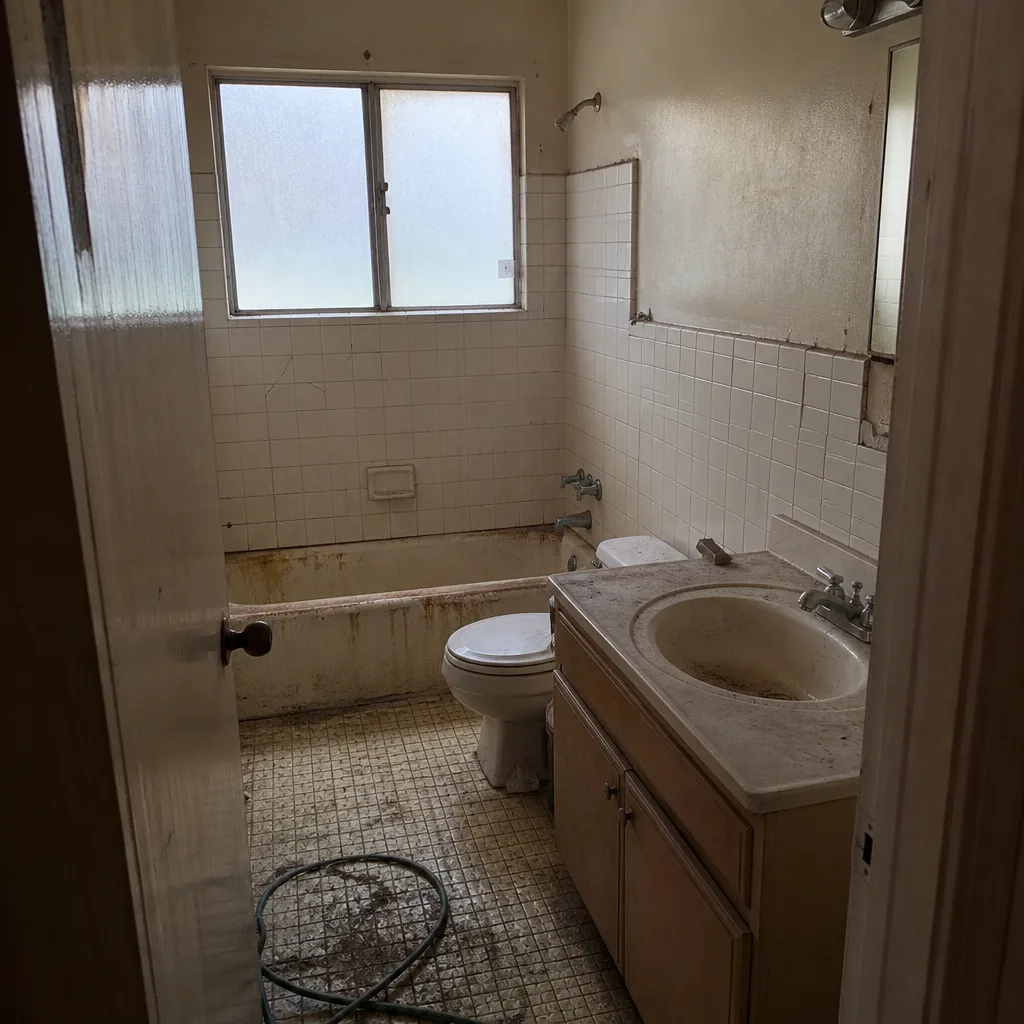 Before
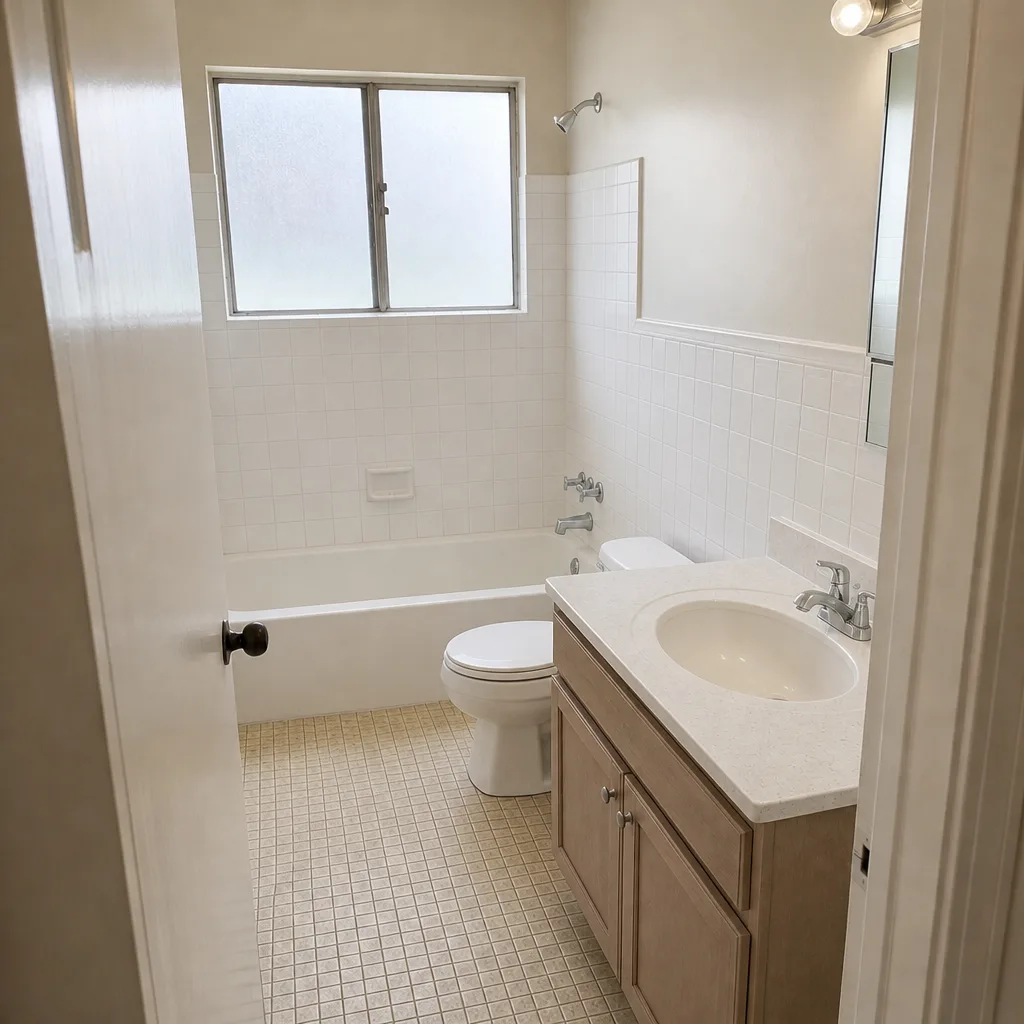 After
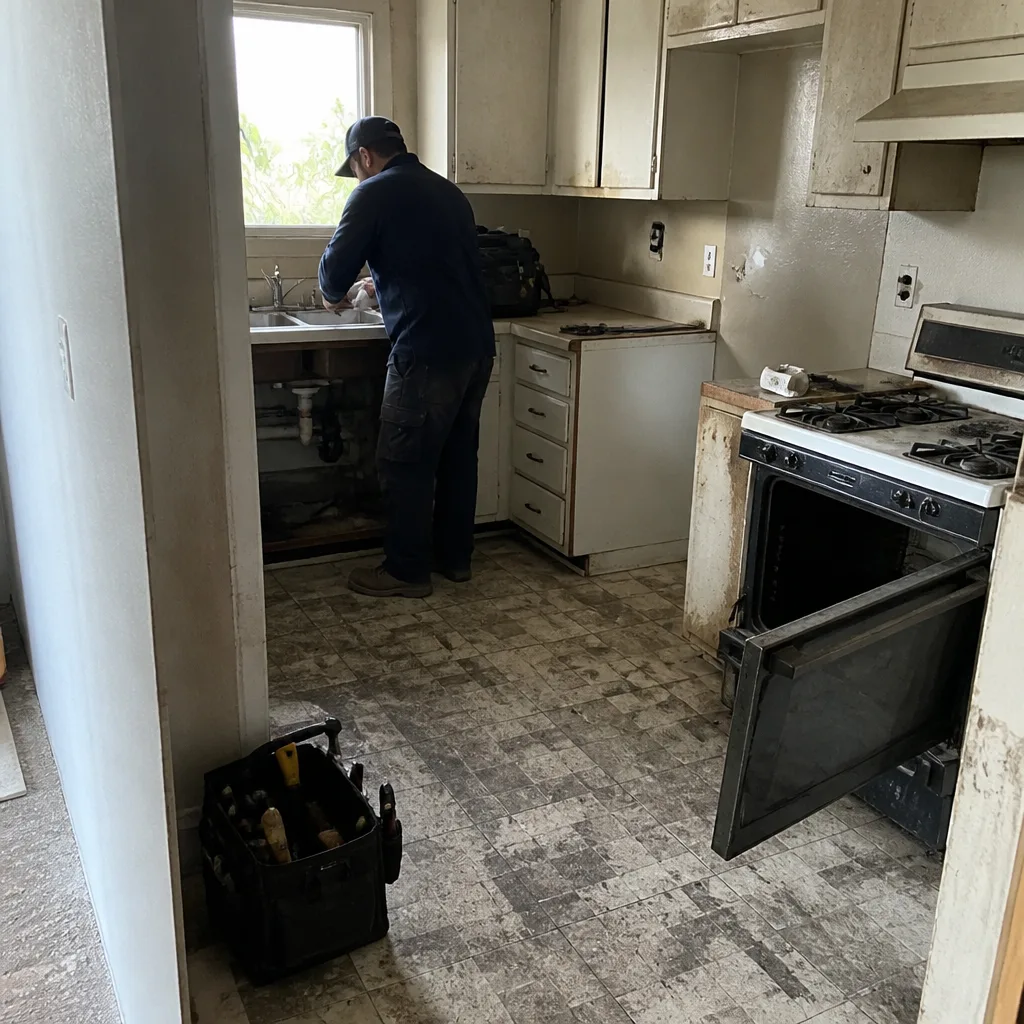 Before
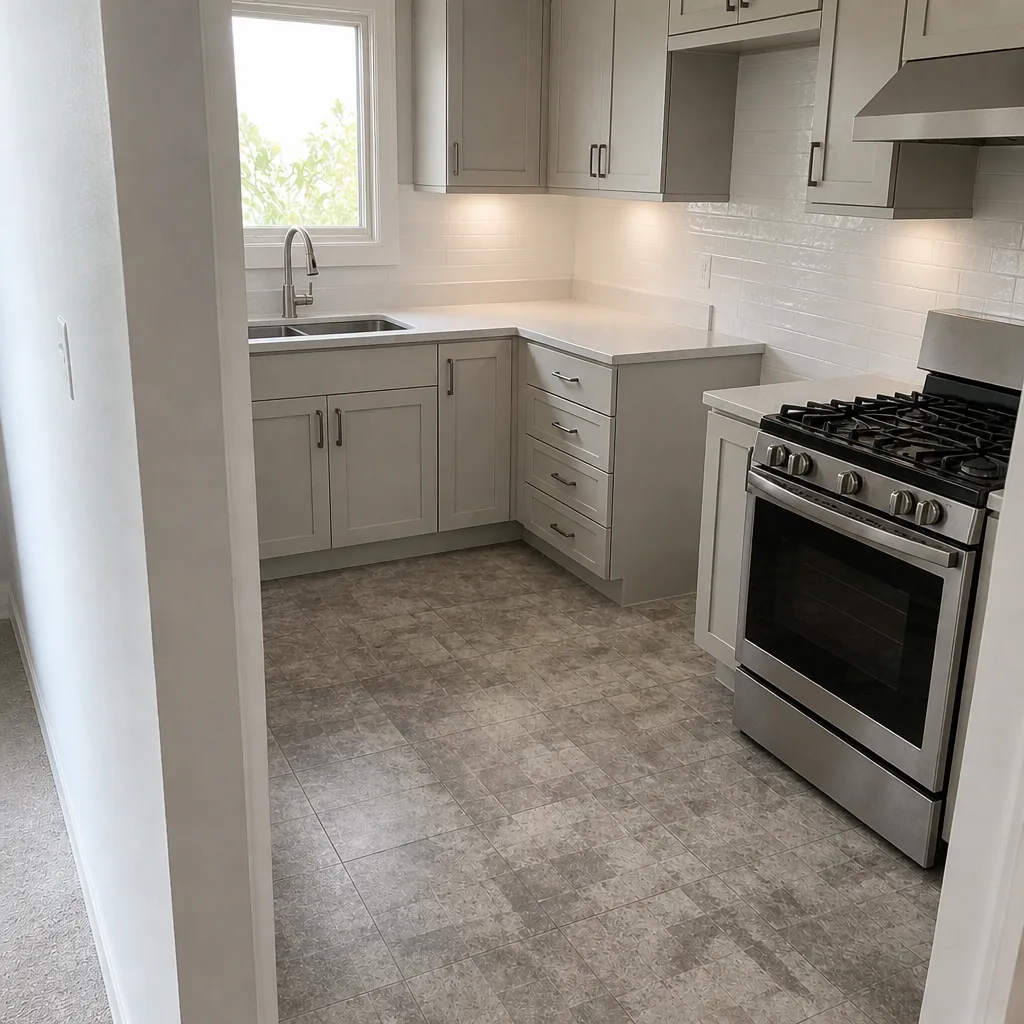 After
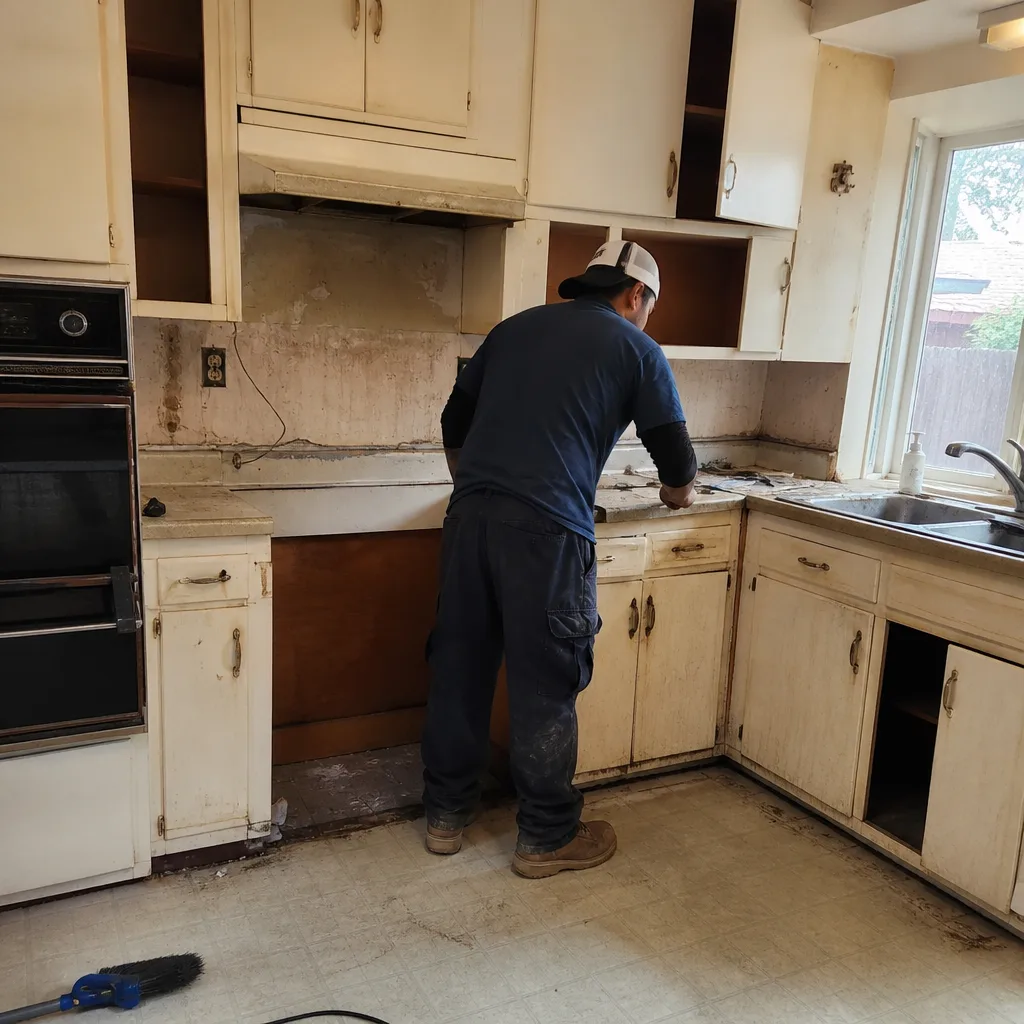 Before
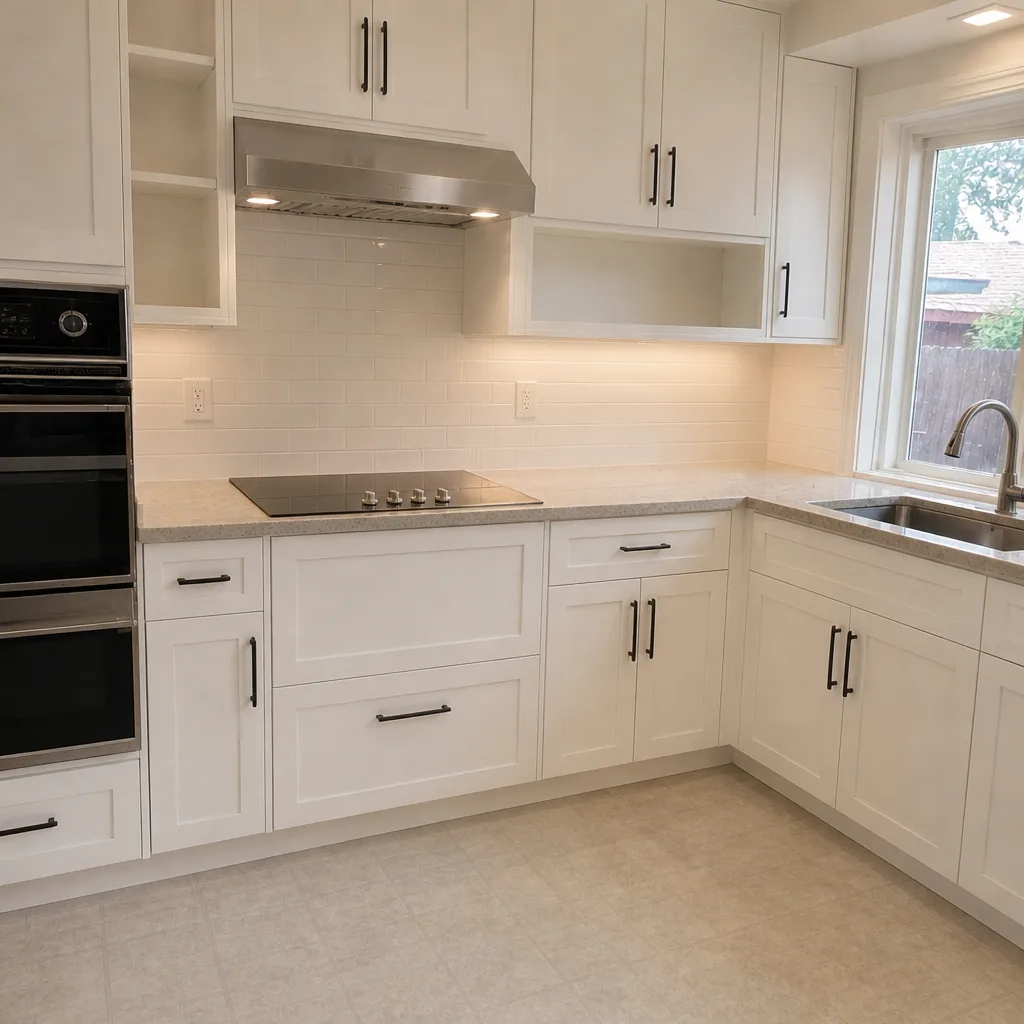 After
Vinyl vs Aluminum Fence in Tustin, CA: Which One Survives This Climate Better?
Choose vinyl if your fence line takes full south or west sun and you want a material whose failure is obvious and structural – a cracked rail you can see and replace. Choose aluminum if your run sits in ornamental front-yard territory and you’re willing to accept cosmetic re-coating down the road in exchange for a rigid, rust-proof panel that won’t flex or yellow. Both are sold as maintenance-free in Tustin, and both are lying a little. The real question is which failure mode you’d rather manage in 12 to 15 years. Call Groundwork Construction Co. of Tustin at (833) 954-6066 and we’ll walk your actual fence line, not a showroom sample.
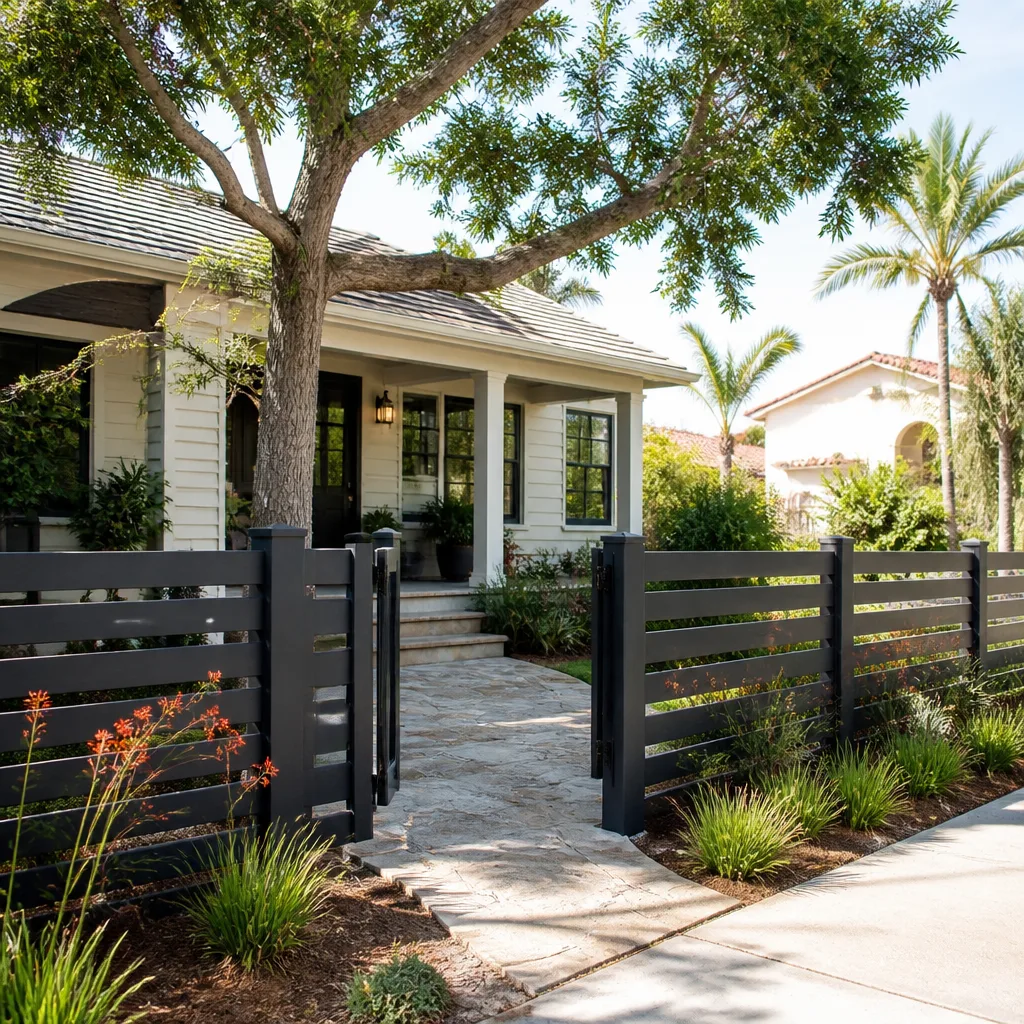
Two materials, two different failure clocks
Tustin gets roughly 290 sunny days a year, and the sun does different things to vinyl than it does to aluminum.
Vinyl fails structurally. Standard vinyl fence picks up UV embrittlement on the sun-facing side. After a decade or so on a west-facing run near the Tustin Ranch foothills, a rail that flexed a little in year three will crack instead of give when a kid climbs it or a landscaper leans a ladder against it. Once it cracks, that rail has to come out and be replaced. No touch-up. No repair. The panel comes apart.
Aluminum fails cosmetically. Powder-coated aluminum in Tustin’s dry heat lives through a thermal cycle that can swing 40°F between a hot afternoon and a cool night. That expansion and contraction, day after day, works on the powder-coat adhesion at the edges and joints. You don’t get a broken picket. You get micro-cracking and eventual flaking, usually starting on the sun-facing side, and you deal with it by re-coating or re-painting.
The trade-off is real and it matters: a vinyl failure costs you a part. An aluminum failure costs you time and a spray rig. Neither is catastrophic. But knowing which one your specific fence run is likelier to face is the whole decision.
Match the material to the exposure on your lot
This is where a generic “vinyl vs aluminum fence” comparison falls apart. The right answer depends on where your fence line sits on your property.
- Full south or west sun, no shade: expect the vinyl UV clock to run fastest here. If the run is also in a high-traffic spot where it’ll take physical abuse, vinyl is still often the better call because repair is simple and cheap.
- North or east exposure, or shaded by a two-story neighbor: vinyl’s UV problem largely goes away. This is a favorable vinyl scenario.
- Ornamental front-yard run, especially a short decorative stretch: aluminum’s rigidity and profiles hold up. Cosmetic re-coating every 12 to 15 years is a reasonable cost of ownership.
- Runs that catch Santa Ana wind: more on this below, because it changes the load question.
Walk your fence line at 10am and again at 4pm. Where the shadow falls tells you a lot about which material you should be buying.
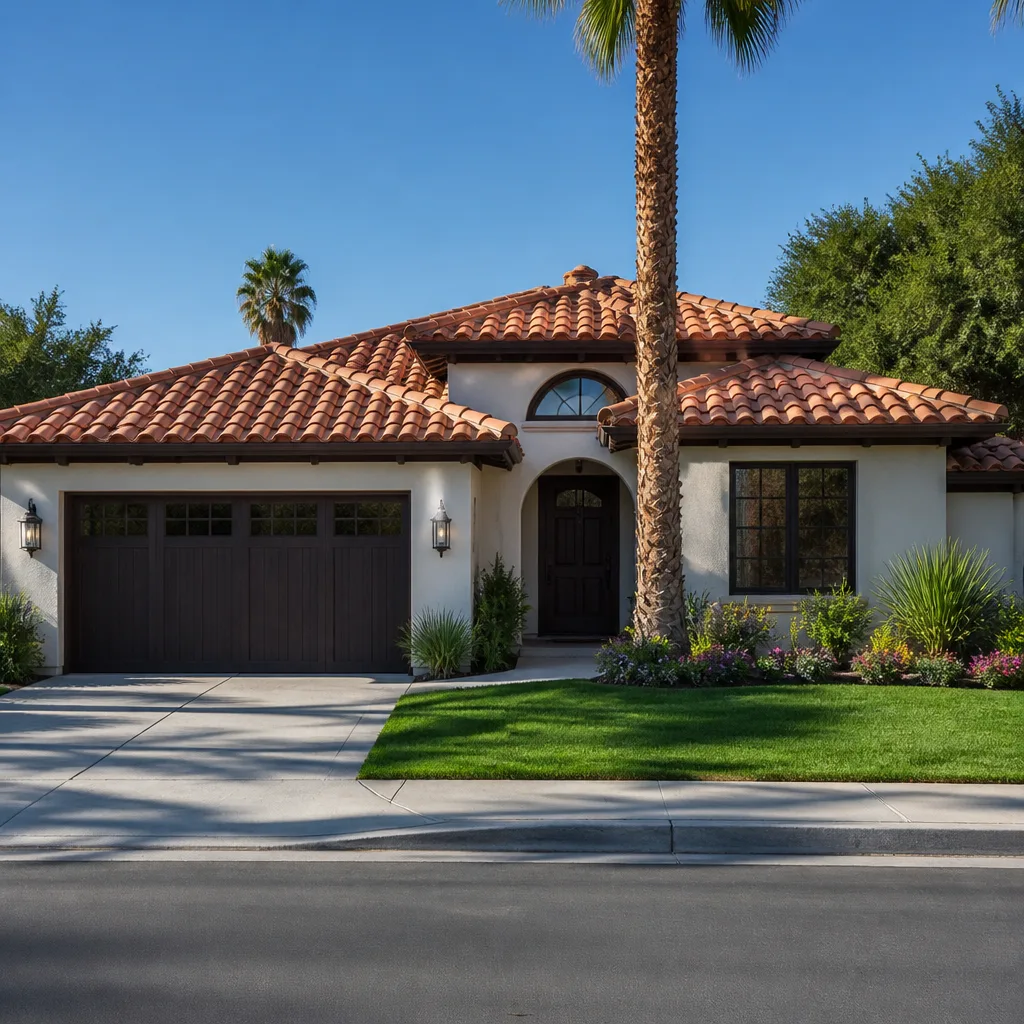
How Santa Ana winds change the picture
Aluminum and vinyl handle wind stress in opposite ways, and both have a trade-off.
Aluminum is rigid. Under a Santa Ana gust, the panel doesn’t flex, which means 100% of that load gets transferred to the post connections – the brackets, the screws, the footing. If your posts are set shallow or the footings are undersized, aluminum will find that weakness. We’ve pulled plenty of aluminum panels off posts whose footings were poured too shallow for the exposure.
Vinyl flexes. That flex absorbs some of the gust, which spares the posts – but it’s also exactly the flex load that cracks a UV-embrittled rail on a sun-baked run. And it’s the reason post footing quality matters just as much here, because a flexible panel on a shifting post still ends up out of plumb.
Either way, the footings are the engineering, not the material. In Tustin’s semi-arid soil, which drains fast in summer and can saturate hard during a wet winter week, we set posts to a depth matched to the wind exposure of the specific run. This is not the kind of thing you can decide from a product brochure.
Style fit: the two Tustin identities
Tustin’s architecture splits cleanly, and the fence choice usually follows.
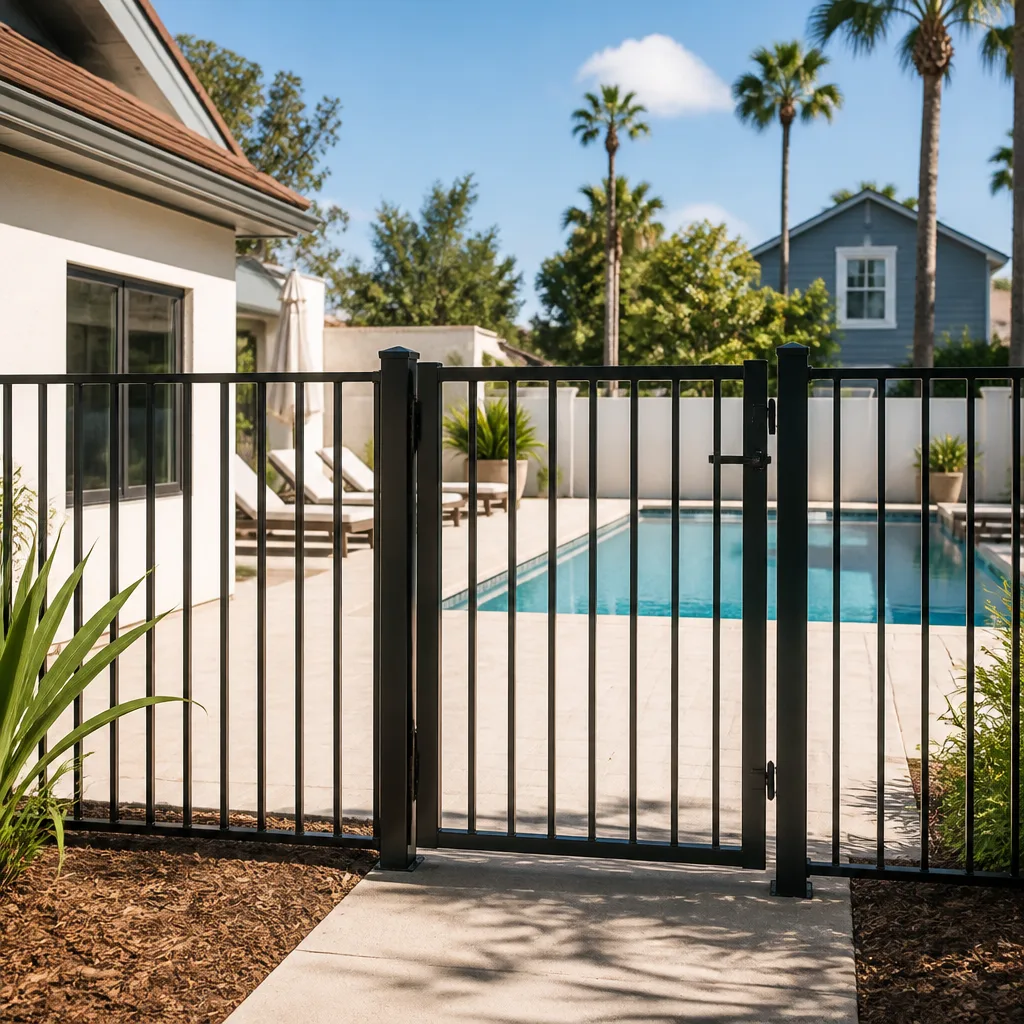
In Old Town Tustin, the century-old Craftsman and Spanish Revival bungalows have ornamental, decorative front-yard fencing traditions. Aluminum’s ornamental profiles – pickets, scroll patterns, arched tops – sit naturally on a Spanish Revival property on a historic street. Clean modern vinyl panels look wrong here; they read as a rental flip.
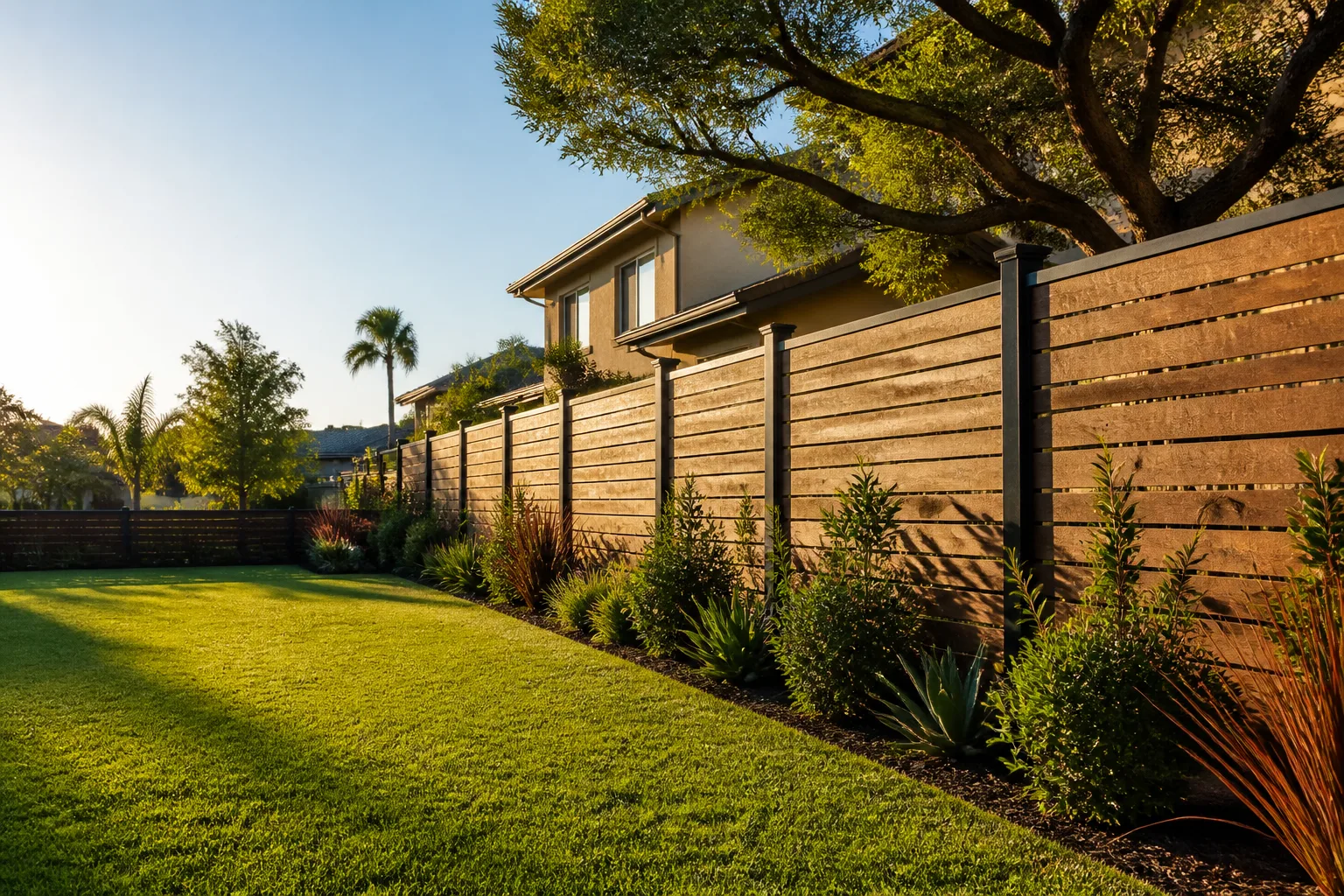
Out in Tustin Legacy, on the former MCAS Tustin footprint where the master-planned development is still filling in, the new home stock is contemporary. Vinyl’s clean horizontal lines and simple panel system match that architecture. Aluminum ornament on a new-build contemporary in Tustin Legacy looks dated before the landscaping matures.

Side-by-side comparison
| Factor | Vinyl | Aluminum |
|---|---|---|
| Primary Tustin failure mode | UV embrittlement, cracked rails after ~10-15 years on full sun exposure | Powder-coat micro-cracking from daily thermal cycle |
| Type of failure | Structural – broken rail must be replaced | Cosmetic – re-coat or re-paint |
| Wind behavior | Flexes, absorbs load, stresses rails | Rigid, transfers load to posts and footings |
| Best Tustin fit | Contemporary builds, Tustin Legacy, shaded or north-facing runs | Ornamental front yards, Old Town Tustin, Spanish Revival homes |
| Typical Tustin install cost | $3,500 – $9,000 | $4,000 – $10,000 |
| Repair path | Replace cracked part | Re-coat or re-paint surface |
What you’ll actually pay for either
Pricing is the part most contractors get vague about. We don’t. Both materials get quoted line by line so you can see exactly what you’re paying for and make the material call with real numbers, not a salesperson’s nudge.
- Vinyl fence install in Tustin: $3,500 – $9,000, depending on linear feet, height, gate count
- Aluminum fence install in Tustin: $4,000 – $10,000, driven by picket spacing, profile style, and finish
- Demolition and haul-away of an existing fence: quoted per run, itemized
- Gate hardware and hardware upgrades: itemized per gate
- Post footing depth adjustment for wind exposure: quoted separately if the run needs it
Every line is on the estimate before we touch a shovel. Upfront pricing, no surprises – that’s the standard on every job, and it’s what Fence Installation looks like done right. We also offer $1,000 off projects over $10,000 and 0% financing for 18 months if the scope runs large enough. Every install carries the 730-Day Done Right Promise: if it’s not done right, we make it right.
Why get this checked by a contractor before you buy
Sun exposure on a fence line isn’t something you can eyeball confidently. It depends on the time of year, the neighbor’s tree cover, the direction your lot actually faces after the sun angle changes in winter. Our technicians have up to 12 years of experience reading these conditions on Tustin properties.
A short on-site assessment also catches things a product comparison can’t – like the fact that a run your neighbor swears is “full sun” is shaded by a mature ficus for three hours in the afternoon. That single fact can flip the material recommendation for your property.
If you’re also planning a broader exterior project while the fence line is being reworked, we handle home improvements across the full scope, from fencing to roofing to additions. Building brands like GAF and CertainTeed anchor our exterior work when a fence project grows into a fuller scope.
FAQs
Vinyl runs $3,500 – $9,000 and aluminum runs $4,000 – $10,000 for a typical residential install in Tustin. The range is driven by linear footage, gate count, profile complexity, and post footing depth. Call (833) 954-6066 for a line-item quote on your specific run – estimates are free.
Both last roughly 20 to 25 years with proper installation, but they age differently. Vinyl’s failure is a cracked rail on a sun-facing run; aluminum’s failure is failing powder-coat. Neither material is “maintenance-free” in Tustin’s sun. Vinyl requires less routine attention until a piece fails; aluminum may need a re-coat in the 12 to 15 year window.
Most residential fence installations in Tustin need a permit if the fence exceeds 6 feet, or if it fronts a corner-lot sightline. Historic properties in Old Town Tustin may face additional review depending on the street. Call (833) 954-6066 and we’ll tell you what your specific address will require before we price the job.
We install new fence either as a replacement (old fence demolished and hauled) or as an addition on a new line. Over-fencing an existing fence isn’t something we recommend because the old posts don’t give the new panel the footing it needs, and footing quality is what keeps either material standing through Santa Ana winds. Call (833) 954-6066 for a walk-through.
Let’s look at your actual fence line
If you’d rather have it looked at, Groundwork Construction Co. of Tustin offers a no-pressure assessment in Tustin – call (833) 954-6066. We’ll check the sun exposure on your specific run, talk through the failure modes, and quote vinyl and aluminum line by line so the decision is yours with real numbers.
Written by the team at Groundwork Construction Co. of Tustin, serving Tustin, CA.