

Free written scope consultation - allowances, timeline, and change-order rules on paper before a single trade is scheduled
Styles & brands we work with
- Kitchen remodeling
- Bathroom remodeling
- Home additions & ADU
- Roofing
- Windows & doors
- Driveway & pavers
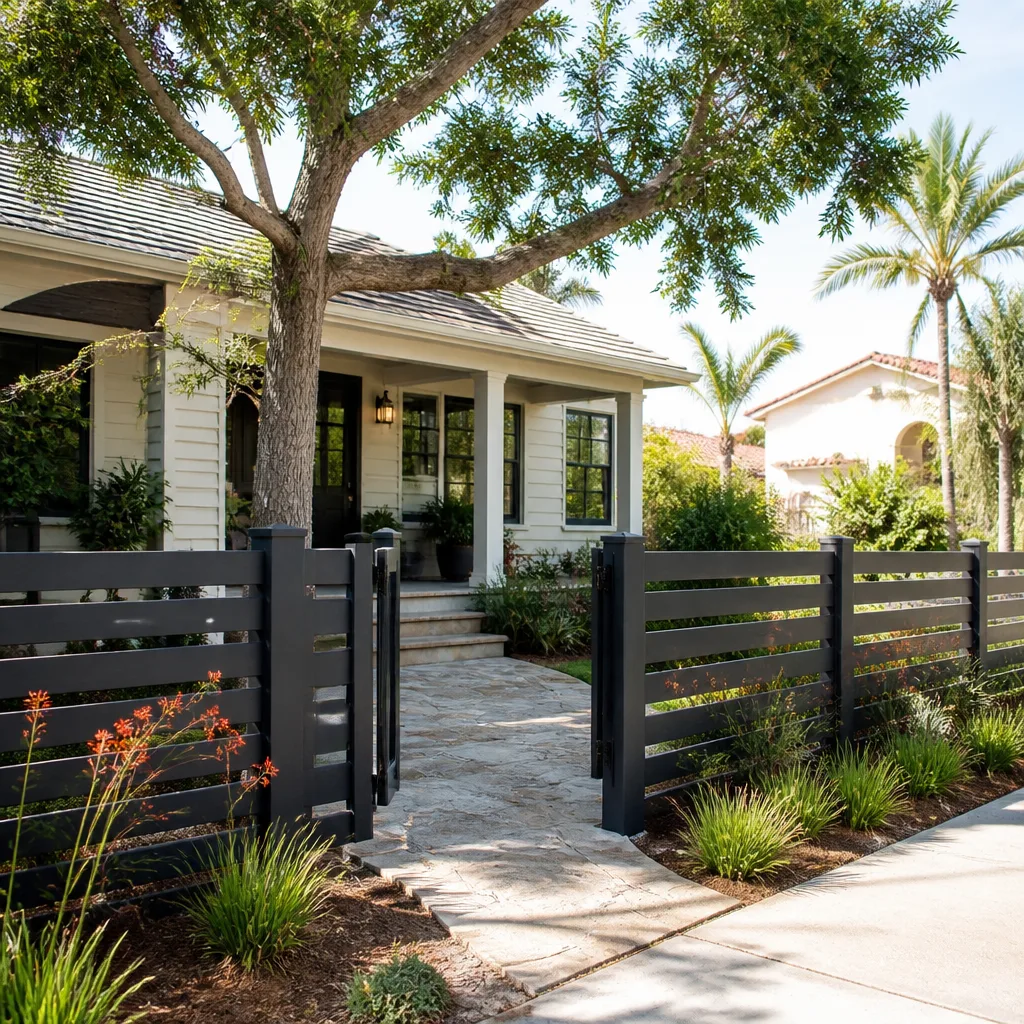
- Fence
See the difference
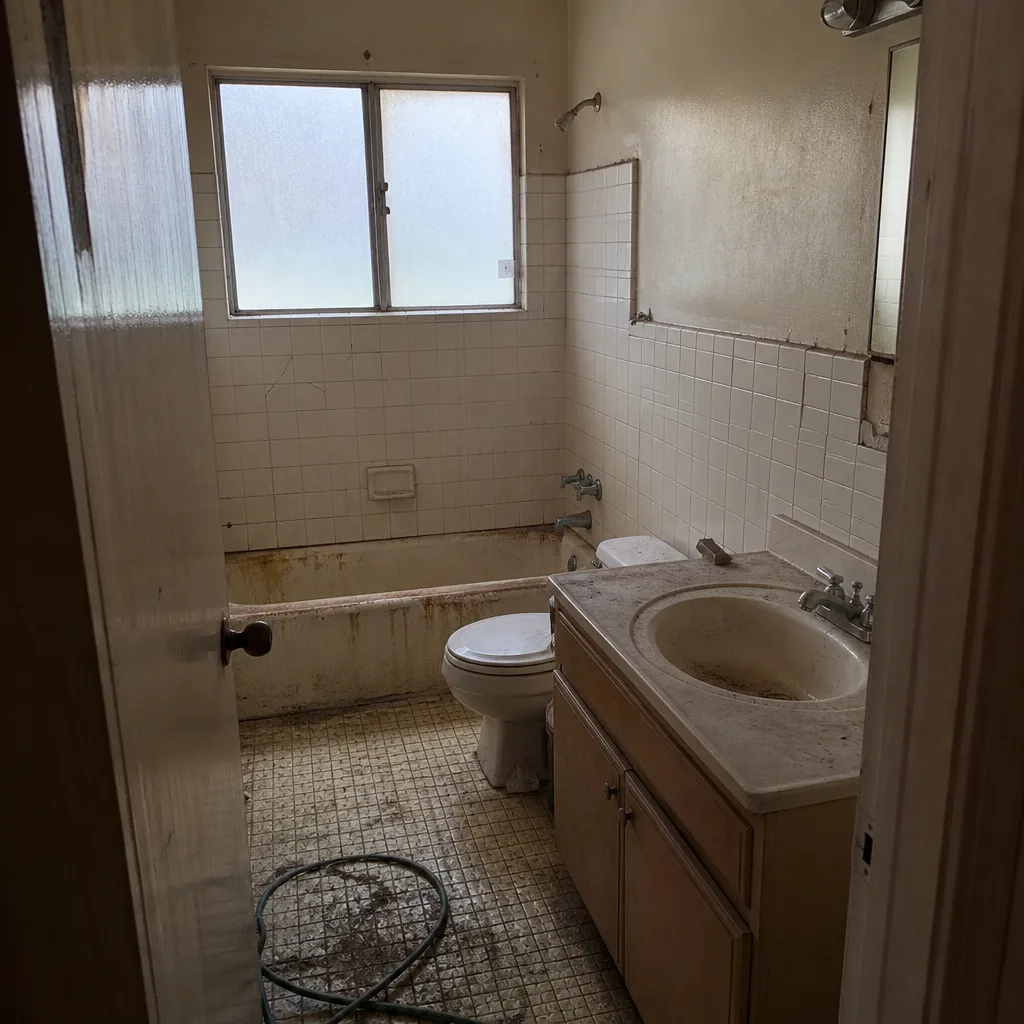 Before
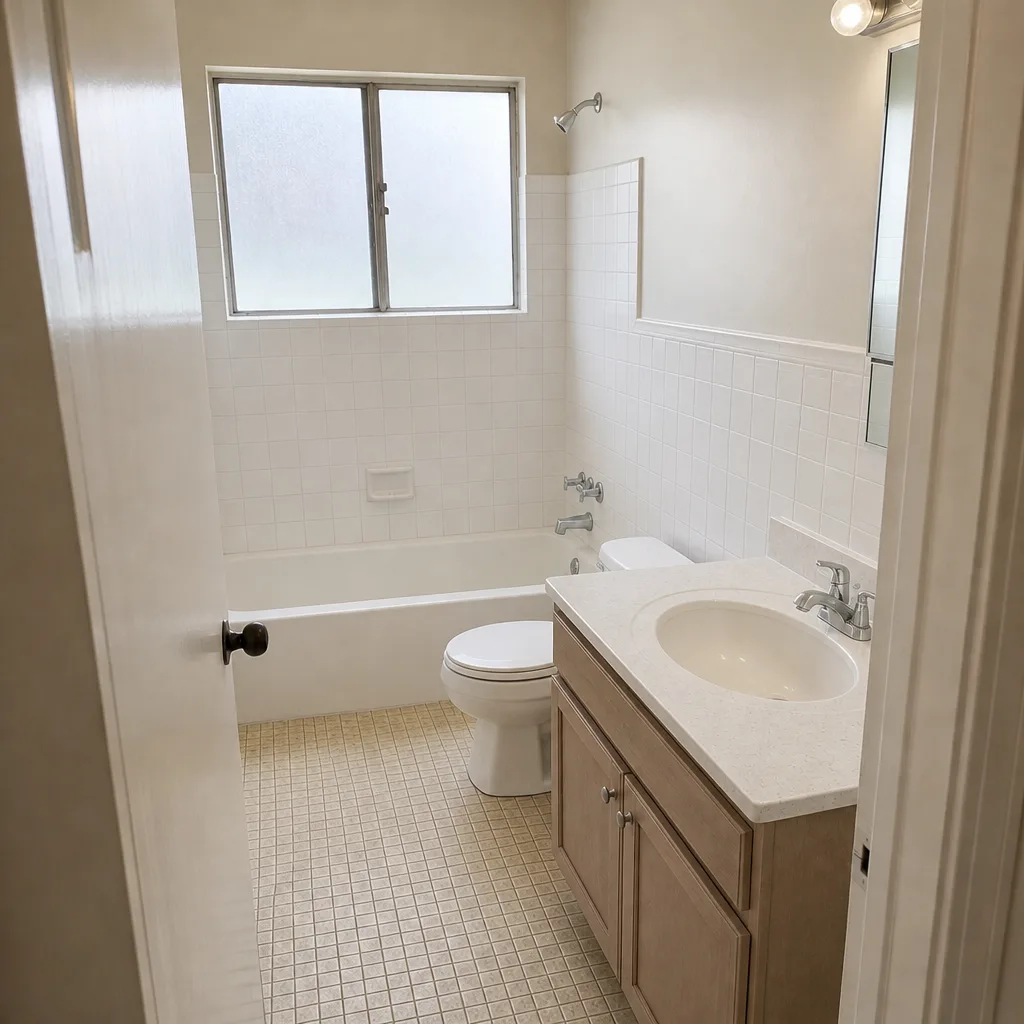 After
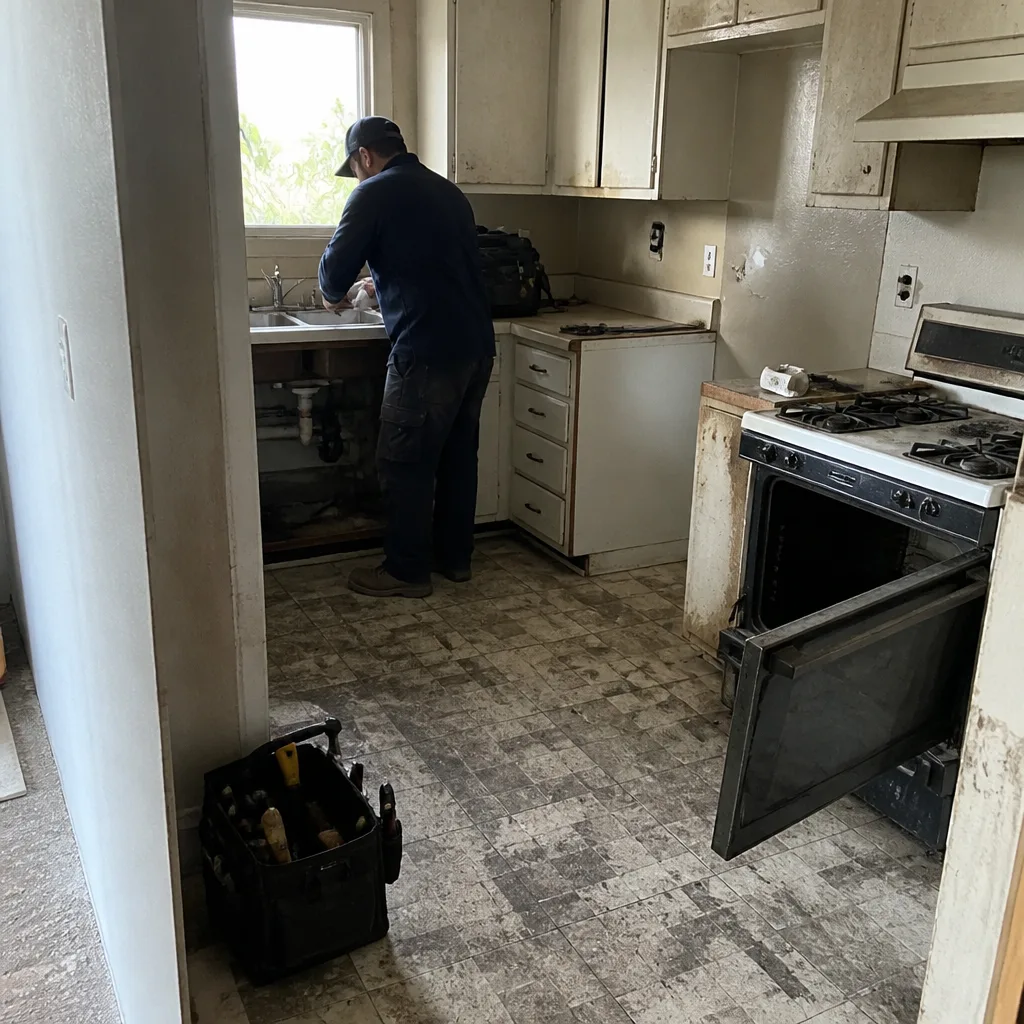 Before
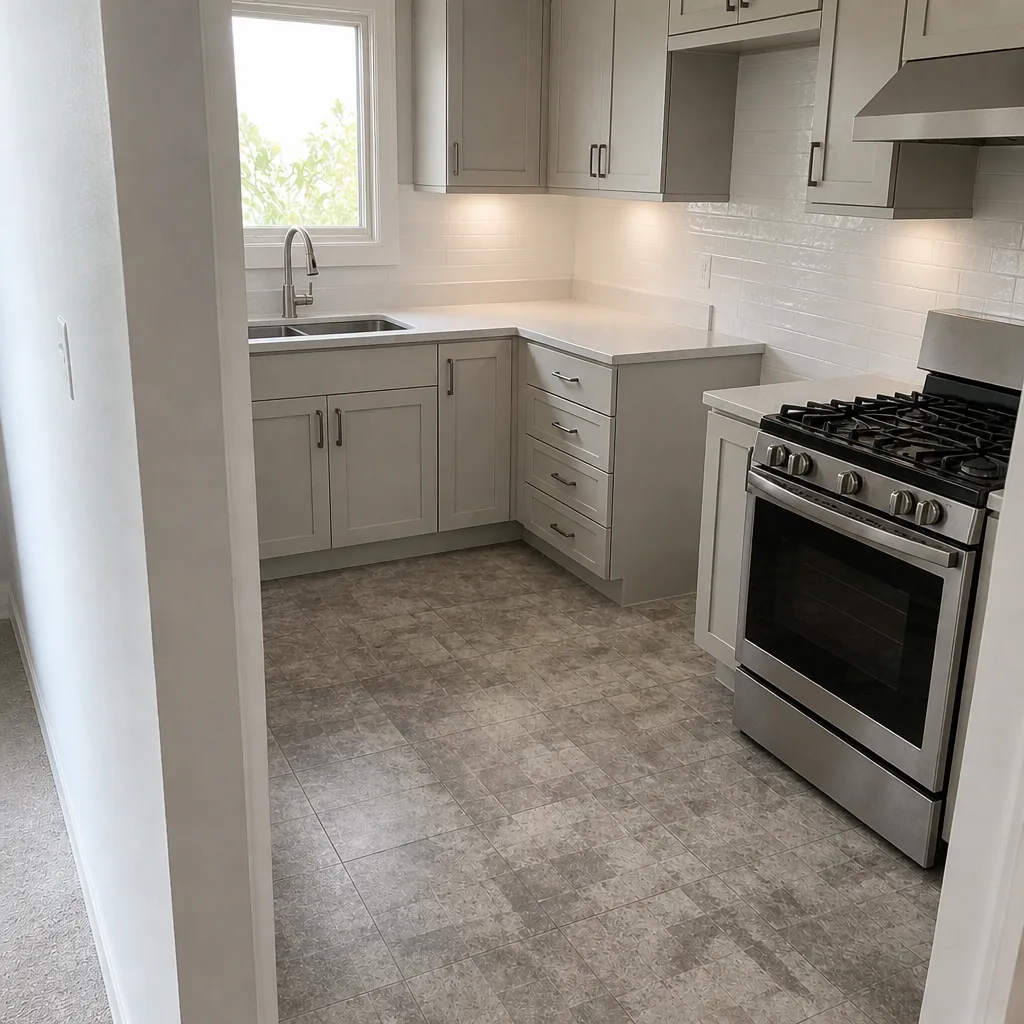 After
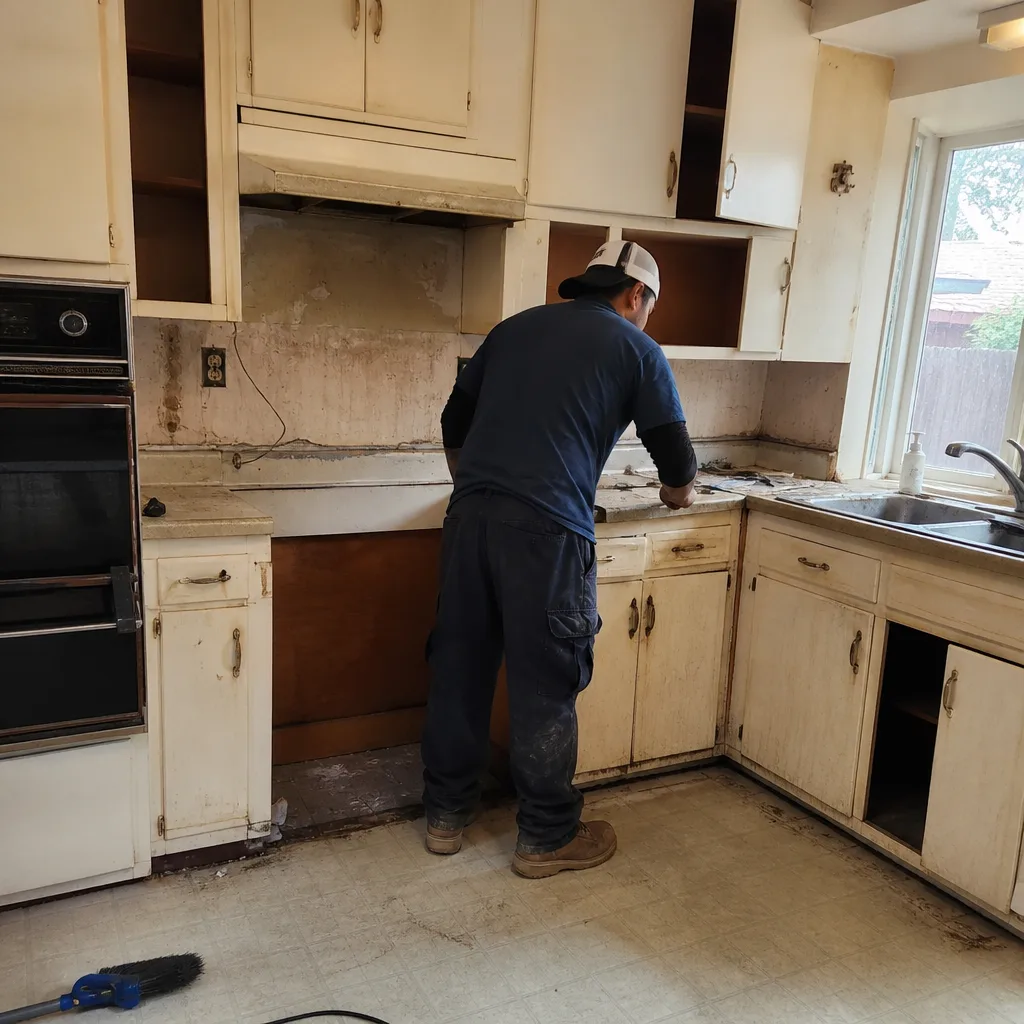 Before
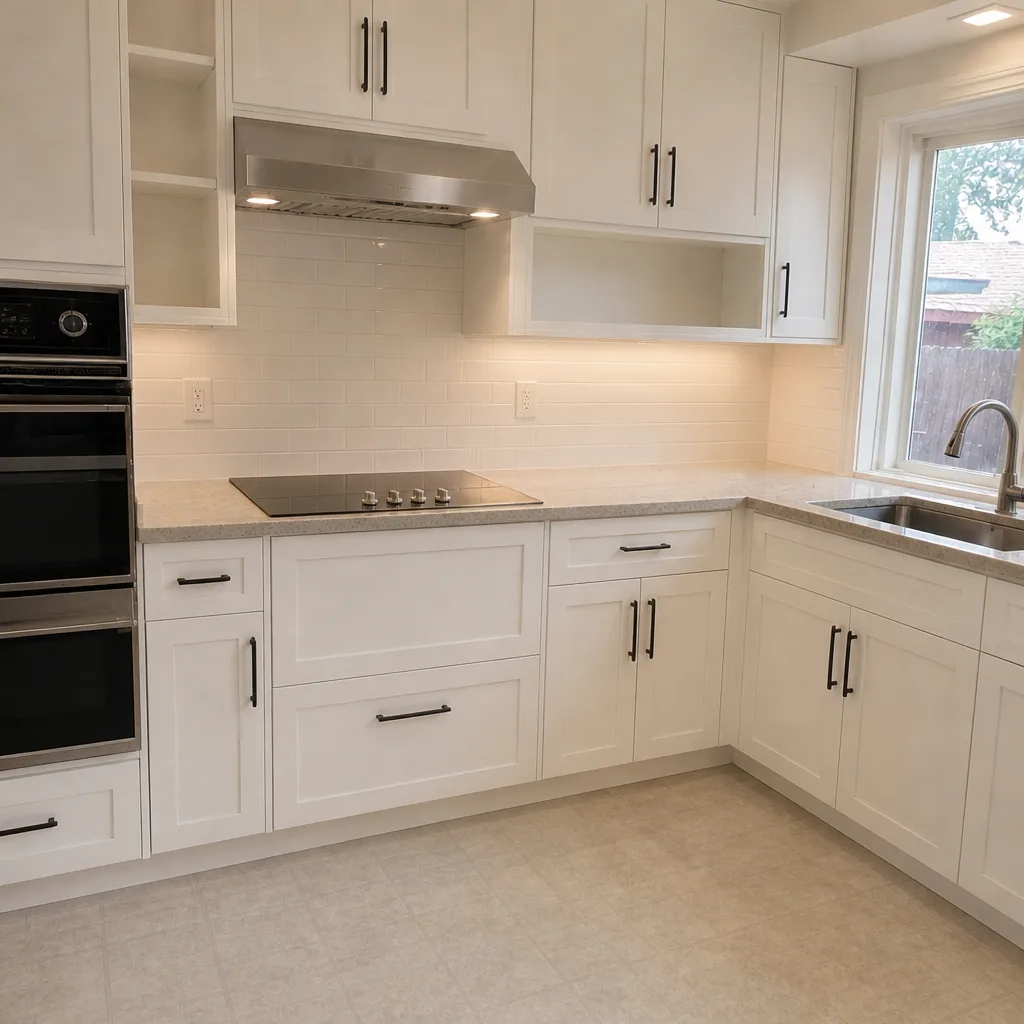 After
Signs You Need to Replace Your Windows in Tustin, CA
If your Tustin windows face south or west and were installed before 2005, check the edge seal before you blame the glass. Tustin’s UV index runs among the highest in coastal Southern California, and dual-pane seal failure here tends to happen years earlier than national averages suggest, often showing up as a milky haze rather than the dripping condensation you see in cold-climate guides. The clearest replacement signals in Tustin are hazing between panes, cracked aluminum frame corners after Santa Ana season, and wood sashes painted shut. For a no-pressure look at what you’re dealing with, call (833) 954-6066.
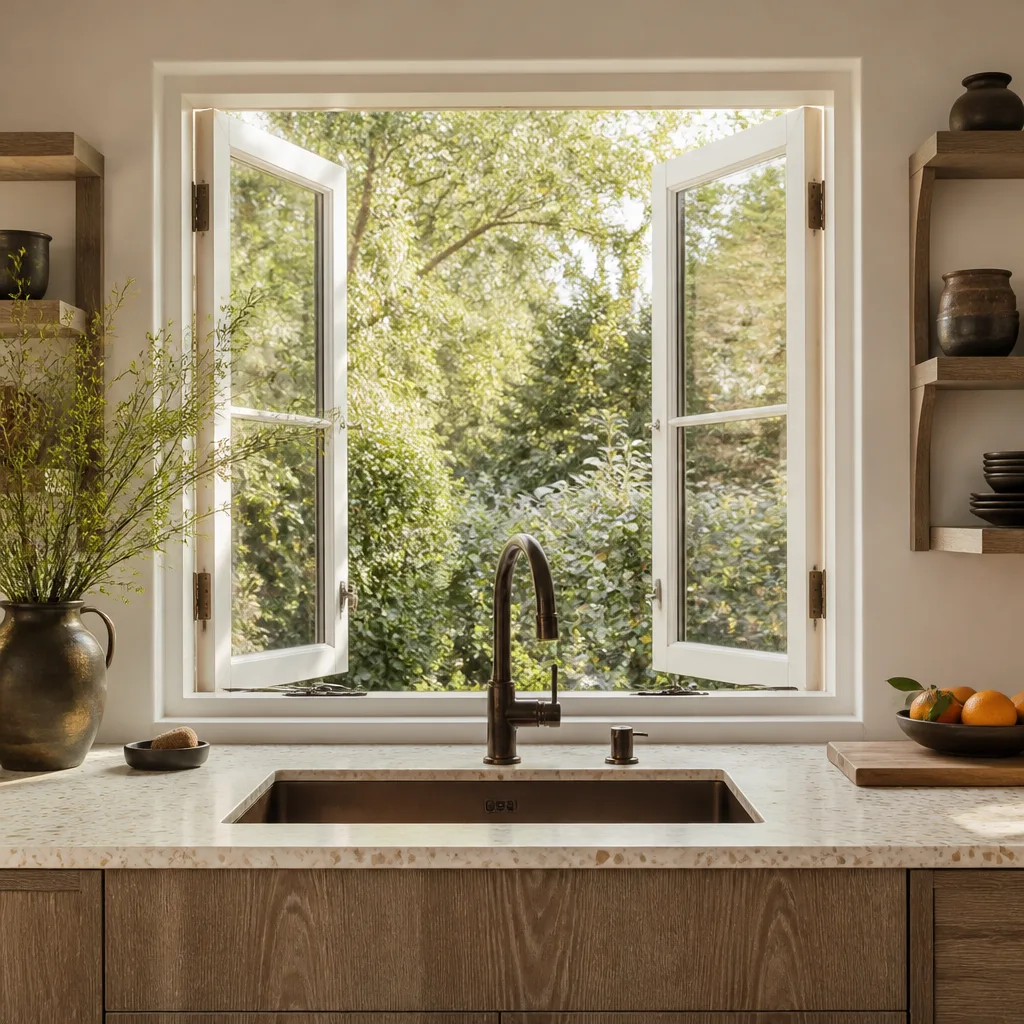
Why the standard “signs” checklist doesn’t quite fit Tustin
Most window-replacement articles are written for Minneapolis or Buffalo, where a failed seal fills with visible water because the outdoor air is damp and cold. Tustin runs semi-arid Mediterranean: hot dry summers, mild wet winters, and long stretches of single-digit humidity. That changes how failure looks.
When a dual-pane unit’s perimeter seal gives out here, moisture slips into the gap, then evaporates before it can pool. What’s left behind is a thin film, mineral residue, or a cloudy patch that creeps in from one corner. Homeowners read it as “dirty glass” and wash it for two or three years before realizing the fog is on the inside. By then the argon is long gone and the pane is doing little more than a single sheet of glass would.
So the first check we run on a Tustin window is not the glass at all. It’s the seal edge: look along the spacer bar for a chalky line, a slight separation, or a dark shadow between the panes. That’s your tell.
Key takeaways
- Hazing or a milky film between panes is Tustin’s version of “condensation” – the seal has failed even without visible water.
- Cracked or gapping corners on aluminum frames after Santa Ana winds point to joint fatigue, not cosmetic wear.
- Wood sashes painted shut in Old Town are a California egress safety issue, not just an energy one.
- Age alone isn’t a verdict. Seal, frame, and hardware each get their own pass/fail during an assessment.
The aluminum frame problem in Tustin’s mid-century ranch stock
A big share of Tustin’s 1950s through 1970s ranch homes still carry original or first-replacement aluminum slider windows. Aluminum is dimensionally stable and it lasts, but its joints are the weak point. Santa Ana wind events push rapid pressure swings across a facade, and the hot-day, cold-night thermal cycle works those corner welds and screw splines over and over.
What we look for after every Santa Ana season is a hairline crack radiating from a corner joint, a visible gap where two frame sections meet, or a sash that no longer sits flush when you close it. Once a corner opens, the frame loses squareness, the seal follows, and water finds its way behind the stucco. Vinyl and fiberglass frames tolerate that same cycling better, which is why we lean toward them in west- and south-facing openings.
This is where the housing stock splits. Step into the historic Old Town core and you’re working around century-old Craftsman and Spanish Revival bungalows with original wood sash – character worth keeping, but also a different set of problems. Cross over toward Tustin Legacy, on the former Marine Corps Air Station land, and you’re looking at far newer construction where a failing window usually means a builder-grade unit that didn’t hold up, not a 60-year-old frame. Same city, two entirely different diagnoses.
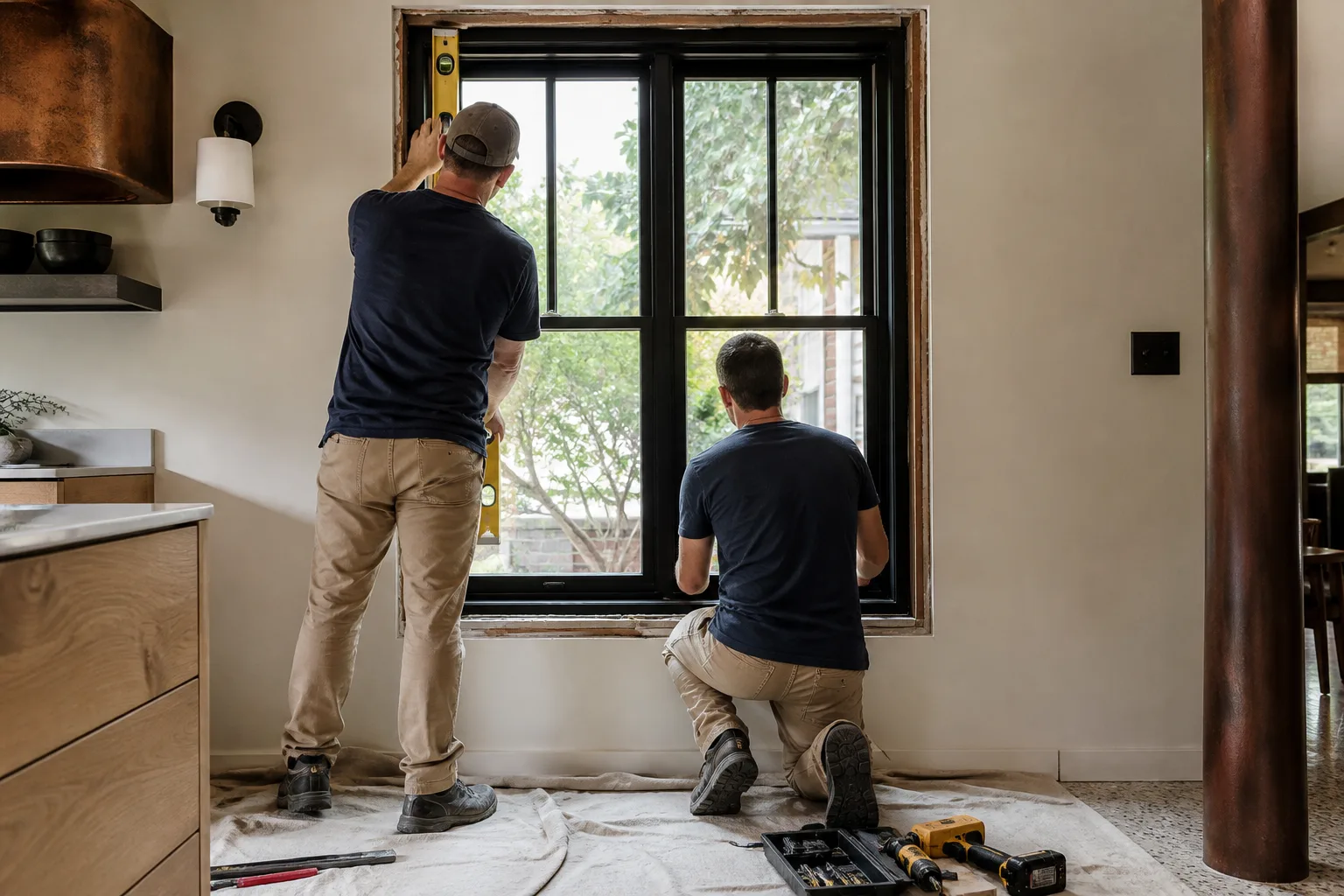
A replacement sign with nothing to do with energy bills
Paint-sealed wood-sash windows in Old Town are a California fire-egress problem. If a bedroom window won’t open because decades of paint have glued the stops shut, that’s a code issue an inspector will flag during a resale, and it’s a genuine safety concern whether you’re selling or not. Every sleeping room needs a window that opens and provides a clear escape path. We’ve walked into Old Town bungalows where a homeowner had lived with a “stuck” window for years without realizing it failed that test.
No amount of caulk fixes a sash that won’t travel. Sometimes the repair is freeing the stops and rebalancing the sash. Sometimes the frame is rotted behind the trim and replacement is the honest answer. Getting an experienced eye on it is the fastest way to know which one you have. Our technicians have up to 12 years of experience with both historic wood sash and modern units.
How Groundwork assesses repair versus replace
During a no-obligation site visit, we run three separate tests and grade each one. We don’t hand you a single verdict – the three together decide it.
- Seal integrity: spacer-bar inspection, a light test for hazing between panes, and a check for interior fog that reappears after cleaning. A failed seal on a unit with a sound frame is often a glass-only swap.
- Frame squareness: we measure diagonals corner to corner and check for gaps at the joints after a wind event. Out-of-square frames usually mean full replacement, because a new sash won’t seal against a twisted opening.
- Hardware function: locks, rollers, and balances. Worn hardware is common and repairable. Failed hardware on an otherwise sound old unit can still tip toward replacement once you price the parts.
Two of three passing usually means a targeted repair. One or none passing, especially on a south- or west-facing wall, usually means the window has done its job and it’s time to replace it.
When replacement is the right call, we spec against Tustin’s stressors rather than a generic label. Look for a Solar Heat Gain Coefficient in the 0.25 to 0.35 range on west-facing glass – low enough to cut the late-afternoon heat load, high enough to keep the winter sun doing some work. Ask for warm-edge spacers, because the spacer is what fails first on a cheap unit. And ask what the frame material is rated to handle in thermal cycling. We work with Andersen, Marvin, and Therma-Tru units that hold up to that sun exposure, and our own crew installs them – our Windows & Doors page breaks down the full scope of what we handle.
What replacement costs in Tustin right now
| Scope | Typical Tustin range |
|---|---|
| Whole-home window replacement | $4,500-$15,000 |
| Impact-rated window installation | $8,000-$25,000 |
| Single failed-pane seal repair (repair route) | Quoted per opening on site |
Those are market ranges, not a bid – the number depends on how many openings, what frame material you choose, and how much rot or stucco repair hides behind the trim. The pricing we quote is upfront and fixed, and it’s covered by the 730-Day Done Right Promise – if it’s not done right, we make it right. For projects over $10,000, we also offer $1,000 off plus 0% financing for 18 months.
What to check yourself before you call anyone
You can rule out the obvious on a Saturday afternoon. Run a finger along the inside of the glass over a cloudy patch – if the fog is on the inner face of the outer pane, it’s inside the unit and no cleaner will touch it. Open and close every sash and note any that rub, stick, or won’t latch. After the next windy spell, look hard at the frame corners on your aluminum units for a dark line. If those checks turn up problems on more than one or two windows, it’s worth having the whole house assessed at once.
If you’d rather not climb around the frames yourself, that’s exactly what the visit is for. Groundwork Construction Co. of Tustin handles the full scope of window and door work across the city, and we leave you with a straight recommendation whether that’s repair, partial replacement, or full – no pressure either way. If you’re mapping out other exterior projects at the same time, our home page covers the trades we handle, and you can see the neighborhoods we work in on the Tustin service area page.
FAQs
If the haze doesn’t come off when you clean both faces of the glass, the moisture is sealed between the panes and the unit’s seal has failed. In Tustin’s dry air it usually shows as a milky film rather than visible droplets, which is why homeowners miss it for years. Once that fog appears, the insulating gas is gone. Call (833) 954-6066 for a free assessment and we’ll confirm it on site.
Yes, if the frame is square and the hardware works – a failed seal on a sound frame is often just a glass swap. Full replacement makes more sense when the frame is out of square, cracked at the corners, or the sash won’t move. A no-obligation site visit tells you which you’re facing; estimates are free.
It is, because a bedroom window that won’t open is a fire-egress problem and an inspector will flag it during a resale. Paint-sealed stops are common on Craftsman and Spanish Revival bungalows here. Sometimes the sash can be freed and rebalanced; sometimes the frame tells you otherwise. Call (833) 954-6066 and we’ll take a look.
Whole-home window replacement in Tustin typically runs $4,500-$15,000, and impact-rated units run $8,000-$25,000. Your number depends on opening count, frame material, and any hidden stucco or rot repair. We quote upfront and fixed, with $1,000 off projects over $10,000. Call (833) 954-6066 for an exact figure – estimates are free.
If you’d rather have it looked at, Groundwork Construction Co. of Tustin offers a no-pressure assessment in Tustin – call (833) 954-6066 and we’ll tell you straight whether you’re looking at a repair or a replacement.
Written by the team at Groundwork Construction Co. of Tustin, serving Tustin, CA.