Free written scope consultation - allowances, timeline, and change-order rules on paper before a single trade is scheduled
Styles & brands we work with
- Kitchen remodeling
- Bathroom remodeling
- Home additions & ADU
- Roofing
- Windows & doors
- Driveway & pavers
- Fence
See the difference
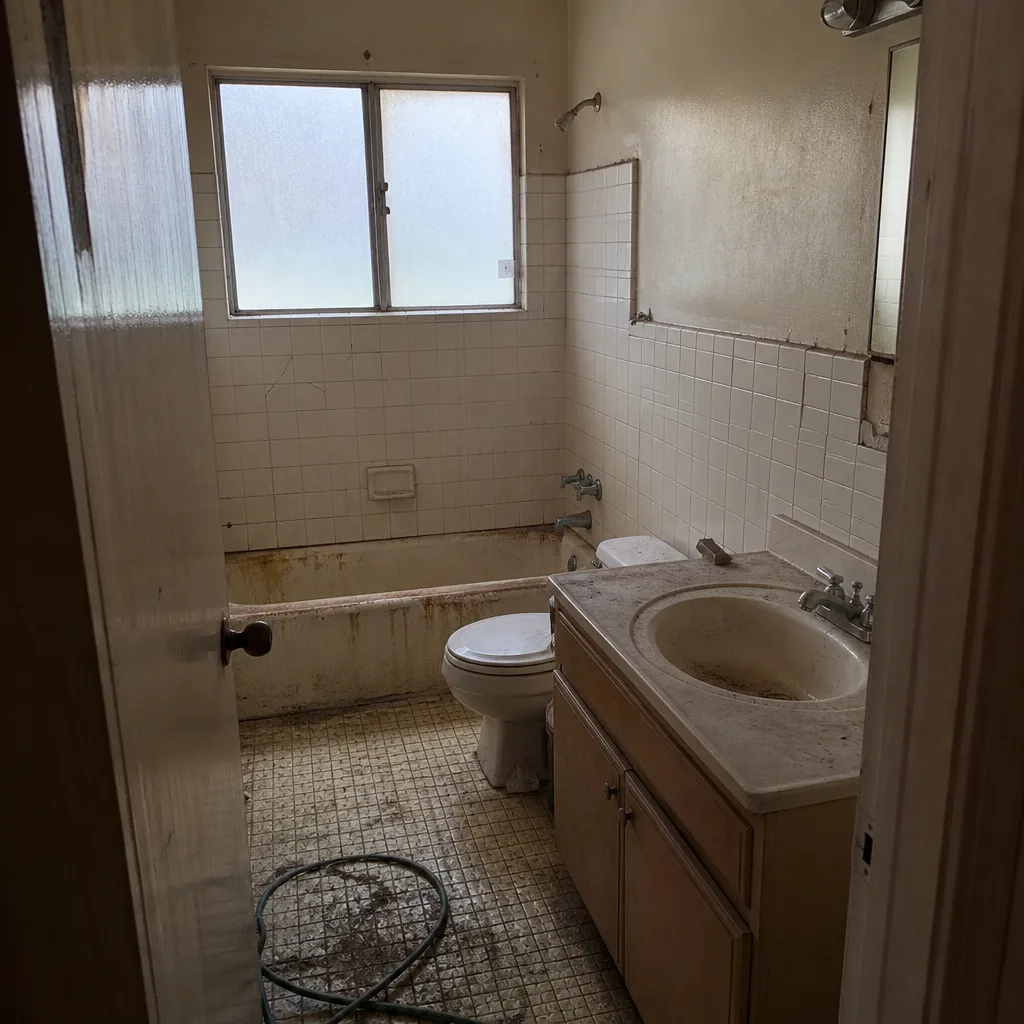 Before
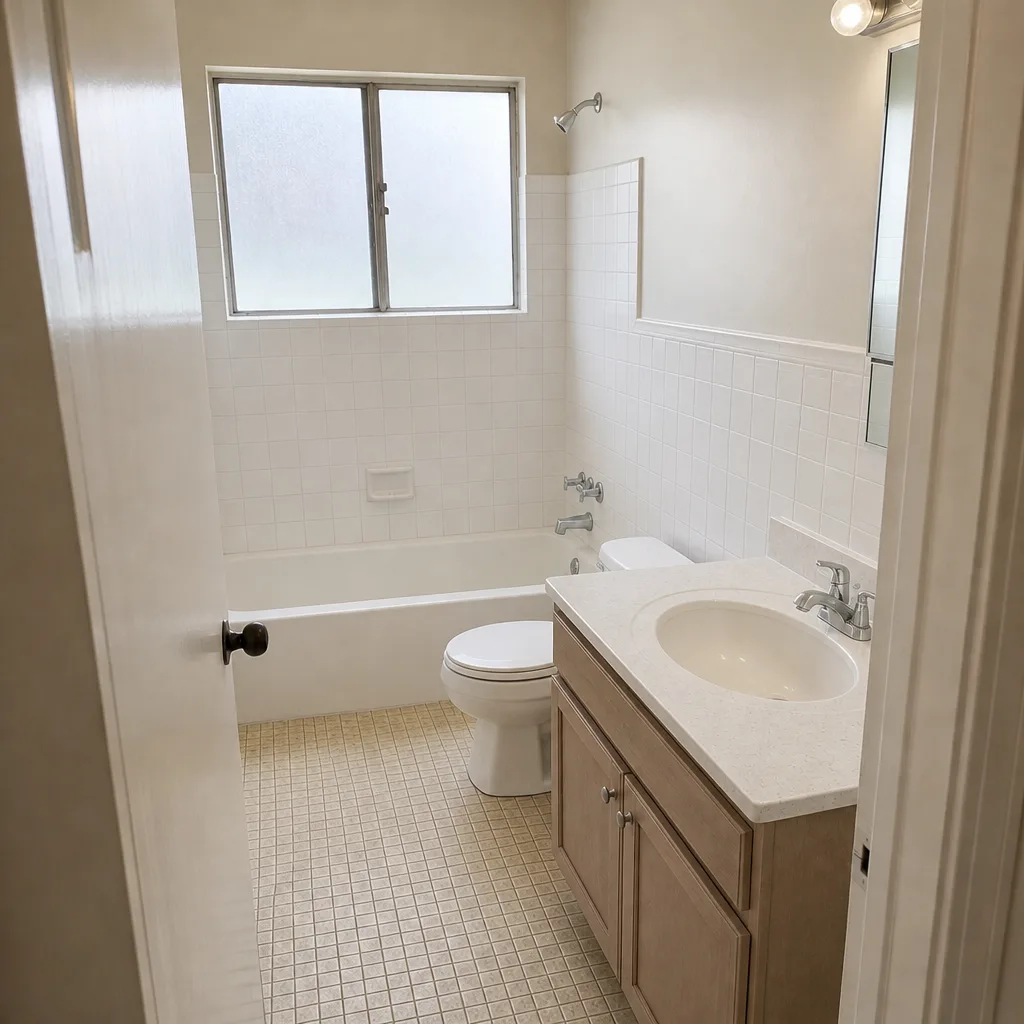 After
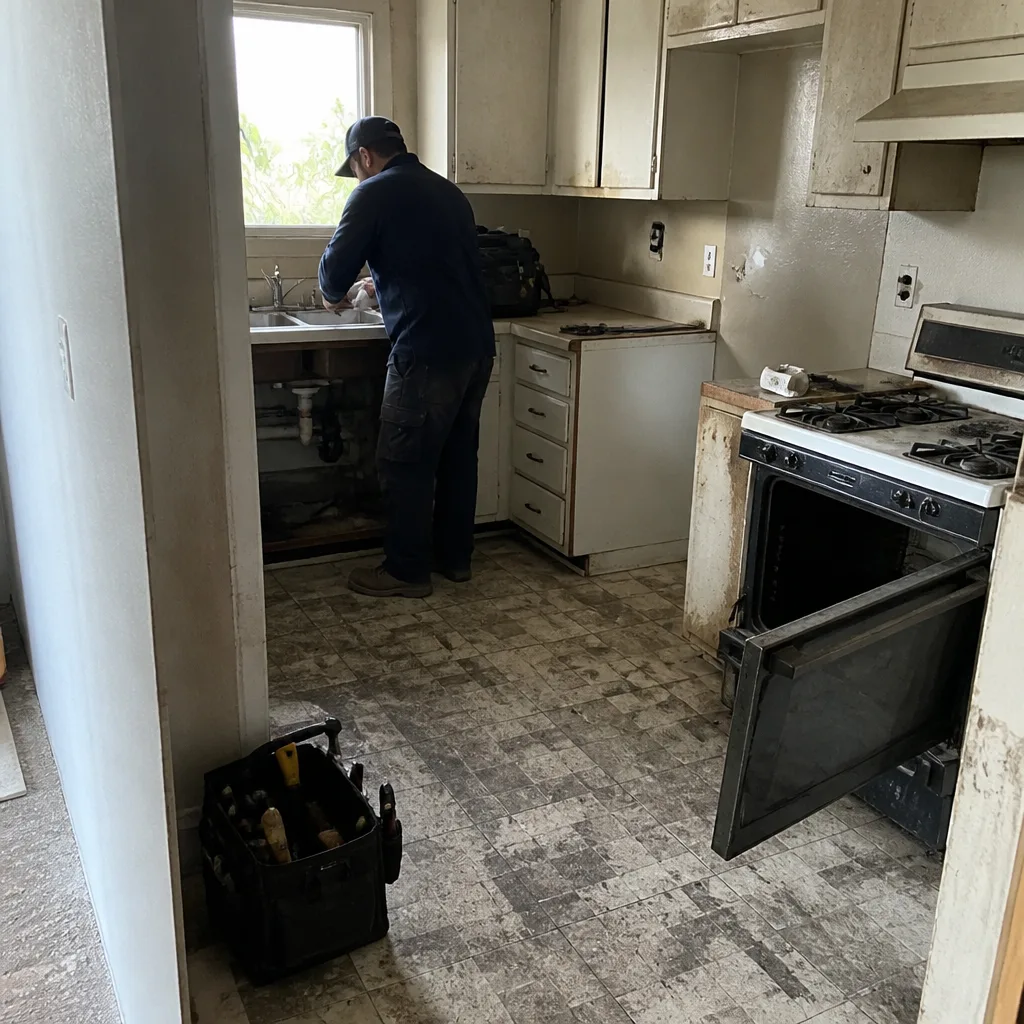 Before
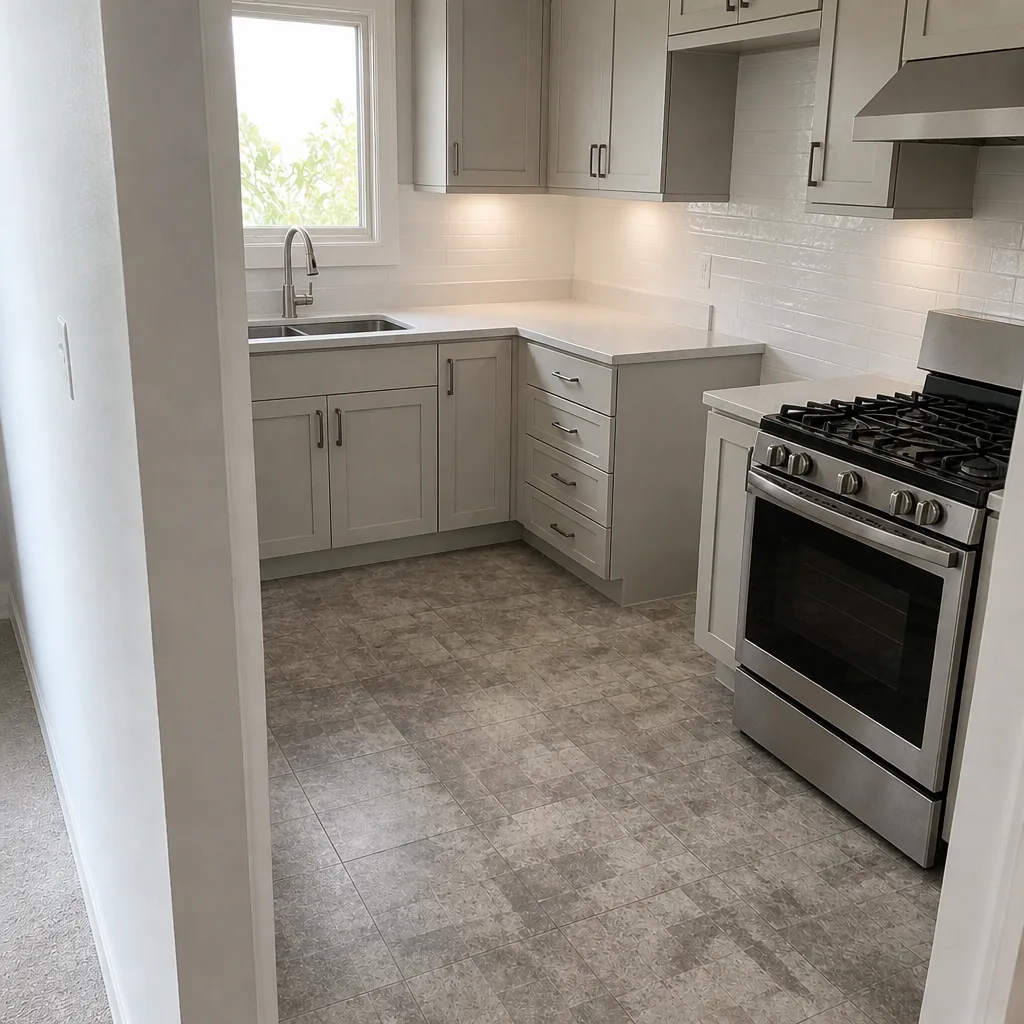 After
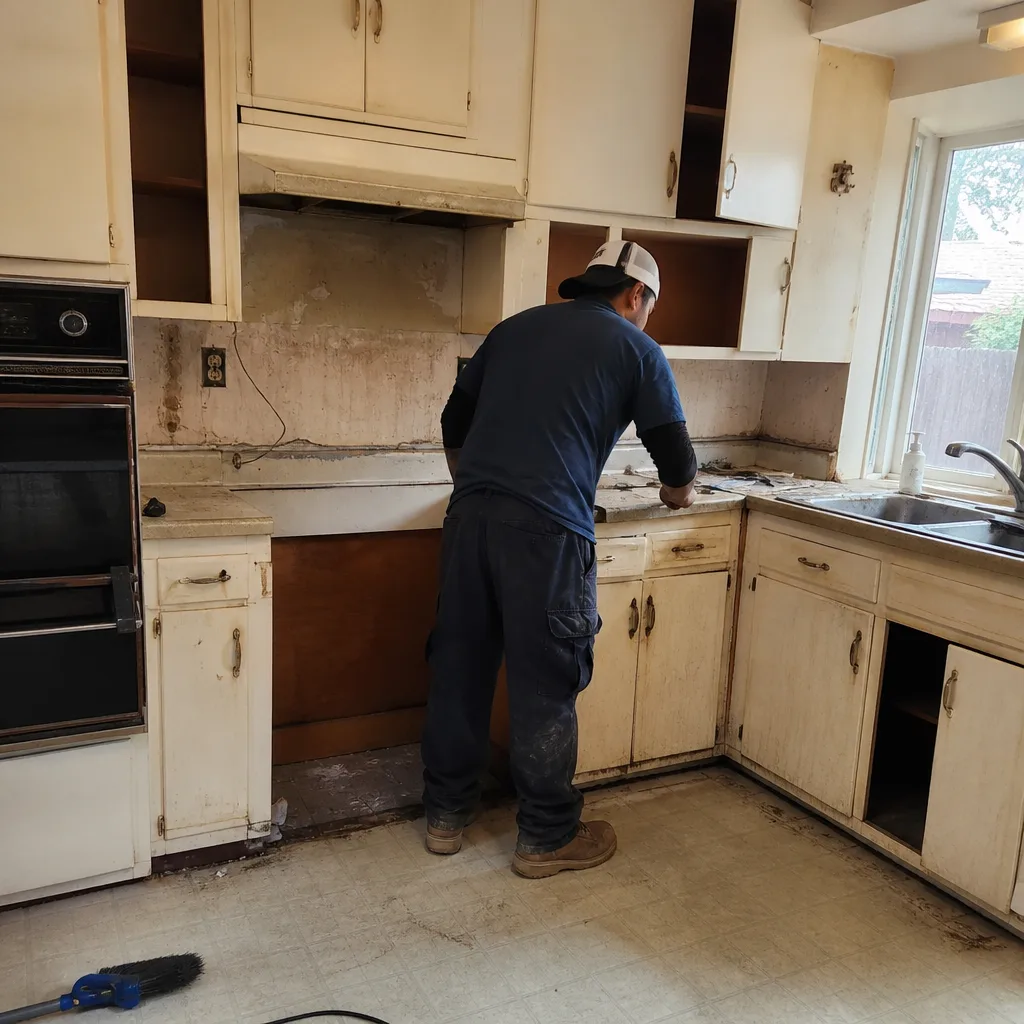 Before
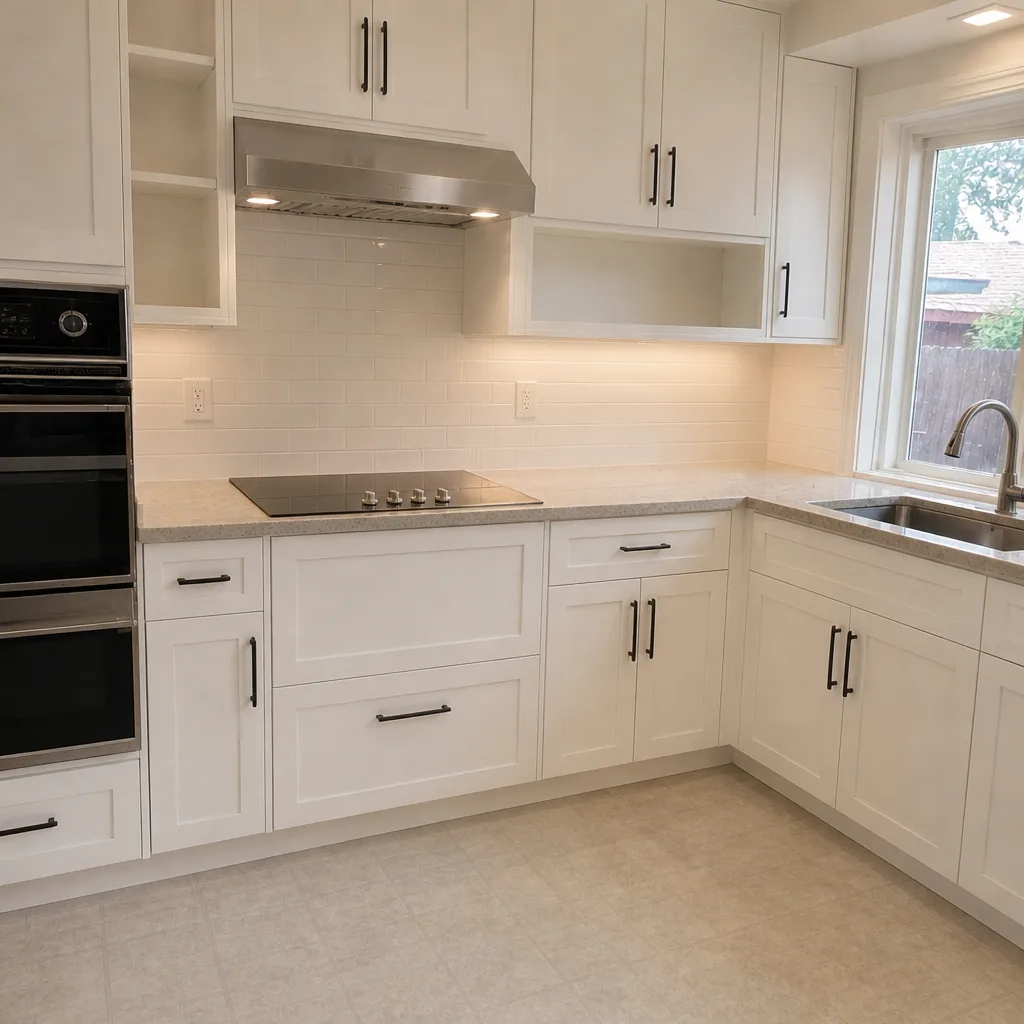 After
HVHZ Window Requirements Explained for Tustin Homeowners
HVHZ stands for High-Velocity Hurricane Zone, and it’s a Florida Building Code designation that applies only to Miami-Dade and Broward counties. It has no legal authority in Tustin, California. What HVHZ-rated windows do offer is proof of passing the toughest structural test battery in U.S. residential construction, which tells you something real about how a product handles a hard Santa Ana wind event. Call (833) 954-6066 with your address and we’ll walk you through what applies here.
Tustin sits in a semi-arid Mediterranean climate: hot, dry summers, mild wet winters, and Santa Ana wind events that push gusts across the foothills and through the former MCAS Tustin footprint with real force. Understanding HVHZ testing is useful here not because the code applies, but because it teaches you how to read window performance specs like a builder instead of a brochure.
Key takeaways
- HVHZ is a Florida designation with zero legal force in Tustin; California runs three separate compliance tracks instead.
- HVHZ certification includes a large-missile, small-missile, and cyclic pressure battery far above AAMA 101 residential minimums.
- Wind exposure in Tustin Legacy (open former airfield terrain) is more demanding than in the sheltered Old Town core.
- Ask for test data, not marketing language, when you’re justifying a window spec.

What does HVHZ certification actually require a window to survive?
HVHZ certification requires a window to pass a punishing three-part impact and pressure sequence under the Florida Building Code’s most stringent protocols. First comes large-missile impact: a 9-pound 2×4 fired at 50 feet per second into the unit. Second is small-missile impact: 10 steel balls at 50 fps against glazed panels. Third is cyclic pressure testing that mimics hurricane wind loading, cycling positive and negative pressure hundreds of times to simulate hours of storm buffeting.
Compare that to AAMA 101, the residential baseline most standard windows meet, which tests for structural and water performance but doesn’t require a missile impact sequence at all. HVHZ products sit at the top of the tested-performance ladder, and that’s the useful fact for a Tustin homeowner evaluating a premium window.
| Test | HVHZ requirement | Typical CA residential minimum |
|---|---|---|
| Large-missile impact | 9 lb 2×4 at 50 fps | Not required |
| Small-missile impact | 10 steel balls at 50 fps | Not required |
| Cyclic pressure | Repeated +/- loading cycles | Static pressure test only |
| Water infiltration | High-cycle dynamic | Static |
What are the California equivalents, and why does Tustin not use HVHZ?
California replaces HVHZ with three separate compliance tracks that no single Florida certification covers. The first is CBC structural wind design pressure: your window has to be engineered to the design pressure (DP) rating for your specific exposure category, which is site-specific. The second is Title 24 energy compliance, requiring NFRC-certified U-factor and SHGC values on every unit. The third applies if you’re in a Fire Hazard Severity Zone: Chapter 7A glazing standards for wildfire exposure, which have nothing to do with hurricane impact testing.
Those three tracks are why a certified HVHZ window from Florida can’t simply be dropped into a Tustin build. Its impact rating is impressive but not what the building department is checking. The compliance stack is local, and so is the design pressure calculation that drives the spec.
What we see in Tustin is two very different exposure profiles within a few miles. Down in the sheltered Old Town core, the century-old Craftsman and Spanish Revival bungalows sit behind mature trees and adjacent structures that break wind. Up on the Tustin Legacy development, the new homes rise on the former airfield land with wide-open exposure closer to wind engineering’s “open terrain” category. That exposure category drives the design pressure requirement, which is why a Legacy build often needs a higher DP rating than a same-size home in Old Town. If you want a spec walkthrough by address, our Tustin service area team handles that kind of comparison regularly.
What should a Tustin homeowner look for in a window spec?
A window spec means nothing without the paper behind it. Here’s what to ask for before you sign:
- Design pressure (DP) rating matched to your site exposure, not a generic “storm-rated” claim.
- NFRC-certified U-factor and SHGC for Title 24, printed on the label.
- Chapter 7A compliance if your property sits in a Fire Hazard Severity Zone (common in the foothill fringes).
- Independent test reports, not a manufacturer’s marketing sheet.
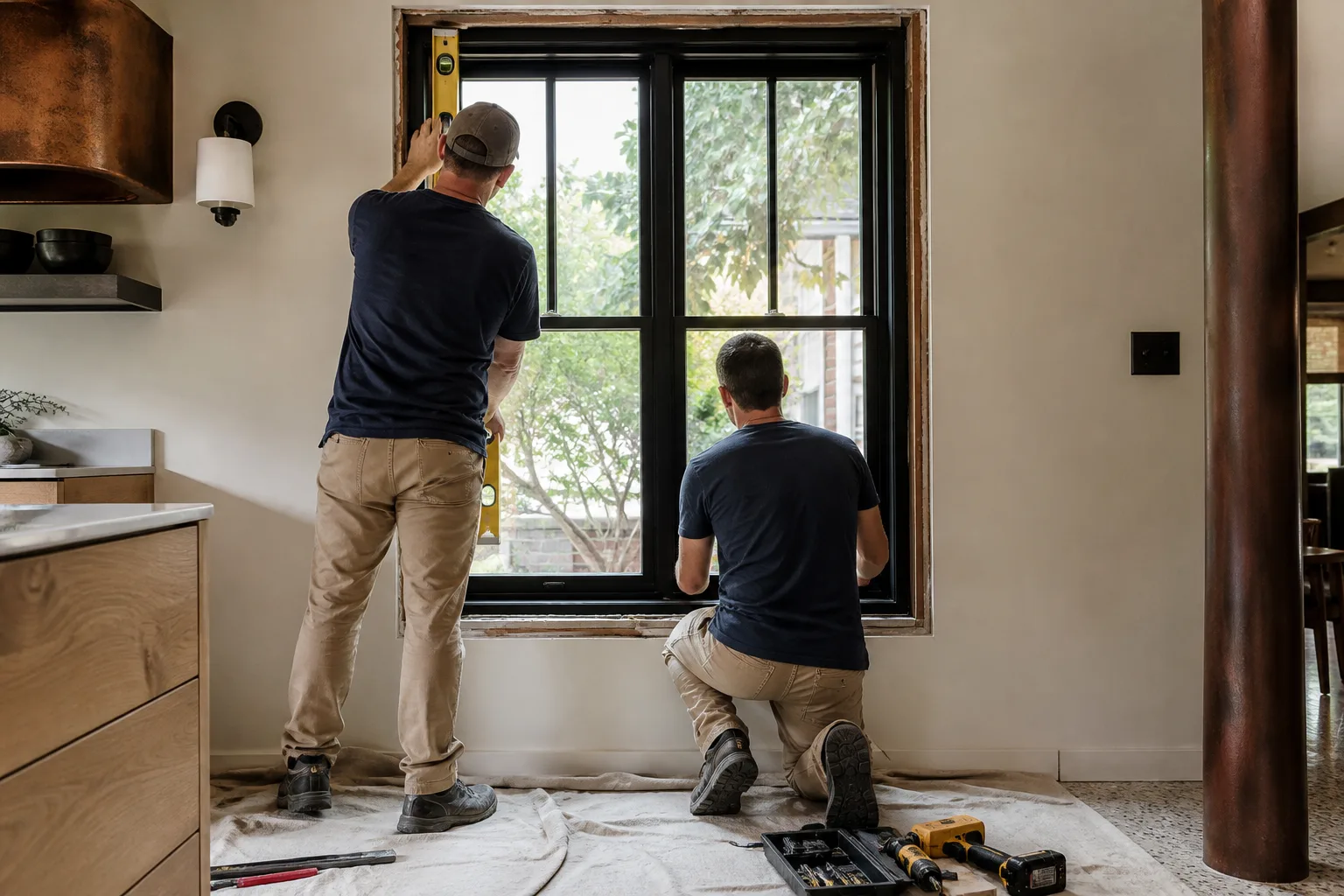
- Installation detailing: flashing, sealant, and anchorage are where most real-world failures happen.
When a homeowner asks us to justify a window specification against wind loading or impact resistance, we answer with test data. That’s the practical value of understanding HVHZ protocols: it trains you to ask better questions of every contractor who bids the job, whether they quote you Windows & Doors from our curated brand partners or from a big-box catalog.
Window and impact glazing ranges in Tustin
Window pricing in Tustin swings widely because spec drives cost. Standard replacement to a mid-tier product, versus a full impact-rated system with engineered DPs and Title 24 documentation, are not in the same bracket. Here’s the honest range we see on bids across the city.
| Product scope | Typical Tustin range |
|---|---|
| Window replacement (multi-unit) | $4,500-$15,000 |
| Impact window installation | $8,000-$25,000 |
| Full-house window + door package | Quoted after site walk |
Every project we take on is covered by our 730-Day Done Right Promise: if it’s not done right, we make it right. That’s one of the longest workmanship guarantees in the residential construction space, and it’s what separates a real spec conversation from a sales pitch. We also offer a free project estimate and design consult, 0% financing for 18 months, and $1,000 off projects over $10,000.
How do you evaluate a window bid against HVHZ-level testing?
You evaluate a bid by comparing the tested performance tier of each candidate product, not the marketing adjectives. A window that carries any recognized impact test certificate (HVHZ, Miami-Dade NOA, or an equivalent) has been through a far more punishing battery than one that carries only an AAMA 101 label. If you’re paying for premium, you should be able to point to the specific test scores.
Ask three questions of any bidder: What DP rating is this product engineered for on my site? Can you show me the NFRC label values? And if I’m in a Fire Hazard Severity Zone, does the glazing meet Chapter 7A? A contractor who can’t answer in specifics is guessing. Our technicians have up to 12 years of experience and our brand partners Andersen and Marvin supply full product performance documentation, so when a Tustin homeowner asks us to justify a spec, we walk them through the actual test data.
There is one safety note worth stating plainly: window replacement at height, especially on two-story Old Town homes and the steeper pitches you find on some Legacy builds, is work for trained installers with proper fall protection. Don’t treat a second-floor window as a weekend project.
Frequently asked questions about HVHZ window requirements in Tustin
No. HVHZ requirements are Florida Building Code only and apply to Miami-Dade and Broward counties; they carry no legal force in Tustin. What does apply is California’s stack: CBC wind design pressure, Title 24 energy compliance, and Chapter 7A glazing if you’re in a Fire Hazard Severity Zone. Call (833) 954-6066 and we’ll tell you exactly which tracks apply to your address.
HVHZ is a specific certification standard, while “impact-rated” is a general category. An HVHZ-certified window has passed the large-missile, small-missile, and cyclic pressure battery; an “impact-rated” window may have passed a lighter or different test. Ask for the actual test scores and the certifying body, not just the phrase.
Sometimes, and exposure category decides it. A Tustin Legacy home on open former airfield land sees higher design pressures than a sheltered Old Town bungalow behind mature trees, so a higher DP spec can be the smart buy in the newer development and overkill in the historic core. Call (833) 954-6066 for a free site walk and we’ll match the spec to the actual exposure.
Impact window installation in Tustin typically runs $8,000-$25,000 for a full multi-unit package, while standard window replacement runs $4,500-$15,000. The spread comes down to DP rating, glazing type, and Title 24 documentation. Estimates are free, and we apply $1,000 off projects over $10,000.
If you’d rather have it looked at, Groundwork Construction Co. of Tustin offers a no-pressure assessment in Tustin. We’ll read your exposure, spec the right window tier, and put the numbers in writing. Call (833) 954-6066 for a free estimate. From foundation to finish line, we’re the home improvement partner homeowners keep coming back to.
Written by the team at Groundwork Construction Co. of Tustin, serving Tustin, CA.