


Free written scope consultation - allowances, timeline, and change-order rules on paper before a single trade is scheduled
Styles & brands we work with
- Kitchen remodeling
- Bathroom remodeling
- Home additions & ADU
- Roofing
- Windows & doors
- Driveway & pavers
- Fence
See the difference
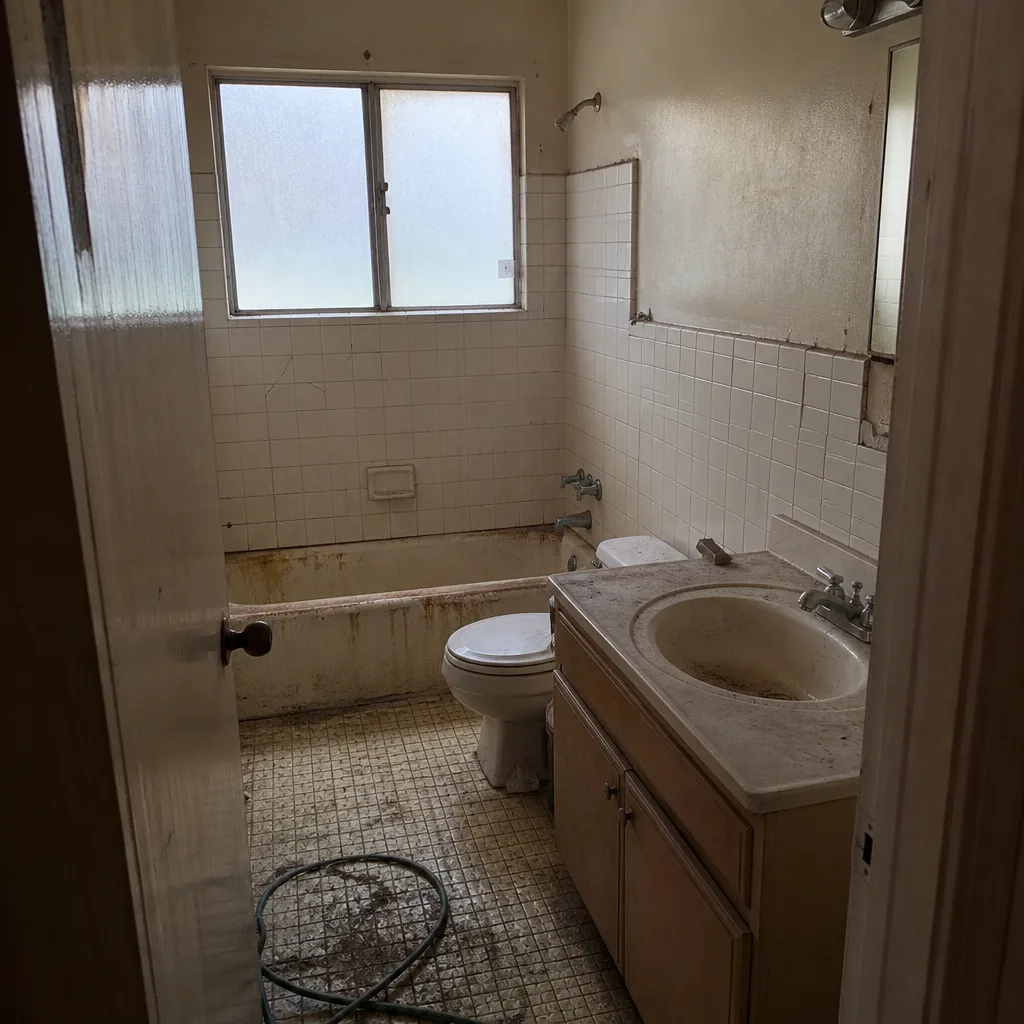 Before
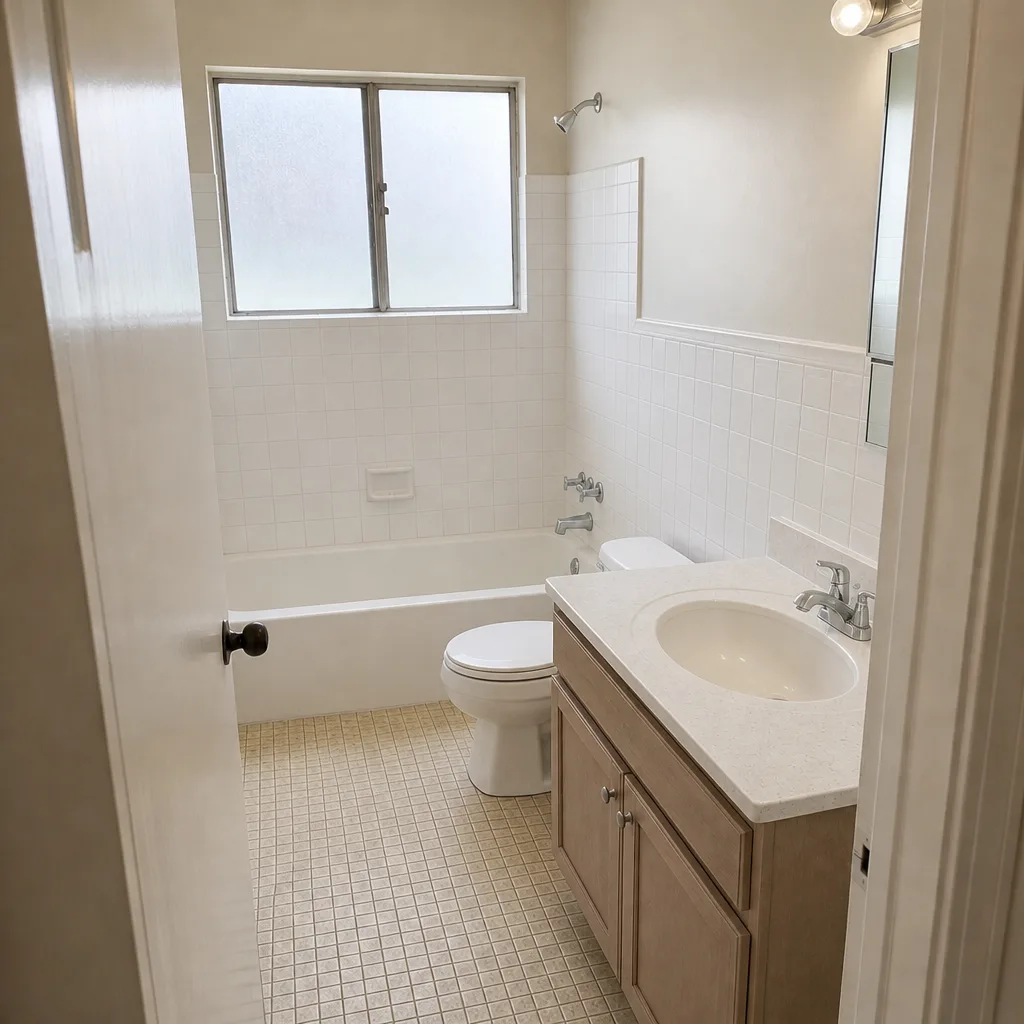 After
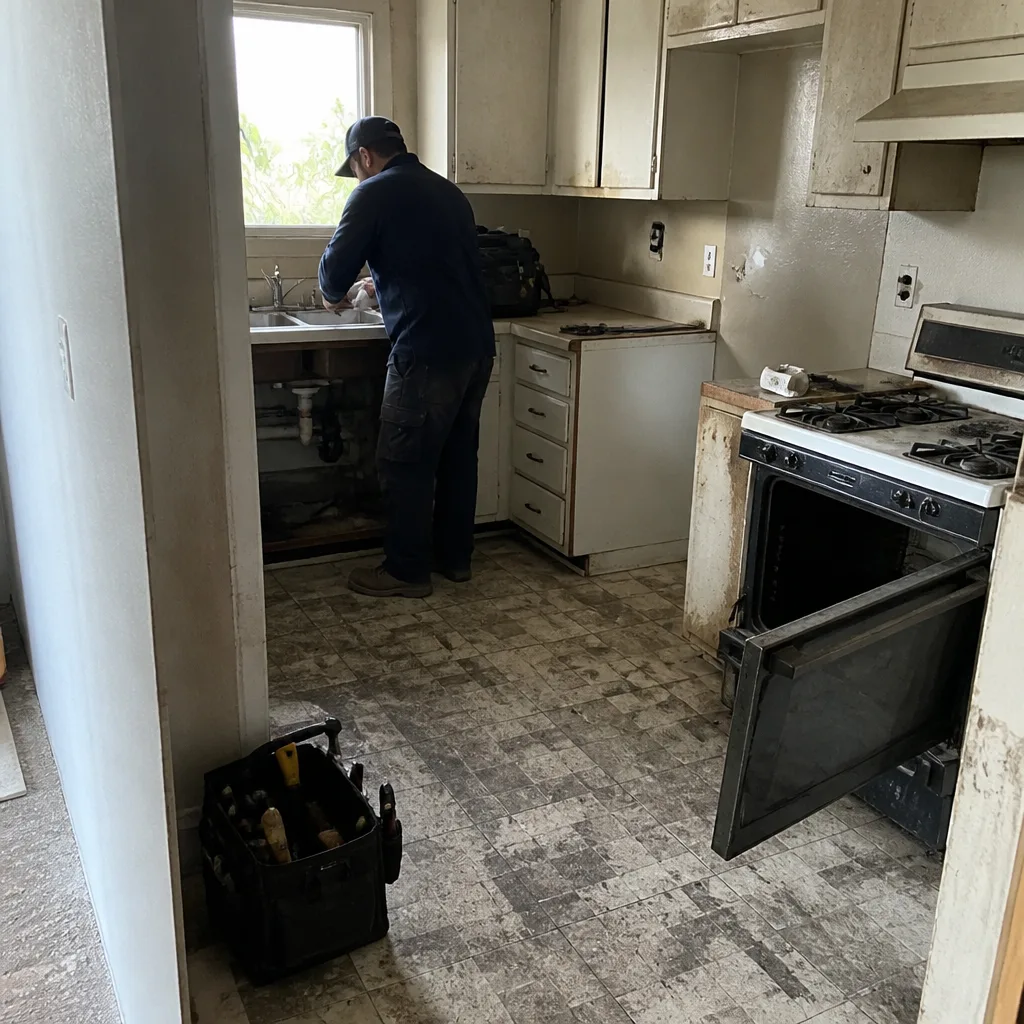 Before
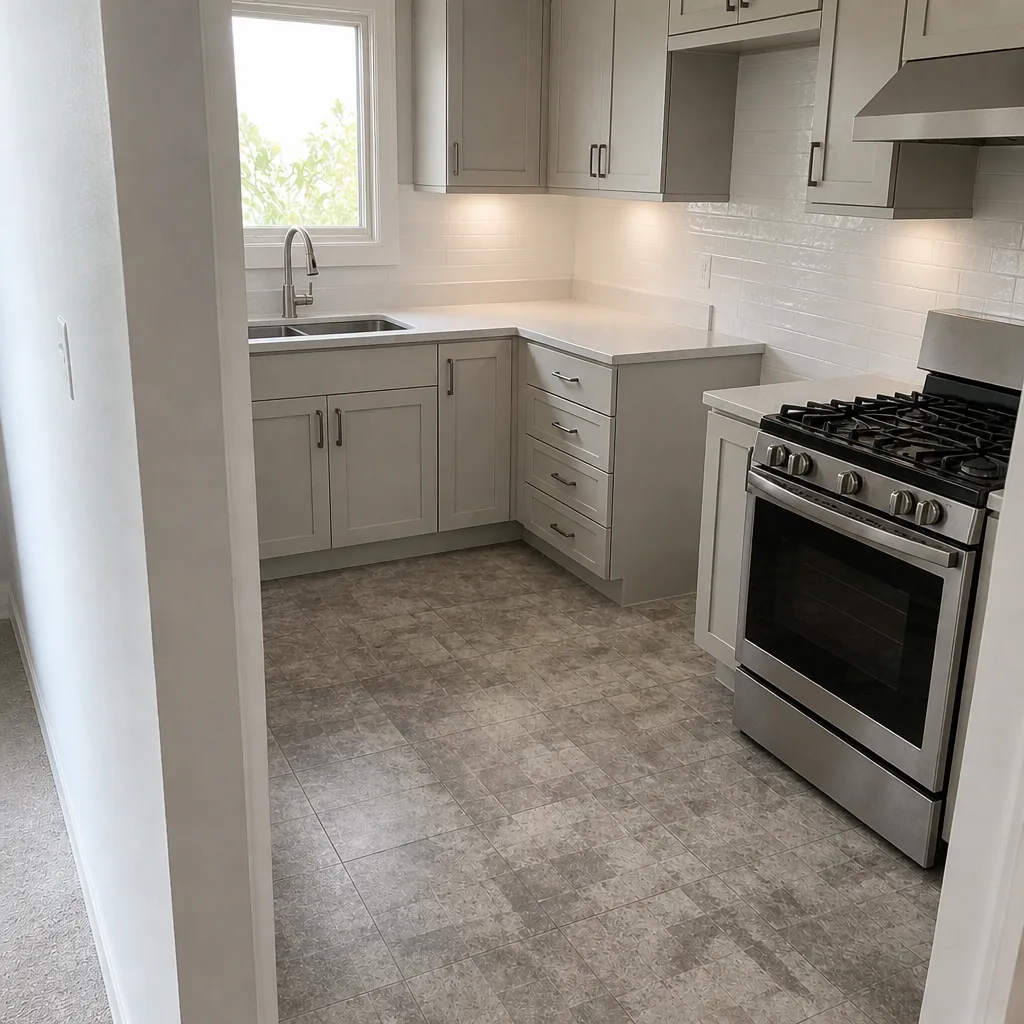 After
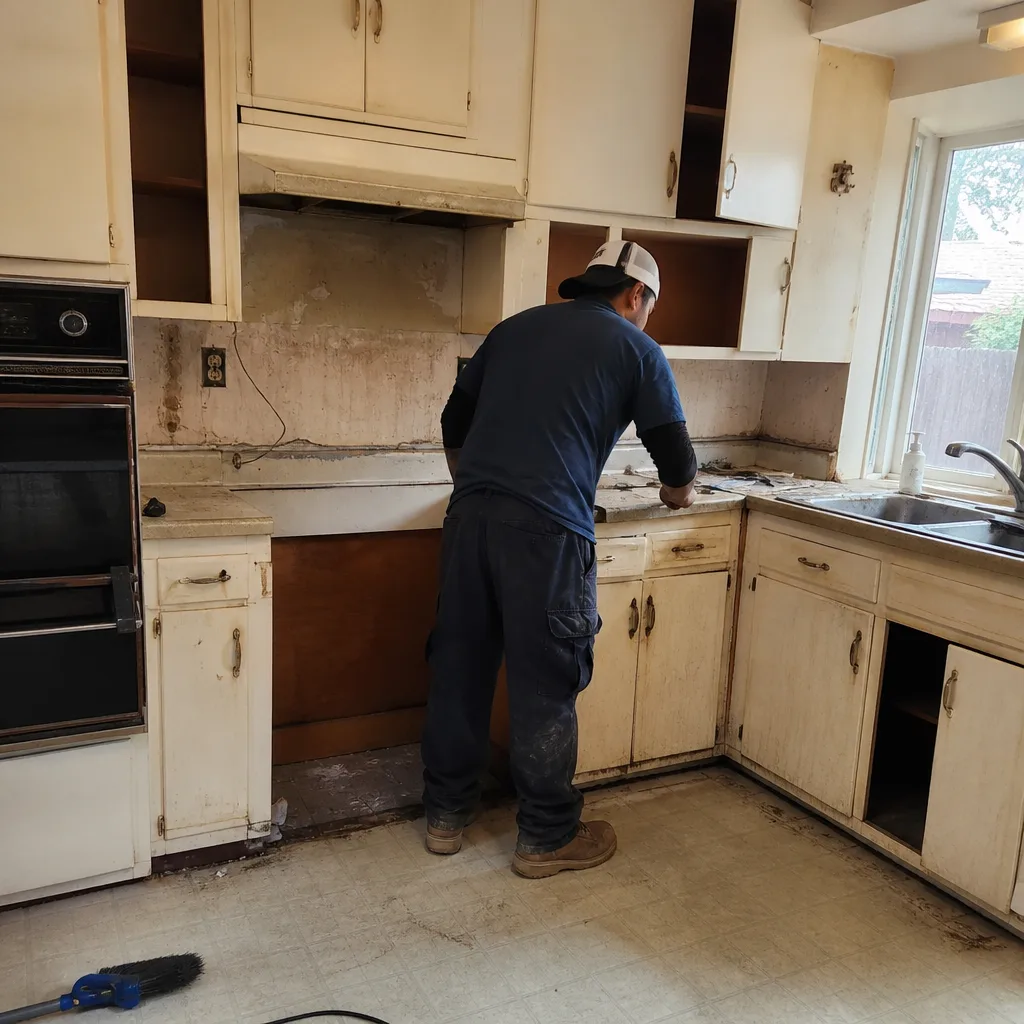 Before
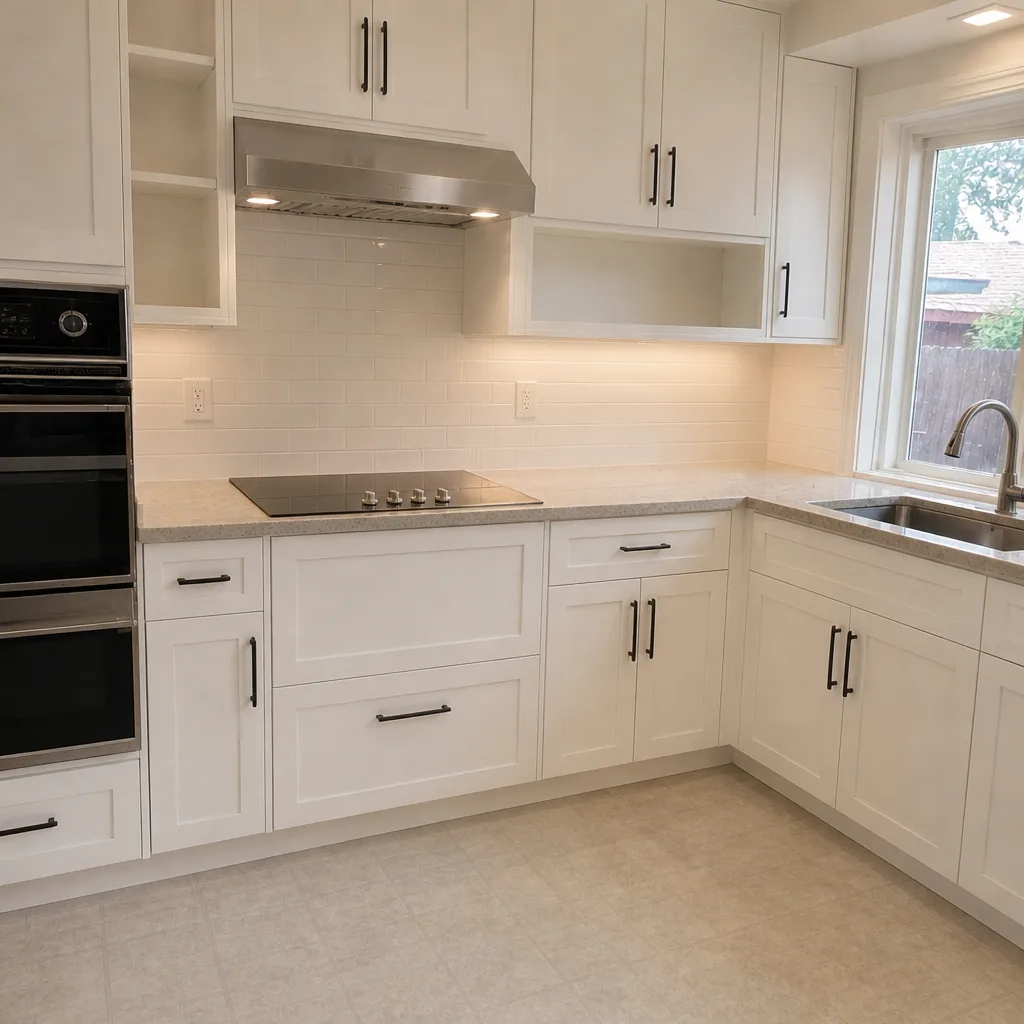 After
Do You Need a Permit to Remodel a Kitchen in Tustin, CA? Yes – and Here’s Which One
Yes, you almost certainly need a permit to remodel a kitchen in Tustin, CA – if your project touches electrical circuits, plumbing, gas lines, structural walls, or vents air through a new exterior penetration. The more important question in Tustin is which permit, because an Old Town address and a Tustin Legacy address go through completely different approval tracks. One needs standard building permits. The other can need a historic Certificate of Appropriateness on top, with a longer turnaround. Getting this right up front is the difference between a smooth remodel and a stop-work order. Call (833) 954-6066 and we’ll walk you through your specific address.

The short answer, and the Tustin twist nobody mentions
A like-for-like swap – new cabinet doors on existing boxes, new countertops over the same footprint, fresh paint, a backsplash on an existing wall – usually does not trigger a permit. The moment you move a sink, add a receptacle, run a new gas line to a range, open a load-bearing wall, or cut a hole in the exterior for a range hood vent, you’re in permit territory under Tustin Building Division rules and the California Building Code.
Here’s the part most permit guides skip: Tustin is two cities stacked on top of each other, construction-wise. In Old Town, you’re remodeling 1920s Craftsman and Spanish Revival bungalows that sit inside the Old Town Tustin Historic District boundary. In Tustin Legacy, you’re in homes built after 2005 on the former MCAS Tustin airfield land, where the blimp hangars still loom over the new blocks. Same city, same kitchen rough-in, two very different paperwork paths. That gap is what actually drives timelines and budgets in Tustin, and it’s why we ask for a street address before we quote a single number.
What actually triggers a kitchen permit in Tustin?
Use this as a working checklist. If any line applies to your scope, you need a permit – and if you’re unsure, you need a call to the Building Division, not a guess:
- Electrical: adding or relocating circuits, adding receptacles for a new appliance, upgrading a panel to carry a 240V range or induction cooktop. Old Town homes running knob-and-tube wiring almost always fall here.
- Plumbing: moving a sink, relocating the dishwasher supply or drain, replacing galvanized or polybutylene lines while the walls are open.
- Gas: running a new line for a gas range, relocating a gas hookup, adding a tankless water heater in the kitchen zone.
- Structural: removing or widening a wall, adding a pass-through, cutting a header. Even a “small” wall removal needs engineering if it’s load-bearing.
- Ventilation: a new range hood vented through an exterior wall or the roof. This one matters most in Old Town – see below.
- Water heater or mechanical relocation tied to the kitchen scope.
Cosmetic-only work – refacing, paint, a floating shelf on drywall – generally doesn’t require a permit. If your scope sits right on the line, err toward pulling the permit. The cost of one is a rounding error against the cost of unpermitted work you have to unwind later, and we plan renovation scopes around that reality on every Kitchen Remodeling project we run.

The Old Town Tustin Historic District: the dual-approval problem
If your home sits inside the Old Town Tustin Historic District, exterior-visible changes need a Certificate of Appropriateness from the city’s historic review process – and that’s a separate approval from the standard building permit. Two tracks, two timelines, and the historic review can add weeks depending on the meeting calendar.
The detail that catches homeowners: a new range hood vent on an exterior wall counts. So does a window change, a door swap, an exterior outlet, a new fence visible from the street, or anything that changes the street-facing look of the house. Inside the kitchen, you’re mostly in standard-permit territory. The moment your scope touches the shell, you’re in both.
In practice, this means a straightforward kitchen in an Old Town bungalow can need 6-10 weeks of approval runway before demo starts, while the same scope in a Legacy home may clear in 2-4 weeks. If you’re planning to remodel before a school year, a family event, or a sale, back into the calendar from the historic review date, not the build schedule.
Tustin Legacy: no historic overlay, but a different gatekeeper
Newer Tustin Legacy homes fall under standard Tustin Building Division jurisdiction with no historic overlay. The building permits are simpler and faster. But Legacy is master-planned, which means most properties sit under an HOA architectural review process that functions a lot like a historic review in practice – submittals, design guidelines, approval letters, and a review committee that meets on its own schedule.
Homeowners rarely think to ask about this before they hire, and it’s the number one timeline surprise in Legacy kitchens. The city permit might be in hand while the HOA review is still in queue. We pull both threads in parallel, which is why our technicians – up to 12 years of experience each – know how to read an HOA design guideline as carefully as a code book.
What does the permit and remodel actually cost in Tustin?
Permit fees in Tustin are typically assessed on project valuation and scope, usually a modest percentage of the job – but the remodel itself is where the real number lives. Here’s the market-calibrated range for Tustin kitchens, so you can plan against real numbers rather than a vague ballpark:
| Scope | Typical range in Tustin |
|---|---|
| Full kitchen remodel | $14,000 – $45,000 |
| Small kitchen remodel | $9,000 – $20,000 |
| Cabinet installation | $4,000 – $13,000 |
| Countertop installation | $2,000 – $6,500 |
| Kitchen island installation | $3,000 – $10,000 |
| Backsplash installation | $800 – $2,500 |
Those are upfront numbers – no surprises, no mid-project change orders hiding behind a line item. Add the 730-Day Done Right Promise on top and you’re covered on workmanship for two full years after final walkthrough. Right now, projects over $10,000 also get $1,000 off, and 0% financing for 18 months is available so a real kitchen doesn’t have to be a cash-only decision.
For a full scope picture of what a Tustin kitchen looks like end to end, see our Kitchen Remodeling in Tustin page – it covers materials, layout, and the timeline we actually run on Tustin jobs.
Why unpermitted work bites harder in Orange County than most homeowners expect
California Civil Code 1102 requires sellers to disclose any unpermitted work when they sell. That’s a legal requirement, not a suggestion. In Orange County, lenders are increasingly strict about it too – more than a few sales have stalled because a lender wanted permits pulled retroactively before funding, which means a buyer’s financing can tie up over a kitchen renovation the seller “did themselves” a decade ago.
The kicker: pulling a permit retroactively means an inspection of work that’s already behind drywall. Sometimes it passes. Sometimes it means opening walls and redoing electrical – at full current cost, years after the money was spent. Add the risk that unpermitted structural or gas work can void insurance coverage for a related claim, and the “we’ll skip the permit to save money” calculation stops looking like savings at all.
The flip side is what makes a licensed contractor worth it: when we pull a permit, it’s pulled on the contractor’s license, which puts our standing on the line for code compliance – not yours. That’s the accountability difference between a credentialed, background-checked, uniformed crew and an unlicensed operator who skips permits by default because they have no license to risk.
FAQs
Not always. A like-for-like swap on existing cabinet boxes in the same footprint usually doesn’t trigger a permit – but moving a sink, adding a receptacle, or opening a wall behind the cabinets does. Call (833) 954-6066 and we’ll ask three questions about your scope and give you a straight answer before you commit.
In a standard Tustin home under Building Division jurisdiction, plan on 2-4 weeks for the building permit. In the Old Town Tustin Historic District, add the separate Certificate of Appropriateness review, which can push the total runway to 6-10 weeks depending on the review calendar. Legacy homes may also need HOA architectural approval, which runs on top of the city timeline. We sequence both from day one – call for a free estimate that maps the real schedule.
Only if the scope is genuinely cosmetic. If you’re adding a circuit, moving plumbing, touching gas, cutting structure, or venting through the exterior, you need a permit regardless of footprint. The safe rule: if a licensed contractor would need to open a wall or panel to do the work, the city wants to see it. Call (833) 954-6066 – we’d rather tell you honestly up front than unwind it later.
You’re legally required to disclose it under California Civil Code 1102, and your buyer’s lender may require the permits to be pulled retroactively before funding. That can mean opening finished walls to inspect electrical and gas work – costly, and a real deal-killer. Call us to assess the scope before a sale, and we’ll tell you what needs a permit and what doesn’t.
Get it right the first time
If you’d rather have it looked at, Groundwork Construction Co. of Tustin offers a no-pressure assessment in Tustin – we’ll walk the kitchen, check your address against the historic overlay boundary, and lay out what actually needs a permit before you spend a dollar. From foundation to finish line, backed in writing. Call (833) 954-6066 for your free estimate.
Written by the team at Groundwork Construction Co. of Tustin, serving Tustin, CA.