
Free written scope consultation - allowances, timeline, and change-order rules on paper before a single trade is scheduled
Chain Link Fence in Ladera Ranch: What It Costs and How Long It Takes
A chain link fence in Ladera Ranch generally runs $3,500 to $9,000 for a typical residential run, with most homes landing between $4,500 and $7,000 depending on linear footage, gate count, and how much hillside grading the posts require. Small residential enclosures finish in 2 to 4 days; larger canyon-adjacent lots or jobs that hit Design Review Board approval can stretch to 2 to 3 weeks from signed contract to final inspection. Call Groundwork Construction Co. at (833) 954-6066 for a free on-site estimate.
How Our Chain Link Fence Process Runs, Stage by Stage
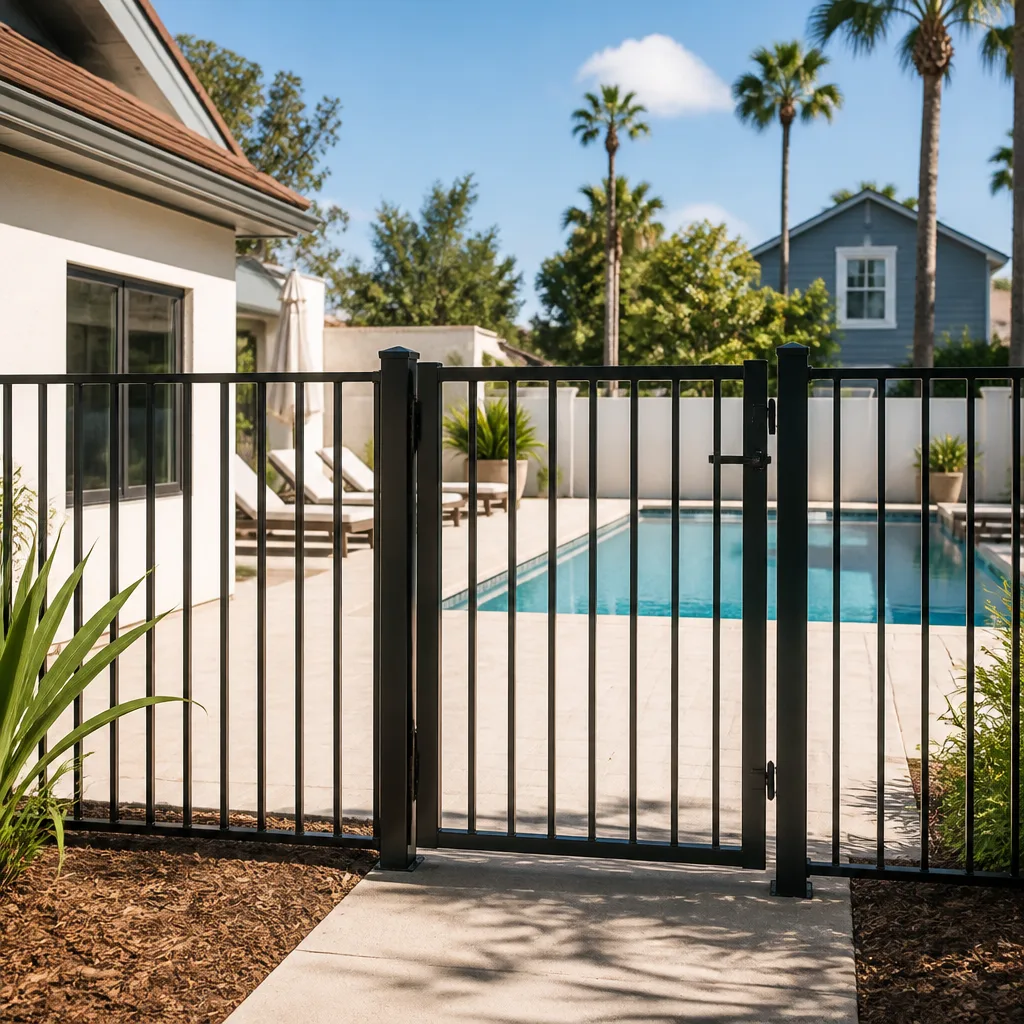
Every chain link job follows the same five stages. Here’s what actually happens and what you’re deciding at each point.
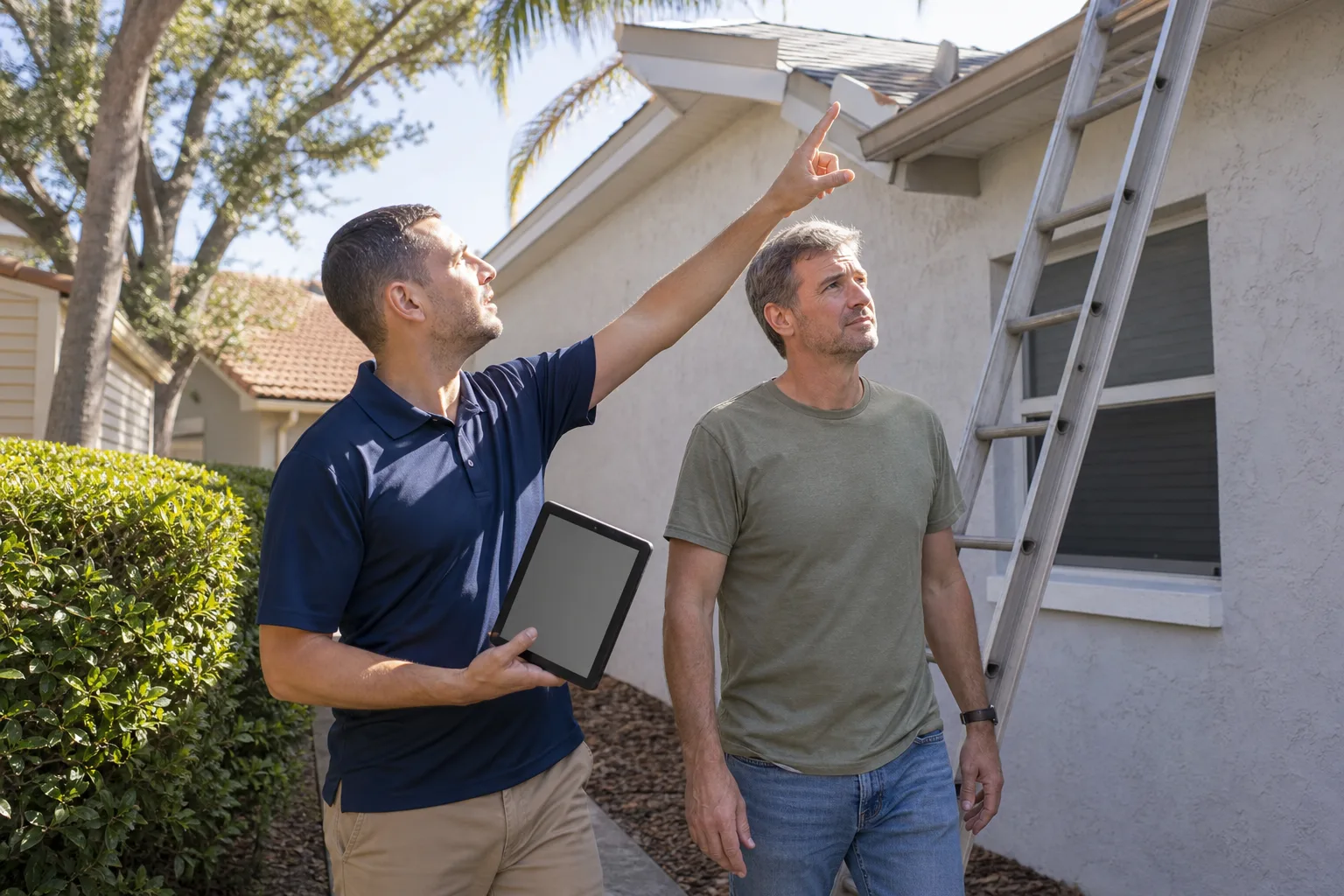
Stage 1: On-Site Measure and Property Line Check (Day 1, about 60 to 90 minutes)
We walk the line, measure linear footage, confirm where the fence lands relative to your survey markers, and note slope changes, root zones, and any UG utilities marked by the 811 call we place before digging. You decide the fence height and where gates land. If your lot sits on the graded hillside tracts common behind Covenant Hills, this is also where we identify the grade transitions that will need stepped posts rather than a straight run.
Stage 2: HOA Submittal and Design Review Board Packet (Day 1 to Day 10)
Ladera Ranch runs every fence through the Design Review Board, and the submittal package – site plan, fence spec sheet, height elevation, color swatch – is where most contractors stall. We build the packet around your village association’s requirements, and you sign the submittal forms the same week. This stage is the single biggest reason a Ladera Ranch chain link job takes two weeks instead of three days. Call us for a free estimate, and we’ll tell you exactly what your association will ask for.
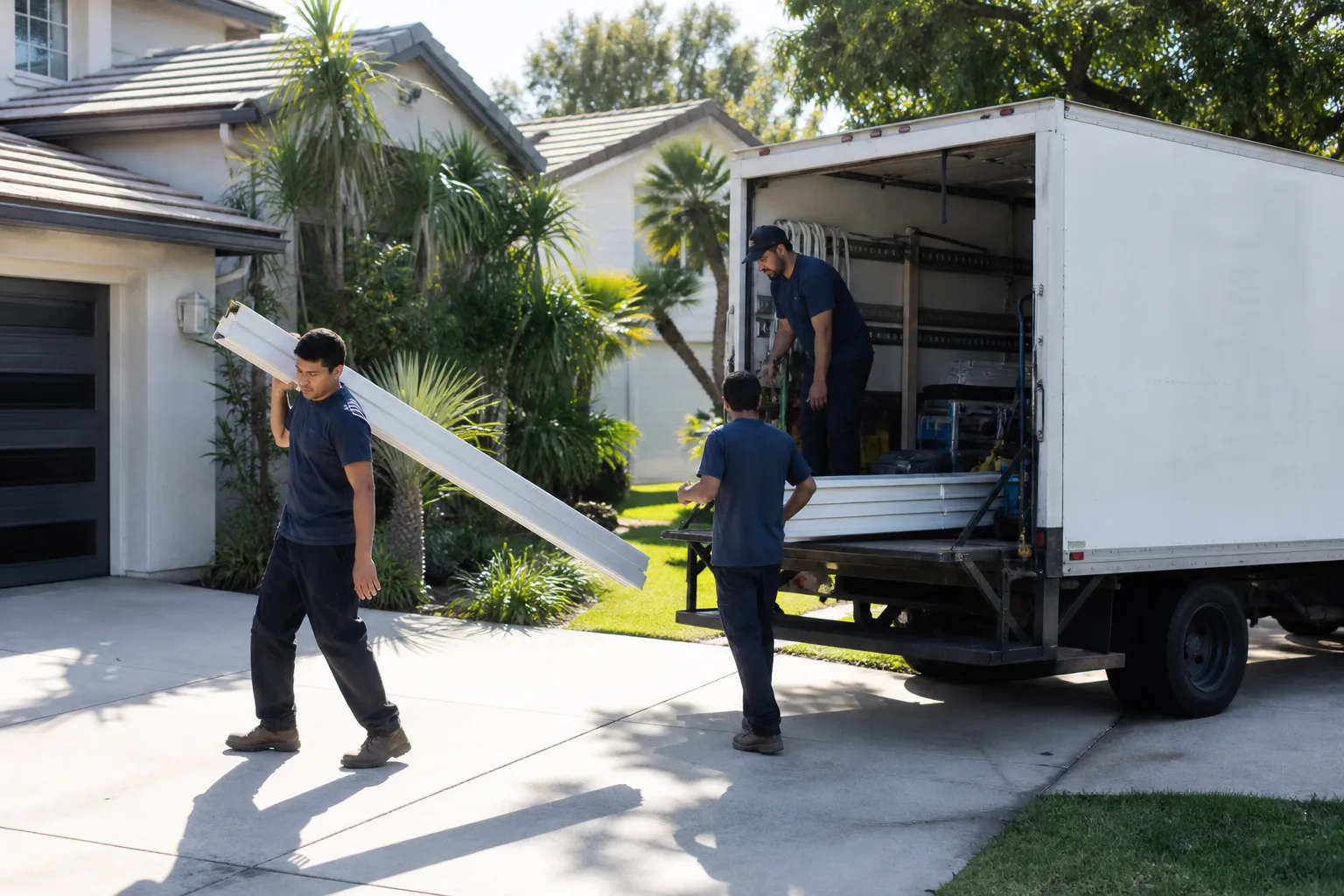
Stage 3: Dig Day and Post Setting (Day 1 of installation, 6 to 8 hours)
Crews mark the line with string, auger the post holes to 24 to 36 inches depending on soil and wind exposure, and set terminal posts in Sakrete concrete mix. Line posts follow at 8 to 10 foot spacing, with corners and gates braced with horizontal and diagonal truss rods. Concrete cures overnight. On steep lots, we step the fence in 8-inch increments to follow the grade rather than trying to run a straight line down a slope.
Stage 4: Mesh, Rails, and Tensioning (Day 2, 5 to 7 hours)
Top rail and tension wire go on, then the chain link fabric gets stretched and tied to posts at every 12 to 14 inches. Gates hang on their hinges with a latch and a drop rod where needed. You inspect the stretch and gate swing before we leave. Bad stretch is the most common chain link failure we get called to fix – a properly tensioned fabric should sound tight and rigid when you push on it.
Stage 5: Final Inspection and Walkthrough (Day 3, under an hour)
We confirm post plumb, gate clearance, and fabric attachment, then walk the finished line with you. The 730-Day Done Right Promise applies to the install – if a post shifts or a gate sags within that window, we make it right at no charge.
Styles & brands we work with
- Kitchen remodeling
- Bathroom remodeling
- Home additions & ADU
- Roofing
- Windows & doors
- Driveway & pavers
- Fence
The Chain Link Options You’ll Choose Between
Chain link isn’t a single product. Here’s what actually drives the look and the longevity of your fence.
- Gauge of wire and coating. 11.5-gauge galvanized is standard residential; 9-gauge is heavier and the better call for a dog run or property line that sees real abuse. Vinyl-coated (color-bonded) mesh comes in black, green, and brown, and it runs 15 to 25 percent more than bare galvanized but holds up far better against the dry inland heat.
- Post gauge and wall thickness. Thin-wall 16-gauge line posts are the cheap default; heavier 9-gauge or Schedule 40 posts cost more but resist wind load on exposed slopes. On canyon-facing lots, this is the upgrade we push.
- Height. 4-foot is common for garden enclosures, 5-foot is standard residential, 6-foot is the routine choice for pool barriers and property lines. Check your city codes and your pool barrier requirement before locking this in.
- Top rail vs tension wire. Full top rail with a tension wire knuckle at the bottom is the strongest configuration and what we install by default. Tension-wire-only runs save money but sag over time.
- Gates. Walk gates run in 3, 4, and 5 foot widths, and double-drive gates follow the width of your driveway approach. Every gate adds concrete, bracing, and hardware, and that pushes cost up by several hundred dollars per gate.
- Privacy slats. Inserted slats turn a chain link line into a visual screen, but they also add wind load and trap debris. If privacy is the goal, it’s worth talking through whether a different style makes more sense for your yard.
What a Chain Link Fence Costs in Ladera Ranch, CA
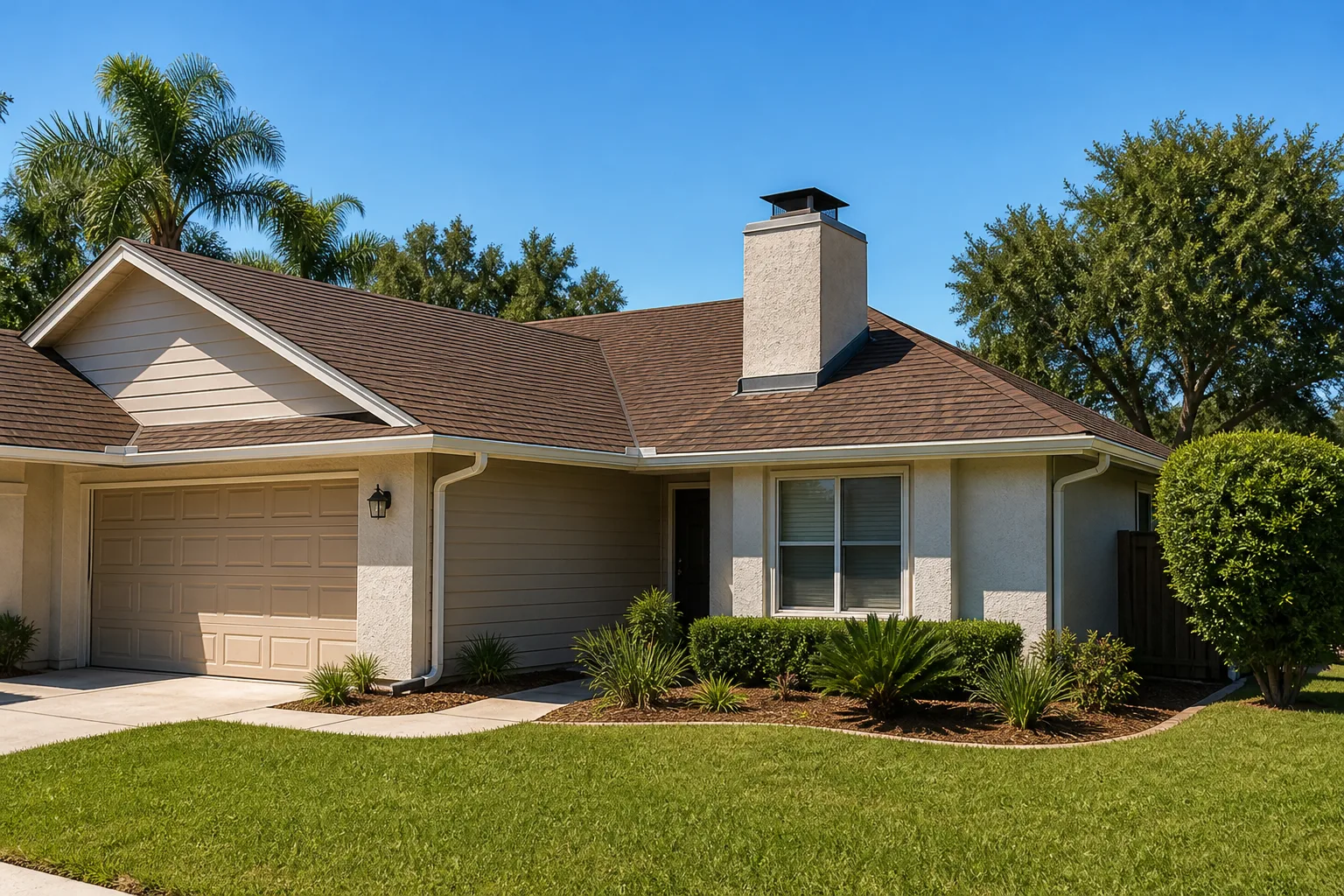
Our lead range for a residential chain link fence in Ladera Ranch is $3,500 to $9,000, and the written estimate is broken out line by line. Here’s what moves the number:
- Linear footage. Roughly $18 to $32 per linear foot installed. A 75-foot side-yard run sits near the low end; a 250-foot perimeter landing at the high end.
- Gates. Each walk gate adds $250 to $600. Double driveway gates are $700 to $1,500 based on width and hardware.
- Site conditions. Rock, root mass, or hard caliche soil slows digging and adds labor. Stepped posts on a slope add fabrication time.
- Height and wind exposure. A 6-foot fence on an exposed canyon slope needs heavier posts and deeper footings – call it $400 to $1,200 over the standard run.
- HOA and permit scope. If your village association requires a specific color or a surveyor-drawn plot plan, that lands on the estimate.
A written estimate from us covers digging, concrete, posts, rails, mesh, hardware, gates, haul-away, and the permit/DRB packet when required. It does not cover a formal property survey, tree removal, or unforeseen rock excavation past four feet, and we say so up front. Call (833) 954-6066 for a number specific to your yard.
See the difference
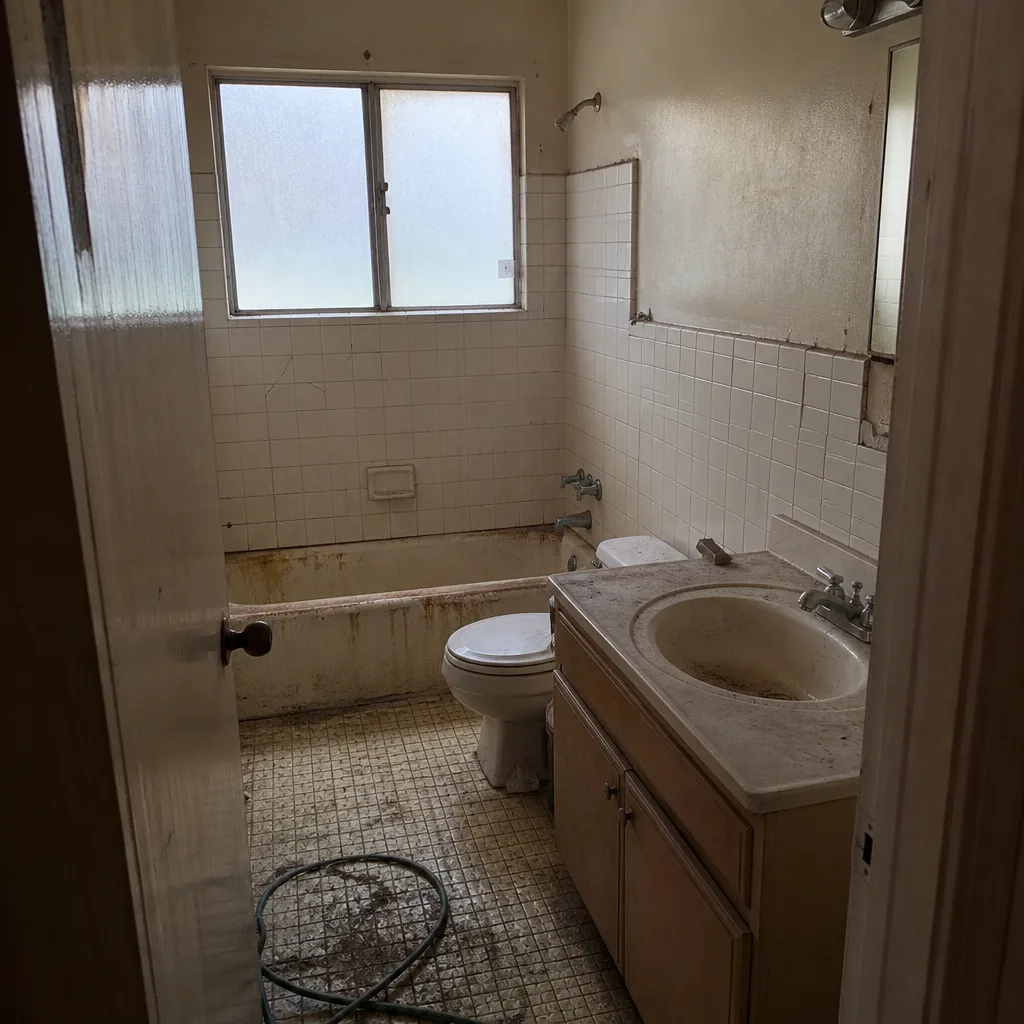 Before
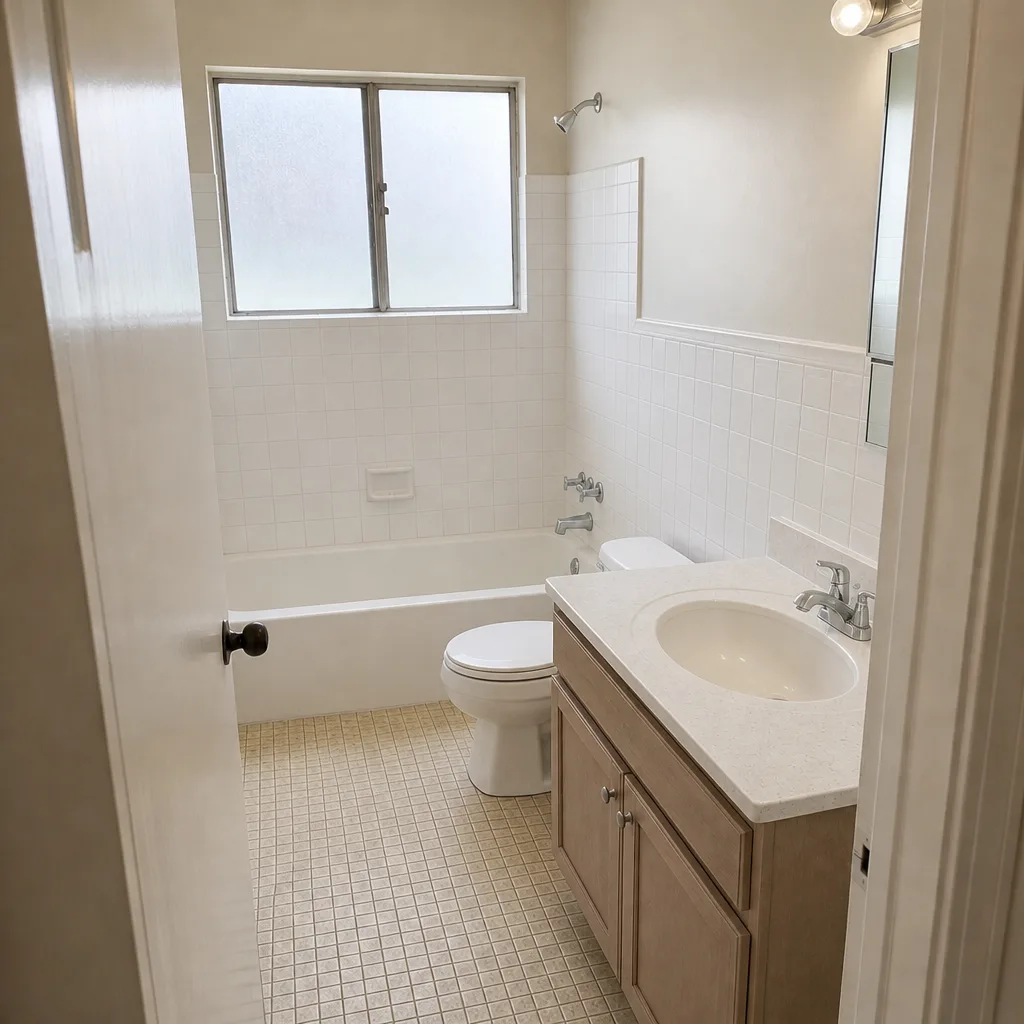 After
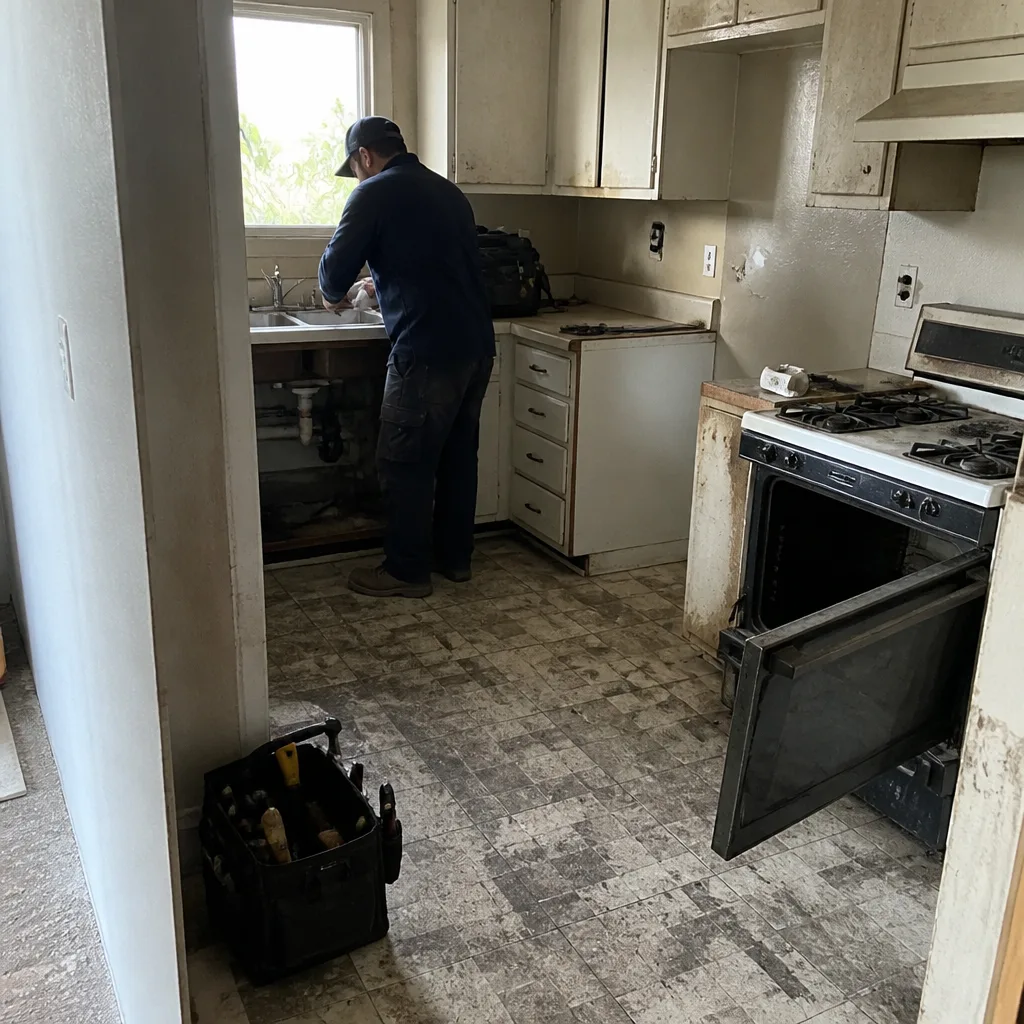 Before
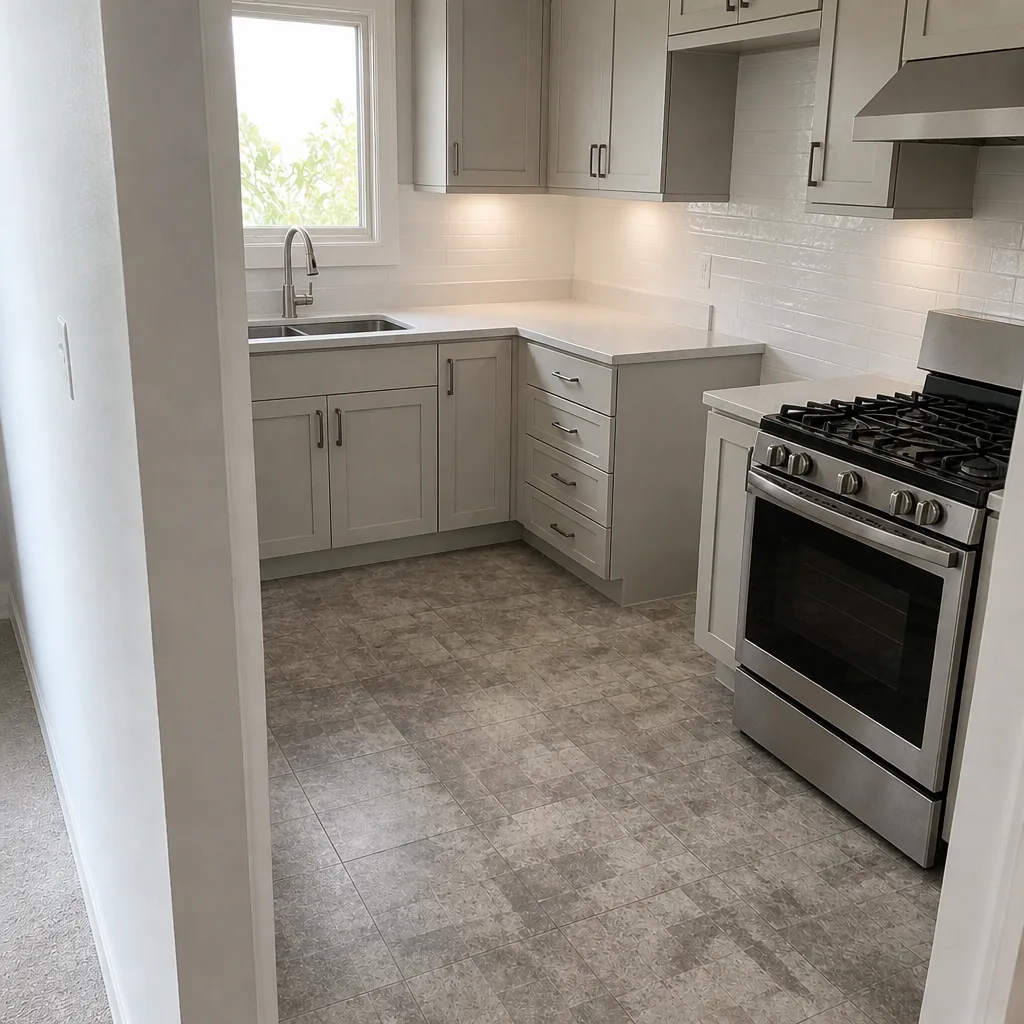 After
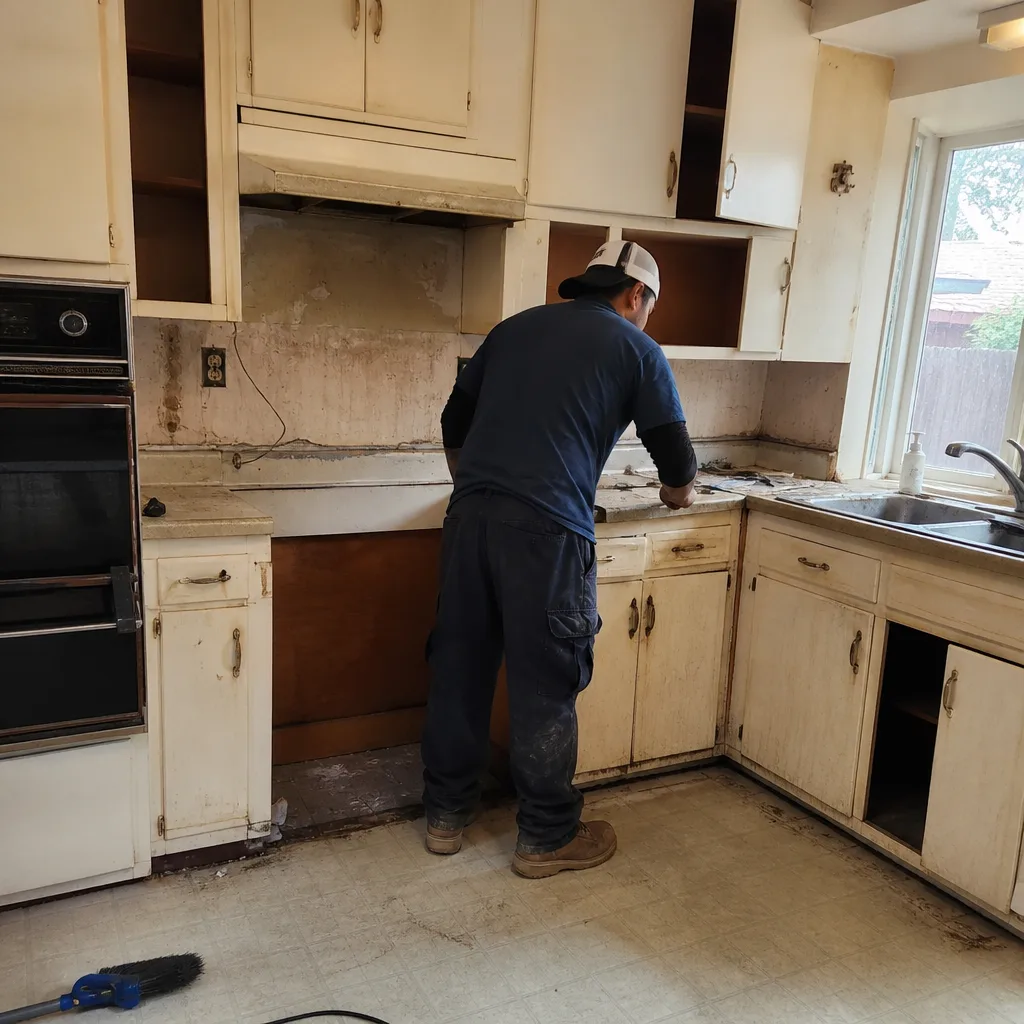 Before
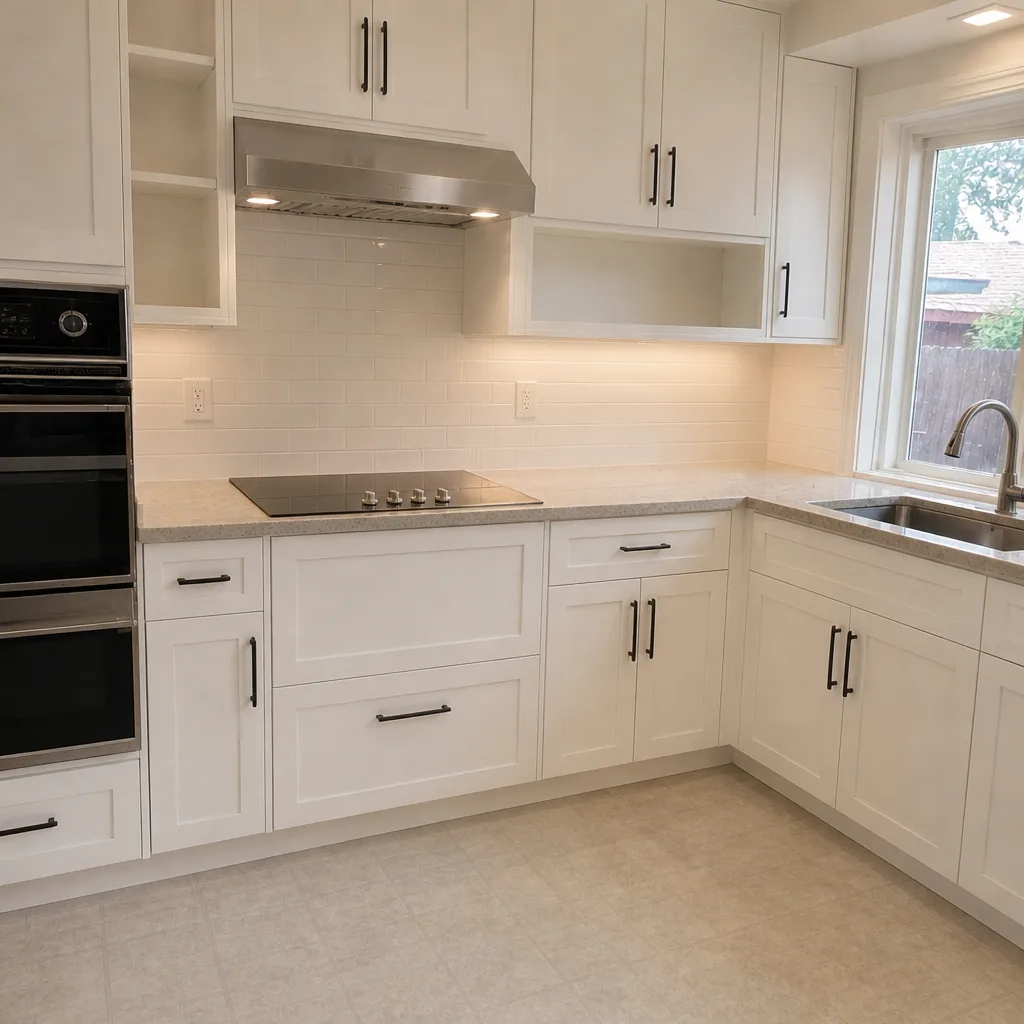 After
What Ladera Ranch Lots Specifically Do to a Chain Link Fence
Ladera Ranch is a master-planned community built roughly between 1999 and 2008 by Toll Brothers and Rancho Mission Viejo, and practically every fence line here runs through the Design Review Board before a post gets dug. The Ladera Ranch Maintenance Corporation and the individual village associations each have their own submittal quirks, and contractors who don’t know the submittal process get jobs red-tagged or stalled for weeks. That’s the reason we build the packet as an actual stage, not an afterthought.
The other inheritance on these lots is grading. Canyon-adjacent villages sit on graded hillside tracts where the natural slope has been reshaped, and that means fence posts land on compacted fill or step transitions instead of level ground. Add Santa Ana wind exposure on the canyon side, and post depth and bracing matter more here than on a flat lot in an older coastal city. Winter rains also reveal drainage issues – a fence line that runs along a swale can shift if the ground stays saturated. If the drive or approach needs attention at the same time, homeowners often pair this with Asphalt Driveways & Resurfacing in Ladera Ranch or with Concrete Driveways & Concrete Work in Ladera Ranch while we’re already set up. And if you’re planning a larger project that includes the boundary line, this is part of a full Fence Installation in Ladera Ranch scope. We cover all of Ladera Ranch, including the village neighborhoods behind Covenant Hills and along the Terramor side.
Our Fence Installation service also handles the other fence materials when chain link isn’t the right fit. Our technicians have up to 12 years of experience, and every one of them arrives background-checked and in uniform.
Serving Ladera Ranch, CA – Our Local Coverage Area
We serve Ladera Ranch and nearby communities. Use the map below to see the area we cover. If you’re nearby, we can almost certainly help.
Frequently Asked: Chain Link Fence in Ladera Ranch
A standard residential run is a 2 to 4 day install once the Design Review Board has approved the submittal. The DRB step adds roughly 1 to 3 weeks depending on your village association’s review calendar. Call (833) 954-6066 for an exact timeline.
Permit requirements vary by height and by association, and most Ladera Ranch fence work runs through the Design Review Board regardless. We include the submittal and permit packet in the written estimate when it applies. Call (833) 954-6066 and we’ll confirm what your specific village association requires.
Yes, if the posts and footings are sized right. On exposed canyon slopes, we install heavier line posts, deeper concrete footings, and full top rail with tension wire rather than the lightest spec. The 730-Day Done Right Promise backs the work – if a post shifts or a gate sags, we fix it. Call (833) 954-6066 for a wind-resistant spec.
Most residential jobs land between $3,500 and $9,000, with 6-foot canyon-slope runs at the high end and 5-foot flat-lot runs near the middle. Gates, height, and site conditions move the number. Call (833) 954-6066 for a free written estimate.
Every install is covered by our 730-Day Done Right Promise – if it’s not done right, we make it right for two full years. Material warranties from the manufacturer run separately. Call (833) 954-6066 to talk through the warranty before you sign anything.
Get a Free Chain Link Fence Estimate in Ladera Ranch
Call Groundwork Construction Co. at (833) 954-6066 for a free on-site estimate on your chain link fence in Ladera Ranch. A live person answers 24/7, and we schedule a walk of the line at your convenience. You’ll get a written, line-item quote with upfront pricing, no change-order surprises, and the 730-Day Done Right Promise attached to the work. If the project qualifies, $1,000 off projects over $10,000 and 0% financing for 18 months apply.
Written by the team at Groundwork Construction Co.