Last updated November 17, 2026


Free written scope consultation - allowances, timeline, and change-order rules on paper before a single trade is scheduled
The Complete Fence Installation Guide for Tustin Homeowners
Orange County has some of the highest HOA density in the country, and in many Tustin neighborhoods that changes the fence conversation entirely. Your fence may sit on common property, or fall under architectural review even when it’s squarely on your lot line. Which means the hardest part of a fence project here usually isn’t the digging. It’s the paperwork, the property lines, and the neighbor who thinks the fence belongs three feet further onto your side. This guide walks through what has to be settled before a single post goes in the ground, and what to expect once it does. We’ll cover Tustin’s height rules by zone, how HOA covenants stack on top of city code, material performance in coastal humidity, California’s shared fence law, and footing depth for local wind and soil conditions.
Quick Answer
Fence installation in Tustin requires clearing three layers before work starts: city code height limits by zone (typically 3 feet in the front yard, 6 feet in the rear for most residential zones), any stricter HOA CC&R limits layered on top, and verified property lines pulled from Orange County records or a survey. Plan on $3,500 to $9,000 for a typical residential fence in Tustin, with material choice driving most of the spread. Skipping the paperwork phase is the single most common reason a finished fence gets torn back out.
Styles & brands we work with
- Kitchen remodeling
- Bathroom remodeling
- Home additions & ADU
- Roofing
- Windows & doors
- Driveway & pavers
- Fence
Table of Contents
- Tustin Fence Height Rules by Zone Type
- How HOA Covenants Stack on Top of City Code
- Property Line Verification Before Post Placement
- Material Performance in Tustin’s Climate
- California Civil Code 841: Shared Fences and Neighbor Cost-Sharing
- Concrete Footing Depth for Tustin Wind and Soil
- The Installation Process, Step by Step
- Common Mistakes to Avoid
Tustin Fence Height Rules by Zone Type
Tustin’s municipal code regulates fence height by where the fence sits on the lot, not just what it’s made of. The three-zone framework below is the baseline. Your property’s specific zoning designation (R-1, R-2, planned community, etc.) can shift the numbers, so verify against the current Tustin Municipal Code section on fencing before you or your contractor order materials.
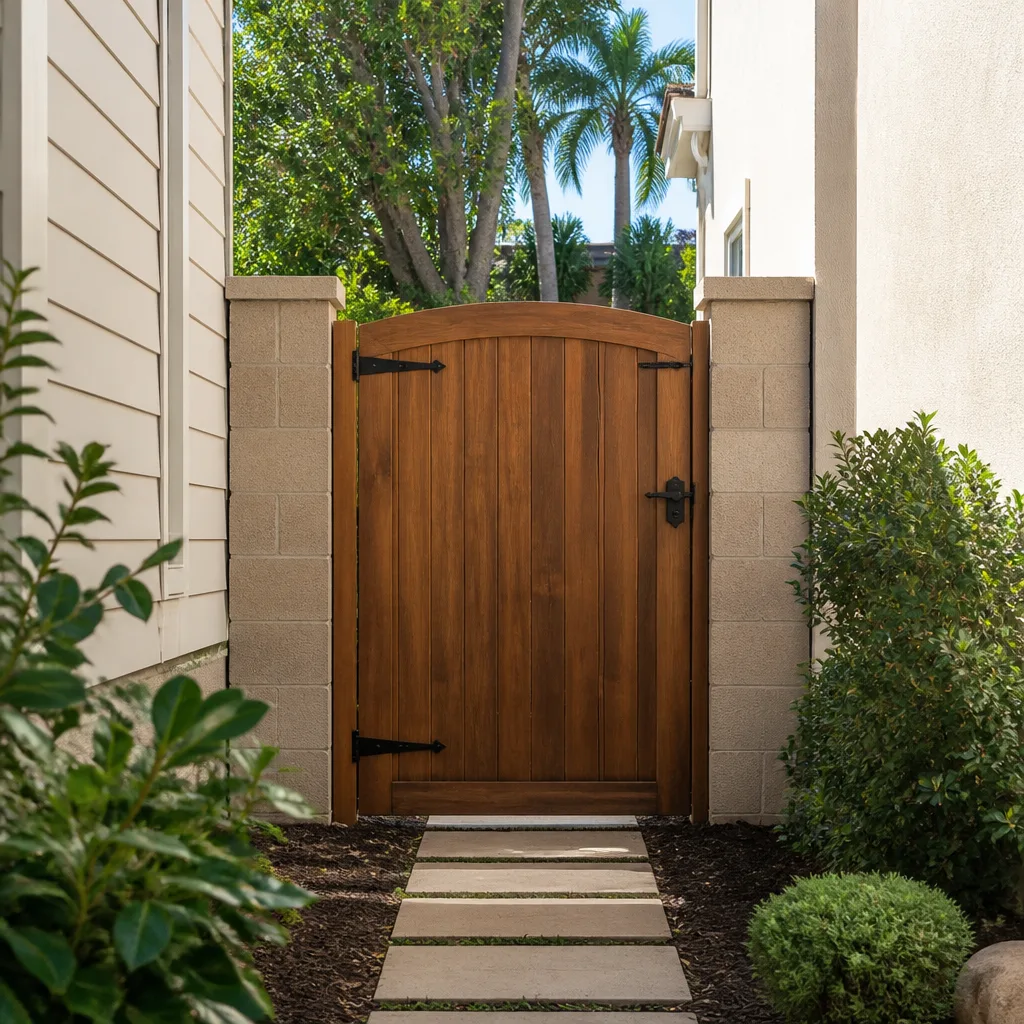
- Front yard (between the house and the street): Generally limited to 3 feet in height for solid fences. Some zones allow 4 feet for open or see-through designs like wrought iron or aluminum picket.
- Side yard (between the front setback and the rear lot line, adjacent to a neighbor): Usually 6 feet, often with additional rear-setback rules that reduce height near the street corner on corner lots.
- Rear yard (along the rear property line): Typically 6 feet. This is the most common fence height in Tustin’s residential neighborhoods.
Two details catch homeowners in Tustin specifically. First, corner lots often have sight-distance triangles at intersections where fences must stay low or open. Second, many Tustin properties sit in planned communities with a specific plan overlay that supersedes the base zoning. If your home is in Tustin Ranch, Columbus Square, or the older neighborhoods near Old Town, your effective fence rules may be tighter than the city code alone suggests. Pull your property’s zoning and any overlay district before you assume 6 feet is the answer.
What about fence height for a pool barrier?
Pool fencing is governed separately. California requires a barrier around pools, and Tustin enforces that through the building department. Pool barriers have their own minimum height, gap, and self-closing gate requirements that can conflict with the aesthetic fence you wanted. Plan for two fence systems if you have a pool: the code-compliant barrier around the water, and the property-line fence for privacy.
How HOA Covenants Stack on Top of City Code
This is where most Tustin fence projects get delayed. An HOA cannot make city code looser, but it can absolutely make it stricter. In many Tustin communities, the CC&Rs cap fence height below the city limit, dictate specific materials, require a particular color, and mandate architectural review before work starts. Some HOAs prohibit vinyl outright or require wood to be stained a specific shade. Others require that fences along common areas be maintained by the association, not the homeowner, which changes who’s paying and who’s approving.
The typical HOA approval sequence looks like this:
- Pull the CC&Rs and any architectural guidelines from your HOA’s document portal. Focus on the sections on fencing, exterior alterations, and architectural review.
- Submit an Architectural Review Committee (ARC) application with a site plan, fence elevation drawing, material sample, and color chip. Most committees want all four up front.
- Wait for written approval. Verbal “go ahead” from a board member will not protect you if a later board objects.
- Keep the approval packet on file. If you sell the home, the new owner inherits a documented compliant fence. If you ever get challenged, that packet is your defense.
Turnaround on ARC review in Tustin-area HOAs runs two to six weeks depending on meeting schedules. If the committee only convenes monthly, that’s your real project timeline, not the two-day install. Budget for that calendar reality before you schedule a contractor.
For projects that extend beyond fencing, the same paperwork discipline applies. We see the same pattern in Home Additions & ADU in Tustin projects, where HOA review runs in parallel with city plan check. Getting the sequence right saves weeks. Our Groundwork Construction Co. of Tustin home page lays out how we coordinate those overlapping approvals across service lines.
Property Line Verification Before Post Placement
A fence built on the wrong side of a property line is a forced removal waiting to happen. It doesn’t matter that the fence was there before, or that a previous owner built it, or that you and the neighbor “always assumed” the line. When a discrepancy surfaces, the fence is the thing that moves, and the cost of moving it usually runs higher than the cost of the original install because you’re removing, re-pouring footings, and re-installing.
Three ways to verify the line, in order of cost and reliability:
- Corner record search (free to cheap): Pull the recorded plat and any boundary survey from Orange County records. This tells you what the recorded line is, but it doesn’t confirm where the physical monuments sit today.
- Boundary survey (typically $600 to $1,500 in this market): A licensed land surveyor locates the actual corners and sets or verifies monuments. This is the gold standard if there’s any dispute or ambiguity.
- Marker verification (free, less reliable): Locate existing survey stakes, pins, or monuments yourself. If you find clear, undisturbed pins at multiple corners that line up with the recorded plat, you have decent evidence. If any corner is missing, disturbed, or you can’t find it, don’t guess. Get a survey.
A survey costs less than a couple of fence sections. It’s cheaper than a forced removal by an order of magnitude. In our experience across Tustin neighborhoods, the properties most likely to have ambiguous lines are the older ones near Old Town where plats predate modern recording standards, and any property that has had a lot split or an unrecorded encroachment. If you’re unsure, get the survey before you order materials. It’s the cheapest insurance on the whole project.
What do I do if the survey shows the fence is over the line?
Talk to the neighbor before you do anything. If both sides accept the survey, you may be able to leave the fence in place or agree to a shared replacement in the correct location. If the neighbor disputes the survey, California has a defined process through the courts, but most Tustin fence-line disagreements resolve through a civil conversation with the survey in hand. Document any agreement in writing and record it with the county if it involves ongoing cost-sharing.
Material Performance in Tustin’s Climate
Tustin sits a few miles inland from the coast, which means it gets the marine influence without the constant fog belt. Mornings run damp, afternoons dry out, and the UV load is high. That combination is hard on fences. Here’s how the four most common materials in Tustin perform over time, based on what we’ve seen on local installs.
- Wood (cedar, redwood, pressure-treated pine): The classic Tustin fence. Cedar and redwood handle coastal humidity well but will gray and warp over time without regular sealing (every 2 to 3 years). Pressure-treated pine is the budget option but warps more in the humidity swings. Expect 12 to 20 years depending on species, sun exposure, and maintenance. Wood costs roughly $20 to $40 per linear foot installed in this market.
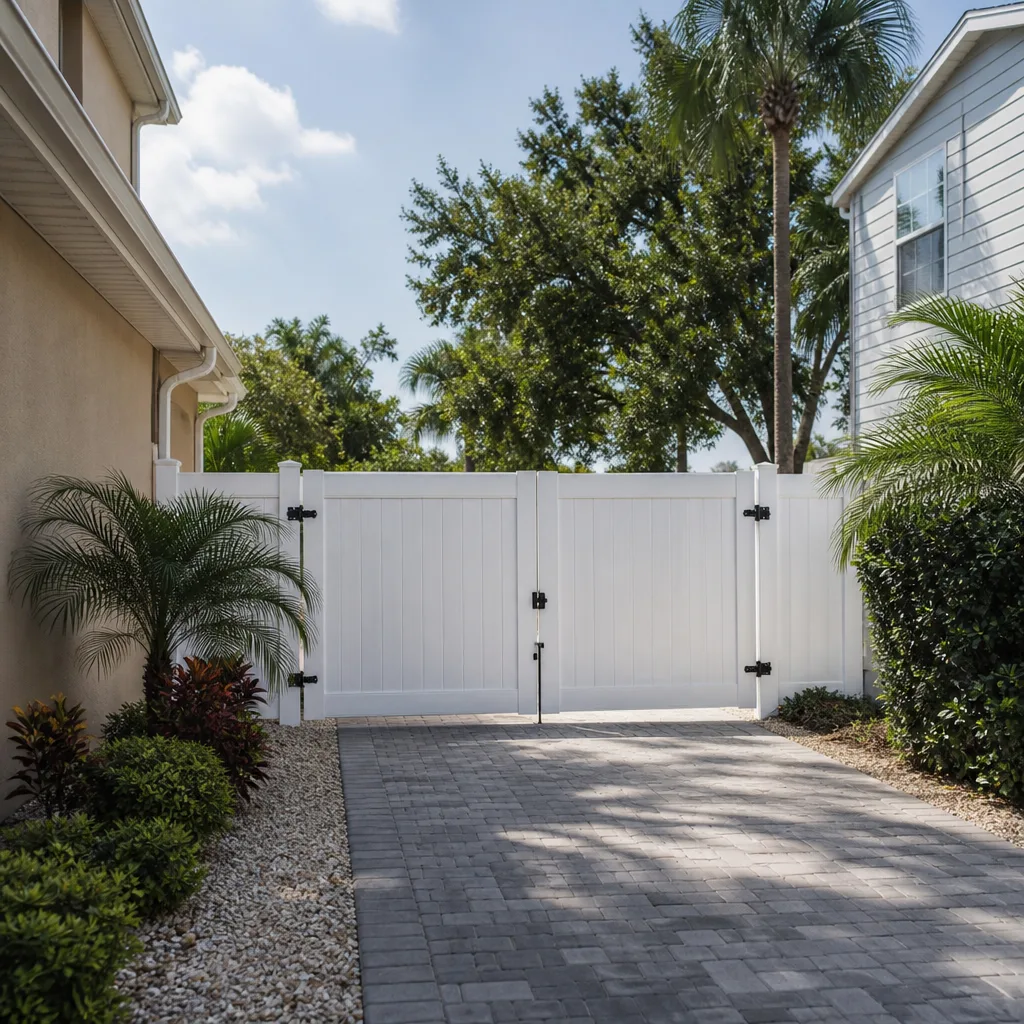
- Vinyl: Holds up well against moisture, never needs paint, and cleans with a garden hose. The catch is UV yellowing, which in Tustin’s sun exposure shows up as a cream shift on cheaper vinyl within 5 to 8 years. Premium vinyl with UV inhibitors stretches that timeline significantly. Expect 20 to 30 years. Vinyl costs roughly $30 to $55 per linear foot installed.
- Aluminum: Painted or powder-coated aluminum resists corrosion, but it’s a metal, and metals corrode near irrigation heads, sprinkler valves, and anything that runs constant moisture. In Tustin yards with heavy drip or sprinkler zones, aluminum fencing near those spots shows finish failure faster than aluminum in dry sections. Powder-coated finishes last 15 to 25 years. Aluminum costs roughly $35 to $65 per linear foot installed.
- Wrought iron: The longest-lived option at 30 or more years when properly finished, but bare spots from ground contact or sprinkler spray will rust. It’s a strong visual statement for front-yard fences where height limits require see-through designs. Costs roughly $50 to $90 per linear foot installed, and prices climb fast for ornamental detailing.
Two material notes specific to Tustin. First, redwood and cedar availability fluctuates with regional supply, and pricing can swing 15 to 20 percent on wood within a single season. Lock your material pricing before the install date. Second, if your HOA has a color standard, get a physical sample approved, not a photo from a brochure. Colors look different in Tustin’s afternoon light than they do in a catalog.
California Civil Code 841: Shared Fences and Neighbor Cost-Sharing
California Civil Code Section 841 governs shared boundary fences. Its core rule: adjacent landowners are presumed to share the cost of maintaining a boundary fence in equal shares, unless one party has an existing written agreement otherwise or the fence exclusively benefits one side. There’s a key distinction in the statute. It addresses maintenance more than new installation. If you’re replacing a shared fence that’s fallen into disrepair, the statute generally supports requesting half the cost from your neighbor. If you’re building a brand-new fence where none existed, or on a line the neighbor doesn’t share, the cost-sharing rule is weaker and depends on the circumstances.
What the statute also does: it establishes a formal procedure. Under Civil Code 841, you can serve written notice on the neighbor requesting their share of the cost, and if they decline, you can pay for the fence yourself and pursue cost recovery in small claims court. The important part is documentation.
Document the conversation the same way you’d document any contract:
- Send a written request by certified mail or email with delivery confirmation. State the scope, the total cost, the requested share, and a response deadline. Attach the contractor’s estimate.
- Include the property description and any survey or plat showing the shared line.
- Keep all responses in one folder. If the neighbor agrees, get their agreement in writing, even if it’s an email confirming the amount.
- If the neighbor declines or ignores the notice, the statute gives you a path forward, but you’ll want that paper trail intact.
We’ve watched this go sideways in Tustin for one predictable reason: homeowner A verbally tells homeowner B about the fence project, homeowner B nods along, and then homeowner B sees the actual invoice and gets sticker shock. Written notice before work starts, not after, prevents that scenario. It’s the single most useful conversation you can have on a shared fence project.
Concrete Footing Depth for Tustin Wind and Soil
Post footings are where cheap fences fail. The minimum code footing is not the same as an engineered footing built for Tustin’s actual conditions. A contractor who digs 18-inch holes, drops in a post, and pours a little concrete will pass a cursory inspection. That fence will still lean within a few years under Santa Ana wind events, and it will fail faster in the sandy or clay-heavy soils common in parts of Tustin.
What actually matters:
- Depth below grade, not depth of hole: The relevant measurement is how far below finished grade the concrete sits. Tustin’s wind exposure category drives minimum depth for boundary fences, and footings that stop short in loose soil behave like shallow footings regardless of what the bag said.
- Footing diameter: Wider footings distribute load better in soft soil. A 12-inch diameter footing performs very differently from an 8-inch footing at the same depth.
- Drainage and soil type: Tustin has mixed soil conditions, and parts of the city drain slowly after heavy rain. A footing sitting in saturated soil early in its cure weakens permanently.
- Post anchoring: Steel post bases set in concrete outperform wood embedded directly in concrete, which rots at the soil line. The extra cost is small, the lifespan difference is 10 or more years.
If your property has unusual wind exposure (top of a ridge, end of a street with open fetch, corner lot with a long unsupported run), the minimum footing may not be enough. An engineered footing design costs a few hundred dollars in engineering review and saves the fence from sagging in year three.
If the project also involves hardscape, the same drainage thinking applies. Our Driveway & Pavers in Tustin team regularly has to re-grade around existing fences that were installed without considering where water would pool during winter rains.
The Installation Process, Step by Step
Once the paperwork phase is done and materials are on site, a standard Tustin residential fence install runs two to four days for a 100 to 150 linear foot run. The sequence:
- Layout and marking (day one, morning). Walk the line with the homeowner, mark post locations, and confirm the property line and any setbacks.
- Call 811. Utility locate requests go in ahead of digging, and in Tustin the response timeline is typically a few business days. Never skip this. Fence post digging hits irrigation, gas, electric, and low-voltage lines regularly.
- Post excavation. Holes dug to engineered or code-compliant depth and diameter, spaced per plan (typically 6 to 8 feet on center).
- Footing pour and cure. Concrete goes in, posts get set plumb and braced. Cure time before panels go up runs 24 to 48 hours on most jobs.
- Panel installation. Rails, pickets, or panels go on. Gates get hinged and hardware installed. All fasteners should be exterior-rated and either stainless or coated steel.
- Gate alignment and hardware check. Gates swing open and latch cleanly with no binding, and hardware is adjusted for seasonal wood movement on wood fences.
- Final walkthrough. Homeowner reviews the line, the height, the gate operation, and any finish coats (stain, paint, powder coat touch-up).
Weather matters here. Concrete doesn’t cure well in heavy rain, and Tustin’s winter rain events can push a footing pour by a day or two. A contractor who plans around the forecast instead of through it saves you a re-pour. For a deeper look at exactly what’s involved in a Tustin-specific installation, our Fence Installation in Tustin service page covers the scope in more detail.
Common Mistakes to Avoid
- Skipping HOA approval because “it’s my yard.” In Tustin’s higher-density communities, the fence is often on or adjacent to common property. An unapproved fence can be ordered removed by the ARC regardless of city code compliance. Get written approval before you order materials.
- Assuming existing pins mark the real line. Old surveys get disturbed, plats get redrawn, and corners get buried. If a pin is missing or looks off, get a boundary survey. The cost of the survey is a rounding error compared to the cost of tearing out and rebuilding on the correct line.
- Using the minimum code footing for a windy lot. Santa Ana wind events stress fence runs heavily. Minimum footings work on sheltered lots, but a fence on a high-exposure corner or ridge needs an engineered footing or it will lean within a few seasons.
- Buying the cheapest vinyl and expecting it to hold color. Tustin’s UV load is real. Cheap vinyl yellows noticeably faster than premium stock. If you’re spending on vinyl, spend on the UV-stabilized grade, or budget for replacement sooner.
- Not documenting the neighbor conversation. A verbal agreement to split cost on a shared fence is worth exactly nothing six months later when the neighbor claims they never agreed. Send written notice before work starts, even when the relationship is friendly.
- Building over a drainage path. Fence footings poured in a low spot that pools in winter rain will eventually fail. Check the grade before you dig.
- Ignoring the pool barrier rules. If you have a pool, the fence around the water has separate code requirements from the property-line fence. Combining the two without checking both sets of rules usually results in an expensive do-over.
See the difference
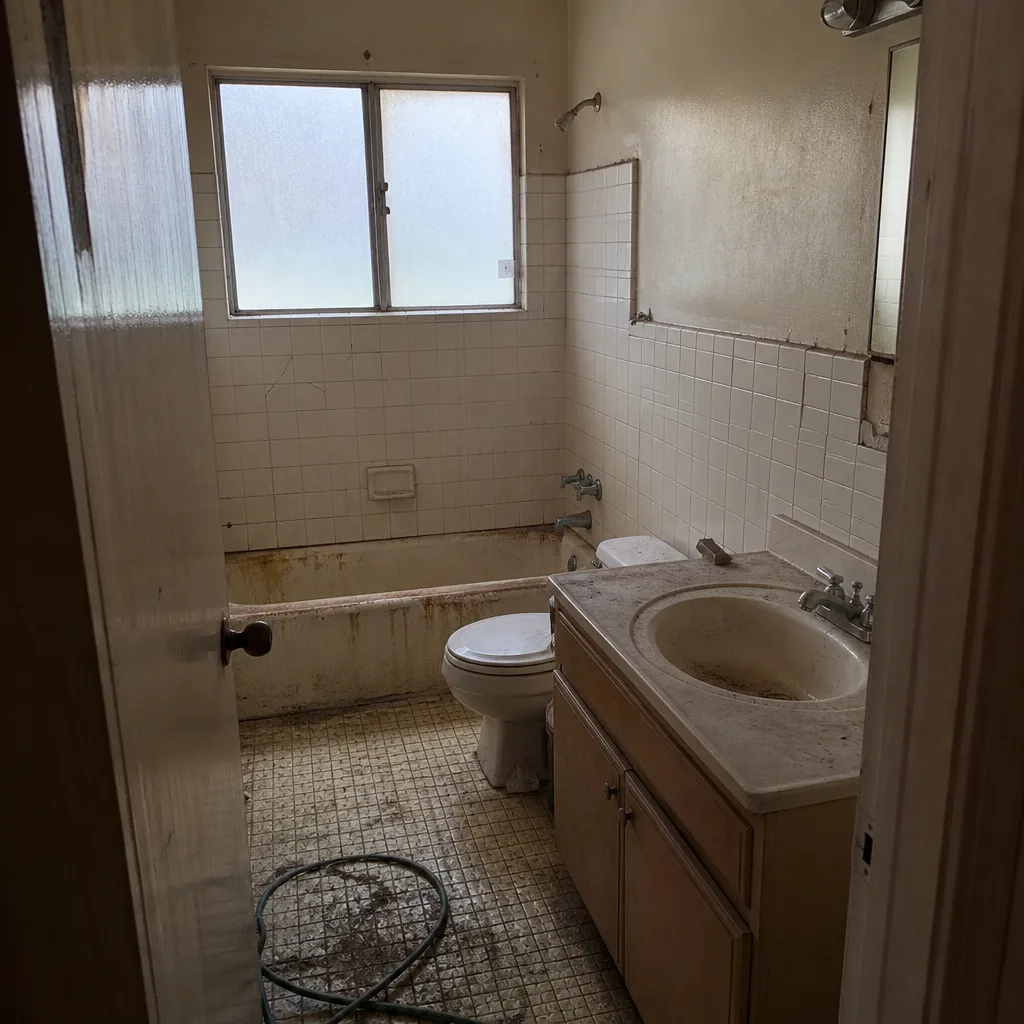 Before
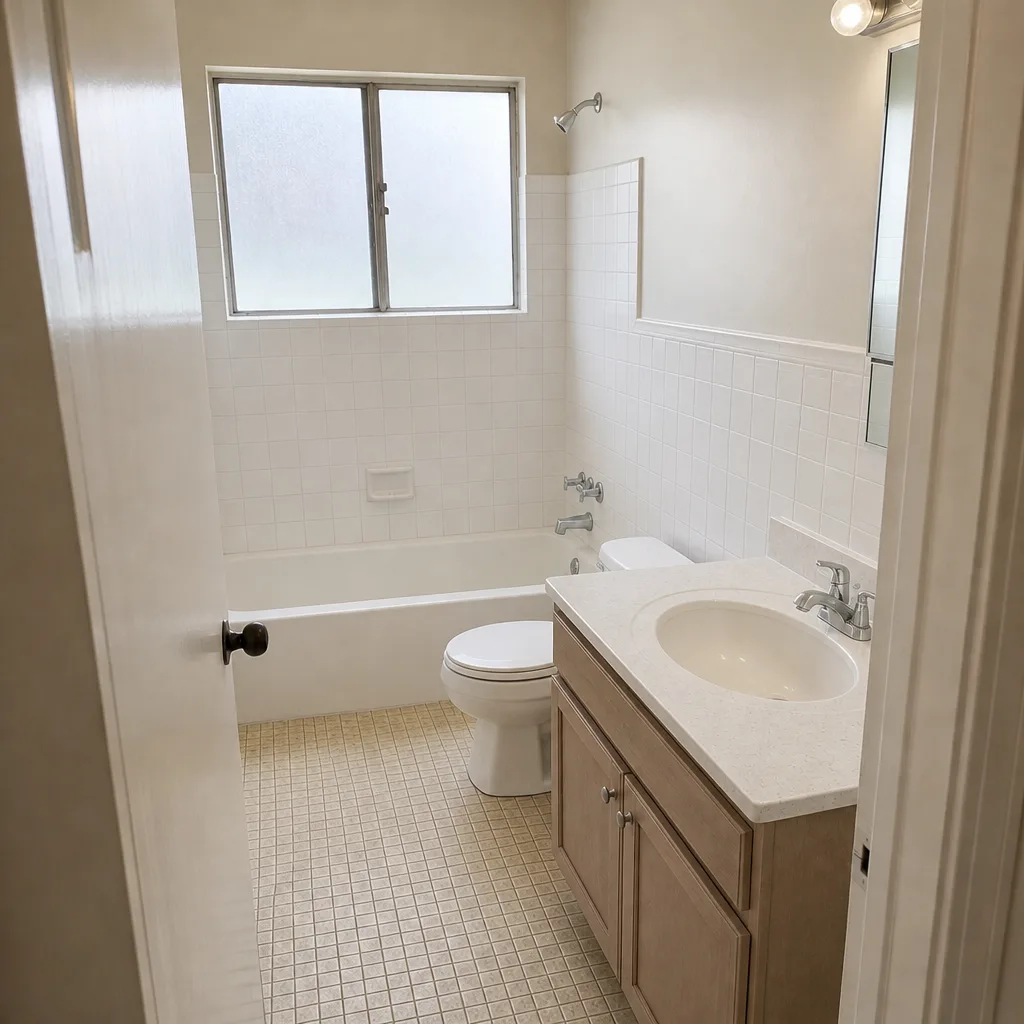 After
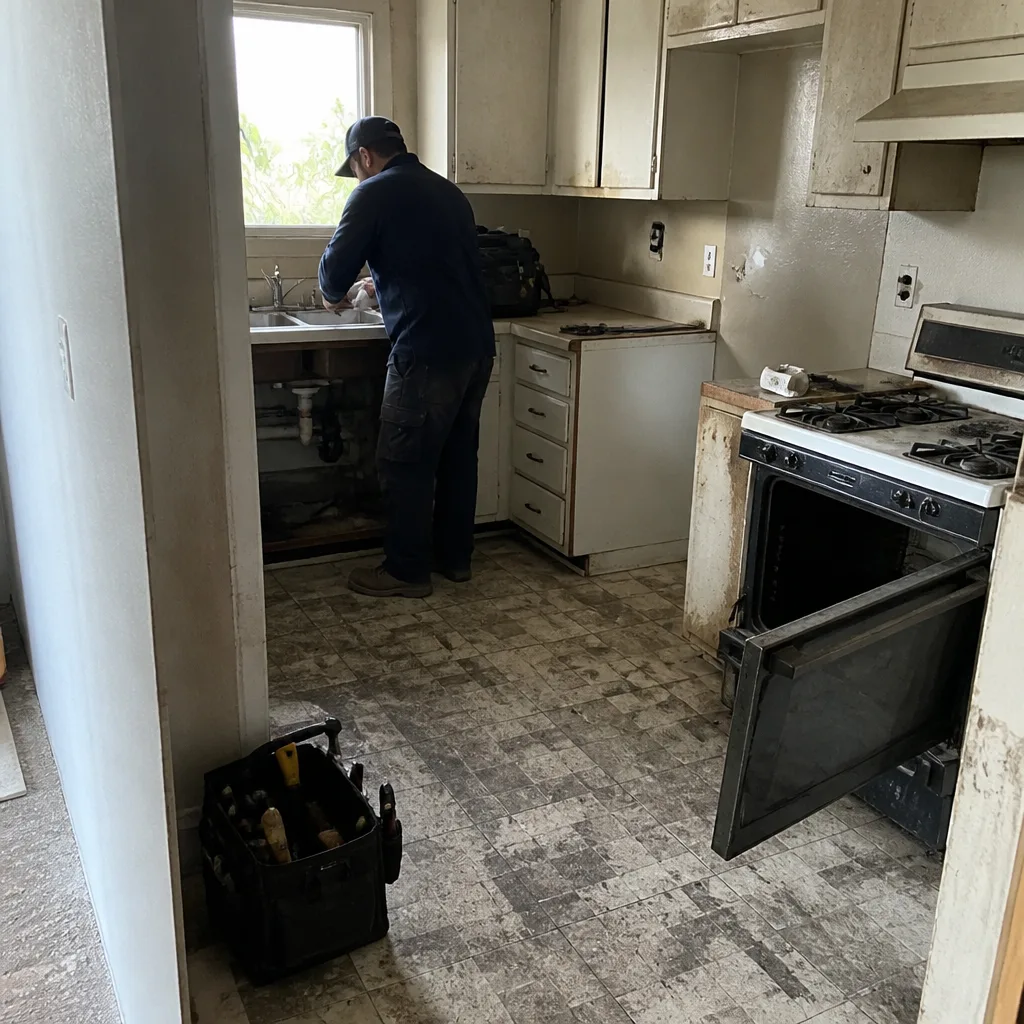 Before
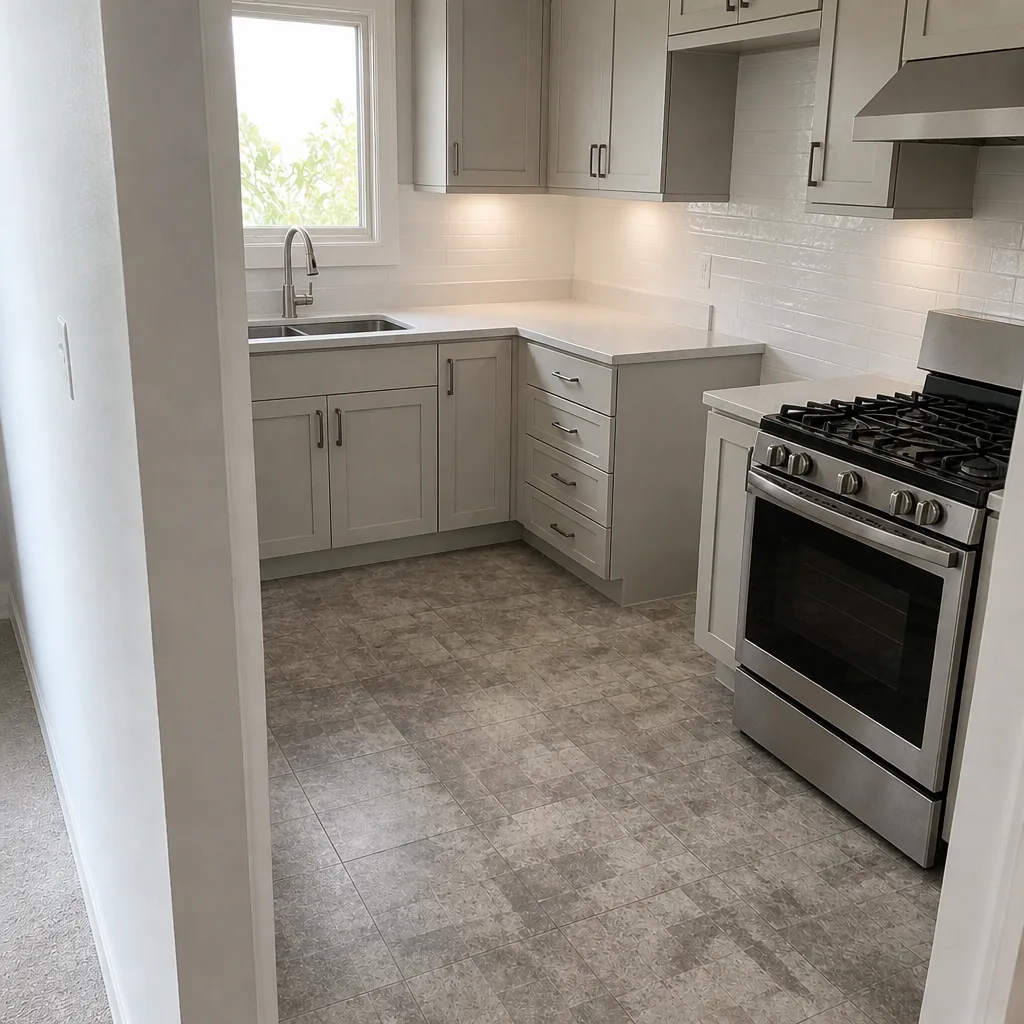 After
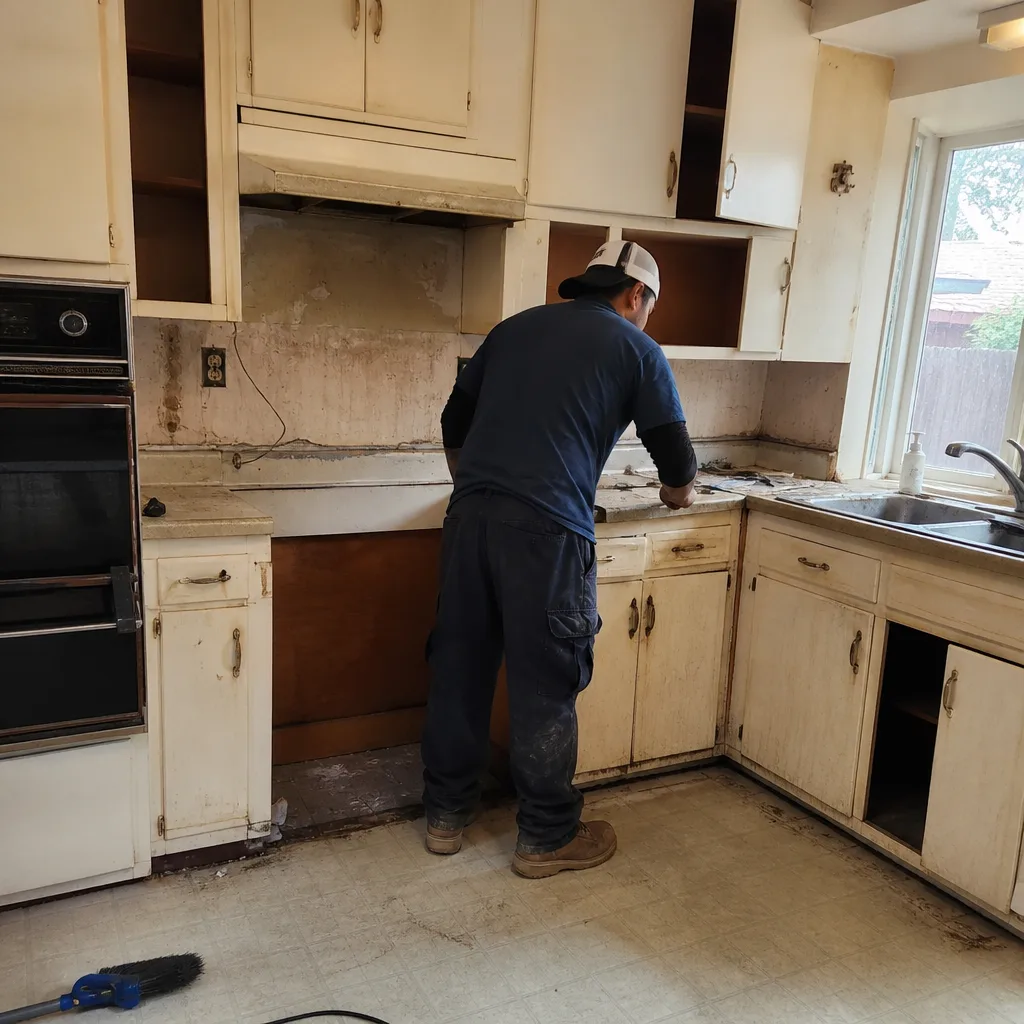 Before
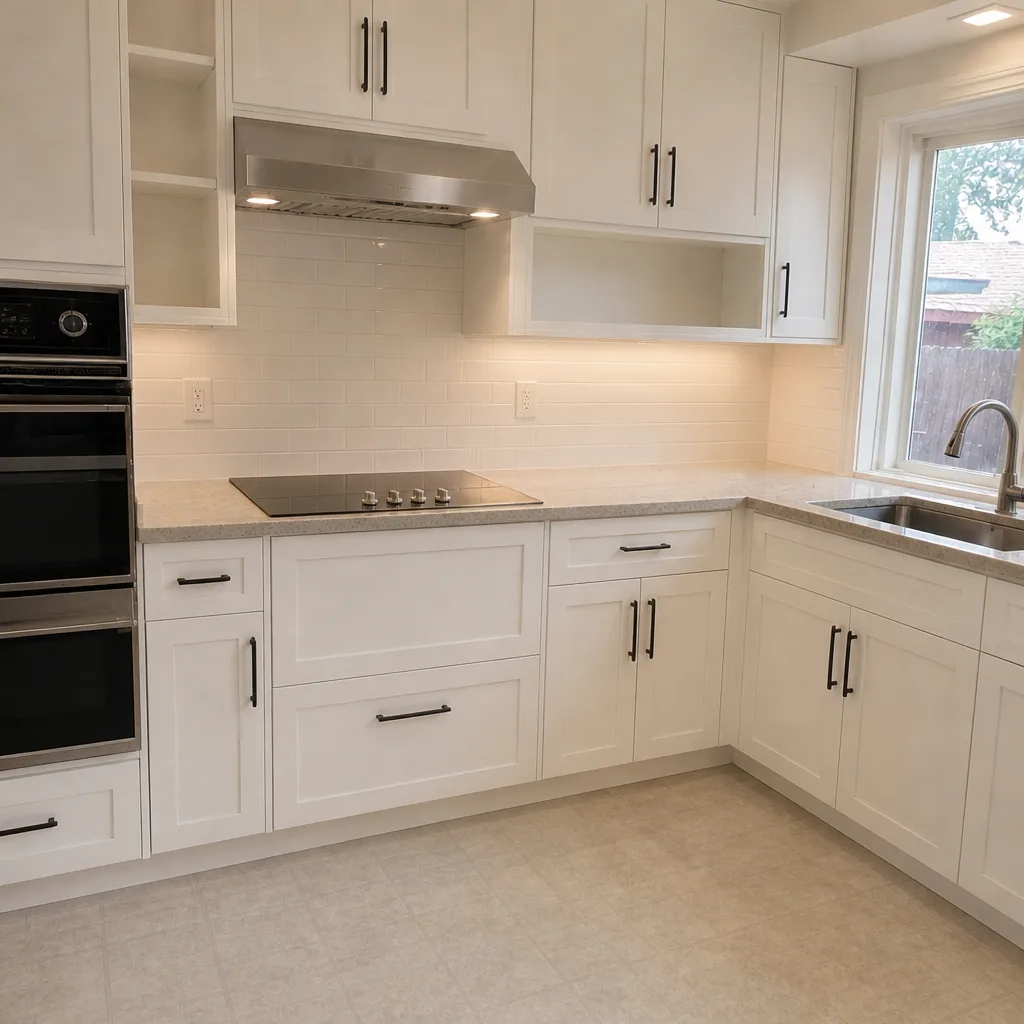 After
When to Call a Professional
Some fence work is genuinely DIY territory. A short, low front-yard picket fence on an unshared line with clear pins at every corner, no HOA, and a homeowner willing to dig footings to spec is within reach for a careful DIYer. Most Tustin fence projects are not that project.
Call a professional when any of these apply: your property has an HOA with architectural review, the line is shared with a neighbor and the relationship is unclear, a survey or recorded plat has any ambiguity, the fence runs longer than 50 feet, the run crosses a slope or a drainage path, there’s a pool on the property, or the fence sits on a windy lot where footing design matters. Those are the scenarios where a mistake costs more to fix than the original project cost.
Groundwork Construction Co. of Tustin offers free estimates in Tustin, and our technicians have up to 12 years of experience on fence installations in Orange County. Call (833) 954-6066 to schedule yours.
Frequently Asked Questions
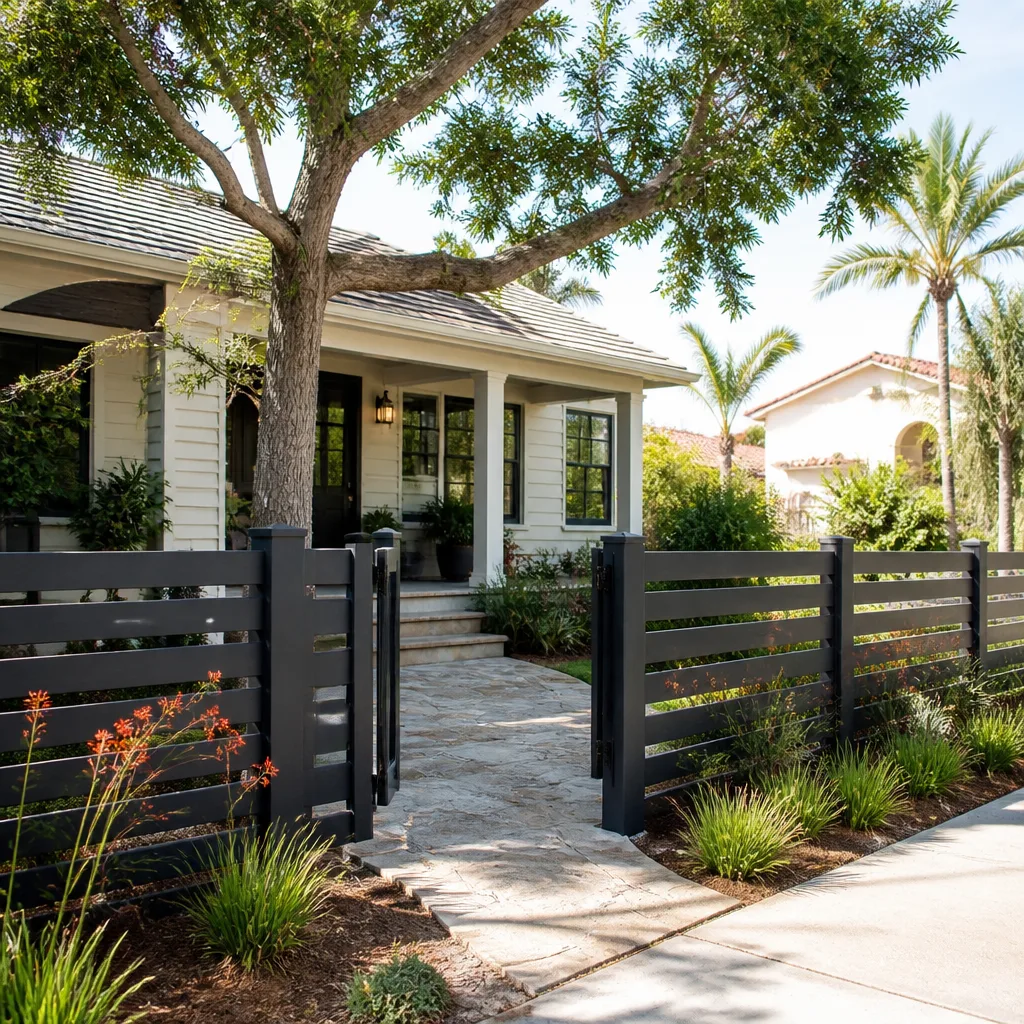
Fence installation in Tustin runs $3,500 to $9,000 for a typical 100 to 150 foot residential run, with wood at roughly $20 to $40 per linear foot installed, vinyl at $30 to $55, aluminum at $35 to $65, and wrought iron at $50 to $90. Material choice is the biggest driver, followed by footing depth, gate count, and site access. Call (833) 954-6066 for an exact quote – estimates are free.
A permit is generally not required for a standard residential fence under 6 feet in the rear or side yard, but permit thresholds vary by zone and your specific property. Over-height fences, fences on a corner lot’s sight-distance area, pool barriers, and fences in some planned communities do require permits. Check with the Tustin building department before work starts, and always get HOA approval if one applies.
In most Tustin residential zones, a fence can go directly on the property line if the neighbor agrees, or just inside it if you want to stay clear of any shared-line dispute. The bigger question is where the property line actually sits, not how close you can build. A boundary survey from a licensed surveyor is the cheapest way to answer that definitively.
Under California Civil Code 841, adjacent landowners are generally presumed to share the cost of maintaining a boundary fence in equal shares, but the statute has exceptions and works more cleanly for maintenance or replacement than for new construction. The statute includes a formal written-notice procedure, and following it properly is what makes cost-sharing enforceable. Document every conversation in writing before work starts.
A standard 100 to 150 foot residential fence install takes two to four working days once materials are on site, plus 24 to 48 hours of footing cure time before panels go on. The variable that extends the calendar most is approvals: HOA architectural review alone can add two to six weeks. Plan the approval timeline into your project schedule, not just the install.
Wrought iron and premium powder-coated aluminum last longest at 25 to 30-plus years, followed by vinyl at 20 to 30 years and quality wood at 12 to 20 years depending on species and maintenance. The UV load in Tustin is the divider on vinyl, and the moisture from irrigation zones is the divider on aluminum and wrought iron. Match the material to the specific fence location on your lot, not just to overall climate.
The Bottom Line
The best-built fence in Tustin still comes down if the paperwork wasn’t handled first. Height limits by zone, HOA covenants, verified property lines, documented neighbor conversations, and engineered footings are what separate a fence that lasts decades from one that gets torn back out. Get the approvals in writing, get the line verified, and build the footing for the wind and soil the fence actually sits in. That sequence isn’t glamorous, but it’s the whole reason a fence project in this city succeeds. If it’s not done right, we make it right, and that’s the standard every job gets backed by.
Groundwork Construction Co. of Tustin works with homeowners who want the paperwork phase and the build phase handled by one accountable team. Our technicians are background-checked and arrive in uniform, our pricing is upfront with no change-order surprises, and every project carries the 730-Day Done Right Promise. Call (833) 954-6066 today for a free estimate. Calls are answered by a live person around the clock, so you’ll never wait until Monday morning to get a straight answer.
Written by the team at Groundwork Construction Co. of Tustin.