Last updated November 17, 2026



Free written scope consultation - allowances, timeline, and change-order rules on paper before a single trade is scheduled
How Long Does Driveway & Pavers Take? Timelines and What to Expect
A crew can lay 500 square feet of pavers in a day. The compacted base under it needs about 72 hours of cure time before heavy vehicle traffic, and that detail rarely makes it into the first timeline conversation. In our experience across Tustin, homeowners hear “four days of install” and plan their parking around it, then get blindsided by a project that runs two and a half weeks from demo to first drive-on. This guide breaks down every phase of a driveway and paver project, the realistic time ranges for each, and the Tustin-specific factors that stretch or compress the clock. By the end, you’ll know how to plan your life around the project instead of the project running your life.
Quick Answer
A typical residential driveway paver installation takes 7 to 14 days from demolition to final walkthrough, with the paver-laying portion itself accounting for only 1 to 3 of those days. Add 3 to 7 days for permit processing through the City of Tustin, plus a 48 to 72 hour base cure window and a 24 hour sealer cure before you park on it. Larger driveways, complex patterns, or rainy weeks stretch the total to three or four weeks.
Styles & brands we work with
- Kitchen remodeling
- Bathroom remodeling
- Home additions & ADU
- Roofing
- Windows & doors
- Driveway & pavers
- Fence
Table of Contents
- The Full Phase Breakdown: Every Step From Demo to Drive-On
- How Driveway Size Changes the Timeline
- Does a Bigger Crew Actually Speed Things Up?
- Tustin Scheduling Factors: Permits, Materials, and Lead Times
- Weather Holds and the Coastal Marine Layer
- What “Done” Actually Means: Your Walkthrough Checklist
- Common Mistakes to Avoid
- When to Call a Professional
The Full Phase Breakdown: Every Step From Demo to Drive-On
Here’s the part most timelines leave out. A paver driveway is not one project, it’s ten sequenced phases, and each one has its own minimum duration that can’t be rushed without compromising the final result. In Tustin, where clay-heavy soils in older neighborhoods like Old Town and higher sand content in newer developments off Jamboree both affect how fast excavation and base work move, we’ve learned to build these ranges from real jobs rather than a calculator.
- Site assessment and layout (half day to 1 day). We mark utilities, confirm grades and drainage, and stake the perimeter. Skipping this step or rushing it is how slope problems get baked in.
- Demolition and haul-off (1 to 2 days). Breaking out old concrete or asphalt and trucking it away. A standard two-car driveway produces roughly 4 to 8 tons of debris, which means multiple dump runs.
- Excavation (1 to 2 days). Removing soil to the proper depth for base, edge restraints, and pavers, typically 8 to 12 inches depending on the paving system and load.
- Base preparation and compaction (2 to 3 days). Placing and compacting the aggregate base in 2 to 3 inch lifts. This is the most underrated phase, and the one that determines whether the pavers stay flat for 20 years or settle in year three.
- Base cure window (48 to 72 hours). The compacted base needs to settle and stabilize before bedding sand and pavers go down. This is the phase most timelines ignore.
- Bedding sand and edge restraints (half day). A screeded 1 inch sand layer and the steel or concrete edge that keeps everything from spreading.
- Paver installation (1 to 3 days). This is the image everyone pictures when they hear “paver driveway.” It’s the fastest phase by far.
- Cutting and jointing (half day to 1 day). Perimeter cuts, joint sand swept into the gaps, and compaction to seat everything.
- Sealing (half day, weather-dependent). Optional but recommended in Tustin’s sun. Sealing locks the joint sand and protects color.
- Final cure before drive-on (24 hours for sealer, longer for heavy loads). The clock everyone forgets. You can walk on pavers sooner than you can park a 4,000 pound SUV on them.
That adds up to the 7 to 14 day range in the quick answer. Phase one through phase four is where an honest schedule lives or dies, because those are the parts driven by physics, not by crew speed.
How Driveway Size Changes the Timeline
Driveway size doesn’t scale linearly with time, and any timeline that says “add a day per 200 square feet” is guessing. What actually happens is that certain phases have minimum durations regardless of size, then jump in chunks as the project crosses thresholds.
- Under 400 square feet (single car, tight urban lot). Demolition in one day, base work in two, install in one. Realistic total: 5 to 9 days.
- 400 to 700 square feet (standard two-car). Most Tustin driveways fall here. Total: 7 to 14 days.
- 700 to 1,200 square feet (wide two-car or RV pad). Demolition and excavation stretch to two to three days each, install to two to three. Total: 10 to 18 days.
- Over 1,200 square feet (estate or circular drive). Multiple truckloads of base material, staged installation. Total: 14 to 25 days.
The jump points matter more than the per-square-foot math. A driveway that needs two dumpsters instead of one, or two loads of base instead of one, adds a full day on its own. A 700 square foot driveway doesn’t take twice as long as a 350 square foot one; it takes maybe 40 percent longer, because the fixed phases (site assessment, cure windows, final walkthrough) don’t double.
There’s also a pattern element. A simple running bond in a single paver size lays faster than a herringbone pattern or a bordered layout with banding, sometimes by 30 to 40 percent on the install phase. If you’re choosing between patterns, ask about the labor delta before you decide.
Does a Bigger Crew Actually Speed Things Up?
Here’s a counterintuitive truth a lot of homeowners don’t hear until after they sign: a six-person crew doesn’t install pavers six times faster than a two-person crew. It might install 30 to 50 percent faster, and past a certain point, adding people can actually hurt base compaction quality rather than help it.
The reason is physical. Paver installation has narrow work fronts. Only so many people can screed bedding sand, set pavers into the pattern, and cut edges without stepping on each other’s work. Once the front is saturated, more bodies don’t increase throughput, they just create coordination overhead and the risk that someone compacts a base lift unevenly because they’re hurrying to keep pace with a crew that’s ahead of them.
Where a larger crew does legitimately help:
- Demolition and haul-off. More hands with sledgehammers, pry bars, and wheelbarrows means a full day of work compresses to half a day.
- Base preparation. Spreading and compacting base is a volume game on the front end, and a well-orchestrated four to five person crew can genuinely move twice the yardage of a two person crew in a day.
- Install on large, open layouts. A circular drive with no tight corners installs faster with more hands because there’s more work front to spread across.
Where it doesn’t:
- Detail cuts and edges. Perimeter work is slow, careful, one or two person work regardless of crew size.
- Compaction lifts. The plate compactor has a fixed working speed. Two people can’t operate it twice as fast.
- Final walkthrough and cleanup. One or two people, period.
What actually compresses a timeline is a crew that shows up every day. A two-person crew that works five straight days will beat a six-person crew that shows up Monday, disappears Tuesday, and comes back Thursday. In our experience, the single biggest schedule slip on Tustin paver projects isn’t skill, it’s inconsistent daily presence. When you’re comparing bids, ask whether the crew is dedicated to your job or splitting time across multiple sites.
Tustin Scheduling Factors: Permits, Materials, and Lead Times
The install itself is only part of the calendar. In Tustin, the two largest wildcards are permit processing and material lead times, and both can add a week or more if you don’t plan for them.
Permit processing through the City of Tustin
Most driveway replacements, and any paver installation that changes grade, drainage, or connects to the public right-of-way, require a permit. The process typically runs like this:
- Application and plan submittal (1 to 3 days to assemble). You or your contractor prepares a site plan, sometimes an engineer’s drainage calc, and submits to the City.
- Plan review (5 to 15 business days). Depends on the current queue at the Tustin planning and building counter. Summer is busier.
- Revisions if flagged (2 to 10 days). Most first submittals come back with questions on drainage, slope to the street, or the sidewalk apron.
- Permit issuance and inspection scheduling (2 to 5 days). Once issued, inspections are scheduled, and a final inspection is required before sign-off.
That’s a window most homeowners completely miss when they ask “how long does paver installation take.” The install is 7 to 14 days. The permit clock, from application to final inspection sign-off, can run 2 to 5 weeks on its own. If a contractor quotes you a date without confirming the permit timeline, ask.
Material lead times in the current Tustin market
Standard concrete pavers in common colors and sizes are typically in stock at regional suppliers, often a few days out. The ones that add lead time:
- Special colors and finishes. Premium or custom-runs from brands like Belgard can run 2 to 4 weeks lead time, occasionally longer if it’s a discontinued or limited production line.
- Large-format porcelain pavers. These often ship from out of state; 3 to 6 weeks is realistic.
- Custom edge restraints or stone borders. Matched to the field material, usually 1 to 2 weeks.
The only way to compress this is to lock in material selection early. We tell Tustin homeowners to have their paver choice finalized before the permit is submitted, not after. That way material is on order and arriving as the permit clears, and the two clocks run in parallel instead of back to back.
Weather Holds and the Coastal Marine Layer
Southern California weather is generally friendly to paver work, but “generally friendly” isn’t the same as “never a scheduling risk.” In Tustin, the specific weather factor that trips people up isn’t rain. It’s the morning marine layer.
Here’s why it matters. Joint sand has to be dry enough to flow into the gaps and then set properly. On a June gloom morning along Tustin’s coastal edge neighborhoods, the marine layer keeps jointing sand damp well past 9 or 10 a.m., which pushes the jointing phase to late morning instead of early, and pushes the whole day’s schedule by 2 to 3 hours. Do that across three or four days and it adds up. It doesn’t stop the project, but it does slow it in a way most timelines don’t account for.
Rain is the bigger risk, and it’s seasonal. A December or January rain event can put a project on hold for 2 to 5 days because of the compound effect:
- Wet subgrade. Excavated soil holds water and can’t be compacted properly. Drying can take a full day or more after the rain stops.
- Wet base. Base aggregate absorbs moisture and needs to dry before compaction achieves spec density.
- Wet sand. Bedding and joint sand need drying time. Jointing on wet sand is a redo.
- Sealer won’t cure. Sealing on a damp surface traps moisture and produces a milky, hazy finish. If a rain window opens during the seal phase, the sealer needs to be removed and reapplied, which adds 1 to 3 days and often a material cost.
Late spring through fall is the best scheduling window in Tustin for a driveway project, mostly because the seal phase and the joint-set phase aren’t racing rain windows. Winter projects aren’t off-limits, but they come with a wider schedule band and the occasional 3 to 5 day weather hold.
What “Done” Actually Means: Your Walkthrough Checklist
Here’s where trust matters most. “Done” isn’t the day the last paver goes down and the crew walks off. It’s the day you can honestly say the driveway will perform the way you paid for. Before your contractor considers the job closed, walk it yourself with this list. It’s the same one we use on every job, and it’s why our 730-Day Done Right Promise means something: if it’s not right, we’re back on site.
- Slope and drainage test. Pour a bucket of water on the driveway. It should sheet toward the intended low point and off the surface, not pool or run back toward the garage. In Tustin, where some driveways have limited fall to the street, this is the single most important check.
- Paver alignment and pattern consistency. Walk the rows in both directions. Lines should track square, joints should be uniform width (typically 2 to 4 mm), and the pattern should not stray.
- Lippage check. Run a straightedge across pavers in several spots. Any step up or down between adjacent pavers of more than 1/8 inch is a lift that needs correcting.
- Edge restraints. Push against them. They should be solid, anchored, and flush with the paver field. Loose edge restraints are why driveways spread at the edges over time.
- Joint sand fill. Every joint should be filled with sand to within about 1/8 inch of the top, swept and vibrated in, not just sprinkled.
- Cut pavers at edges and around obstacles. Cuts should be clean, straight, and full, no chips or broken pieces left in place.
- Sealer haze check. If sealed, the finish should be even, with no milky patches, puddles, or missed areas. Haze means moisture trapped or product applied wrong, and the sealer needs to be stripped and redone.
- Site condition. Full cleanup, no leftover pallets or debris, dumpster gone, downspouts and drainage intact.
It’s not about catching the contractor. It’s about everyone agreeing on the standard before the crew leaves. The 30 minutes you spend walking the job on the last day saves weeks of arguing later.
Common Mistakes to Avoid
- Accepting an installation-days quote as the full project timeline. When a contractor says “four days,” ask whether that number includes demo, base cure, and final cure. In our experience, Tustin homeowners who ask this one question avoid most of the surprise delays.
- Choosing material after the permit is submitted. Custom pavers can run 2 to 4 weeks. Locking in material before the permit application lets material and permit timelines run in parallel. Skipping this is the most common reason a Tustin project stalls two weeks past the promised start.
- Skipping the base cure window to save days. Compacting pavers over a base that hasn’t stabilized is how driveways settle in the first year. It’s tempting to shave off 72 hours. It’s the wrong 72 hours to shave.
- Sealing the same day pavers are laid. Sealer needs a dry surface and, ideally, a short settling window. Sealing too early traps moisture and produces haze that has to be stripped.
- Parking on the driveway the day the crew leaves. Walk-on is typically fine within hours. Vehicle traffic on a freshly sealed surface is not. Give it the full 24 hours before parking. Heavy vehicles or an RV should wait 72 hours.
- Forgetting about Tustin’s winter marine layer when scheduling a fall install. A fall project seals into a weather window that can stretch or cancel the seal phase. Scheduling sealing in late spring through early fall is the more reliable choice.
- Not walking the final inspection yourself. A crew pack-up isn’t a walkthrough. Use the checklist above before the contractor leaves.
When to Call a Professional
A paver driveway is a base and compaction project dressed up as a paving project. The parts that fail are almost always buried and invisible, which means the wrong call here isn’t a small one. Call a professional if any of these situations applies: your driveway grades toward the house or the garage; there’s visible cracking or settlement in the existing surface; you’re on a slope more than a few percent; your project requires a permit and you don’t want to navigate the City of Tustin counter yourself; or you’ve had moisture intrusion into the garage during rain. These are all jobs where the right base and drainage plan is the entire ballgame.
Groundwork Construction Co. of Tustin offers free estimates in Tustin and walks you through the full project calendar, not just the install window. Call (833) 954-6066 to schedule yours, or learn more about our Driveway & Pavers in Tustin work and how we build the base that makes the pavers last. Live person, 24/7, and upfront pricing so the number you see is the number you pay.
See the difference
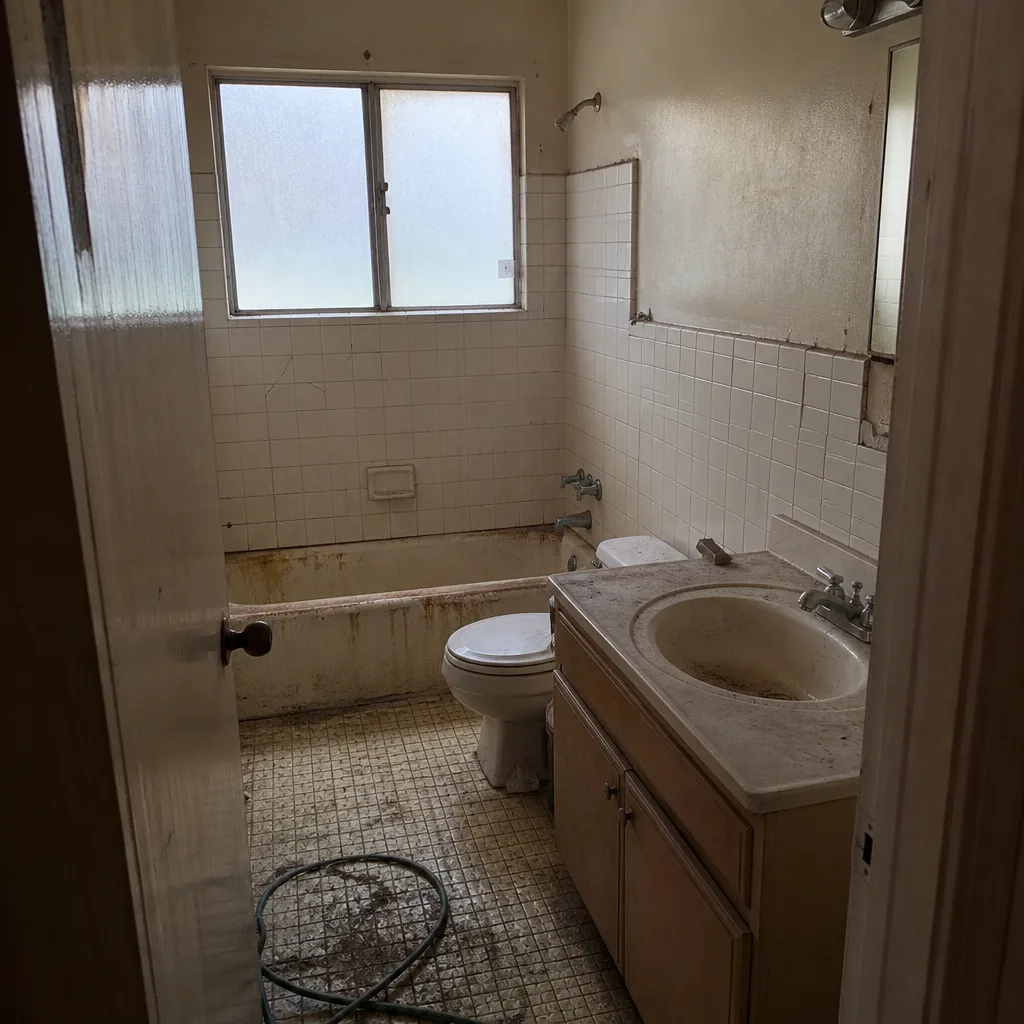 Before
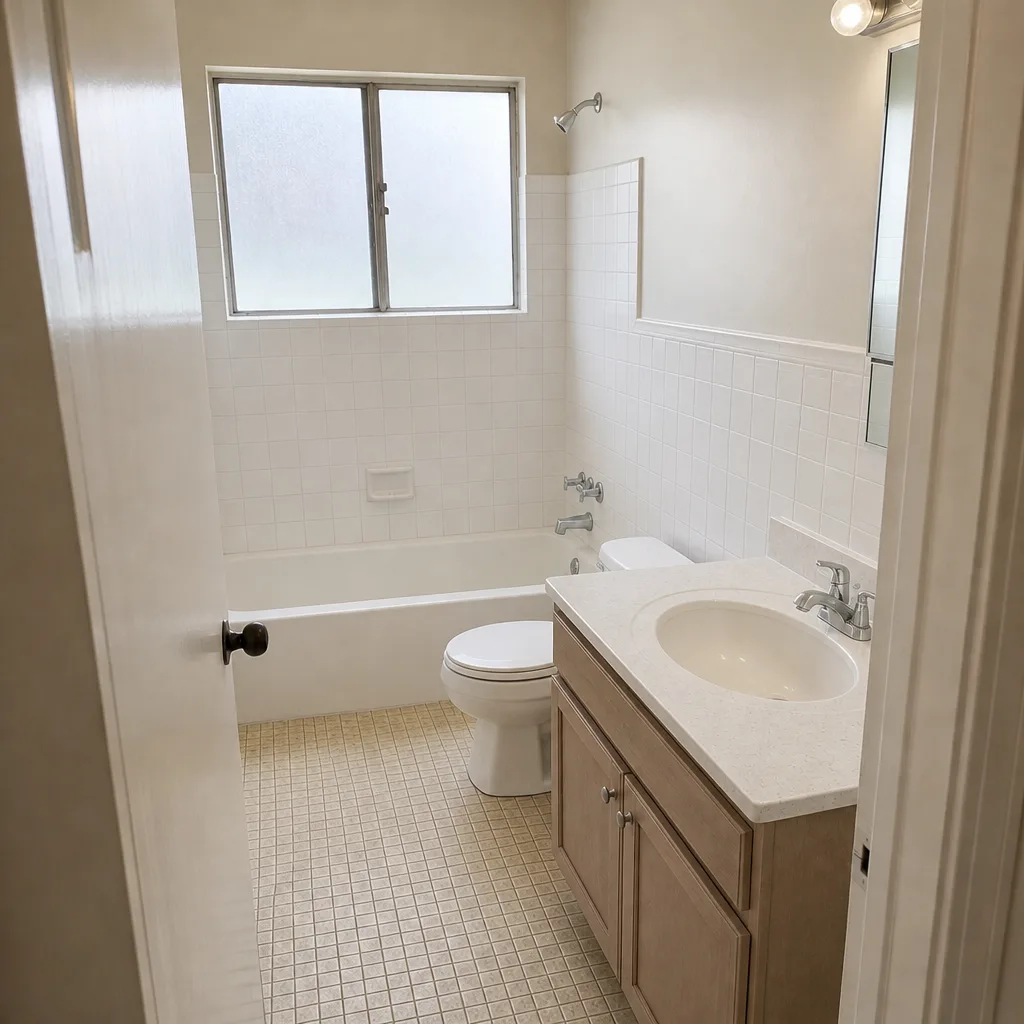 After
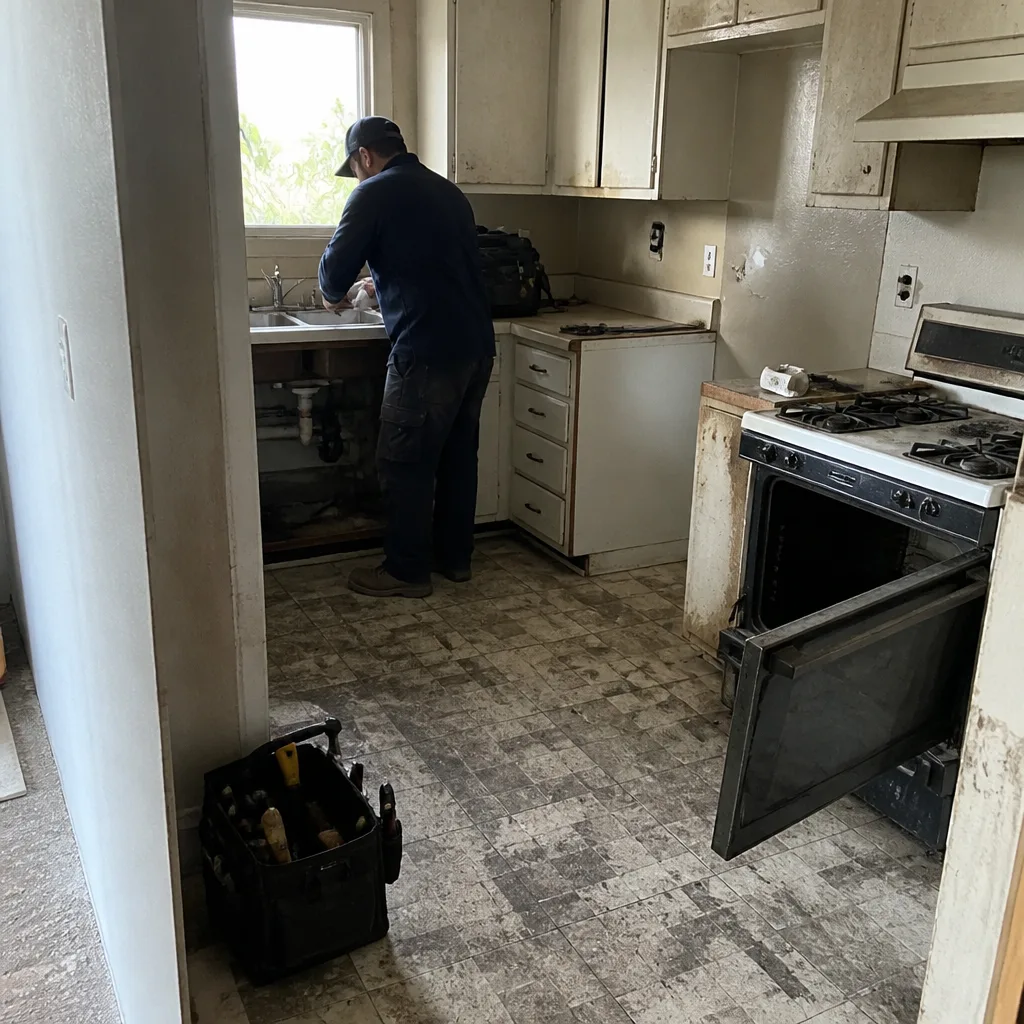 Before
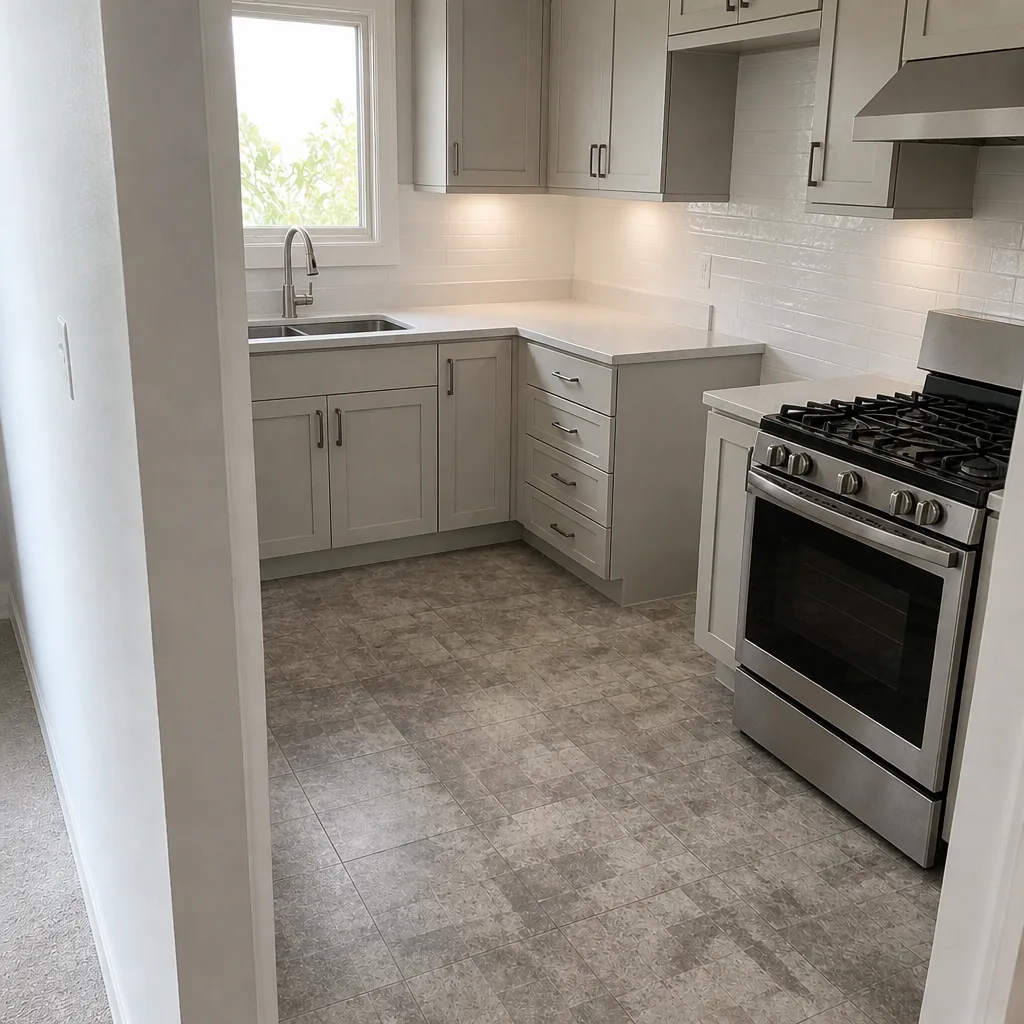 After
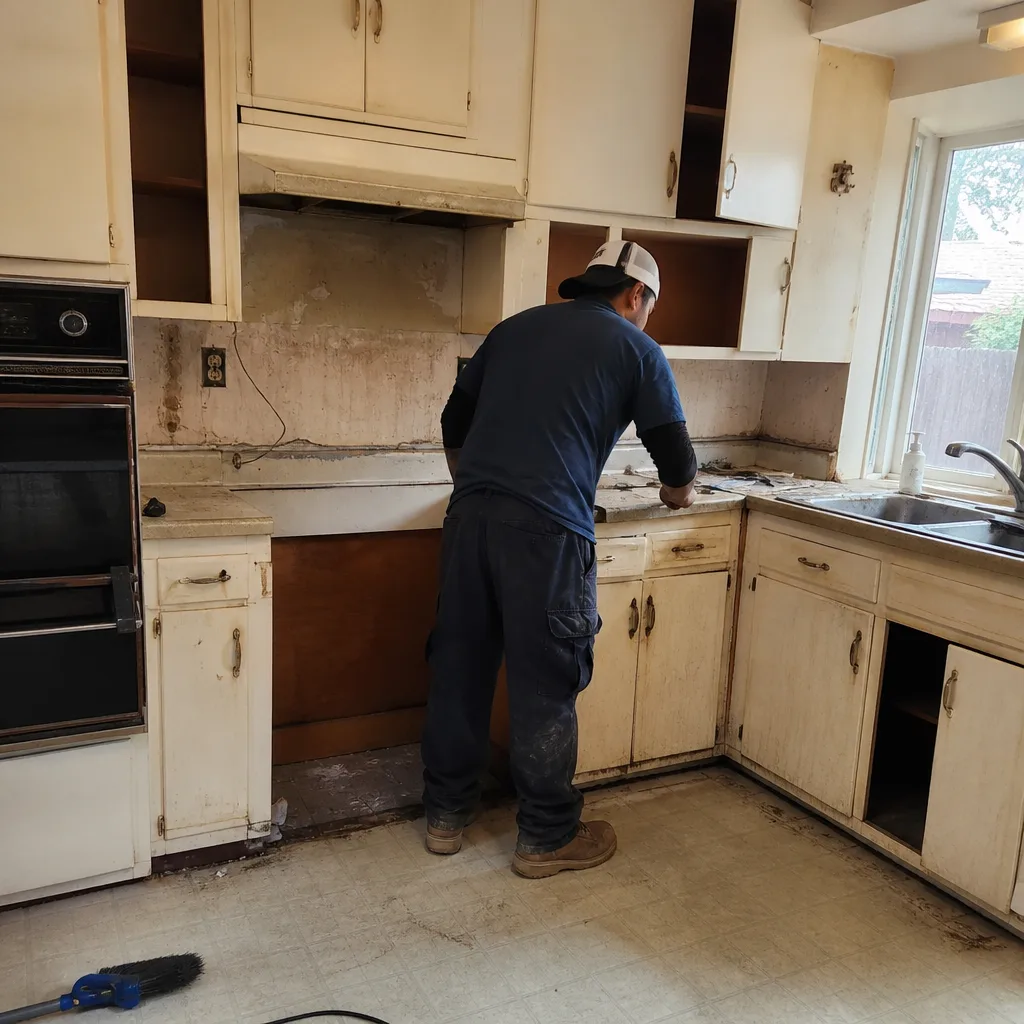 Before
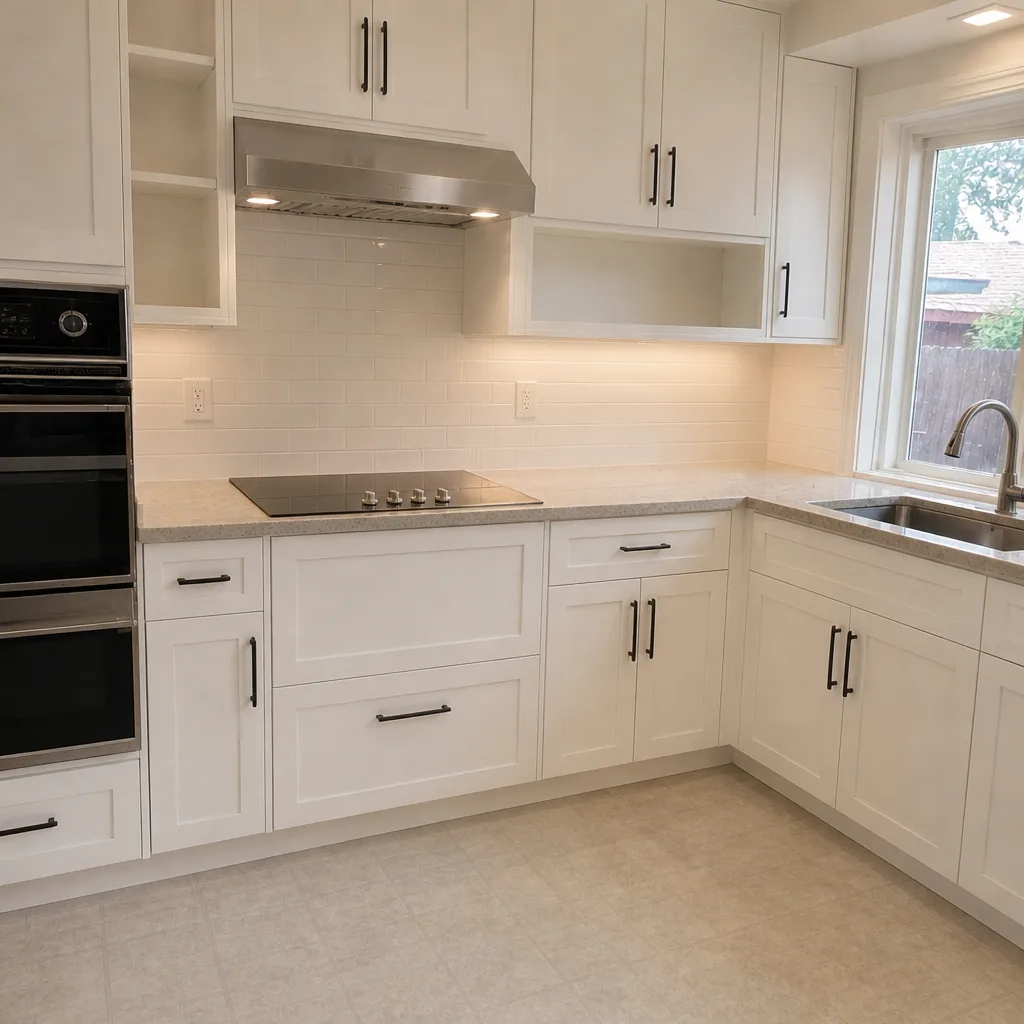 After
Frequently Asked Questions
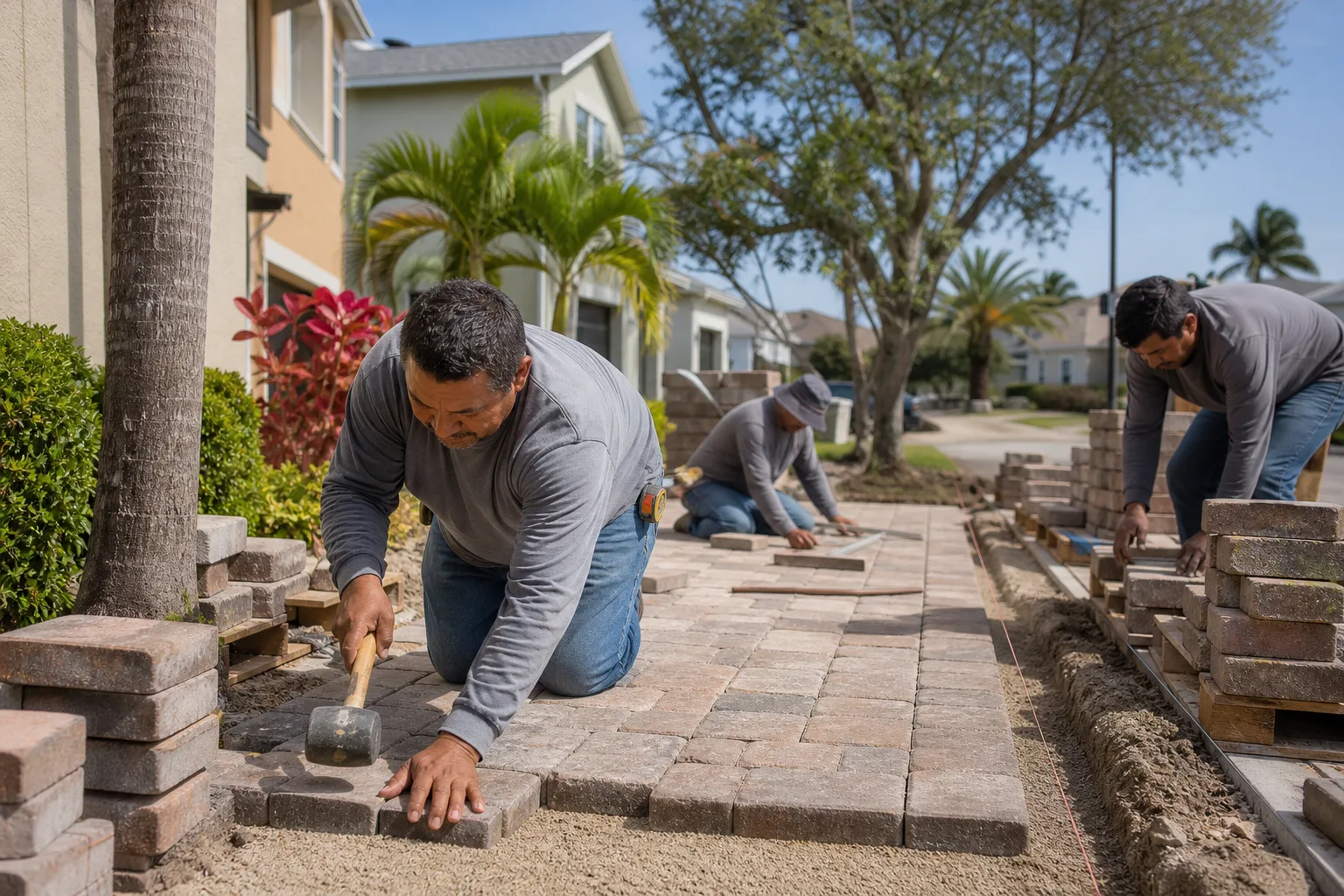
Installation of the pavers themselves takes 1 to 3 days on a standard two-car driveway. The full project, from demolition to drive-on, runs 7 to 14 days plus permit time. If you’re asking for the number to plan around, use the full-project range, not the install-only number.
Yes, in most cases. A paver driveway that changes grade, drainage, or connects to the public right-of-way requires a permit through the City of Tustin. Plan review typically takes 5 to 15 business days, with potential revision cycles adding 2 to 10 more days. Budget 2 to 5 weeks for permit processing from application to final inspection sign-off. Call (833) 954-6066 for an estimate that accounts for the permit window.
Not safely. Walker traffic is usually fine within hours of jointing, but vehicle traffic should wait. On a sealed surface, wait 24 hours before driving on it, and 72 hours before heavy vehicles or an RV. If the driveway was sealed late in the day or the weather has been damp, add a day.
Somewhat, but not linearly. A bigger crew helps most on demolition, haul-off, and base spreading. It helps least on compaction, detail cuts, and final cleanup. Past a certain crew size, adding people creates coordination problems without speeding the work. What actually speeds a project is a dedicated crew that works every day, not more bodies on the same days.
In the Tustin market, expect roughly $12 to $28 per square foot installed, depending on paver choice, pattern complexity, and site conditions, with premium porcelain pushing toward the top of the range or slightly above. A standard two-car driveway typically lands between $8,000 and $18,000. Groundwork Construction Co. of Tustin offers no-hassle upfront pricing and a free estimate, call (833) 954-6066 for a specific number for your driveway.
Late spring through early fall is the most reliable window. The main reasons are the seal phase and joint sand set, both of which are more weather-sensitive than the paver install itself. Winter projects in Tustin aren’t a problem, they just come with a wider schedule band and the occasional 3 to 5 day rain hold. Call (833) 954-6066 to talk through timing for your project.
The Bottom Line
The paver-laying portion of a driveway project is the shortest phase and the least important for planning your life around. The real clock is demolition, excavation, base preparation, the 72 hour base cure, sealing, and the final cure before you can park on it. Realistic total for a Tustin two-car driveway: 7 to 14 days of install time, plus 2 to 5 weeks of permit processing that can run in parallel if material is chosen early. Pick a dedicated crew over a big one, walk the job yourself before the crew leaves, and don’t shave the cure windows. That’s the difference between a driveway built to last and one that settles in the first two years.
When you’re ready to plan a driveway project in Tustin, whether that’s a new driveway and pavers build, a matching fence installation for the front yard, or a larger scope that touches your home additions and ADU plans, we’re here to talk it through. Start with a free estimate from Groundwork Construction Co. of Tustin, and we’ll walk you through the full project calendar before you commit to a single day of it.
Call (833) 954-6066 for a free estimate. Live person, 24/7. Upfront pricing, no surprises. Built to last, backed in writing with our 730-Day Done Right Promise, plus $1,000 off projects over $10,000 and 0% financing for 18 months if it helps you move forward.
Written by the team at Groundwork Construction Co. of Tustin.