Last updated November 17, 2026
Free written scope consultation - allowances, timeline, and change-order rules on paper before a single trade is scheduled
Choosing the Right Construction Brand: A Buyer’s Guide for Tustin
The same paver brand that carries a 25-year warranty in Seattle can show color fade and joint failure in five years on a Tustin driveway. The warranty language doesn’t change when the product crosses the county line. The real-world performance does. Southern California’s UV load, clay-heavy soils, and long dry spells put materials through a stress test that national marketing pages rarely account for, which is why the brand that works beautifully in Portland often disappoints in Orange County. This guide walks you through how to read climate performance specs, spot the difference between real brand certification and a logo on a truck, and run the 10-year cost math that most Tustin homeowners never see before signing.
Quick Answer
The right construction brand for a Tustin project is the one whose published specifications match Tustin’s actual conditions: high UV exposure, expansive clay soil, minimal freeze-thaw cycling, and fire-rated exterior requirements in the wildland-urban interface zones above Tustin Ranch. Brand recognition alone tells you almost nothing. A manufacturer’s climate performance data, contractor certification records, and warranty terms that specifically survive Southern California sun exposure tell you everything. For most Tustin homes, the winning combination is a premium-tier brand on UV-exposed surfaces (roofing, siding, exterior paint) and a well-specified mid-tier product on interior applications where brand premiums buy no measurable performance.
Styles & brands we work with
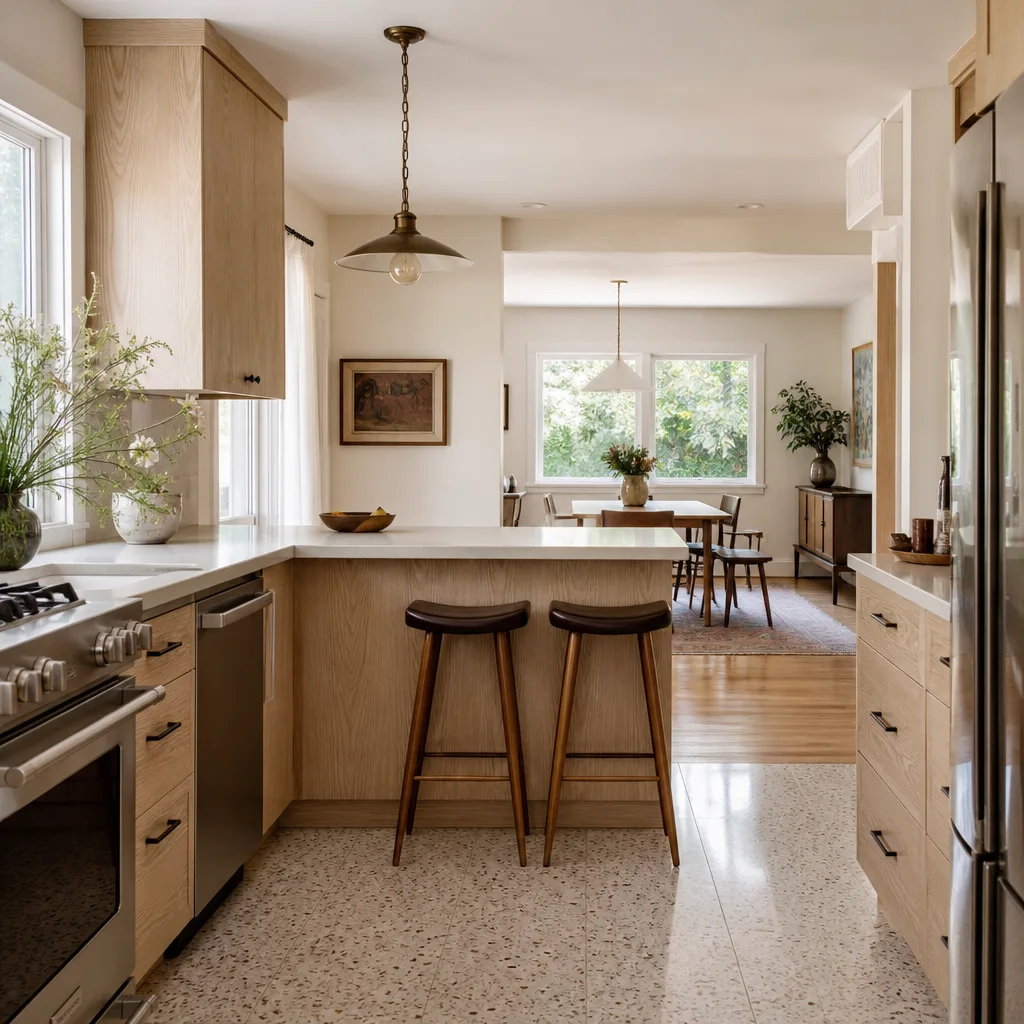
- Kitchen remodeling
- Bathroom remodeling
- Home additions & ADU
- Roofing
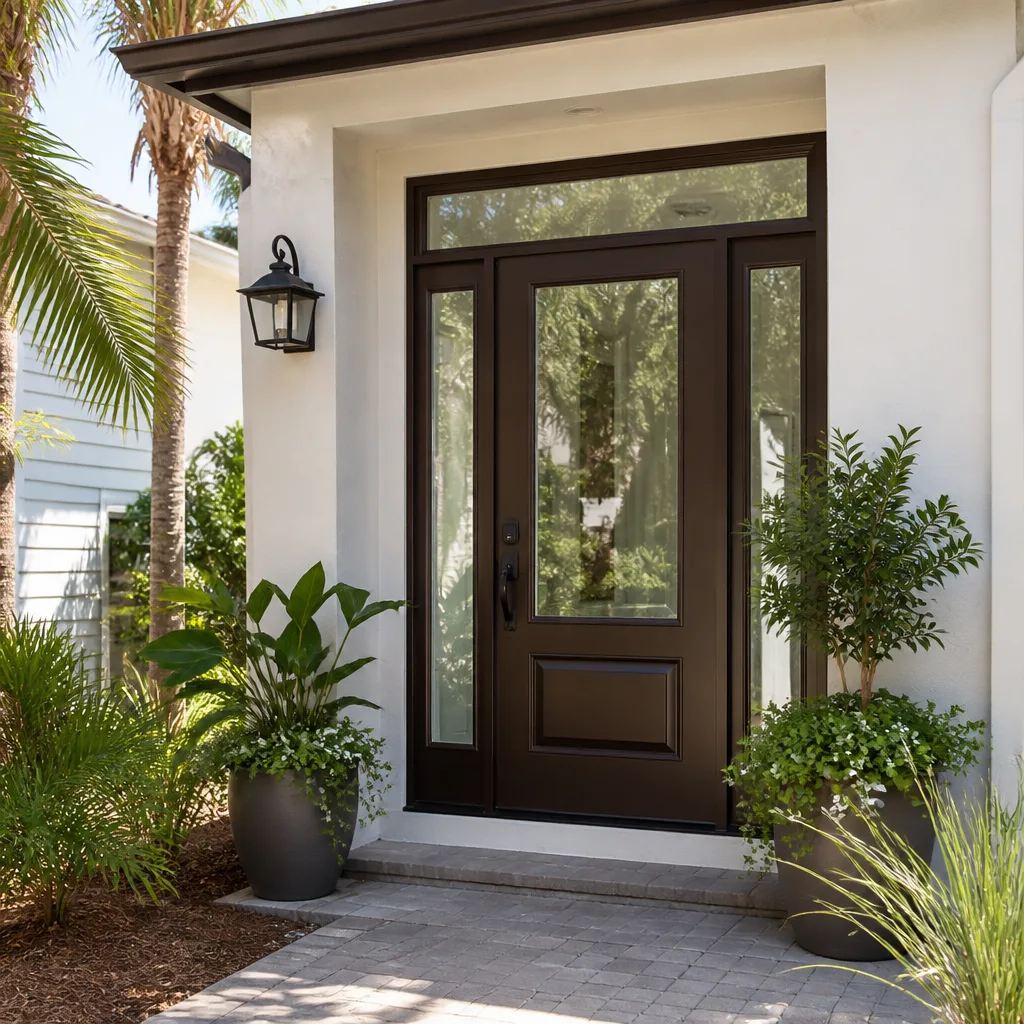
- Windows & doors
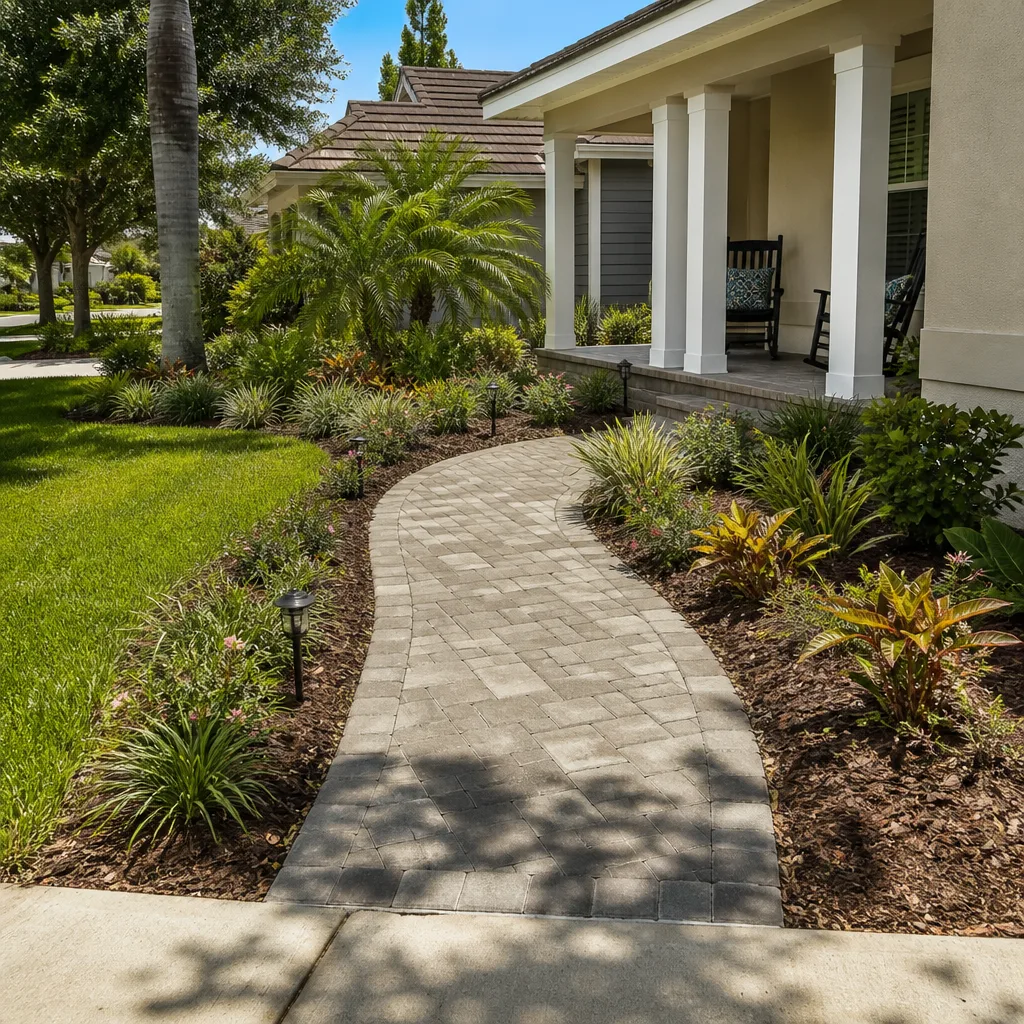
- Driveway & pavers
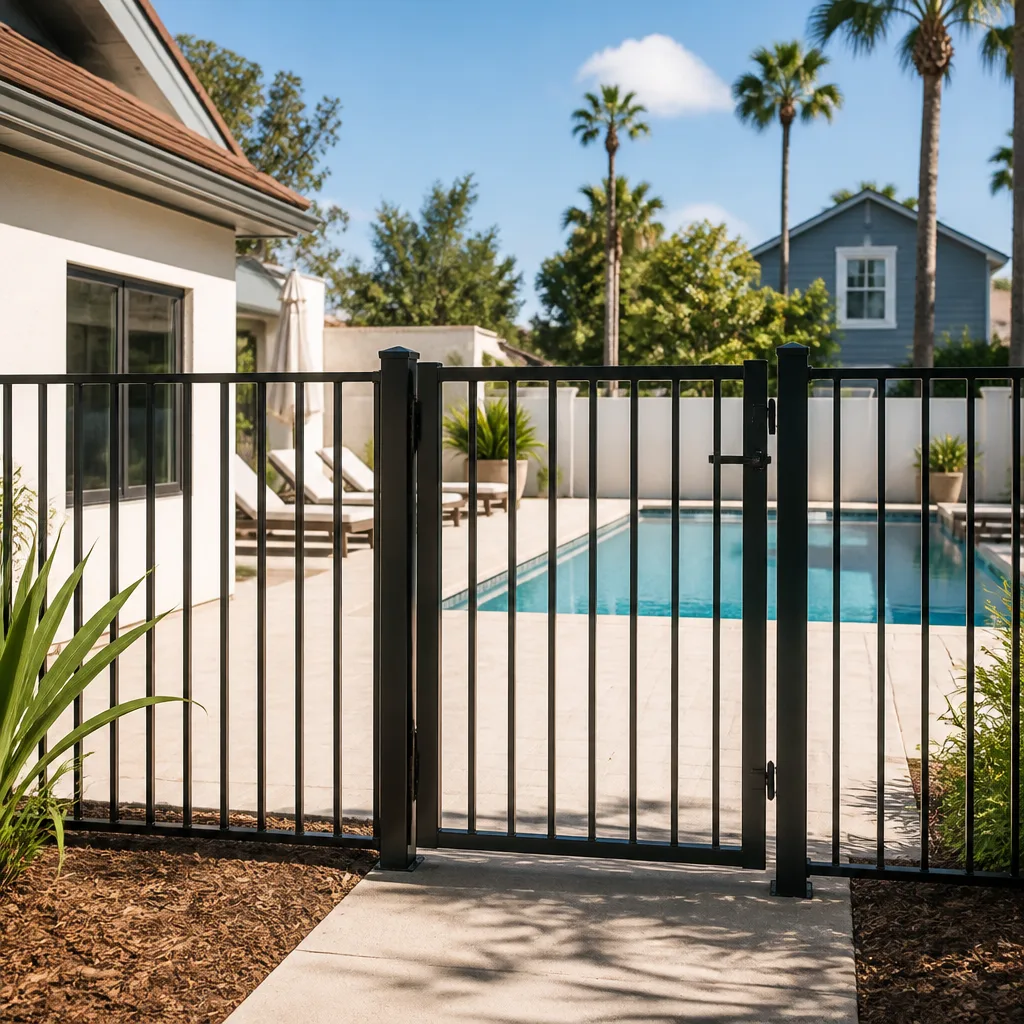
- Fence
Table of Contents
- Why Tustin’s Climate Rewrites the Brand Rulebook
- How to Read Manufacturer Climate Performance Specs
- What a Real Brand Partnership Means vs. a Logo on a Truck
- Where Brand Choice Matters Most in Tustin (and Where It Doesn’t)
- How to Verify a Contractor’s Brand Certification
- The 10-Year Cost of Ownership Math by Brand Tier
- Tustin Neighborhoods and What Each One Demands From Materials
- Questions to Ask Before You Sign
Why Tustin’s Climate Rewrites the Brand Rulebook
Tustin sits in a coastal-influenced inland valley with a specific combination of stressors that most national material specifications don’t fully address. Average summer highs push into the upper 80s and low 90s, and the sun angle from May through September delivers UV exposure that degrades pigments, sealants, and polymer binders faster than the national average. Meanwhile, the region gets roughly 13 inches of rain per year, almost all of it between November and March, and the clay-heavy soils common throughout Tustin and North Tustin swell with that moisture and shrink back hard in the dry months.
What that means in practice: a material that performs on a Midwest test plot may not perform on your Tustin property. The national warranty stays the same. The wear pattern doesn’t.
Three climate factors drive almost every premature material failure we see in Tustin:
- UV degradation. Southern California sun breaks down asphalt shingle granules, fades paver pigments, chalks exterior paint, and yellows cheap vinyl. Products rated for high solar exposure (often labeled “UV-stable” or carrying a Solar Reflectance Index of 29 or higher) hold up dramatically better.
- Thermal cycling. Day-night temperature swings of 25 to 35 degrees in spring and fall cause expansion and contraction. Materials with high thermal expansion coefficients (some vinyl sidings, thin composite decking) show fastener pullout and joint separation faster here.
- Clay soil movement. Expansive soils under driveways, patios, and slab-on-grade additions stress the base and the surfacing material. Rigid products without flexibility crack. Flexible or engineered-joint products survive.
Freeze-thaw is not a real threat in Tustin. The city sees essentially no hard freezes, so brands that lean on “freeze-thaw rated” in their marketing are solving a problem you don’t have. That’s an important filtering rule: ignore specs that address snow and ice, and weight heavily the specs that address sun and soil. This is where Northern and Eastern brand lore falls short. The brand that earned its reputation in Minnesota may be coasting on a reputation that has nothing to do with how it performs in Tustin.
How to Read Manufacturer Climate Performance Specs
Every legitimate construction product publishes a technical datasheet, and the numbers you want are almost always in there. The trick is knowing which three or four data points actually correspond to Tustin’s conditions and which are noise. Ask for the datasheet before you sign, and read it with the same scrutiny you’d apply to a loan document.
Here’s the checklist we walk our own clients through:
- UV resistance rating. Look for an ASTM G154 or G155 test reference, or a “UV-stable” claim with a stated test duration. Pigment fade is the number-one complaint on Tustin pavers and exterior siding. A brand that publishes UV test duration tells you how seriously it takes sun exposure.
- Solar Reflectance Index (SRI). Relevant mainly for roofing and paver surfaces. Higher SRI means the material reflects more solar energy and stays cooler. For Tustin roofs, cool-roof rated shingles (typically SRI 20 to 30 for steep-slope products) reduce attic heat load and meet Title 24 cool-roof standards when required.
- Thermal expansion coefficient. Expressed as a decimal (like 3.2 x 10⁻⁵ per °F). Higher numbers mean more movement under temperature swing. When comparing two products for the same application, the one with the lower coefficient (or a manufacturer-specified flexible expansion joint) will hold its joints longer in Tustin.
- Freeze-thaw rating. Note this, then largely disregard it. Tustin doesn’t freeze hard. Premature emphasis on freeze-thaw in a brand brochure is a red flag that the product was designed for a different market.
- Warranty language that names sun exposure. Read the exclusion list. Many “lifetime” warranties on siding and pavers have a clause excluding damage from “normal weathering” or “color change from UV.” That clause tells you the warranty doesn’t cover the single most common Tustin failure mode. A better brand names UV degradation explicitly and commits to a replacement window.
- Clay soil compatibility notes. For hardscape, look for guidance on base preparation for expansive soils. A paver brand that specifies an engineered base design for expansive clays is telling you it understands the ground you’re building on.
When we look at specs for a Tustin client, we frequently find that a mid-priced James Hardie siding product and a premium competitor carry nearly identical UV and thermal specs. The premium brand is selling finish systems, trim options, and installer network depth, not fundamentally better board performance. That’s not a reason to avoid the premium brand. It’s a reason to know what you’re paying the premium for.
What a Real Brand Partnership Means vs. a Logo on a Truck
Almost every contractor in Tustin has a logo decal from at least one major manufacturer on the truck. Very few contractors are actually certified, trained, and warranty-authorized by those manufacturers. The difference between those two realities is enormous, and it directly affects what happens when something fails.
A real brand partnership means:
- Installer certification. The manufacturer has trained and verified the crew on the correct installation method for their specific product, including regional variations for climate.
- Extended warranty eligibility. Most premium manufacturers offer an enhanced “certified installer” warranty on top of the base product warranty. Without certification, you may lose access to that extended coverage.
- Direct brand support on failures. When you’re a certified installer’s customer and a material fails, the manufacturer’s field rep shows up. When you’re a non-certified installer’s customer, the phone tree is longer and the answers weaker.
- Current product knowledge. Certified installers are trained on the current generation of a product line. Non-certified installers may be using last-generation methods that the manufacturer has since updated for climate.
A logo on a truck means almost nothing. It might mean the contractor bought enough product last year to hit a volume tier. It might mean a marketing rep gave them a decal. It might simply be an old wrap. None of that transfers warranty rights to you.
This is one of the reasons we hold ourselves to a curated list of brand partners rather than trying to stock every product our customers ask for. A short list we know deeply, are certified on, and can support from installation through warranty beats a long list we’ve never been trained on. From kitchen cabinetry and Cambria countertops through GAF and Owens Corning roofing systems and Andersen windows, the partnerships we maintain exist to provide real training and real warranty continuity, not decoration. Our Groundwork Construction Co. of Tustin home outlines the full scope of what those partnerships cover.
Where Brand Choice Matters Most in Tustin (and Where It Doesn’t)
Not all material categories carry the same brand risk. In our experience with Tustin projects, brand choice has a huge performance impact in some categories and almost none in others. Spending smart means knowing which categories deserve the premium and which don’t.
Brand choice matters most
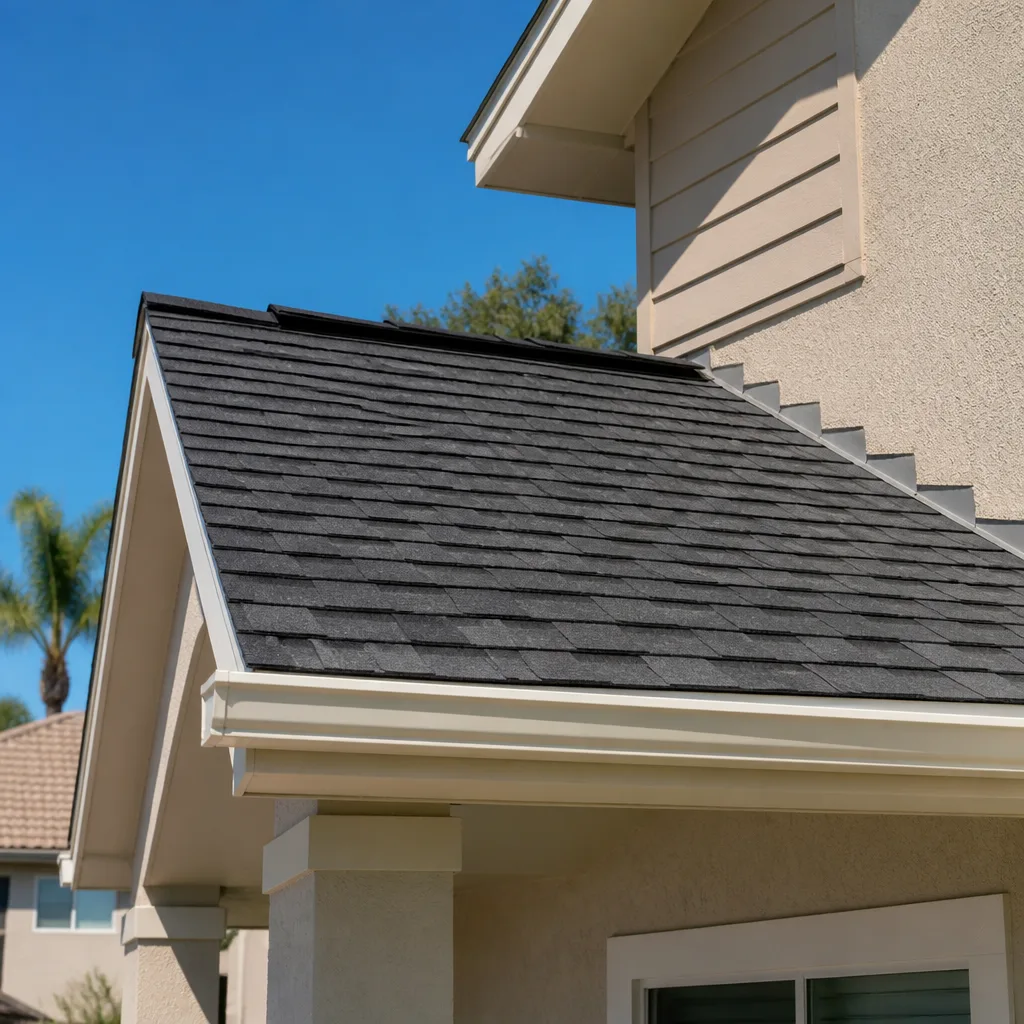
- Roofing. Shingle quality, granule adhesion, and heat resistance vary dramatically. GAF and Owens Corning shingles hold up measurably better than low-tier products under Tustin’s sun.
- Exterior siding. James Hardie fiber cement and similar premium products resist UV and moisture damage better than most vinyl. Vinyl in Tustin tends to chalk and fade long before its stated life.
- Windows and doors. Low-E glass coatings, frame materials, and seal quality are real differentiators. Andersen and Marvin windows resist thermal cycling here better than builder-grade imports.
- Hardscape pavers. Color-fastness and joint stability separate the tiers. A premium paver carries its color through the full thickness. A cheap paver is surface-coated and shows it within a few summers.
- Exterior paint and coatings. UV-stable exterior coatings add years to siding life. This is one category where the premium genuinely pays back.
Brand choice matters less
- Interior drywall and framing lumber. Building code sets the standard and most name brands perform identically. Premium here is about consistency and availability, not performance.
- Interior plumbing rough-in. PEX and copper both do the job. Brand tier matters far less than correct installation.
- Concrete (ready-mix). Local batch plant quality beats national brand reputation. Tustin’s aggregate and water quality are the drivers, not the label on the truck.
- Interior insulation (batts). R-value and fit are what matter. Brand premiums here rarely return measurable performance.
- Interior trim and millwork (unfinished). The finish coat that goes on top matters more than the substrate under it, for the interior at least.
A good rule of thumb: pay the premium on surfaces the sun touches and on systems that move with temperature. Use mid-tier products for things that live indoors and don’t cycle. For kitchens and bathrooms specifically, brand tier matters most where the product is exposed to moisture or thermal stress (countertops like Cambria, fixtures like Kohler), and less where it’s simply decorative or hidden. Our Home Additions & ADU in Tustin work follows the same principle: premium on the envelope, mid-tier on interior systems.
How to Verify a Contractor’s Brand Certification
Verification takes fifteen minutes and saves years of warranty headaches. If your contractor claims certification, ask for proof. Most major brands publish contractor directories you can check in seconds.
- Ask for the manufacturer’s certification page or directory listing. GAF publishes a “Find a Contractor” tool that lists certified installers. Owens Corning, James Hardie, Andersen, Cambria, and other premium brands maintain similar directories. If the contractor isn’t listed, they aren’t certified.
- Ask what training the certification requires. A real certification involves factory training, an installation test, and continuing education. A marketing program involves a license fee. Ask which one it is.
- Ask what warranty extension certification unlocks. Premium manufacturers like GAF offer enhanced system warranties (like the Golden Pledge or Silver Pledge tiers) only through certified installers. If your contractor advertises the product but can’t offer the enhanced warranty, the certification may not be real.
- Ask for reference addresses in Tustin specifically. Brand-certified contractors should be able to point you to past jobs the brand knows about and supports.
- Confirm in writing which warranties transfer to you and for how long. The answer should be in your contract, not a verbal promise.
If a contractor can’t produce the certification directory listing, or the directory listing doesn’t match your contractor’s business name, treat the “we install brand X” claim with caution. Sometimes the debranded reality is that the crew installs product from a similar-sounding brand that isn’t the one you thought you were buying. Ask to see the material delivery ticket before installation begins.
We guide our own clients through this verification step as part of the estimate conversation. Certification isn’t a marketing claim for us; it’s how we maintain the 730-Day Done Right Promise. If a material fails inside that window because a certification-backed installation spec wasn’t followed, we make it right. That commitment only makes sense if the brand and installation specs are real.
The 10-Year Cost of Ownership Math by Brand Tier
Homeowners usually compare bids on the up-front number. That comparison hides the real cost. A brand-tier decision should be compared on 10-year total cost of ownership: installation plus maintenance plus likely replacement over a ten-year horizon. Here’s how the math typically runs for the most common Tustin projects.
Roofing (asphalt shingle, typical Tustin 1,800 sq ft ranch)
- Premium tier (GAF or Owens Corning certified system): install around $16,000 to $22,000, maintenance $400 to $600 total over 10 years (annual inspection and minor flashing work), replacement not expected. 10-year total: roughly $17,000 to $23,000.
- Mid tier (name-brand product, non-certified install): install around $12,000 to $16,000, maintenance $800 to $1,200, likely partial replacement of failed sections around years 8 to 10 given UV and thermal cycling. 10-year total: roughly $15,000 to $20,000 plus the disruption.
- Low tier (builder-grade import): install around $9,000 to $12,000, maintenance $1,000 to $1,500 in sealants and patching, likely full replacement around years 8 to 11. 10-year total including replacement: roughly $22,000 to $28,000.
The premium tier frequently ends up the cheapest over a decade, and it delivers a warranty that survives the ten years.
Driveway pavers (typical Tustin 600 sq ft driveway)
- Premium tier (Belgard or equivalent, color-through paver): install around $10,000 to $14,000, joint sand replenishment at year 4 or 5 ($400 to $600), no fade correction expected. 10-year total: roughly $11,000 to $15,000.
- Mid tier: install around $7,500 to $10,000, joint sand twice, color fade correction (sealing and pigment refreshing) at year 5 or 6 ($1,200 to $1,800), settlement correction likely given clay soil. 10-year total: roughly $10,000 to $14,000.
- Low tier (surface-colored pavers): install around $5,500 to $8,000, joint sand annually, color loss after year 3, full re-seal or replacement by year 8 to 10. 10-year total including rework: roughly $12,000 to $17,000.
Driveway work in Tustin also needs to solve the expansive clay base problem, which is where the real cost separation often lives. A cheaper paver over a marginal base fails the fastest. Our Driveway & Pavers in Tustin page covers the base design conversation in more detail.
Windows (whole-house replacement, 8 to 12 units)
- Premium tier (Andersen or Marvin): install around $18,000 to $28,000, negligible maintenance over 10 years, no seal failure expected. 10-year total: essentially the install price.
- Mid tier (quality domestic brand): install around $12,000 to $18,000, seal failure on 1 or 2 units in years 8 to 10 (typically $600 to $1,200 per unit correction). 10-year total: roughly $14,000 to $21,000.
- Low tier (import): install around $8,000 to $12,000, seal failure on 2 to 4 units by year 8, replacement of failed units at higher labor cost, frame warping in thermal cycling. 10-year total: roughly $13,000 to $18,000.
Warranty language drives the real difference in this category. Low-tier windows often exclude seal failure beyond the first few years, which means you’re paying out of pocket in the window where seal failure actually happens.
If you build a spreadsheet and put the premium tier against the low tier for all three projects side by side, they land within 10 to 20 percent of each other on 10-year total cost. The premium earns back its price in avoided rework and stress. That’s the math we run with our own clients before every big-ticket brand decision, and it’s why we’re willing to put a fixed upfront price on the work and back it with a 730-Day Done Right Promise rather than change-order our way through.
Tustin Neighborhoods and What Each One Demands From Materials
Tustin is not one climate zone. The material spec that works in one neighborhood can underperform in another by a meaningful margin. Here’s how we read the local map when we choose brands for a project.
- Old Town Tustin and the Tustin Historic District (roughly First through Sixth Street). Much of the housing stock dates to the 1920s through 1940s, and historic design review may restrict exterior material choices. Windows and exterior siding in this area often need to match original profiles, which narrows the brand field to manufacturers that produce period-correct profiles (Marvin and Andersen both do).
- Tustin Ranch. Hotter, sun-exposed, and closer to the foothills. UV and wildfire-adjacent requirements weigh heaviest here. Roofing should be cool-rated and Class A fire-rated where WUI (wildland-urban interface) rules apply. Siding should resist heat and cyclic movement. Windows need strong Low-E coatings on west- and south-facing walls.
- North Tustin. Larger lots, more expansive clay, and generally more architectural variety. Hardscape and paver choices dominated by soil stability. Driveways and patios in this area need engineered base design and flexible joint systems to handle the clay swell-and-shrink cycle.
- Columbus Square, Mandeville, and the neighborhoods east of the 5. Older tract housing with mid-century to 1970s stock. Window thermal performance is often the biggest single improvement available. Roofing replacement often pairs with attic insulation upgrades.
- Peppertree and neighborhoods near the 55. Mixed-age housing stock where the biggest material risk is over-buying at the premium tier where mid tier performs identically. Interior work here can use mid-tier products confidently.
What the neighbor chose is a useful data point in Tustin, but it’s a weak one on its own. The same shingle that performs on a shaded Tustin Ranch north slope may underperform on a sun-blasted west-facing roof two streets away. The neighborhood tells you the climate context. The specific site tells you the specific answer. Our Fence Installation in Tustin process walks the property line for this reason; sun exposure and soil conditions can vary meaningfully from one side of the lot to the other.
Common Mistakes to Avoid
- Choosing brands on curb appeal and magazine covers instead of published climate specs. A premium brand that publishes strong UV and thermal ratings is a good choice. A premium brand with a great rug-tufted brochure and vague technical data is an expensive hedge that may not perform any better than its mid-tier competitor. Always read the datasheet before the lookbook.
- Assuming the warranty solves the performance problem. Most residential exterior warranties exclude “normal weathering” and “UV color change,” which are the two most common Tustin failure modes. A long warranty that doesn’t cover sun damage is worth very little in this climate.
- Ignoring the clay soil base beneath the visible product. Pavers, driveway surfacing, patios, and even pool decks fail from the base up in Tustin’s expansive clays. A premium surface over a marginal base fails faster than a mid-tier surface over a properly engineered base. Spend on the base first.
- Accepting a contractor’s brand claim without checking the certification directory. If the manufacturer’s website doesn’t list the contractor, the extended warranty coverage you’re counting on may not exist. Fifteen minutes of directory-checking here is worth the effort.
- Believing freeze-thaw ratings matter here. Tustin’s climate barely freezes. Brands that hammer freeze-thaw in their marketing are solving a problem you don’t have. Redirect that scrutiny to UV, thermal cycling, and clay soil compatibility.
- Over-buying on interior categories where brand premiums buy no performance. Standard drywall, interior plumbing rough-in, and concrete ready-mix are categories where a mid-tier product performs the same as a premium one. Spend the premium on the sun-exposed and temperature-cycling parts of the project, not on the parts that live indoors and stable.
- Skipping the change-order conversation upfront. Many bids look competitive because they’re missing scope items (decking, flashing, base prep) that the contractor will bill later at a change-order premium. The bid that lands low and grows by 20 percent during execution is a brand decision problem as much as a pricing problem. Ask for a written line-item quote before signing.
See the difference
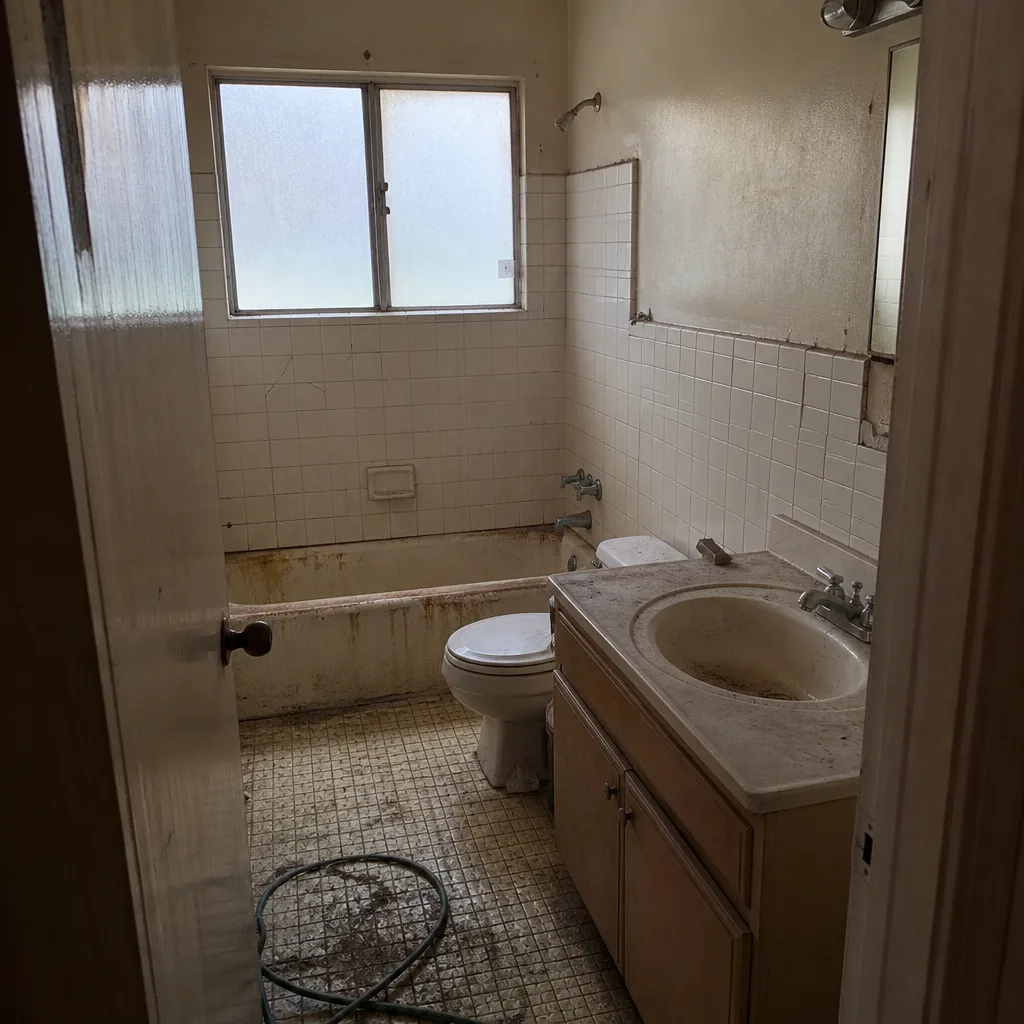 Before
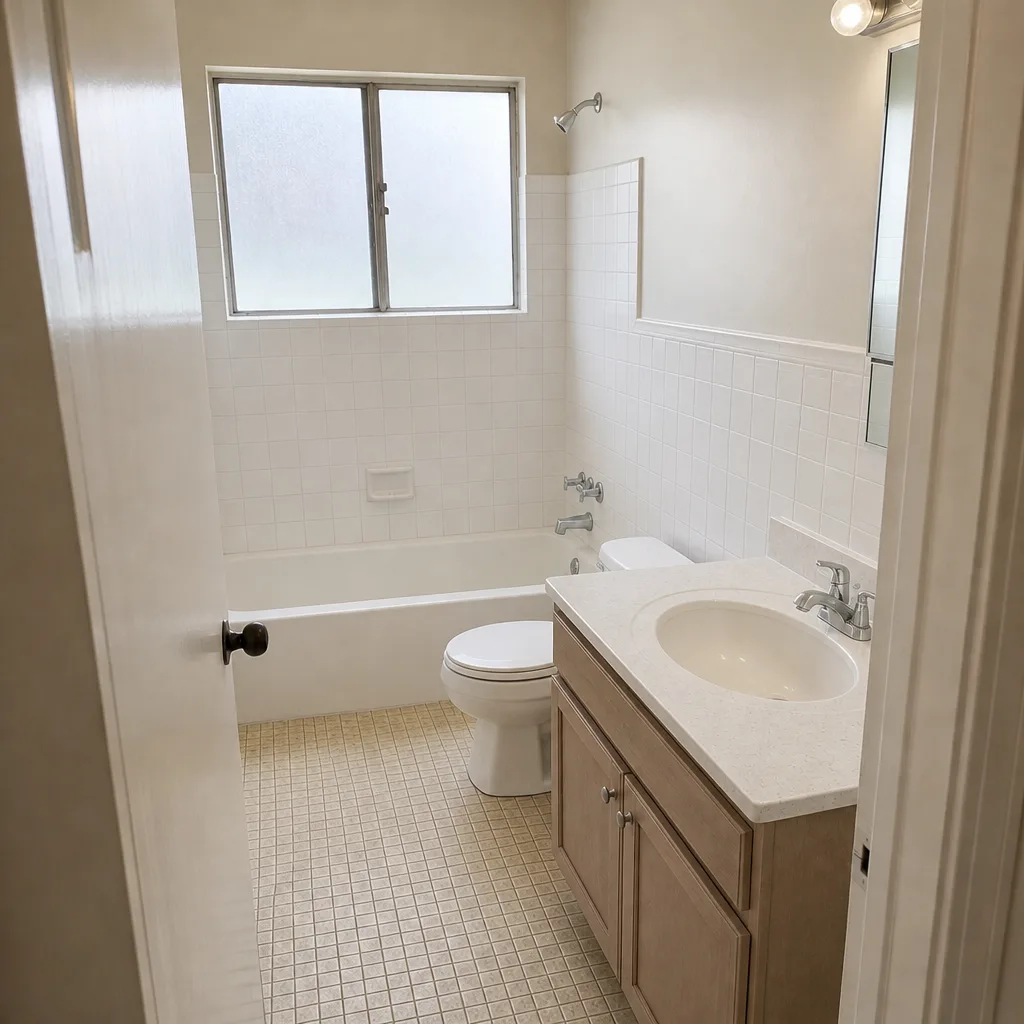 After
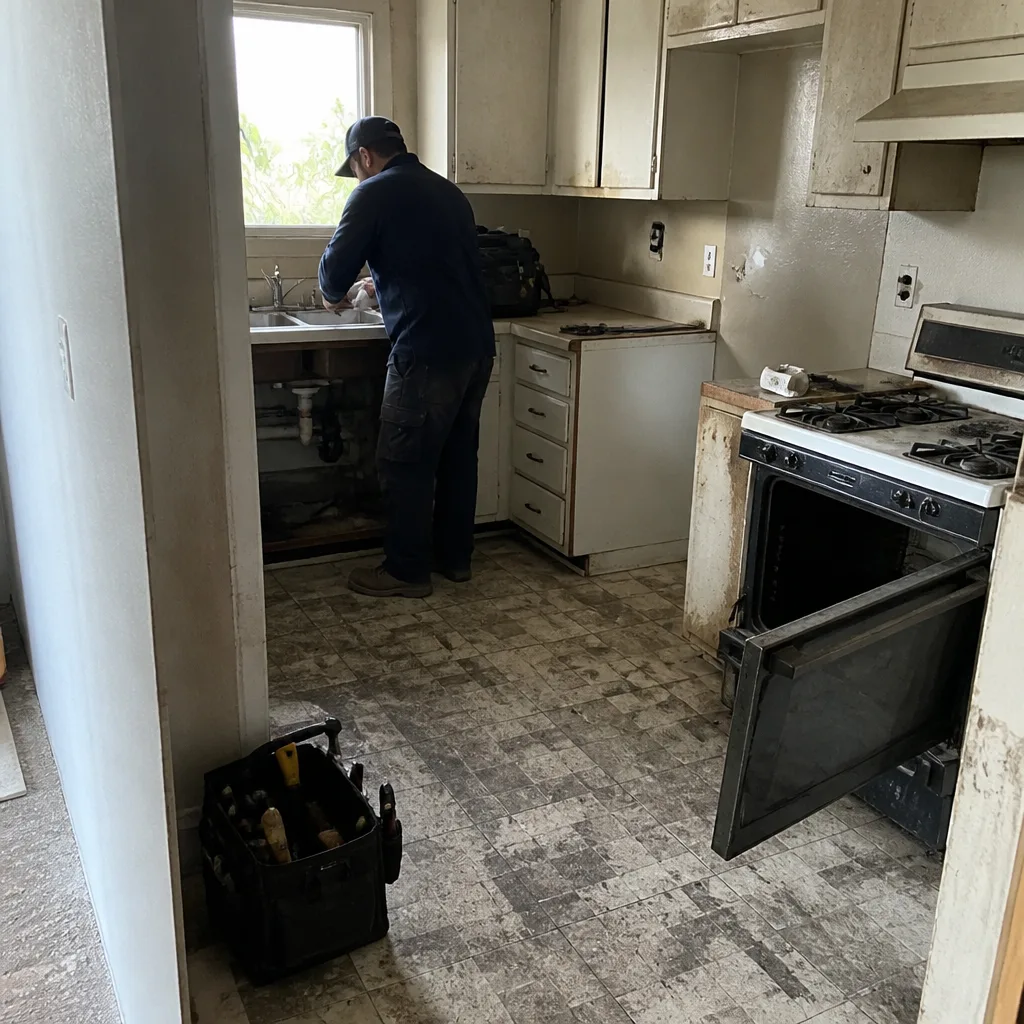 Before
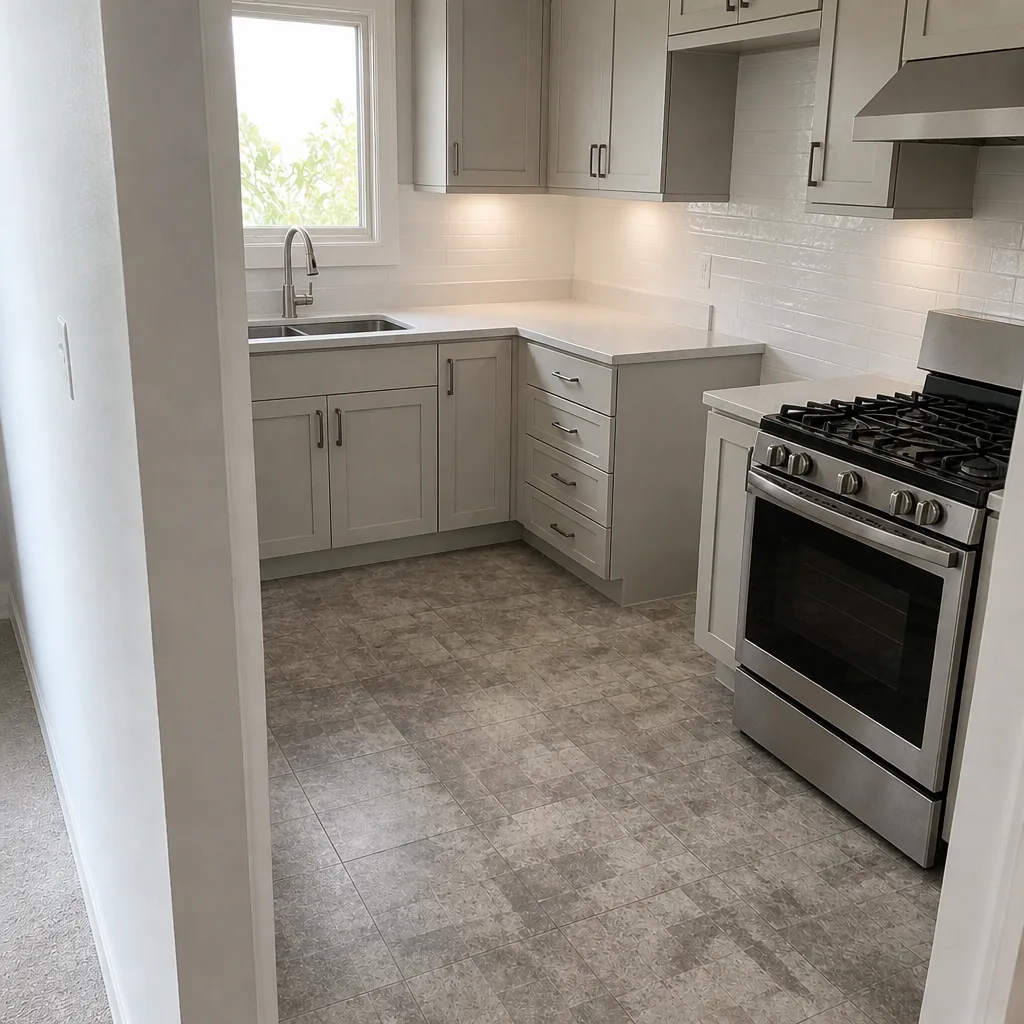 After
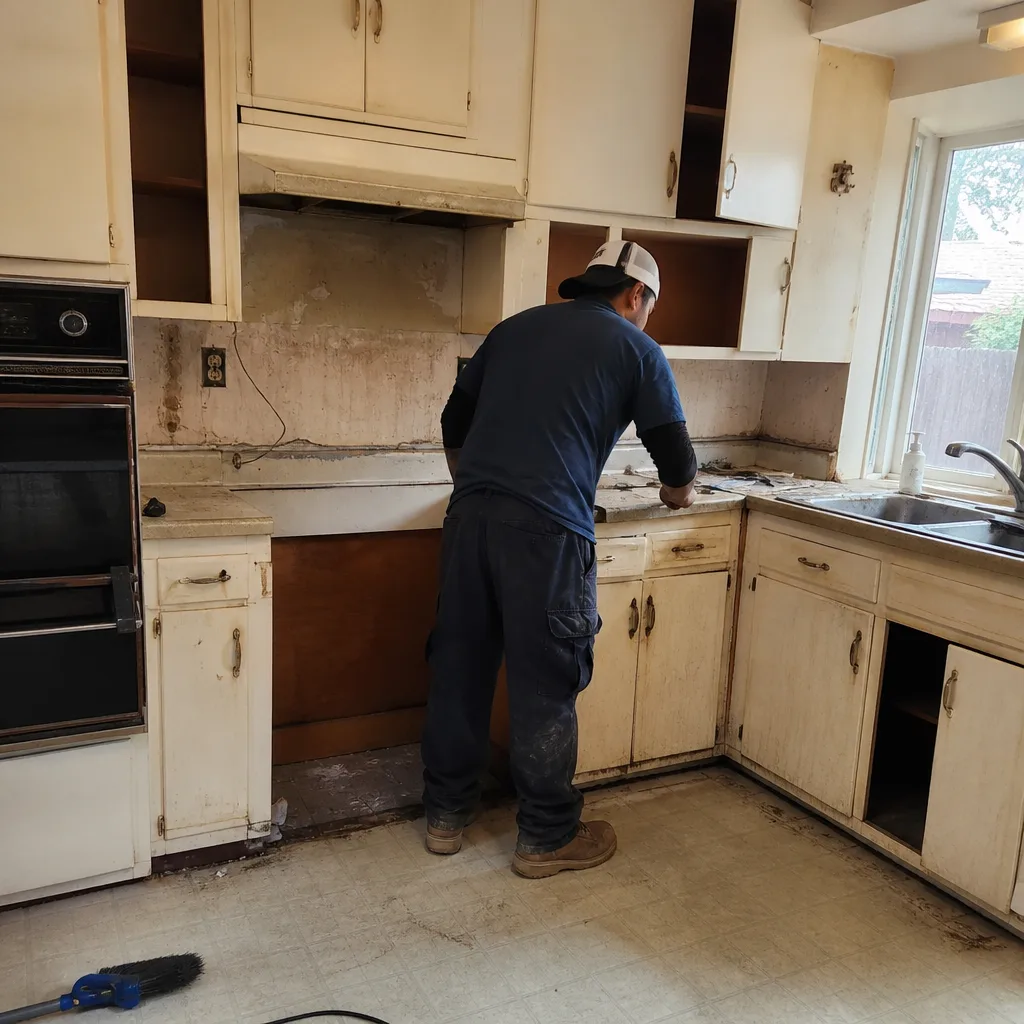 Before
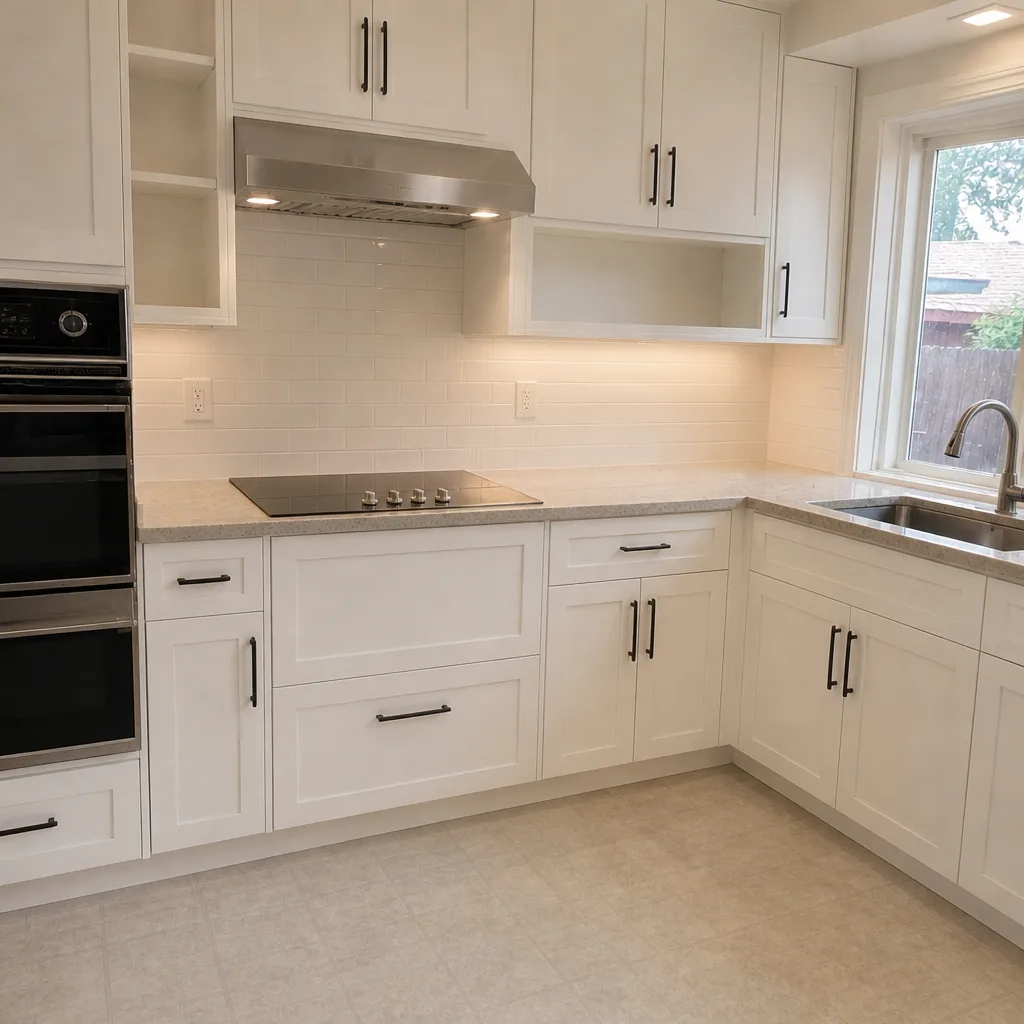 After
When to Call a Professional
Some brand and warranty decisions are safe to research on your own. Some aren’t. Call a licensed Tustin construction professional when the project involves any of the following: roof replacement on a two-story home or in a WUI (wildland-urban interface) zone where fire-rated assemblies and cool-roof compliance apply; whole-house window replacement where thermal performance and Title 24 compliance are involved; driveway, patio, or hardscape work over expansive clay where base design is the difference between performance and failure; and any concrete, structural, or permit-pulling work on a home addition or ADU. The certification and warranty questions we walked through above are also worth a professional conversation for big-ticket decisions, because the brand-directory answer isn’t always intuitive. Groundwork Construction Co. of Tustin offers free project estimates in Tustin – call (833) 954-6066 for a written, line-item quote. Every project we take on is covered by our 730-Day Done Right Promise, and our technicians (up to 12 years of experience across trades) arrive on-site background-checked and in uniform so the brand conversation and the installation conversation happen with the same people.
Frequently Asked Questions
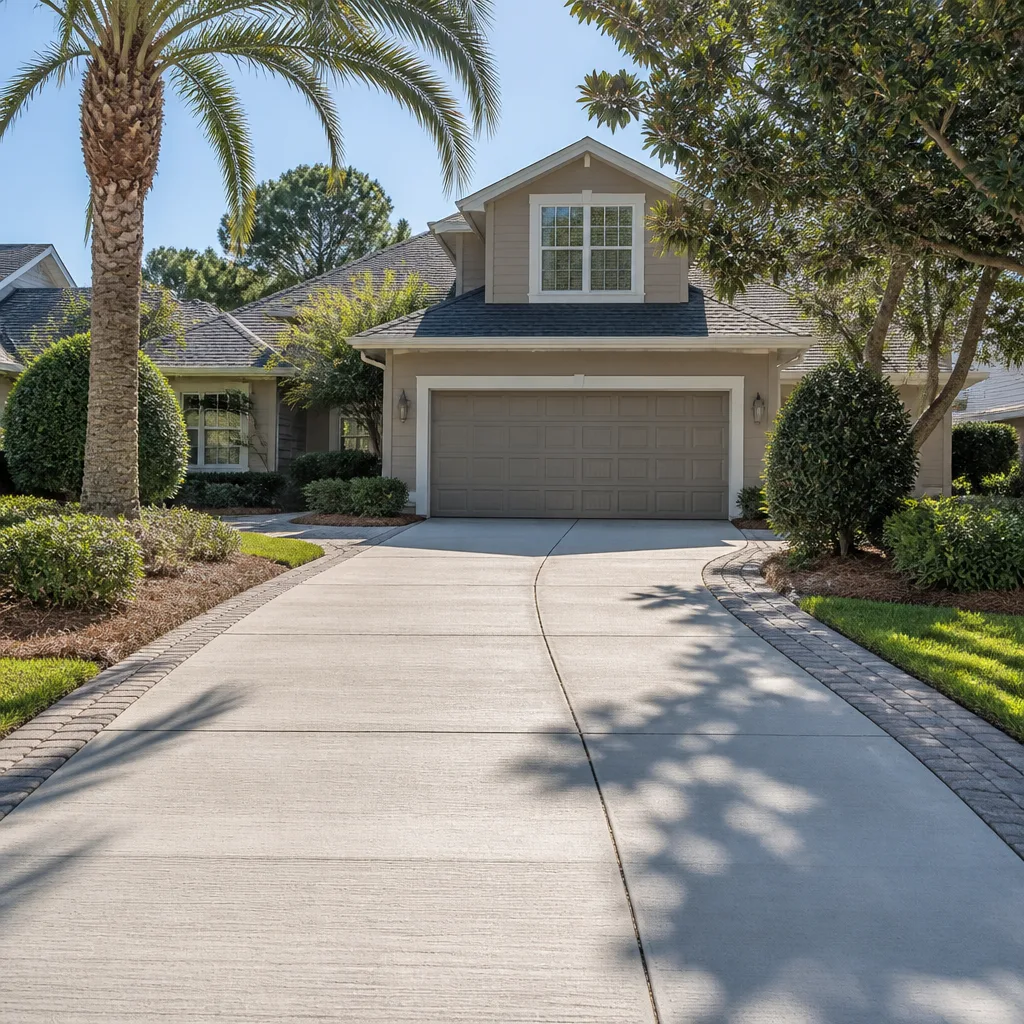
For sun-exposed exterior surfaces, the brands with published high-UV and cool-roof ratings perform measurably better: GAF and Owens Corning on roofing, James Hardie on siding, Andersen and Marvin on windows, and Belgard on pavers. For interior surfaces and rough-in, mid-tier brands frequently perform identically to their premium competitors. The right brand depends on the climate stress the specific material will face on your specific Tustin property. Call (833) 954-6066 for a free estimate that names the specific products and data behind each choice.
No. Warranty length is a weak signal in this climate. Read the exclusion list. If the warranty excludes “normal weathering” or “UV color change,” which are Tustin’s two most common failure modes, the length of the warranty is largely decorative. The brands worth paying for publish UV test data and commit to replacement coverage that names solar exposure specifically.
Check the manufacturer’s directory. GAF, Owens Corning, James Hardie, Andersen, Marvin, Cambria, and most premium brands publish a “find a certified contractor” tool that lists every certified installer. If your contractor isn’t listed, they’re not certified, and the extended warranty you’re counting on likely doesn’t exist. Ask for the directory listing and match the business name exactly before signing.
Usually yes, but not for the reason most buyers assume. The premium paver earns its cost through color-through pigment (not surface coating) and through better joint stability under thermal cycling. Over 10 years on a Tustin driveway, premium pavers typically total $11,000 to $15,000 against $12,000 to $17,000 for surface-colored low tiers once rework is factored in. The premium wins on the cost math, not just the warranty.
Barely. Tustin’s climate almost never freezes hard enough to stress materials through freeze-thaw cycling. Brands that tout freeze-thaw ratings are solving a problem you don’t have. Redirect that scrutiny to UV resistance, thermal expansion coefficient, and clay-soil compatibility, which are the specs that actually predict failure in this climate.
Tustin Ranch needs the most premium on exterior UV-exposed surfaces (roofing, siding, windows) because it’s hotter and more sun-exposed. North Tustin needs the most premium on hardscape and driveway base engineering because of expansive clay. Old Town Tustin may need period-correct window and siding profiles that narrow brand choices. Peppertree and neighborhoods near the 55 can often use mid-tier products confidently, especially for interior work, where mid-tier performs identically to premium. Call (833) 954-6066 to walk through your property and see which category applies.
The Bottom Line
The best construction brand for a Tustin home isn’t the one with the biggest ad budget. It’s the one whose published climate specs match Tustin’s UV load, thermal cycling, and expansive clay, whose certification you can verify in a public directory, and whose warranty actually covers the failure modes this climate produces. Pay the premium on sun-exposed and temperature-cycling surfaces where brand choice moves performance. Use mid-tier products confidently on interior categories where it doesn’t. Run the 10-year cost math before you sign, not after. And verify the contractor’s certification on the brand’s own site, because the logo on the truck tells you nothing about your warranty coverage.
Groundwork Construction Co. of Tustin brings all of this into a single conversation, from the brand-selection walkthrough to the written line-item quote and the 730-Day Done Right Promise behind it. Every project starts with a free estimate and design consult, upfront pricing with no surprises, and 0% financing for 18 months with $1,000 off projects over $10,000. Call (833) 954-6066 to schedule your free estimate and start the brand conversation with the people who will actually install it.
Written by the team at Groundwork Construction Co. of Tustin.