Last updated November 17, 2026




Free written scope consultation - allowances, timeline, and change-order rules on paper before a single trade is scheduled
The Complete Guide to Construction in Tustin
Tustin sits in one of Southern California’s most geologically and climatically layered zones. Expansive clay soils push and pull at flatwork, coastal marine layer fog works its way into every gap and seal on a house, and Santa Ana wind cycles hammer roofing and windows with gusts that can hit 60 mph in the canyons. Most generic construction guides ignore all three of these factors. This guide doesn’t. What follows is an infrastructure-first look at how homes in Tustin actually age, where they fail, and how to sequence work so you spend less over the life of your ownership. You’ll learn how Tustin soil changes foundation and drainage decisions, why project order matters more than project budget, and how to avoid the permit and sequencing errors that cost local homeowners real money.
Quick Answer
Construction in Tustin should be managed as sequenced infrastructure upkeep, not crisis response. The highest-return approach is to (1) understand your property’s soil and construction history, (2) fix water management and drainage before anything cosmetic, (3) group trades that share permits and scaffolding, and (4) hire for verified accountability rather than the lowest bid. Homeowners who plan in this order typically save 20 to 40% over their ownership lifetime compared with reactive, out-of-order repairs. Tustin’s expansive clay soils and wind-driven rain make water control and roof/window integrity the two most urgent priorities in most homes here.
Styles & brands we work with
- Kitchen remodeling
- Bathroom remodeling
- Home additions & ADU
- Roofing
- Windows & doors
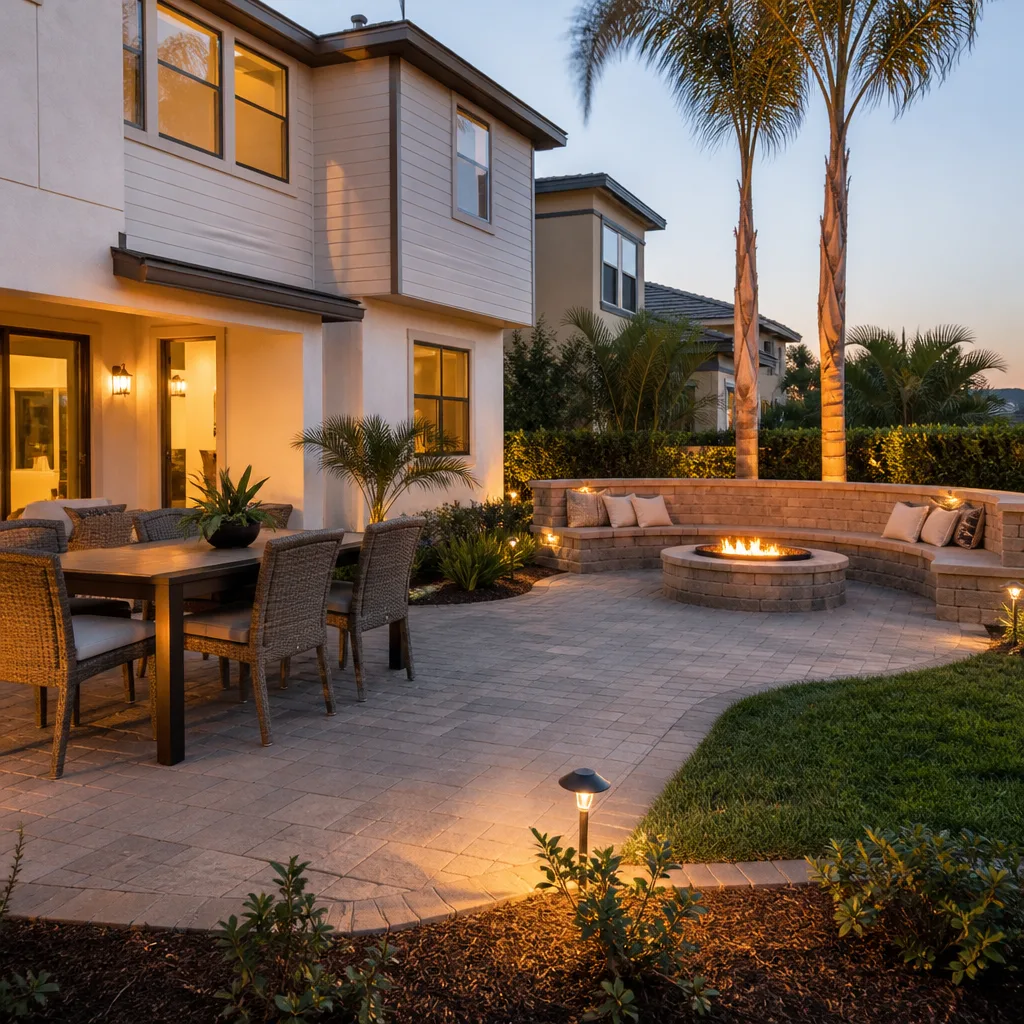
- Driveway & pavers
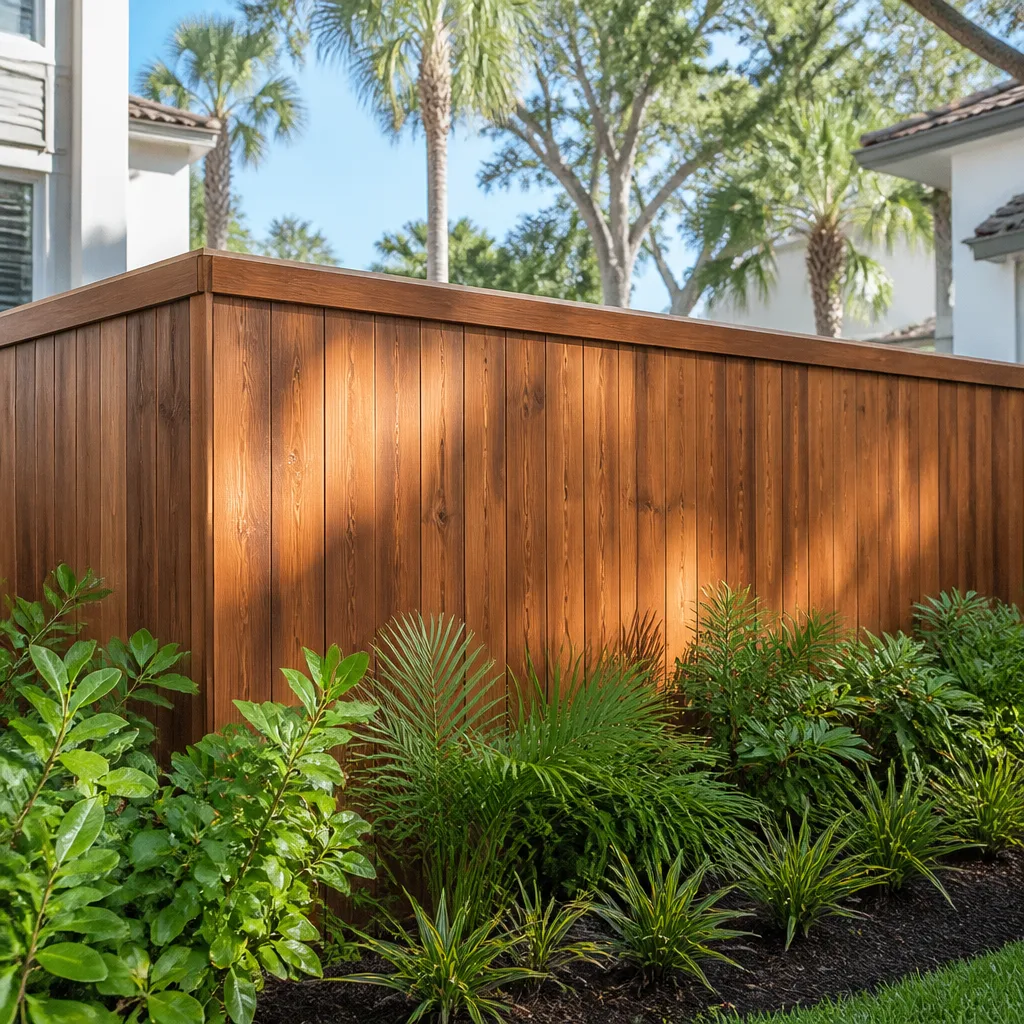
- Fence
Table of Contents
- Why Tustin Construction Is Different From the Rest of Orange County
- How Tustin’s Expansive Clay Soil Affects Foundations, Flatwork, and Drainage
- The Sequencing Logic: Why Project Order Costs More Than Project Choice
- Tustin Permit Jurisdiction vs. County Overlaps: Where Homeowners Get Tripped Up
- How to Read a Property’s Construction History Before You Plan Anything
- What a Full-Scope Partner Actually Means vs. a GC Who Subs Everything Out
- Neighborhood Realities: Old Town, North Tustin, Tustin Ranch, and Columbus Square
- The Proactive Maintenance Calendar That Saves Tustin Homeowners 20 – 40%
Why Tustin Construction Is Different From the Rest of Orange County
Tustin isn’t a single climate or a single soil type. It’s a stacked set of micro-zones, and each one asks something different of the homes built on it. Old Town Tustin, laid out around the 1870s, has mature trees and original (or heavily remodeled) 1920s-era bungalows sitting on silty alluvium. North Tustin climbs into the foothills, where expansive clay and slope drainage come into play. Tustin Ranch and Columbus Square are newer master-planned tracts with engineered fill and cast-in-place flatwork that is now reaching the age where sealant failure and differential settling start to show.
The climate layers on top of all this. Coastal marine layer fog rolls in most summer mornings, and if it hasn’t burned off by 10 a.m., your walls and windows have been sitting in condensation for hours. Santa Ana winds come from the opposite direction, dry and hot, pushing through the canyons toward the coast at gusts that routinely reach 40 to 60 mph. Roofs, windows, and fence lines take the brunt of both.
In our experience, Tustin homes built between 1975 and 1995 tend to fail in a predictable order: first the original single-pane windows and sliding doors (fog seal failure), then the roof underlayment (dry rot at valleys and penetrations), then the flatwork (cracking at driveways and patio slabs from clay movement). Knowing that order helps you budget for what’s likely to need attention next, rather than waiting for a failure to force your hand.
If you want a deeper local reference on how we approach projects specific to this market, we cover that on the Groundwork Construction Co. of Tustin home page.
How Tustin’s Expansive Clay Soil Affects Foundations, Flatwork, and Drainage
Much of Tustin sits on some version of clay-heavy soil. Expansive clay swells when it absorbs water and shrinks when it dries out. That cycle repeats every rainy season and every dry summer, and it puts a slow, rhythmic pressure on anything that touches the ground.
What expansive clay does to a foundation
On a slab-on-grade home (the most common construction in Tustin Ranch, Columbus Square, and much of the 1980s tract housing), the swelling and shrinking shows up as hairline cracks along the perimeter, sticking doors and windows during the wet season, and small gaps between the sill plate and the exterior wall. These aren’t necessarily failures, but they are signals that the soil is moving. On raised-foundation homes in Old Town Tustin, the same movement shows up as floor sag and framing deflection.
What it does to flatwork
Driveways, patios, and sidewalks in Tustin crack faster than in neighboring cities on sandier ground. A properly designed driveway or patio for this market includes thicker base, deeper footings on any attached structure, and control joints at tighter spacing than what you’d spec in, say, Huntington Beach. When a contractor shows up with a one-size-fits-all flatwork spec, ask why it fits Tustin specifically. If there’s no answer, that’s your answer.
What it means for drainage
Expansive clay drains poorly. Water that pools next to a foundation will eventually wick through the clay and around the slab. That’s why grading, French drains, and hardscape height matter so much here. Base hardscapes around the house should slope away at roughly 2% for the first six feet. Any driveway, patio, or walkway that slopes back toward the house is doing the opposite of its job. We build for that in every Driveway & Pavers in Tustin project.
- Signs of clay movement: hairline cracks at the foundation perimeter, doors that stick in winter and clear in summer, pulling trim or caulk joints at window frames.
- Signs of drainage failure: standing water after rain, damp or efflorescence stains at the base of the foundation, cracks that follow a consistent direction.
- Signs of settling: trip hazards at sidewalk joints, dips in the driveway that hold puddles, uneven thresholds.
If you’re seeing more than two of those, get the drainage and grading scope onto paper before you spend money on anything cosmetic. Foundation repair is expensive; a French drain and a re-graded side yard is not.
The Sequencing Logic: Why Project Order Costs More Than Project Choice
Most homeowners budget for a single project at a time: “We want a new kitchen this year, then the roof next year, then the backyard the year after.” That feels efficient because each project is small. It isn’t efficient. Trades overlap, scaffolding gets rented twice, permits get pulled twice, and inspections reopen walls that were just closed.
Here’s the sequence we use on full-scope projects in Tustin, and the logic behind it.
- Water management first. Grading, drainage, gutters, and downspout routing. Nothing else makes sense until water runs away from the house correctly.
- Envelope second. Roof, windows, doors, siding, and exterior sealants. A new roof is pointless if the windows are leaking right next to it, and vice versa.
- Hardscape and structural third. Driveways, patios, fences, and any structural work like home additions. Do this after envelope work so scaffolding and heavy equipment are done stressing the slabs.
- Interior last. Kitchens, bathrooms, and interior finishes. Do these after everything that could cause a water leak or dust storm has already happened.
Flip that order and you get the classic Tustin mistake: a beautiful new kitchen installed, then a roof leak two years later that ruins the ceiling above it, then a repair crew that has to cut and repatch the finished ceiling and repaint. The kitchen gets damaged, the ceiling gets damaged, and the owner pays twice for the same square footage. We’ve seen this happen more than once, and the dollar gap between the sequenced version and the reactive version is reliably 20 to 40%.
Scheduling matters here too. Santa Ana wind season runs roughly October through March, which is a bad window for roof work and any elevated exterior trade. Envelope work goes down in spring and early summer; interior trades fill in October through January. If you’re on a fixed timeline, that alone can save you rescheduling costs.
For larger projects where sequencing gets complicated, see our Home Additions & ADU in Tustin guide for how we plan multi-phase builds.
Tustin Permit Jurisdiction vs. County Overlaps: Where Homeowners Get Tripped Up
Tustin is its own permitting city, but that doesn’t mean every address in and around Tustin is in Tustin’s jurisdiction. That’s the first thing homeowners get wrong.
City of Tustin vs. unincorporated areas
If you’re inside the Tustin city limits, your permits go through the City of Tustin’s Building & Safety Division. If your address is technically unincorporated county land (some pockets north and east of the city, plus parts of the canyon edges), your permits go through Orange County. If you live in a homeowners association, the HOA gets its own review that runs parallel to the city’s and doesn’t replace it.
Getting this wrong can add three to six weeks to a project, and in some cases forces a redesign because a county-setback property line isn’t where the owner assumed it was.
What actually needs a permit
In our experience, the permits homeowners most often forget are:
- Replacing or adding a fence above 6 feet in height, or any fence in the front setback.
- Reroofing when the substrate or sheathing is being replaced (a simple reroof over existing underlayment sometimes stays over-the-counter, but it’s worth confirming).
- Converting a garage to living space, even if you’re not adding square footage.
- Any new gas or electrical run, including the ones that feel small (heated towel bar, EV charger, mini-split, outdoor kitchen).
- Repiping or replacing a main water line.
Why the permit process here is actually a good thing
Tustin’s inspection process is thorough, and that’s working in your favor. A passed final inspection is documentation. It protects resale value and gives a future buyer’s inspector something to read besides your contractor’s word. A reputable builder will pull permits and pass inspections on every commercial scope, and if a contractor suggests skipping a permit “to save time,” that’s the moment to walk away.
How to Read a Property’s Construction History Before You Plan Anything
Before planning new work on a Tustin property, spend an hour reading the house’s record. It’s the single best favor you can do for your budget.
- Pull the permit history. The City of Tustin keeps permit records going back decades. You’ll see every permitted addition, roof, electrical panel update, and repipe. Anything you see added on the house that doesn’t have a permit is a question worth asking.
- Get the original plans if you can. For homes built in the 1970s and later, plans are usually on file. They tell you the framing, the original window specs, and whether the foundation was engineered or prescriptive.
- Walk the property for evidence. Faded paint on an outline where a shed or patio used to be, different concrete aggregate on a slab, a bathroom with older tile than the rest of the house, siding color slightly mismatched. Those differences are the renovation history.
- Check the roof age. A 15-year-old dimensional shingle on a Tustin roof is near the end of its useful life in our climate (sun on the south slope, wind lift on the west edge). A 20-year-old roof is living on borrowed time and should not sit under a new kitchen.
- Read the disclosure. If you’ve bought the home in the last few years, the seller’s disclosure lists known moisture, drainage, and settling issues. Those are your first checks, not your last.
We recommend new Tustin homeowners do this walkthrough before they move a single box in. It’s cheaper to discover the roof is at year 22 in month one than it is in year four, right after you’ve installed a skylight you now have to redo.
What a Full-Scope Partner Actually Means vs. a GC Who Subs Everything Out
The phrase “general contractor” gets used loosely. Some GCs manage every trade themselves, have verified long-term relationships with their subs, and walk the job daily. Others hand the entire scope to a single sub and act as a pass-through. Both models exist in Tustin. Only one gives you real accountability.
What to look for in a full-scope partner
- Curated brand partners per trade. A real full-scope partner has an opinion about which roofing, window, cabinet, and hardscape brands they install, and they’ll tell you why. KraftMaid and Cambria in kitchens, GAF and CertainTeed on roofs, Andersen and Pella for windows. When we specify products in Tustin, it’s because they hold up in this climate and their warranty is real.
- Upfront pricing. The number on the estimate is the number on the invoice. No change orders that appeared out of nowhere.
- A written workmanship guarantee. Ours is the 730-Day Done Right Promise. It’s one of the longest workmanship guarantees in the residential construction space, and it runs for two years after completion, which covers you through one full wet season and one full summer dry season in Tustin.
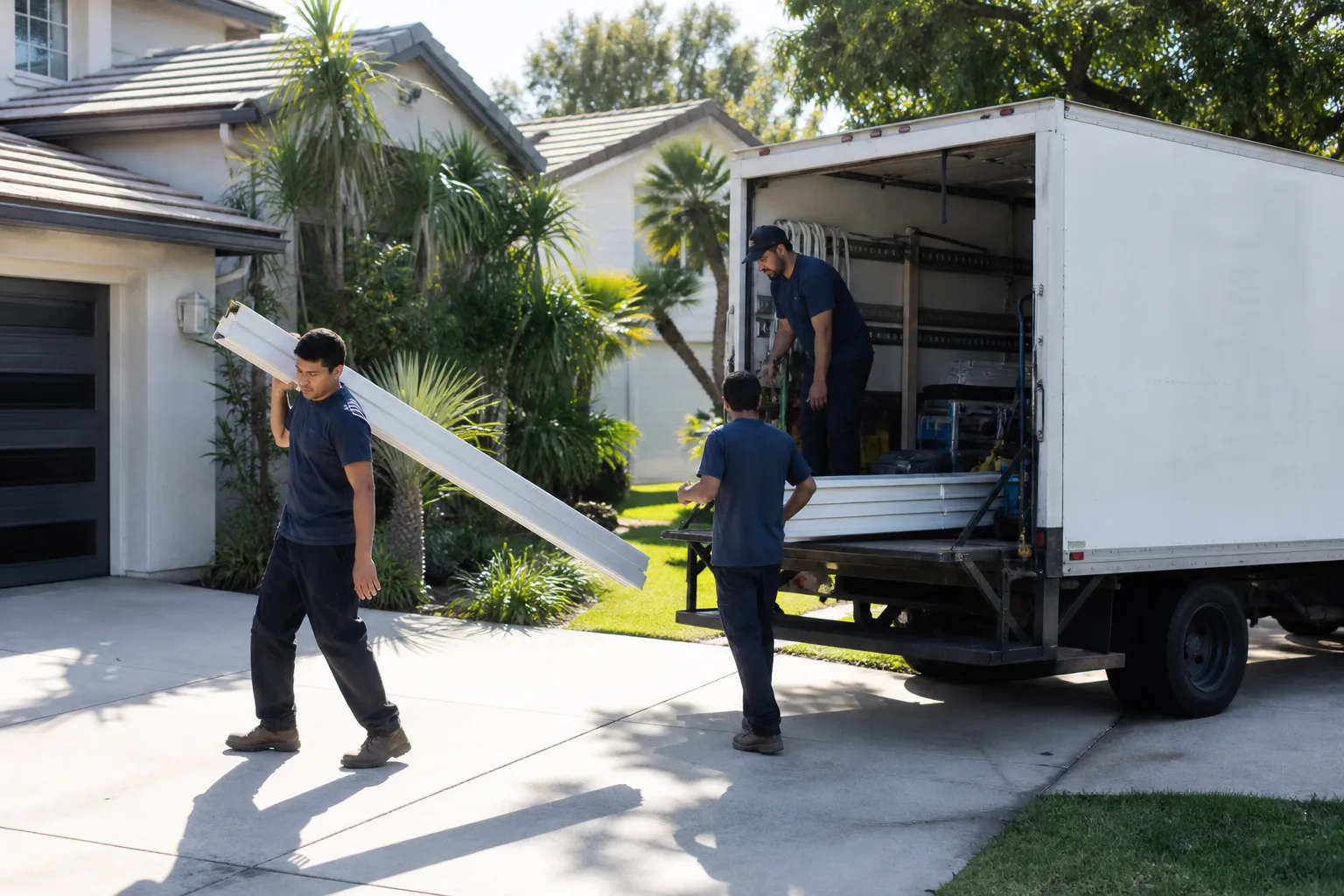
- Verified, uniformed technicians. Background-checked and identifiable on site. Not an unmarked van and a crew you’ve never met.
- A live person on the phone. If your call at 6 p.m. on a Friday goes to voicemail, so will your warranty claim two years from now. We answer 24/7 with a real person.
What to watch out for
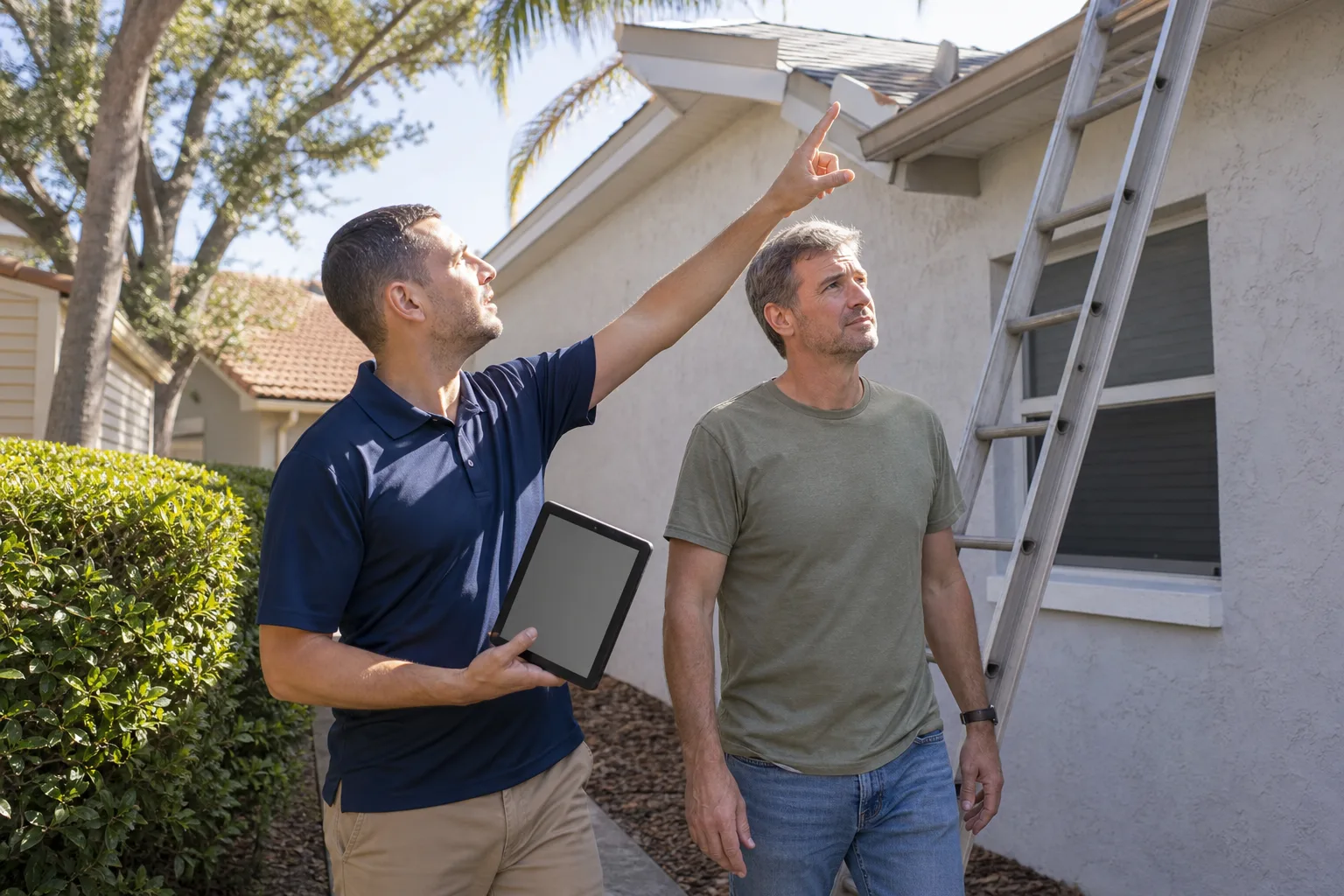
The single most common pattern we see is a lowball bid followed by mid-project “we found something” change orders. On a real full-scope job, the discovery is supposed to happen during the estimate walk, not during demolition. We do a walkthrough with the actual trades who will do the work, and we price from that walk, not from a phone call and a guess.
The second pattern is a warranty that doesn’t transfer or has a short window. Read the fine print on any guarantee before signing. A two-year workmanship commitment is meaningfully different from a one-year “we’ll look at it” promise. If your budget allows for a lower monthly payment, we offer 0% financing for 18 months on qualifying projects, which keeps larger scopes affordable without cutting corners on brand or workmanship.
Neighborhood Realities: Old Town, North Tustin, Tustin Ranch, and Columbus Square
Tustin is not one housing stock, and construction plans need to reflect that.
Old Town Tustin
Bungalows and craftsman homes on mature lots. The biggest risks here are plumbing (much of the original galvanized and early copper has been replaced, but not always consistently) and drainage under mature tree canopies where the ground stays wet longer. Character matters, and preserving the streetscape usually means matching window profiles and trim rather than swapping everything for vinyl.
North Tustin
Foothill properties on grades. Slope, retaining walls, and expansive clay are the recurring themes. Drainage from uphill neighbors lands on you. Any addition or hardscape project has to plan for the grade, which often means an engineered retaining wall and a swale rather than a simple French drain.
Tustin Ranch
1980s and 1990s tract housing with engineered fill under slabs and standard roof pitches. The original single-pane windows are now well past their service life, and the marine layer has done a number on window seals. Roof underlayment failures show up at the valleys and around plumbing penetrations. Windows and roof together, done in the same scope, is the efficient play here.
Columbus Square and newer builds
Newer construction, but not zero-maintenance. Original builder-grade windows, landscaping, and hardscape from the first owner are now the items on the checklist. Fence replacement is common along shared property lines, and it’s worth reviewing HOA guidelines before choosing a fence height or material. Our Fence Installation in Tustin page covers the local compliance angle in more detail.
The Proactive Maintenance Calendar That Saves Tustin Homeowners 20 – 40%
The savings cases we see are rarely dramatic single decisions. They’re calendar decisions made once and repeated.
Spring (March – May)
- Inspect the roof after the last Santa Ana wind cycle. Check for lifted shingles, flashing separations at valleys, and any granules in the gutters.
- Clean gutters and downspouts before the summer dry season, not after a storm.
- Walk the perimeter foundation for new cracks and photograph them for future comparison.
- Test and re-caulk window and door seals, especially on south and west exposures where sun damage is fastest.
Summer (June – August)
- Have the HVAC serviced and filter replaced before the hottest stretch.
- Schedule any hardscape work for July and early August, when the ground is least wet and concrete cures predictably.
- Check exterior paint and touch up any peeling on south and west walls. Tustin sun is brutal on paint.
Fall (September – November)
- Inspect the roof again before Santa Ana season. Any loose shingle becomes a projectile at 50 mph.
- Clear landscape debris from fence lines before wind season.
- Do a grading review: confirm that hardscape and soil still slope away from the house at 2%. Fall is when settling and contractor work from summer reveals itself.
Winter (December – February)
- Watch for standing water after each significant rain. Where it pools tells you where your drainage needs help.
- Look for sticking doors and windows as the soil swells. That’s your early indicator that a perimeter drainage fix is due.
- Do interior projects now: bathrooms, kitchens, flooring. Nobody wants to schedule these in the middle of exterior trade season anyway.
If you follow this calendar for five years, you’ll catch the items on a scheduled, budgeted basis and avoid the emergency version of every one of them. The 30% savings isn’t in any single decision. It’s in never being forced to pay for a repair that a calendar reminder would have prevented.
Common Mistakes to Avoid
- Starting with a cosmetic project. A kitchen remodel before a roof or drainage fix just means the kitchen has to be repaired later. Fix the envelope first, then the interior.
- Assuming your address is inside Tustin city limits. Unincorporated pockets around Tustin require county permits. Pull the jurisdiction check before you apply for anything.
- Trusting a phone-call bid. A real estimate for a Tustin home requires a walkthrough with the trades who will do the work. If nobody walked the property, the number is fiction.
- Skipping the permit on a small-sounding scope. Garage conversions, gas runs, and EV chargers all need permits, and unpermitted work complicates resale.
- Choosing a contractor on price alone. The low bid almost always shows up as change orders mid-project. Compare warranty terms, brand partners, and how the company answers the phone before comparing price.
- Ignoring clay and drainage when planning hardscape. Driveways and patios that aren’t built for expansive clay crack three to five years earlier than they should.
- Replacing windows without scheduling the roof in the same scope. On Tustin Ranch homes, both failures usually land within a year of each other. Doing them together saves real money on labor and scaffolding.
- Reading the warranty fine print after the check clears. Two-year workmanship coverage and one-year coverage are very different bets. Read it before signing, and don’t take a verbal answer.
See the difference
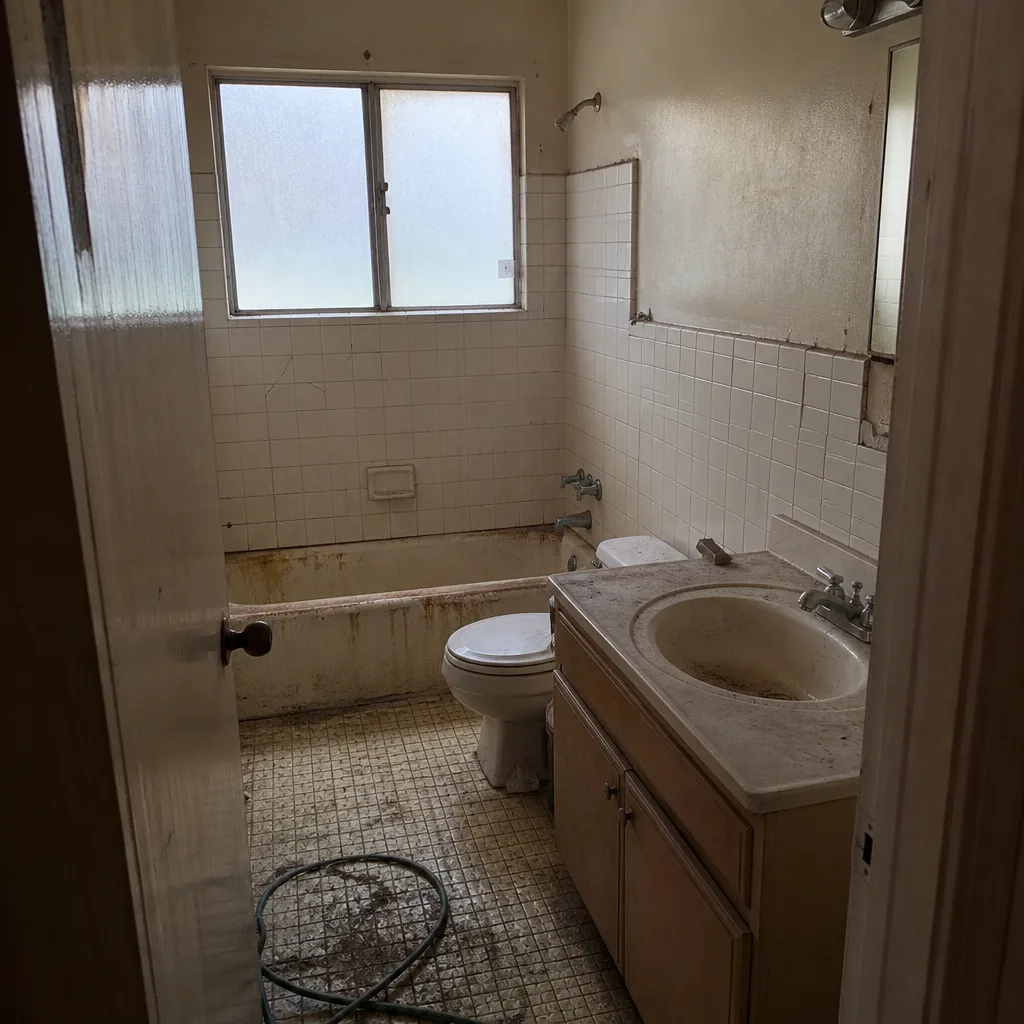 Before
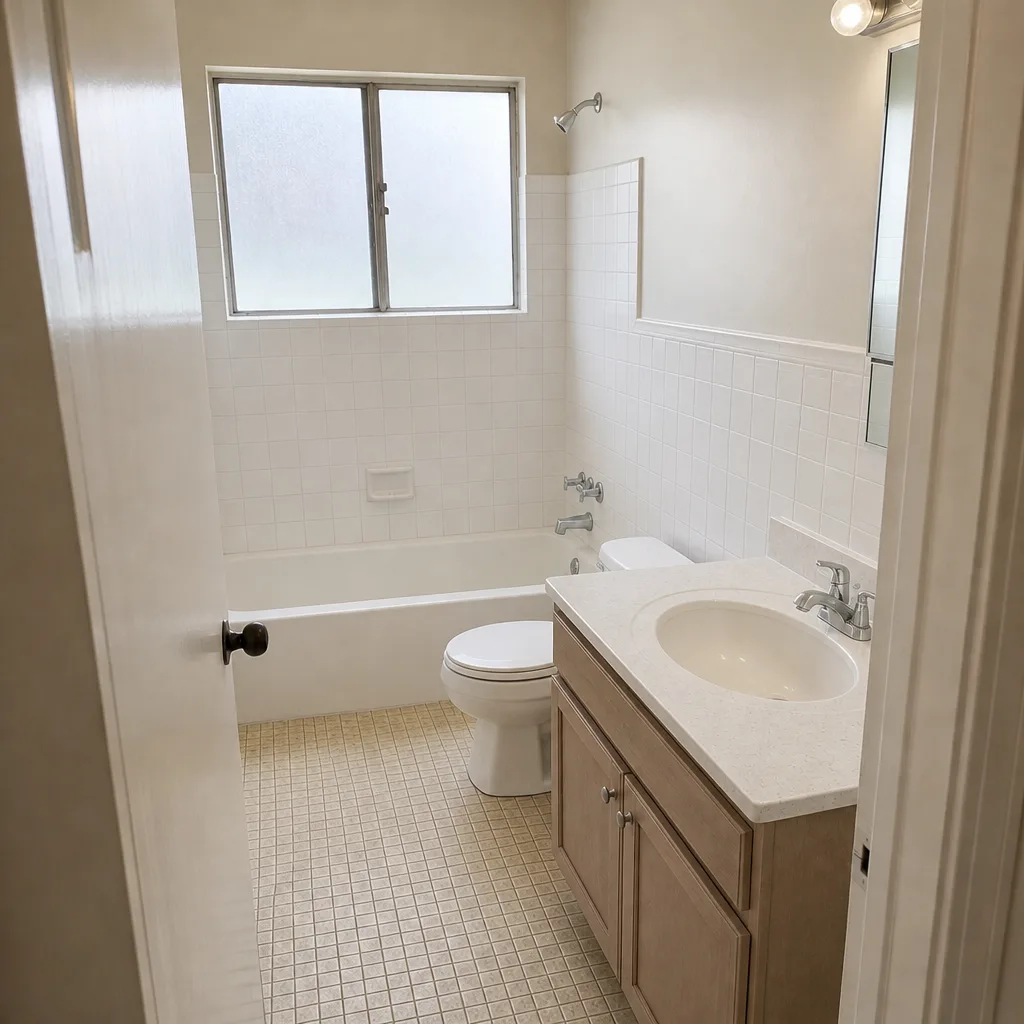 After
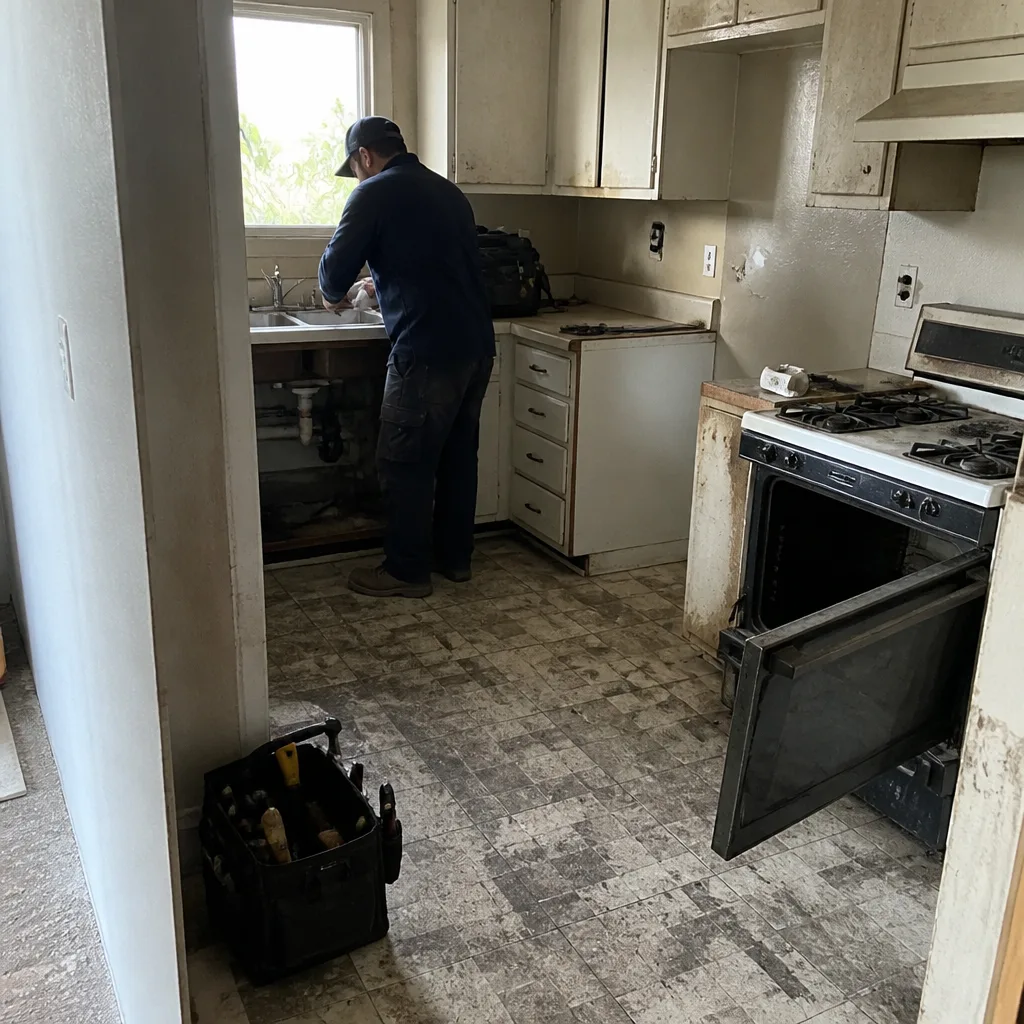 Before
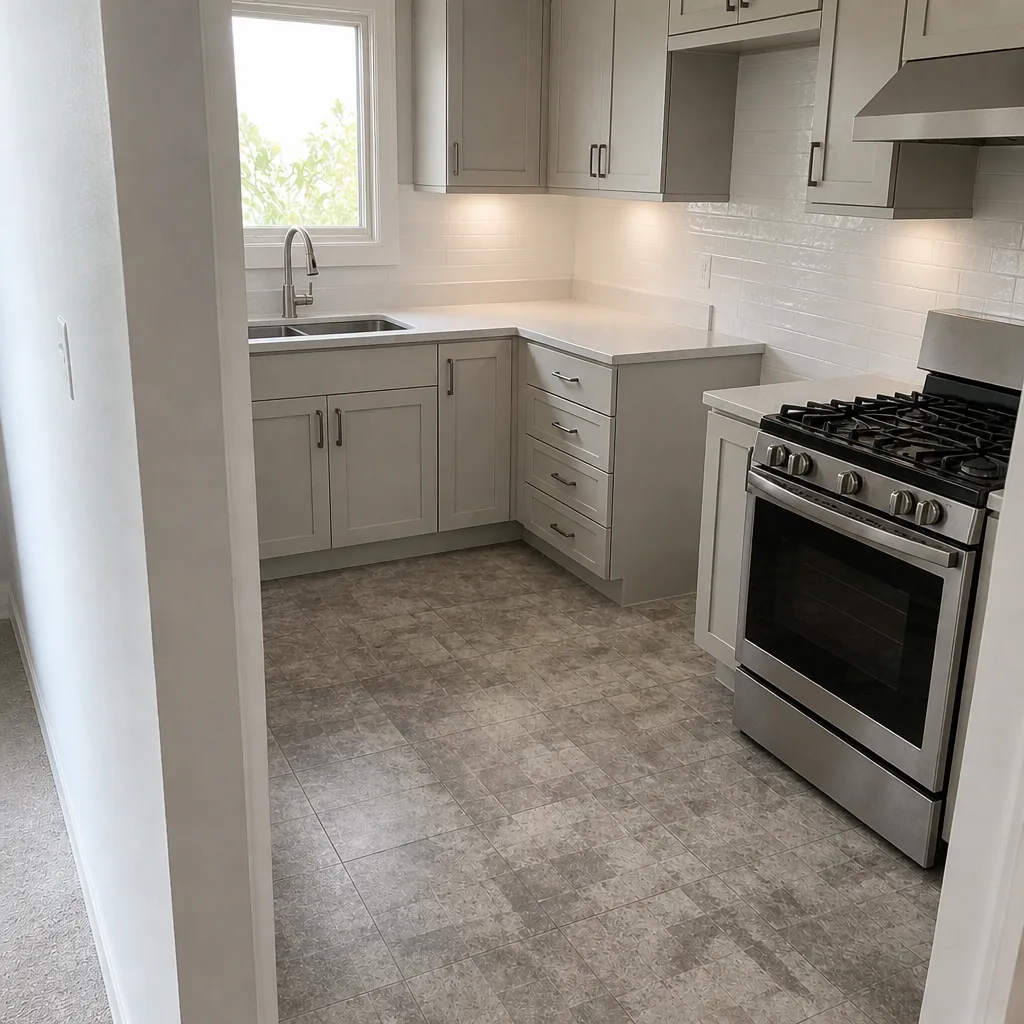 After
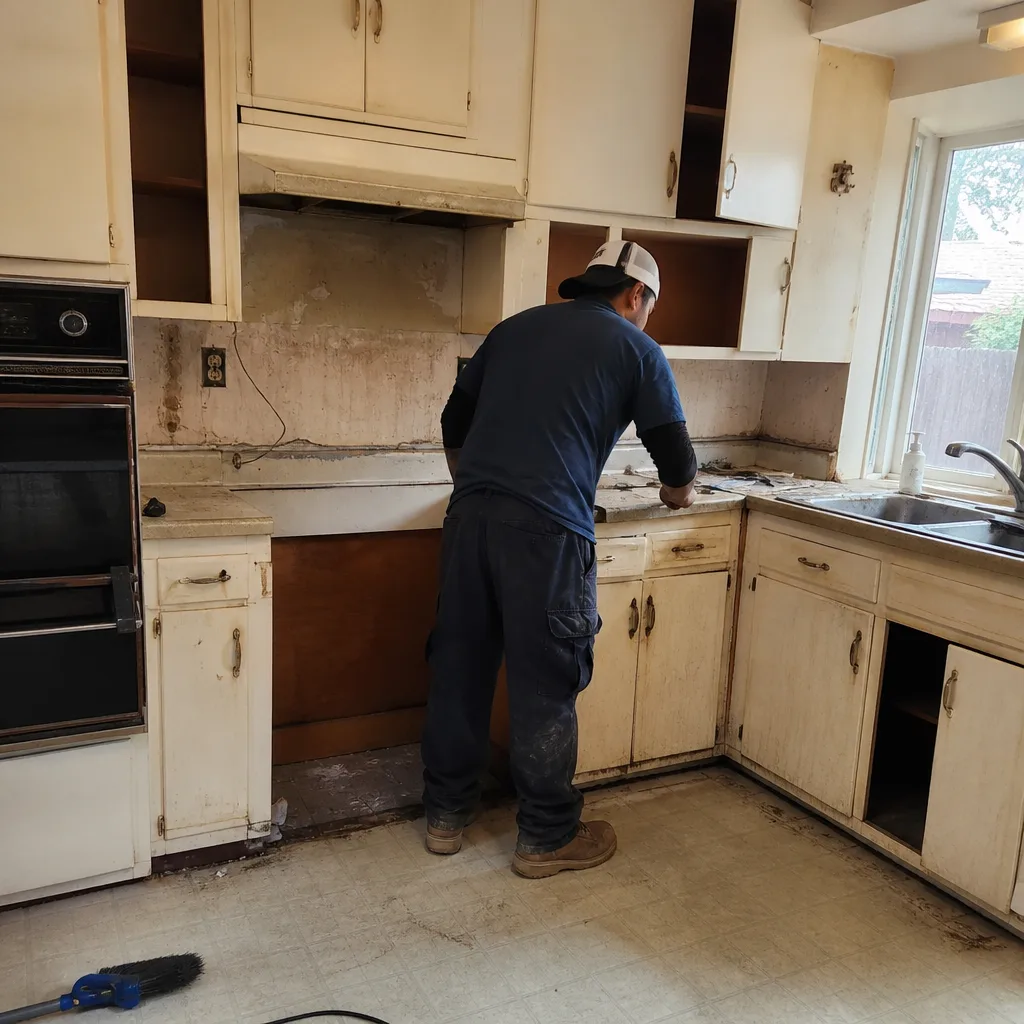 Before
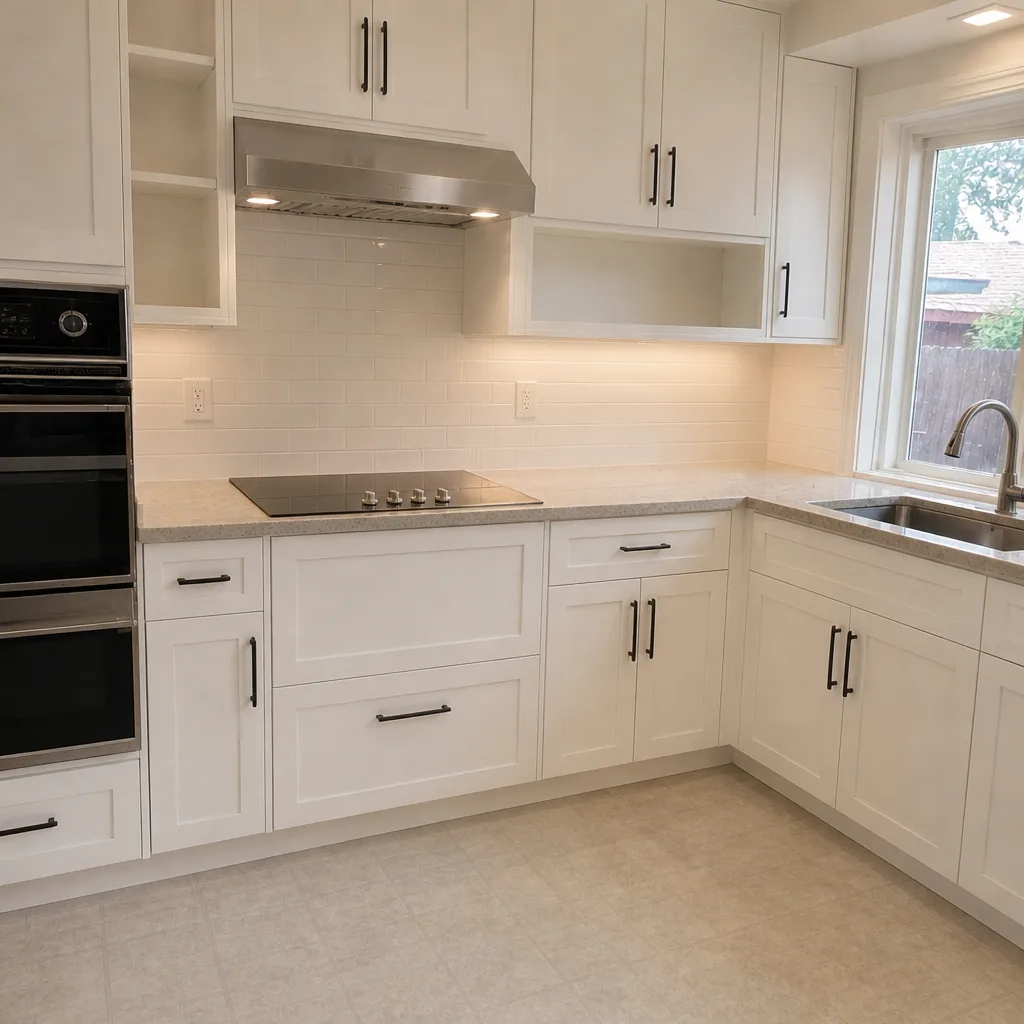 After
When to Call a Professional
Some projects in Tustin are genuinely fine to DIY, and some are not. Painting, caulking, basic landscape drainage adjustments, and simple fence repair on a flat lot are reasonable homeowner work. Anything involving the roof line (especially in Santa Ana wind season), structural changes, gas or electrical runs, foundation work, additions, or any scope above roughly a one-week single-trade job is where hiring pays for itself. Roofing and window work are also dangerous: a two-story Tustin Ranch home with a pitched roof and wind exposure is not a DIY surface, and a fall from height is life-altering. The same applies to any electrical work inside the panel; the risk of arc flash and shock is real and worth the cost of a licensed electrician. Groundwork Construction Co. of Tustin offers free estimates in Tustin – call (833) 954-6066 to schedule yours.
Frequently Asked Questions

A full kitchen remodel in Tustin typically runs $45,000 to $95,000, with the range driven by cabinet brand, counter material, and whether the layout changes. KraftMaid and Cambria selections land in the middle of that range; custom cabinetry pushes toward the top. Call (833) 954-6066 for an exact quote – estimates are free.
Yes, in most Tustin cases, especially for fences over 6 feet tall, front-yard fences, and any fence near a property line with shared ownership. HOA review also applies inside HOAs. Confirm the jurisdiction and HOA requirements before ordering material. Call (833) 954-6066 and we’ll walk through your specific property on a free estimate.
Watch for doors and windows that stick in winter and clear in summer, hairline cracks along the foundation perimeter, and any evidence of drainage pooling at the slab. Those patterns show soil movement that may or may not require repair. A free walkthrough from a licensed professional gives you a real answer rather than a guess. Call (833) 954-6066.
Not if the estimate was done correctly. We price from an in-person walkthrough with the actual trades, with upfront pricing written into the contract. Change orders only happen if you change the scope. Call (833) 954-6066 to schedule your free estimate and see the number in writing.
A standard single-family roof replacement in Tustin runs three to five working days, weather permitting. Santa Ana wind periods and rain push the schedule, which is why most Tustin roof work gets planned for spring and early summer. Call (833) 954-6066 for a free estimate and a realistic timeline for your property.
A background-checked, uniformed technician is on the record for the work and accountable to the workmanship warranty. A subcontracted crew is accountable to the general contractor, not to you, which matters when a warranty claim comes up two years later. Every project we take on Tustin is covered by the 730-Day Done Right Promise. Call (833) 954-6066 to talk through scope and warranty on your project.
The Bottom Line
Construction in Tustin works best when it’s planned as sequenced infrastructure upkeep, not crisis response. Water management comes first, envelope work second, hardscape and structural third, interior last. Permits matter and always will, because a final inspection protects your resale value for as long as you own the home. Expansive clay and wind cycles are the two local realities to design for, and a maintenance calendar catches most failures before they turn into emergencies. The homes that skip the sequence pay 20 to 40% more over the years for the same finished product. The homes that don’t, save that money and put it back into the property. For a free estimate on your Tustin project, call (833) 954-6066. Calls are answered by a live person 24/7, estimates include an in-person walkthrough, and every job we do is covered by the 730-Day Done Right Promise.
Written by the team at Groundwork Construction Co. of Tustin.