

Free written scope consultation - allowances, timeline, and change-order rules on paper before a single trade is scheduled
Gutters & Accessories in Laguna Beach, CA: What It Takes to Hold Up Here
Gutters & Accessories work in Laguna Beach means building a rain-handling system that survives salt air, wind-driven storms, and the runoff that pours down canyon slopes. Most full replacements run two to three days and land between $1,800 and $6,500 depending on the linear footage, roof pitch, and how much is hidden behind fascia. Call (833) 954-6066 and we’ll walk your roofline and put a written number on it.
This isn’t a page about everything we do. It’s about the one job: getting water off and away from a house that sits on a hillside where it has nowhere easy to go.
How we run a gutter job, from first look to final test
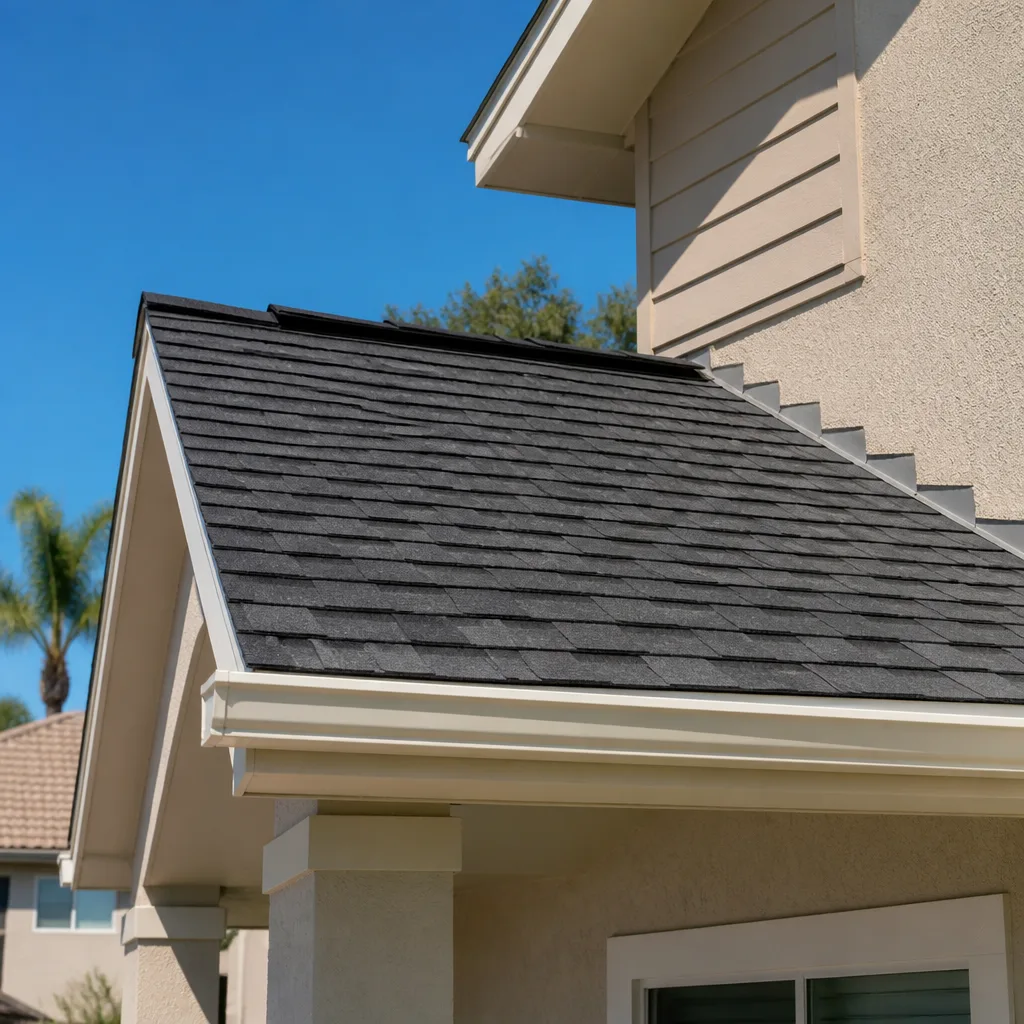
Five stages, and you’ll know exactly where we are at each one. Nothing gets covered up before you’ve had a chance to see it.
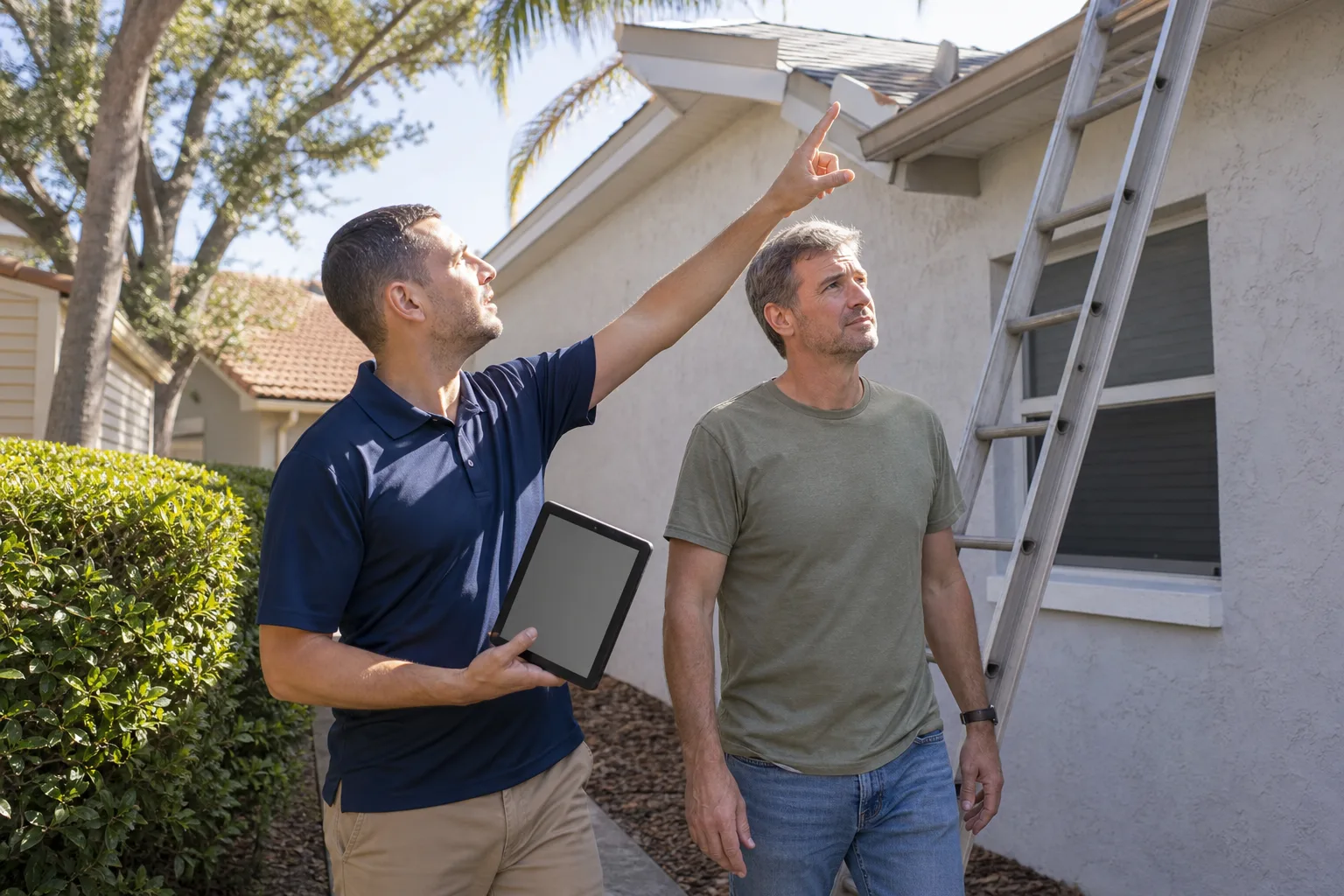
Stage 1 – The roofline walk and drainage map (about 60 minutes)
We get on the roof and walk the perimeter, noting pitch, valley locations, fascia condition, and where the downspouts currently dump. On canyon lots above Coast Highway, half of that time goes into figuring out where the water should end up, because the ground falls away too fast for a splash block to do any good. You’ll see photos of everything we flag. You decide the runs you want covered and the ones you don’t.
Stage 2 – Deck and fascia prep (half a day)
Old hangers come off. Rot gets exposed and cut out. If a fascia board has gone soft from marine-layer humidity, we replace that stretch before anything hangs, because a gutter screwed to spongy wood won’t survive its first Santa Ana wind. This is the stage that most changes your price, and it’s also the stage we won’t skip. You approve any hidden-rot replacement before we cut.
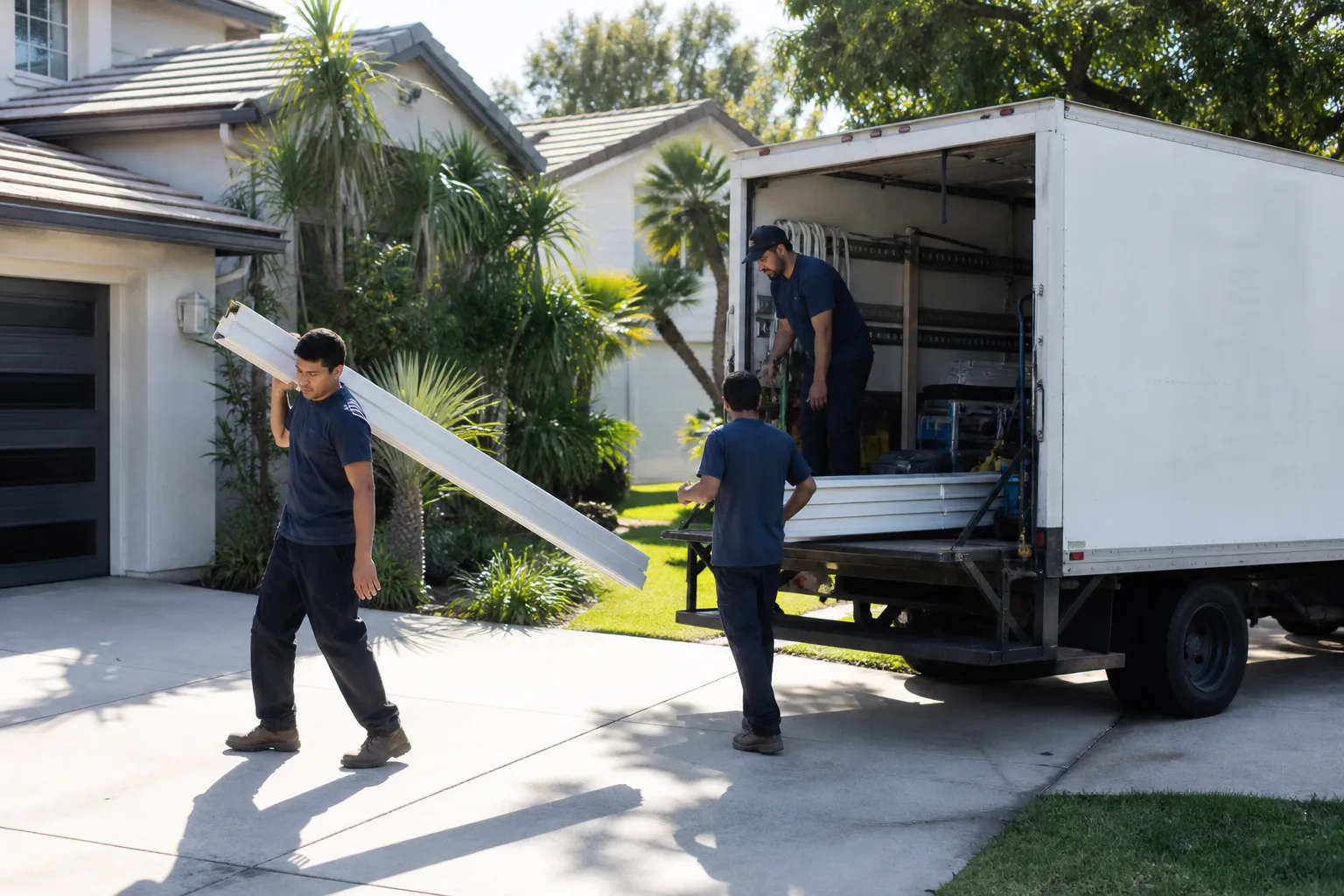
Stage 3 – Hanging the runs and setting pitch (one day)
Seamless aluminum is formed on site in the length each run needs, which matters on the odd, non-square footprints common in the 1920s – 1970s cottages here. Pitch is set so the low end of each run lands a quarter-inch per ten feet toward the outlet. Hangers go in every 24 inches, closer on the ocean-facing sides where wind load is worst. You choose the profile and color before this stage starts.
Stage 4 – Downspouts, extensions, and accessories (two to four hours)
Downspouts get strapped, not just clipped. Leaf guards, rain chains, and buried extensions go in here. On steep pads we often run the downspout into a pop-up emitter well away from the foundation rather than dumping it at the base, because water pooled uphill of a pier-and-grade foundation finds the piers. You decide whether guards go on every run or just the ones under trees.
Stage 5 – The water test and walkthrough (about an hour)
We run a hose down each run, watch the flow, check every seam and outlet, and fix anything that drips before we load up. Final walkthrough is with you, in person, and your written workmanship coverage starts the day the last seam is sealed. If a hanger pulls or a seam leaks down the line, one call gets us back out.
Styles & brands we work with
- Kitchen remodeling
- Bathroom remodeling
- Home additions & ADU
- Roofing
- Windows & doors
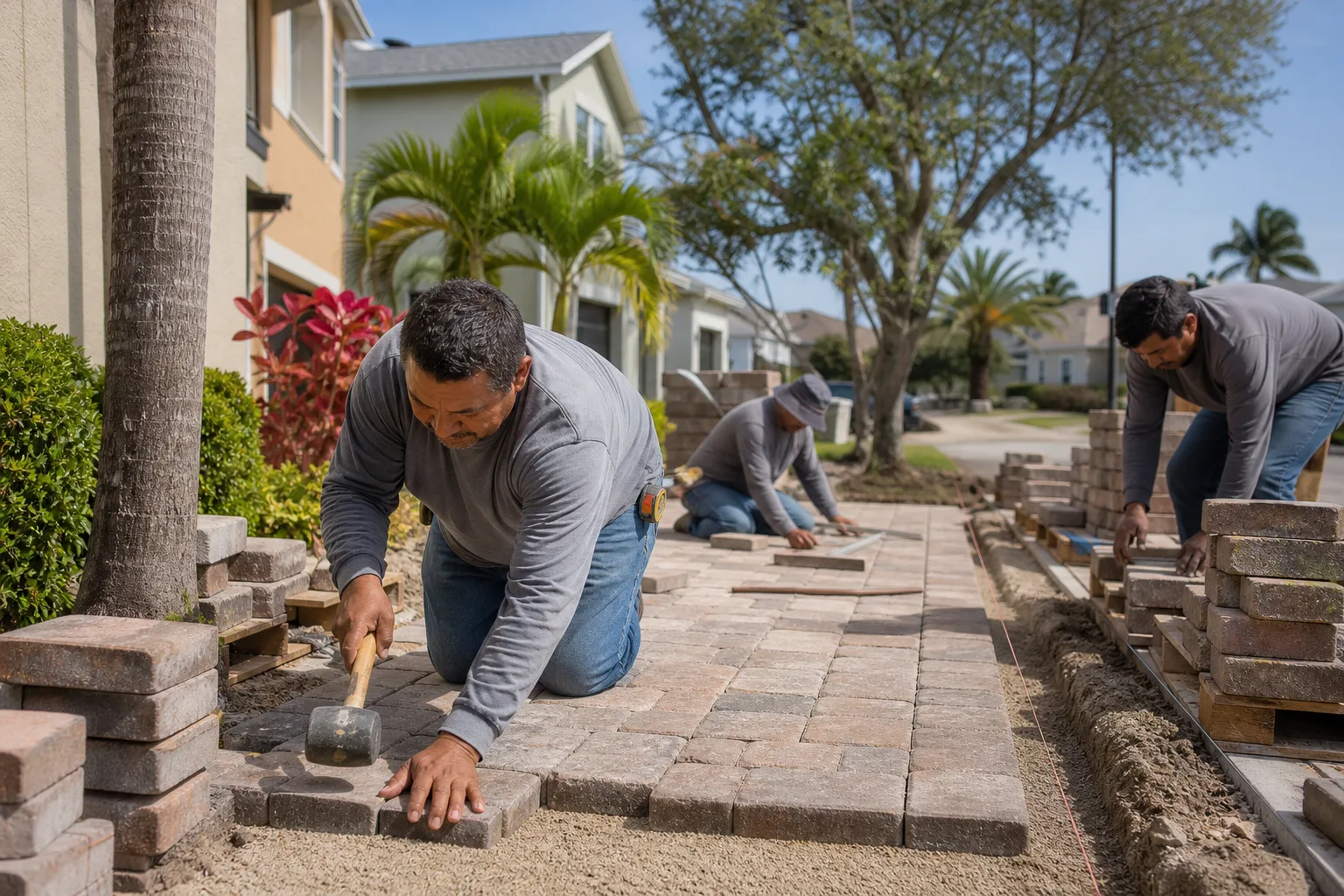
- Driveway & pavers
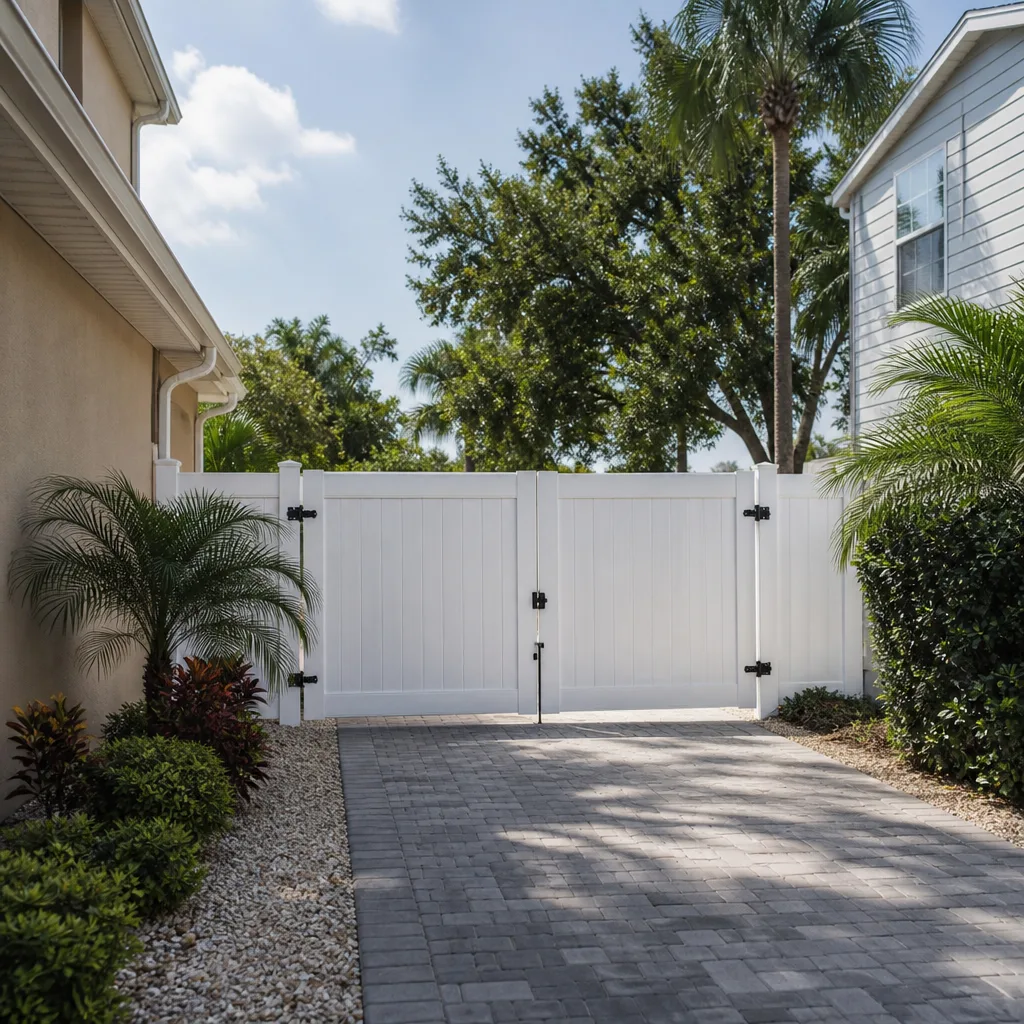
- Fence
The options you’ll weigh before we order a stick of anything
Material and profile decisions drive both price and how long the system lasts on a salt-air coast. Here’s the honest trade-off on each.
- Seamless aluminum (K-style): The workhorse for most Laguna Beach homes. Light, won’t rust, formed on site so there are fewer joints to leak, and available in colors that read well against stucco. Expect it at the lower end of the range. It will not outlast a heavy-gauge steel on a windy ridge, but on a mid-canyon cottage it’s the sensible buy.
- Half-round aluminum: The look many older and architect-designed homes call for. Pricier per foot, needs specific hangers, and handles slightly less volume than a K-style of the same width, but it’s the right call when the house’s character matters.
- Galvanized or steel gutters: Heavy-duty where wind and debris load is real. They hold up to fallen limbs and wind-driven branches. The catch is weight, a heavier bracket system, and eventual surface corrosion if fasteners aren’t chosen for salt air.
- Leaf guards and screens: Micro-mesh guards keep eucalyptus and cypress debris out of the run, which is a real problem on the tree-heavy canyon streets. They cost more upfront and need cleaning now and then, but they cut down on the overflow-and-erosion cycle that plagues downspouts here.
- Downspout extensions and emitters: Cheap insurance and the piece most homeowners skip. Moving the discharge well away from the foundation is what actually keeps water out of a pier foundation at the bottom of a slope.
Finish choice runs through the same reasoning. Fasteners and hangers in a marine environment aren’t a place to save money; the wrong screw is what fails first, not the gutter.
What Gutters & Accessories costs in Laguna Beach, CA
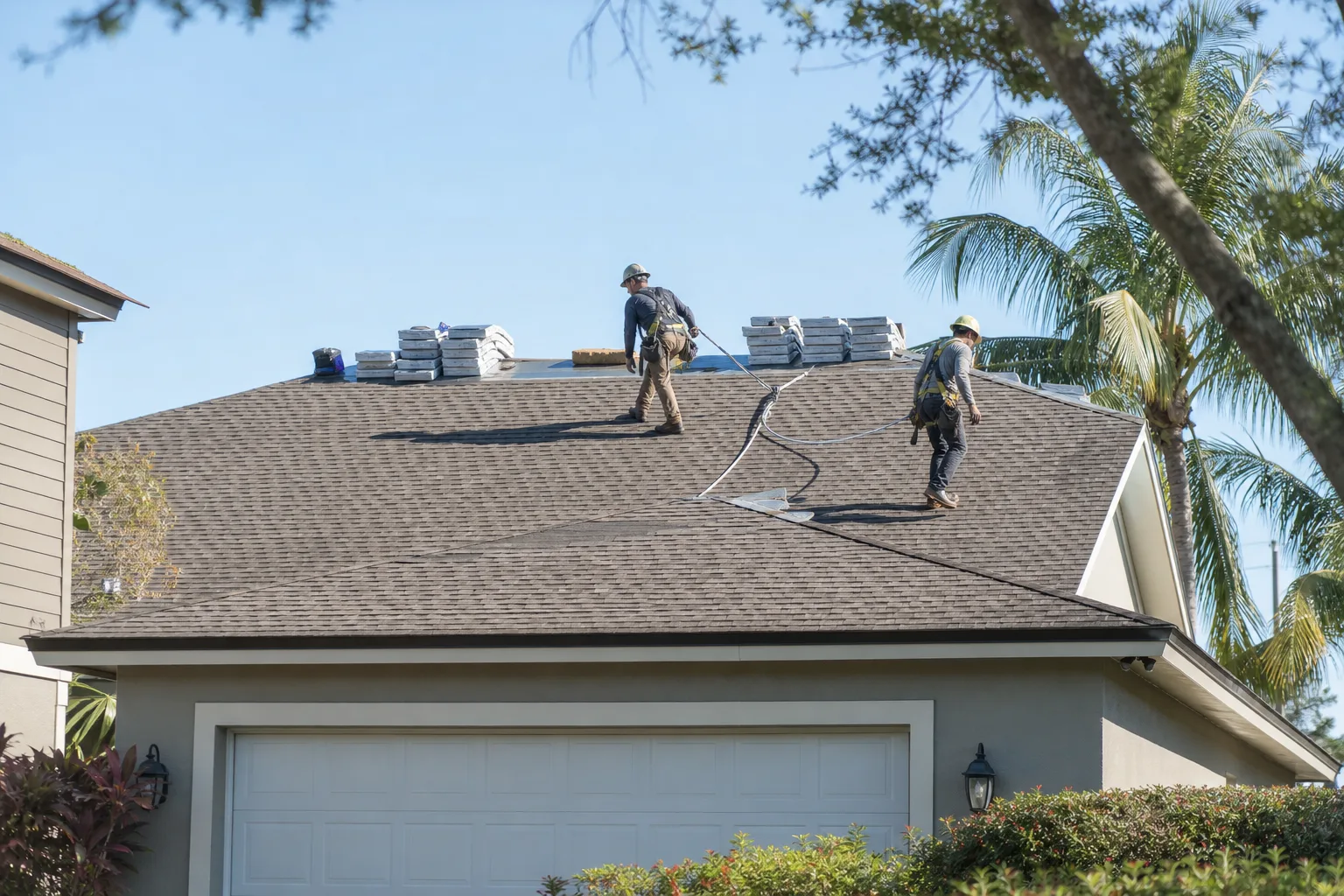
Installed costs here typically run $1,800 to $6,500. That’s a broad band, so here’s what actually pushes a job to one end or the other.
- Linear footage and layout: A compact cottage with simple runs sits low. The odd, multi-faceted roofs on hillside custom homes mean more corners, more outlets, more footage, and a number closer to the top.
- Fascia and hidden rot: Replacing soft or rotten fascia before hanging adds real time and material. This is the single biggest swing factor on older homes.
- Access and pitch: Steep canyon-slope roofs and tight view-locked lots mean more setup and more careful staging. A second-story run with no easy ladder placement costs more than a straight low run.
- Material grade: Aluminum sits at the low end; half-round and heavy-gauge steel push higher. Leaf guards add per foot.
- Discharge solution: Buried extensions and emitters, or a dry well on a slope-tolerant lot, are extra but often worth it. Dumping water at the foundation isn’t a savings, it’s a deferred problem.
Your written estimate lists footage, material, hangers, downspouts, accessories, and any fascia replacement line by line. The number you see is the number you pay, and if something unexpected turns up behind the fascia mid-job, we show you before we change anything. Estimates are free, and the upfront pricing means no surprise on the back end.
See the difference
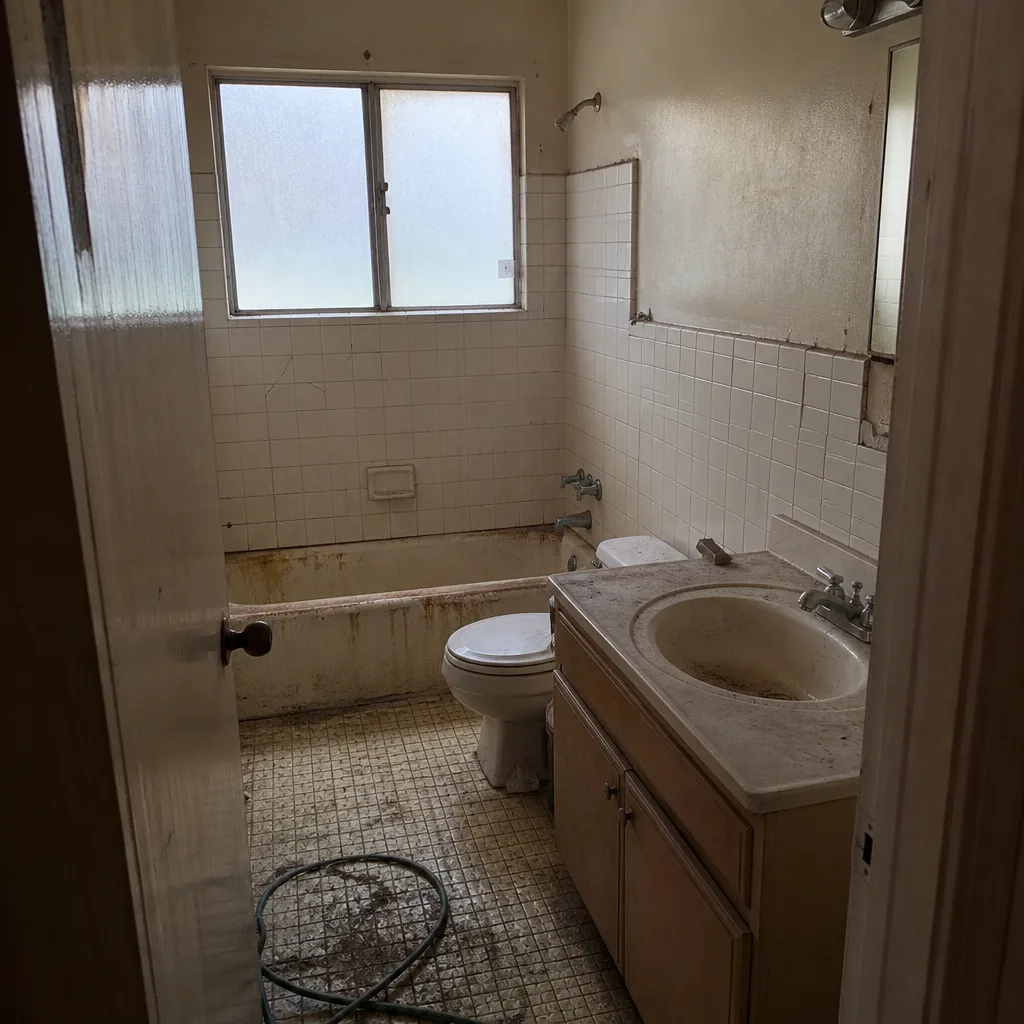 Before
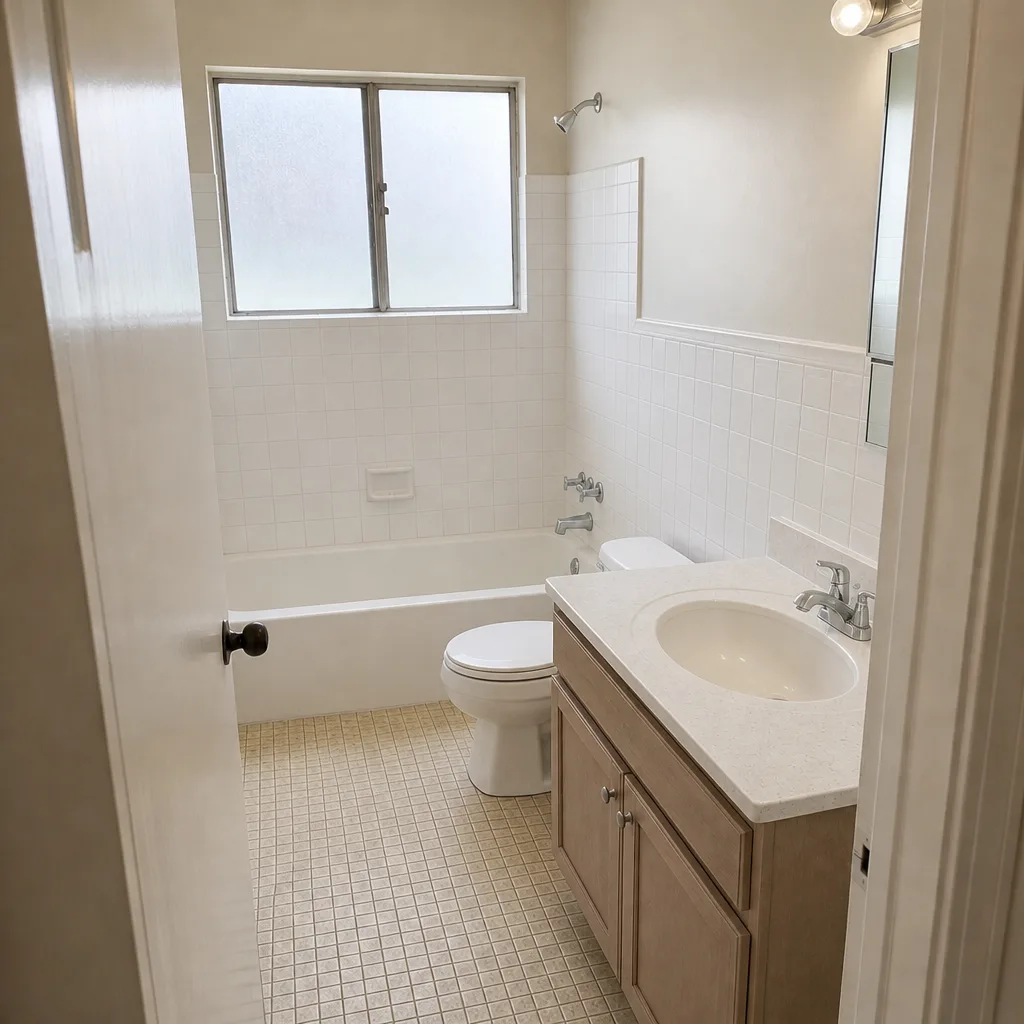 After
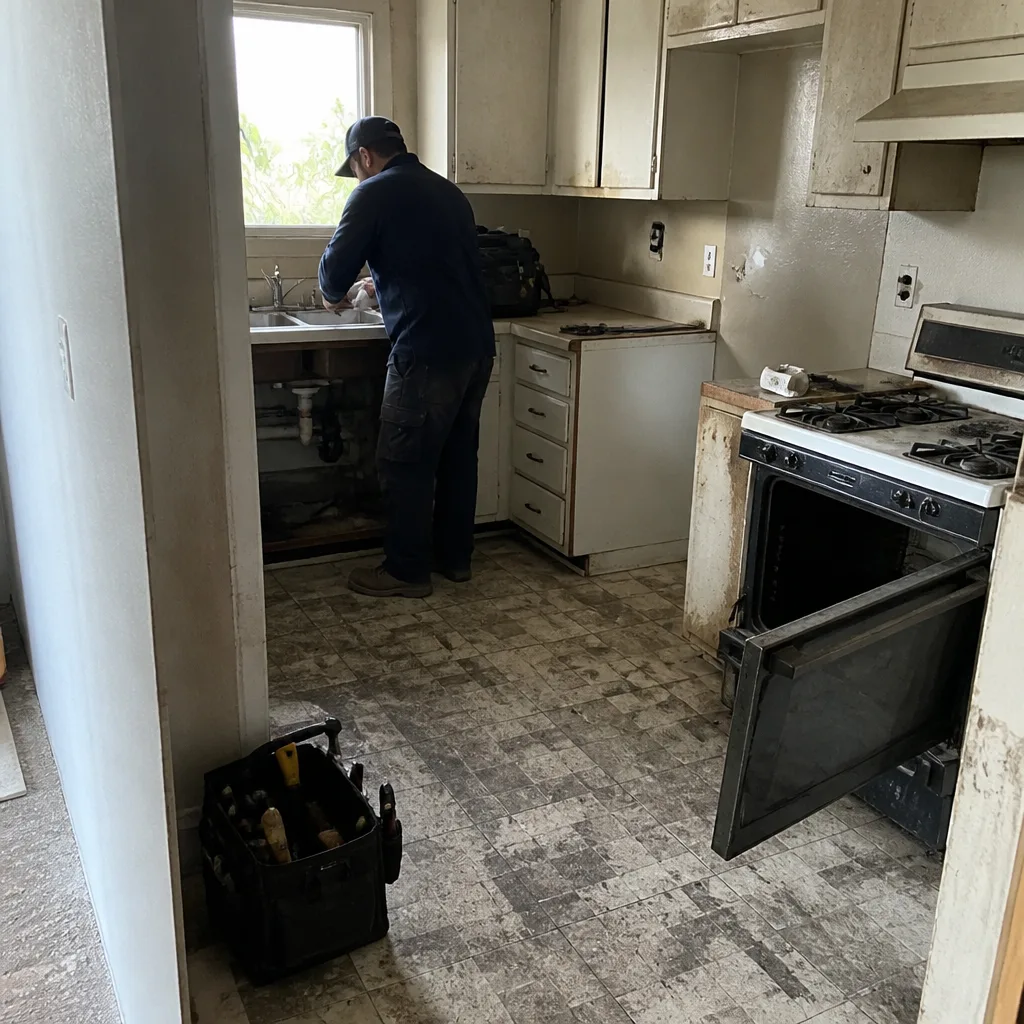 Before
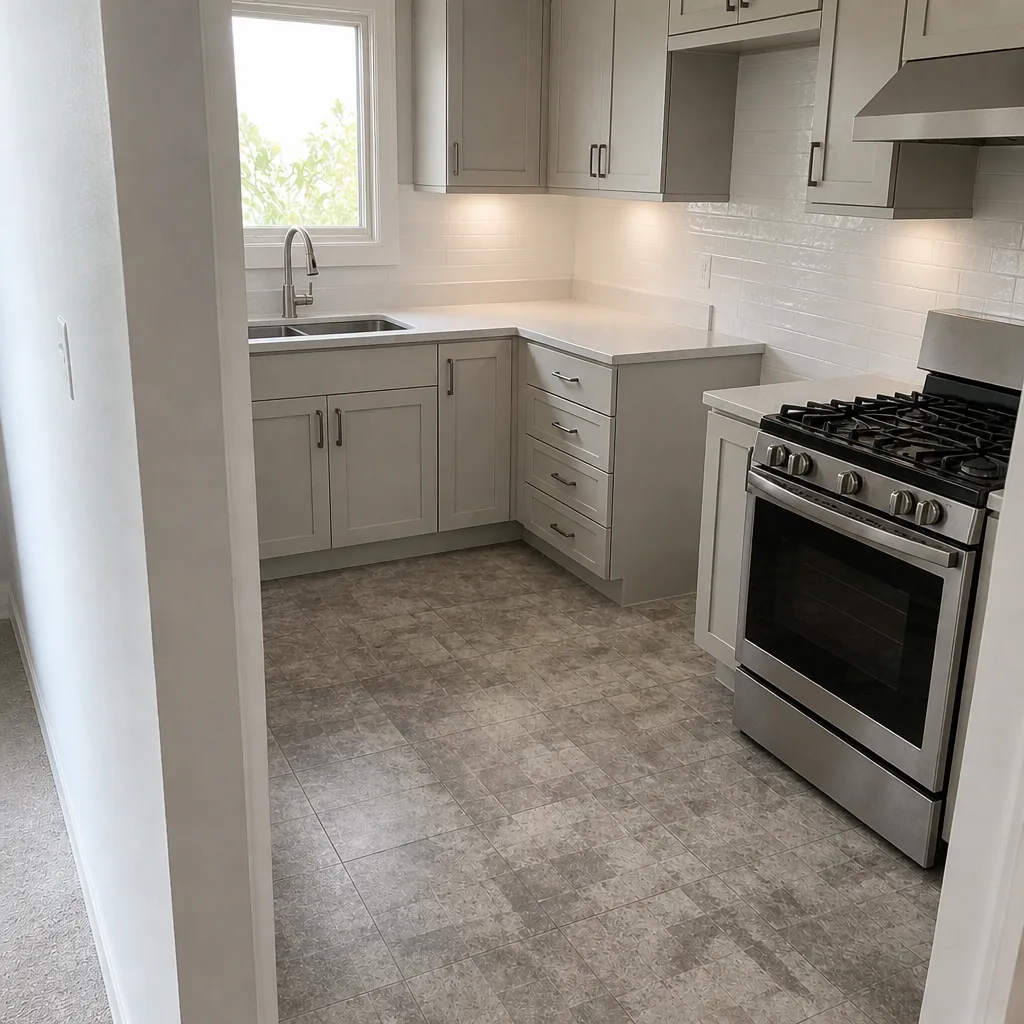 After
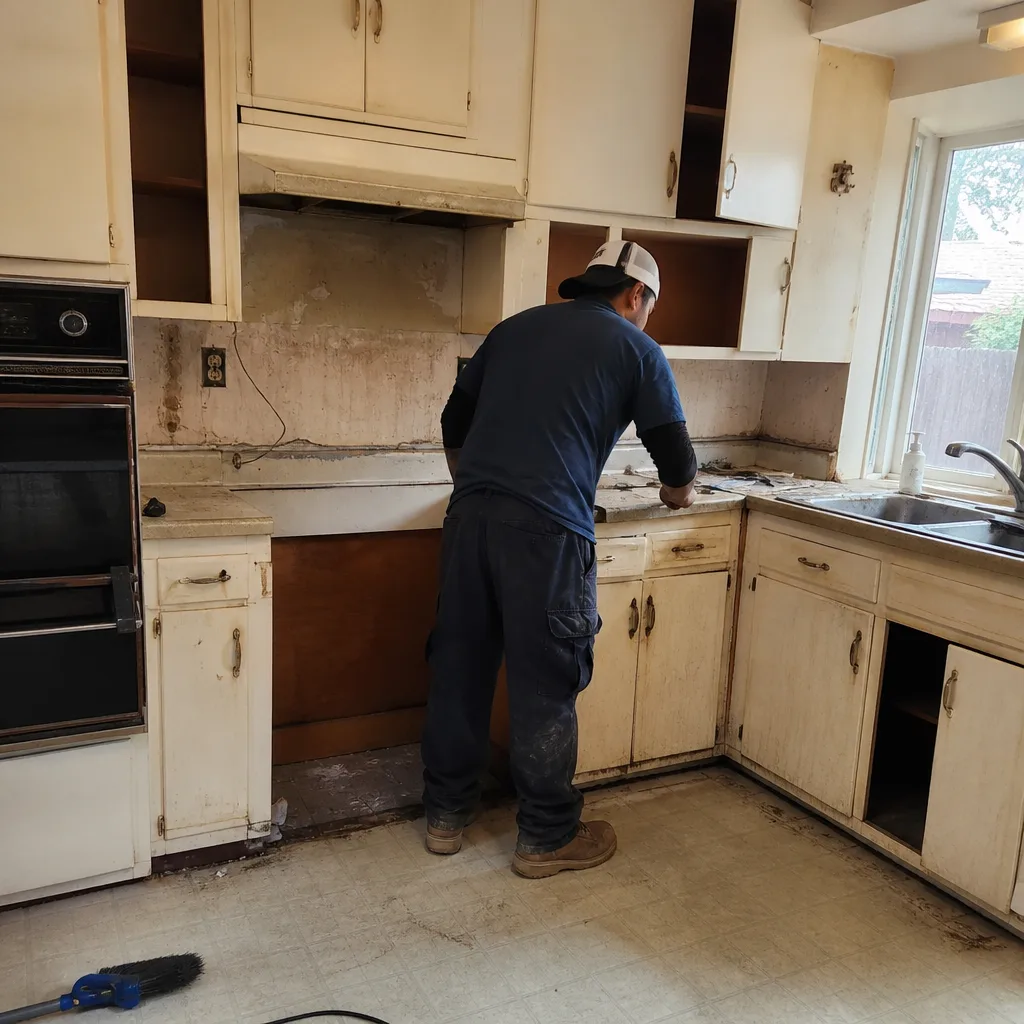 Before
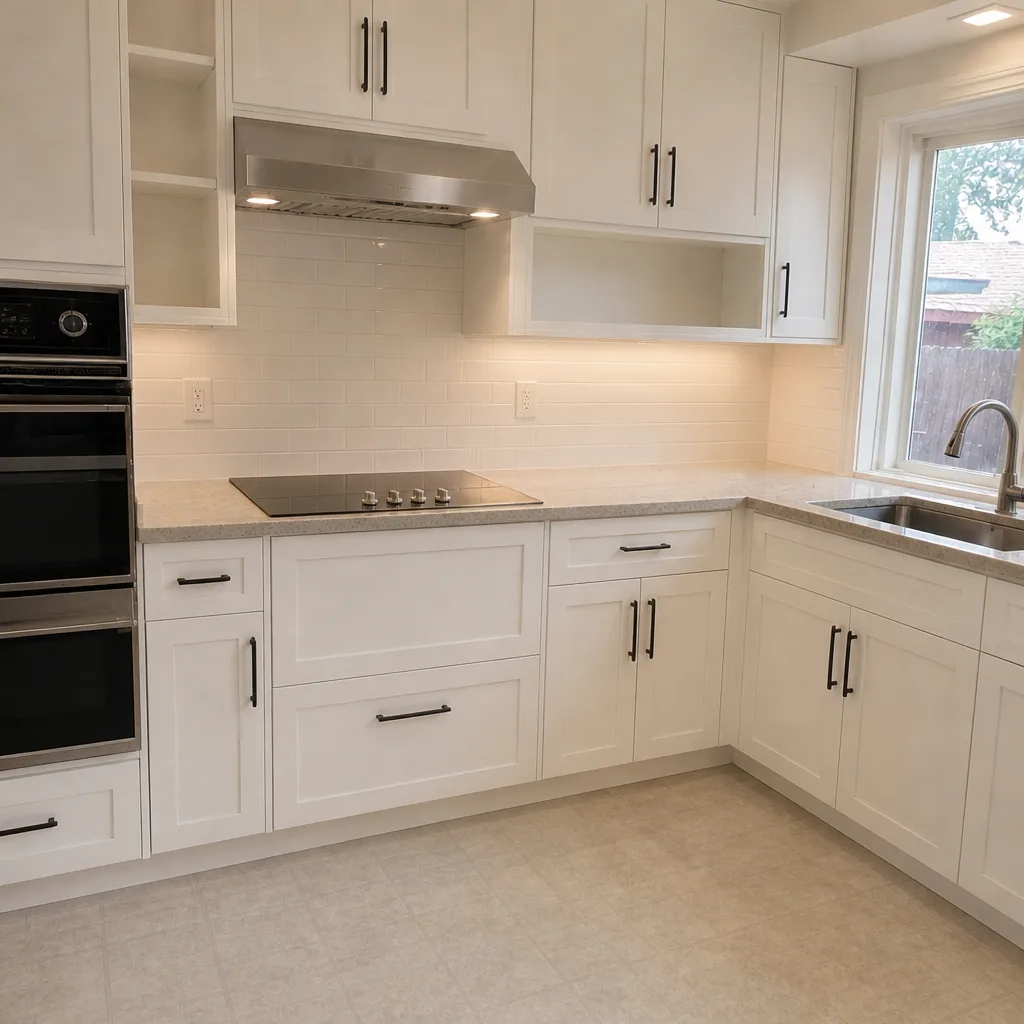 After
What Laguna Beach homes specifically do to this job
Marine-layer humidity and salt air off the open coast are what wear these systems out first. Fasteners corrode, flashing at the roof edge loosens, and ocean-facing wood goes soft faster than anywhere inland. Then the Santa Ana winds arrive and test every hanger, and the winter storms send runoff down slopes that are already steep and geologically tight. Houses on the graded pads above Coast Highway and the canyon streets off it are often on pier-and-grade foundations, and that’s where a misdirected downspout does damage a splash block can’t undo. We see the same failure pattern repeatedly: a run that looked fine in spring has pulled loose or rotted through by the time the first storm hits. The harder part is that these lots sit inside the city’s small-town permit culture and coastal viewshed rules, so even a roofline change can bump against Design Review, and a canyon-lot project can trigger slope review that a flatter Irvine lot never sees. That’s also why we recommend looking at the whole envelope at once. If your gutters are failing because the roof edge and flashing are tired, it’s often smarter to treat it as Roofing in Laguna Beach under one plan instead of patching in pieces. Our Roofing team can scope the roof edge while we map the drainage.
We cover the whole of Laguna Beach, from the cove-side streets to the ridge and canyon properties in both 92651 and 92652. Homeowners often pair this with Sliding & Patio Doors in Laguna Beach when they’re tightening up the exterior for storm season, and with Impact Garage Doors in Laguna Beach when the goal is a whole-house hardening plan against wind and wildfire. Materials follow the same logic: brands like Cover and Dvele bring storm-ready detailing to the exterior envelope, and we specify fasteners and brackets for salt exposure rather than reaching for whatever’s closest.
Serving Laguna Beach, CA – Our Local Coverage Area
We serve Laguna Beach and nearby communities. Use the map below to see the area we cover. If you’re nearby, we can almost certainly help.
Frequently asked – Gutters & Accessories in Laguna Beach
Most full replacements take two to three days, and simple single-story runs can finish in a single visit. The extra day usually comes from fascia repair or a tricky hillside layout. Call (833) 954-6066 for a written timeline on your roofline.
Replacing gutters on an existing roofline typically doesn’t require a permit, but any change to the roof edge, flashing, or structure on a canyon lot can pull in the city’s review. Coastal viewshed rules can add a step. We’ll tell you upfront whether your job touches anything that needs approval.
Yes in most cases. We hang to the existing fascia and don’t disturb the roof covering. If fascia rot is exposed, we replace that board in place. You won’t have a hole in your roof to patch later.
Expect $1,800 to $6,500 installed, with material grade, footage, fascia condition, and access driving the number. Every estimate is line-item and upfront. Call (833) 954-6066 for an exact figure, free.
Every job is covered by our 730-Day Done Right Promise, which means if a seam leaks or a hanger pulls, we make it right. It’s backed in writing, not just promised on the phone.
Get a free estimate on Gutters & Accessories in Laguna Beach
We’ll come out, walk your roofline, map where the water actually needs to go, and hand you a written, line-item estimate at no cost. A live person answers our line around the clock, so you’re never stuck in a voicemail loop. Call (833) 954-6066 to schedule your free estimate. If your gutters are failing because the roof edge is tired, we’ll show you that too, so you can decide on the whole project at once.
Written by the team at Groundwork Construction Co.