
5 Mistakes to Avoid With Home Additions & ADU
Most additions and ADUs that go sideways in Tustin don’t fail in the framing or the drywall. They fail in the first two weeks, on paper, before anyone breaks ground. California streamlined ADU permitting back in 2020, but Tustin homeowners who skip the city’s pre-application meeting still sit in plan review 4 – 6 months longer than the folks who take that 45-minute sit-down. Here are the five pre-construction mistakes we see most often, and how to dodge each one.
If you’d rather have a builder in your corner from the first sketch than figure this out alone, call (833) 954-6066 and we’ll walk you through it.
Key Takeaways
- Check your electrical panel and sewer lateral before you design anything.
- Setbacks and easements decide your real square footage, not the state maximum.
- Hire a contractor who pulls their own permits and signs their name to them.
- Understand owner-occupancy and rental rules before you finance the build.
- Plan for ADA-adaptable features and a separate entrance now, not later.
1. Skipping the Utility Capacity Check
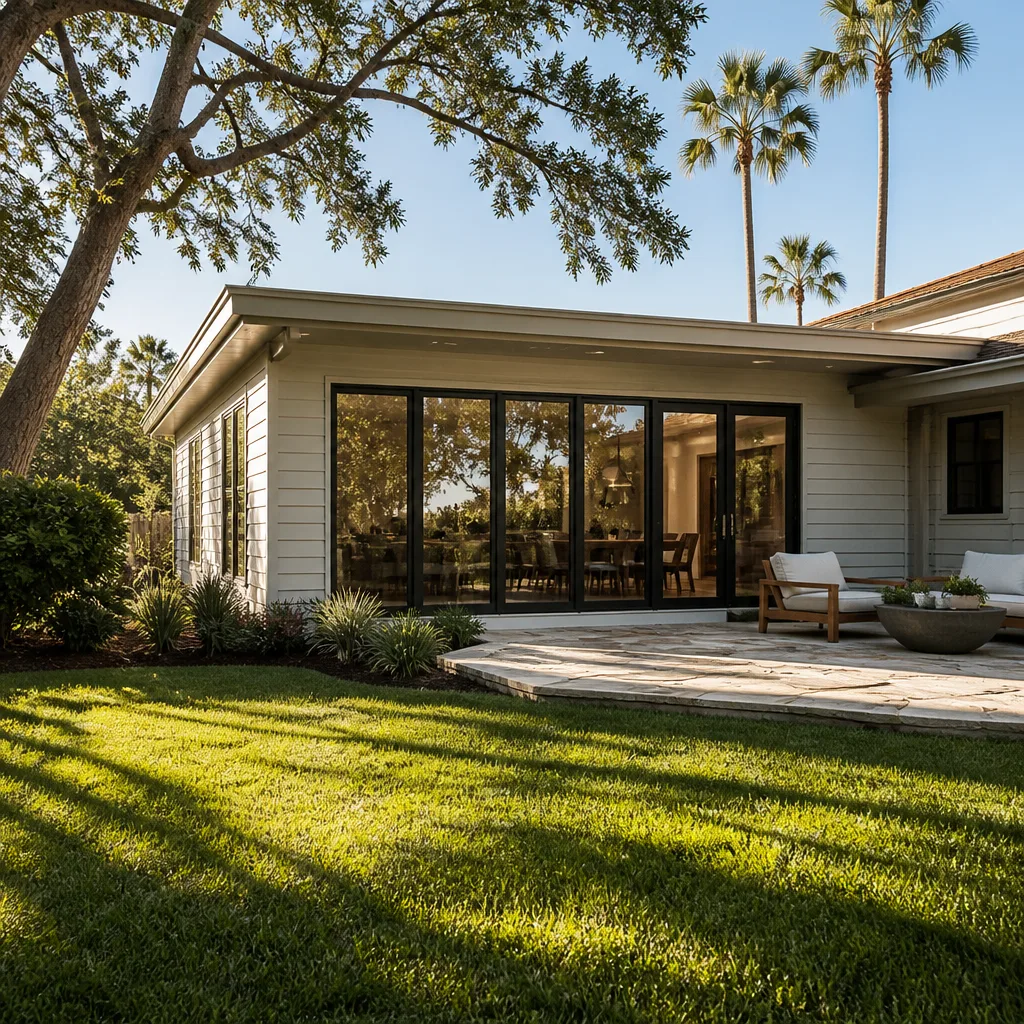
An undersized electrical panel or a failing sewer lateral is the quiet budget-killer on Tustin additions. People design a 700-square-foot ADU with a full kitchen, laundry, and an EV charger, then discover mid-build that the panel can’t carry the load or the lateral can’t handle the flow. That discovery can add $15,000 – $40,000 to a project that’s already framed and dried in, because now you’re doing trench work and an electrical service upgrade after the fact instead of before.
The fix is boring and cheap by comparison. Before you draw a single line, have a licensed electrician confirm your panel’s capacity (many older Tustin homes are still on 100-amp service) and have a plumber camera the sewer lateral to check for roots, bellies, or clay-pipe cracks. If the lateral is original to a 1960s ranch, budget for replacement now rather than when the city inspector flags it.
We pulled one out of a garage over in Old Town Tustin last year where the homeowner had already signed a design contract for an 800-square-foot ADU – then learned the panel was maxed and the lateral ran under a mature ficus. Doing that homework first would have saved them a redesign and a five-figure surprise. It’s the least glamorous step in the whole process, and the one that protects your budget hardest.
2. Designing to the Maximum Square Footage Without Stress-Testing the Lot
State law allows a generous ADU size, but your specific lot gets the final vote. Setbacks, easements, lot coverage limits, and height restrictions all shrink the footprint you can actually build to – and a design that ignores them gets rejected in plan review, not approved. This is the single most common reason Tustin ADU projects stall in permit while the homeowner pays a designer to redraw.
Before you commit to a layout, pull your lot’s actual constraints:
- Setbacks: minimum distances from property lines, which vary by zoning district.
- Easements: utility, drainage, or access easements that can wipe out a “buildable” strip.
- Lot coverage: the percentage of your lot that can be covered by structures.
- Height and story limits: especially relevant on sloped lots or near the hills.
- Parking: some ADU scenarios change your required parking count.
A 45-minute pre-application meeting with the City of Tustin planning desk tells you exactly which of these will bite. Take it. Bring a rough site plan. It’s the difference between a design that sails through review and one that gets bounced back three times.
3. Choosing a Contractor Who Doesn’t Pull Their Own Permits
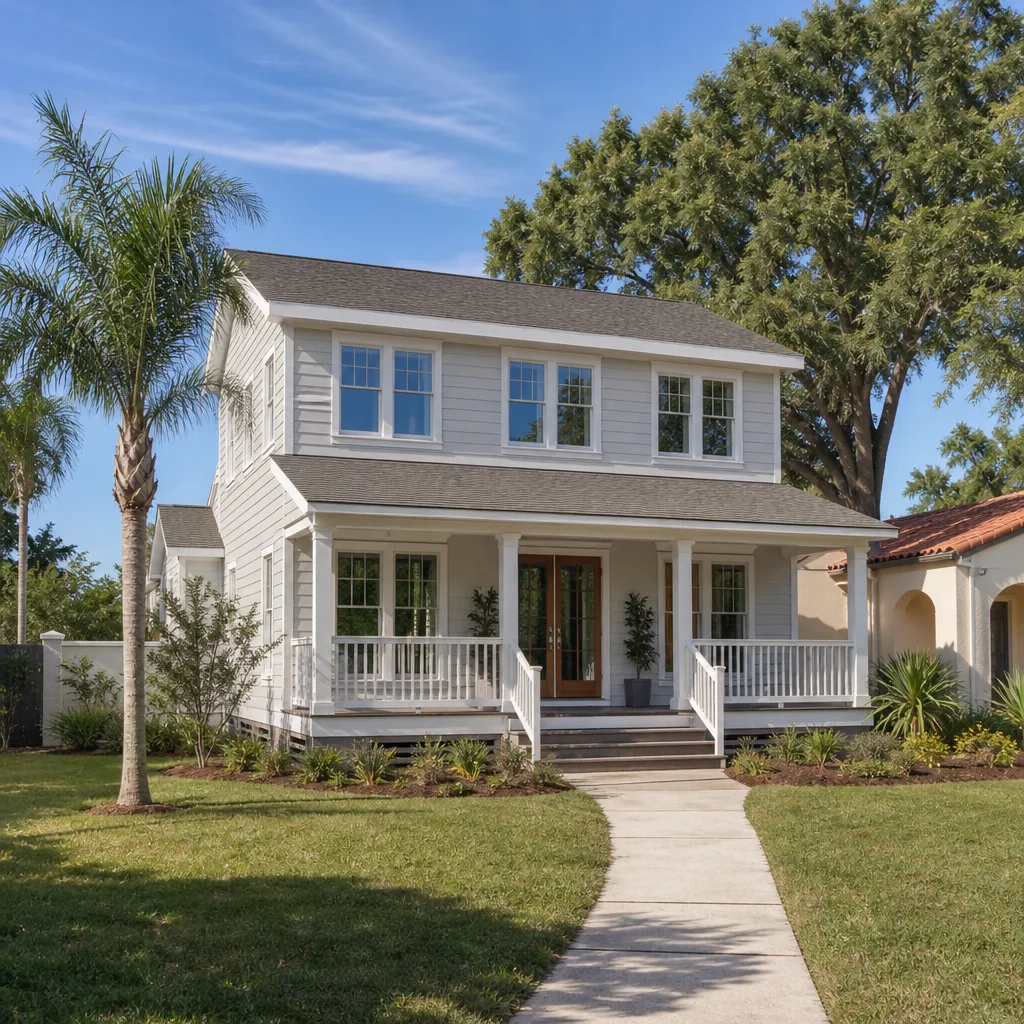
If your contractor asks you to pull the permit, that’s a red flag. When the homeowner is the permit holder, the homeowner carries the liability – for inspections, for code compliance, for the final sign-off, and for any correction notices down the road. The builder who did the work walks away clean. That accountability gap is exactly where projects fall apart.
A contractor who pulls their own permits puts their name and their license on the line for the whole job. They schedule the inspections, they answer to the city, and they own the result. In our experience, that one detail tells you more about how a builder operates than any portfolio photo. Pair it with a real, written workmanship warranty and you’ve got accountability you can actually enforce.
Ask three questions before you sign anything: Who pulls the permit? Who schedules inspections? What happens if an inspection fails? The answers should all point at the contractor, not at you.
4. Underestimating Owner-Occupancy and Rental Compliance
Orange County has its own layer of rules around ADUs – and they affect your financing and your resale, not just your rental plans. Owner-occupancy requirements, rental-term limits, and how different lenders treat an ADU all factor into whether the project pencils out. Get this wrong and you can build a beautiful ADU that you can’t legally rent the way you planned, or one that complicates your refinance later.
Tustin sits within a regulatory landscape that’s shifted a lot since 2020, so verify the current rules with the city and your lender before you build around an assumption. If renting the unit is part of your plan, confirm the rental-term rules apply the way you expect. If you’re financing through a lender that treats ADU income a certain way, find that out in week one – not after the foundation is poured.
To be clear: getting this right is a paperwork exercise, but it’s paperwork that protects a six-figure investment. Do it early and it’s routine. Do it late and it’s a problem.
5. Failing to Future-Proof the ADU Design
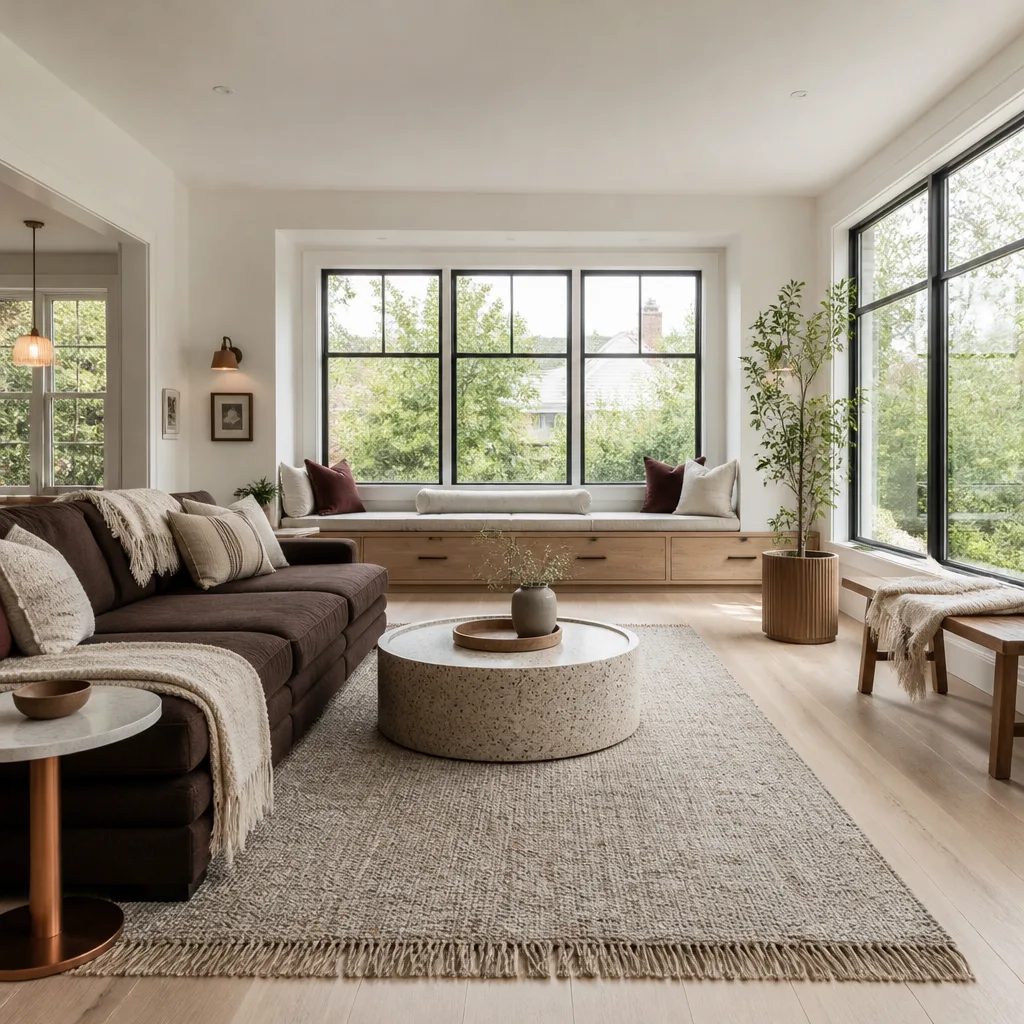
The ADU you build this year is the one you’ll rent, resell, or hand to a family member years from now. Designing without a separate entrance – or without ADA-adaptable thinking – leaves value and flexibility on the table. A separate entrance is what makes the unit genuinely independent for a tenant. Wider doorways, a zero-threshold shower, and single-level circulation make it usable for aging parents, a returning adult child, or a future buyer who needs those features.
Future-proofing costs very little if it’s in the design from day one and a lot if it’s retrofitted later. When you’re choosing systems, quality materials pay off across the life of the building. That’s where working with established manufacturers matters – Abodu and Cover are known in the prefab ADU space, and on the finish side we lean on brands like KraftMaid and Cambria in kitchens and Andersen or Marvin for windows because they hold up and they’re backed in writing.
Think about who uses the space, how they get in, and how it’ll be used in ten years – then design for that version, not just the easiest version today.
When to Call a Pro
You can absolutely handle the planning homework – the pre-app meeting, the lot research, the lender questions. Where a pro earns their keep is at the intersection of design, permits, and construction, because that’s where the mistakes get expensive. Adding a home addition or ADU is a full-scope job from foundation to finish line, and the cleanup from a planning miss is far costlier than getting the plan right the first time.
Groundwork Construction Co. of Tustin brings a crew of experienced technicians – up to 12 years each – and we answer the phone with a live person, 24/7. Every project is covered by our 730-Day Done Right Promise: if it’s not done right, we make it right, for well over two years. That’s how we back the work.
Related services in Tustin: if your project touches the outside of the house, we can handle the whole scope – see our Home Additions & ADU in Tustin service page, and if the finish work extends to the yard, our Driveway & Pavers in Tustin and Fence Installation in Tustin teams cover that too.
The Bottom Line
The five mistakes that sink Tustin additions and ADUs all happen before the first nail goes in: skipping the utility check, ignoring the lot’s real limits, hiring a contractor who doesn’t pull permits, missing the owner-occupancy rules, and designing without a future in mind. Get those right in the first two weeks and the rest of the project behaves a whole lot better.
If you’re in Tustin and need help, Groundwork Construction Co. of Tustin offers free estimates – no-hassle upfront pricing so the number you see is the number you pay, plus $1,000 off projects over $10,000 and 0% financing for 18 months if you qualify. You can also start from our Groundwork Construction Co. of Tustin home page. Call (833) 954-6066 to schedule your free estimate.
Frequently Asked Questions
Most ADUs in Tustin land in a wide range depending on size, site work, and finish level, and utility upgrades can swing the number significantly. Because an undersized panel or failing sewer lateral can add $15,000 – $40,000 mid-build, get those checked before you budget. Call (833) 954-6066 for an exact quote – estimates are free.
You don’t legally have to, but skipping it is one of the biggest reasons Tustin projects sit in plan review 4 – 6 months longer than necessary. The 45-minute meeting surfaces setbacks, easements, and coverage limits before you design. Call (833) 954-6066 and we’ll help you prepare for it.
Your contractor should pull it, every time. When the homeowner is the permit holder, the homeowner carries the liability for inspections and code compliance. Choose a builder who pulls their own permits and puts their name on the job. Call (833) 954-6066 to talk through your project – estimates are free.
It shouldn’t, and with upfront pricing the number you see is the number you pay. The main reason budgets move mid-build is an unaddressed utility problem, which is exactly why we check capacity before we design. Call (833) 954-6066 for a written, fixed estimate – estimates are free.
Written by the team at Groundwork Construction Co. of Tustin.
Need Construction Help?
Call Groundwork Construction Co. of Tustin - licensed & insured, here with fast after-hours help in Tustin.
(833) 954-6066