


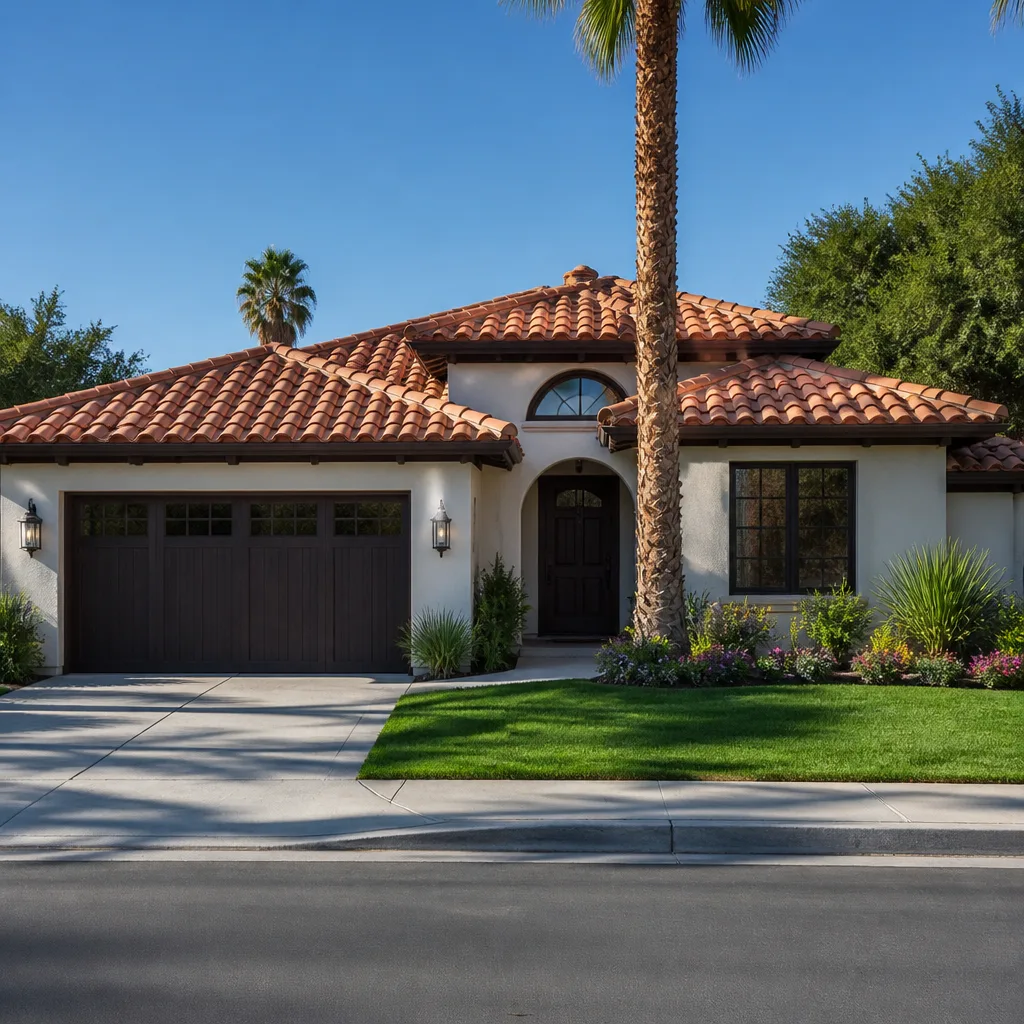
Free written scope consultation - allowances, timeline, and change-order rules on paper before a single trade is scheduled
Styles & brands we work with
- Kitchen remodeling
- Bathroom remodeling
- Home additions & ADU
- Roofing
- Windows & doors
- Driveway & pavers
- Fence
See the difference
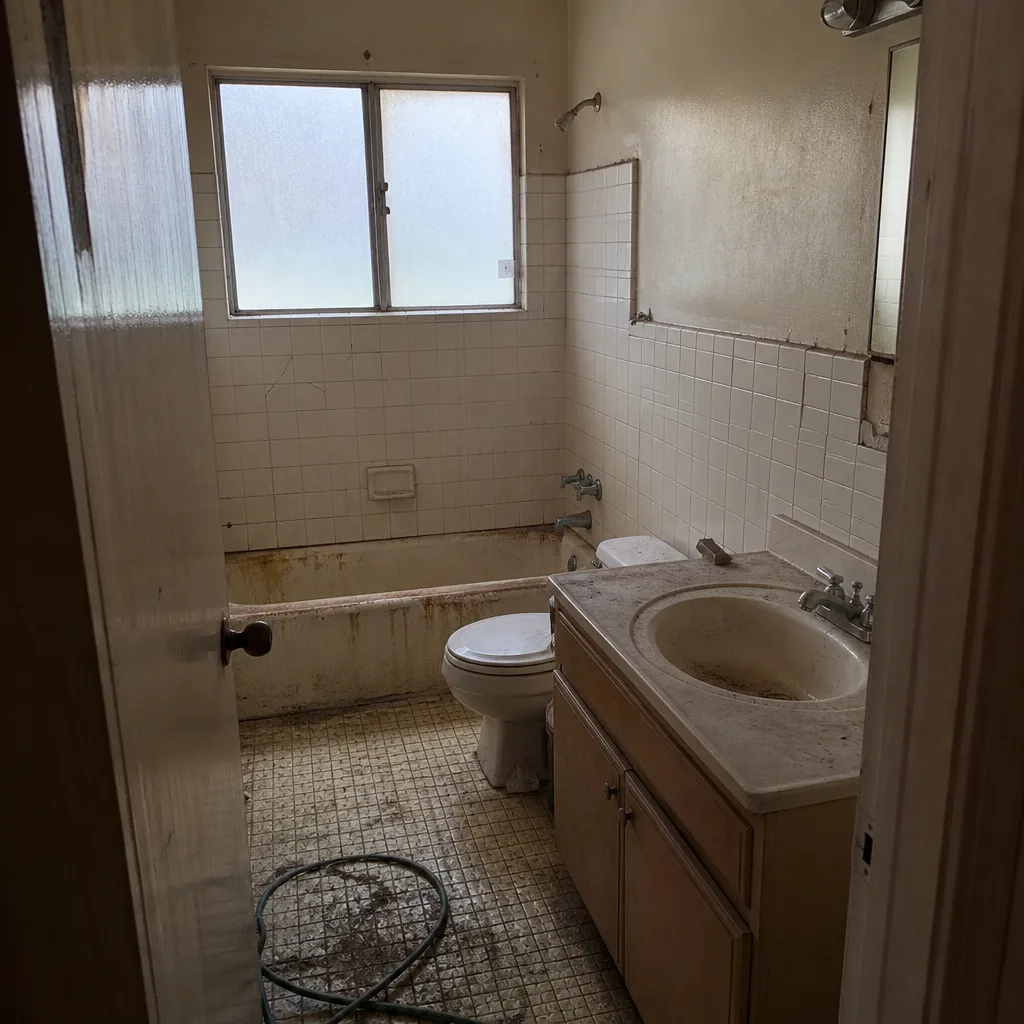 Before
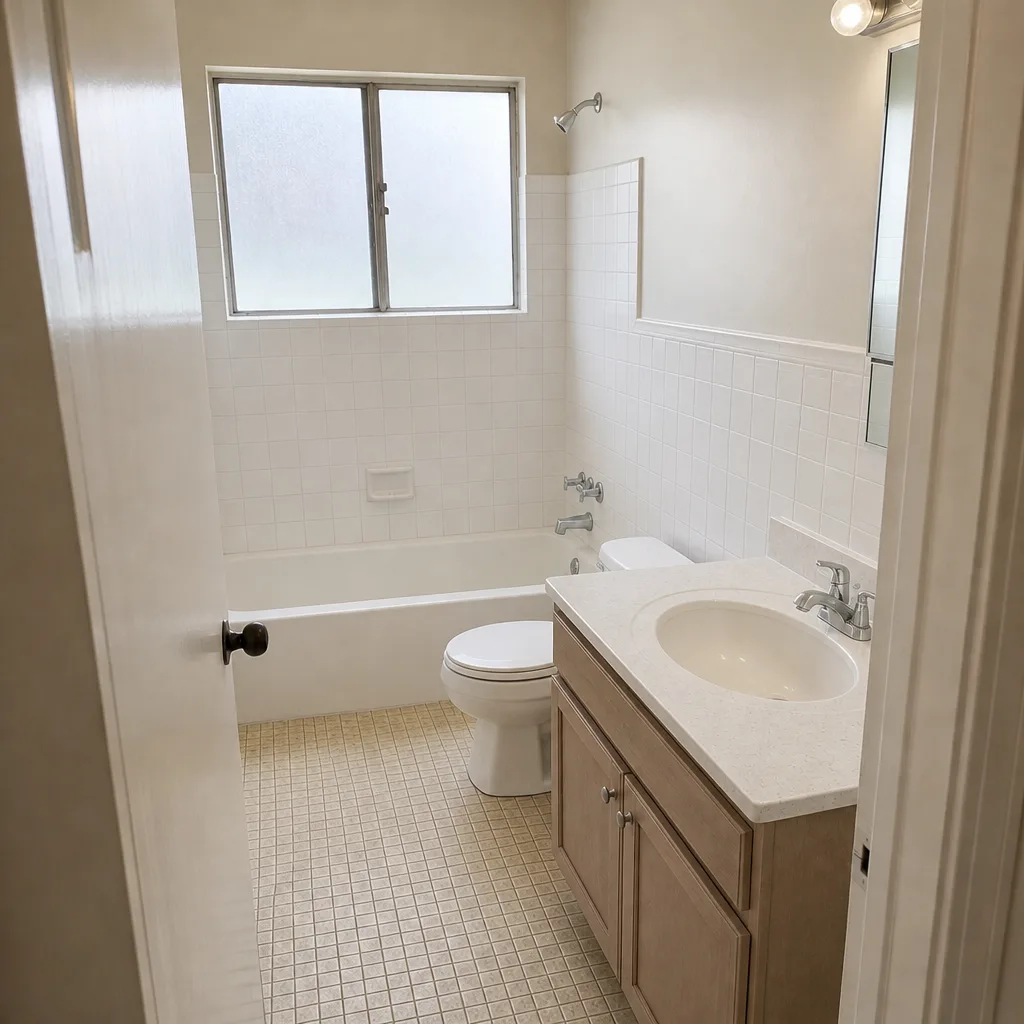 After
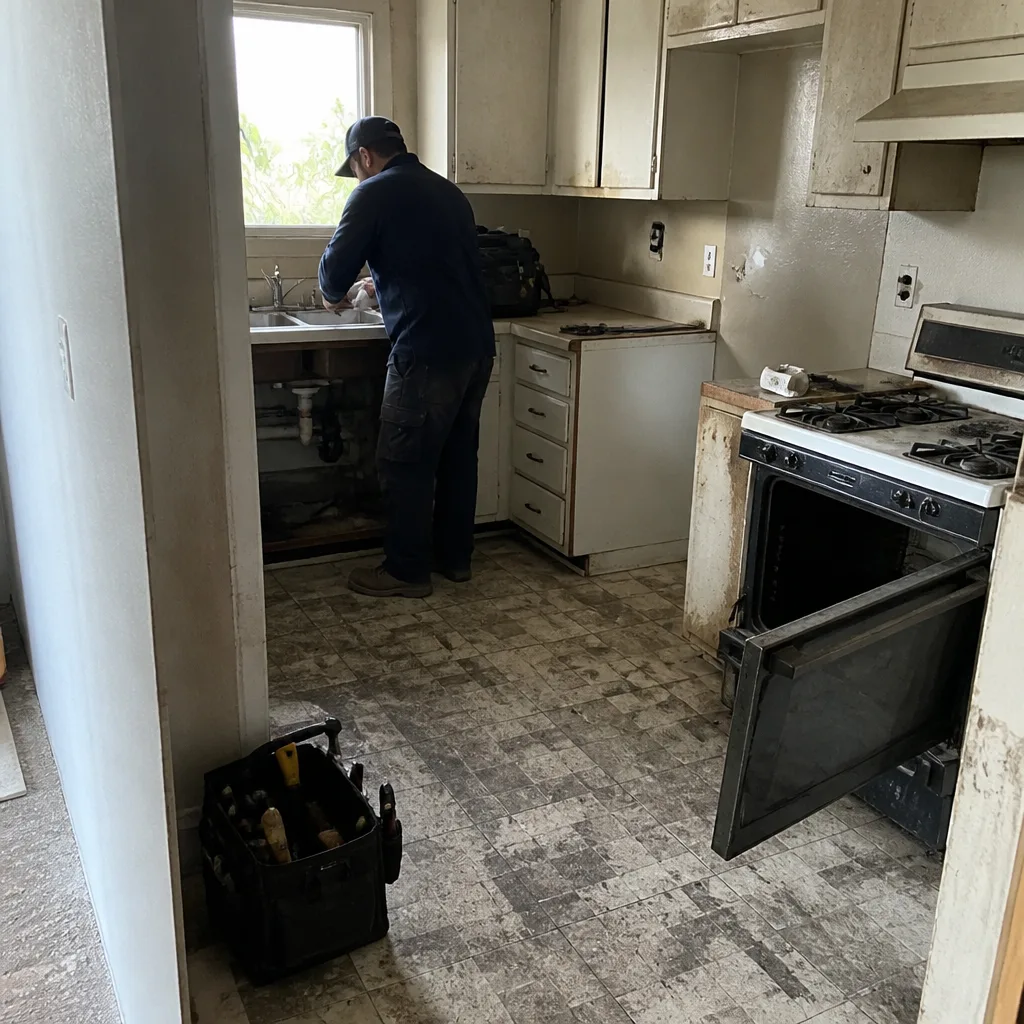 Before
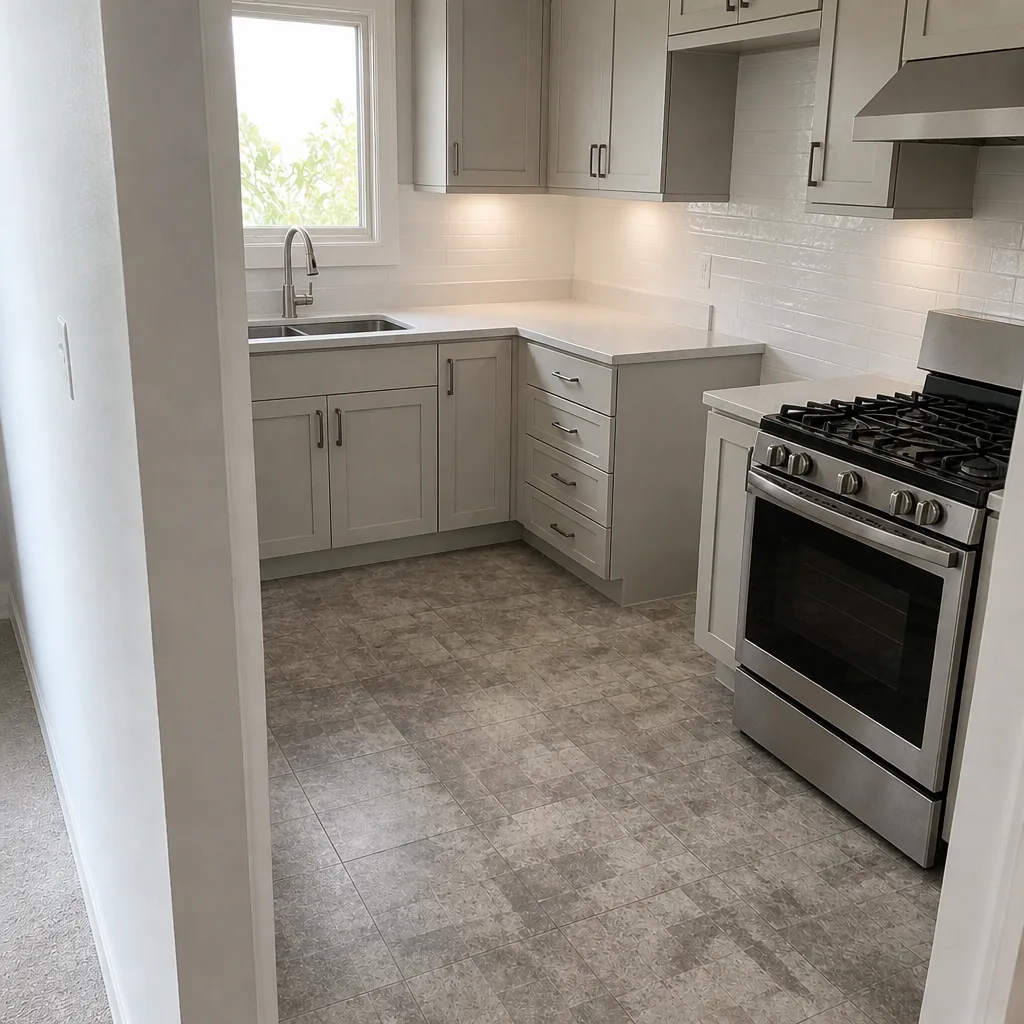 After
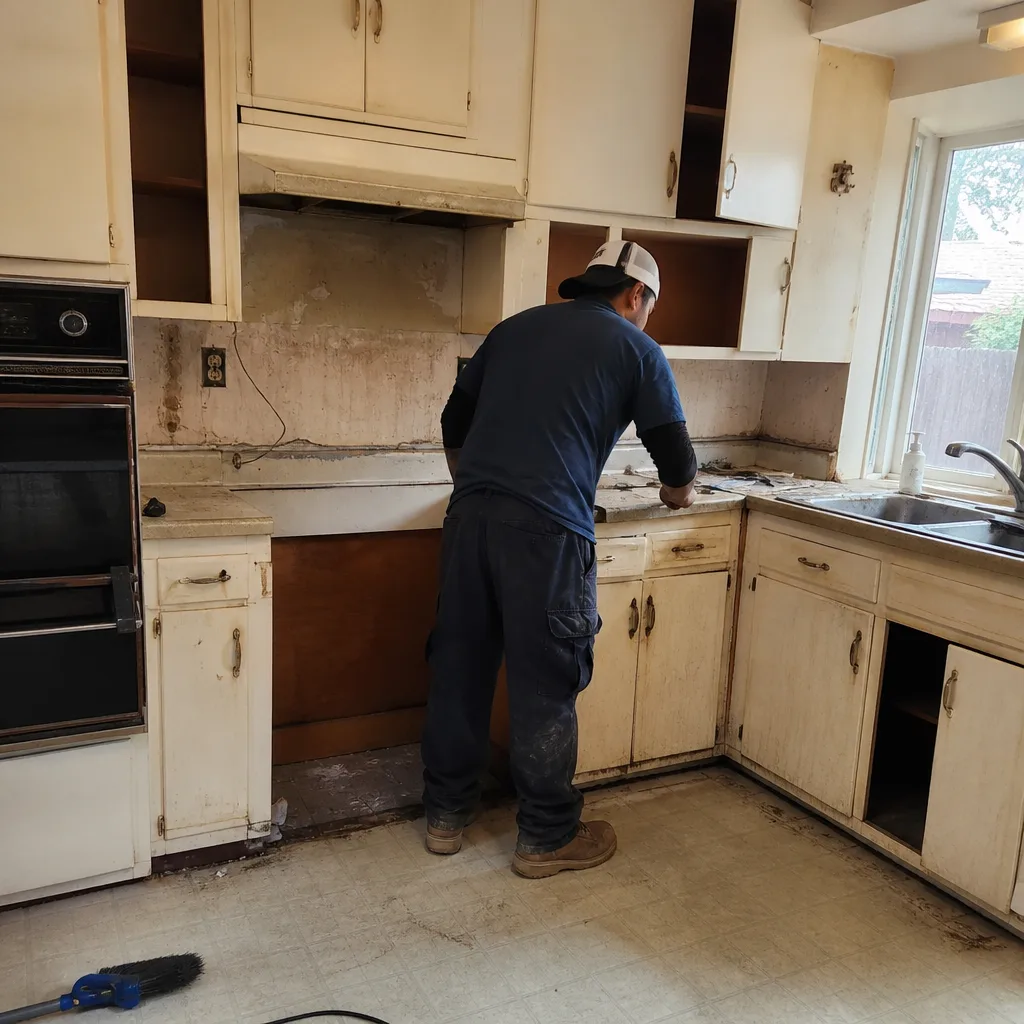 Before
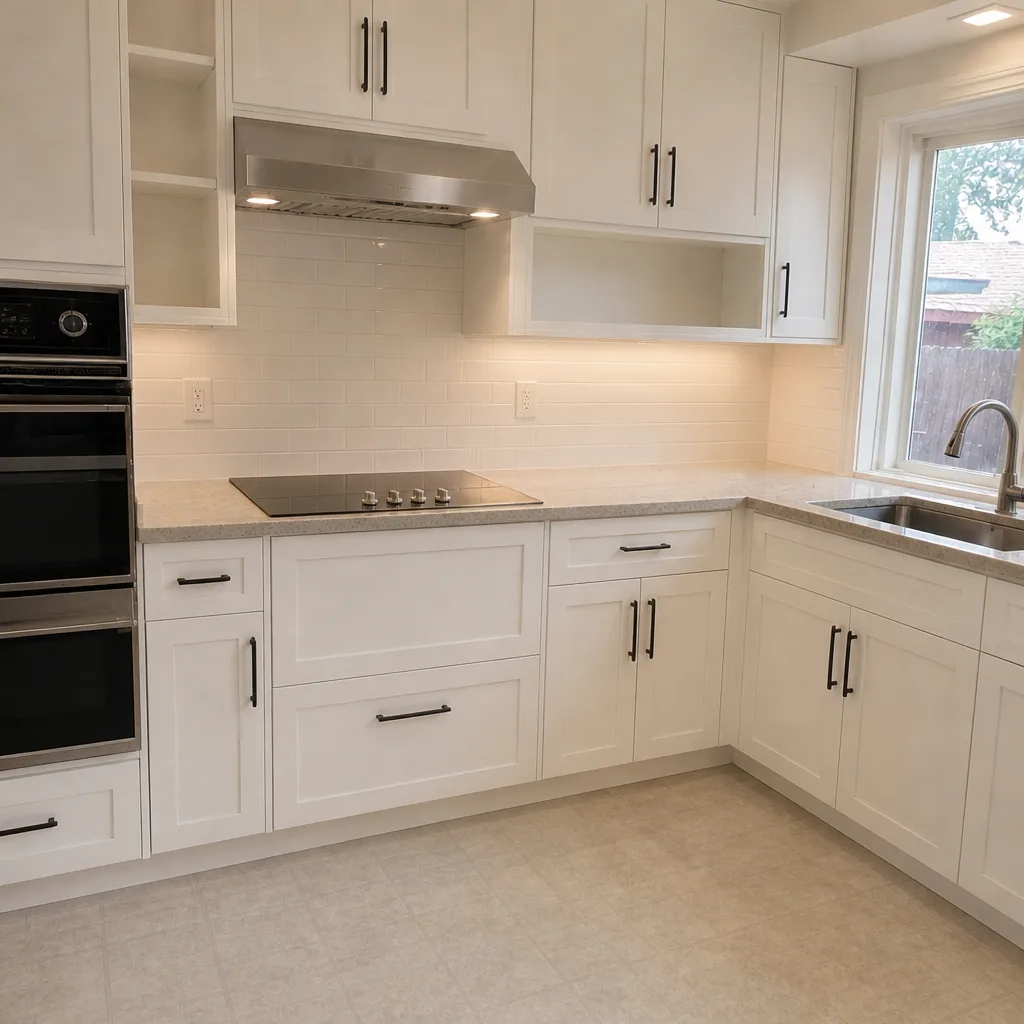 After
How to Fix a Sinking Driveway in Tustin, CA: Diagnose the Soil Before You Touch the Surface
The short answer: fix the void underneath the slab, not the slab itself. A sinking driveway in most of Tustin is a subgrade failure, and the repair that lasts is either slab jacking (mudjacking) or polyurethane foam injection to fill the voids and re-level the panels, followed by crack and joint sealing. In a 1960s Tustin ranch home, what looks like a cracked slab is usually clay soil that has been pulling away from the concrete for decades. If you want it diagnosed properly before you spend anything on resurfacing, call Groundwork Construction Co. of Tustin at (833) 954-6066 for a free estimate.
Here’s the honest part most guides skip. In Tustin, especially in the mid-century ranch neighborhoods built from the 1950s through the 1970s, sinking is almost always a soil problem wearing a driveway costume. Resurfacing the top without addressing what’s underneath is money wasted. We see it constantly across town, and the fix starts with understanding the ground under your slab.
Why Tustin Driveways Sink: The Clay Shrink-Swell Cycle
Tustin’s semi-arid Mediterranean climate runs a slow demolition cycle on any slab poured over expansive clay. Our hot, dry summers bake the clay until it contracts and pulls away from the edges of the concrete. Then the mild wet winters arrive, the clay takes on water and swells, and the ground pushes back up unevenly. Santa Ana wind events in between drive rapid moisture loss and fast sun exposure that speeds the whole thing up.
One season of that is nothing. Fifty or sixty seasons is a different story. After enough shrink-swell cycles, voids form underneath the slab. The concrete stops being supported across its full footprint and starts acting like a bridge over an empty space. That’s when it drops, cracks, and settles at the edges. A 1960s ranch home in Tustin has been through this loop for roughly six decades, which is why so many of those driveways are low near the garage apron and cracked at the joints.
What most homeowners notice first is a lip at the garage door, water pooling where the apron meets the street, or a crack that keeps getting wider. All three point to a void, not a worn surface.
The Diagnostic Decision Tree: What Your Driveway Is Telling You
Before anyone quotes a repair, the pattern of the failure tells you which fix applies. We walk every Tustin property through this before writing an estimate, and you can do a first pass yourself just by looking.
- One panel drops with clean, straight edges around it. This usually means a localized void or washout under that panel. It’s the good news scenario. Slab jacking or foam injection lifts it back to grade without tearing anything out.
- Several panels sinking together, with cracks radiating out from one low point. That’s subgrade failure across a wider area. The soil under the whole stretch has lost bearing capacity. You need excavation and recompaction of the base before any surface work, or the new surface fails the same way.
- Step-down between panels, or a difference of more than an inch at the joints. Differential settlement. The fix depends on how much soil movement is still active underneath.
- Cracks wide enough to trap a finger, or edges breaking off. The slab has lost structural support. Surface patching hides it for a season at best.
One detail worth knowing: if water is draining toward the house instead of the street, no amount of lifting will hold until that grading is corrected. Repairing a slab over a drainage problem is like bailing a boat with the plug still out.

Mudjacking vs. Polyurethane Foam: Which Is Right for a Tustin Home?
Both methods do the same job - fill the void and lift the slab back to grade - but they behave very differently on Tustin’s soil and on an occupied home.
Mudjacking pumps a cement-and-soil slurry under the slab through small holes. It’s heavier and cheaper on material. The weight is the catch: on a subgrade that’s already weak, adding load can push the problem sideways. It also takes about 24 hours to cure, which means no driving on it, and if your Tustin home has no secondary access, that’s a full day of inconvenience.
Polyurethane foam injection uses a two-part expanding foam that’s dramatically lighter, so it doesn’t add stress to compromised soil. It cures in about 15 minutes. That speed matters in practice - in a tight Old Town lot or a home with a single driveway, the foam approach means the car is back in the garage the same afternoon. For most Tustin sink cases, foam is the more practical repair, and it lifts with finer control than a slurry.
| Repair Approach | Typical Tustin Price Range | Best Fit |
|---|---|---|
| Slab jacking / foam injection (spot repair) | $500-$1,800 | Single sunken panel, clean edges, localized void |
| Full drive replacement (concrete) | $4,500-$12,000 | Multiple failed panels, widespread subgrade failure |
| Full drive replacement (paver) | $7,000-$18,000 | Replacement with a surface that handles minor movement better |
| Sealing after repair | $250-$700 | Protecting the finished surface and joints |
Those numbers move based on square footage, access, and how much excavation is required. The table is a market guide, not a quote.
Tustin Legacy: When Your Driveway Sits on Former Airfield Land
There’s a second Tustin sinking story that plays out a few miles from Old Town. The Tustin Legacy development sits on the footprint of the former MCAS Tustin airfield. Homes built there sit on fill soils with a different compaction history than residential-grade subgrades, and the huge WWII-era wooden blimp hangars nearby are a reminder that this ground has seen heavy industrial use, not just tract home grading.
When a newer Tustin Legacy driveway sinks, the cause is often inadequate original compaction rather than decades of clay cycling. That changes the repair. You’re not just filling a void, you’re assessing whether the fill itself is stable. Those jobs call for deeper investigation and a different lift strategy than a 1960s ranch needing a single panel leveled. If you live in Legacy and your driveway is settling sooner than you’d expect, that history is the first thing we look at. The full range of what we handle is on our Driveway & Pavers service page.
The market around here splits between the century-old Craftman and Spanish Revival bungalows of Old Town and the brand-new builds on the old air station ground - two extremes within a few miles. Good contractors navigate both, and this is exactly the area where Groundwork Construction Co. of Tustin works.
Common Local Scenarios We See in Tustin
The Old Town bungalow with a tuck-under. A 1920s home where the driveway runs downhill to a garage under the house. Water has been traveling along the slab edge for decades, and there’s a washout void at the low end. Foam injection lifts it, then we regrade and re-route drainage so it stops happening.
The 1965 ranch off a cul-de-sac. Single panel sunk at the street apron with radiating cracks. Classic void. Spot lift, reseal, and it’s back to flat in a day.
The Tustin Legacy newer build. Two- and three-panel settlement that looks wrong for the home’s age. The original fill didn’t compact the way it should have. This one gets excavated and recompacted before anything is poured or set.
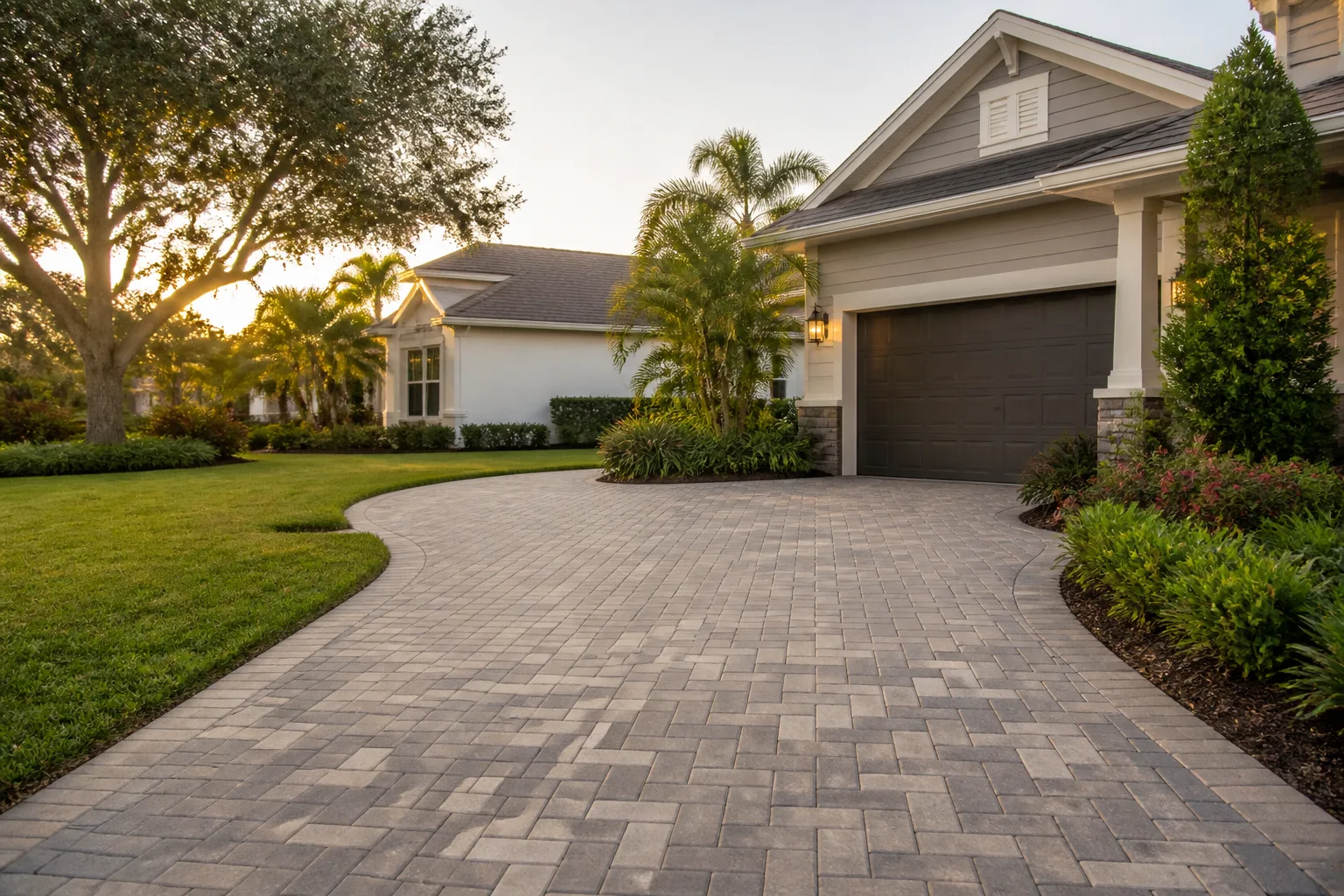
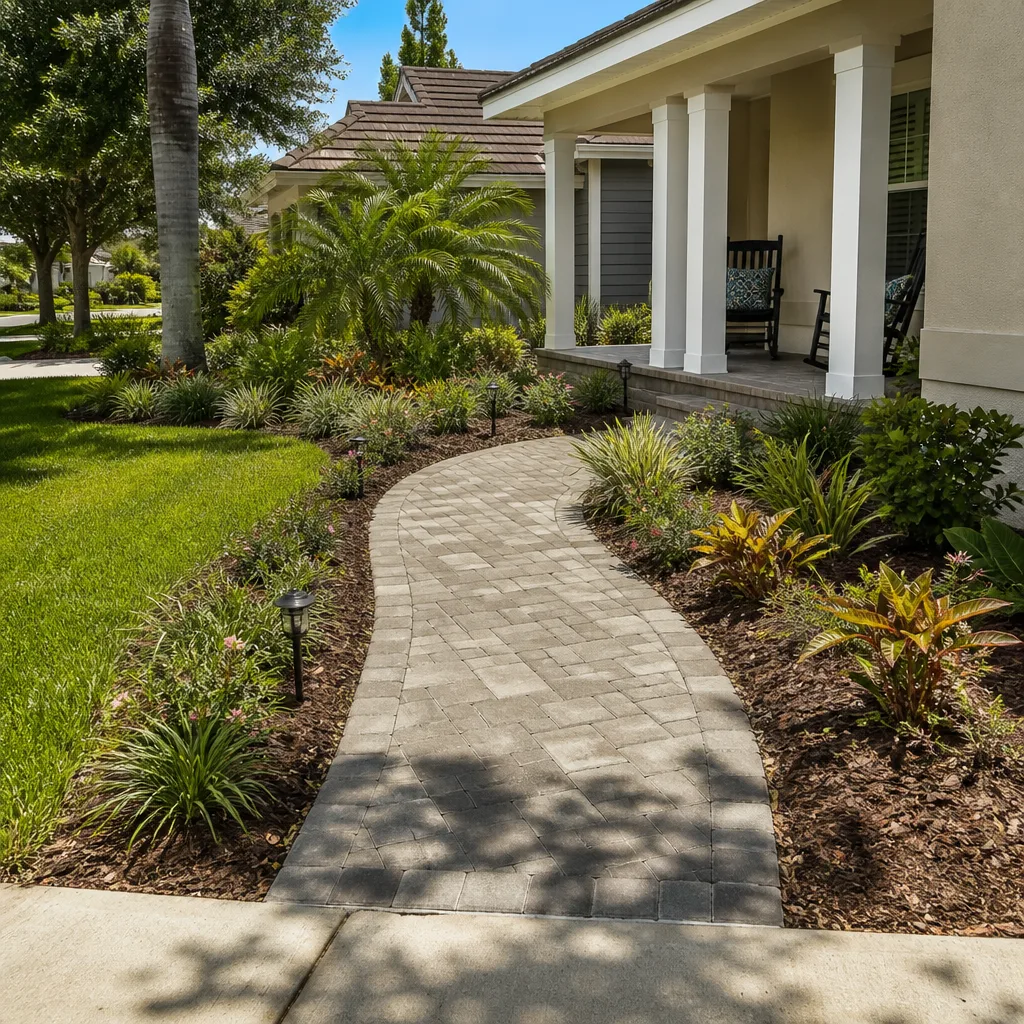
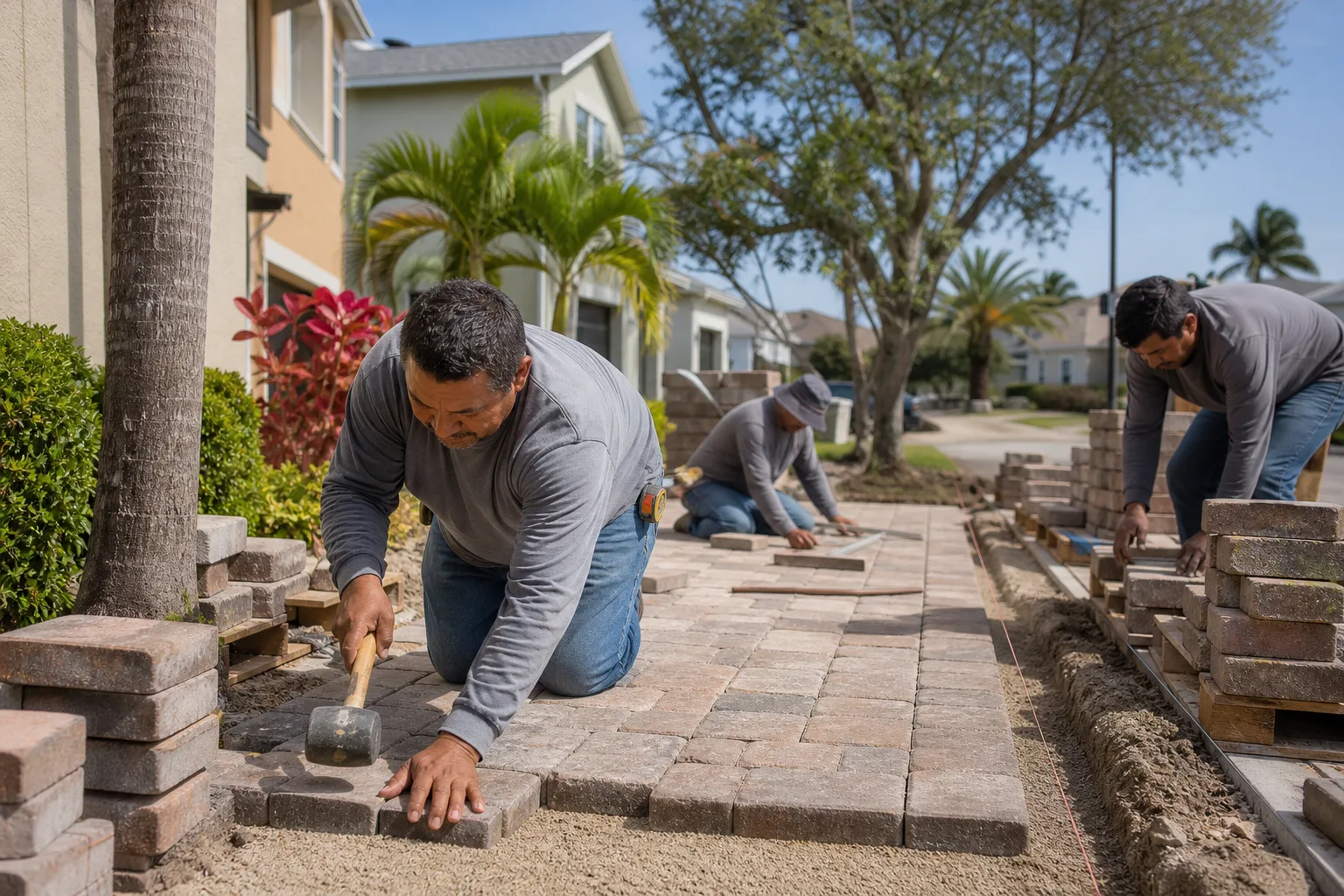
When replacement makes more sense than repair, we set pavers from manufacturers like Tremron, Techo-Bloc, and Cambridge Pavers, which flex and tolerate minor soil movement better than a poured slab. That spec lives elsewhere on the site; the point here is that the fix always starts below the surface.
Why the 730-Day Done Right Promise Matters More Here Than Almost Anywhere
Subgrade repairs are invisible once the driveway’s back in service. Nobody sees the foam, the recompacted base, or the void that got filled. That’s the risk with this work: a contractor can lift the surface, pocket the check, and vanish, and the slab settles again next wet season.
Our 730-Day Done Right Promise is the backstop. If a repair we did fails within two years, we come back and make it right, without debate. That’s the only real protection you have when the work you paid for is buried under concrete. Our technicians have up to 12 years of experience, and all of them are background-checked and arrive in uniform. You can read more about how we run jobs on our home page.
When to Call a Pro Instead of Going Further Yourself
You can diagnose a sinking driveway in Tustin with your eyes and a level. Lifting a slab is a different matter. Foam injection requires calibrated equipment, pressure control, and a read on the subgrade that comes from experience - done wrong, you can crack a panel or lift it past grade. Excavation and recompaction are machine work. And if the sinking traces back to a structural foundation issue rather than the slab alone, that’s a bigger job. Save the surface checks for yourself and hand the lift to someone trained to do it.
FAQs
Yes, in most single-panel and localized cases it can. Slab jacking or polyurethane foam injection lifts the panel back to grade and fills the void underneath, usually in a single visit. Replacement is only necessary when multiple panels have failed together or the subgrade itself has lost bearing capacity.
Spot slab lifting in Tustin typically runs $500-$1,800, depending on how many panels are affected and access. If the subgrade has failed across the whole driveway, replacement ranges from $4,500-$12,000 for concrete or $7,000-$18,000 for pavers. Call (833) 954-6066 for an exact number - estimates are free.
Because the subgrade or drainage wasn’t corrected the first time. A repaired slab over an active void or a grading problem will settle again within a season or two. The permanent fix addresses the soil and the water path, not just the surface height.
Foam is usually the better fit here. It’s far lighter on already-weak clay soil and cures in about 15 minutes instead of 24 hours, so a Tustin household with no secondary access gets its driveway back the same afternoon.
If you’d rather have it looked at, Groundwork Construction Co. of Tustin offers a no-pressure assessment in Tustin - call (833) 954-6066. We’ll tell you whether it’s a lift, a replacement, or a drainage fix, and put the number in writing before any work starts.
Written by the team at Groundwork Construction Co. of Tustin, serving Tustin, CA.