
Free written scope consultation - allowances, timeline, and change-order rules on paper before a single trade is scheduled
Styles & brands we work with
- Kitchen remodeling
- Bathroom remodeling
- Home additions & ADU
- Roofing
- Windows & doors
- Driveway & pavers
- Fence
See the difference
 Before
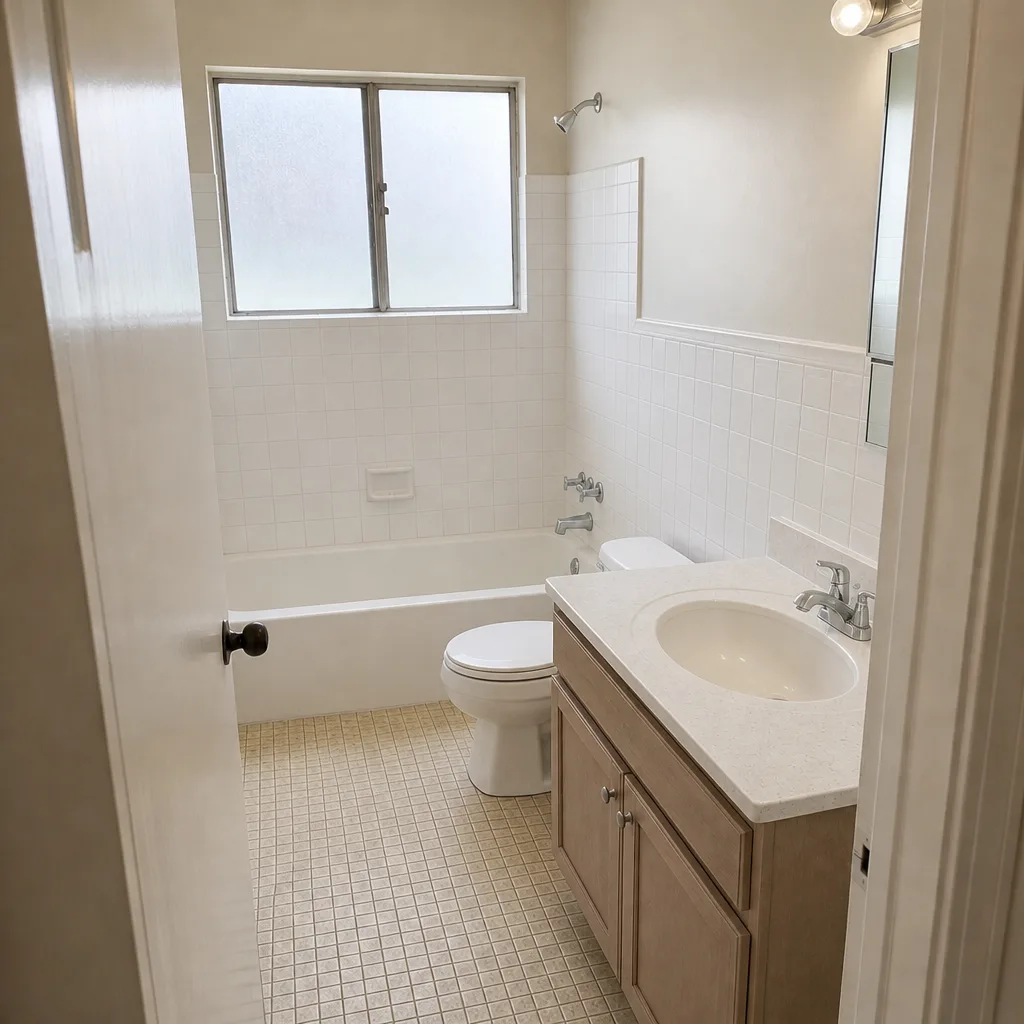 After
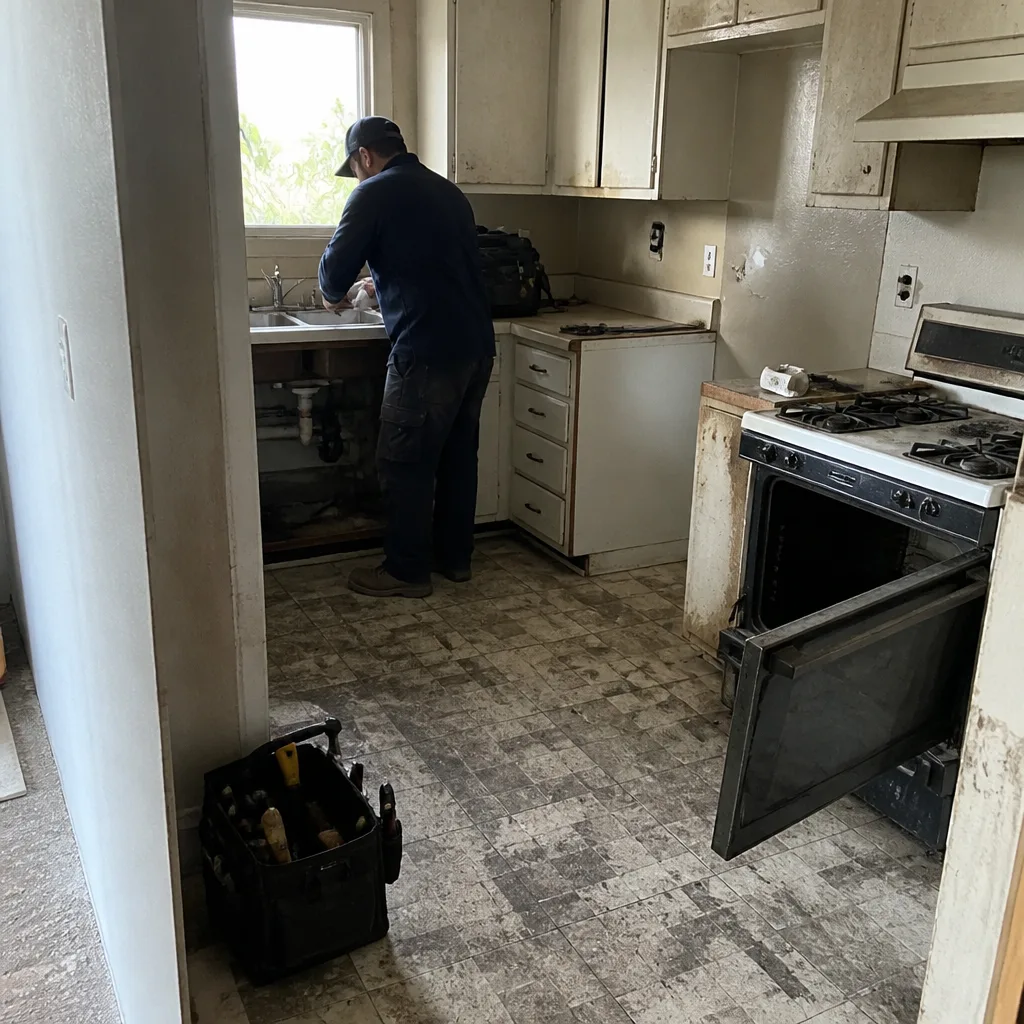 Before
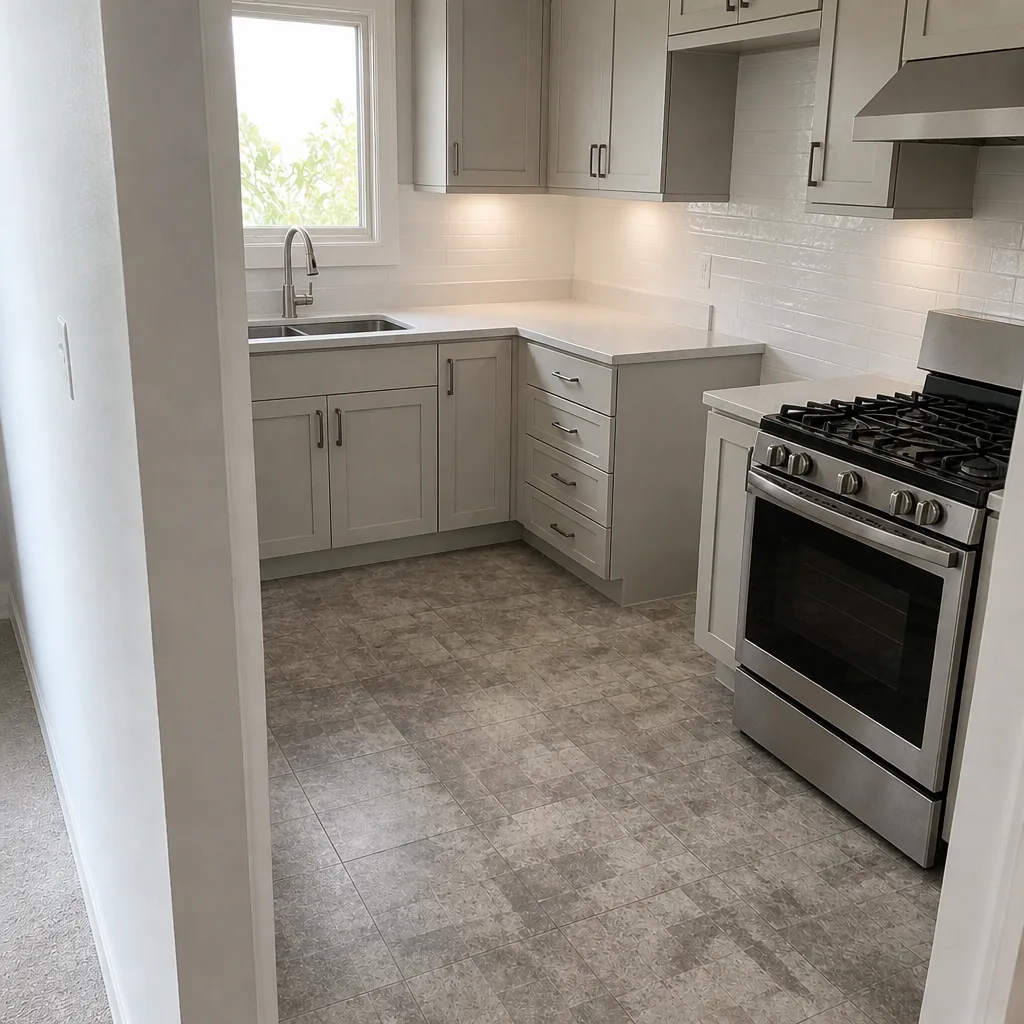 After
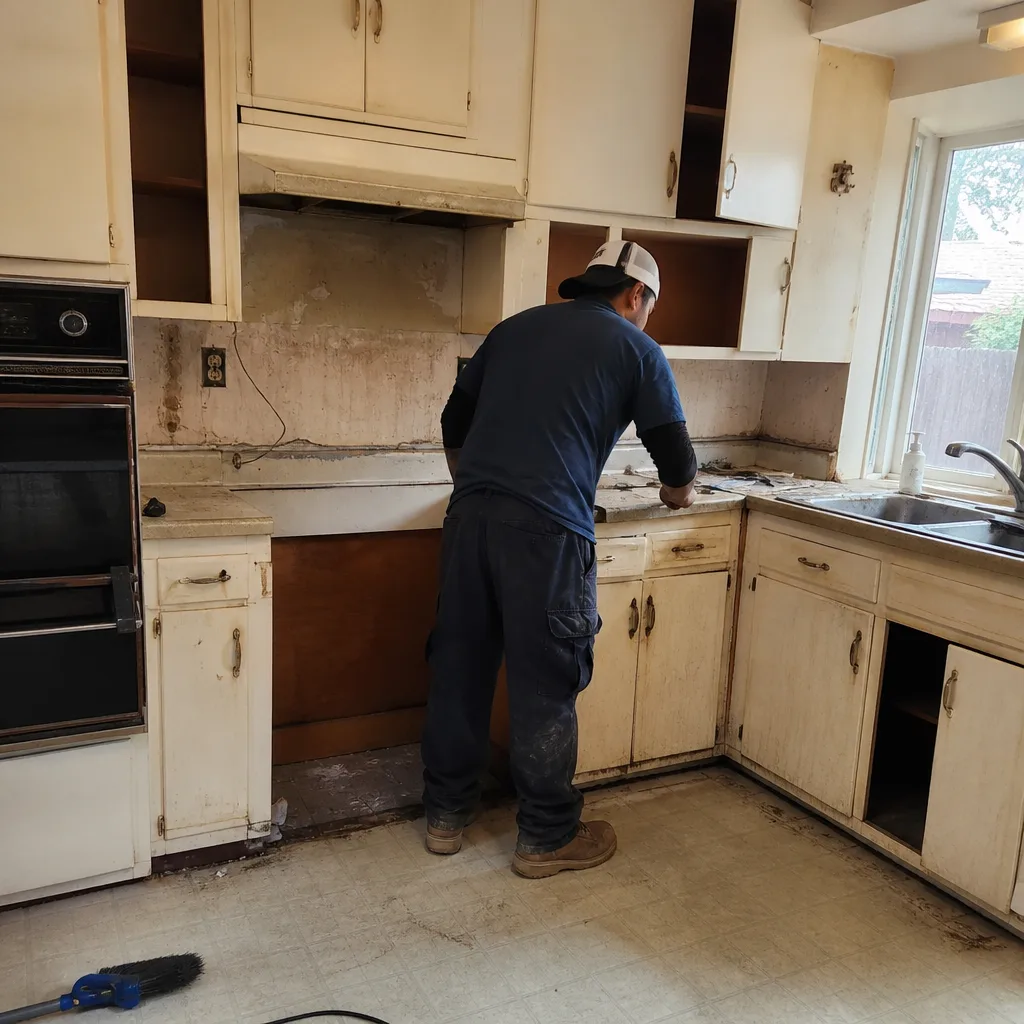 Before
 After
How Deep Should Fence Posts Be in Tustin, CA?
For most fences, the short answer is one-third of the post’s above-ground height in the ground, so a 6-foot post goes 24 inches down. In Tustin, that’s a starting point, not a finished answer. During a Santa Ana wind event, a solid 6-foot privacy panel puts lateral load on its posts that a 24-inch footing in loose or fill soil can’t reliably hold, and on the former airfield ground at Tustin Legacy the minimum-depth install is a real liability. Call Groundwork Construction Co. of Tustin at (833) 954-6066 if you want the depth set by the soil under your fence, not a rule of thumb.
What the one-third rule gets right, and where it breaks
The rule works because it balances the lever arm of the post with the mass of soil and concrete holding it. A post standing 6 feet tall above grade has three times the leverage that a 2-foot post does, so it needs three times the resistance at the bottom. For a stockade fence or a light metal fence in firm ground, 24 inches is honest engineering.
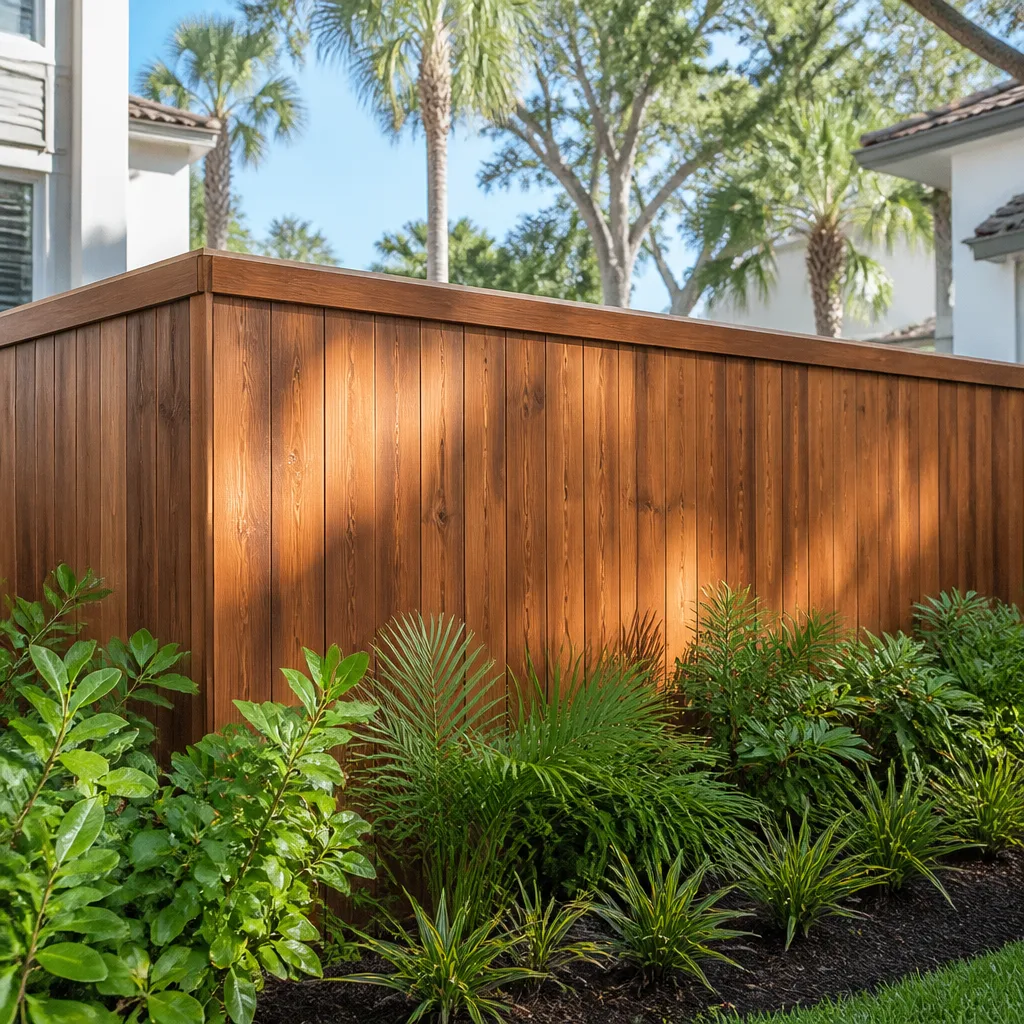
A 6-foot wood privacy panel is a different animal. It’s a solid sail. Every square foot of that panel catches wind, and a Tustin Santa Ana event can push gusts into the 50-70 mph range through the canyon gaps above the flat. Run the rough math: a 6-by-8 panel is 48 square feet of sail, and even at a modest design pressure it transfers hundreds of pounds of shear into two or four posts. A 24-inch footing in loose sandy loam resists maybe a fraction of that before it starts to lean. In fill soil, it resists less.
That’s the whole problem in one sentence: standard depth works for the average fence, and the average fence isn’t what most Tustin homeowners are buying. They want privacy, which means a tall panel, which means more sail area, which means the footing has to carry a load the rule of thumb never accounted for.
Load you can picture
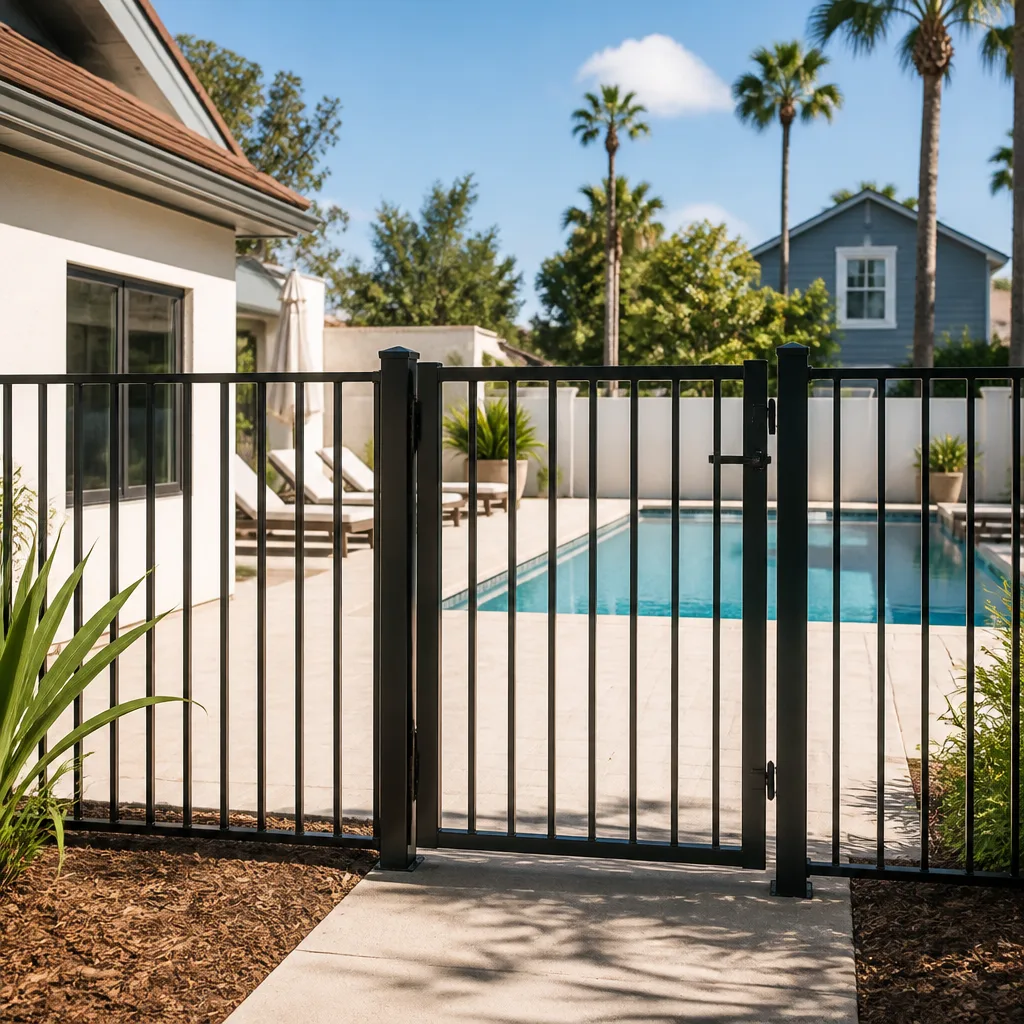
- Less sail, less demand: a 4-foot picket or a 5-foot open-rail aluminum fence sheds wind and is fine at 18-24 inches with a standard 8-inch tube.
- Full sail, real demand: a 6-foot solid wood privacy panel needs a wider footing and, on soft ground, more depth than 24 inches.
- Worst case: a 6-foot panel on fill soil with a shallow bell is the fence that ends up leaning 15 degrees after the first big wind.
Why Tustin soil doesn’t take one uniform depth
Tustin sits on two very different kinds of ground within a few miles of each other, and the depth that’s correct in one district is wrong in the other.
Out at Tustin Legacy, the ground is the former Marine Corps Air Station Tustin footprint. It’s been graded, filled, and built over in phases, and compaction across the old airfield parcels is not consistent. Some lots sit over denser engineered sub-base near the old runway edges. Others sit over looser fill that never got the same treatment. You can’t see the difference from the surface, and a crew that digs 24 inches everywhere and drives away will find out which lots are which during the next wind season, when a panel goes over. The WWII blimp hangars still standing in the district are a reminder of how much history sits under that ground, and none of it is uniform.
In Old Town Tustin, the problem is clay. The soil under those 1920s Craftsman and Spanish Revival lots expands when it’s wet and shrinks when it’s dry, and the region’s dry-wet cycle does that twice a year. A footing in expansive clay doesn’t fail by pulling straight up the way a frost-heave footing does back east. It fails because the clay works the concrete loose, opens a gap around the post, and lets water in. The fix isn’t just more depth. It’s a wider concrete bell at the bottom, so the footing has a shoulder to grab and can’t be pumped upward as the clay swells. A post that’s plenty deep but bell-less in Old Town clay will still walk.
Standard sandy loam lots, the mid-century ranch neighborhoods in between, are the easiest ground and the closest thing to the textbook case. Depth plus a modest bell handles them fine.
Post depth and footing size by height, material, and Tustin soil zone
These are working specifications, not code minimums. Local code sets the floor; soil and wind load set what actually holds. Here’s how we set footings across the three zones.
| Fence height / material | Old Town clay | Tustin Legacy fill | Standard sandy loam |
|---|---|---|---|
| 4 ft wood or vinyl | 24 in deep, 12 in bell | 24 in deep, 12 in bell | 24 in deep, 10 in bell |
| 5 ft wood or vinyl | 30 in deep, 12 in bell | 30 in deep, 12 in bell | 24 in deep, 10 in bell |
| 6 ft solid wood panel | 36 in deep, 14 in bell | 36 in deep, 14 in bell, or engineer-specified | 30 in deep, 12 in bell |
| 6 ft metal (aluminum/steel) | 30 in deep, 12 in bell | 30 in deep, 12 in bell | 24 in deep, 10 in bell |
| Gate posts (any material) | 36 in deep, 14 in bell | 36 in deep, 14 in bell | 36 in deep, 12 in bell |
Two notes that matter more than the table. First, gate posts carry a swinging load on top of the wind load, so they always go deeper than the run posts they sit between, whatever the soil. Second, metal posts on Legacy fill sometimes call for an engineer’s sign-off, because the point-load of a thin steel post in variable fill is a different problem than a fat wood post.
Why depth is where the guarantee lives or dies
Footing depth and specification decide whether a fence warranty is worth the paper it’s printed on. A fence that goes in at 24 inches everywhere looks identical to one built correctly on the day it’s finished. The difference shows up two wind seasons later, when one is still plumb and the other is on its way down. That’s the exact reason the 730-Day Done Right Promise covers our workmanship: if a footing we set fails, we make it right. A proper installation starts with matching the footing to the actual ground, which is what Fence Installation should always include.
Materials hold up their end too, and the brand partners we build with matter for the parts above grade: James Hardie for fence-adjacent hardscape and siding repairs, and weatherproof finishes that survive Tustin’s rapid sun exposure. Most residential fence jobs in Tustin run $3,500 to $9,000, and footing specifications are baked into that number rather than added afterward. Every job gets upfront pricing, so the number we quote is the number you pay, with 0% financing for 18 months and $1,000 off projects over $10,000 available.
Our technicians have up to 12 years of experience digging and setting footings in this region’s soil, all background-checked and in uniform. For a full picture of what’s covered, start at our home page, and for the wider fence service, see Fence Installation in Tustin.
FAQs
Plan on 30 to 36 inches of depth for a 6-foot wood privacy panel and a wider bell at the bottom, depending on your soil. In Tustin’s standard sandy loam, 30 inches with a 12-inch bell holds well; on Old Town clay or Tustin Legacy fill, go to 36 inches with a 14-inch bell, or get an engineer’s spec for a metal post. Call (833) 954-6066 for a free estimate that accounts for your actual ground.
Only as a floor. The one-third rule puts a 6-foot post 24 inches deep, which is fine for short or open fences in firm soil. A solid 6-foot panel catching Santa Ana wind load needs more, and on the former airfield ground at Tustin Legacy, where compaction varies across parcels, 24 inches everywhere is asking for a lean. Call (833) 954-6066 and we’ll tell you what your location needs.
Add the bell, then the depth. Old Town Tustin’s expansive clay works a footing loose by swelling and shrinking through the wet-dry seasons, and a wider bell at the bottom gives the footing a shoulder that keeps it from pumping upward. Depth alone won’t stop that. Call (833) 954-6066 to talk it through.
Yes. Groundwork Construction Co. of Tustin handles the full fence job, footings included, with technician experience up to 12 years and a 730-Day Done Right Promise on the workmanship. Every estimate is free and priced upfront, and calls are answered by a live person, 24/7. Call (833) 954-6066 to book a visit.
If you’d rather have it looked at, Groundwork Construction Co. of Tustin offers a no-pressure assessment in Tustin. We’ll measure your line, check the soil, and set the depth your fence actually needs, backed in writing. Call (833) 954-6066 for a free estimate.
Written by the team at Groundwork Construction Co. of Tustin, serving Tustin, CA.