Free written scope consultation - allowances, timeline, and change-order rules on paper before a single trade is scheduled
Styles & brands we work with
- Kitchen remodeling
- Bathroom remodeling
- Home additions & ADU
- Roofing
- Windows & doors
- Driveway & pavers
- Fence
See the difference
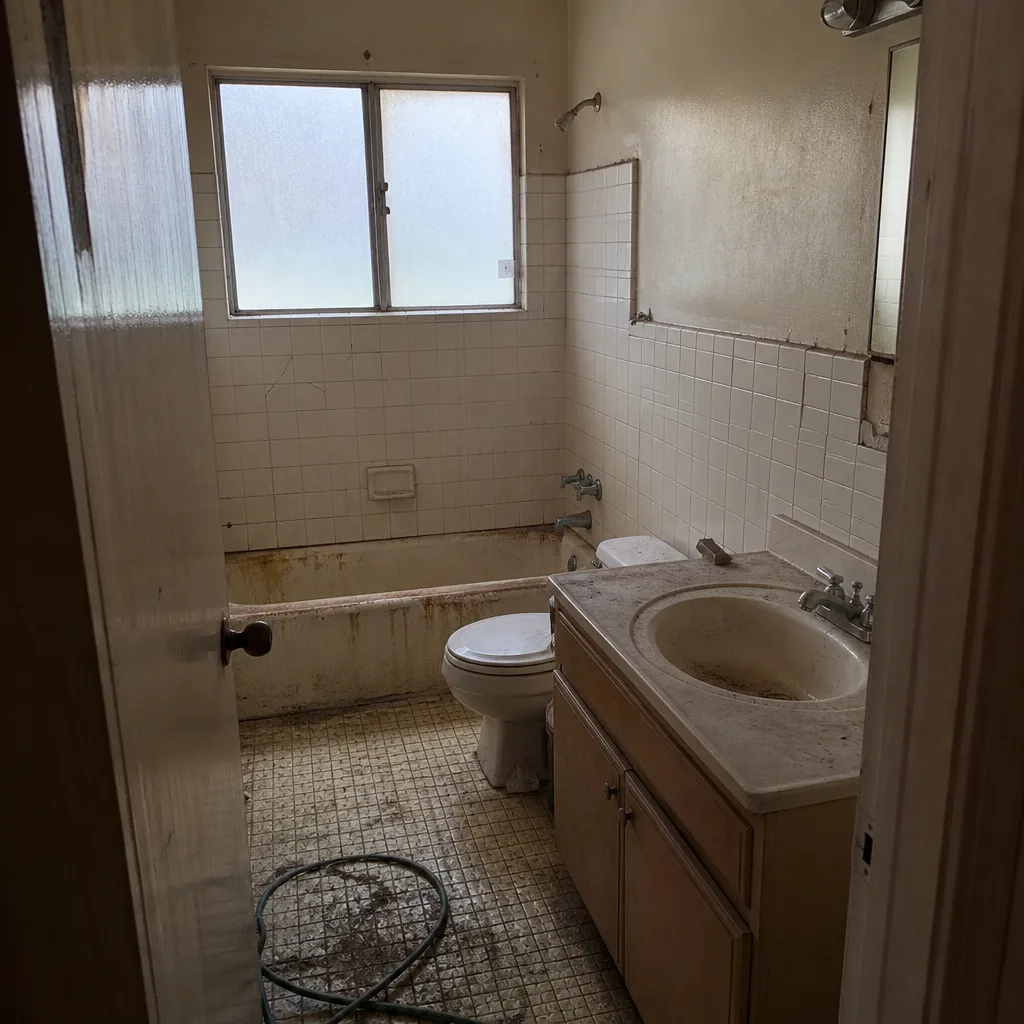 Before
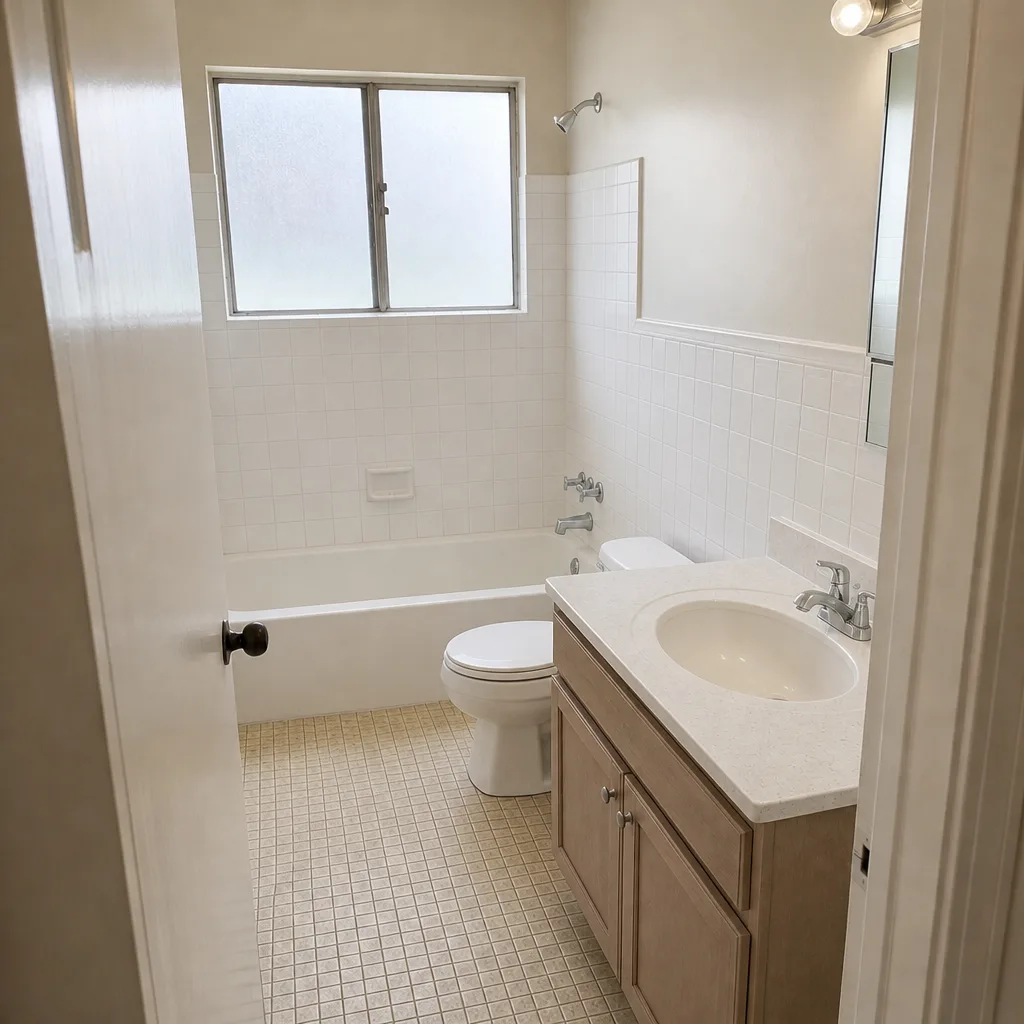 After
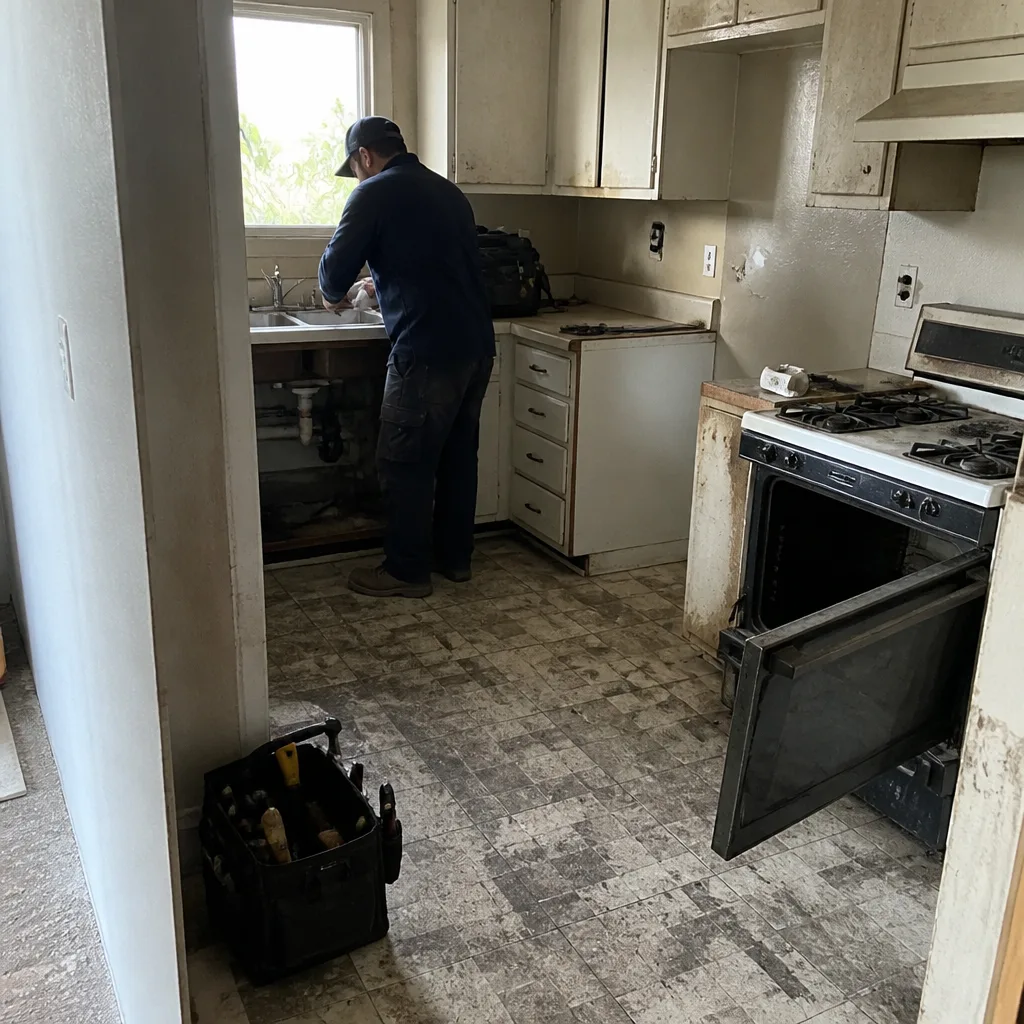 Before
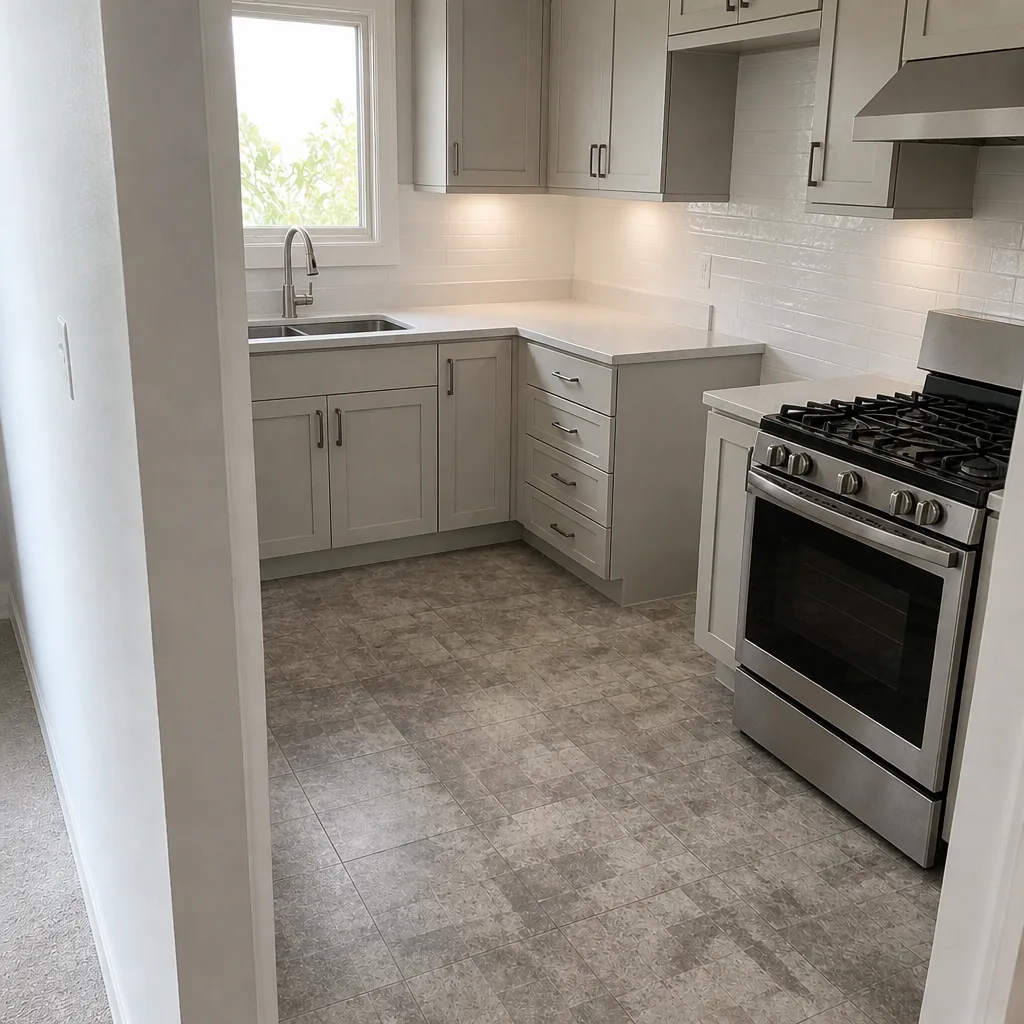 After
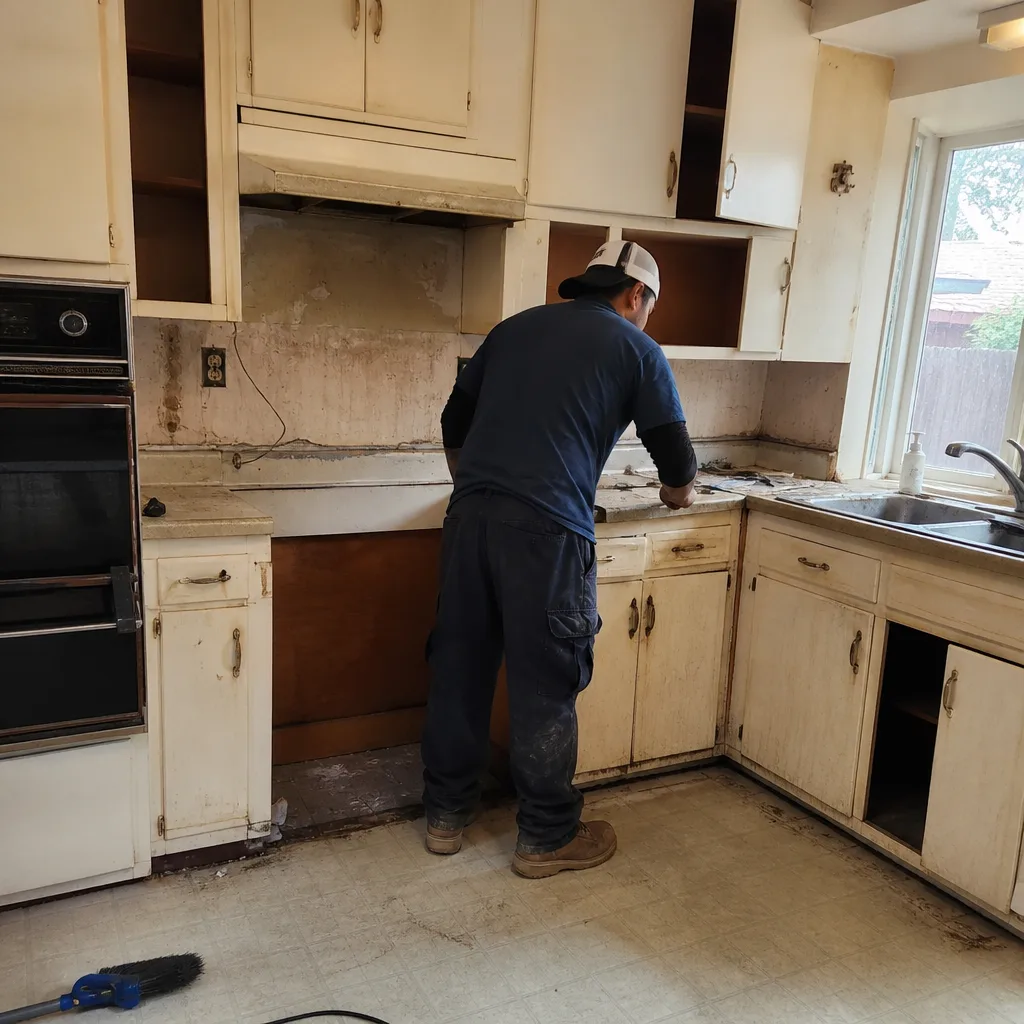 Before
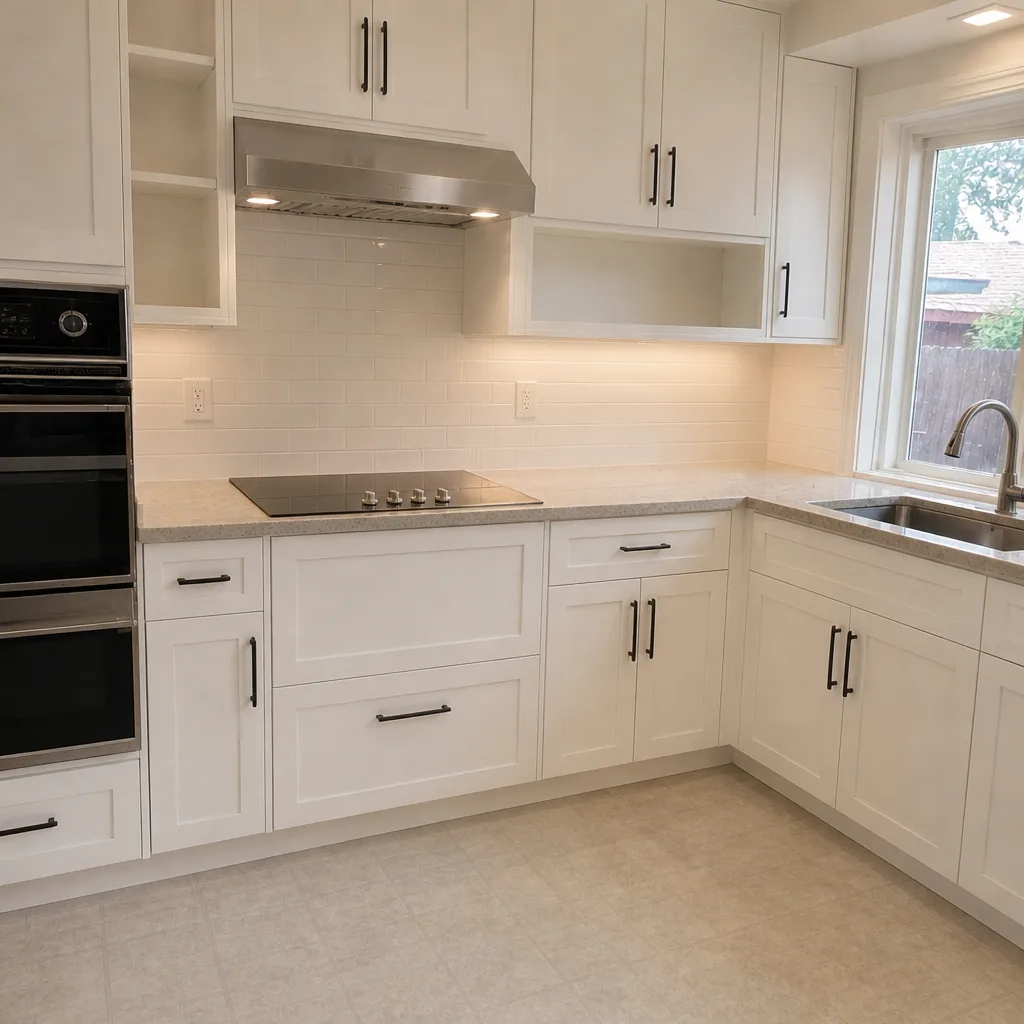 After
Double Hung vs Casement Windows in Tustin, CA: Which One Belongs on Which Wall?
Choose casement windows on the south and west walls of your Tustin home where afternoon Pacific breezes arrive, and choose double-hung windows on the north and east walls where Santa Ana winds blow. That’s the short answer, and it’s also where most whole-house window quotes go wrong: a single type specified for every elevation ignores how air actually moves around a house in this climate. If your contractor is quoting one style for the entire property, ask why. Call (833) 954-6066 and we’ll walk your elevations with you before anyone talks you into a package.
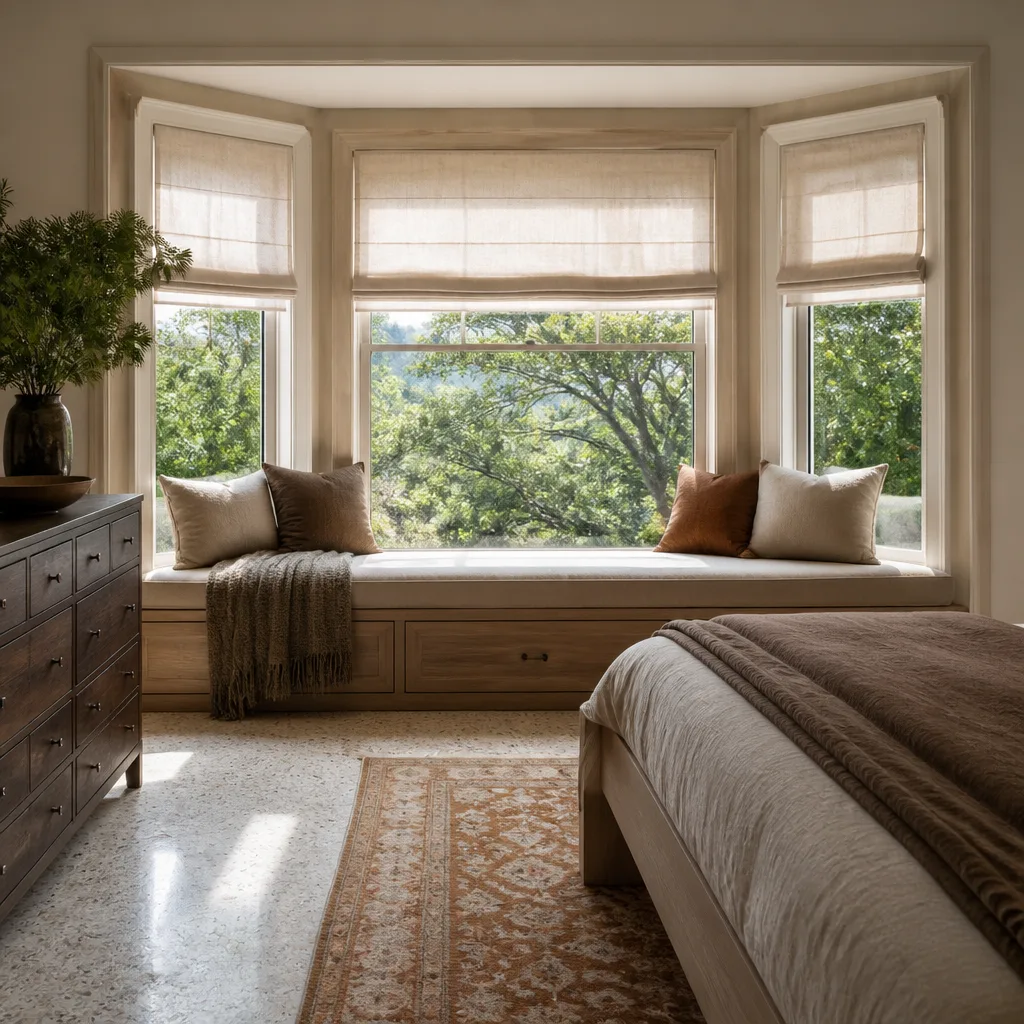
Why the Right Window Depends on the Wall, Not the House
Most window comparisons online treat double-hung versus casement as a style preference. In Tustin it’s closer to an airflow question. A casement opens outward on a crank and, when it’s positioned perpendicular to moving air, acts like a scoop – it catches a breeze and pushes it into the room rather than letting it slide past. A double-hung opens by sliding the sash up and down, which creates an opening but doesn’t redirect air the same way.
Tustin’s semi-arid Mediterranean climate makes that difference matter. Summers regularly push past 90°F, and the prevailing southwest flow off the Pacific is the free cooling this region gets. Casements on west and south elevations turn that flow into usable cross-ventilation and take load off your AC during the hottest stretch of the year. On a 1950s ranch off Prospect Avenue, that’s a meaningful drop in afternoon heat gain – not a marketing claim, just how much more air a scooped opening moves than a slid one.
Now flip the compass. Tustin sits in Santa Ana wind country, and those hot, dry gusts come from the northeast. An open casement facing that direction becomes a sail. The wind catches the sash, torques the crank arm, and can slam the panel back against the frame. Do that a few dozen times over a decade and you’re replacing operators and hinges on windows that should have had a much longer service life.
East and North Elevations: The Case for Double-Hung
Double-hung windows on the northeast side of a Tustin house take Santa Ana gusts without drama. The sash slides vertically in its channel; there’s nothing to catch the wind broadside and no crank mechanism to wear out. They’re also simpler and cheaper to maintain over a ten-year window, because there’s less hardware to fail and the parts are standard.
- South and west walls: casement for breeze capture and summer cooling
- North and east walls: double-hung for wind tolerance and lower maintenance
- Mixed elevations: match profiles and finishes so the street view reads consistent
- Old Town historic homes: verify before changing the window type at all
The Old Town Craftsman Wrinkle
Tustin’s housing stock isn’t one thing. The Old Town core holds 1920s-era Craftsman and Spanish Revival bungalows, while the former Marine Corps Air Station footprint is now Tustin Legacy, with thousands of new homes rising on former airfield land. That split matters for this exact decision.
Original Craftsman windows were overwhelmingly double-hung, often with divided-lite patterns. Drop casements into a contributing historic structure in Old Town and you’re not just making a style choice – you may be creating a design-review problem. A casement reads as historically inconsistent on those facades, and review boards notice. We look at whether the property is a contributing structure before recommending any change in window type, because the alternative is a permit hiccup after the units are ordered.
New Tustin Legacy builds have the opposite freedom. The envelopes are modern, the elevations are clean, and a mixed casement-and-double-hung strategy can be planned before the first frame goes in. On projects like that, we spec the full Windows & Doors package around orientation from day one.
Side-by-Side: Double Hung vs Casement at a Glance
| Factor | Casement | Double-Hung |
|---|---|---|
| Ventilation | Scoops breeze; strong on south/west | Creates opening; no directional capture |
| Santa Ana wind exposure | Vulnerable when open on NE elevations | Handles gusts cleanly |
| Hardware to maintain | Crank, hinges, operator arm | Minimal; standard parts |
| Historic fit (Old Town Craftsman) | Reads inconsistent with originals | Matches original style |
| Installation tolerance | Must be plumb and square, tight | More forgiving of slight variance |
| Typical cost (Tustin) | Window Replacement: $4,500-$15,000 for a whole-house job | |
Budget the same either way. In Tustin, a full window replacement runs $4,500-$15,000 depending on count and specification, and impact-rated units for wildfire-adjacent neighborhoods land in the $8,000-$25,000 range. Your cost comes from unit count and glass package, not from choosing a crank over a sash. Our estimates are upfront and no-surprise – the number you see is the number you pay – and projects over $10,000 take $1,000 off, with 0% financing for 18 months available for larger scopes.
Installation Tolerance Is Where Casements Get Wonky
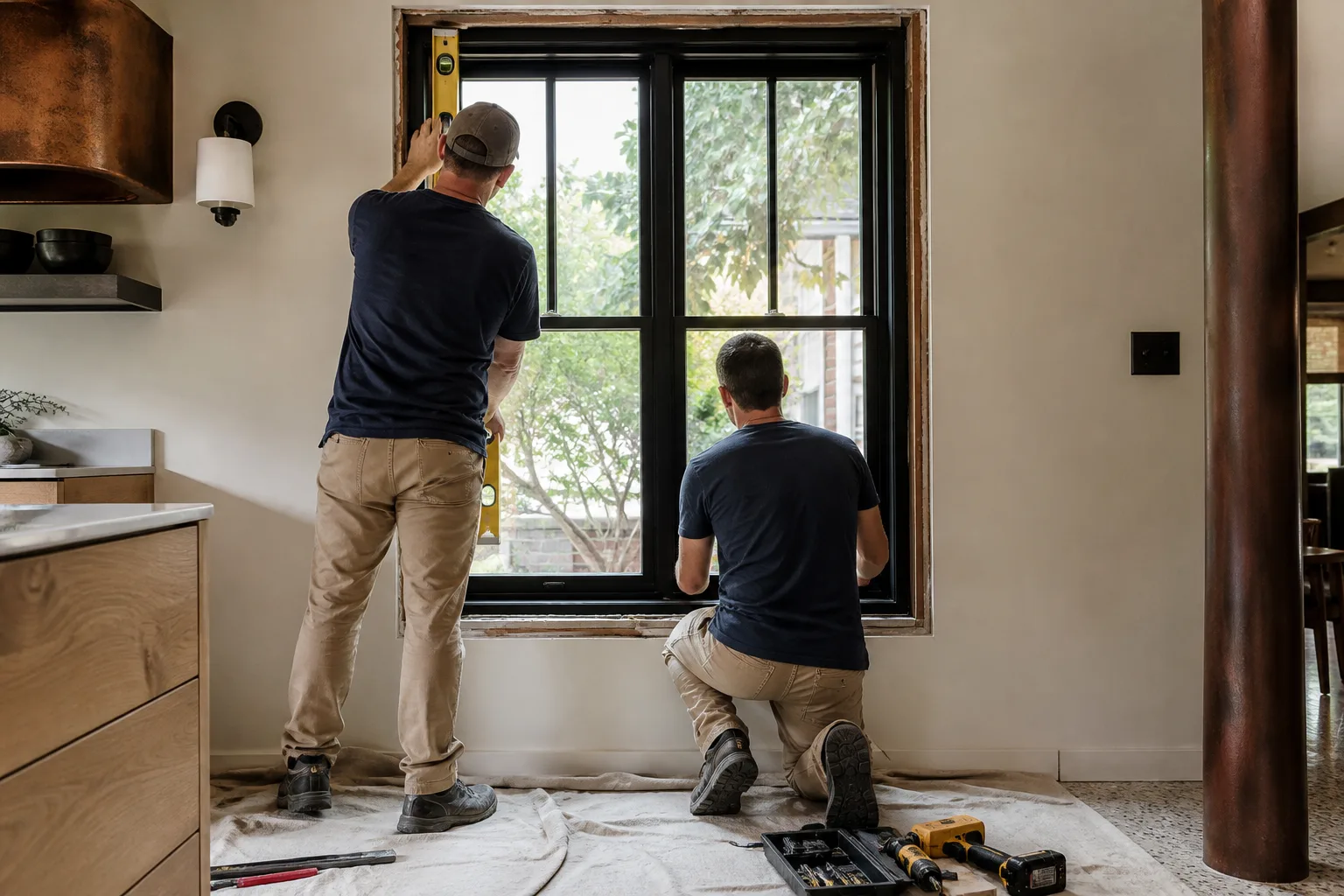
Here’s the operator detail that decides whether a casement feels solid or fussy in two years. A casement has to be installed dead plumb and dead square. If a rough opening is even 1/8-inch out, the operator will fight the frame, the sash won’t seal evenly, and it binds within about two seasons. Double-hungs are more forgiving because the sash travels in a vertical channel and small out-of-square tolerances don’t show as readily.
That’s why we put background-checked, uniformed installation crews on every window project – not a rotating cast in an unmarked van. Getting a casement to seal and crank smoothly the first time is the whole job. We spec Andersen 400 Series for mixed-elevation projects because the same series offers both configurations with matching profiles and hardware finishes, so a south-wall casement and a north-wall double-hung read identical from the street. Our technicians have up to 12 years of experience, and every install sits behind the 730-Day Done Right Promise – if it’s not done right, we make it right. A binding operator falls squarely under that.
Common Tustin Scenarios We See
A mid-century ranch with a hot west-facing living room. Casements on the west wall, double-hungs on the east. The homeowner gets real cross-ventilation in summer and stops fighting the AC every afternoon.
An Old Town bungalow with original divided-lite double-hungs. We restore or match the double-hung profile to keep the facade consistent and clear of design-review friction. Casements rarely enter the conversation here.
A Tustin Legacy whole-house replacement. Some of these get casements on every west and south exposure and double-hungs on the north and east, planned elevation by elevation before ordering. One series, matched finishes, mixed configuration.
If you’re mapping the full scope – kitchens or bathrooms in the same project – our Tustin service area page lays out how the trades connect. For the homeowner-facing overview of everything we install, start at the home page.
FAQs
Casements are better on south and west walls of a Tustin home because they scoop the prevailing Pacific breeze into the room and cut AC load in summers that push past 90°F. On north and east elevations, double-hungs are the safer, lower-maintenance choice because open casements catch Santa Ana gusts and stress the crank. Call (833) 954-6066 for an elevation-by-elevation assessment – estimates are free.
Yes, and on most Tustin homes that’s exactly what we recommend. Andersen’s 400 Series offers both configurations in matching profiles and finishes, so a mixed-elevation strategy doesn’t produce a mismatch when you look at the house from the curb. Call (833) 954-6066 and we’ll map which walls should carry which type.
Window replacement in Tustin typically runs $4,500-$15,000 for a whole-house job, with impact-rated installations in the $8,000-$25,000 range. Cost is driven by unit count and glass package, not by casement versus double-hung. Projects over $10,000 take $1,000 off, with 0% financing for 18 months. Call (833) 954-6066 for an exact figure – estimates are free.
Usually not on the front facade. Original Craftsman windows were predominantly double-hung with divided-lite patterns, and casements read as historically inconsistent – which can complicate design review if your property is a contributing structure. We check that before recommending a change in type. Call (833) 954-6066 to talk it through.
Get the Elevations Right Before You Order
If you’d rather have it looked at, Groundwork Construction Co. of Tustin offers a no-pressure assessment in Tustin – call (833) 954-6066. We’ll walk your walls, sort out which elevations want a scoop and which want a slider, and hand you a clear, upfront number built to last, backed in writing for 730 days.
Written by the team at Groundwork Construction Co. of Tustin, serving Tustin, CA.