




Free written scope consultation - allowances, timeline, and change-order rules on paper before a single trade is scheduled
Styles & brands we work with
- Kitchen remodeling
- Bathroom remodeling
- Home additions & ADU
- Roofing
- Windows & doors
- Driveway & pavers
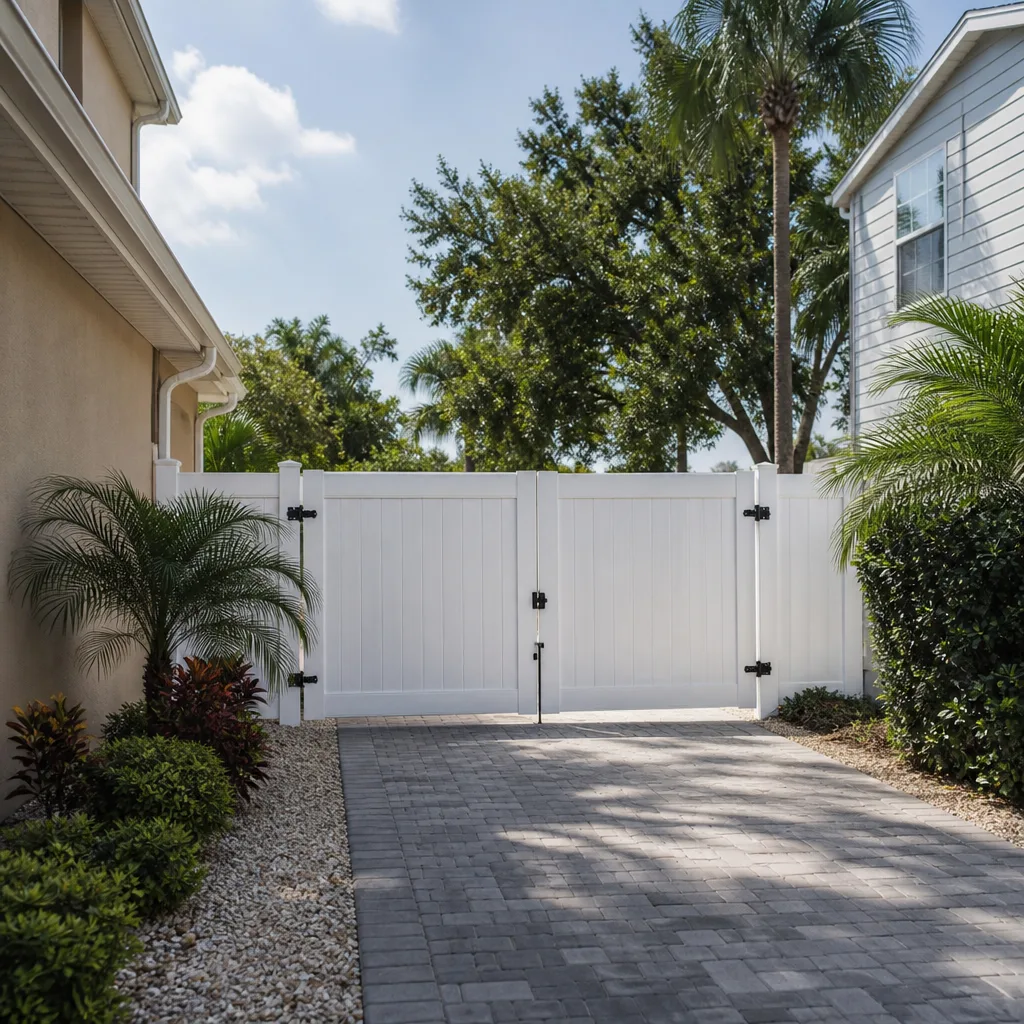
- Fence
See the difference
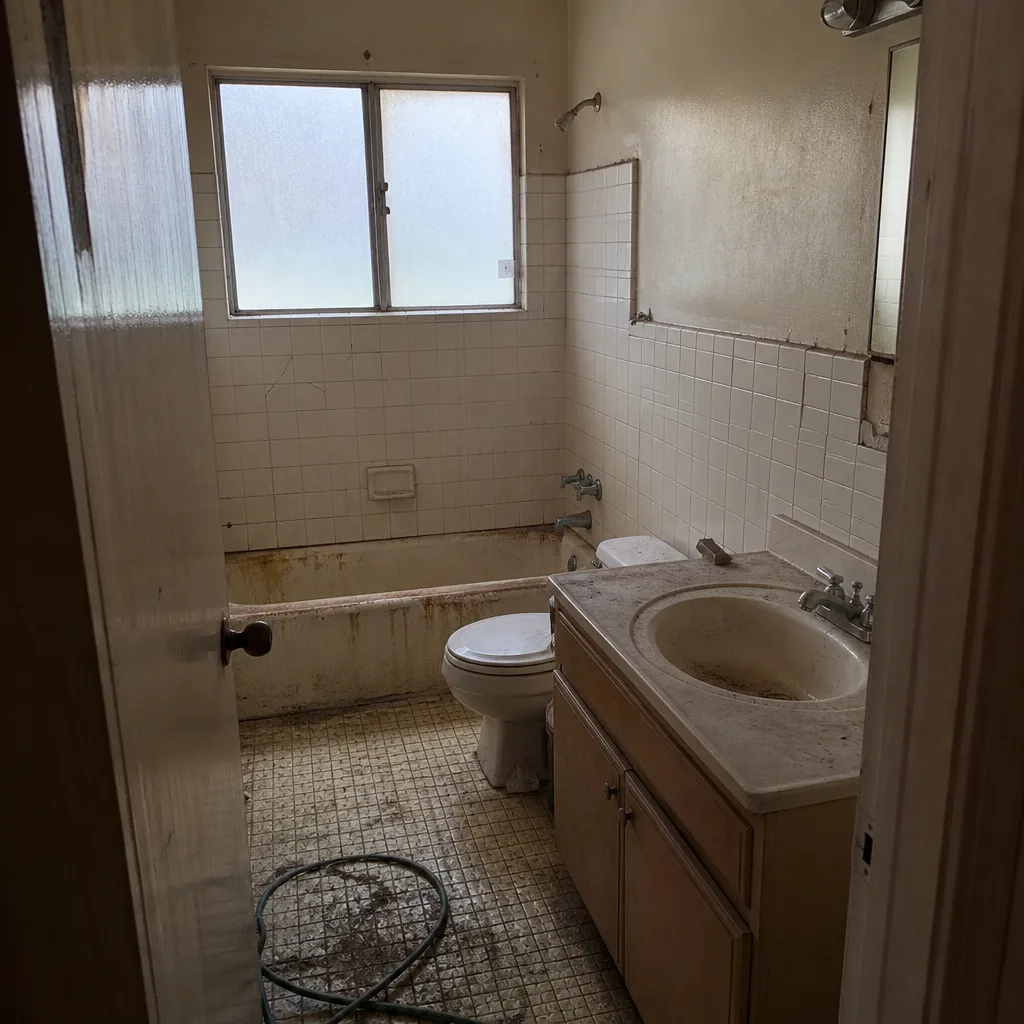 Before
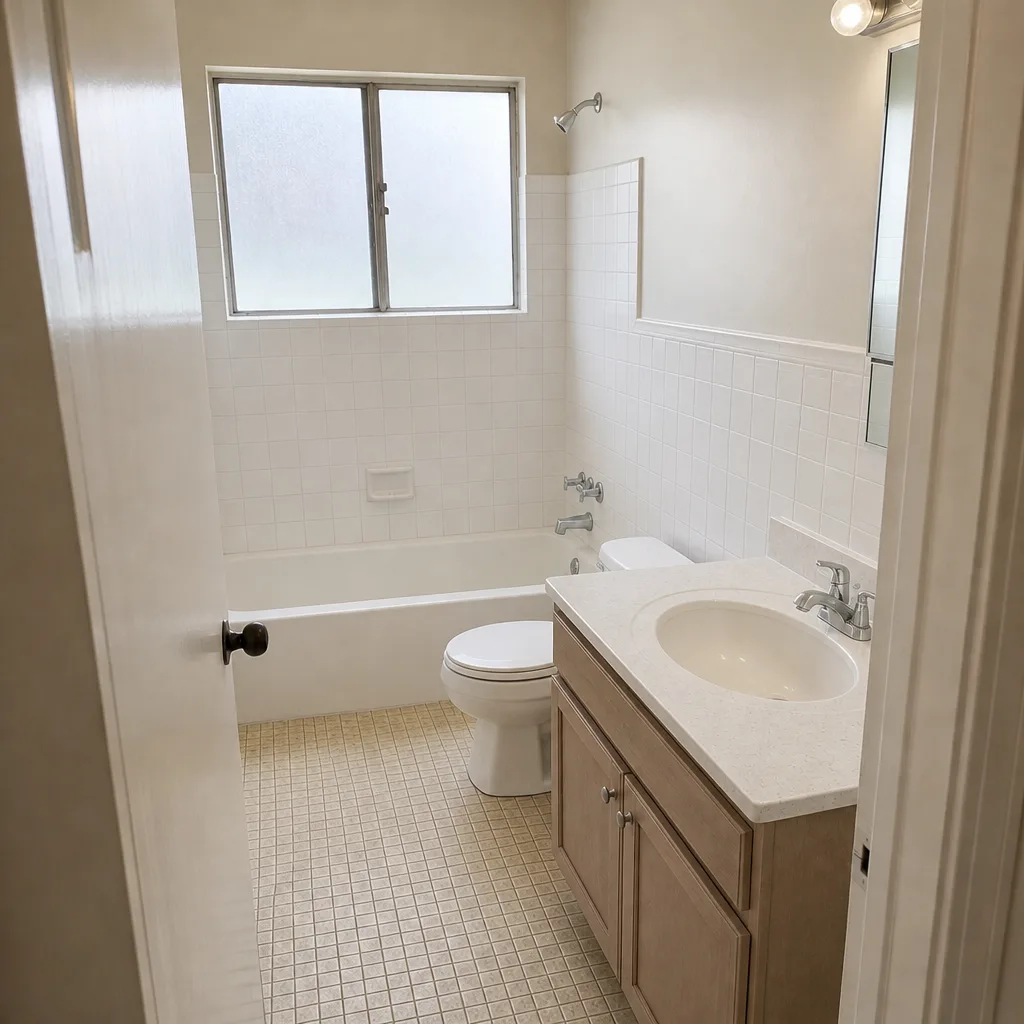 After
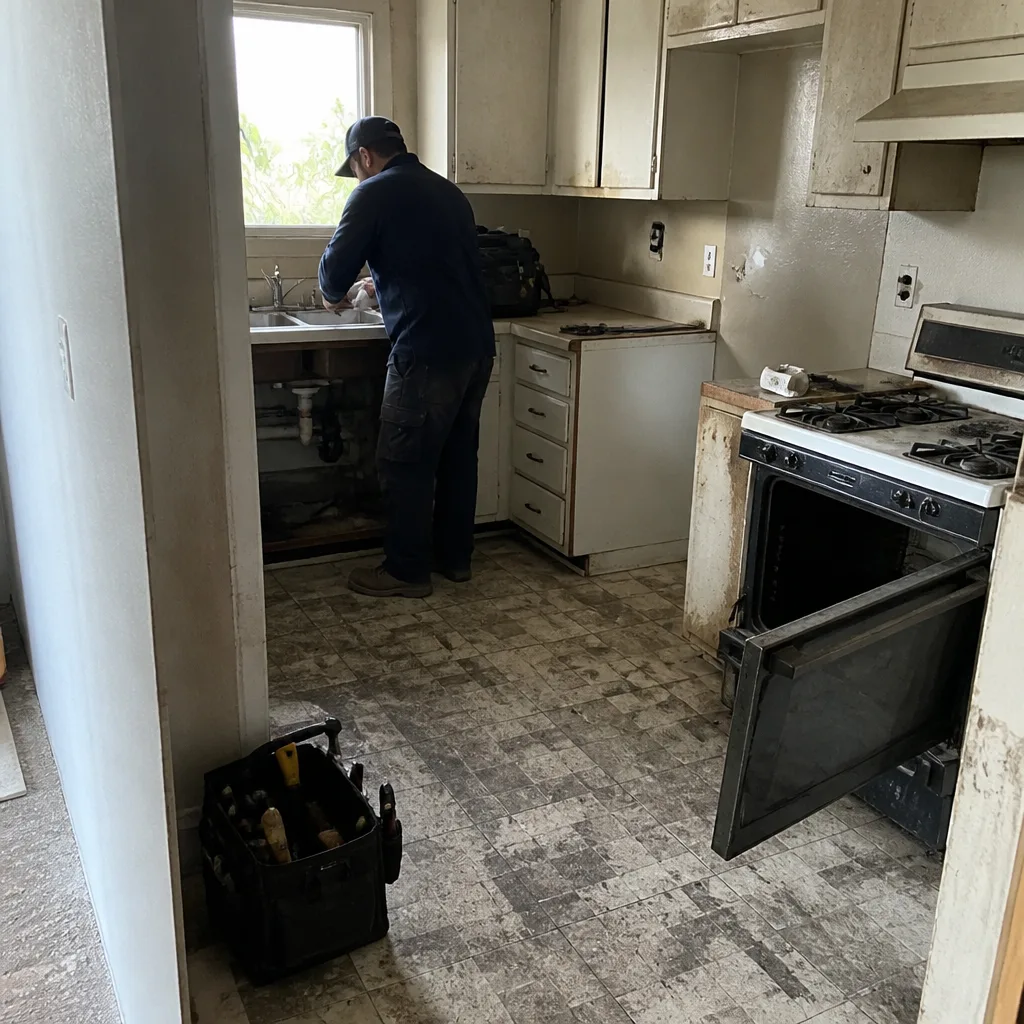 Before
 After
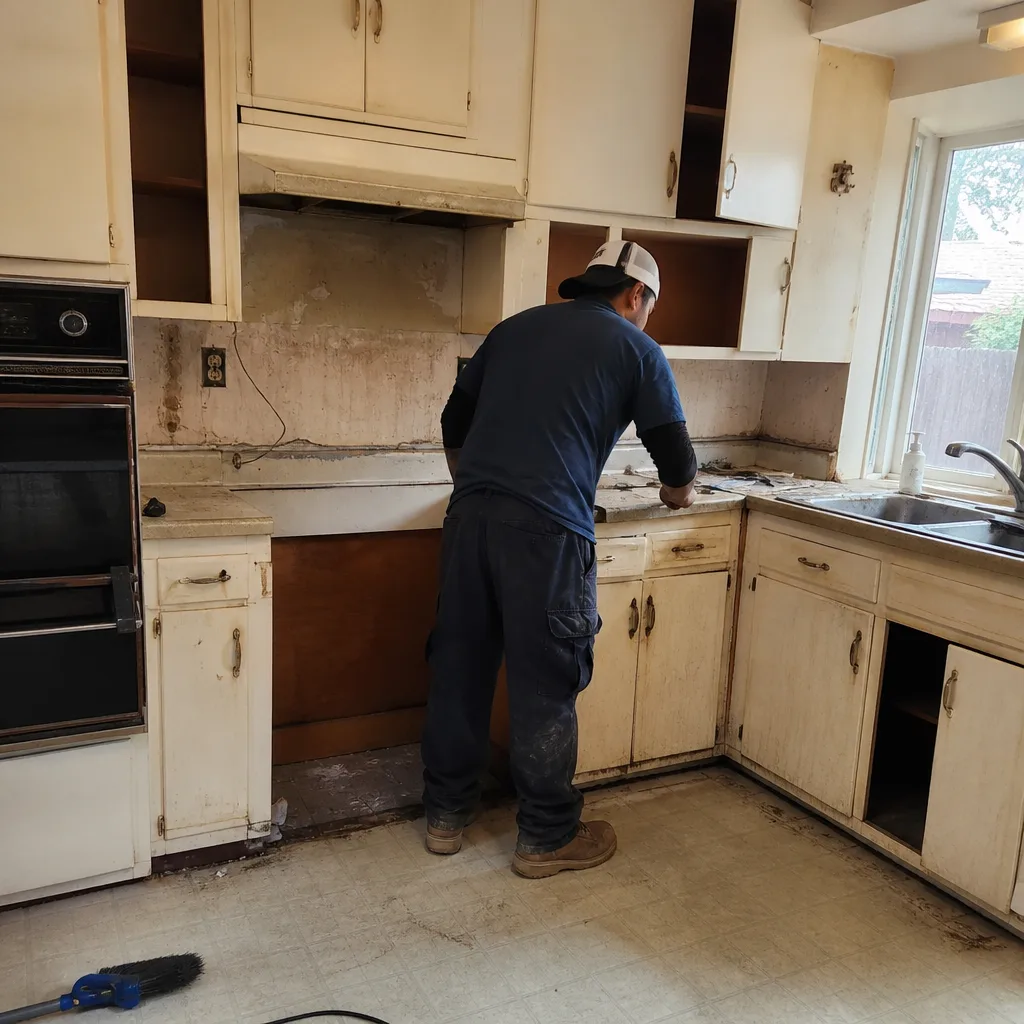 Before
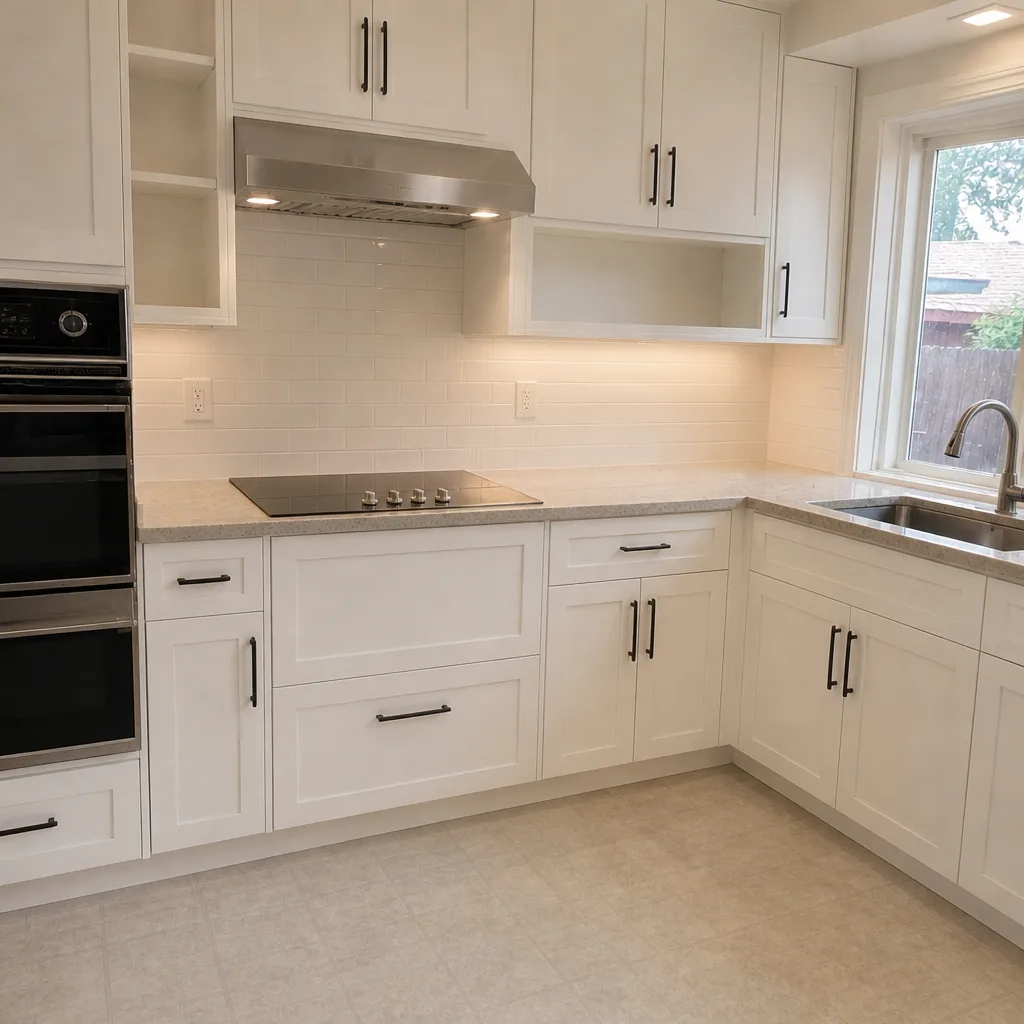 After
Roof Hail Damage Signs in Tustin, CA: What Graupel Does to Your Roof
Roof hail damage signs in Tustin usually start as small craters where asphalt granules have been knocked loose, micro-pitting across concrete tile mortar beds, or faint scoring on metal panels, and they often appear months after the storm that caused them. The culprit here is rarely large hail. It’s graupel, the small, high-density ice pellet that falls during Southern California winter convective storms. If you’ve noticed bald patches on shingles, chalky spots on tile ridges, or unexplained blistering by late summer, call Groundwork Construction Co. of Tustin at (833) 954-6066 for a documented inspection before you assume it’s just normal wear.
Key Takeaways
- Graupel at 1/4 to 1/2 inch doesn’t crack or dent visibly, so street-level glances miss it entirely.
- Damage shows up under UV stress six to twelve months after the winter storm, which is why insurers often close the claim window first.
- Asphalt shingle damage shows as granule displacement craters; tile shows micro-pitting in the mortar; metal shows enamel scoring.
- Useful insurance photos need a scale reference, angled light, and date-stamped metadata.
- A written inspection report beats a verbal “looks fine” or a pressure-sale roof pitch.
What Is Graupel, and Why Does It Matter More Than Hail in Tustin?
Graupel is soft, dense ice that forms when snowflakes fall through supercooled cloud droplets and get coated in a rimed shell. It’s not hail. True hail forms in strong updrafts and grows large enough to shatter tile and dent gutters, which is the damage signature most national roofing guides describe. Tustin’s winter convective systems don’t usually build that kind of hail. They drop graupel at roughly 1/4 to 1/2 inch, sometimes for twenty minutes at a time, at high velocity driven by wind.
Small ice still carries real energy. What it does to a Tustin roof depends on the surface:
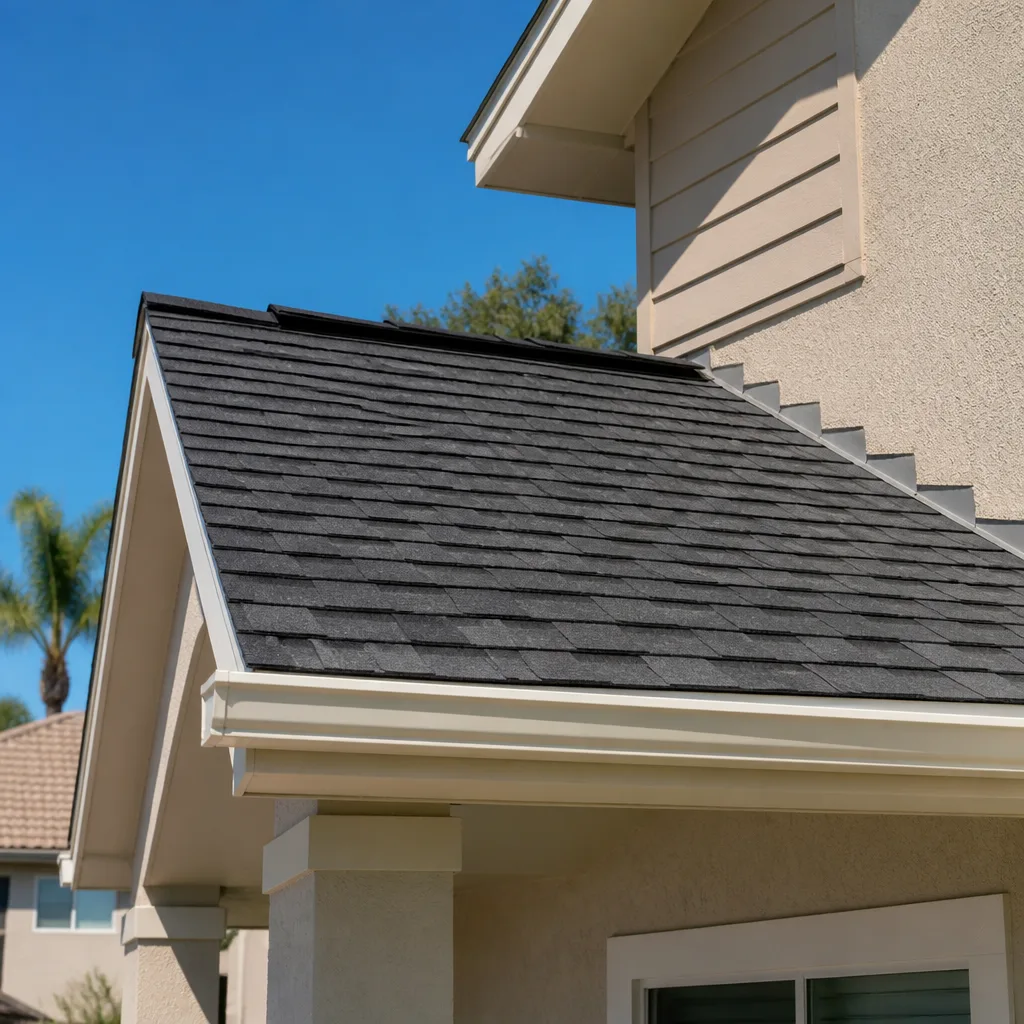
- Asphalt shingles: Granule bonds shear where each pellet strikes, leaving shallow craters. The mat underneath is exposed but the shingle still looks mostly intact.
- Concrete tile: Graupel pits the mortar beds along the ridge lines, particularly on 1990s-vintage S-tile installations where mortar is already drying out.
- Metal panels: Enamel scores in short vertical streaks. The coating failure is cosmetic at first and a rust starter later.
Tustin’s semi-arid climate makes the next part worse. Hot, dry summers and Santa Ana wind events bake the roof surface, so any bond the graupel broke gets pushed hard by UV and thermal cycling. That failure tends to show up in July and August, not January. Read more about the full scope of what we do on our Roofing service page.
Why Tustin Graupel Damage Is Invisible From the Street
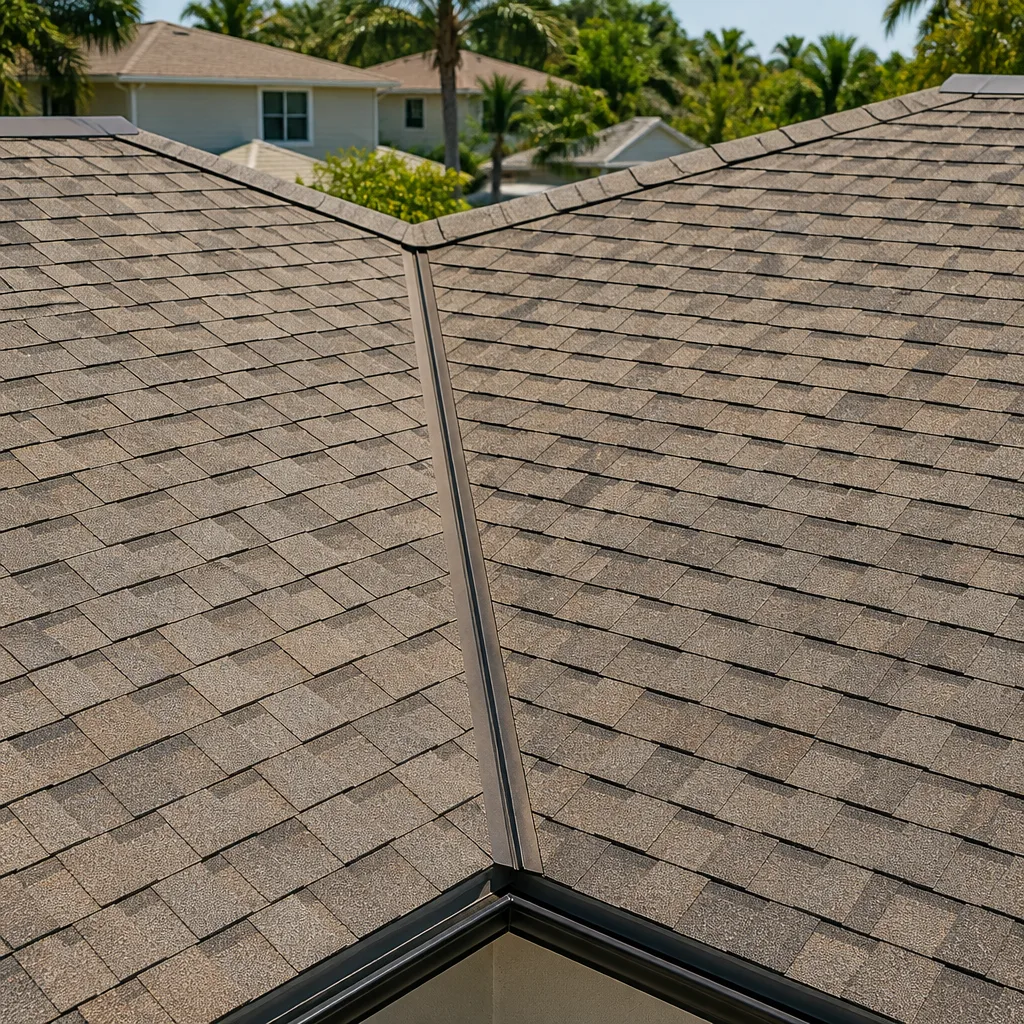
Granule displacement craters are anywhere from a sixteenth to an eighth of an inch across. From the ground, the roof reads as uniform gray-brown. From an attic vent or a north-facing slope, the pattern is obvious only when light rakes across the surface at a low angle, which is what roofers call sidelighting. The sun does this naturally in the early morning and late afternoon on the east and west slopes. Standing on the ground at noon and squinting up tells you almost nothing.
A close-contact inspection with sidelighting finds damage that a quick visual pass never will. The technician walks the field, checks granule density by hand at sample points, and photographs the affected areas at an angle. This is the step most homeowners skip because they don’t know it exists, or can’t safely reach the roof to do it.
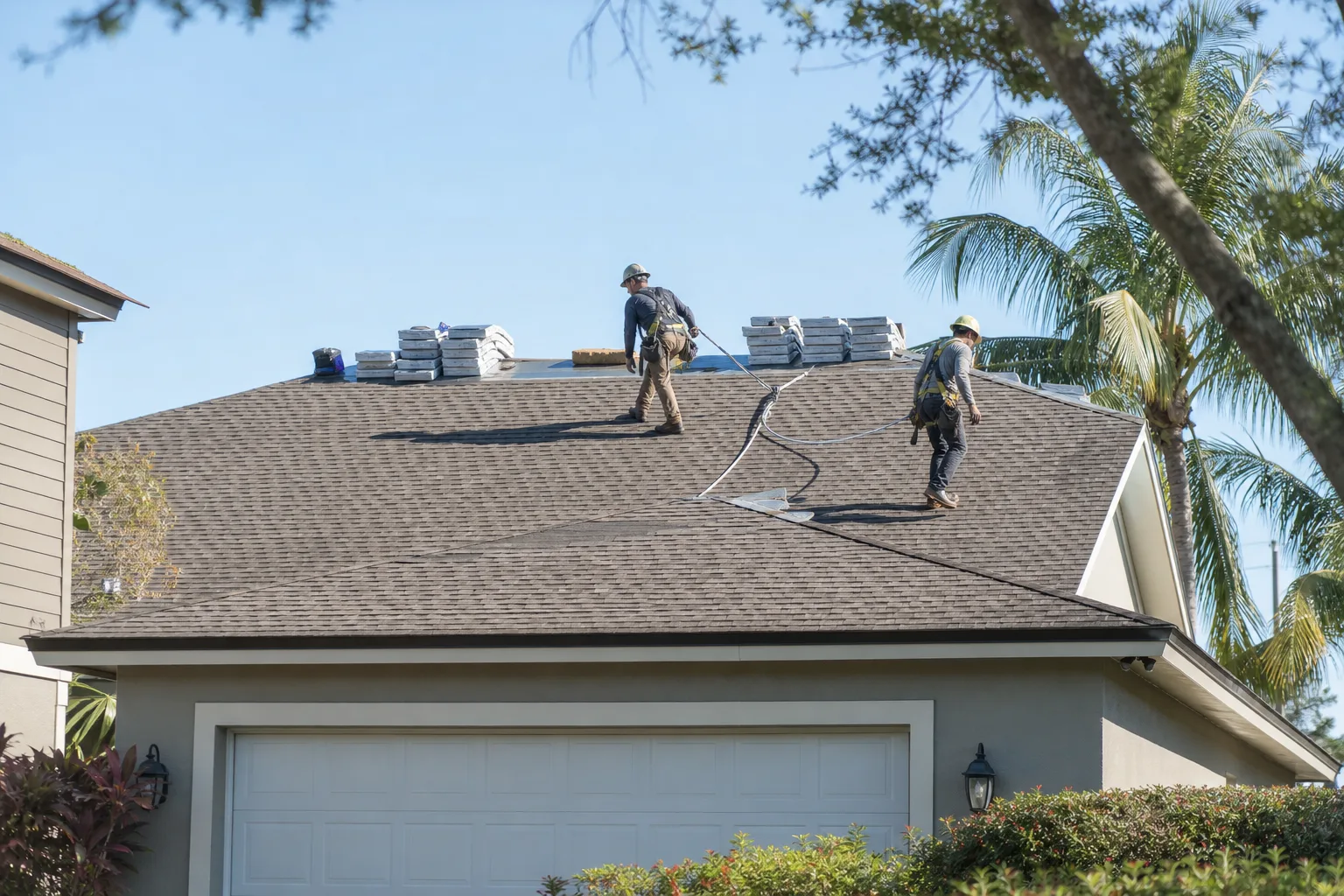
Safety note: getting on a Tustin roof to look for graupel damage means walking a tile or shingle surface that can be brittle, slick, and steep. We don’t recommend homeowners do this themselves, especially on concrete tile roofs over 20 years old, which crack easily under a footfall. That’s a job for someone with fall protection and shingle knowledge.
The Six-Month Lag: What Tustin Homeowners Miss
A January graupel event that breaks the granule-to-mat bond on an asphalt shingle doesn’t cause a leak that week. It causes one after a summer of UV exposure, when the exposed asphalt has dried and cracked enough that the next rain finds a path in. By that time it’s usually late August or September, and the winter storm that started the problem feels like ancient history. The homeowner’s memory of the damage event and the date of the visible symptom aren’t connected.
This is where documentation matters most. Most homeowner insurance conversations depend on the insurer connecting the damage to a covered storm event. If you can’t show when the graupel fell and what it looked like on the roof, you’re arguing uphill.
How to Photograph Graupel Damage for an Insurance Conversation
- Use a scale reference. A tape measure or a coin laid next to the damaged area gives the adjuster a sense of crater size, which separates graupel damage from ordinary wear.
- Shoot at a low angle. Sunlight should be raking across the surface, not hitting it straight down, so the craters cast shadows and read as depressions.
- Keep metadata on. Date-stamped photos, not screenshots, are what hold up later.
- Photograph the whole slope, then a mid-field, then close-up. Insurers want to see the pattern, not just one spot.
- Save any news or weather-service reports from the storm date. That’s the storm event record that makes the timeline work.
Our uniformed, background-checked technicians do this documentation as part of the inspection and hand you written findings. That’s the difference between “looks like you might have some damage” and a report your adjuster can actually use. For context on how roofing decisions play out across the area, our Tustin service area page has more.
What Does Roof Hail Damage Repair Cost in Tustin?
Repair costs in Tustin track the local market and the type of roof you have. Small granule-loss repairs and isolated tile fixes are minor line items. Full replacement happens when the mat itself is compromised across a large area, which is a different conversation. These are real-world ranges for Tustin, not national averages:
| Scope | Typical Tustin Range |
|---|---|
| Roof repair (isolated graupel damage, flashing, small impacts) | $400-$1,800 |
| Tile roof repair (mortar bed pitting, cracked tiles) | $600-$2,500 |
| Asphalt roof replacement | $8,000-$20,000 |
| Metal roof installation | $15,000-$40,000 |
Upfront pricing means the number you see is the number you pay, with no surprises at invoice. Add the standing offers and the math gets friendlier: $1,000 off projects over $10,000, a free project estimate and design consult, and 0% financing for 18 months. Every roof we touch is backed by the 730-Day Done Right Promise, so if it’s not done right, we make it right.
Where Tustin Roofs Fit the Bigger Housing Picture
Tustin isn’t a uniform roofing market. Old Town’s 1920s-era Craftsman and Spanish Revival bungalows sit on clay-tile and wood-shake roofs that have weathered decades of dry-wet cycles. Mid-century ranch homes from the 1950s through the ’70s fill the residential grid in between, many of them wearing original or second-generation asphalt. And the former Marine Corps Air Station Tustin footprint, now the Tustin Legacy development, is putting up thousands of new homes and commercial buildings where the roofs are brand new and the warranty paperwork is fresh. Graupel doesn’t care which one you live on, but the inspection protocol and repair scope differ. We work all three, and our crews for roofs use GAF and CertainTeed materials so the replacement side isn’t a guessing game. Our technicians have up to 12 years of experience, which matters when you’re diagnosing shingle damage that’s six months old. Start at our home page if you’d like to see the full range of work.
FAQs
Graupel damage leaves a pattern: scattered craters of similar size across a slope, concentrated where wind hit, rather than the even, gradual thinning that normal wear produces. Normal aging shows as uniform granule loss with a slight color shift. Graupel shows as clustered pits that arrive after a specific storm date. A close-contact inspection with sidelighting is the reliable way to separate the two.
Coverage depends on whether the damage traces to a verifiable weather event and whether you file within your policy’s claim window, not on the size of the ice. Small-diameter graupel events are generally considered a covered peril if you can demonstrate the storm date and the resulting damage. Date-stamped photos and written inspection findings are what make that case. Call (833) 954-6066 for an inspection report you can bring to your insurer, and the estimate is free.
Get it inspected within two to four weeks of a known graupel event, while the timing and memory are fresh. If weeks have already passed, don’t skip it; even six months later, a trained inspector can find the crater pattern and connect it to the storm. Call (833) 954-6066 to schedule and get a real answer instead of a guess.
Yes, though the mechanism is different. Graupel scores the enamel coating in vertical streaks rather than denting the metal, and early coating failure is where rust starts years later. A metal roof in Tustin that’s been through several winter convective seasons is worth checking for enamel wear around the ridges and panel seams. Call (833) 954-6066 for a closer look at yours.
Get a Written Answer on Your Tustin Roof
If you’d rather have it looked at than guess from the ground, Groundwork Construction Co. of Tustin offers a no-pressure assessment across Tustin. You’ll get written findings, dated photos, and a clear scope; no pressure to replace a roof that just needs repair. Live person answers the phone 24/7 at (833) 954-6066, and the estimate is free.
Written by the team at Groundwork Construction Co. of Tustin, serving Tustin, CA.