

Free written scope consultation - allowances, timeline, and change-order rules on paper before a single trade is scheduled
Styles & brands we work with
- Kitchen remodeling
- Bathroom remodeling
- Home additions & ADU
- Roofing
- Windows & doors
- Driveway & pavers
- Fence
See the difference
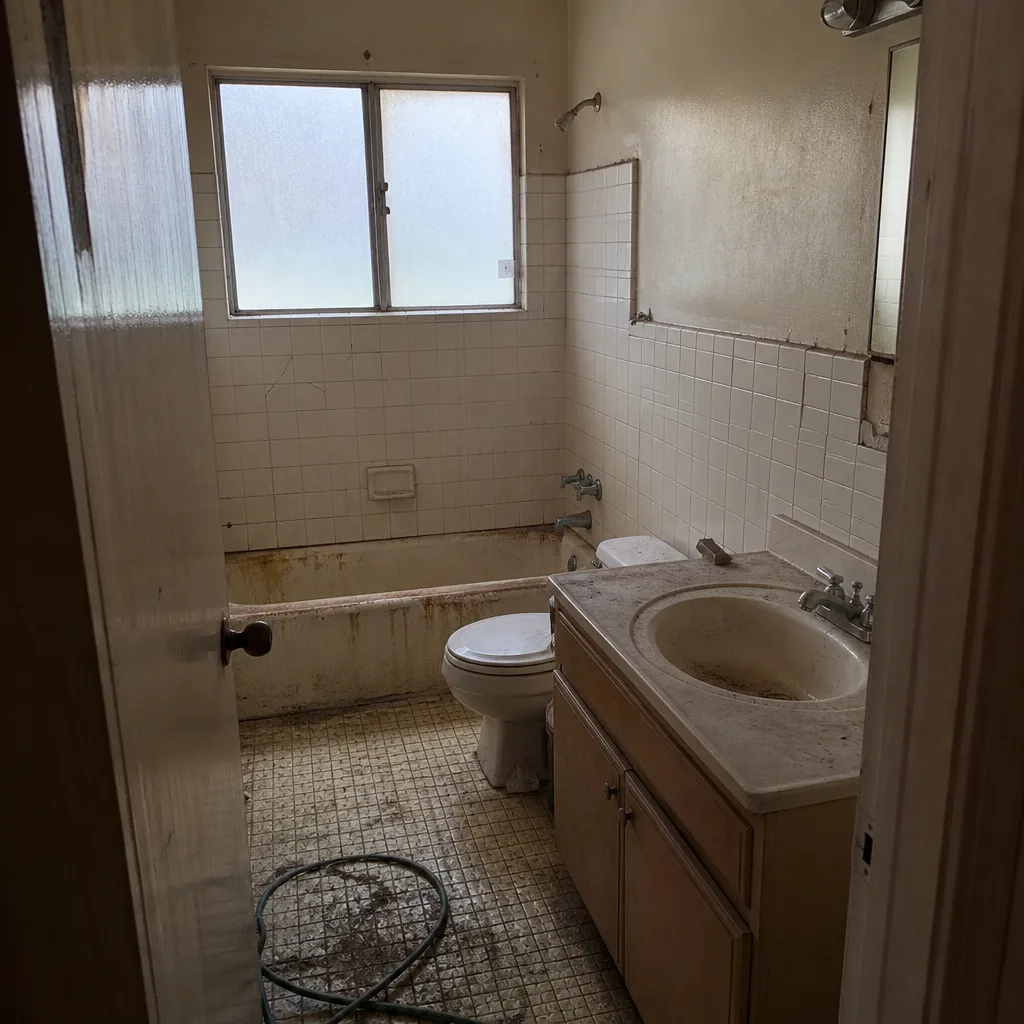 Before
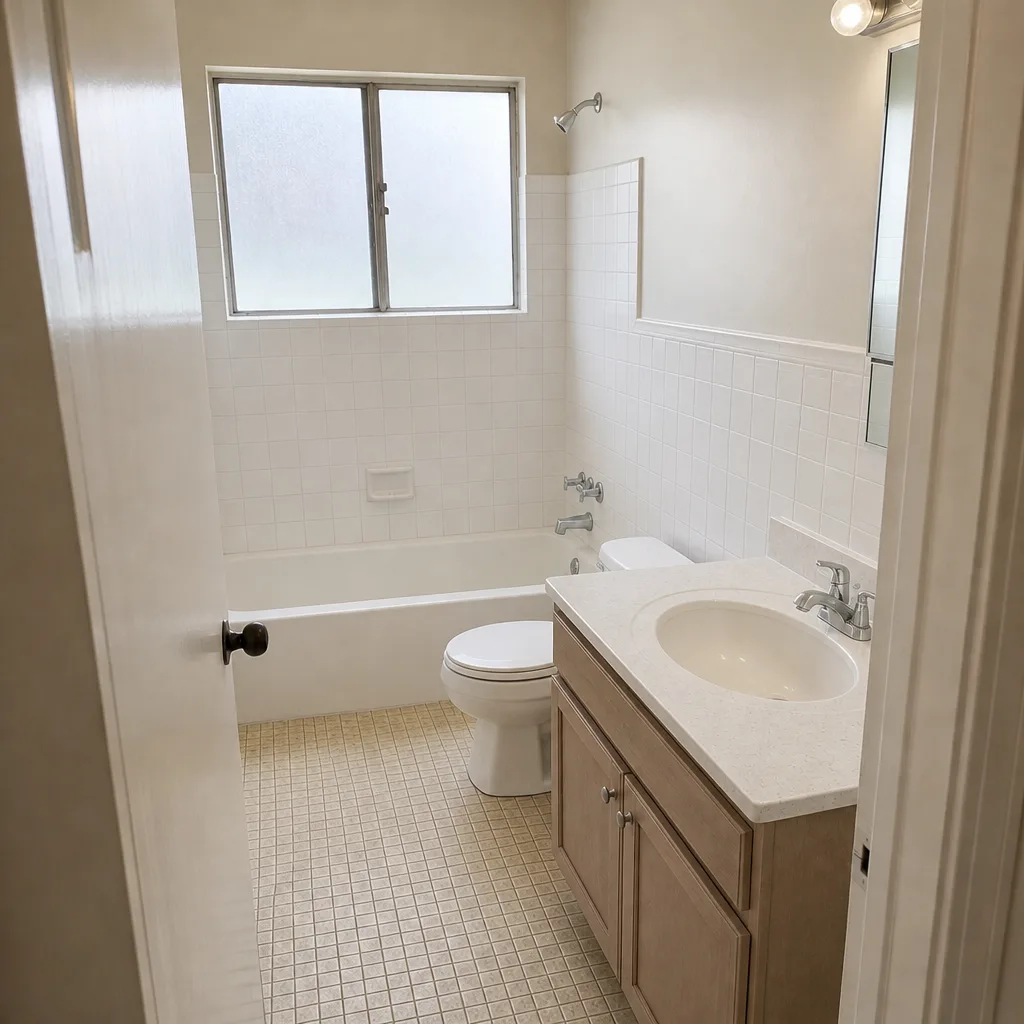 After
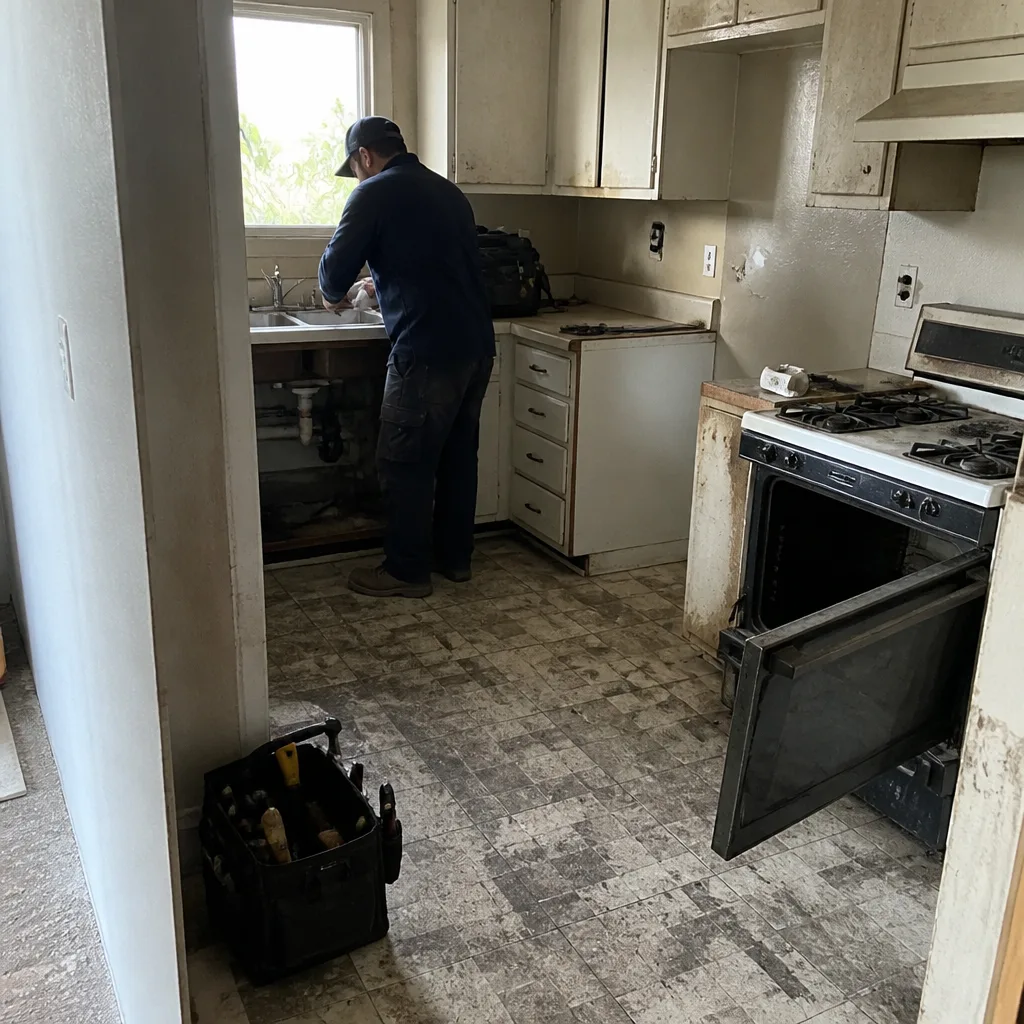 Before
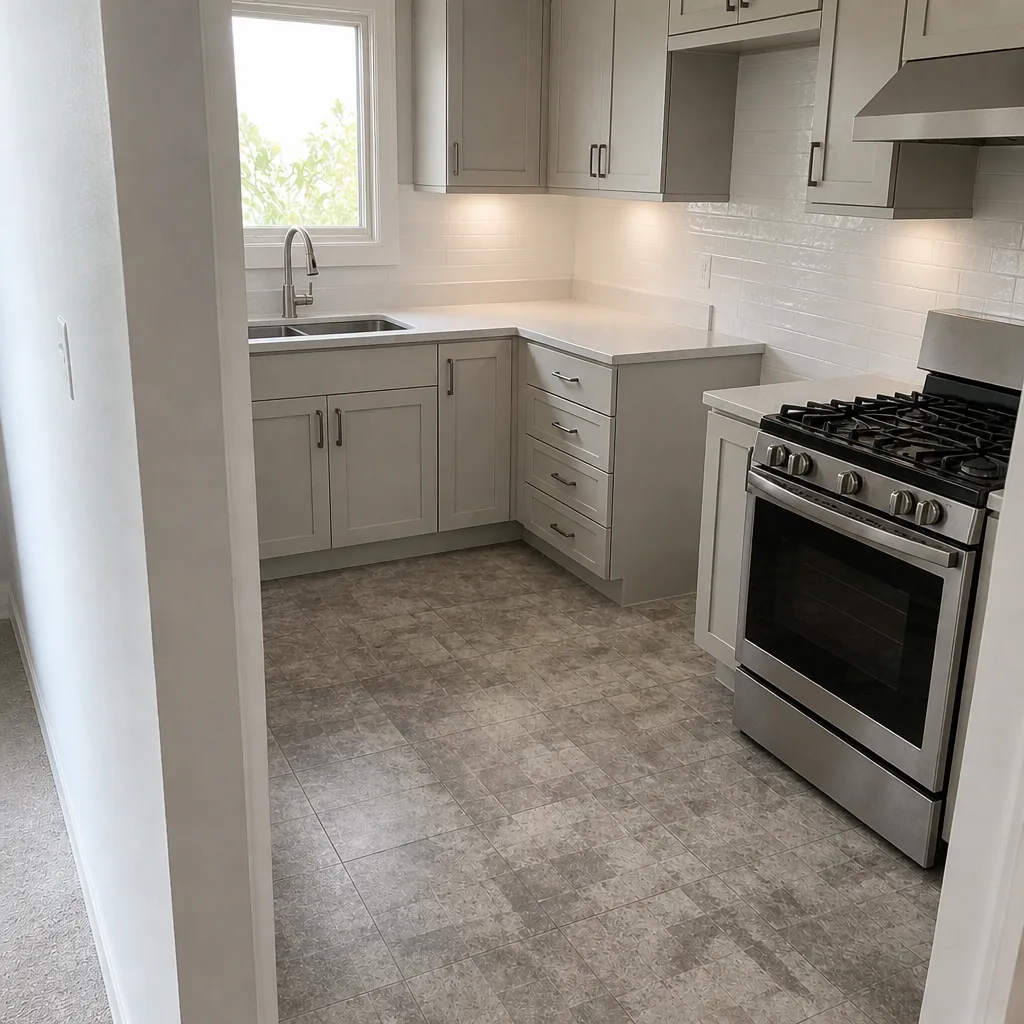 After
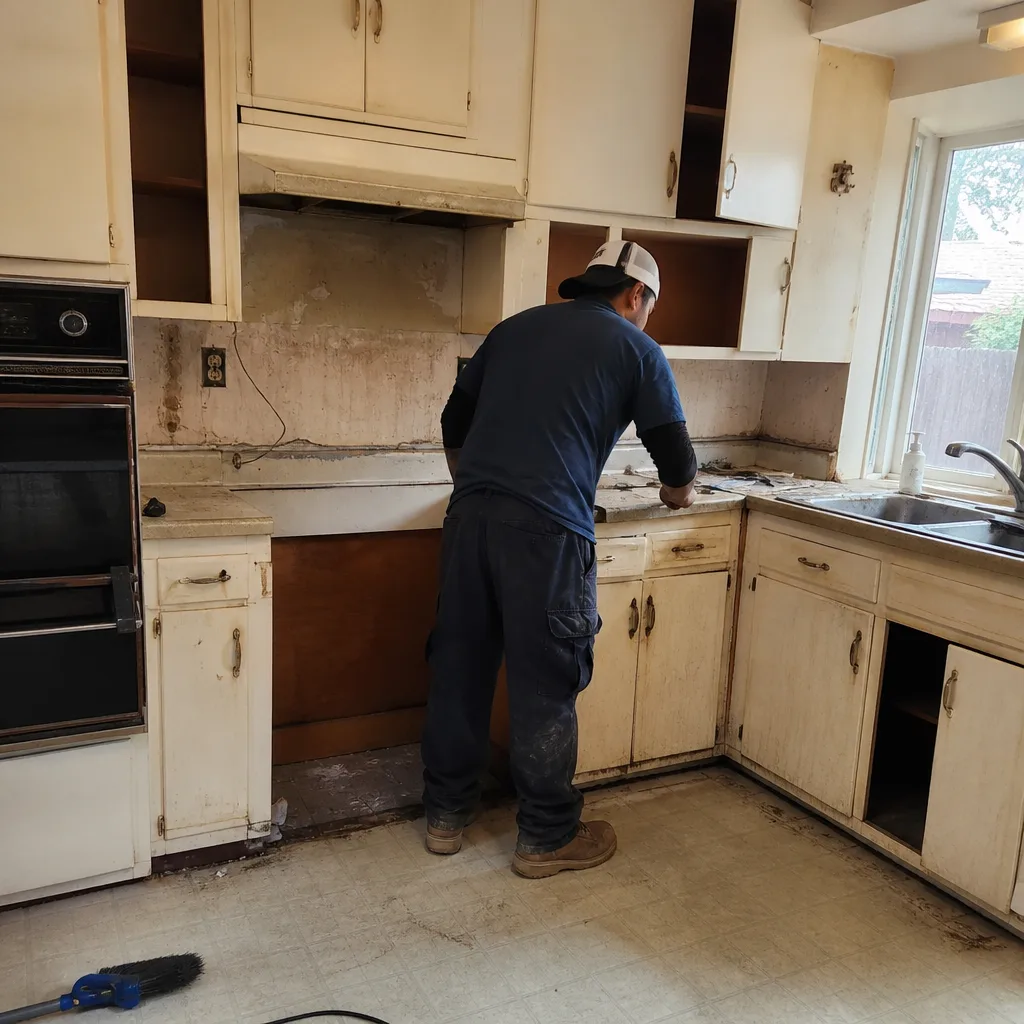 Before
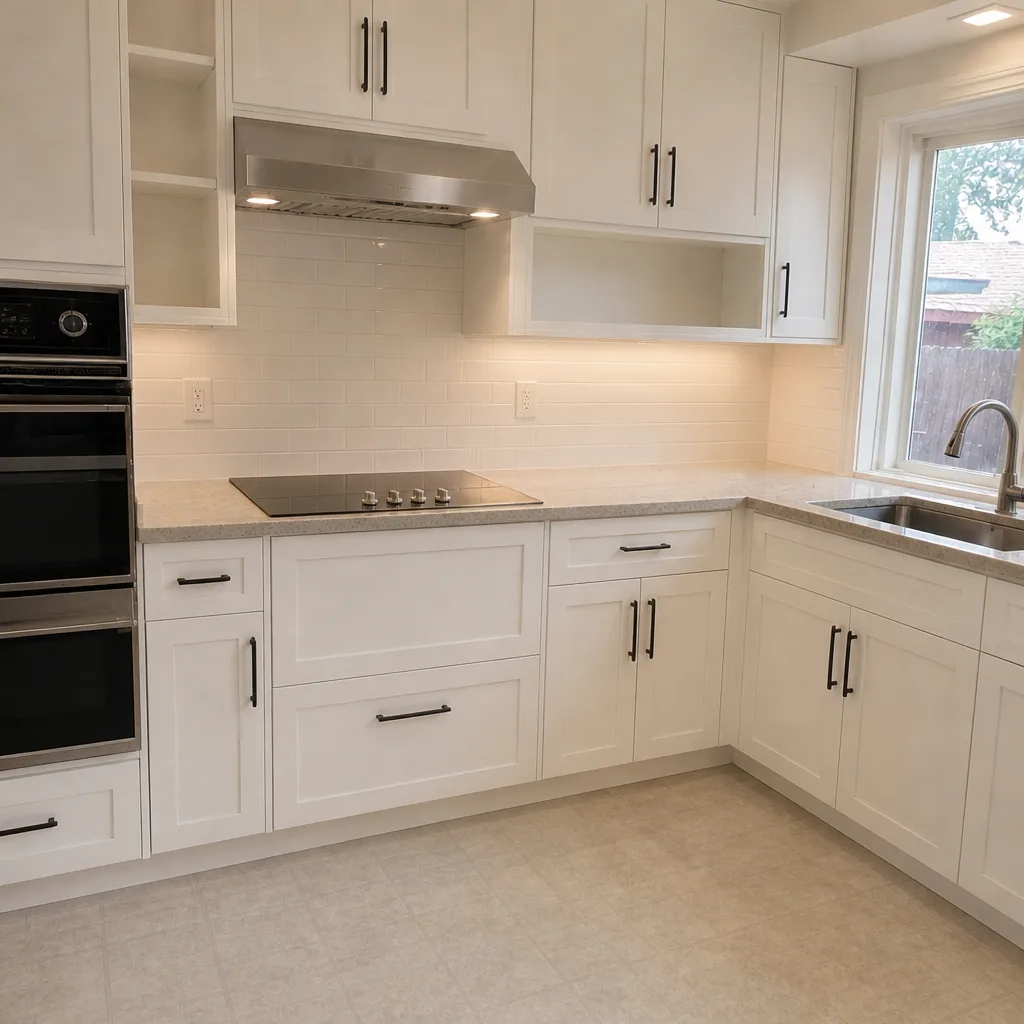 After
Signs You Need a New Roof in Tustin, CA: The Warning Signs a Curb-Side Walk-Around Misses
The most reliable sign you need a new roof is not interior water damage, it’s granule loss, fastener wear, and wind-uplift damage that show up on Tustin’s south- and west-facing slopes two to three years before the first leak indoors. If you’re waiting for a ceiling stain, you’ve already missed the actual warning signs. In a semi-arid Mediterranean climate, Tustin roofs fail from UV breakdown and Santa Ana wind stress long before moisture becomes the story. We’re Groundwork Construction Co. of Tustin, and we’ve inspected enough roofs across this valley to know what the surface hides. If you’d rather have a trained eye look, call (833) 954-6066 for a free assessment.
Why the Standard “Curling Shingles” Checklist Fails Tustin Homeowners
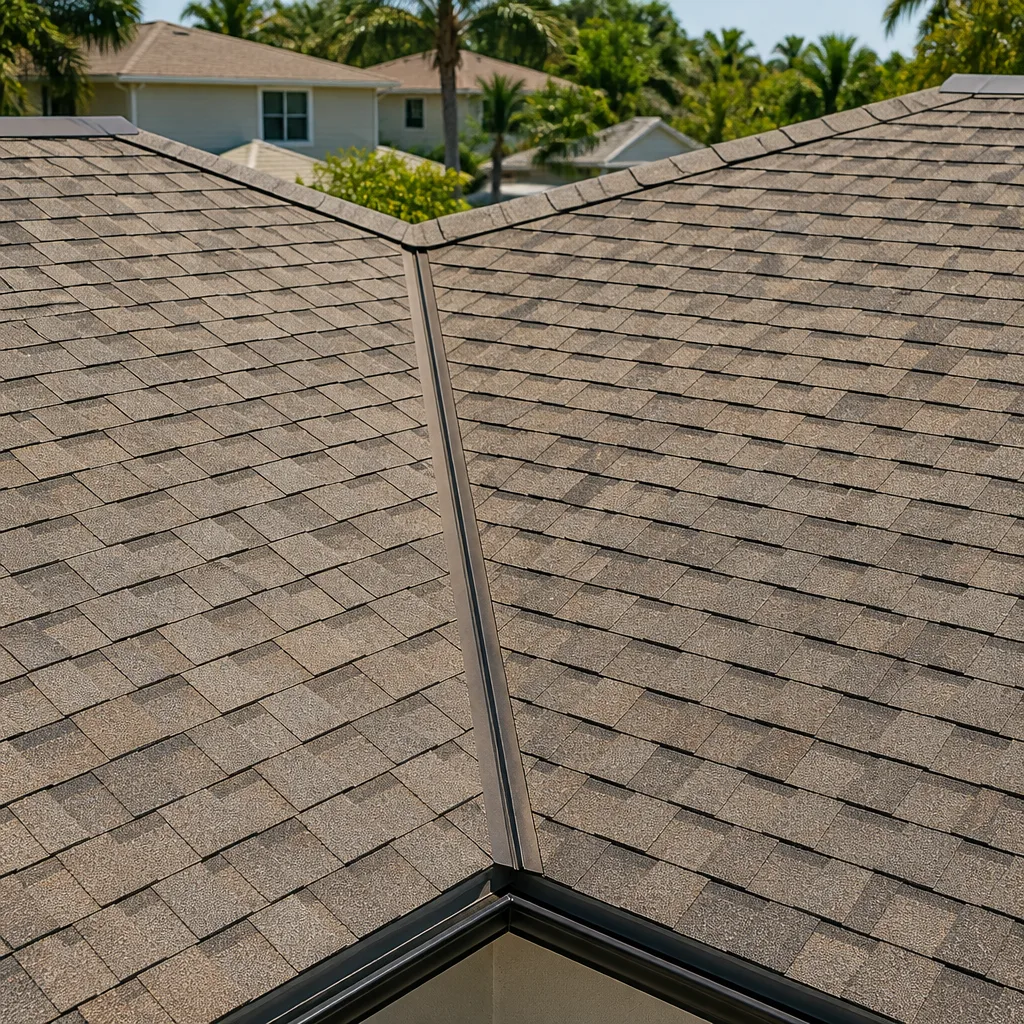
Most online roof guides were written for wet climates. They tell you to look for moss, algae, and sagging gutters full of leaves. None of that describes what actually happens to roofs in Tustin, where the annual rainfall is modest but the sun and wind work year-round. The damage pattern here happens in two phases: ultraviolet thermal fatigue during the hot, dry summer, then uplift during Santa Ana wind events that peel back whatever the UV loosened. A roof can pass a visual look and already be failing underneath.
Tustin’s housing stock makes this worse. Old Town Tustin’s 1920s-era Craftsman and Spanish Revival bungalows sit a few miles from the new construction in Tustin Legacy on the former Marine Corps Air Station Tustin footprint, where every roof is recent. That split matters: the bungalows have original skip sheathing under tile or shake, and the Legacies have modern engineered decks. The signs you look for are different in each. A single checklist doesn’t cover both, which is why we start any inspection with the age and construction of the home, not a binocular scan from the sidewalk.
What Warning Signs Should You Check for After Each Santa Ana Wind Event?
Walk your property after any high-wind night and look at the windward faces of the roof, typically the north and east sides in Tustin. You’re looking for three things: lifted tab corners, broken seal strips where the adhesive has separated from the shingle below, and exposed nail heads where shingles have shifted enough to back the fasteners out. Any of those three after a wind event is a repair-or-replace conversation, not a wait-and-see.
The reason this matters: Santa Ana winds in Tustin regularly hit sustained speeds that pull at the roof edge and along ridge caps, and each event weakens the cement and seal bond a little more. Once seal strips break, the next gust catches the shingle and lifts the tab. That’s the mechanism that turns a 12-year-old roof into a 20-year problem. We recommend a walk-around after every wind event that knocks branches down or sends patio furniture across the yard. That’s your signal to look up.
What to Record After a Wind Event
- Any lifted or missing tab, marked by roof face, so you can tell whether it’s spreading
- Broken seal strips (a shingle that lifts when you press lightly upward from below)
- Exposed nail heads, which are the fastest path to water intrusion at the fastener line
- Granule piles in downspout strainers (more on the UV quantification below)
- Ridge cap looseness, especially on tile roofs where cement at the hip can crack
How Do You Quantify Granule Loss on a Tustin Roof?
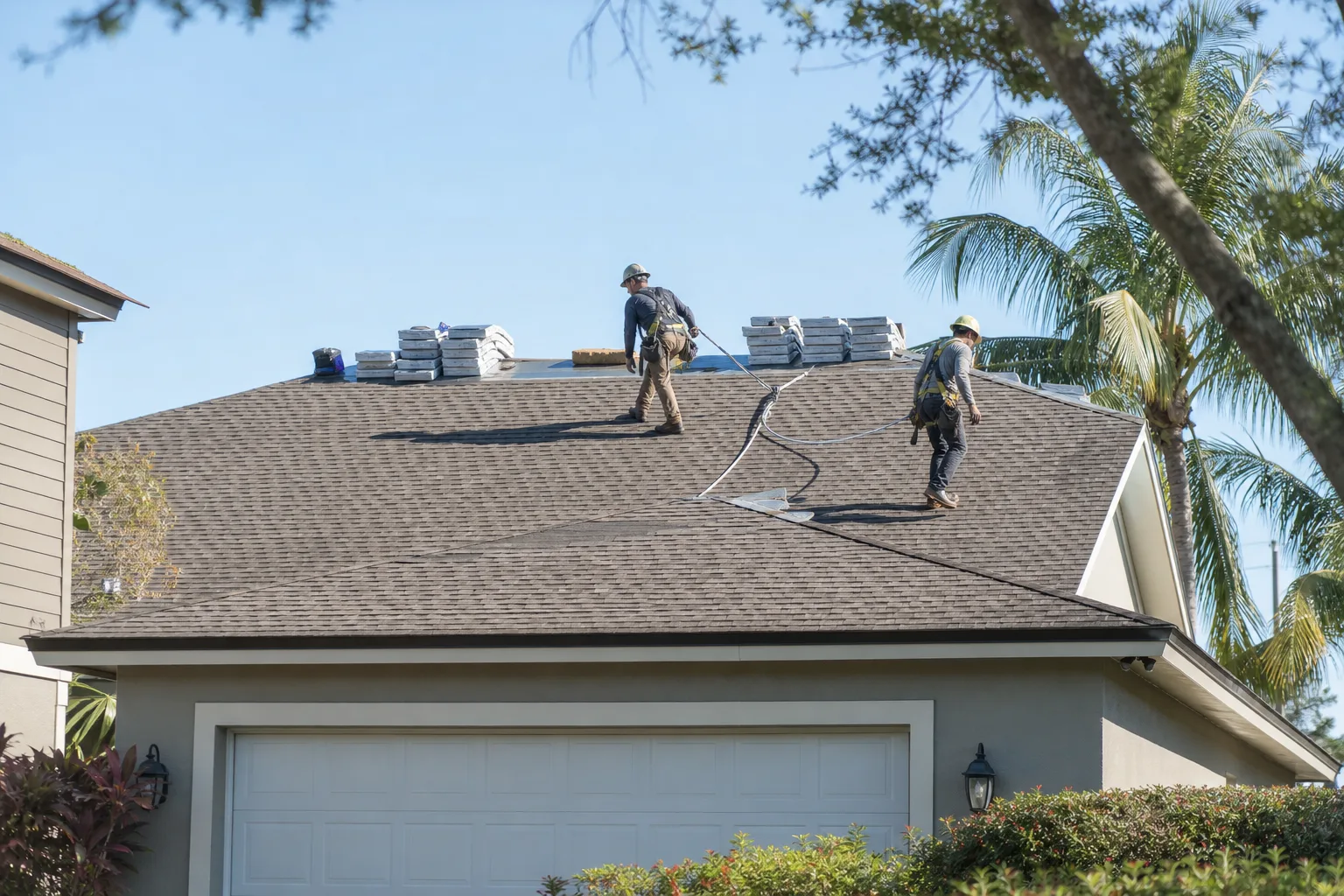
Granules in the gutter mean nothing on their own. What matters is the volume per downspout per rainy season. A cup or more of accumulated granules per downspout, season after season, is a replacement signal, not a repair signal. Granules are the shingle’s UV shield, and once they wash off, the asphalt below starts to bake. That’s not cosmetic; it’s the top layer of the system failing.
South- and west-facing slopes in Tustin take the most sun and will always lose granules faster than north- and east-facing slopes on the same roof. If your south slope is bare at the tabs and the north slope still looks dark and textured, you’re seeing pure thermal fatigue. That difference is information: on an evenly aged roof, all sides look roughly the same. When the sun side is dramatically worse, the roof has already absorbed more UV than it was rated for.
We see this pattern repeatedly on roofs from the last 15 to 20 years in the older sections of Tustin, and on tile roofs where the underlayment beneath the tiles is what actually fails. If your home has its original tile or metal roof from the 1980s or earlier, the underlayment underneath is almost certainly past rated life regardless of how the top surface looks. No visual checklist catches that. An underlayment test does, and that’s a replacement indicator that has nothing to do with aesthetics.
What Does the Underlayment Test Actually Show?
When we inspect a tile or metal roof, we carefully lift a section of tile at the eave or at a valley to expose the underlayment. A dry, brittle, or cracked underlayment on a 1980s-era roof tells us the membrane has exceeded its service life. The tiles are fine. The layer that keeps water off the deck is not. On these roofs, replacing the tile is a waste of good material; replacing the underlayment is the actual work, and that means a full tear-off and reassembly. That’s the conversation we have most often in Tustin on homes built before 1990.
What About the Subtle Sag Old Town Tustin Homeowners Can’t See From the Street?
If your Old Town Tustin home was built between the 1920s and 1950s and you can feel soft spots or see a shallow wave in the roofline, the original skip sheathing under the tile or shake is likely failing. Skip sheathing was standard on these bungalows: spaced boards with gaps instead of solid sheet decking. It works when new, but after decades under a hot roof, boards crack, fasteners back out, and the deck loses its ability to carry the tile load. The wave pattern is nearly invisible from street level and obvious from the ridge, which is why this is one of the most commonly missed issues on Craftsman and Spanish Revival roofs in Tustin.
You can spot it a few ways without climbing anything: look for a subtle dip in the roofline along the ridge, feel for softness when you press on the ceiling between rafters inside, or notice that doors and windows near the affected wall have started to stick. Any of those, on a 1920s through 1950s Tustin bungalow, is worth a professional inspection before the next Santa Ana event adds uplift load to a weakened deck.
When Should You Repair and When Should You Replace? Pricing in Tustin
Repair makes sense when the damage is isolated: one valley, one section of wind-lifted shingles, a cracked ridge cap on a tile roof. Replacement makes sense when the damage is systemic, meaning granule loss is widespread, fasteners are exposed across multiple slopes, the underlayment is past life, or the deck itself is compromised. The price gap in Tustin is wide enough that it’s worth getting the diagnosis right before you spend anything.
| Project | Typical Range |
|---|---|
| Roof Repair | $400 - $1,800 |
| Tile Roof Repair | $600 - $2,500 |
| Roof Replacement | $8,000 - $20,000 |
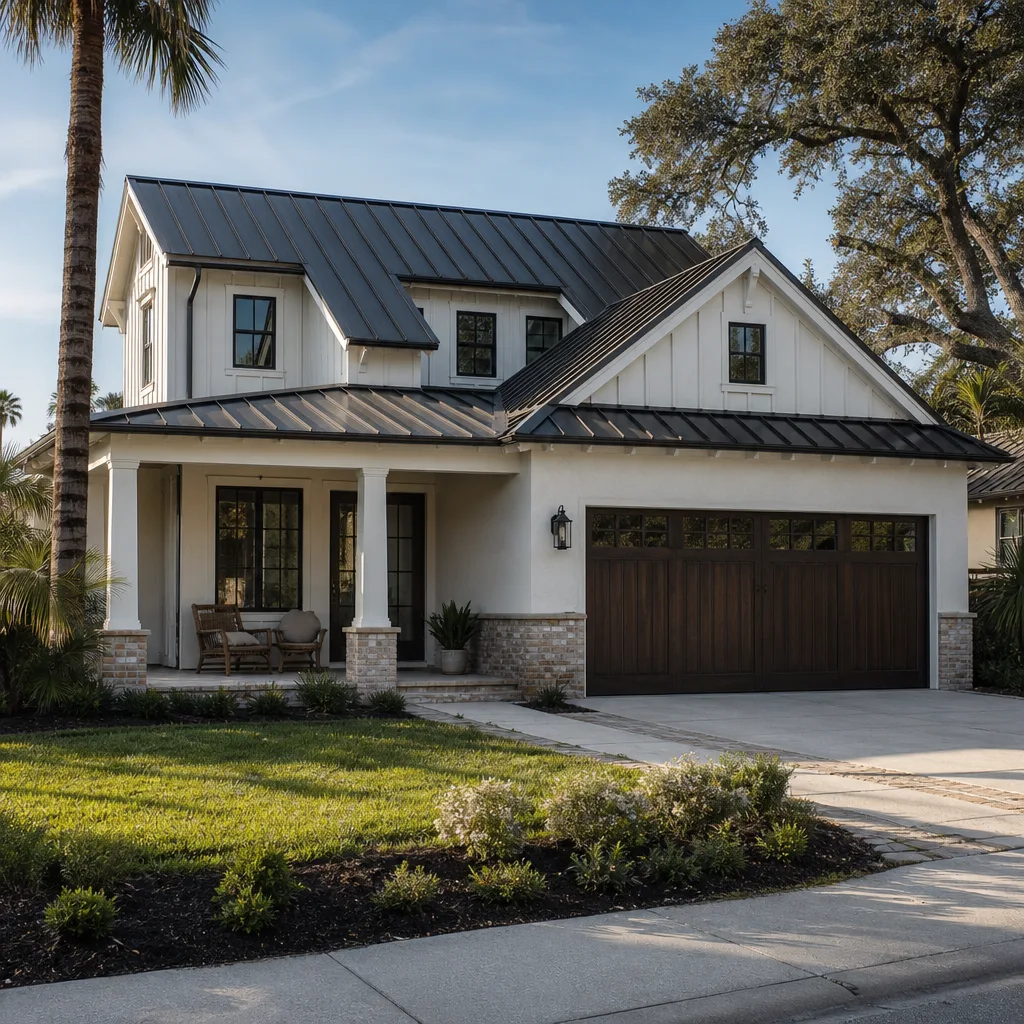
| Metal Roof Installation | $15,000 - $40,000 |
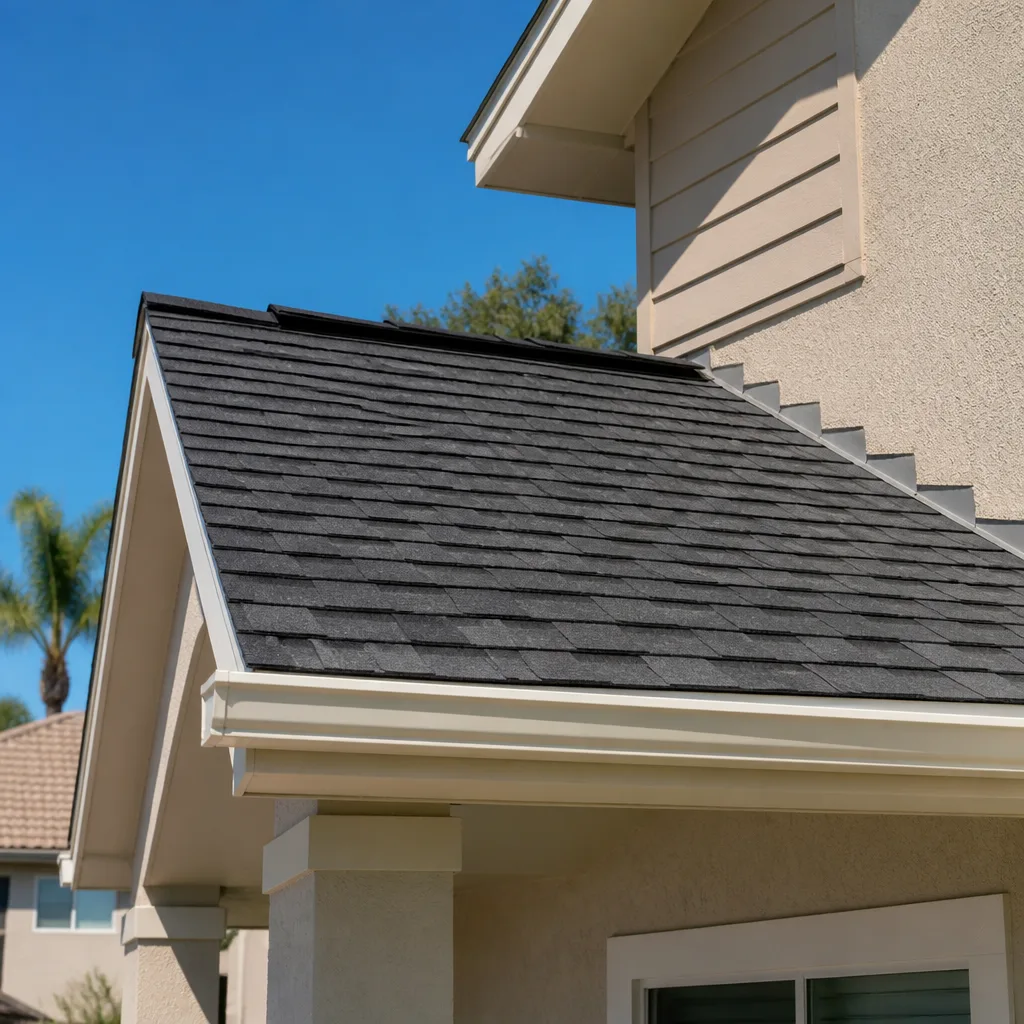
For a full replacement, you’re choosing between shingle systems rated for UV and wind exposure and tile or metal depending on the home. We work with GAF and Owens Corning for shingle roofs and with Atlas, Tamko, and Boral for tile and specialty systems, so the material choice matches the home rather than whatever’s in stock. Our technicians have up to 12 years of experience on roofs across this valley, and every replacement carries our 730-Day Done Right Promise: if it’s not done right, we make it right. You can see the full scope of what we offer on our Roofing page, and pricing for the wider market is on our Tustin service area page.
What Does a Groundwork Roof Inspection Cover?
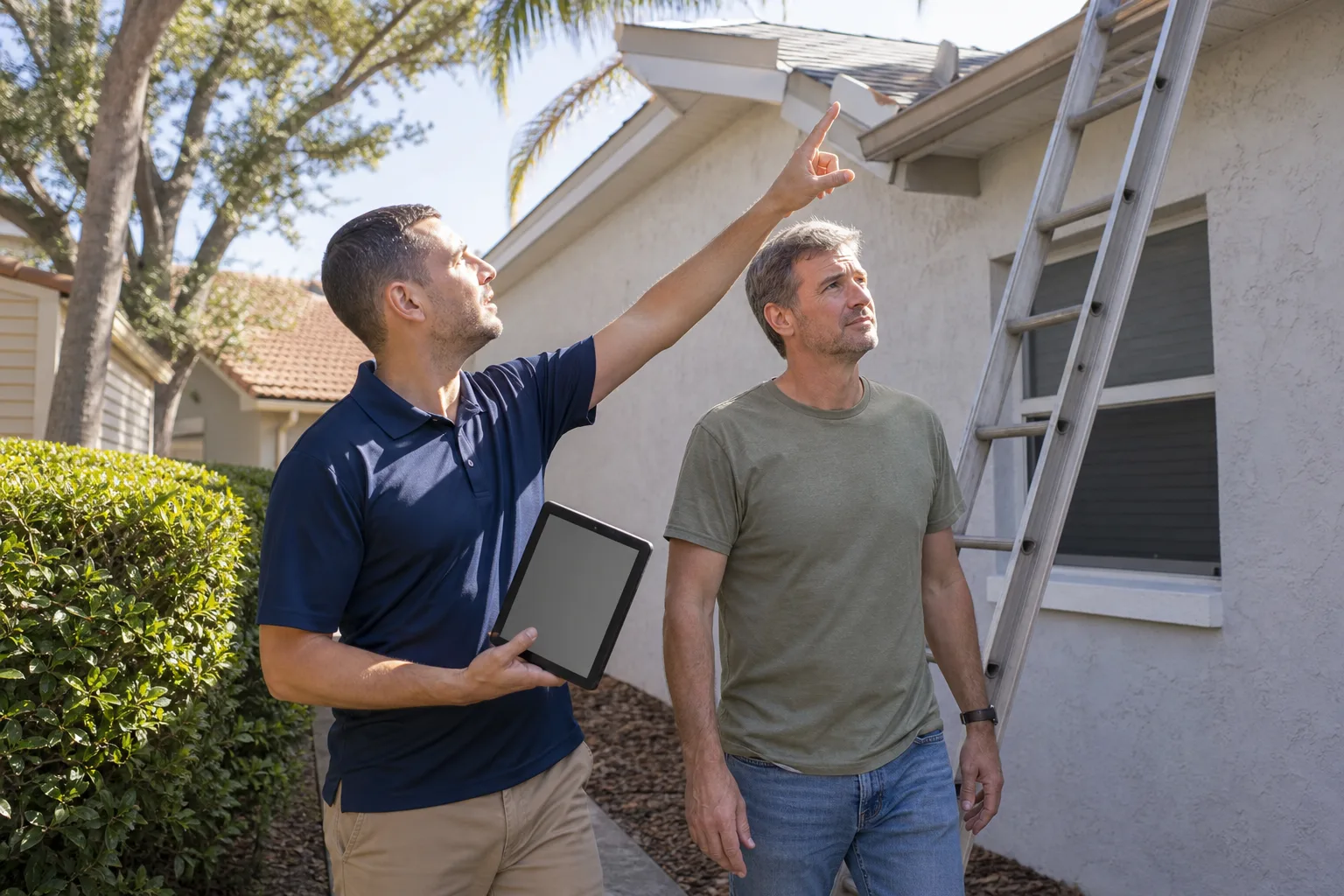
Our inspection is performed by a background-checked, uniformed technician, not a commission-based sales rep. What it covers:
- Surface walk of all roof faces with attention to south and west slopes for granule loss
- Fastener line inspection at each slope, including exposed nail heads
- Windward (north and east) face check for lifted tabs and broken seal strips after any recent event
- Ridge, hip, valley, and flashing inspection, including sealant and cement condition
- Underlayment test on tile and metal roofs built before 1990
- Deck and sheathing check where accessible, with attention to Old Town skip sheathing
- Attic-side check of rafters, ceiling, and insulation for moisture or sag evidence
- A written report of findings with photos and a clear repair-or-replace recommendation
You get all of it in writing. If the honest answer is “you have another five years,” we’ll tell you that. We’d rather earn the replacement later than push one you don’t need. For a no-pressure assessment, call (833) 954-6066. Estimates are free, and financing is available at 0% for 18 months, with $1,000 off any project over $10,000.
FAQs
If the damage is confined to one slope, valley, or ridge, a repair is usually the right call. If granules are gone across multiple south and west slopes, fasteners are exposed, or the underlayment is past life on a pre-1990 tile or metal roof, replacement is the correct scope. Call (833) 954-6066 for a written diagnosis with photos, and we’ll tell you which one you’re looking at.
Granule loss on the south and west slopes is the earliest sign, followed by lifted tab corners and broken seal strips after Santa Ana wind events. Interior water staining typically shows up two to three years later, which is why waiting for the ceiling stain is a late-stage strategy. Call (833) 954-6066 if you’ve seen any of the early indicators.
A properly installed shingle roof in Tustin’s UV environment typically needs replacement in the 15-to-20-year range, and tile or metal roofs often hit underlayment failure at 25 to 35 years even when the top surface looks fine. If your Tustin home still has its original 1980s tile or metal roof, the underlayment is the deciding factor, and it’s worth having it tested before the next wind season.
Yes. We recommend an inspection after any wind event that knocks down branches or sends patio furniture across the yard, and calls are answered by a live person 24/7. Reach us at (833) 954-6066 and we’ll schedule a uniformed, background-checked technician to put the findings in writing.
If You’d Rather Have It Looked At
Sagging rooflines, granules in the downspout, and wind-lifted shingles are all worth a trained eye, and a short inspection can save you thousands by catching the deck issue before it becomes a structural one. If you’d rather have it looked at, Groundwork Construction Co. of Tustin offers a no-pressure roof assessment in Tustin. Call (833) 954-6066 and we’ll get a technician out with a written report. Upfront pricing, 730-Day Done Right Promise on every job, and a live person on the line whenever you call.
Written by the team at Groundwork Construction Co. of Tustin, serving Tustin, CA.